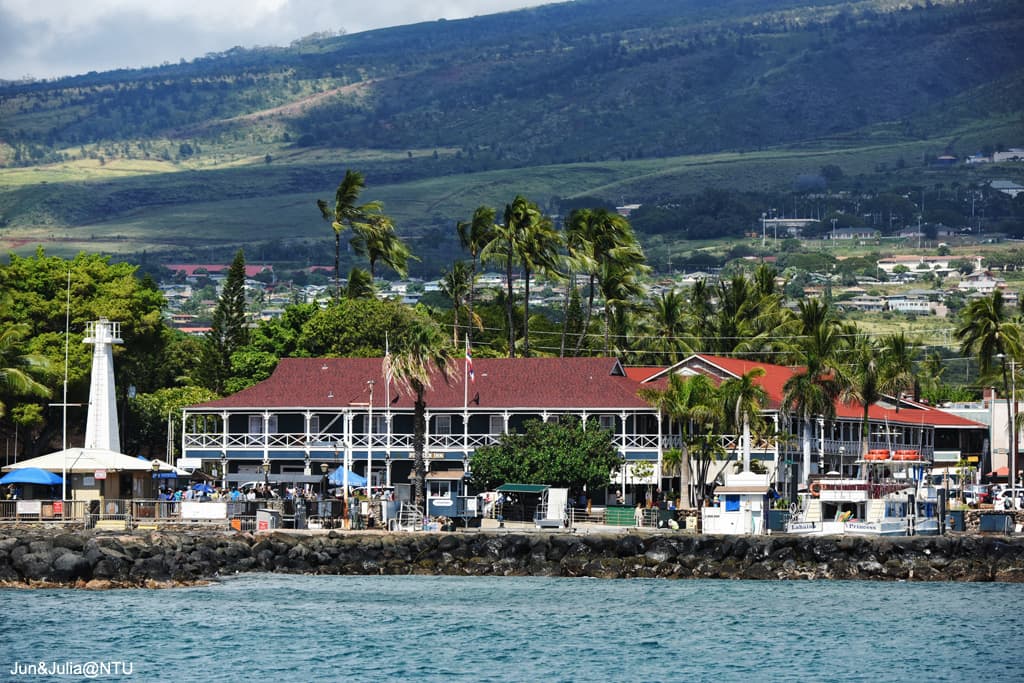
Lahaina
Historic whaling town turned tropical paradise on Maui's coast
Look, Lahaina isn't just another beach town on Maui. This former whaling capital turned luxury destination manages to be both deeply historic and completely indulgent. Front Street buzzes with art galleries and oceanfront restaurants while Kaanapali Beach stretches endlessly to your north. You'll find 19th-century missionary buildings sitting next to high-end resorts, and somehow it all works perfectly together. The sunsets here are legendary – and I mean that literally, as thousands gather nightly at the seawall to watch the sun drop into the Pacific.
Best Months
APR · MAY · JUN · SEP · OCT · NOV
~30°C · moderate crowds
Culture & Context
RISING FROM THE ASHES
Lahaina in 2026 is not the town most visitors picture from old photos. The August 2023 wildfire destroyed roughly 80% of the historic core, killed 102 people, and wiped out approximately 2,200 structures. This is the deadliest U.
S. wildfire in over a century. Recovery is real and ongoing.
As of May 2026, 195 homes have been rebuilt and about 300 more are under construction, but the iconic stretch of Front Street and the commercial district are still largely empty lots and construction fencing. The community is actively rebuilding, and tourism dollars matter. Every plate lunch at Aloha Mixed Plate and every luau ticket goes directly into the pockets of families who chose to stay and rebuild.
Come with that in mind. Before the fire, Lahaina was the former capital of the Kingdom of Hawaii, a whaling-era hub, and one of the most historically significant towns in the state. That history isn't gone.
It's just waiting to come back. The Lahaina Jodo Mission still stands. Fragments of the old seawall remain.
And the famous Banyan Tree (planted 1873, one of the largest in the U.S.) is still alive, showing new growth in 2026 after intense arborist care and soil remediation.
You can't walk under it yet. But you can see it from a harbor tour boat, which is honestly a pretty moving way to experience it right now.
Local Customs
SHOES OFF, TIPS UP
Remove your shoes (slippahs/sandals) when entering someone's home. This is not optional etiquette — it's a deeply ingrained custom across Hawaii. If you see a pile of shoes at the door, that's your cue..
Tip generously. Hawaii workers are often paid below minimum wage with tips factored in, similar to mainland restaurant practice. 20-25% is standard for table service.
$4-10/day for housekeeping if you're staying multiple nights.. Don't call locals 'natives' or 'Hawaiians' as a generic term for anyone who lives on the island. Hawaiian specifically refers to people of Native Hawaiian ancestry.
The general term for long-time residents is kama'aina.. Hula is not tourist entertainment. If you happen to see people spontaneously dancing hula at a local gathering or restaurant, don't snicker or treat it like a photo op.
It's a sacred storytelling tradition. Watch with respect.. Don't take rocks, sand, or coral from beaches or parks.
It's illegal and considered seriously bad form. The superstition that it brings bad luck is one thing; the environmental and legal reality is the bigger issue.. At surf spots, visitors go to the back of the lineup.
Forcing your way at a local surf break will be met with resistance. Ask first, watch the rotation, be humble.. Do not photograph fire-damaged properties, closed construction zones, or residents without asking.
In Lahaina's current context this is especially important. Families lost everything in these neighborhoods and it's not a backdrop for your social media feed.. Don't ask Lahaina residents to recount the night of the fire unless they bring it up.
The community is still processing significant trauma. Follow their lead.. Reef-safe sunscreen is mandatory by law in Hawaii.
Products with oxybenzone and octinoxate have been banned since 2021. Pack a mineral sunscreen with zinc oxide before you leave the mainland — it's cheaper there.. When someone offers you food or hospitality, accept graciously.
Refusing can read as rude. You can 'make plate' (take food to go) even if you're full — it's considered good manners at gatherings.
Safety
CONSTRUCTION ZONES & RESPECT
West Maui is safe to visit in 2026. The wildfire was devastating but contained to a specific area. Ka'anapali, Napili, Kapalua, and Honokowai were untouched and fully operational.
Here's what actually requires your attention. The historic downtown Front Street and the residential burn zone are active construction and recovery areas with orange bollards, barricades, and fencing. Do not drive into them.
GPS will still route you through some of these streets — ignore it and use the Lahaina Bypass Road, which takes you around the affected zone entirely. The Lahaina Historic District is open for daytime public access 8 AM to 6 PM daily, with vehicle access limited to the Shaw Street entrance on Front Street. Banyan Tree Park is closed to visitors — the tree is alive and recovering, but the grounds are off-limits to protect fragile root systems.
You can see it from harbor tour boats. At the beach: winter surf at Ka'anapali can get rough. Lifeguards post red flags when it's too dangerous to enter.
Obey those flags. Leave valuables at your hotel, not in your car — theft from tourist vehicles happens at beach access points. The Iao Valley is closed through June 26, 2026, so factor that into Central Maui plans.
Disaster tourism — drone shots of the burn zone, driving through closed neighborhoods out of curiosity, photographing damaged properties — is genuinely harmful to a community still in grief. Don't do it.
Getting Around
RENTAL CAR ESSENTIAL
You need a rental car. The Maui Bus covers basic routes between Kahului and the Lahaina area for $1.96 one-way, but it won't get you to beaches, hikes, or anything off the main corridor.
Economy cars average around $77/day. Book before you arrive — inventory is tighter than pre-fire and summer rates spike fast. From Kahului Airport (OGG, about 25 miles from Lahaina), an Uber runs roughly $70 each way.
There's also Kapalua Airport (JHM) about 5 miles north of Lahaina, served by smaller inter-island flights. Once you're in West Maui, use the Lahaina Bypass Road (off Highway 30) to get between the resort corridor and the Cannery Mall area. It routes around the fire-damaged zone entirely — cleaner, faster, and the right call.
Lahaina Harbor began a phased reopening in December 2025 with four tour companies returning. If you want to book a snorkel sail, sunset cruise, or whale watch (December through April is peak season), operators like Sail Maui and Atlantic Submarines are back running from the harbor. Book tours in advance online, not from street booths — the booths offering 'free' luaus or discounted activities often require sitting through a high-pressure timeshare presentation.
Lane closures on Honoapiilani Highway near Lahaina due to reconstruction are ongoing. Build in extra travel time, especially in the morning.
Useful Phrases
Money-Saving Tips
- 1.Park at Lahaina Harbor lot ($3/day) instead of Front Street meters ($1.25/hour) for longer visits
- 2.Buy groceries at Safeway in Lahaina Gateway Center – resort mini-marts charge 3x mainland prices
- 3.Happy hour at Front Street restaurants runs 3-6 PM with 50% off appetizers and drinks
- 4.Snorkel gear rental costs $35/day at shops, but Costco sells decent sets for $40 if staying longer
- 5.Maui Bus day passes cost $4 versus $2 per ride, worthwhile for airport transfers
- 6.Book accommodation directly with hotels to avoid booking site fees, often 10-15% savings
- 7.Lahaina Noon happens twice yearly when the sun is directly overhead – free natural phenomenon better than paid attractions
Travel Tips
- •Download offline maps before driving – cell service drops out on remote stretches of highway
- •Bring reef-safe sunscreen (zinc oxide or titanium dioxide) – chemical sunscreens are banned in Hawaii
- •Pack a light jacket for evening – trade winds make it surprisingly cool after sunset
- •Make dinner reservations 2-3 days ahead during peak season, especially for oceanfront restaurants
- •Check cruise ship schedules at Lahaina Harbor – town gets packed when multiple ships dock simultaneously
- •Bring water shoes for rocky beach entries and coral protection while snorkeling
- •Learn basic Hawaiian words – locals appreciate the effort, and it enhances your experience