Ljubljana
Fairy-tale capital with dragon bridges and car-free charm
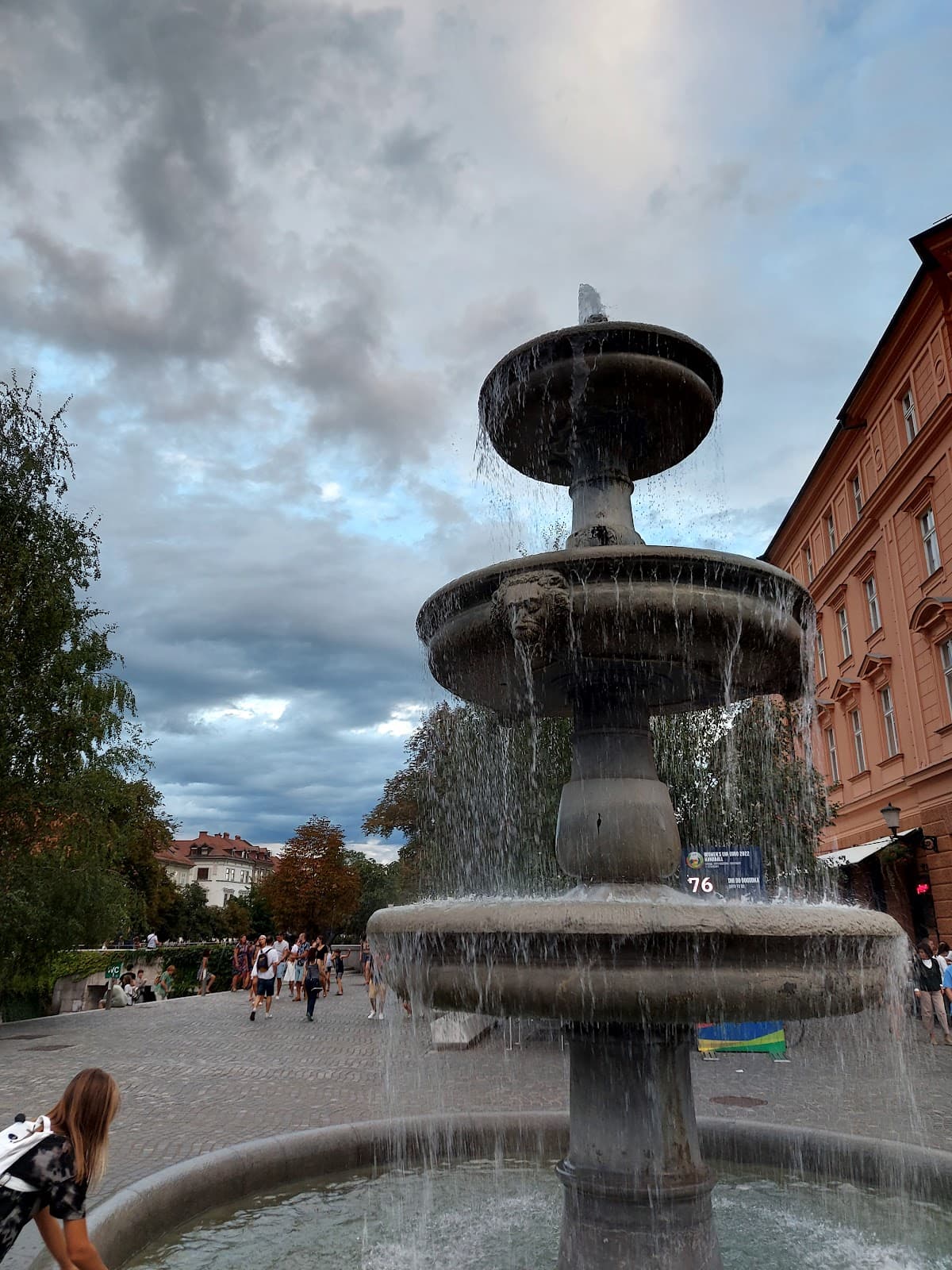
Ljubljana feels like someone took the best parts of Prague, shrunk it down to human scale, and sprinkled in some serious Alpine charm. Slovenia's capital sits along the emerald Ljubljanica River, where art nouveau buildings reflect in the water and dragons guard the famous Triple Bridge. The entire old town is car-free, so you'll walk cobblestone streets past sidewalk cafes and street musicians without dodging traffic. At 280,000 people, it's small enough to explore on foot but big enough to surprise you with world-class museums, innovative restaurants, and a castle that watches over everything from its hilltop perch.
Best Months
APR – OCT
~22°C · moderate crowds
Culture & Context
PLEČNIK'S ARCHITECTURAL LEGACY
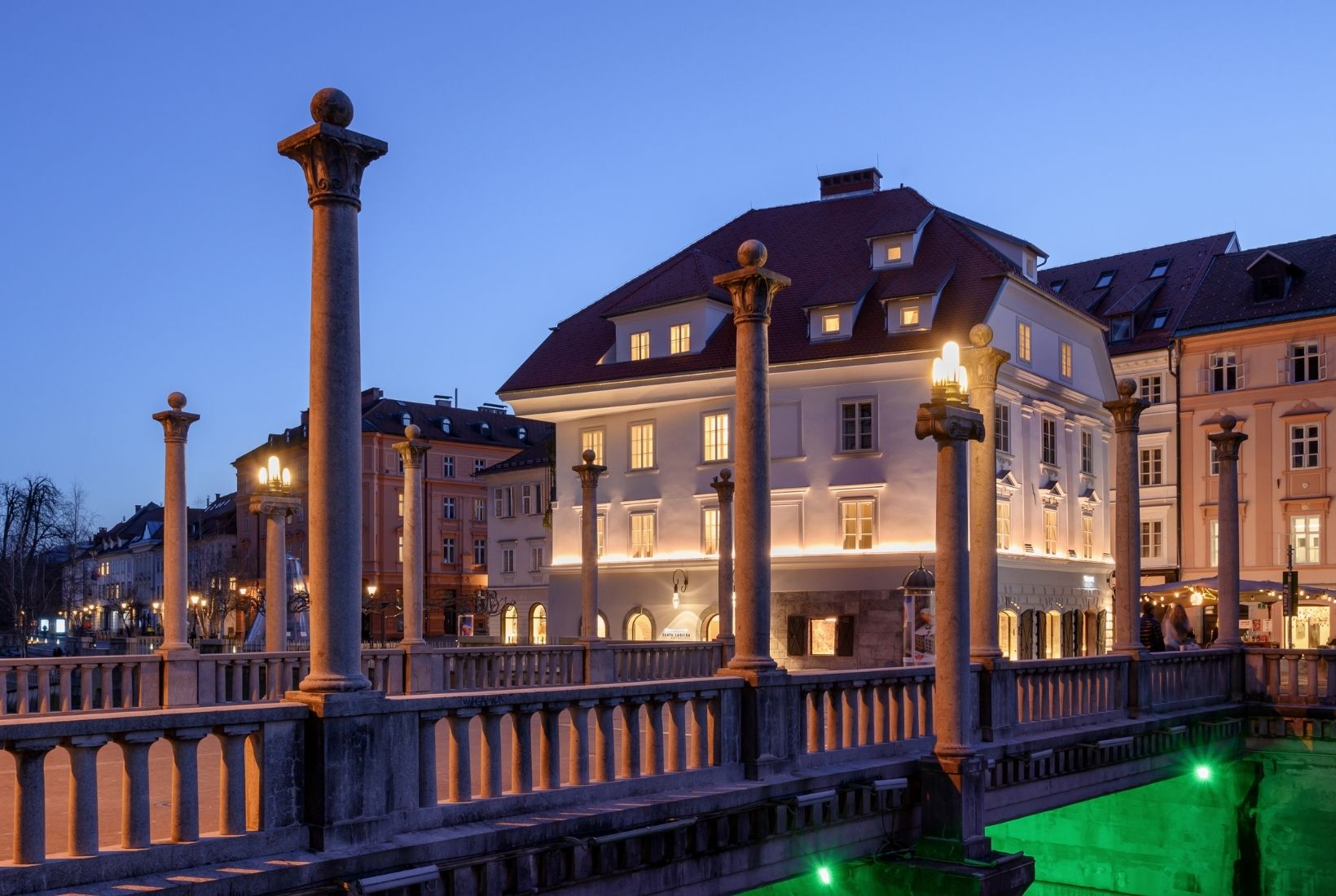
Ljubljana is a compact city of 300,000 people (600,000 in the metro area) that wears its Central European identity honestly. It borders Italy, Austria, Hungary, and Croatia, and the food and architecture reflect all of them. Jože Plečnik, the Slovenian architect who basically redesigned the city in the early 20th century, is everywhere — the Triple Bridge, the Central Market colonnades, the covered Butchers Bridge.
Locals are proud of him and will notice if you don't know the name. The city won the EU Green Capital award, with over 40% of urban area covered by parks and green space. The car-free Old Town means you walk or bike everywhere, which sets a particular pace.
Ljubljana has a large student population, which keeps the café culture active and the alternative scene alive. Catholicism is the predominant religion, though Ljubljana skews secular in practice. The 2025 Global Peace Index ranked Slovenia #9 in the world for safety.
Local Customs
FORMALITY THEN WARMTH
Greet with a firm handshake and direct eye contact when meeting someone. Wait until invited before using first names — formality matters in first interactions. Address people as Gospa (Madam), Gospodična (Miss), or Gospod (Sir)..
Tipping is not obligatory and won't create awkwardness if you skip it. But rounding up the bill or leaving 10% for good service at a restaurant is increasingly normal given the tourism influx. For taxis, rounding up a euro or two is fine..
Cover up properly in churches. No sleeveless tops or above-the-knee skirts inside religious buildings. Ljubljana Cathedral and the Franciscan Church of the Annunciation are the two you're most likely to enter..
Slovenians value personal space. Don't stand too close when talking, and unnecessary touching in a first meeting is uncommon.. If you're lucky enough to be invited to someone's home: take off your shoes at the door (slippers are usually provided), bring wine, chocolates, or flowers — but avoid chrysanthemums, which are associated with funerals..
Wait for a toast before your first sip of wine at a traditional dinner. The toast is 'Na zdravje!' (to your health).
Make eye contact when clinking glasses.. Validate your bus ticket before or immediately after boarding. Fines for not having a valid ticket reach €50..
Ljubljana's tap water is completely safe and genuinely good. The city has 30+ public drinking fountains. Use a refillable bottle..
The car-free Old Town means no honking, no traffic noise, just foot traffic. Keep your voice at a reasonable level in residential streets — the acoustics are different without cars to mask things.
Safety
GENUINELY SAFE CAPITAL
Ljubljana is genuinely one of the safest capitals in Europe. Slovenia ranks in the top 10 on the 2025 Global Peace Index, and violent crime against tourists is extremely rare. The Numbeo Safety Index scores the city around 80.
4 — higher than Paris, Rome, or Berlin. The car-free Old Town is well-lit and stays busy until late, so walking back from dinner or a show at Križanke at 11pm is not an issue. The main thing to actually watch for is petty theft.
Train and bus stations, the Central Market, Prešeren Square, and the Triple Bridge area are where the small number of pickpocketing incidents cluster. Keep your bag zipped and phone in a front pocket in these spots. Tivoli Park and other green areas are excellent during the day but skip poorly-lit shortcuts through them after midnight.
For night rides, use the Bolt app (city trips typically €5-10) rather than hailing something on the street. Emergency: police 113, ambulance/fire 112 — operators generally speak English. One specific note from the US Embassy: be cautious at 'gentlemen's clubs,' which have a history of presenting foreign customers with inflated bills and threatening those who refuse to pay.
Skip those entirely.
Getting Around
WALK BIKE BUS
The centre is almost entirely car-free, so the honest answer is: you'll mostly walk. Ljubljana is compact enough that most sightseeing involves no transport at all. For everything else: the BicikeLJ bike share has 36 stations around the city, costs €3/year (or €1/week), and the first hour of every ride is free — which covers almost any trip within the city.
The LPP bus network has 26 lines, costs €1.30 per journey on the rechargeable Urbana card (€2 to buy the card at a newsstand or Petrol station), and buses run clean and frequently. Monthly pass is €30.
Free electric shuttles called Kavalirs run through the pedestrian zone year-round — just wave one down. From Ljubljana, the train station connects to Zagreb (2 hrs), Venice (3.5 hrs), and Vienna (via Villach).
Buses are generally cheaper and reach more destinations than trains within Slovenia; check Avtobusna Postaja Ljubljana for schedules. Getting from the airport: official taxi runs about €45 — instead, book a shared GoOpti shuttle in advance for €15-25. Bolt operates in the city for on-demand rides.
If you're driving, Slovenia requires an e-vignette for motorways — buy it online before you arrive. There is zero tolerance for drink-driving and fines are severe.
Useful Phrases
Ljubljana Itineraries
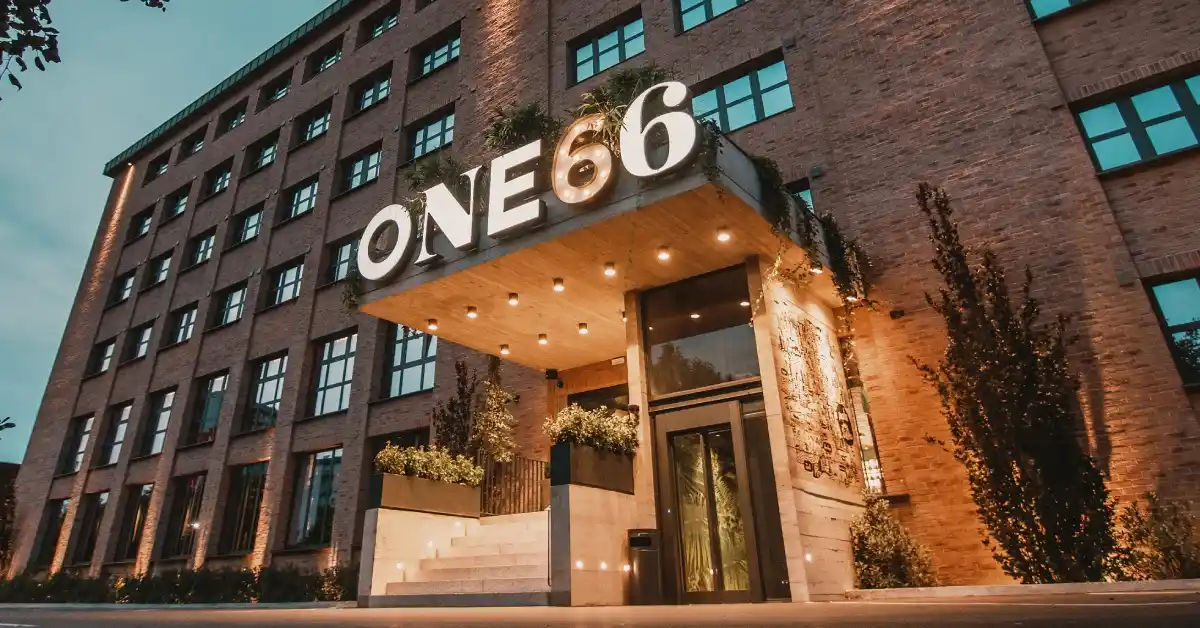
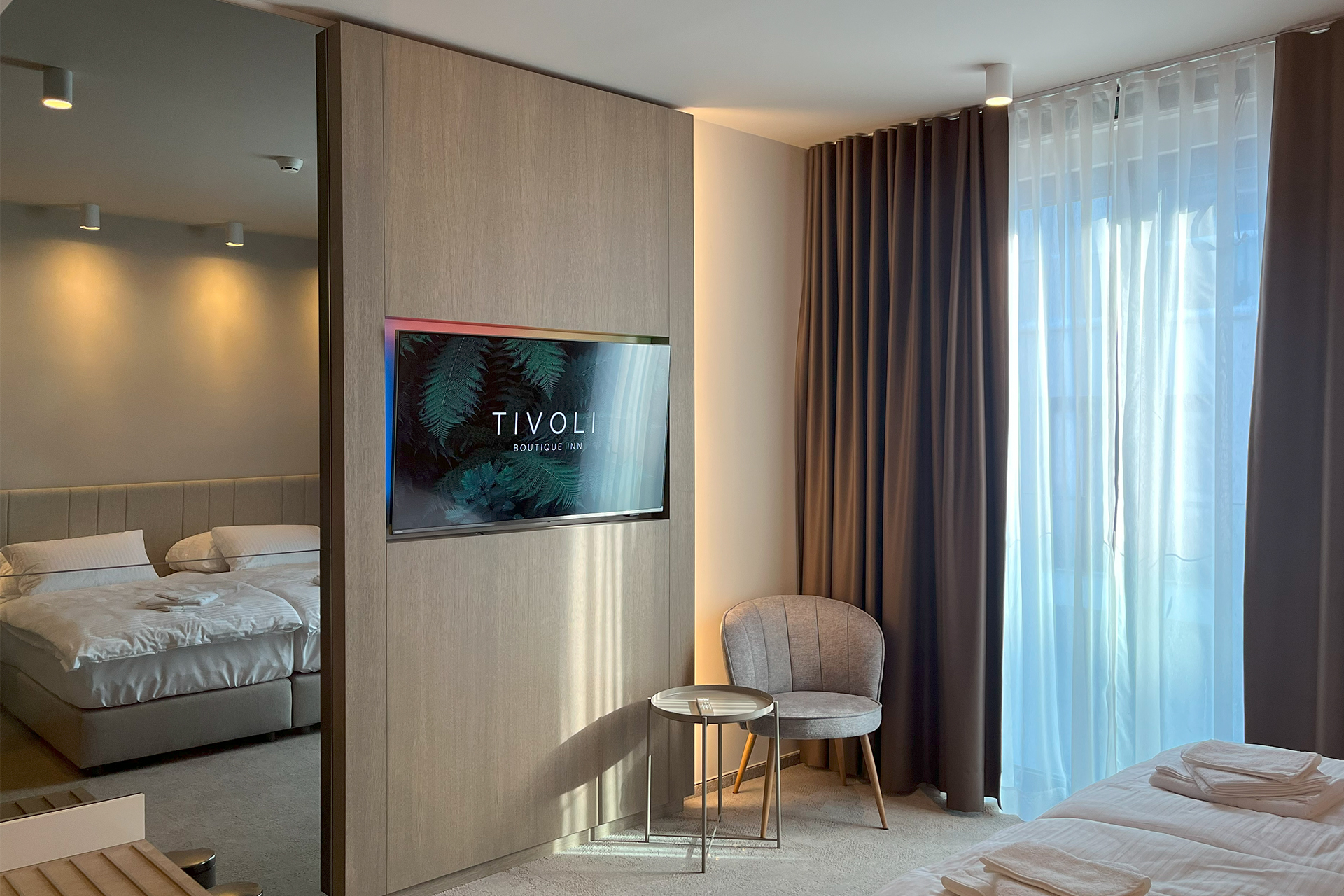
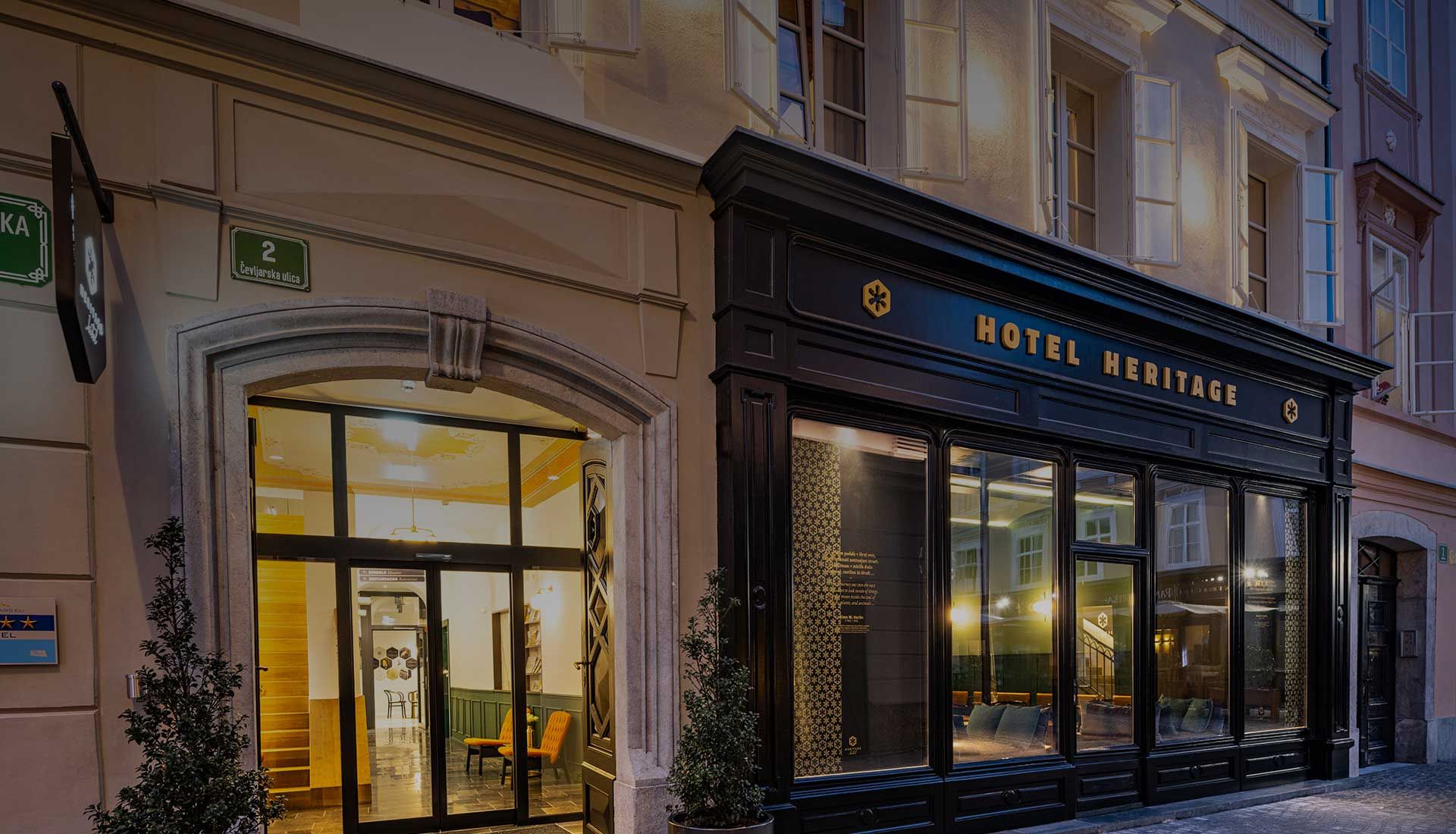
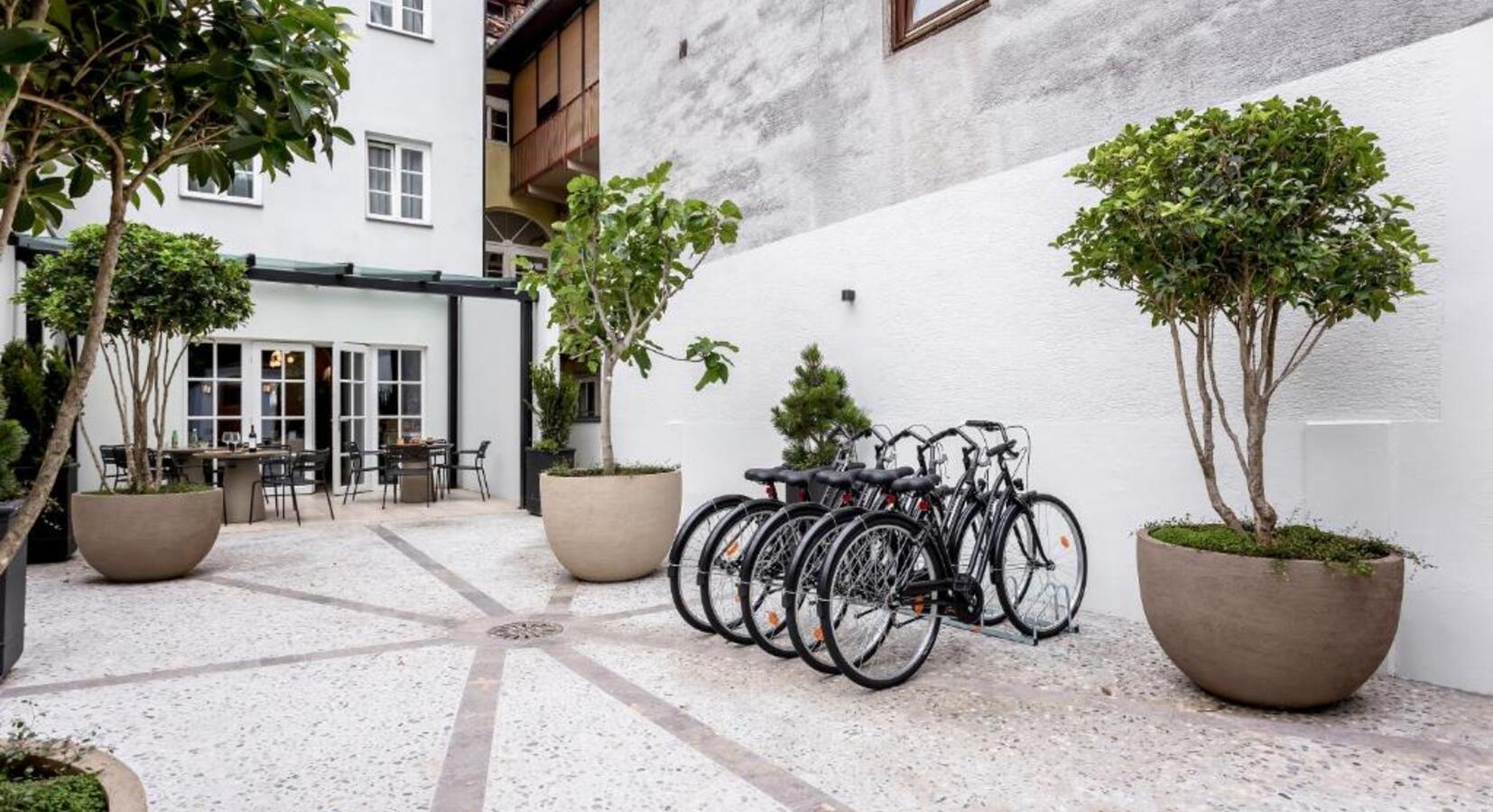
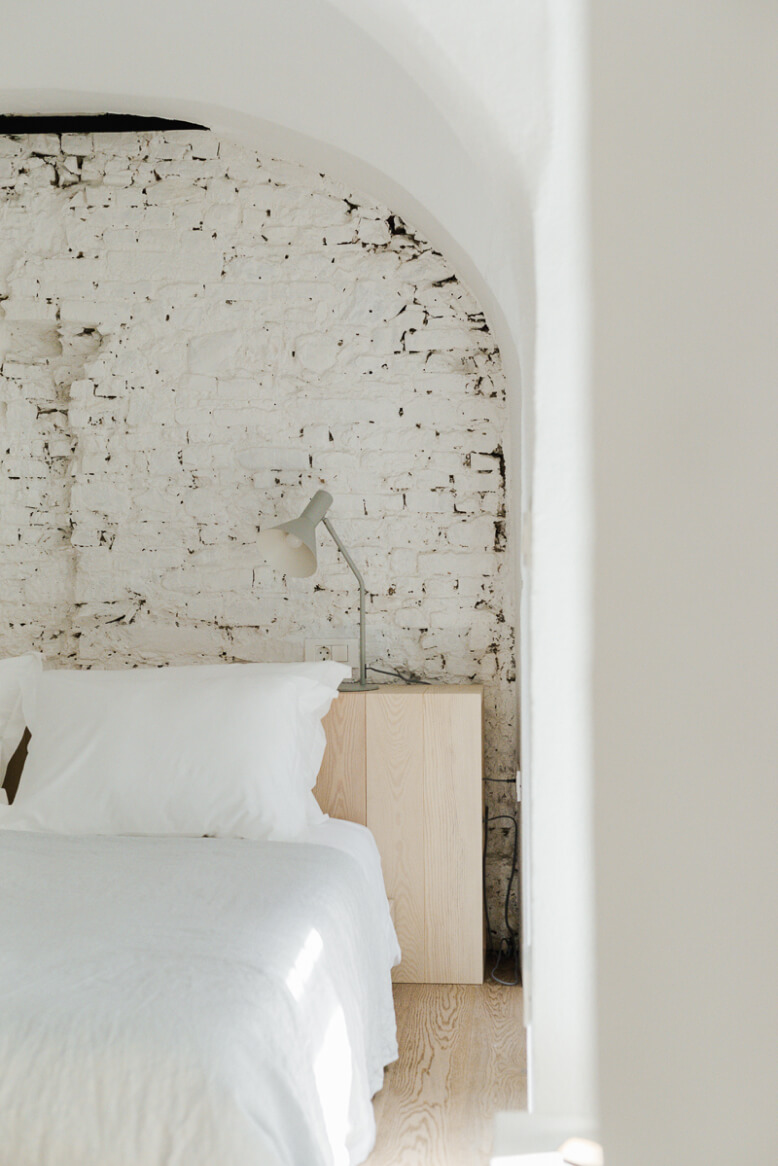
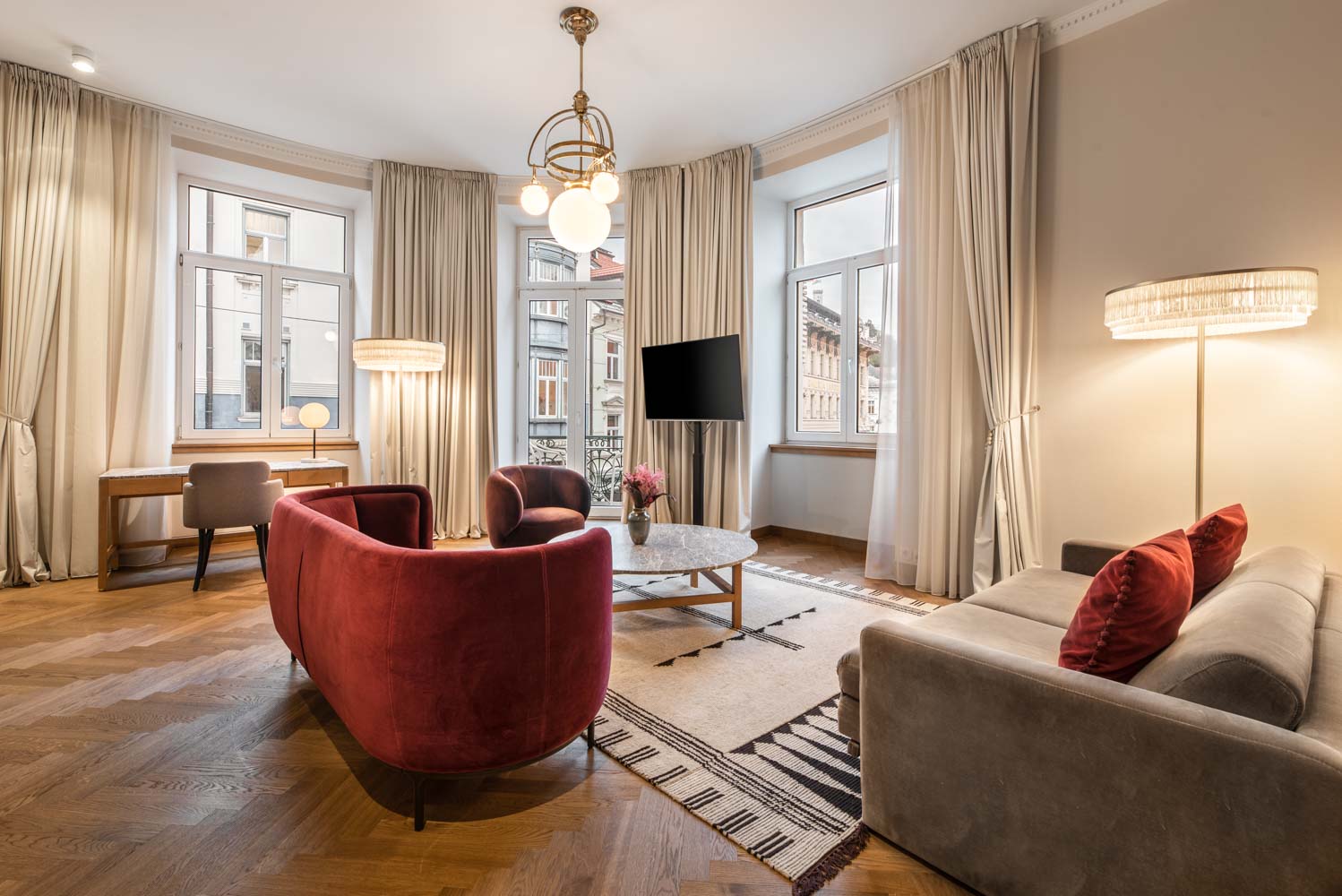
Where to Stay in Ljubljana
9 recommended properties
Things to Do in Ljubljana
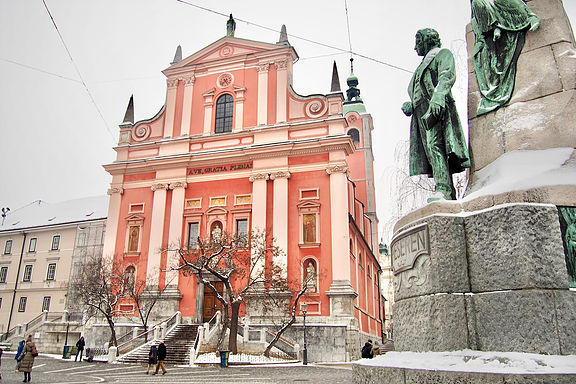
Preseren Square
45 min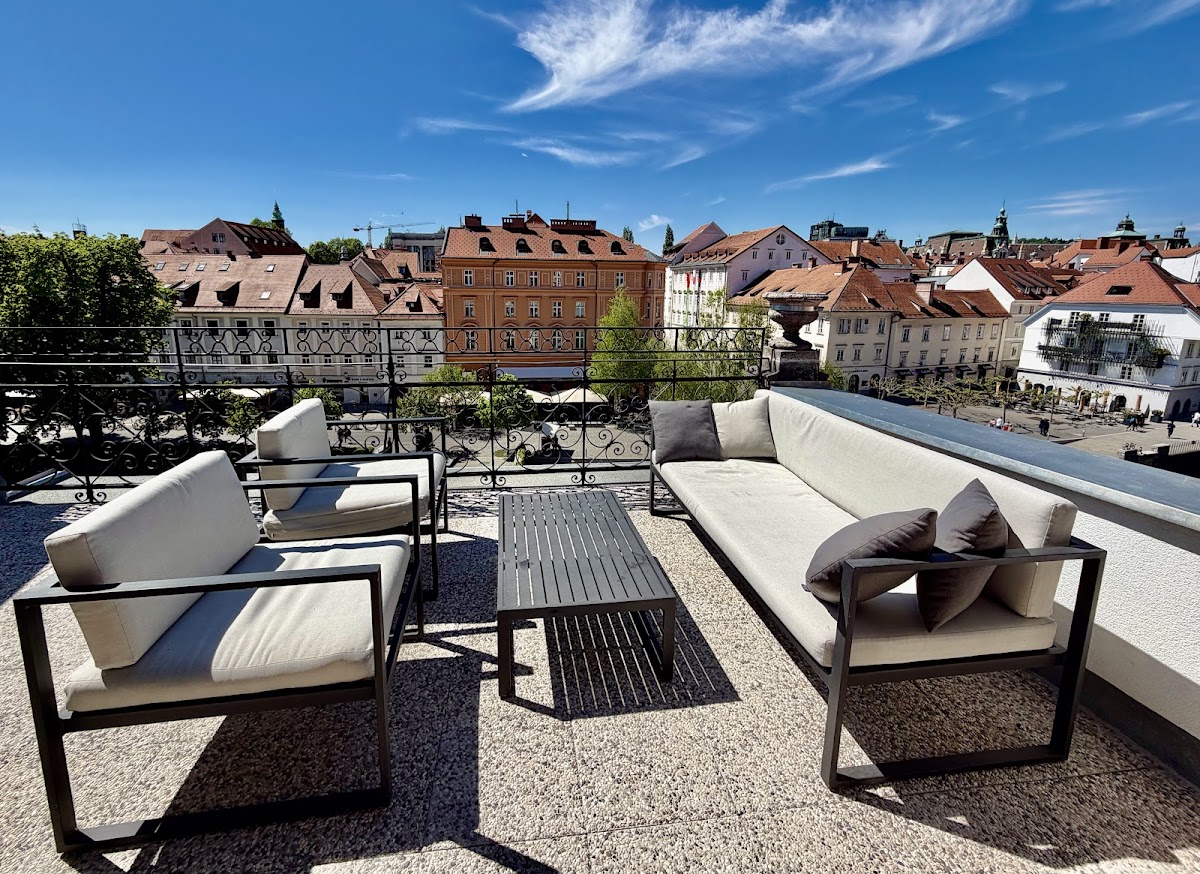
Ljubljana Old Town
120 min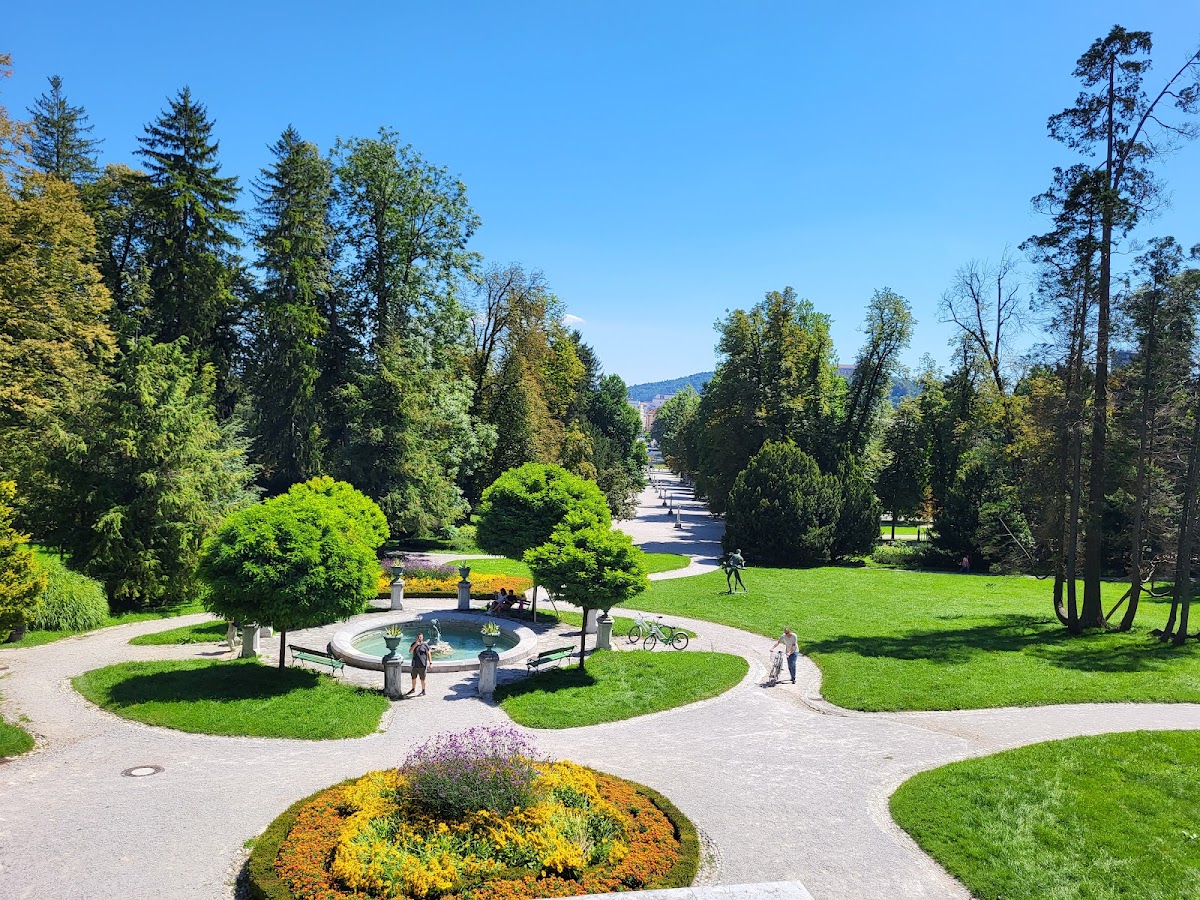
Tivoli Park
90 minMoney-Saving Tips
- 1.Buy the Ljubljana Card for €35 (48 hours) - includes castle funicular, city buses, and museum entries
- 2.Eat at lunch counters and gostilnas instead of tourist restaurants - meals cost €8-12 vs €20-25
- 3.Shop at Mercator or Spar supermarkets for groceries - a loaf of bread costs €1.20
- 4.Take the bus to Lake Bled (€4.10) instead of tours (€35-50)
- 5.Drink coffee standing at the bar like locals - saves €1-2 per cup
- 6.Visit free attractions like Tivoli Park, Dragon Bridge, and the riverside walk
- 7.Book accommodations outside July-August for 30-40% savings
Travel Tips
- •Learn basic Slovenian greetings - 'Živjo' (hello) and 'Hvala' (thank you) go far with locals
- •Carry cash - many small cafes and markets don't accept cards
- •Walk on the right side of pedestrian areas - Ljubljana has unofficial traffic rules
- •Try local wines at grocery stores - excellent bottles cost €8-15 vs €25-40 at restaurants
- •Book restaurant tables for dinner - many places are small and fill up quickly
- •Bring layers - mountain weather changes quickly, even in summer
- •Download the Urbana app for easy bus payments and schedules