Mallorca
Balearic beauty blending dramatic coastlines with cultural treasures
Mallorca gets a bad rap as just another party island. Sure, Magaluf has its neon-soaked clubs and British tourists, but venture beyond the resort strips and you'll find an island that's been perfecting the art of good living for centuries. The Serra de Tramuntana mountains rise dramatically from turquoise coves, while Palma's Gothic cathedral watches over narrow streets where locals still gather for evening paseos. This is where Spanish royalty vacations, where cycling enthusiasts tackle mountain passes, and where families discover that perfect balance of culture and coastline. The beaches range from the Instagram-famous Cala Mondragó to hidden gems accessible only by hiking boots or boat.
Best Months
MAY · JUN · SEP · OCT
~26°C · moderate crowds
Culture & Context
MALLORQUÍ DIALECT RULES
Mallorca has two official languages: Castilian Spanish and Mallorquí, the island's own dialect of Catalan. What you hear on the streets between locals is almost always Mallorquí. It's a dialect shaped by 13th-century Catalan settlers and centuries of geographical isolation, and it differs enough from standard Catalan that even Catalans sometimes struggle with it.
Signs, menus, and street names flip between both languages constantly. Say "bon dia" instead of "buenos días" and you'll get a visibly different response. The island moves at its own pace.
Appointments run late, shops close for siesta even in Palma (especially outside the tourist zones), and dinner before 9pm marks you as a tourist instantly. Lunch is the main meal of the day and typically happens around 2pm. Don't rush the process or take the pace personally.
It's intentional. Festivals here are not performances for tourists. They're rooted in agriculture, faith, and community identity.
Participating matters more than watching.
Local Customs
SLOW DOWN, RESPECT PACE
Dress for your location. Walking through Palma's Old Town or visiting La Seu Cathedral in a bikini or shirtless will genuinely irritate locals. It's fine on the beach promenade.
Not fine anywhere else. A light layer solves this instantly.. Lunch is at 2pm.
Dinner starts at 9pm. Show up at a local restaurant at 6pm and you'll be eating alone with one apologetic waiter who really wants to be somewhere else. Touristy areas stretch these times, but authentic spots don't..
Tipping is voluntary and not as expected as in North America. Locals often tip nothing or just round up. Five to ten percent is generous and well-received in restaurants.
For organized excursions with a local guide, €1–2 at the end is the custom.. The trileros (shell game operators) along Playa de Palma are a well-documented scam. The accomplices pretending to be tourists winning big are part of the act.
Walk past. Don't engage.. Don't approach or engage with 'claveleras' — people offering carnations or small gifts on the street.
Many are professional pickpockets using the gift as a distraction.. VAT (IVA at 21%) is sometimes included in menu prices and sometimes not. Check the menu before ordering and ask if unsure — especially at restaurants near the waterfront..
Watch your belongings at beaches. Unattended wallets and shoes disappear. Some beaches like Cala d'Or have safety deposit box rentals at sunbeds.
If yours doesn't, take essentials into the water with you in a waterproof bag.. Magaluf and parts of Playa de Palma are actively policed for public drinking, balconing (jumping from balconies), and anti-social behaviour. Fines are real and enforcement has increased in 2026.
Safety
PETTY THEFT, NOT VIOLENCE
Mallorca is generally a safe destination. Palma's crime index sits well below London or Paris, and violent crime is rare. That said, petty theft is the actual concern. Pickpockets operate in tourist-heavy areas — markets, the waterfront, transport hubs — and they're professionals. Keep your wallet in a front pocket or a bag you can physically hold closed. Don't leave anything unattended on the beach, not even shoes.
The shell game scam (El Trile) is active along Playa de Palma in 2026. Local authorities have been raising awareness but it continues. The setup looks like a street game with people winning money easily. It's not. Walk past and don't stop.
Magaluf and parts of Playa de Palma (particularly the s'Arenal area — which Google Maps literally labels as "Platja dels Borratxos," the Beach of the Drunks) can get rowdy, especially on weekends. Alcohol-related incidents are more common there. Don't leave drinks unattended and avoid walking alone late at night in these zones. Calvià municipality has increased fines for public drinking and anti-social behaviour in 2026.
Use 112 for all emergencies. Pharmacies (farmacias) are easy to find and staff generally speak some English. If you're hiking in the Serra de Tramuntana, check weather warnings before heading out — the terrain is rugged and conditions can change faster than the weather app suggests. Also watch for the Ecotasa (tourist tax) being added to your bill — it's legitimate, but some restaurants add undisclosed extras, particularly near the waterfront. Check your bill before paying.
Getting Around
BUS & TRAIN NETWORK
Getting around Mallorca is more manageable than most people expect, but a car opens up the island considerably. Here's the practical breakdown:
EMT buses (city of Palma): Runs 30+ routes across Palma including to the airport (route A2, about €5). Since 2025, journeys are free if you use the Intermodal transport card. Cash fare is €2 per trip. The card requires picking up at main stations, so grab one on arrival if you're staying more than a couple of days.
TIB intercity buses: Covers the rest of the island from Palma's Estació Intermodal at Plaça d'Espanya. Over 150 routes connect you to Pollença (Line 340), Sóller/Deià/Valldemossa (Line 210), Magaluf/Santa Ponsa (Line 104), and the east coast including Coves del Drac (Line 412). Cash fares: roughly €5–9 for longer routes. Using a contactless bank card costs about €5.40 versus €9 cash on long-distance TIB routes — a real saving worth knowing.
SFM trains: Run from Estació Intermodal to Inca (T1), Sa Pobla (T2), and Manacor (T3). Fares from €1.60–€4.10. Also free with the Intermodal card.
The Sóller Train: The vintage wooden narrow-gauge train running since 1912 is not a transport utility — it's a genuinely lovely hour-long ride through the Tramuntana Mountains. One-way costs around €22–23; returns run €30–40. It is NOT covered by free-travel schemes. Worth paying for as an experience, not the fastest way to get to Sóller.
Car rental: Gives you access to the hidden coves, inland villages, and north coast that public transport barely reaches. Costs €25–40/day low season, jumping to €60–80/day in summer. Book ahead if traveling in July or August. Roads in the Tramuntana are narrow and winding — they're spectacular, but take them slowly.
Useful Phrases
Mallorca Itineraries
View allSlow & Sunny Mallorca: A 7-Day Food, Wine & Beach Escape
Week · $$
Seven Wild Days in Mallorca’s Coves and Stone Villages
Week · $$$
Mallorca Jungle-Wild Weekend: Palma, Pines, and Seaside Calm
Weekend · $$$

Mallorca Weekend: Wild Coastlines, Old Town Calm, Easy Flow
Day Trip · $$$

Wild Romance in Mallorca’s Coves, Cliffs and Old Towns
Week · $$$

Mallorca Jungle Romance: Coves, Caves & Old Town Alleys
Weekend · $$$
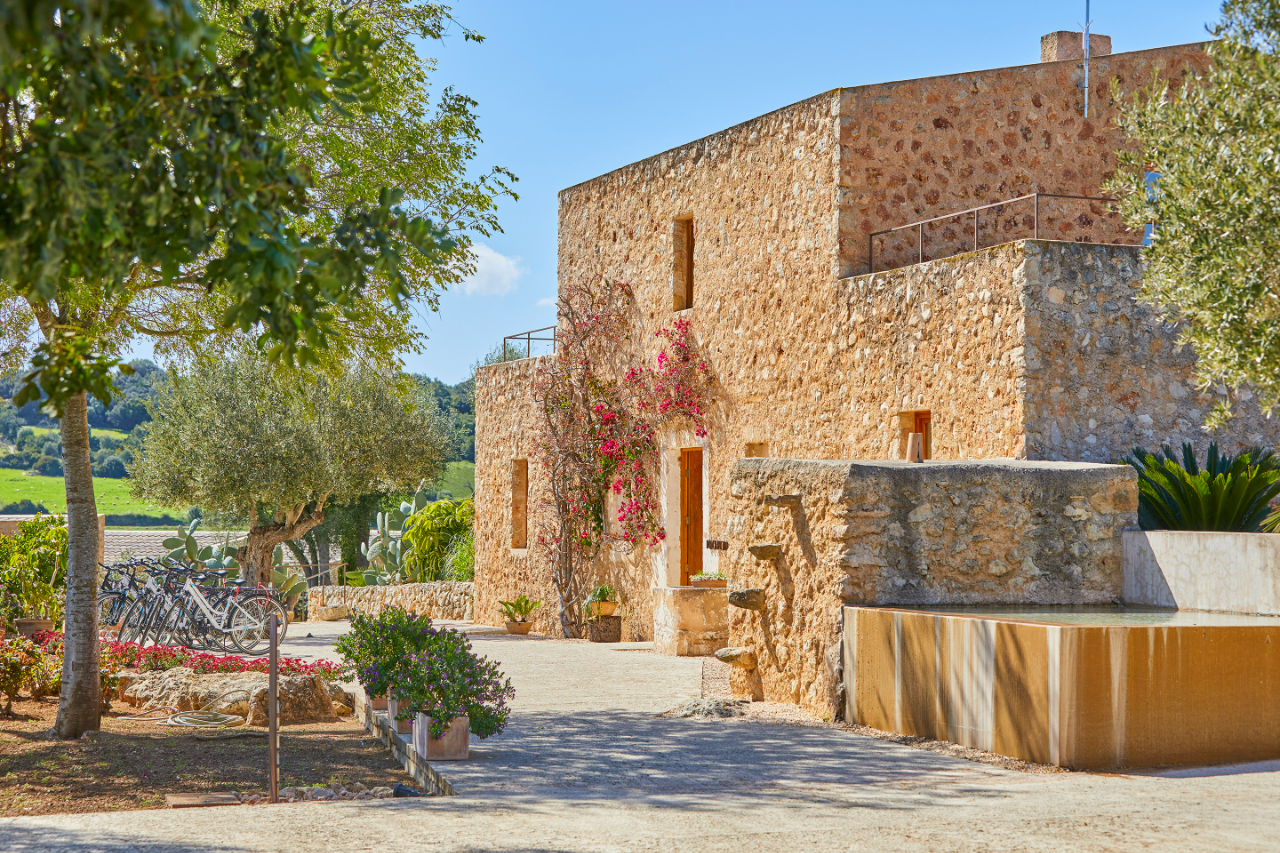
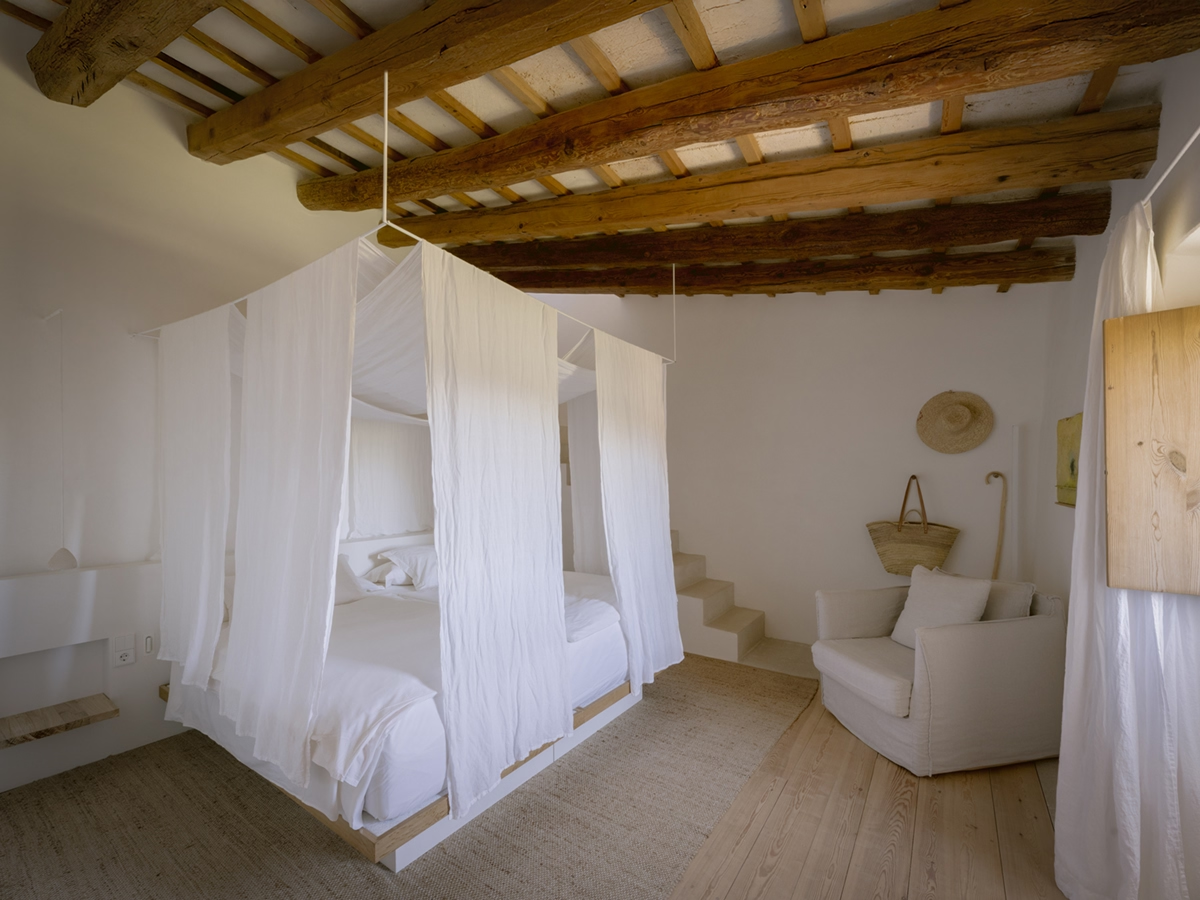
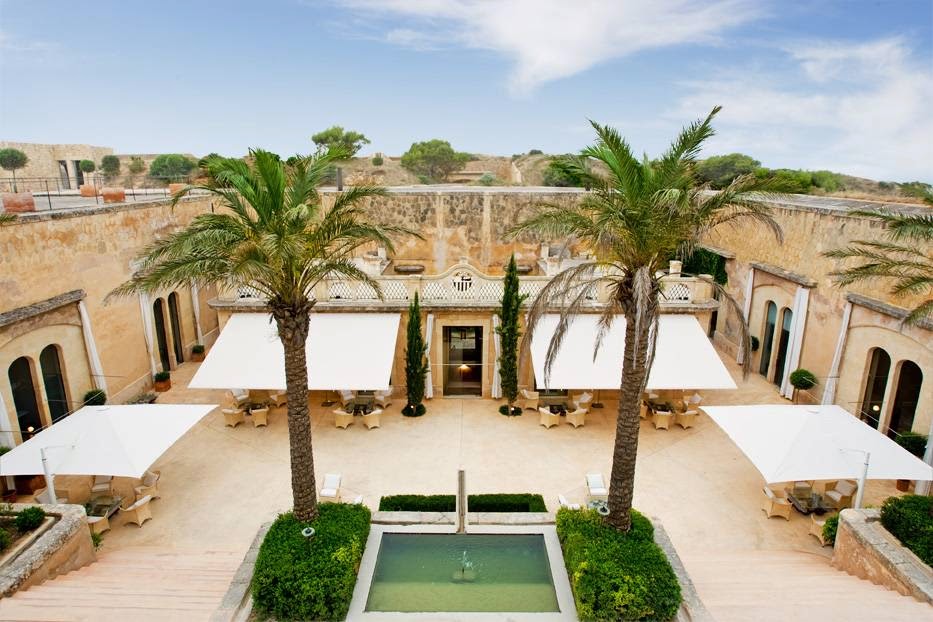
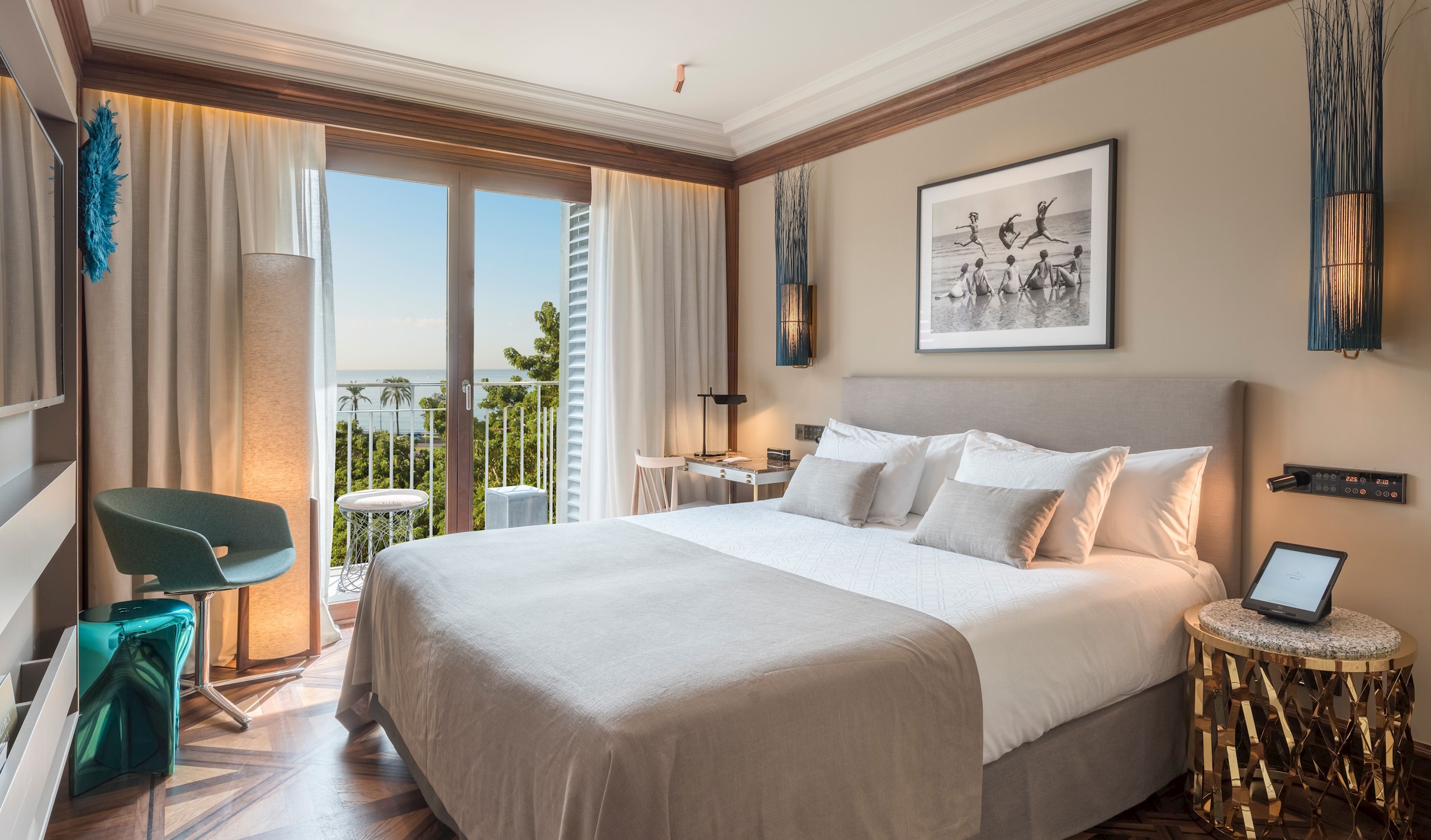
Where to Stay in Mallorca
9 recommended properties
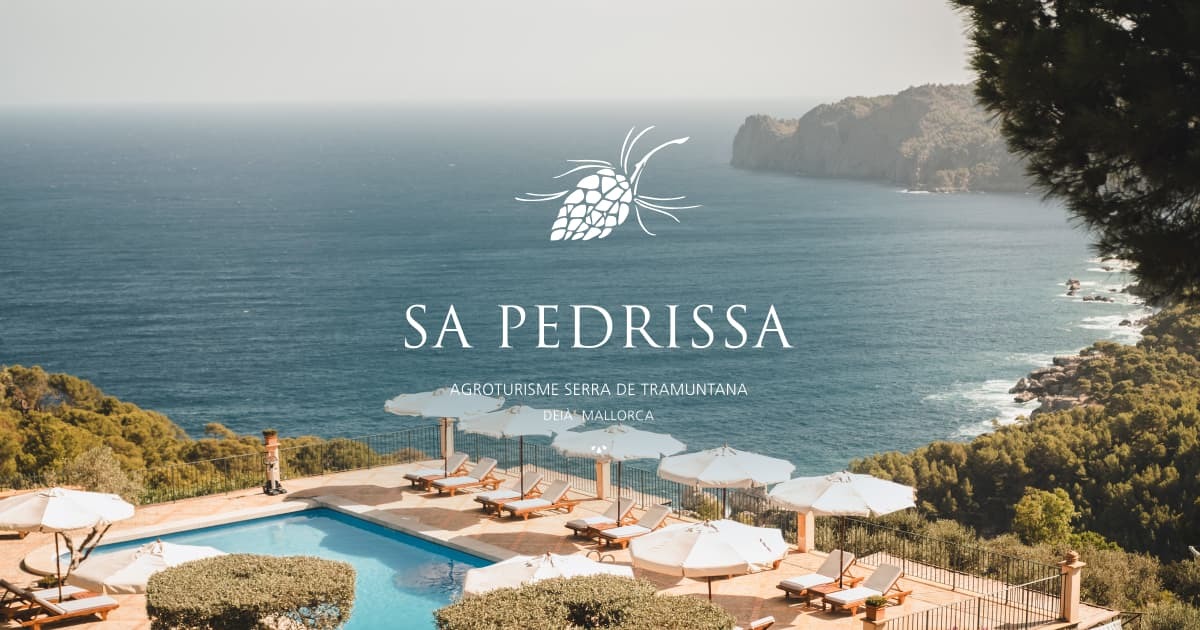
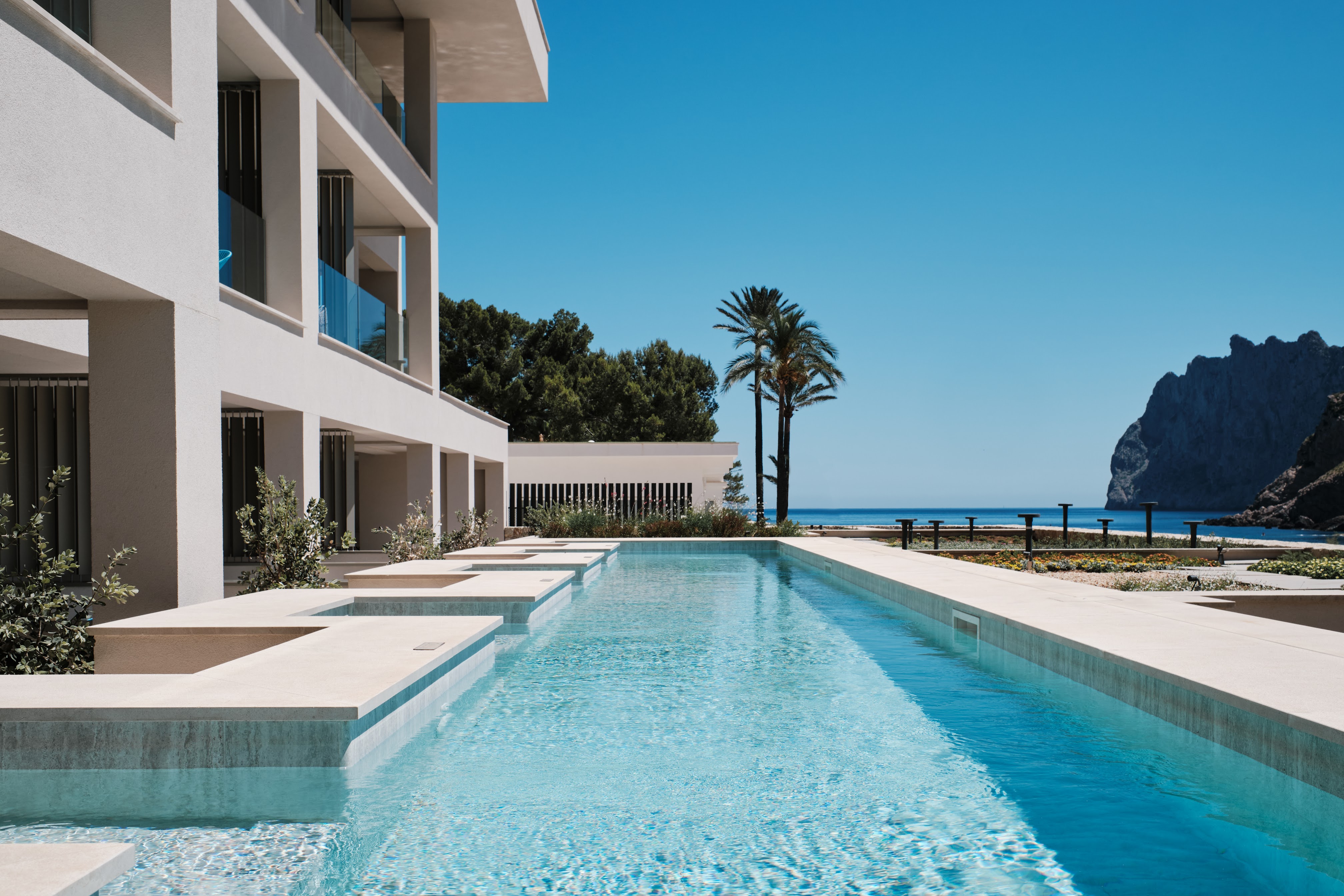
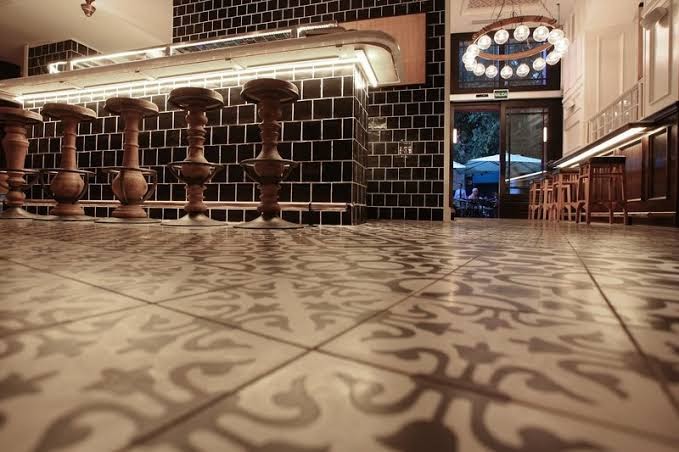
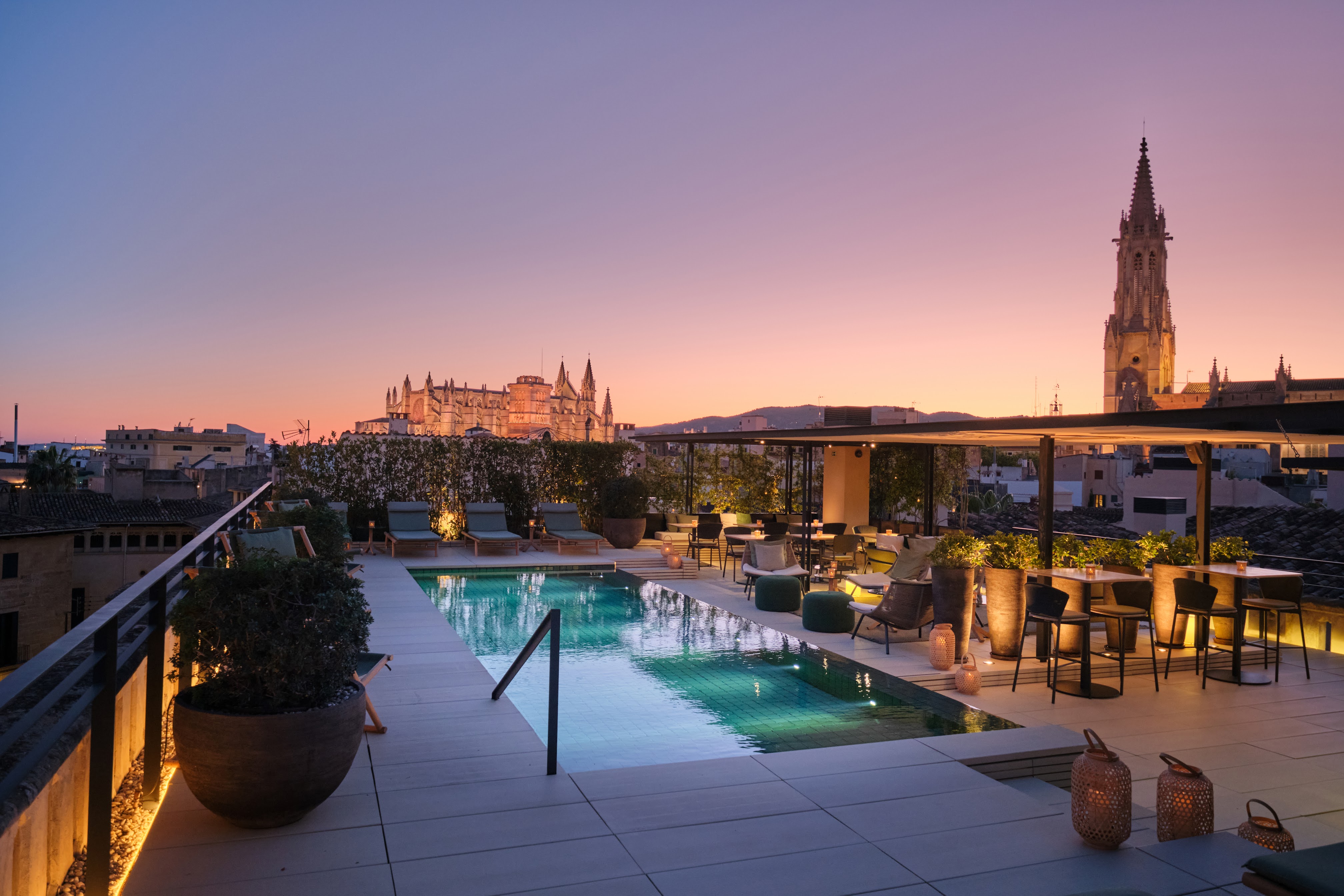
Things to Do in Mallorca
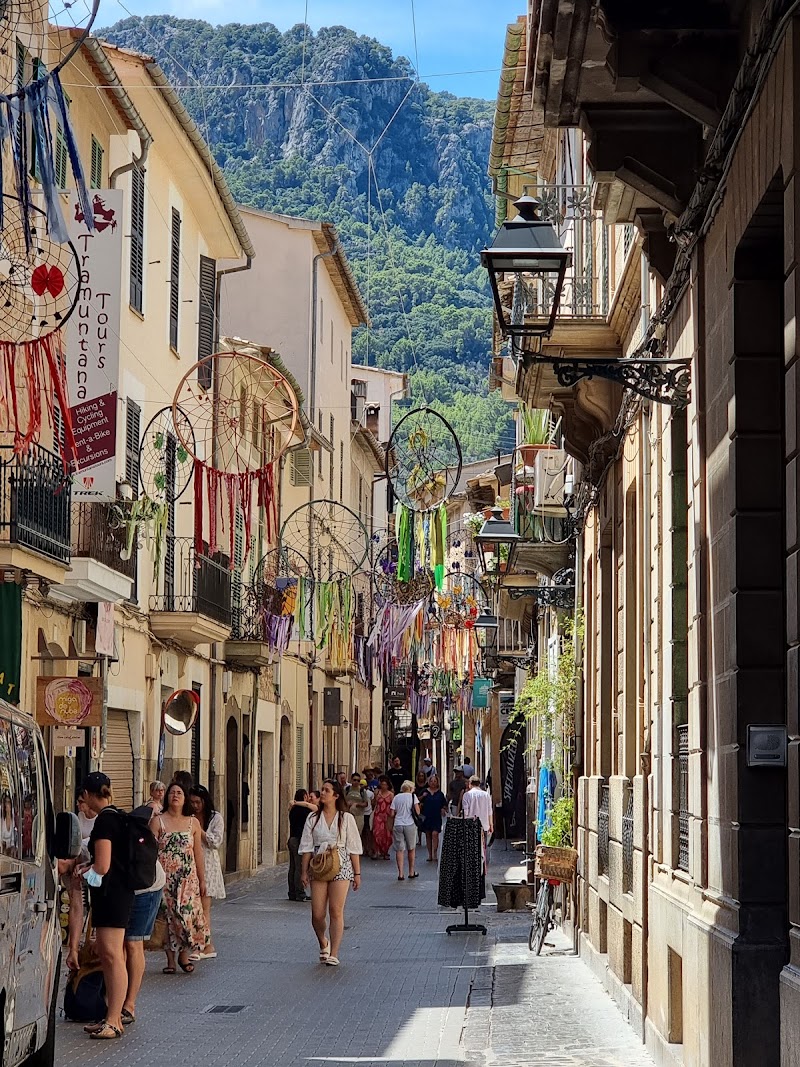
Carrer de sa Lluna Wander
Sóller Town · 90 min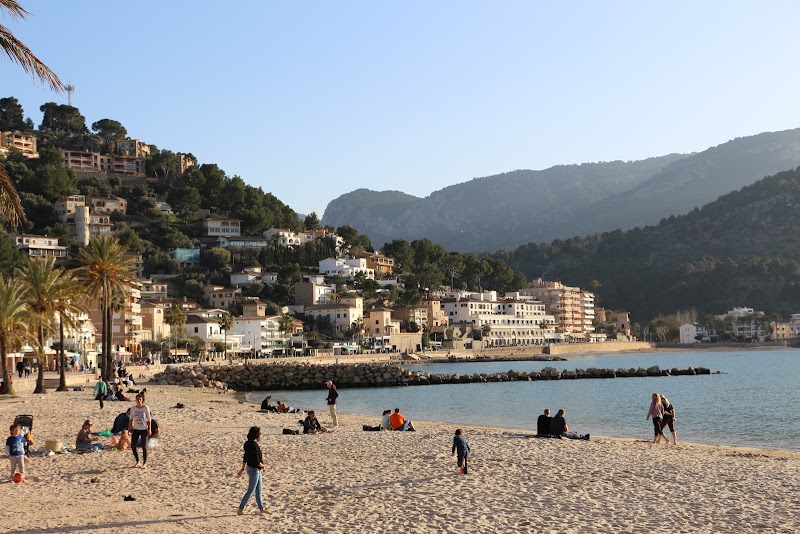
Port de Sóller Beach Time
Port de Sóller · 150 min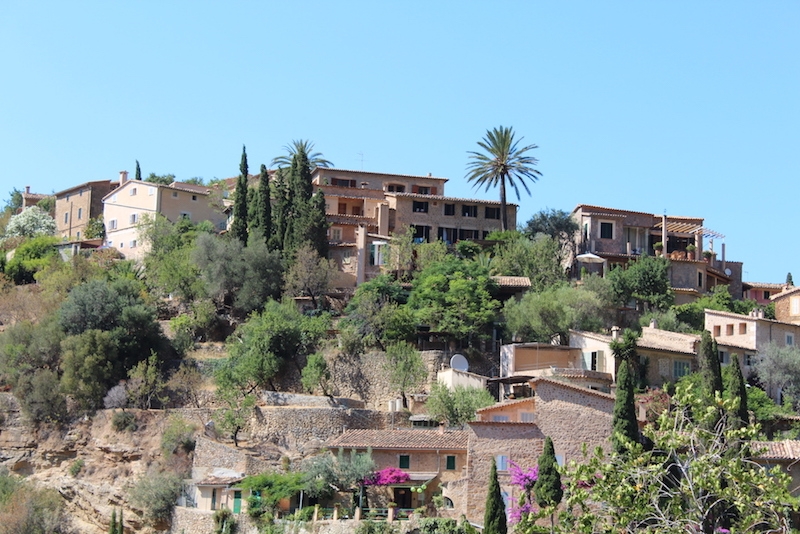
Deià Village Walk
Deià · 120 minMoney-Saving Tips
- 1.Visit in May or October for 30-40% lower accommodation prices than peak summer
- 2.Buy groceries at Mercadona or Lidl rather than tourist mini-markets to save 50% on basics
- 3.Take the TIB bus network instead of taxis - day passes cost €10 vs €30+ for single taxi rides
- 4.Eat lunch menus at local restaurants (€12-18) instead of dinner à la carte (€35-50 per person)
- 5.Book car rentals 2+ weeks ahead to avoid peak pricing - can save €15-20 per day
- 6.Fill up water bottles at public fountains rather than buying €2-3 bottles at beaches
- 7.Choose apartments with kitchens for breakfast and snacks - saves €20-30 per day per person
Travel Tips
- •Download the TIB bus app for real-time schedules and route planning across the island
- •Pack reef-safe sunscreen - many beaches now ban chemical sunscreens to protect marine life
- •Learn basic Spanish phrases - English isn't widely spoken outside tourist areas
- •Bring hiking shoes for accessing the best secluded beaches and mountain trails
- •Book restaurant reservations 2-3 days ahead in summer, especially in Palma and popular ports
- •Carry cash - many small beach bars and mountain villages don't accept cards
- •Check ferry schedules to nearby islands like Cabrera - day trips book up quickly in peak season
- •Respect siesta hours (2-5pm) when many shops and restaurants close, especially in smaller towns