
San Miguel de Allende
Mexico's colonial masterpiece beloved by artists and expats
San Miguel de Allende isn't just another pretty colonial town. This UNESCO World Heritage site has become Mexico's unofficial capital of expat living, where cobblestone streets lead to world-class galleries and rooftop bars serve mezcal with million-dollar views. The pink limestone Parroquia de San Miguel Arcángel towers over a city that's equal parts 16th-century charm and contemporary sophistication. Artists flock here for the light. Retirees stay for the weather. And everyone falls for the food scene that ranges from street tacos to Michelin-worthy dining rooms. But here's what travel guides won't tell you: this place can feel like Disneyland for wealthy foreigners, especially around the main square. The real magic happens when you venture beyond Centro and discover the neighborhoods where locals actually live.
Best Months
JAN · FEB · MAR · APR · OCT · NOV · DEC
~25°C · moderate crowds
Culture & Context
COLONIAL MEETS BOHEMIAN
San Miguel sits at about 6,200 feet elevation in the central highlands of Guanajuato state, roughly 170 miles northwest of Mexico City. It was designated a UNESCO World Heritage Site in 2008. The colonial architecture is legitimately extraordinary — this isn't a restored theme-park version of the past.
These buildings are the real thing, many dating back to the 16th and 17th centuries. The city played a direct role in Mexico's War of Independence. Ignacio Allende, born here, marched troops to Guanajuato for the first major battle of the revolution.
His name was added to the city after he died a martyr. That history isn't decorative — it's alive in the annual Independence Day celebrations. By the mid-20th century, the city attracted American GIs studying art under the GI Bill at the Instituto Allende, which permanently wove a bohemian, international character into the city's identity.
Today roughly 10% of the population is international expats, mostly from the US, Canada, and Europe. That figure swells in winter as snowbirds arrive. The expat presence is visible everywhere — organic cafes, English-language yoga studios, Airbnbs charging New York prices.
Some longtime visitors find this dilutes authenticity. Others argue the city has managed to absorb all of it while keeping its cultural core intact. Both are somewhat true.
Local Customs
COBBLESTONES & FIREWORKS
Church protocol matters: cover your shoulders and knees before entering the Parroquia or any church. It's not optional — staff at the door will turn you away or offer a shawl. Bring one..
Punctuality is flexible. 'Mexican time' is real and locals aren't offended when things start 20–30 minutes late. Showing up exactly on time to a social gathering can actually catch people off guard..
Fireworks go off at all hours during festivals and religious celebrations — including 5am. This is normal and considered joyful, not disruptive. Earplugs for sleeping are a non-negotiable packing item..
The main meal of the day is lunch (comida), eaten between 1–4pm. Dinner is lighter and later. Showing up to a fonda at 7pm asking for comida corrida will get you a confused look..
Tipping: 10–15% is standard at restaurants. At street food stalls and markets, tipping isn't expected but rounding up is appreciated. Always tip in cash..
Don't drink tap water. Full stop. Locals and long-term expats use bottled or purified water for drinking and even brushing teeth..
Pick up a copy of Atención, San Miguel's local bilingual newspaper. The 'Que Pasa?' section lists weekly events in both Spanish and English.
It's sold at most convenience stores and available online.. The cobblestones are genuinely uneven and steep in places. Wear actual walking shoes.
Flip-flops and heels look regrettable by hour two.. Bargaining is acceptable at the tianguis (Tuesday market) and craft stalls but not at established restaurants or boutique shops. Read the room..
Many smaller restaurants and market stalls are cash-only. Always have pesos on you. ATMs around El Jardín are accessible but can have fees.
Safety
WATCH YOUR BELONGINGS
San Miguel's historic center rates reasonably well for safety — the US State Department places it at Level 2 (Exercise Increased Caution) for Guanajuato state, with San Miguel specifically called out as more insulated from the cartel-related violence that affects industrial cities elsewhere in the state. Violent crime against tourists is uncommon. Petty theft and pickpocketing are the real risks, especially around El Jardín and the Mercado de Artesanías during crowded festival periods.
Keep bags zipped, don't flash expensive cameras or jewelry, and don't leave your phone face-up on a restaurant table. Avoid the Las Cuevitas and San Rafael neighborhoods, particularly at night. Taxi overcharging happens — negotiate the fare before getting in or use Uber where available (though Uber is patchy and surge pricing can be steep).
Street taxis hailed near the Jardín are generally reliable. Walking at night in Centro is fine in well-lit areas. After midnight on quieter streets, grab a cab.
Don't drink tap water. Solo women generally report feeling comfortable in San Miguel, though the usual late-night precautions apply.
Getting Around
WALKABLE COMPACT CENTER
You're flying into one of two airports. León's Bajío International Airport (BJX) is about 90 minutes away and has nonstop flights from Dallas, Houston, and Chicago on American and United — typically $200–400 USD round-trip. Querétaro International Airport (QRO) is slightly closer at 75–90 minutes and also has solid connections.
Airport shuttles from BJX run about 1,500 MXN ($75 USD) for a private transfer. Shared shuttles from QRO average $20–40 USD per person. BajioGo and Transportes Mágico are commonly recommended services — book in advance, especially for evening arrivals.
Once you're in town, walk. The historic center is compact and flat enough for most of it, though some streets climb steeply. Street taxis are cheap and plentiful.
Uber exists but is unreliable — no cars available is a frequent outcome, and surge pricing can make it more expensive than a street cab. For longer excursions to Guanajuato city or Querétaro (both about 90 minutes away), intercity buses are modern, comfortable, and widely used. ETN and Primera Plus are the main operators.
Driving within Centro is a headache — streets are narrow, one-way, and parking is genuinely scarce. If you rent a car, park it and walk.
Useful Phrases
San Miguel de Allende Itineraries
View all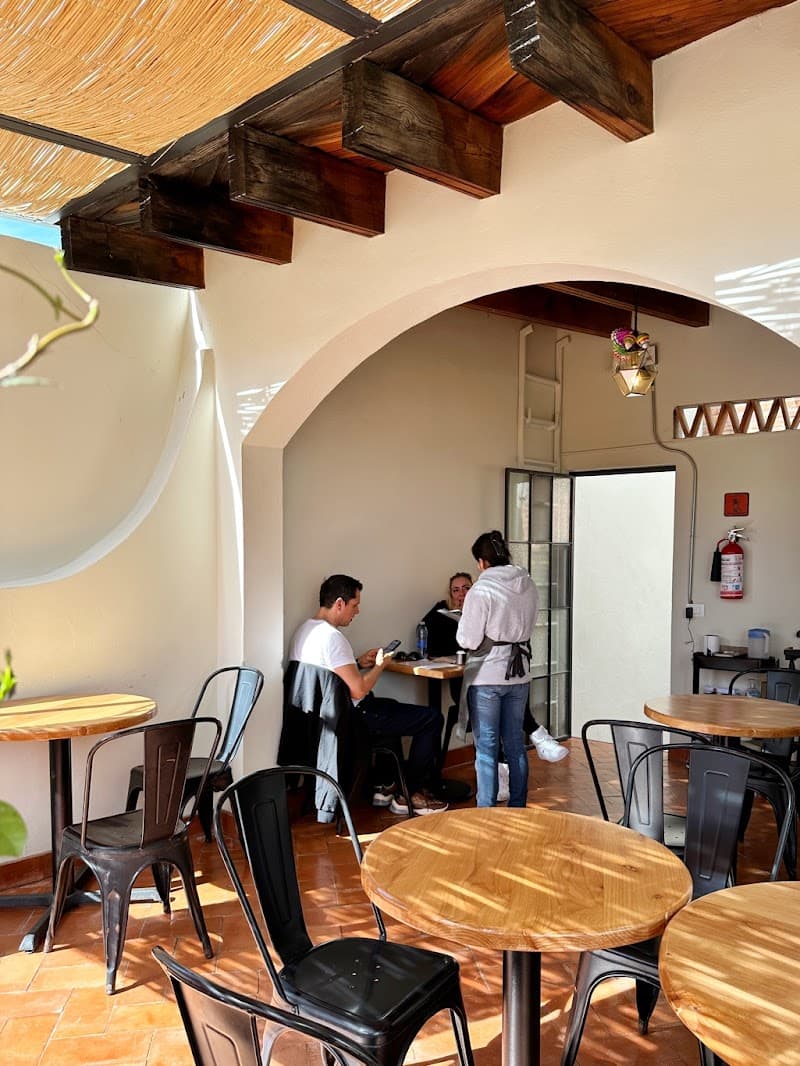
7 Jungle-Wild Days in San Miguel de Allende
Week · $$$
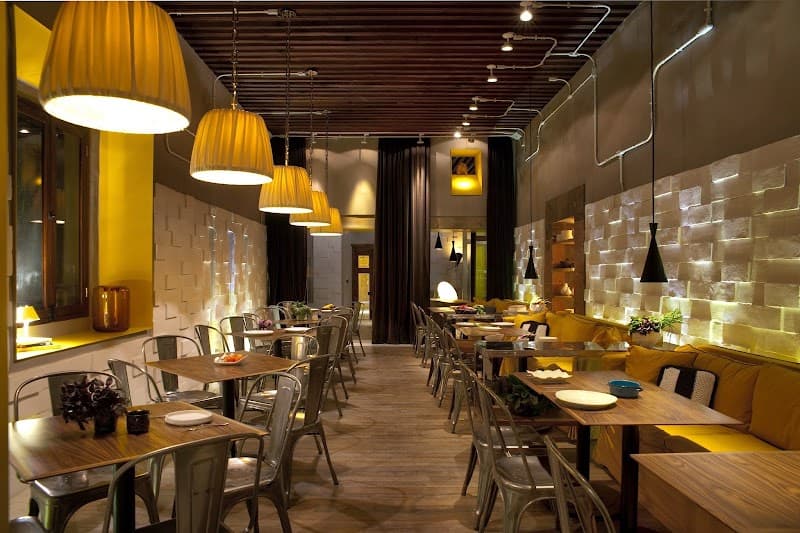
Wild Corners & Cobblestones in San Miguel de Allende
Weekend · $$$
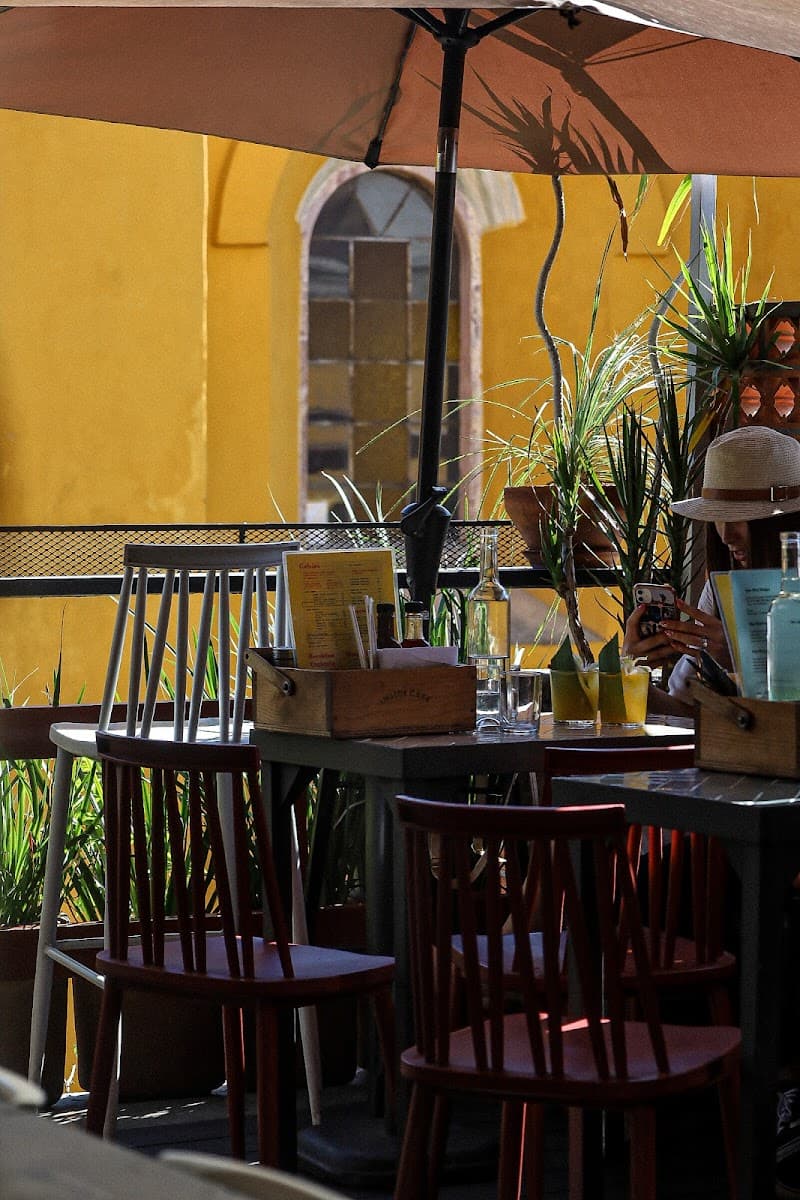
Romantic Jungle-Wild Week in San Miguel de Allende
Week · $$$
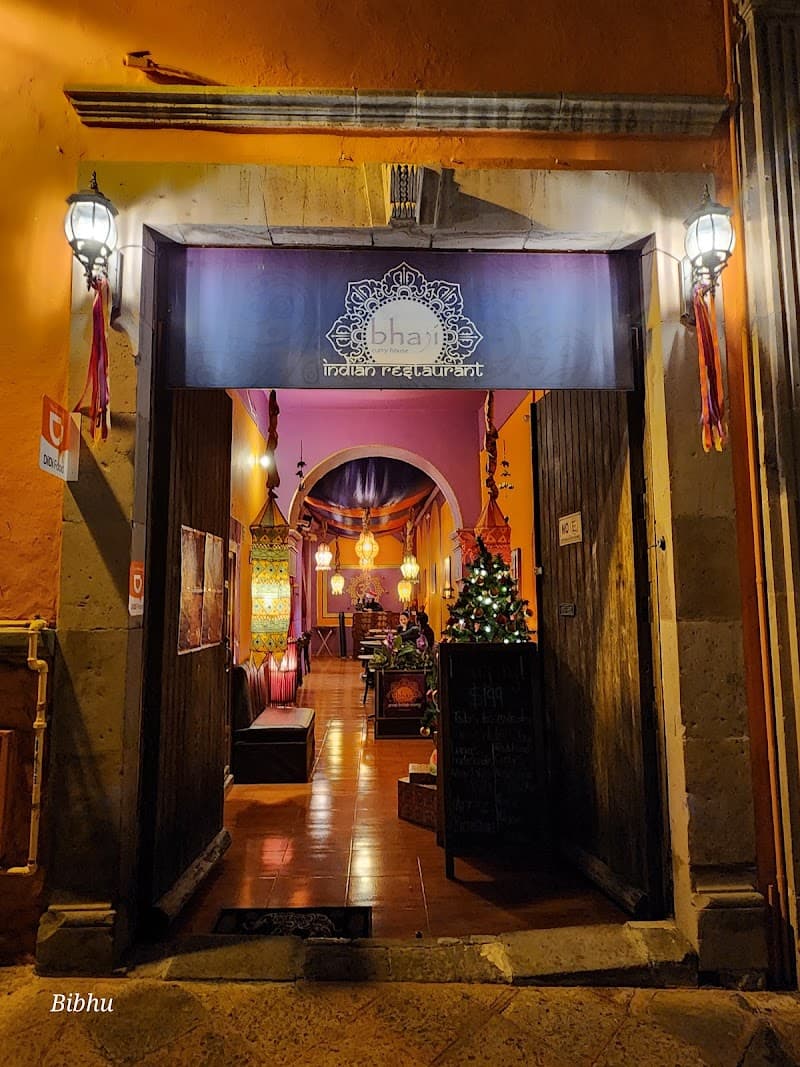
Lush & Romantic San Miguel: A 3-Day Escape
Weekend · $$$
7 Days in San Miguel de Allende: Family Jungle Escape
Week · $$$

Jungle‑Wild Family Weekend in San Miguel de Allende
Weekend · $$$
Where to Stay in San Miguel de Allende
9 recommended properties
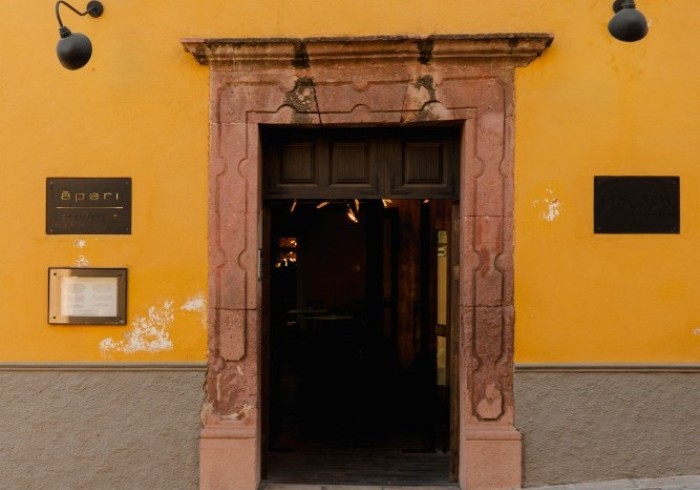
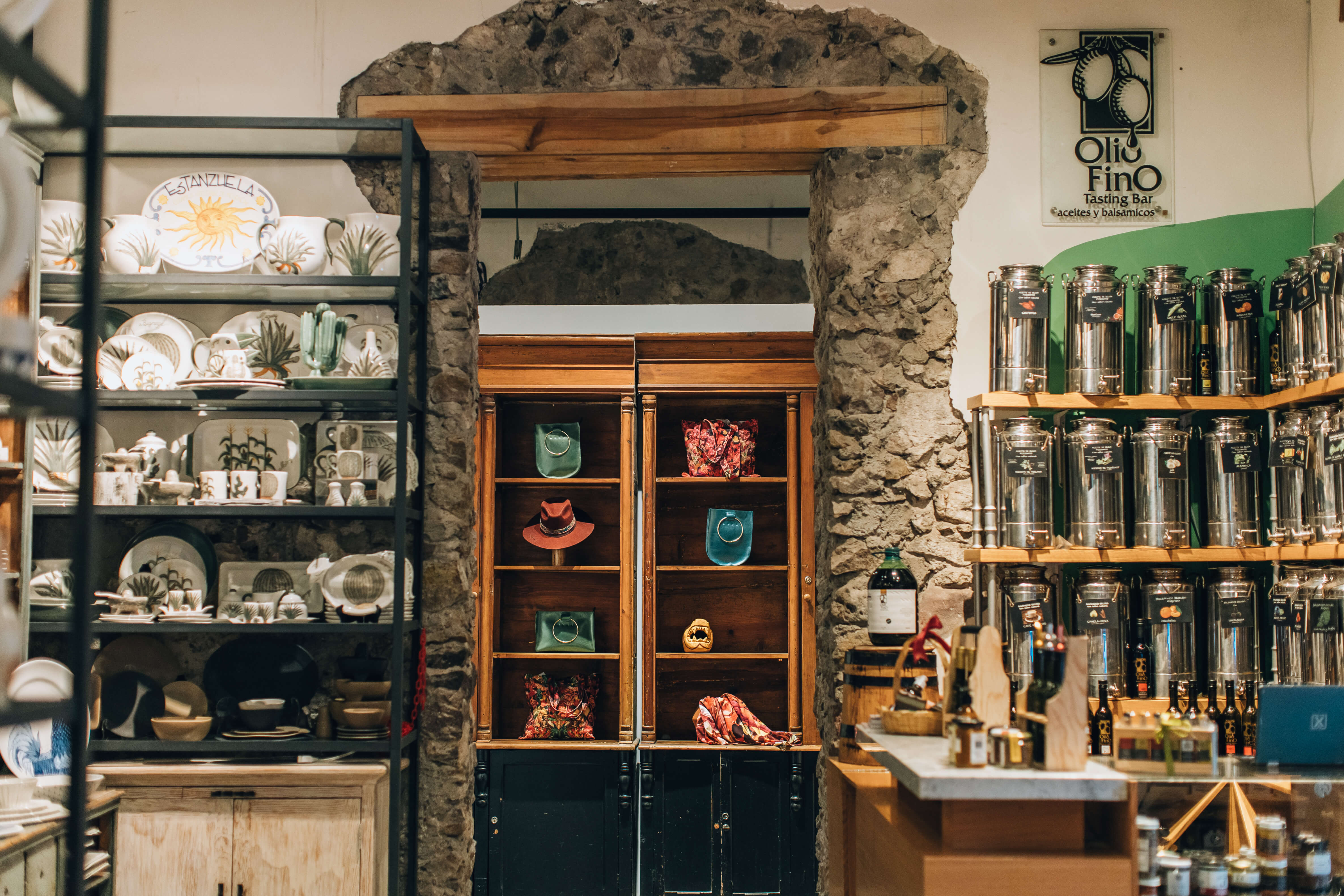
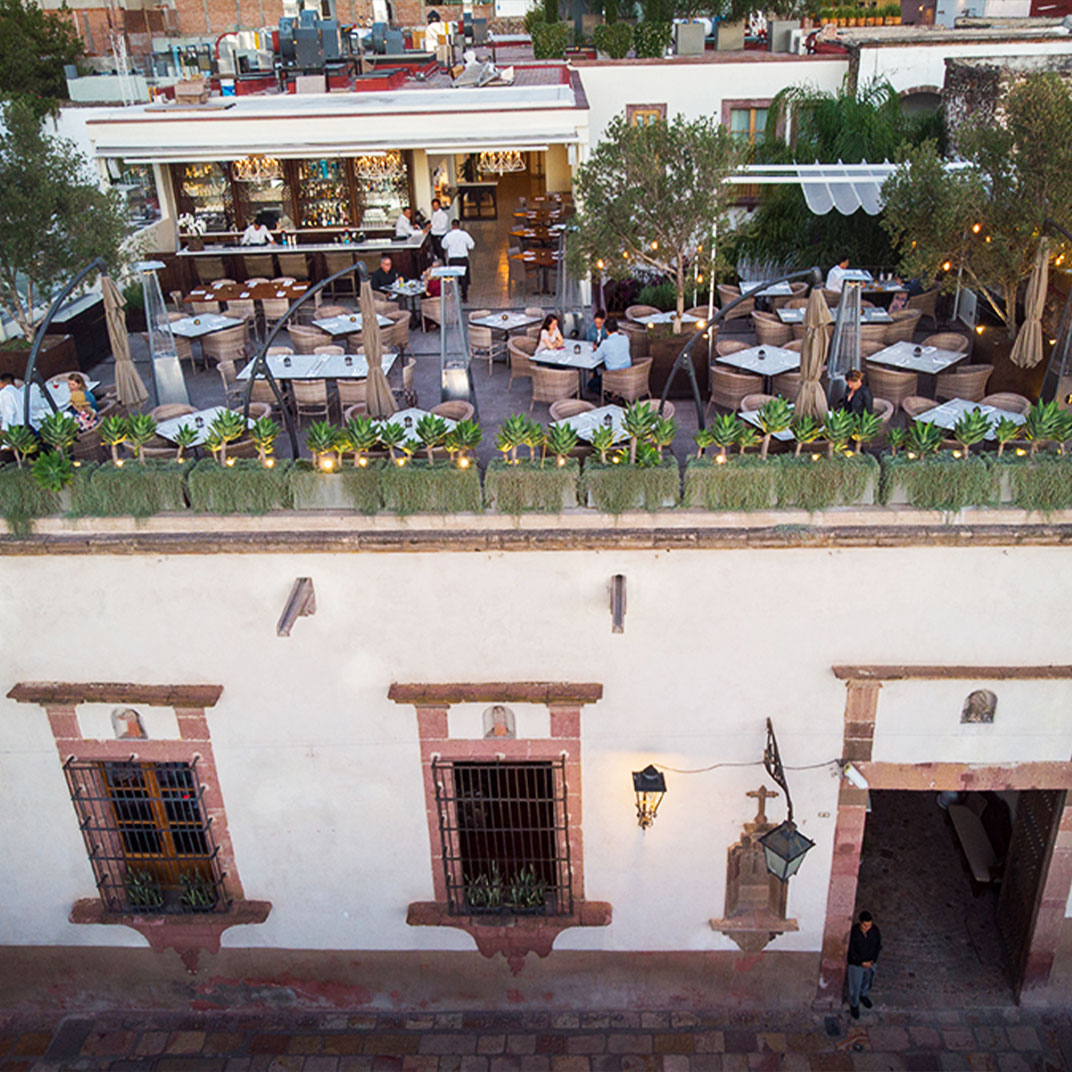
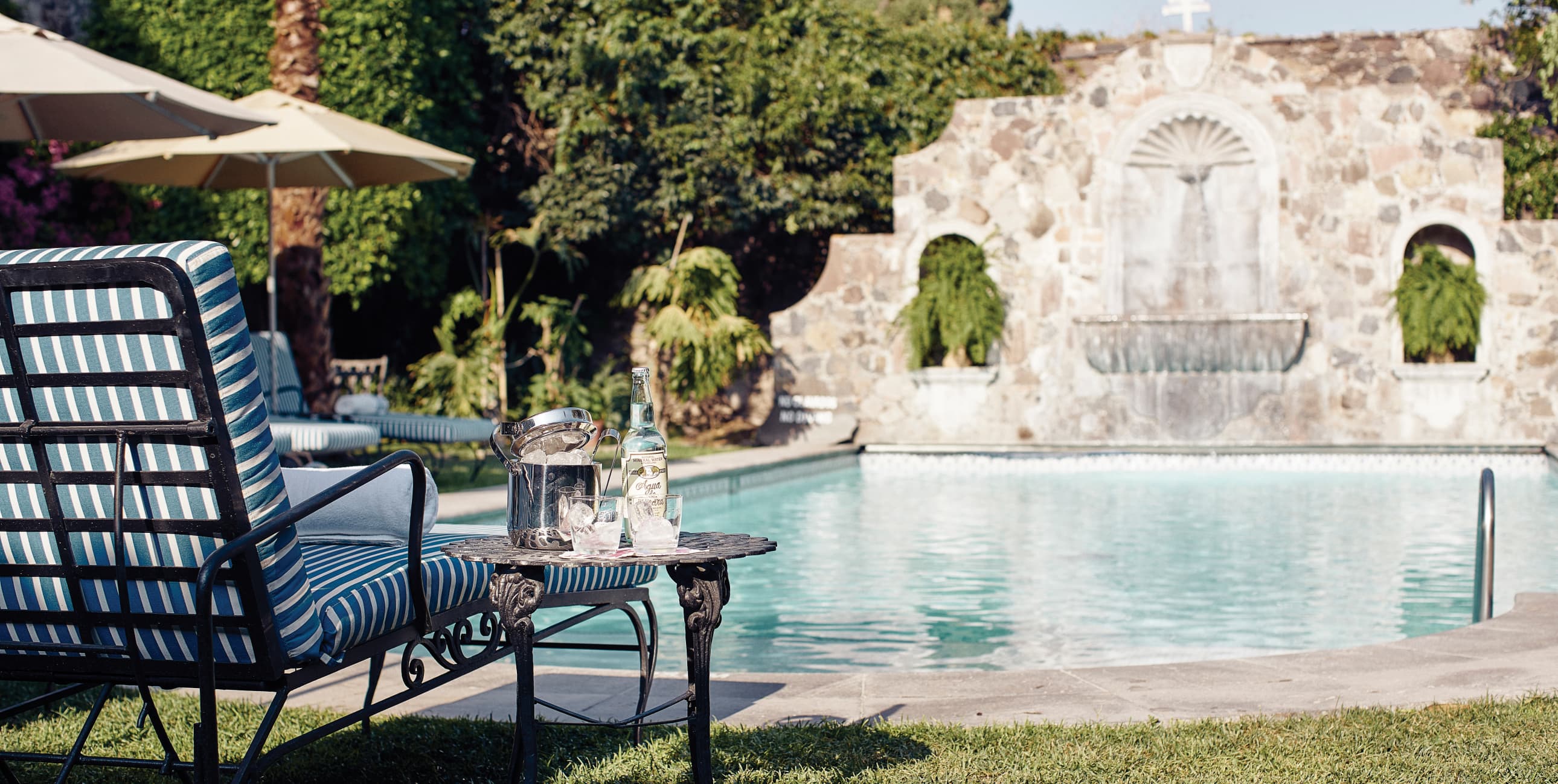
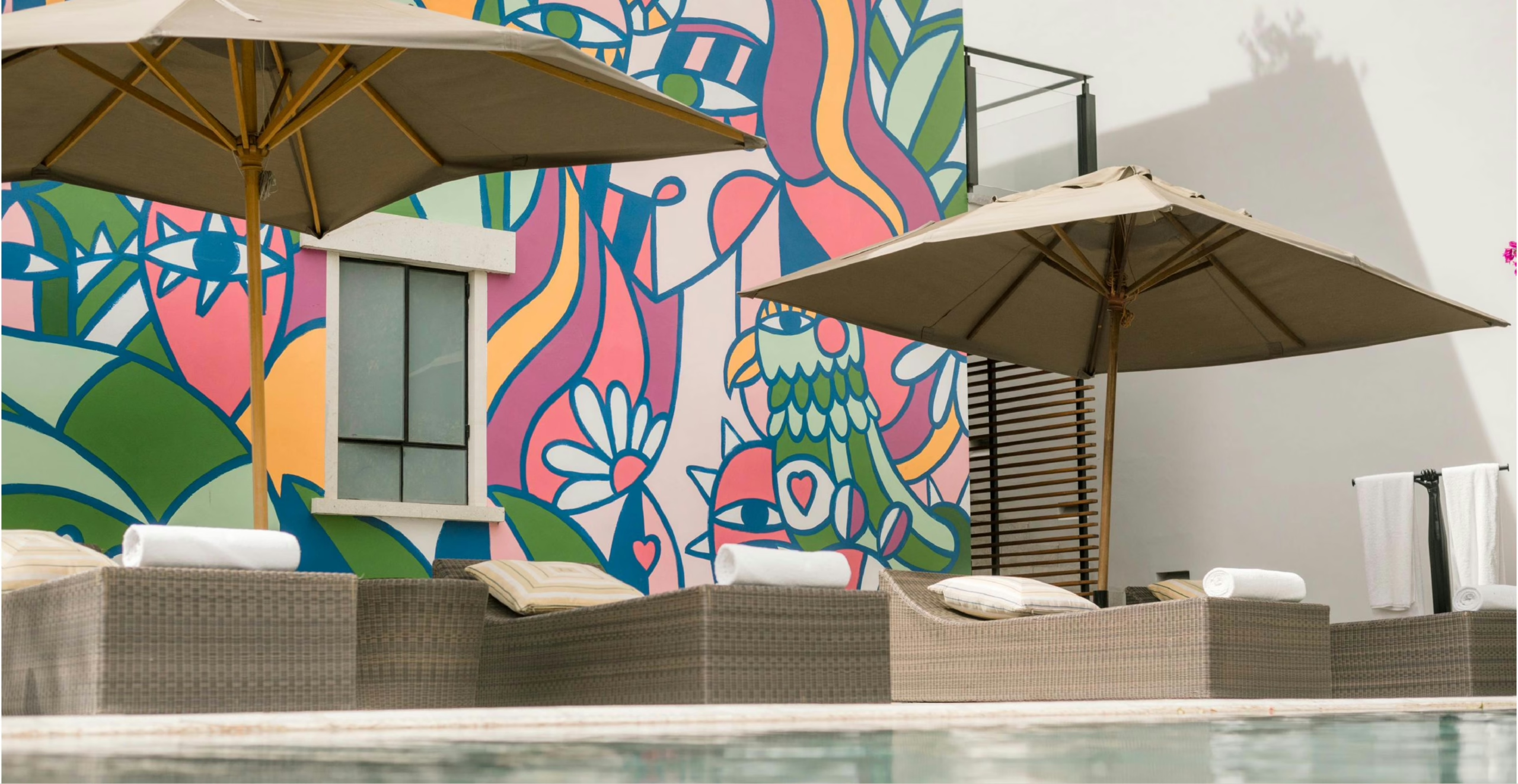
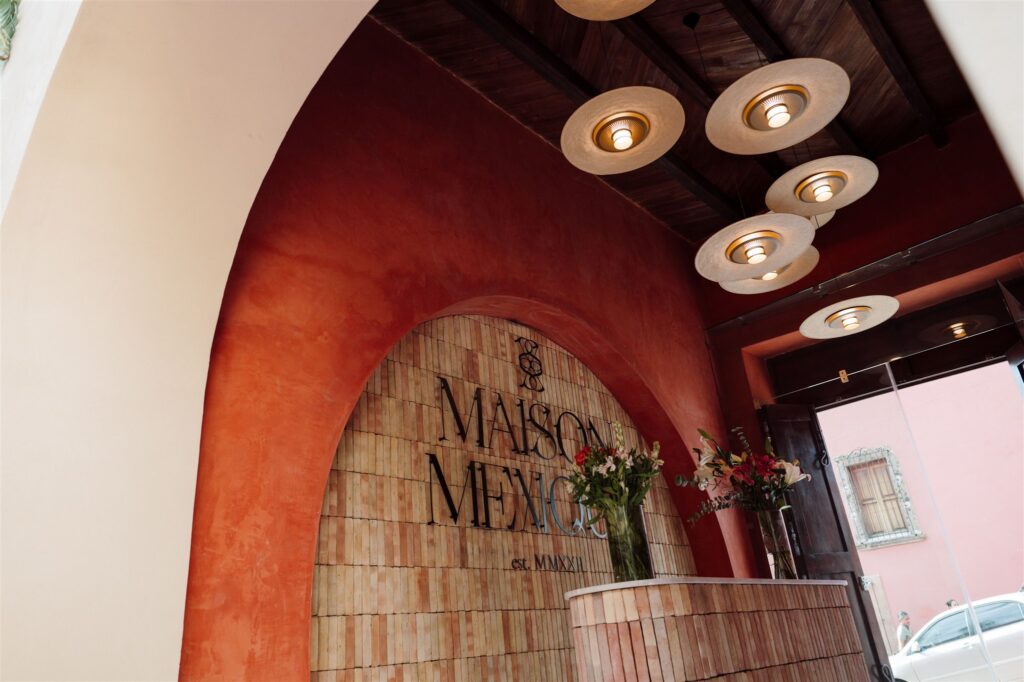
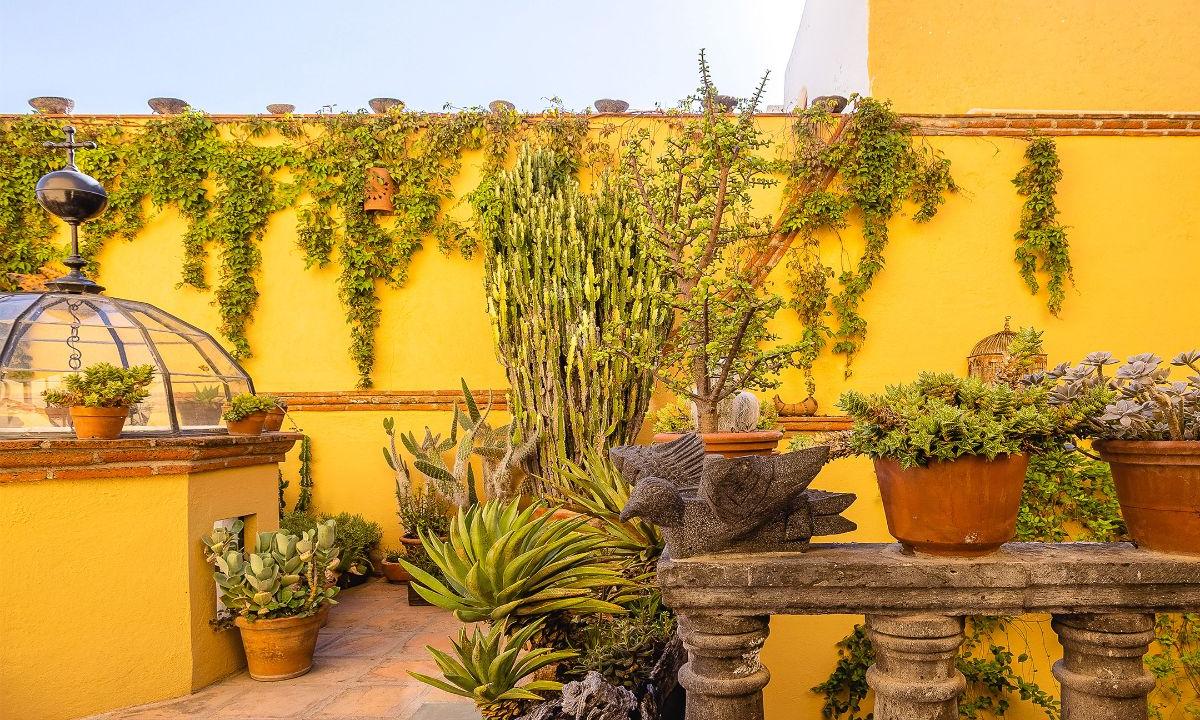

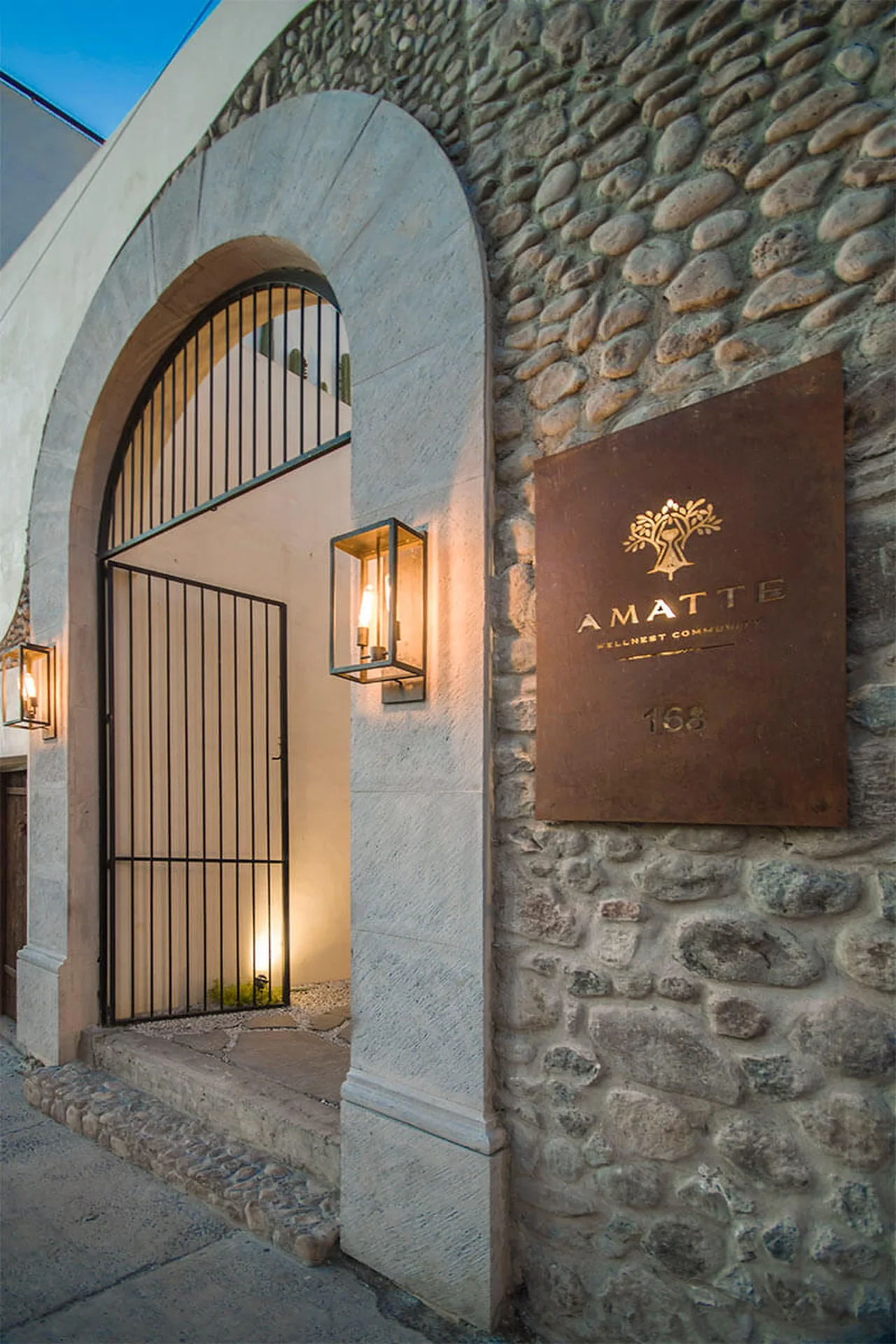
Things to Do in San Miguel de Allende
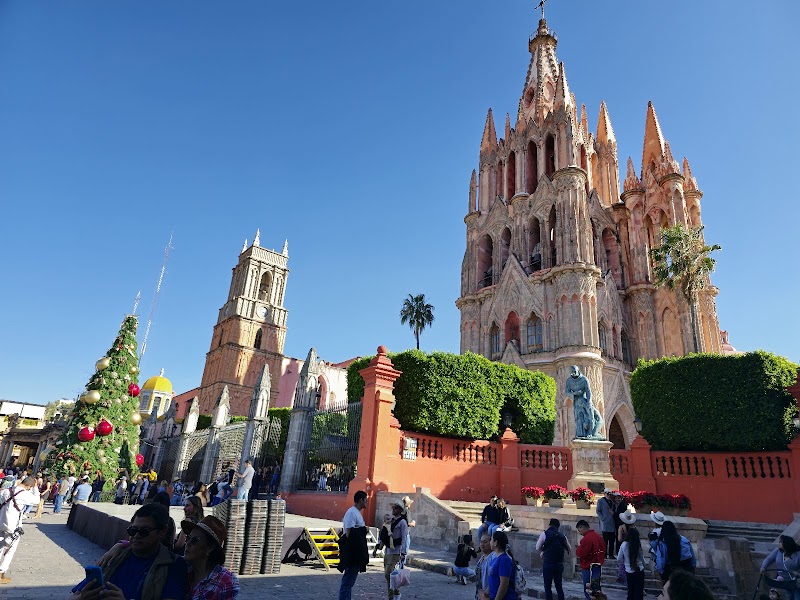
Stroll Jardín Principal & Parroquia de San Miguel Arcángel
Centro Histórico (Jardín area) · 90 min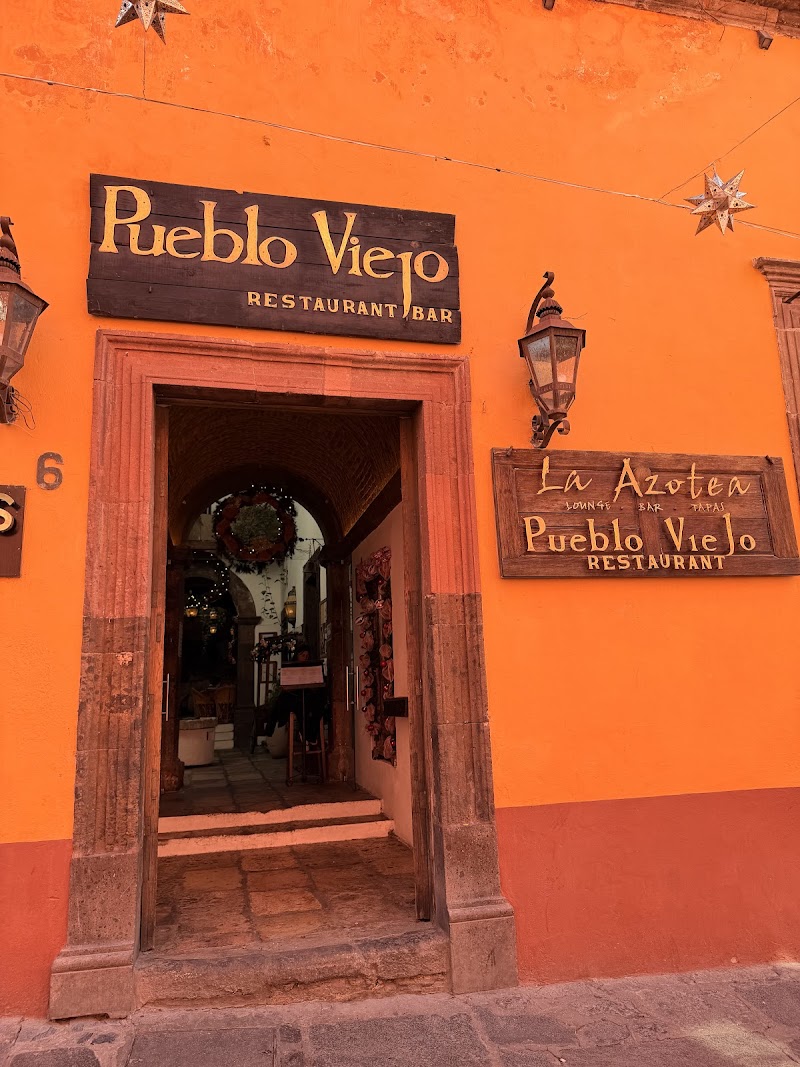
Rooftop Sunset at La Azotea (Drinks Only)
Centro Histórico (near Jardín) · 90 min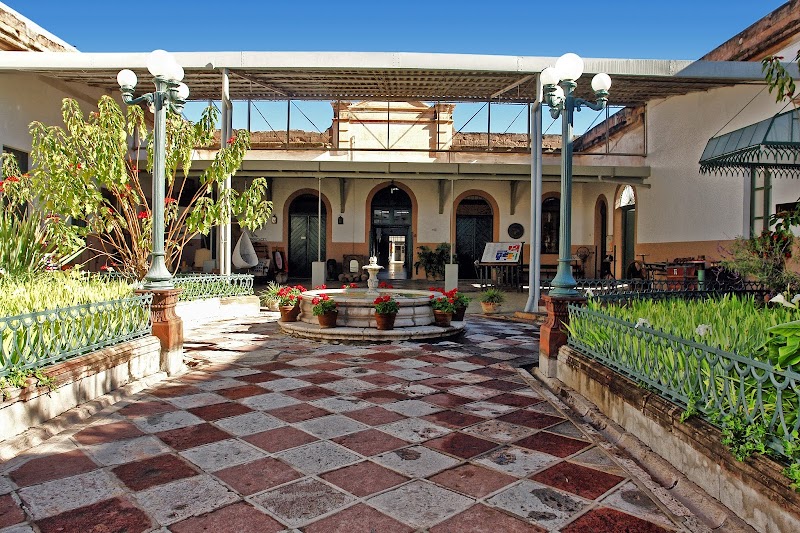
Fábrica La Aurora Art & Design Center
La Aurora (north of Centro, walkable from Lavanda via Centro) · 120 minMoney-Saving Tips
- 1.Tuesday market prices are 30-50% cheaper than Centro shops for produce, crafts, and street food
- 2.Happy hours at gringo bars run 5-7 PM with legitimate two-for-one deals
- 3.Local buses cost 12 pesos versus 60-80 peso taxi rides within the city
- 4.Vacation rentals in San Antonio neighborhood cost half what Centro hotels charge
- 5.Mercado Sano on Saturdays has organic produce at fair prices, not tourist markup
- 6.Comida corrida (set lunch menus) at neighborhood restaurants run 80-120 pesos
- 7.Buy mezcal at Mega supermarket for 200 pesos versus 400+ at tourist bars
Travel Tips
- •Cobblestone streets are brutal on ankles – bring sturdy walking shoes with good support
- •ATMs around the main square charge higher fees – use bank branches on Mesones instead
- •Learn basic Spanish phrases – English isn't widely spoken outside tourist areas
- •Altitude is 6,200 feet – you might feel winded your first day, drink extra water
- •Restaurants close 4-6 PM for siesta – plan lunch before 3 PM or dinner after 7 PM
- •Parking meters downtown require exact change in pesos, no credit cards accepted
- •Tuesday market gets picked over by 11 AM – arrive early for best selection
- •Many museums close Mondays – check schedules before planning cultural days
- •Bring layers – 40-degree temperature swings between morning and afternoon are common
- •Download offline maps – cell service can be spotty in colonial building interiors
Frequently Asked Questions
Explore San Miguel de Allende
BUILD YOUR
SAN MIGUEL DE ALLENDE PLAN
Insider picks, smart timing, and a plan ready when you are.
Start Planning