
Savannah
Southern charm meets haunting history in antebellum splendor
Savannah isn't just another Southern city. It's a place where Spanish moss drapes centuries-old oaks like curtains, where cobblestone streets echo with footsteps of the past, and where every corner holds a story worth telling. This is a city that saved itself from destruction by being too beautiful to tear down.
Walk through the Historic District and you'll understand why. Twenty-four perfectly preserved squares create an urban garden that feels more like a movie set than reality. But Savannah isn't stuck in the past. The food scene rivals Charleston, the nightlife pulses until dawn, and the art galleries showcase work that would fit right in Manhattan.
Here's what makes Savannah special: it wears its 300-year history lightly. You can sip craft cocktails in a former speakeasy, dine in a converted pharmacy, or sleep in a mansion where generals once planned battles. The city embraces its ghosts — literally and figuratively — while creating new memories every day.
Best Months
MAR · APR · MAY · OCT · NOV
~25°C · high crowds
Culture & Context
HISTORIC SQUARES, YOUNG ARTISTS
Savannah is one of the oldest planned cities in the US, founded in 1733 and built around a grid of squares that still shape daily life. But here's the thing — it's not just a museum piece. The Savannah College of Art and Design (SCAD) floods the city with young creative energy, and that tension between old money gentility and art-school irreverence is part of what makes it interesting.
The Gullah Geechee culture runs deep here. Descendants of enslaved West Africans developed their own distinct language, food traditions, and customs along this coastal corridor, and it shows up in the food (Savannah red rice, deviled crab, shrimp), the music, and the art. The city also has a massive Irish-American heritage — St.
Patrick's Day is not a tourist gimmick, it's a genuine community event dating back centuries. Oh, and Savannah has no open-container laws downtown. You can legally walk the squares with a cocktail in a plastic cup.
Locals treat this as completely normal. Tourists often act shocked. Respect both reactions.
Local Customs
COCKTAILS IN HAND, TIPS REQUIRED
Southern hospitality is real, not performance. Locals greet strangers. If someone holds a door, says 'hey,' or waves from a porch, respond in kind.
Rushing past is genuinely rude here.. Tipping 18-20% is the standard at restaurants and bars. Tour guides expect tips too.
The service industry in this tourist-heavy city runs on it.. The city has a slower pace. Don't rush interactions.
Cashiers chat, servers check in repeatedly, strangers stop to give directions. Lean into it.. Cobblestones on River Street and Bay Street will wreck your heels and twist your ankles.
Wear flat, closed-toe shoes for exploring. The Plant Riverside District and Eastern Wharf have smooth pavement if you need a break from the uneven brick.. Savannah has no open container laws downtown.
You can legally walk the squares with a cocktail in a plastic cup from any bar. The bars will give you a to-go cup if you ask. This is normal..
The Gullah Geechee cultural heritage is not a tourist attraction — it's a living community. If you encounter Gullah art, guided tours, or cultural events, engage respectfully. Ask before photographing people.
Support Gullah-owned businesses.. St. Patrick's Day is a full-scale local event, not a tourist gimmick.
The fountain in Forsyth Park is dyed green. If you hate crowds and noise, skip it entirely — book hotels either way months in advance, prices spike.. SCAD students are everywhere in the Historic District and Starland.
The school owns and has renovated a lot of historic buildings. The city has a younger, artsy undercurrent that locals are proud of.. Don't leave anything visible in your car, especially in tourist zones.
Rental car plates and out-of-state tags are targets for break-ins. Put everything in the trunk before you arrive at your destination, not after you park.
Safety
WATCH YOUR CAR, WALK SMART
Savannah is generally safe for tourists, especially in the Historic District and riverfront areas, and crime rates have been declining since 2022. But it's a city, not a theme park, and about 20% of residents live below the poverty line. Property crime is the main concern — vehicle break-ins are common in tourist zones.
Never leave anything visible in your car, and put bags in the trunk before you arrive at your parking spot, not after. Safety shifts dramatically by neighborhood. The Historic District, Thomas Square, Starland, and Forsyth Park area are well-patrolled with steady foot traffic.
West Savannah, Cuyler-Brownsville, and parts of the Eastside record significantly more violent crime — tourists have little reason to go there, and shouldn't at night. After dark, stick to well-lit main streets like Bull Street and Broughton Street. Avoid walking alone through the squares or Forsyth Park at night.
Use the free Downtowner shuttle or Uber instead. Cobblestones on River Street are a literal trip hazard — ankle injuries happen constantly. Wear flat shoes.
Hurricane season runs June through November, and Savannah's coastal, low-lying position means flood risk is real. Check forecasts if you're visiting in peak season. The Savannah PD tip line for anonymous crime reporting is (912) 525-3124.
Getting Around
WALKABLE SQUARES, FREE SHUTTLES
The Historic District is extremely walkable — 2.5 square miles with all major attractions within comfortable walking distance. Start there.
The free DOT shuttle runs two loops (Downtown and Forsyth Park) with 20 stops, every 10-15 minutes. Monday-Friday 7:30am-7pm, weekends 10am-6:30pm. No service Thanksgiving, Christmas, or New Year's Day.
The Savannah Belles Ferry crosses the Savannah River to Hutchinson Island for free — a nice way to get to the Convention Center and a good river view. CAT buses cover the broader city and suburbs, 17 routes, $1.50 per ride.
The airport express (100x route) runs daily from SAV airport to downtown hotels. Uber and Lyft work reliably throughout tourist areas. Traditional taxis exist but are less convenient.
For driving, the city runs over 3,000 metered parking spaces plus 7 garages. A Visitor Day Pass lets you park at metered spots for $15 (24 hours) or $24 (48 hours), available at Mobility and Parking Services at 100 East Bryan Street. The first hour at the MLK Visitor Center lot on Martin Luther King Jr.
Blvd is free. One-way streets are everywhere and confusing — don't rely entirely on GPS.
Useful Phrases
Savannah Itineraries
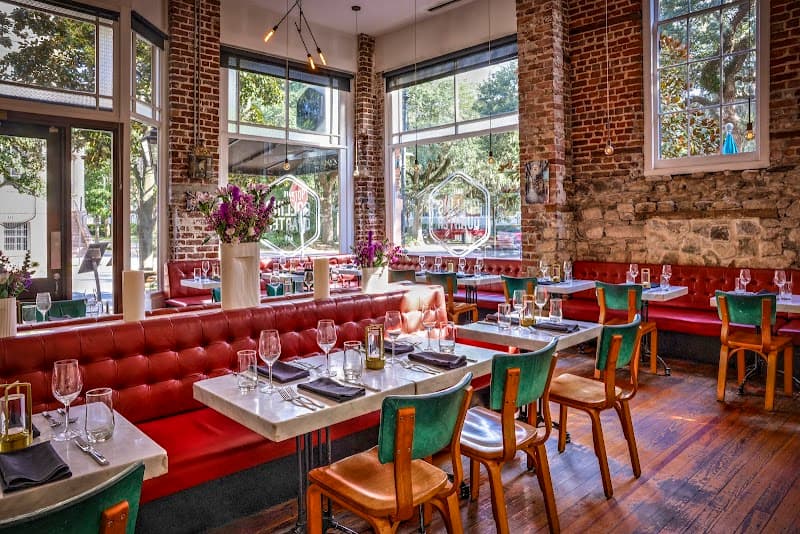
Savannah Sweethearts: A Romantic Lowcountry Weekend
Weekend · $$$$
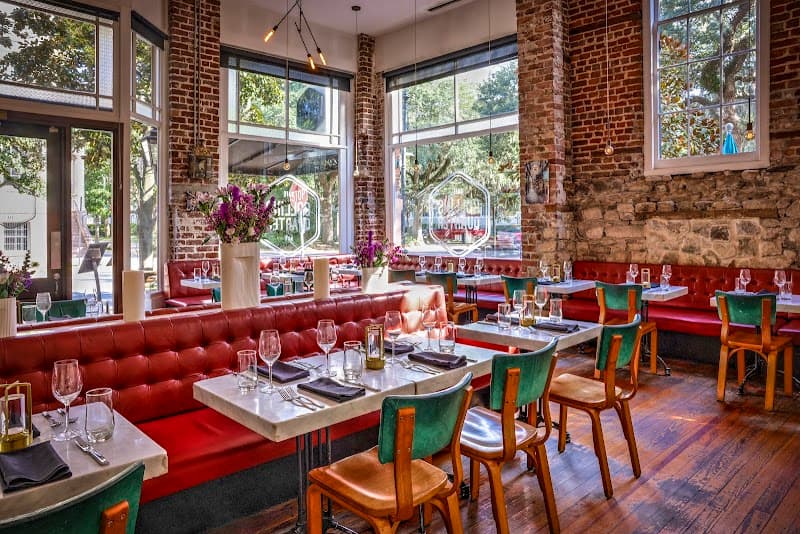
FiveSlow Days in Savannah’s Squares, Streets & Salt Marsh
Weekend · $$$
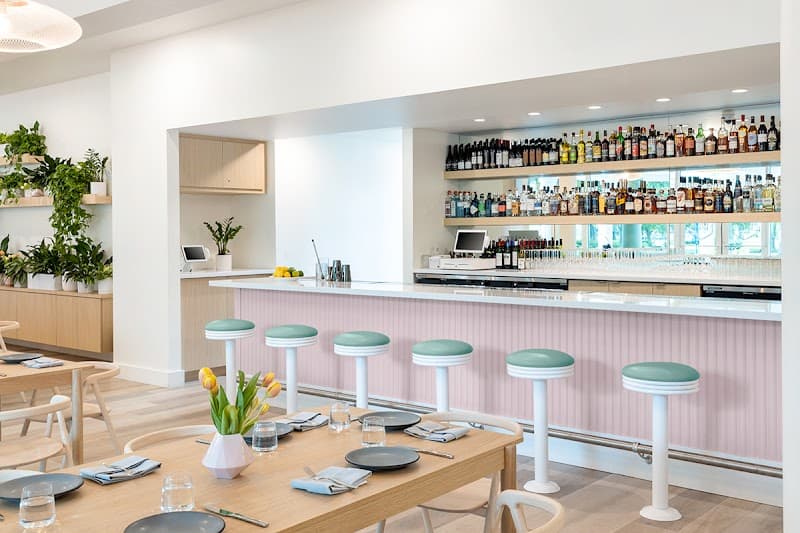
Five Days of Squares, Spanish Moss, and Coastal Sun
Weekend · $$$
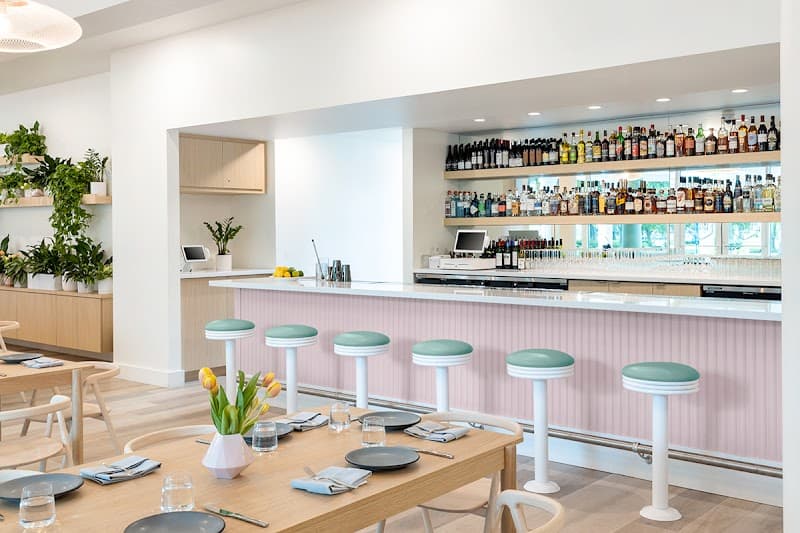
Savannah Squares, Art, and Soul in a Day
Weekend · $$$
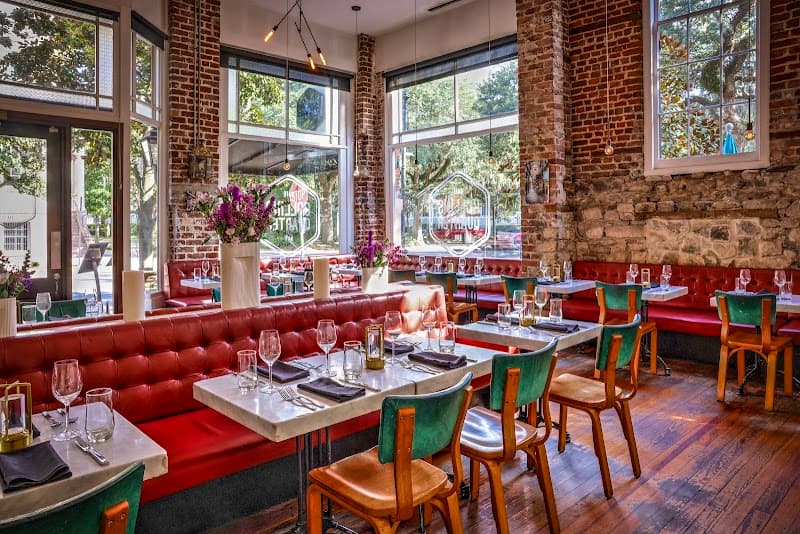
Historic Charm & Southern Romance: A Savannah Weekend
Weekend · $$

Savannah Tropical Nights: Food, Wine & Southern Charm
Weekend · $$$
Where to Stay in Savannah
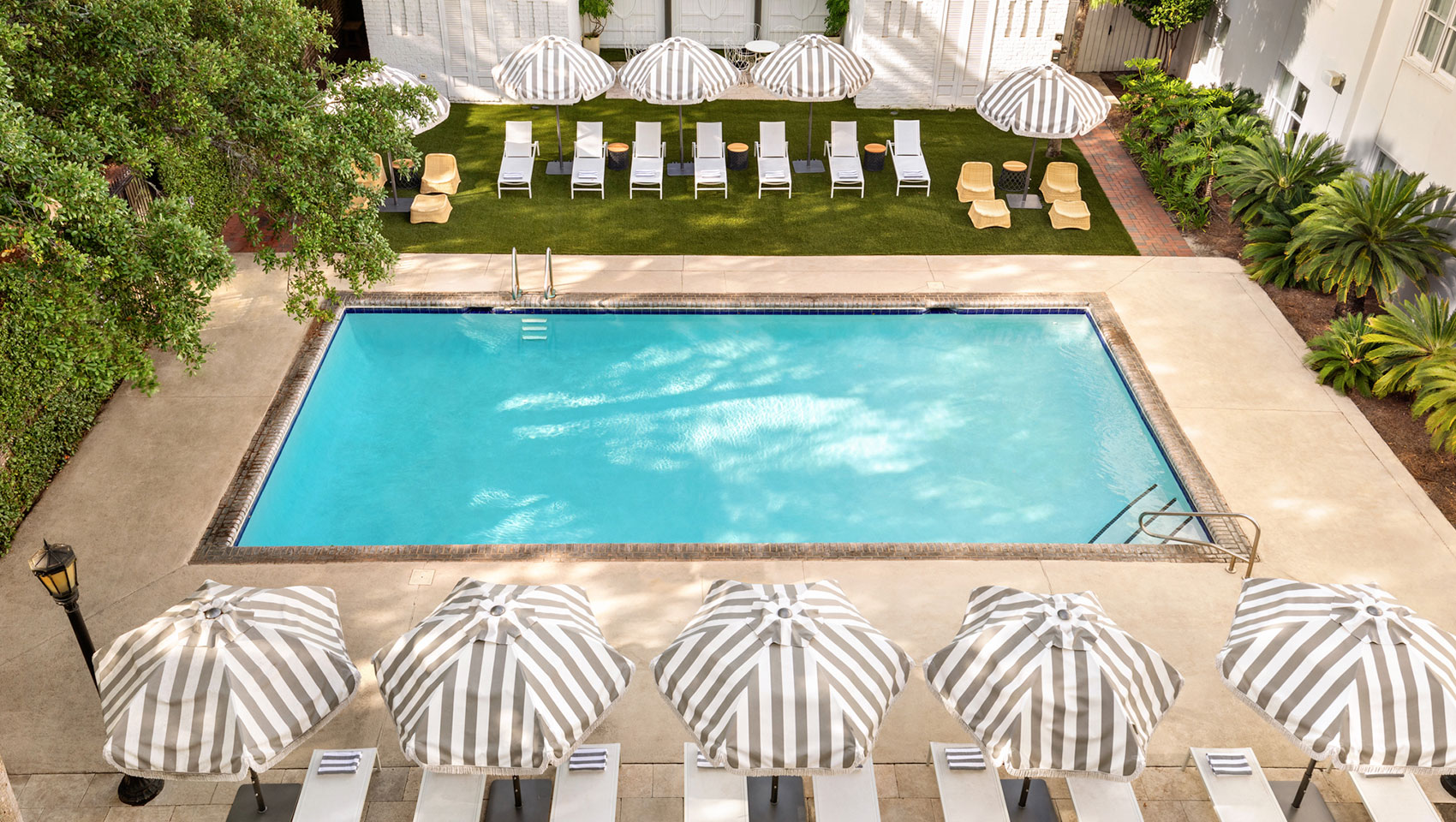
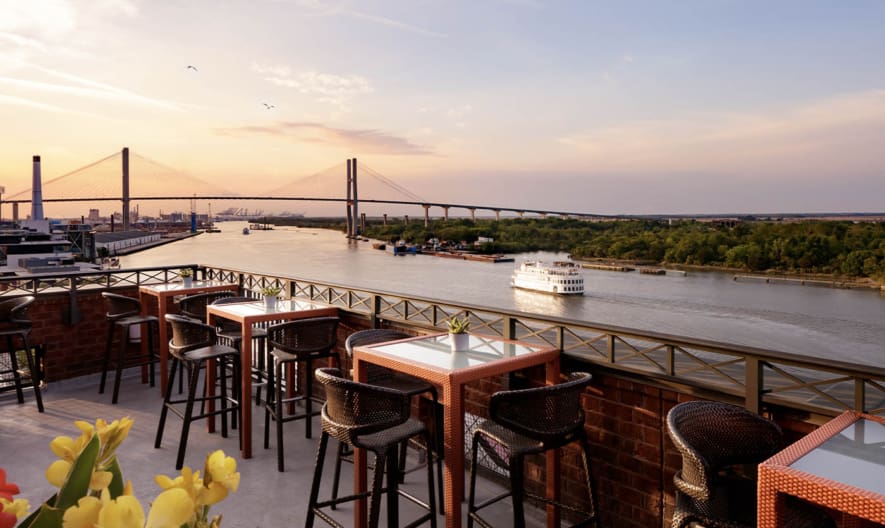
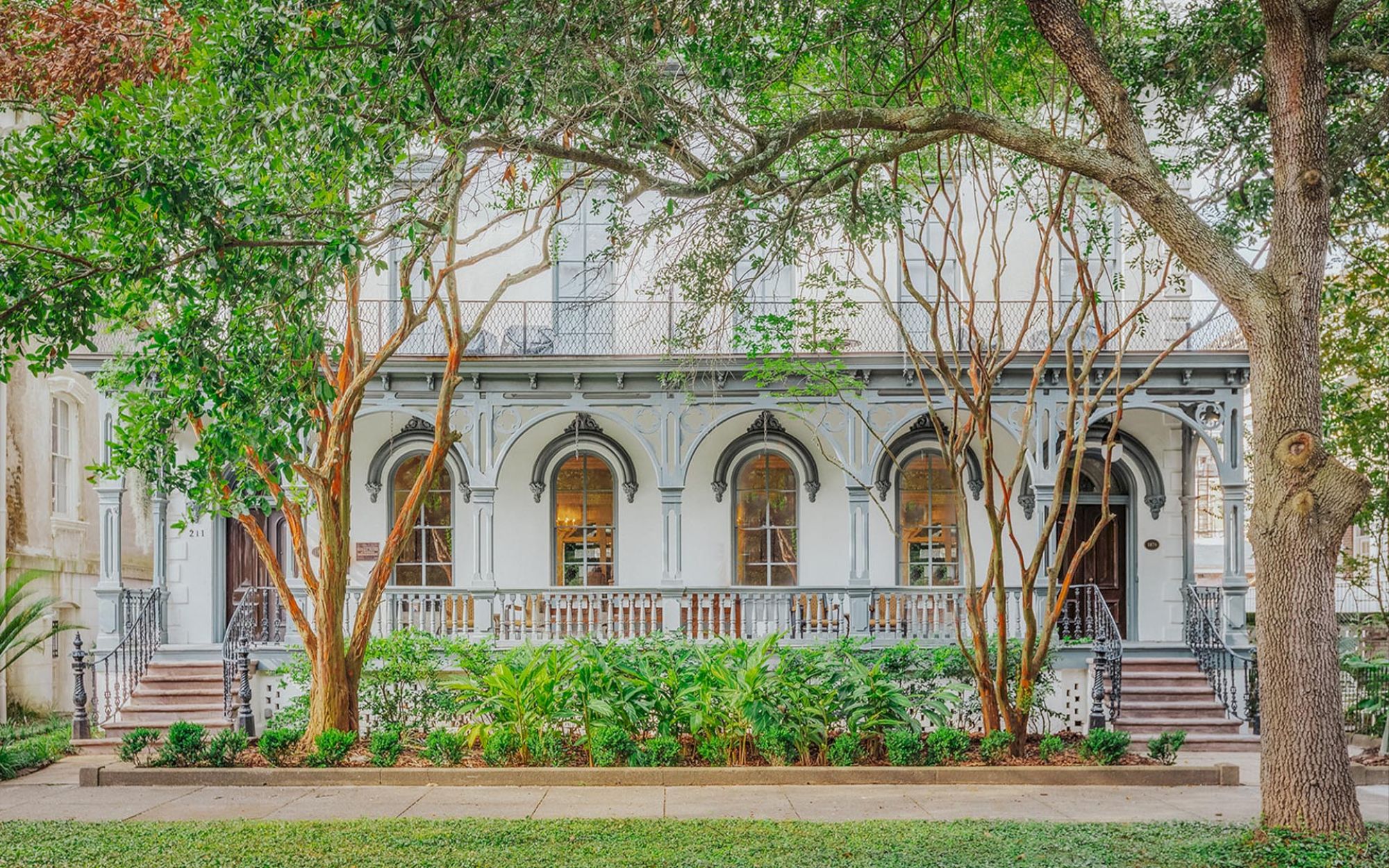
8 recommended properties


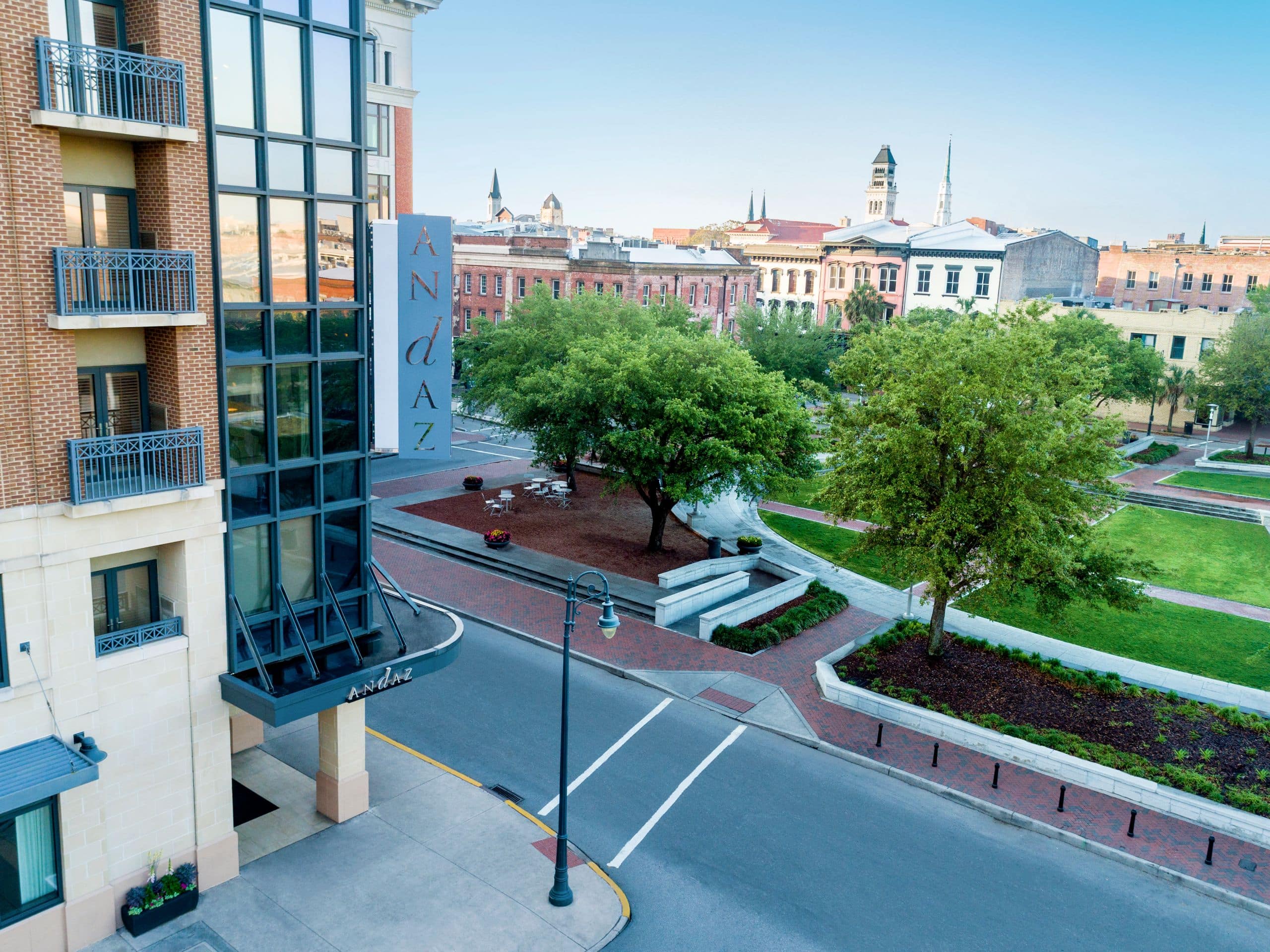
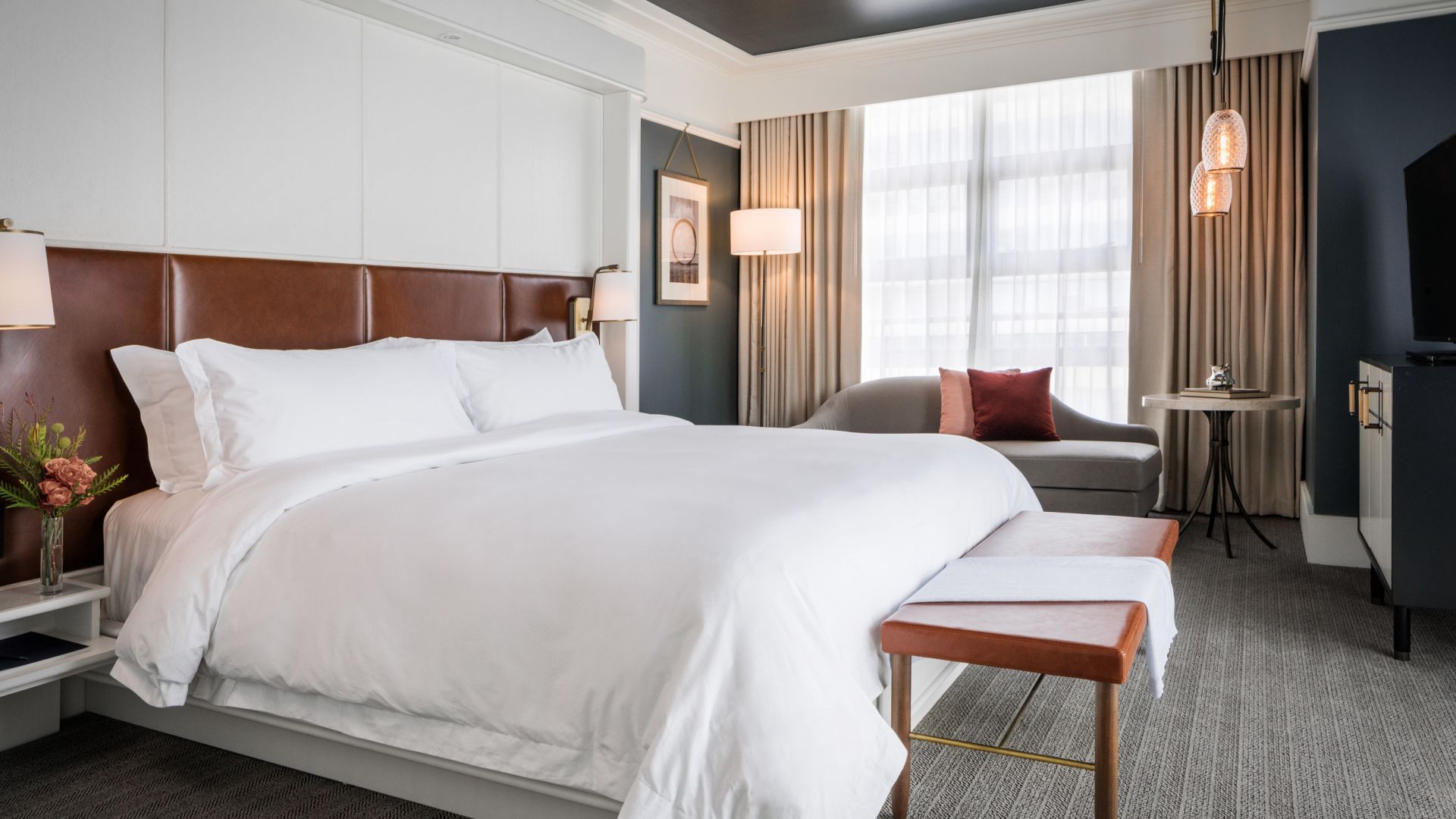
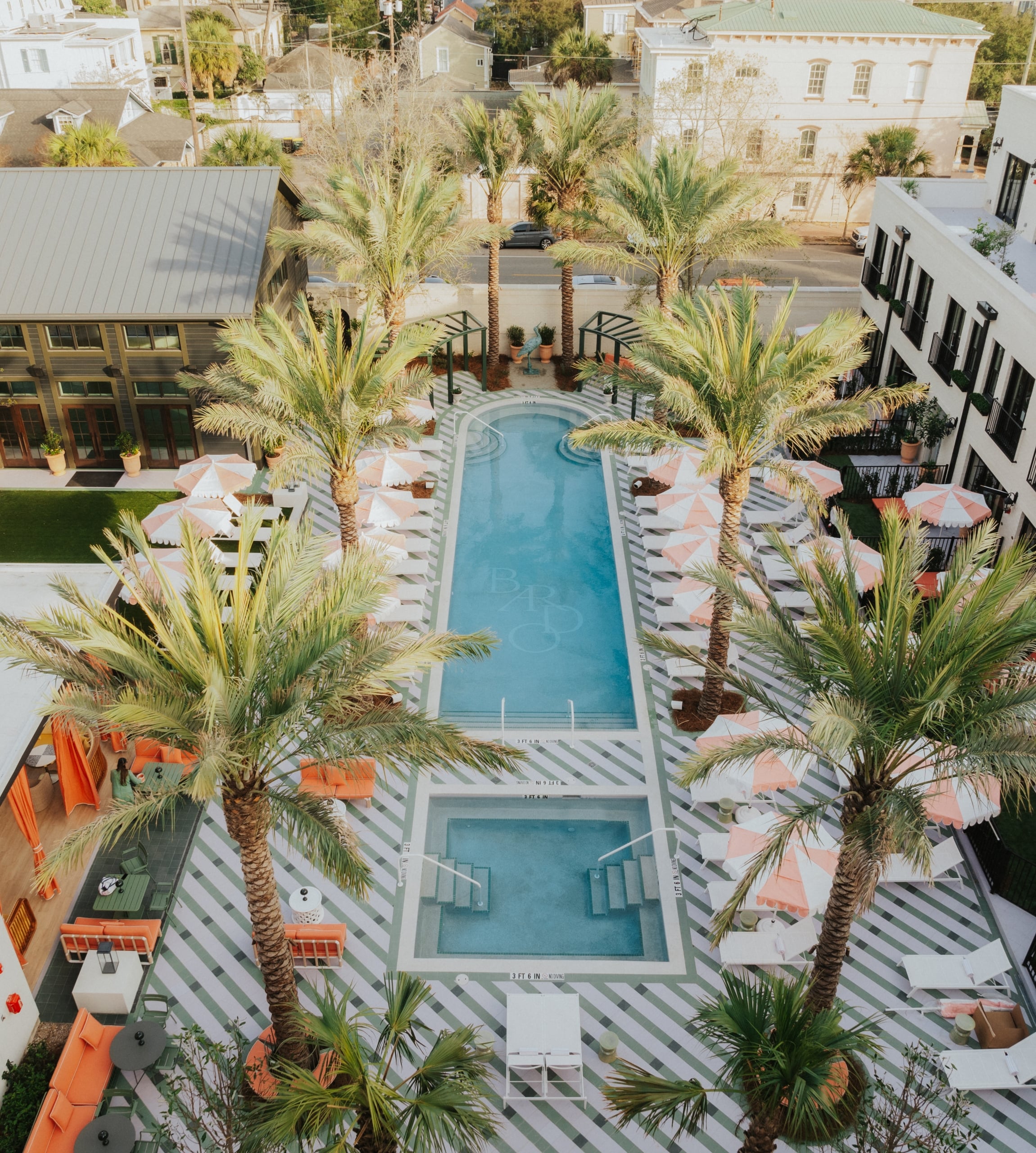
Things to Do in Savannah
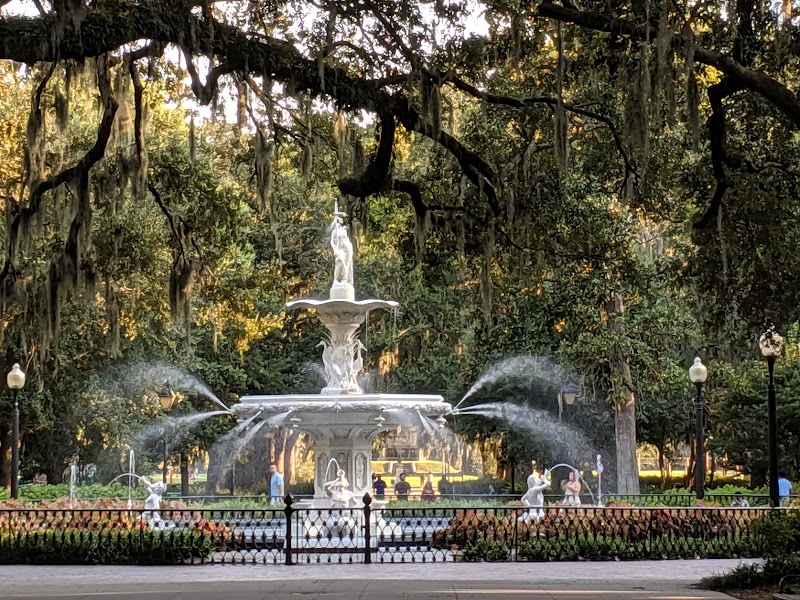
Forsyth Park
Historic District · 60 min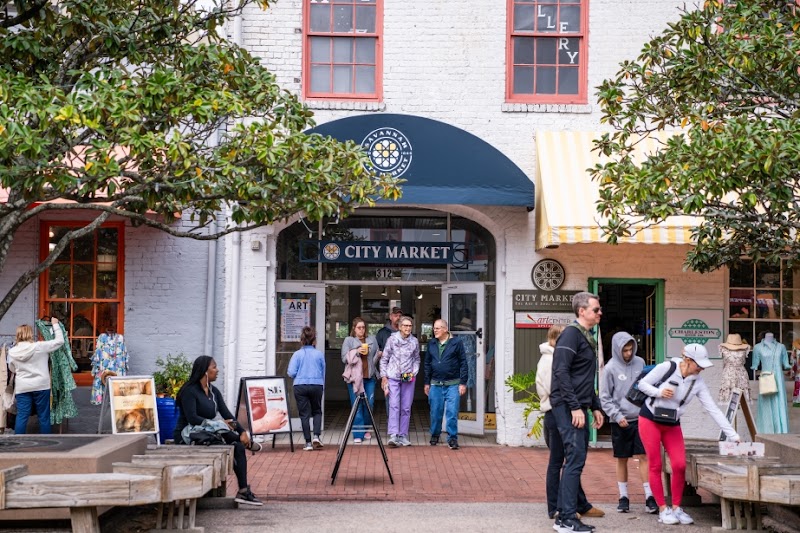
City Market
Historic District · 90 min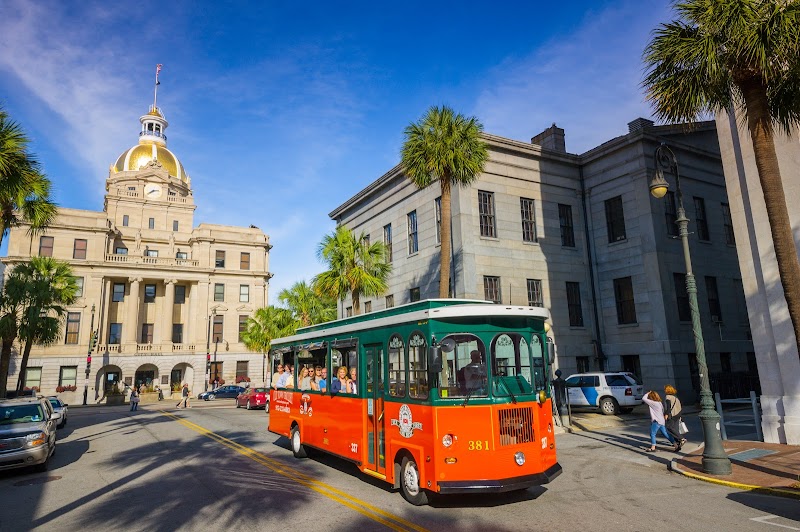
Historic Walking or Trolley Tour
Historic District · 90 minMoney-Saving Tips
- 1.Visit during shoulder season (October-November) for 30-40% lower hotel rates and fewer crowds
- 2.Many museums offer free admission on the first Sunday of each month
- 3.Skip expensive trolley tours and download the free Savannah History Museum app for self-guided walks
- 4.Happy hour at upscale restaurants runs 4-6 PM with half-price appetizers and $8 cocktails
- 5.Park at the Savannah Visitor Center for $5 all day instead of feeding downtown meters
- 6.Buy groceries at Kroger on Habersham Street — downtown convenience stores charge tourist prices
- 7.Free concerts happen at Forsyth Park most Saturday afternoons from March through October
Travel Tips
- •Bring comfortable walking shoes — brick sidewalks and cobblestones are tough on feet
- •Download offline maps before exploring — cell service gets spotty in some historic areas
- •Book ghost tours in advance during peak season — the popular ones sell out days ahead
- •Carry cash for street parking meters — many don't accept cards despite what signs say
- •Pack layers even in summer — restaurants and shops blast AC to arctic temperatures
- •Don't touch Spanish moss — it's full of chiggers that will make you itch for days
- •Most squares have public restrooms, but they close at sunset
- •Tipping culture is strong here — 20% minimum at restaurants, $2-3 per drink at bars