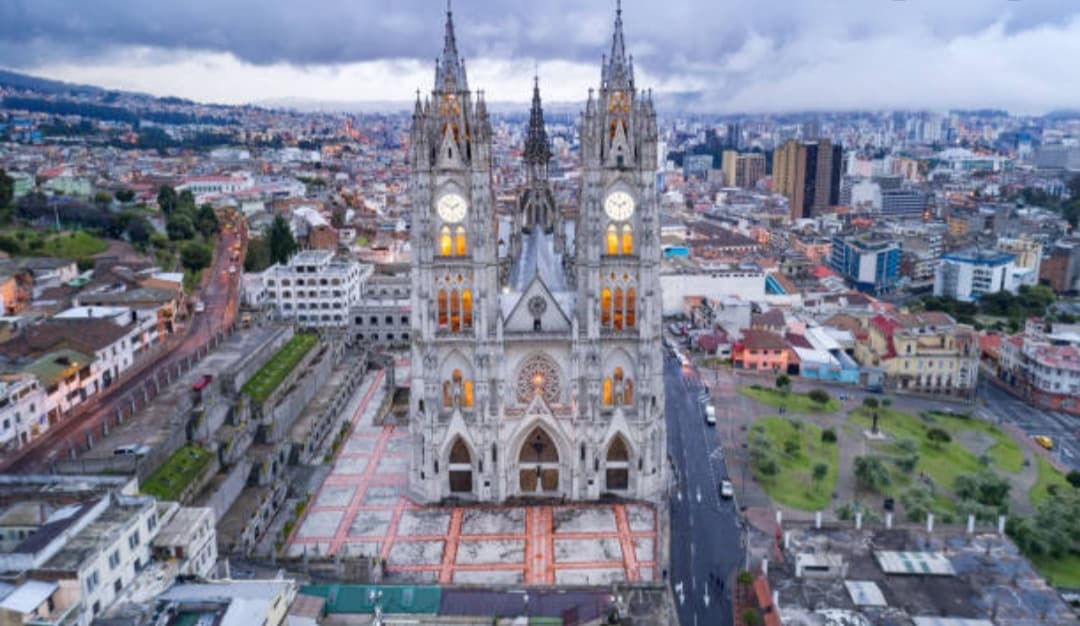
Quito
High-altitude colonial capital beneath volcanic peaks
Quito sits at 9,350 feet above sea level, making it the world's second-highest capital city. But altitude isn't the only thing that takes your breath away here. This UNESCO World Heritage city sprawls across Andean valleys beneath snow-capped volcanic peaks, where 16th-century churches share cobblestone streets with contemporary art galleries and traditional markets overflow with exotic fruits you've never heard of.
The historic center feels like stepping into a colonial time capsule. La Compañía church gleams with seven tons of gold leaf, while Plaza Grande buzzes with street vendors selling fresh empanadas for $1. And here's the thing about Quito — it punches way above its weight culturally while remaining refreshingly affordable. A three-course meal at a nice restaurant runs about $15, and you can explore world-class museums for less than $5.
Look, the thin air might slow you down those first couple days. But once you adjust, you'll discover a city that serves as your gateway to the Galápagos, Amazon rainforest, and some of South America's most accessible volcanic adventures.
Best Months
JAN · JUN · JUL · AUG · SEP · DEC
~21°C · high crowds
Culture & Context
ALTITUDE HITS FIRST
Quito sits at 2,850 meters above sea level, which is the first thing that will hit you, literally. Around 50-75% of visitors feel some altitude effects in the first 48 hours. Headache, mild nausea, feeling winded after one flight of stairs.
Take it slow the first day, drink water constantly, skip the alcohol that first night. It passes. The city is predominantly Catholic and considerably more conservative than coastal Ecuador, particularly outside tourist neighborhoods.
Family is central, elders are treated with real respect, and Sunday is genuinely a day off. Ecuadorians are warm but not extroverted with strangers. Don't mistake reserved politeness for coldness.
And learn the concept of "la hora ecuatoriana": social events run 30-60 minutes late by default. Showing up exactly on time to a dinner party will leave you standing alone.
Local Customs
BUENOS DÍAS FIRST
Always greet with the time-appropriate phrase before launching into any request. Walking into a shop and asking a question without first saying 'buenos días' reads as rude.. Say '¡Buen provecho!
' to fellow diners when your food arrives, even strangers at nearby tables. It's the norm, not weird.. At restaurants, one person typically pays the whole bill.
Splitting is less common. Groups often rotate who covers the tab across different meals.. A 10% service charge is usually already included in restaurant bills in nicer spots.
Double-check before adding more.. Don't point at people with your finger. Use your open hand or nod your head in their direction instead..
Bargaining is expected at Otavalo market and craft stalls. Fixed prices apply at shops and restaurants.. In indigenous communities, always ask permission before taking photos.
Non-negotiable.. Dress more conservatively in the Old Town and especially in churches. Women should carry a scarf for shoulder coverage at religious sites..
Lilies are associated with funerals in Ecuador. Bring flowers as a host gift but skip the lilies.
Safety
PICKPOCKETS ON TRANSIT
Quito carries a US State Department Level 2 advisory (the same as France, Italy, and Spain), so keep that in perspective. In 2026, the Ecuadorian government extended a state of emergency begun in 2024, which actually means heavier police presence in tourist zones. The Policía Turística in yellow vests patrols La Mariscal and the Old Town from 8am to 10pm.
The most common crime targeting tourists is pickpocketing, particularly on public transport like the Trolebús and Ecovía. Keep your phone off restaurant tables, wear your backpack on your chest in crowded markets, and don't display jewelry in the Old Town. For taxis, use Uber, Cabify, or InDriver exclusively.
Legitimate official taxis in Quito have orange license plates or a white plate with an orange stripe. Never hail an unmarked cab off the street, especially at night. Don't walk up to El Panecillo independently.
Avoid the historic center after dark on less-trafficked streets. The southern areas of Quito are not for tourist wandering. Ecuador's violent crime spike from 2022-2024 is largely concentrated in coastal cities like Guayaquil, not Quito.
For most tourists sticking to La Mariscal, La Floresta, and the Old Town by day, Quito feels comparable to Lima or Cusco.
Getting Around
METRO PLUS UBER
The Quito Metro opened in December 2023 with 15 stations running south to north through the city. A single ride costs $0.45, and it's the safest and most predictable way to cross the city.
City buses run everywhere for $0.15-0.25 but navigating routes without Spanish is challenging.
Uber and Cabify are the go-to options for most tourists: reliable, pre-priced through the app, and you can share trip details with someone you trust. Fares run $2-5 for most city trips. The airport (officially Mariscal Sucre International Airport, IATA: UIO) sits about 35km east of the city center in Tababela.
Factor in 45-90 minutes depending on traffic. Rush hour runs 7-9am and 5-8pm. The shared shuttle bus (Aeroservicios) to the city runs about $8 but takes up to 90 minutes and drops you at a bus terminal, not your hotel.
A private taxi or Uber from the airport runs $25-35 to the center. Direct flights connect Quito to Miami, New York, Madrid, Amsterdam, and most South American capitals via LATAM, Avianca, Delta, United, and American Airlines. Domestic flights to Cuenca and Guayaquil run $60-120 round-trip.
Useful Phrases
Quito Itineraries

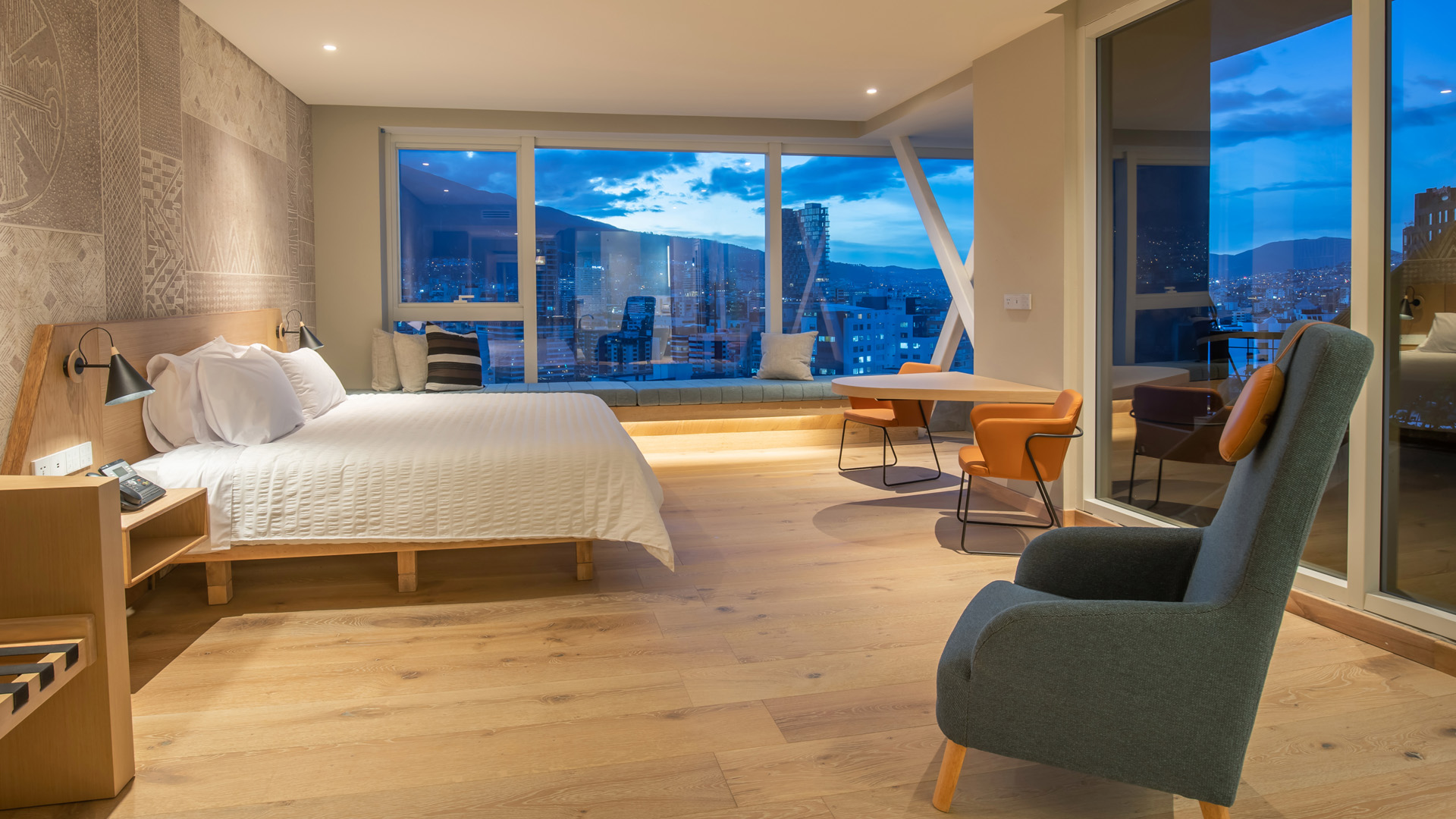
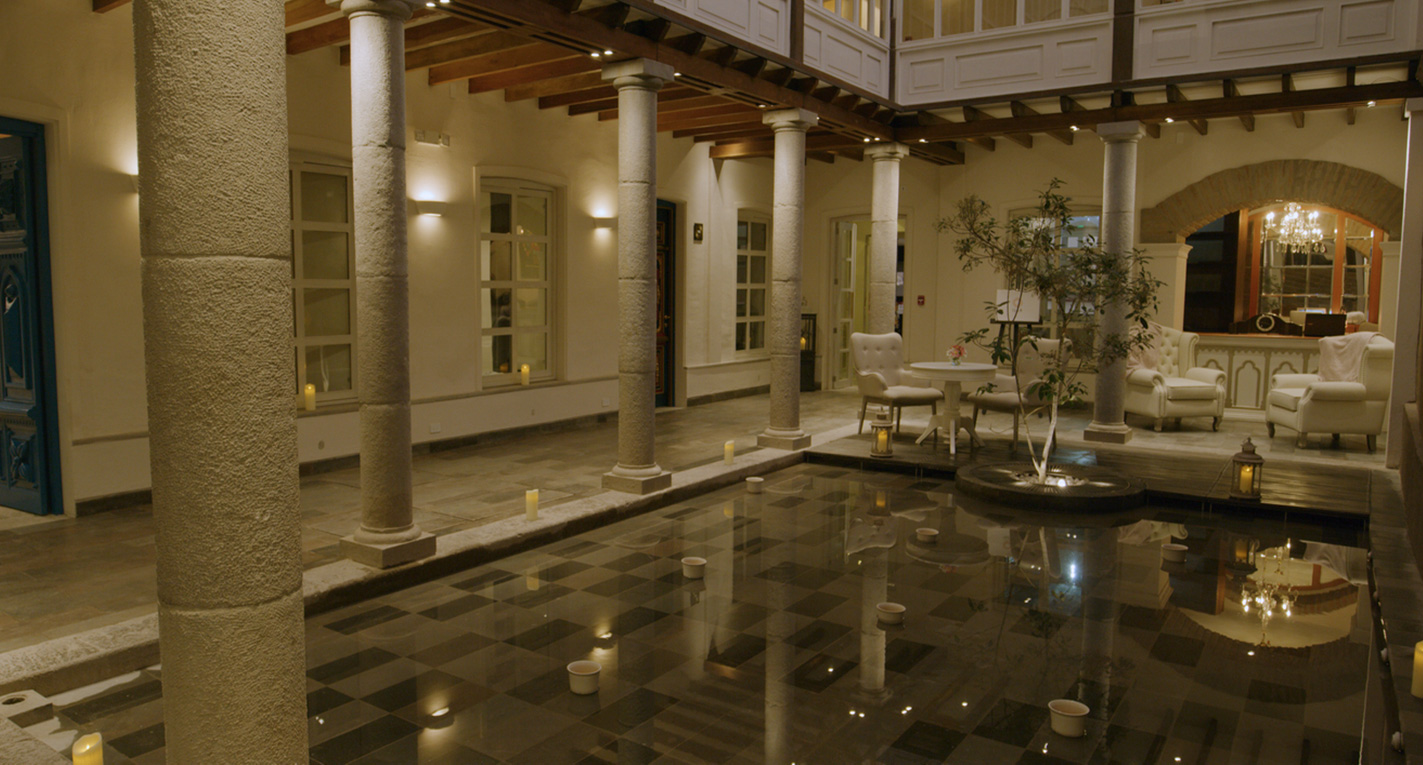
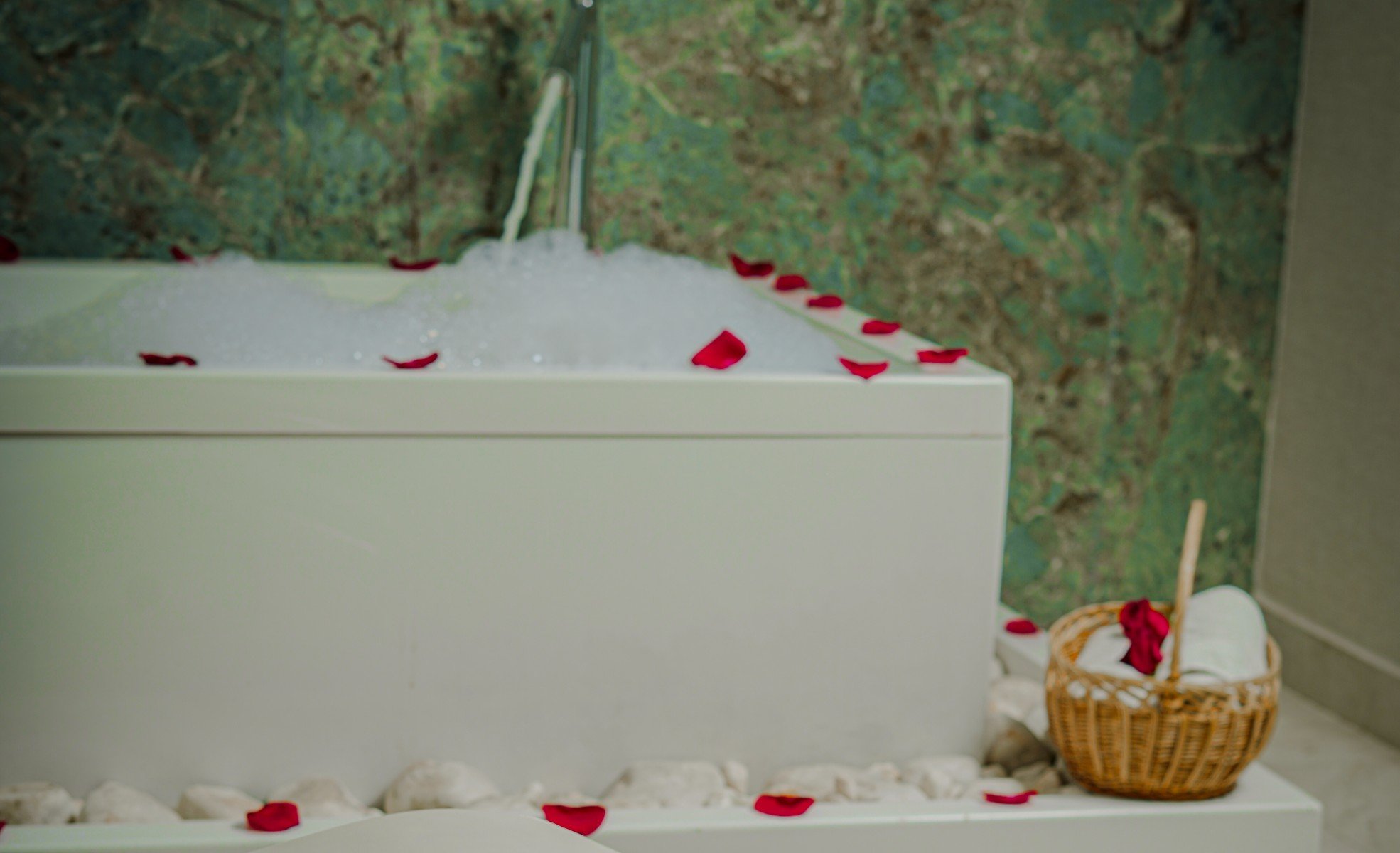
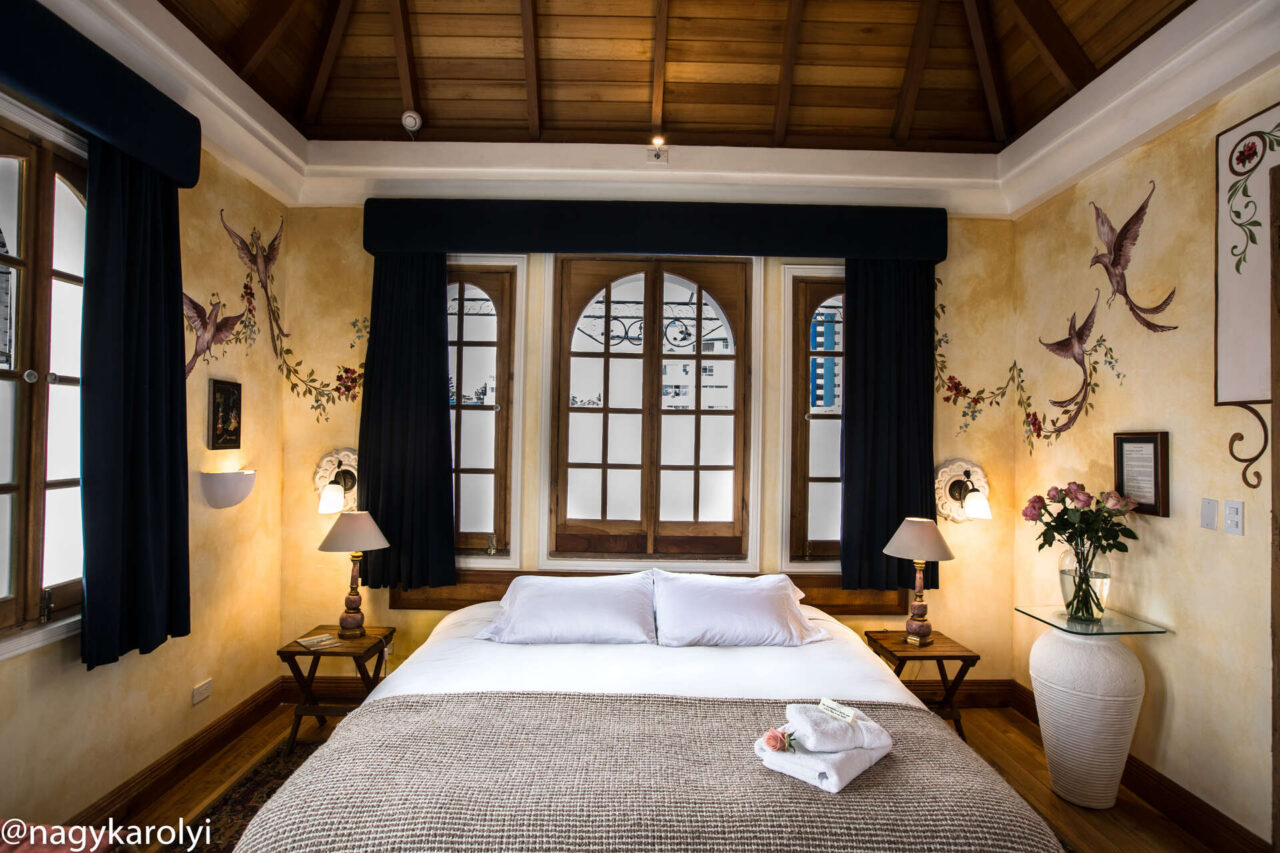
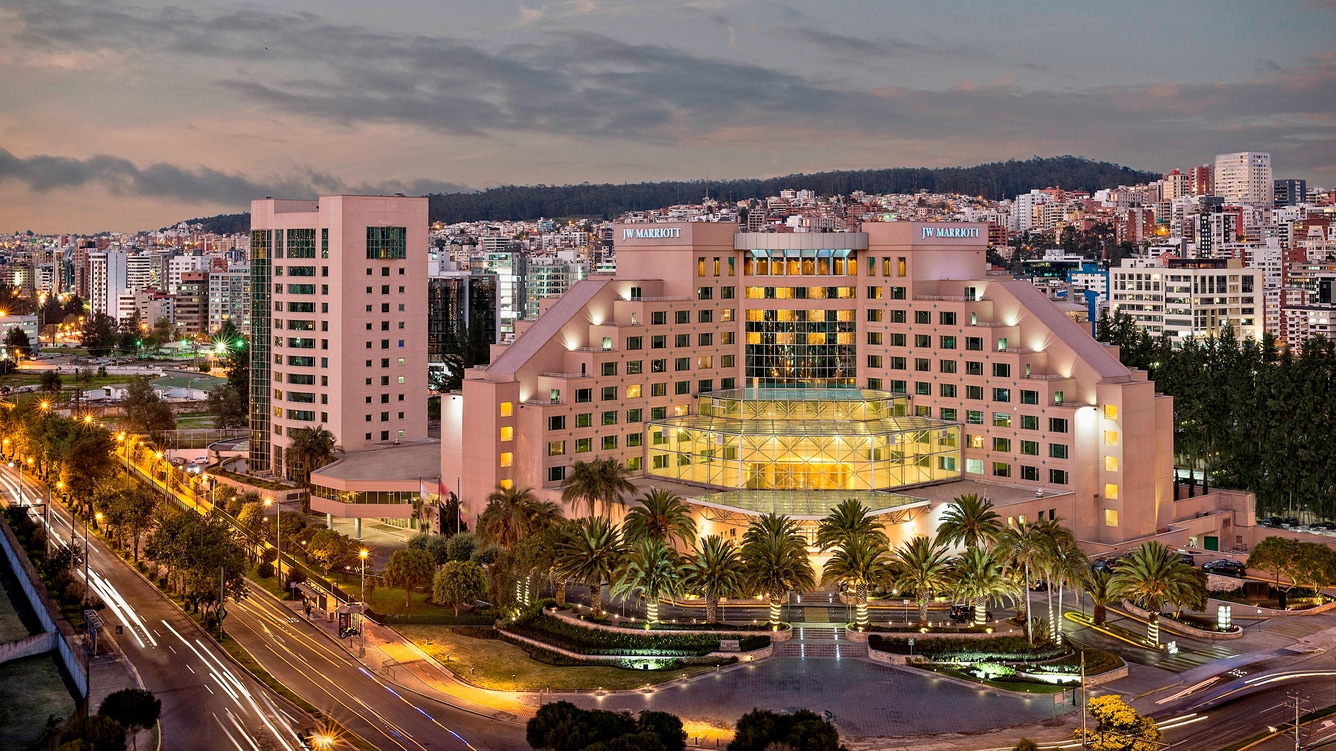
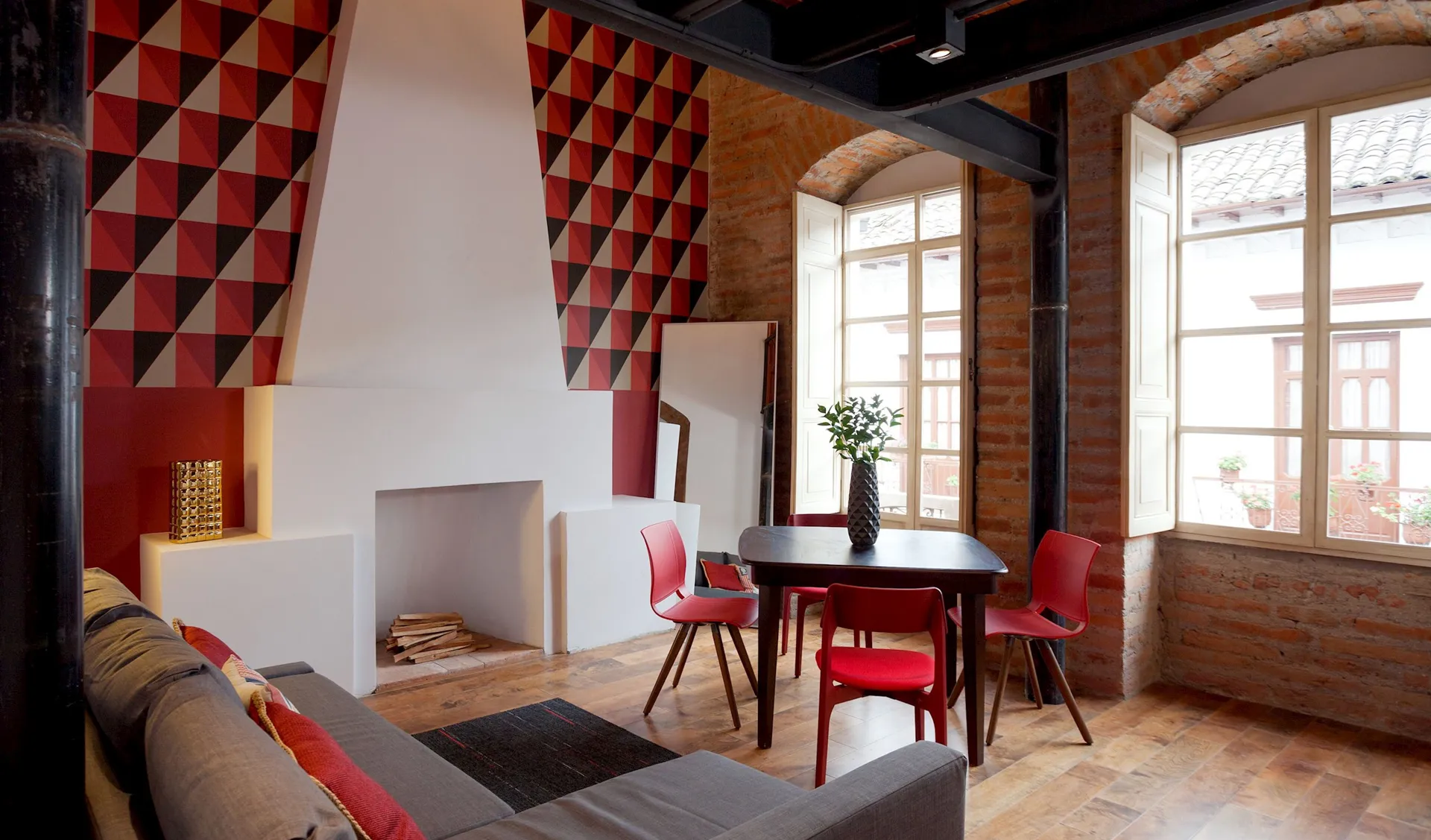
Where to Stay in Quito
9 recommended properties
Things to Do in Quito
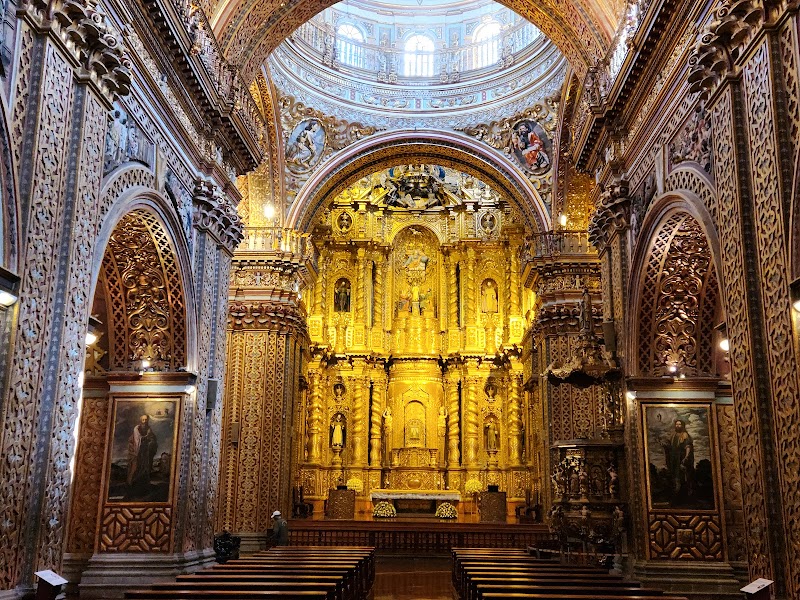
La Compañía de Jesús Church
Centro Histórico · 60 min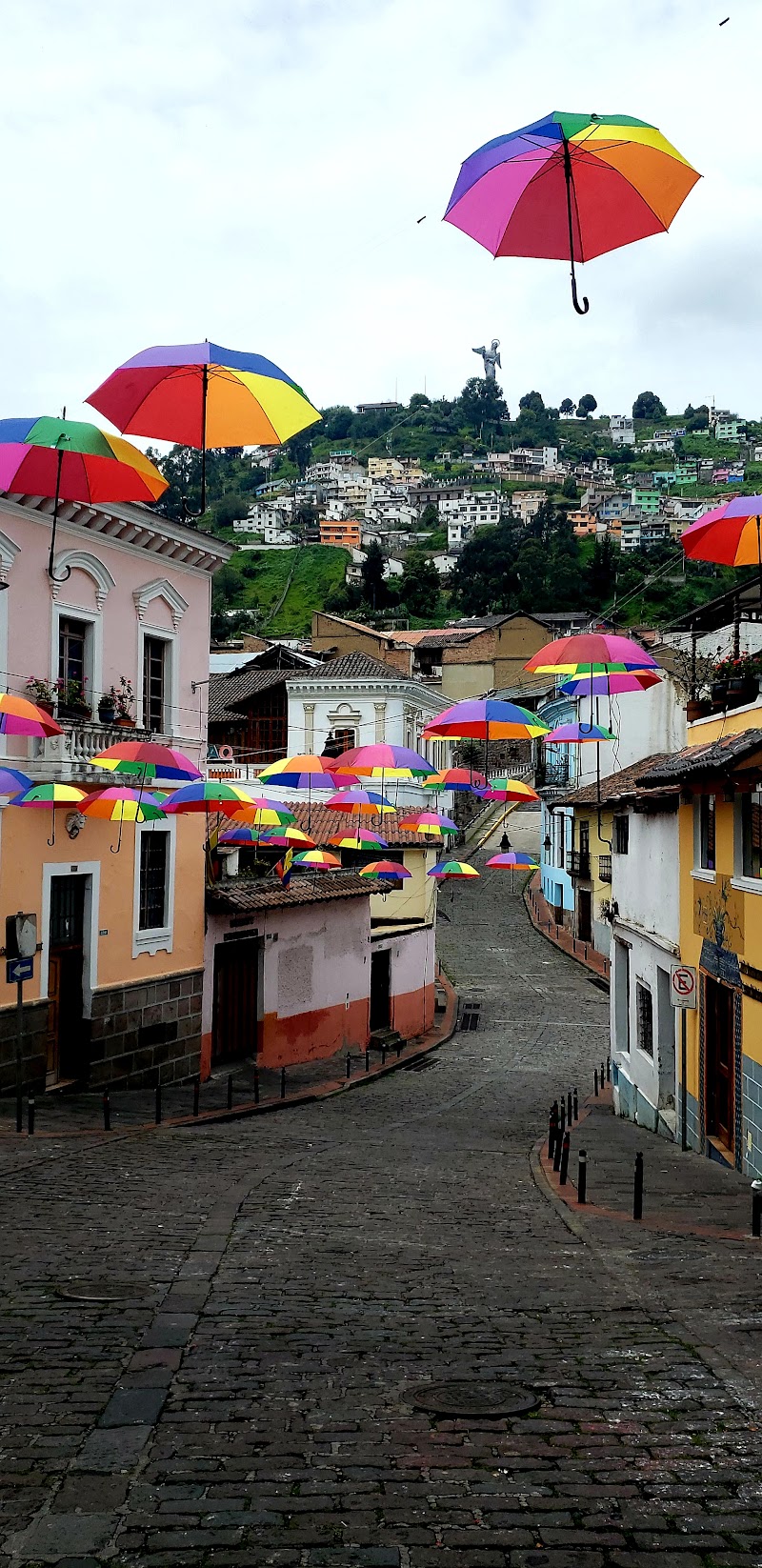
Calle La Ronda Evening Walk
Centro Histórico · 90 min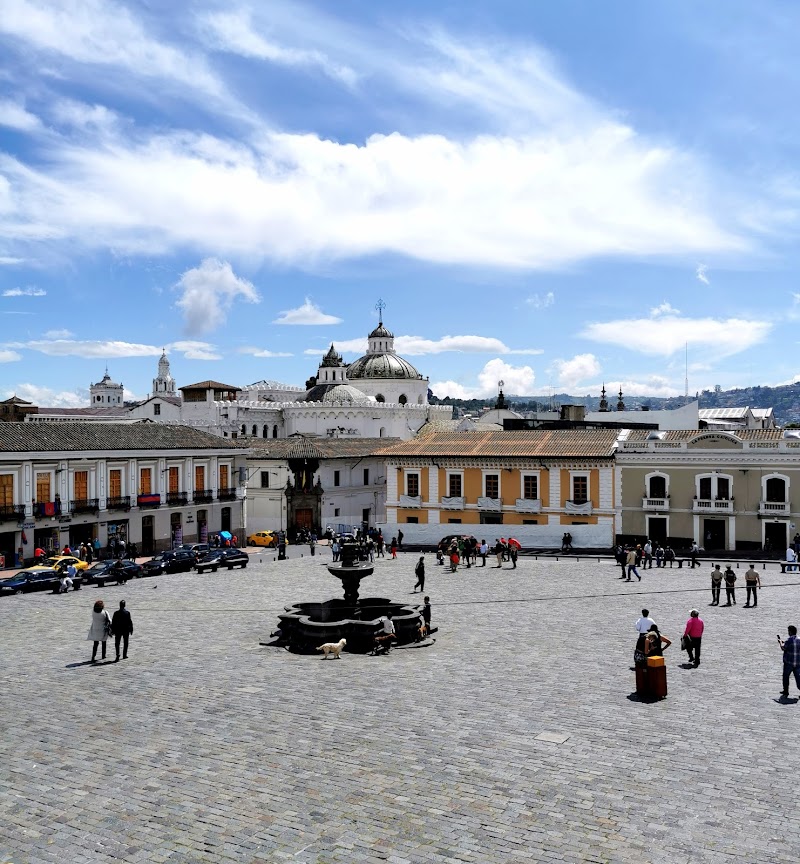
Iglesia y Plaza de San Francisco
Centro Histórico · 60 minMoney-Saving Tips
- 1.Eat lunch at local markets like Mercado Central — full meals cost $2-3 versus $8-12 at restaurants
- 2.Take public buses ($0.25) instead of taxis for longer distances across the city
- 3.Buy water bottles at corner stores ($0.50) rather than tourist areas ($2-3)
- 4.Many museums offer free entry on Sundays for Ecuadorian residents — some extend this to all visitors
- 5.Street food empanadas cost $0.50 versus $3-4 at cafés for basically the same thing
- 6.Book day tours through your hostel — they often negotiate group discounts of 10-20%
- 7.ATMs charge high fees — withdraw larger amounts less frequently to minimize charges
- 8.Local phone SIM cards cost $5 and save money versus international roaming charges
Travel Tips
- •Arrive 2-3 days before any strenuous activities to adjust to the 9,350-foot altitude
- •Drink coca tea (legal here) to help with altitude adjustment — most hotels serve it free
- •Pack layers for temperature swings from 50°F mornings to 70°F afternoons
- •Use sunscreen religiously — UV rays are intense at this altitude even on cloudy days
- •Keep copies of your passport — police checkpoints are common and you need ID
- •Learn basic Spanish phrases — English isn't widely spoken outside tourist areas
- •Carry small bills — many places can't break $20 bills, especially street vendors
- •Book Galápagos flights from Quito in advance — last-minute prices can double
- •Don't drink tap water — stick to bottled water or water purification tablets
- •Take photos of important documents and email them to yourself as backup