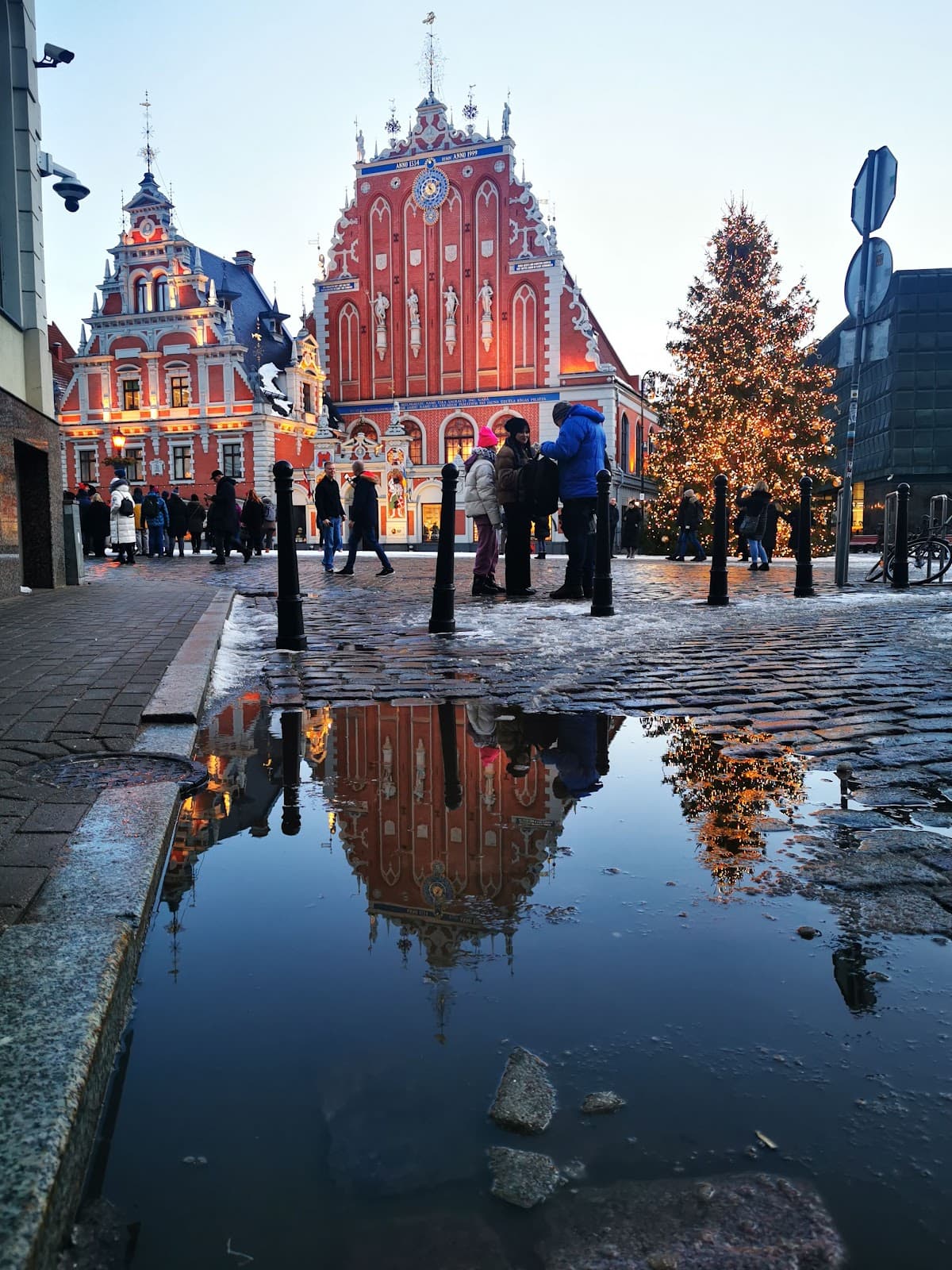
Riga
Art Nouveau masterpiece with medieval soul and Baltic charm
Riga hits different than other European capitals. Sure, Prague gets the crowds and Stockholm gets the hype, but Latvia's capital quietly serves up the continent's most impressive Art Nouveau architecture alongside a medieval Old Town that feels like stepping into a fairy tale. The best part? Your money stretches further here than almost anywhere else in Northern Europe.
Walk down Alberta iela and you'll understand why Riga holds UNESCO World Heritage status. Building after building showcases elaborate Art Nouveau facades — screaming faces, flowing organic forms, and intricate details that architects like Mikhail Eisenstein carved into stone over a century ago. But turn a corner into Vecrīga (Old Town) and suddenly you're surrounded by 13th-century guild halls and cobblestone streets where the Hanseatic League once ruled Baltic trade.
Here's what makes Riga special: it's authentically lived-in. Locals still work in these historic buildings, grab coffee in medieval courtyards, and treat their architectural treasures like everyday backdrop rather than museum pieces. The city moves at a relaxed pace that lets you actually absorb what you're seeing instead of rushing between Instagram spots.
Best Months
MAY – SEP
~19°C · moderate crowds
Culture & Context
OCCUPATION & ART NOUVEAU
Riga has been through a lot. Occupied by the Soviets, occupied by Nazi Germany, occupied by the Soviets again — all within living memory for the older generation. That history is not decoration here. The Museum of the Occupation of Latvia and the KGB Museum (the Corner House at Brīvības iela 61) are worth visiting not as tourist attractions but as honest reckonings with what this city survived.
The Art Nouveau architecture — over 700 buildings — isn't just a pretty backdrop. It was built during Riga's economic golden age in the early 20th century, designed by architects including Mikhail Eisenstein, and represents a city that was genuinely thriving before the wars ripped it apart. The Jewish community that co-created much of this architecture was almost entirely wiped out in WWII. That context matters when you're standing in front of the facades.
Latvian is one of only two surviving Baltic languages (the other being Lithuanian). It's ancient, with complex grammar and long vowels. You won't learn it in a weekend — but a few words go a long way. Latvians quietly appreciate the effort.
The Song and Dance Festival, held every five years at Mežaparks, is one of the most profound cultural events in the country. Tens of thousands of singers perform together. It's not scheduled for 2026, but the tradition underpins Latvian identity in a way that's hard to overstate.
About a third of Riga's population is ethnically Russian, a legacy of Soviet-era migration. This shapes the city's social texture and language landscape. Most young people speak Latvian, Russian, and English. Older generations may default to Russian.
Local Customs
WARMTH BENEATH RESERVE
Latvians can seem cold or reserved when you first meet them. They're not being rude — that's just the baseline. Push through it a little and they warm up considerably.
Don't expect big grins from strangers on the street.. Don't haggle in shops, restaurants, or cafes. Fixed prices are fixed.
Flea markets and craft fairs are the exception.. Validate your public transport ticket immediately after boarding. Inspectors do check, and fines are issued without sympathy..
The Freedom Monument and Museum of the Occupation of Latvia are places for quiet reflection. Latvian history is genuinely heavy — Soviet occupation, deportations, WWII losses. Treat these sites accordingly..
Tipping is not mandatory but 10% is appreciated in sit-down restaurants if the service was good. Nobody expects it at a café counter.. Jāņi (June 23–24) is the most important holiday in the Latvian year.
If you're invited to someone's countryside celebration, go. It's the real Latvian culture — bonfires, singing, beer, and staying up until sunrise.. Latvian tap water is clean and safe to drink.
Don't buy bottled water — just refill your bottle.. Noise levels in public are kept low. Latvians are reserved in public spaces.
Loud groups (particularly stag parties) genuinely annoy locals and can attract unwanted friction.. If someone invites you to a bar you didn't find yourself, be cautious. The 'drinks scam' — inflated bills or 'service charges' you can't refuse — is a known issue in nightlife areas.
Stick to places you've looked up yourself.
Safety
WATCH YOUR POCKETS
Riga is a safe city by European standards. Crime index sits at 37.6 and safety index at 62.4 as of 2026. Violent crime against tourists is rare. The main issues are petty theft and scams, concentrated in predictable spots.
Watch your pockets and bags at Vecrīga (Old Town), the Central Market (Centrāltirgus), the Central Train Station (Dzelzcela Stacija), and the Central Bus Station. These are the known pickpocket zones — not dangerous, just be aware. Avoid using ATMs at night; if you need cash after dark, use machines inside shopping malls or major hotels, not street-facing ones.
The bar scam is real. Single men in particular get approached near nightlife areas by strangers suggesting new bars or clubs. This leads to inflated bills and 'obligatory' charges. Stick to places you've researched. Watch your drinks; there are isolated reports of drugging at bars.
Maskavas Forštate (Maskačka district) has a higher local crime rate and is worth avoiding at night. General rule: stay on well-lit, busy streets after midnight.
Solo women are generally fine in the center and can use public transport safely. The 2026 Women, Peace and Security Index gives Latvia a score of 0.88 — relatively low risk. Normal urban awareness applies.
LGBTQ+ travelers will find more acceptance in central Riga than elsewhere in the country. Pride events have grown in recent years. Outside major cities, attitudes are more conservative.
Latvia is a NATO member and EU member state. The US State Department rates it Level 1 (Exercise Normal Precautions). Enhanced border controls near Belarus remain in effect through June 2026.
Getting Around
TRAMS & BOLT APP
Riga's public transport network covers trams, buses, and trolleybuses. It's efficient and connects all major districts. Buy e-tickets at Narvesen kiosks for €1.50 per ride — cheaper than paying the driver. A 24-hour pass costs €5 flat. Use the Mobilly app or Rīgas satiksme website to check routes and timetables.
Bolt (the local Uber equivalent) is the smart choice for taxis. Avoid airport queue taxis that often quote a flat €35 for a ride the app handles for around €10–15. Download Bolt before you arrive.
Tram #11 is worth riding for its own sake — a circular route around the city center that gives you a relaxed look at neighborhoods without walking.
Riga International Airport is in Mārupe Municipality, west of the city. Get a bus ticket at the Narvesen kiosk (€1.50) rather than paying the airport bus surcharge (€1.81 if you pay the driver).
Train to Jūrmala (Majori Station) takes about 25 minutes and costs around €2.10. Buy via the Vivi app for a 5–10% discount. Intercity trains to Sigulda or Cēsis are cheap and a legitimate way to day-trip out of the city.
Cycling is increasingly viable. Riga has been expanding bike lanes along riverside paths. Rentals are available across the city. The city center is compact and very walkable once you're in it.
Useful Phrases
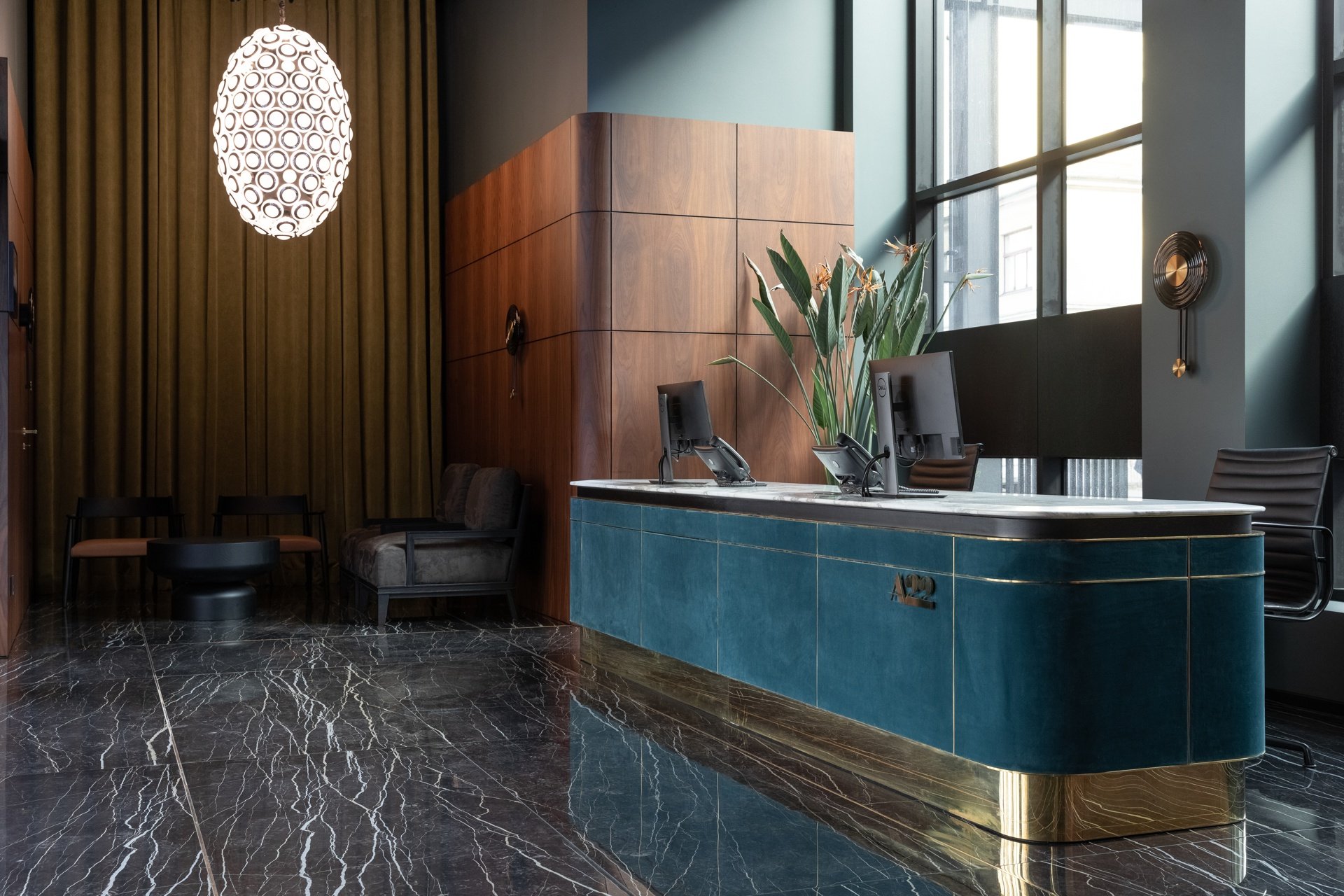
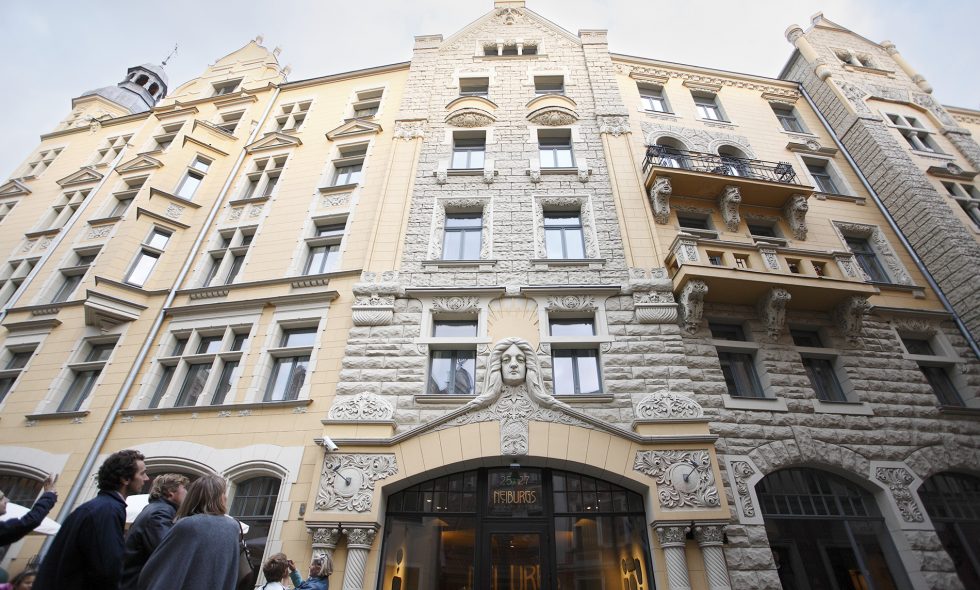
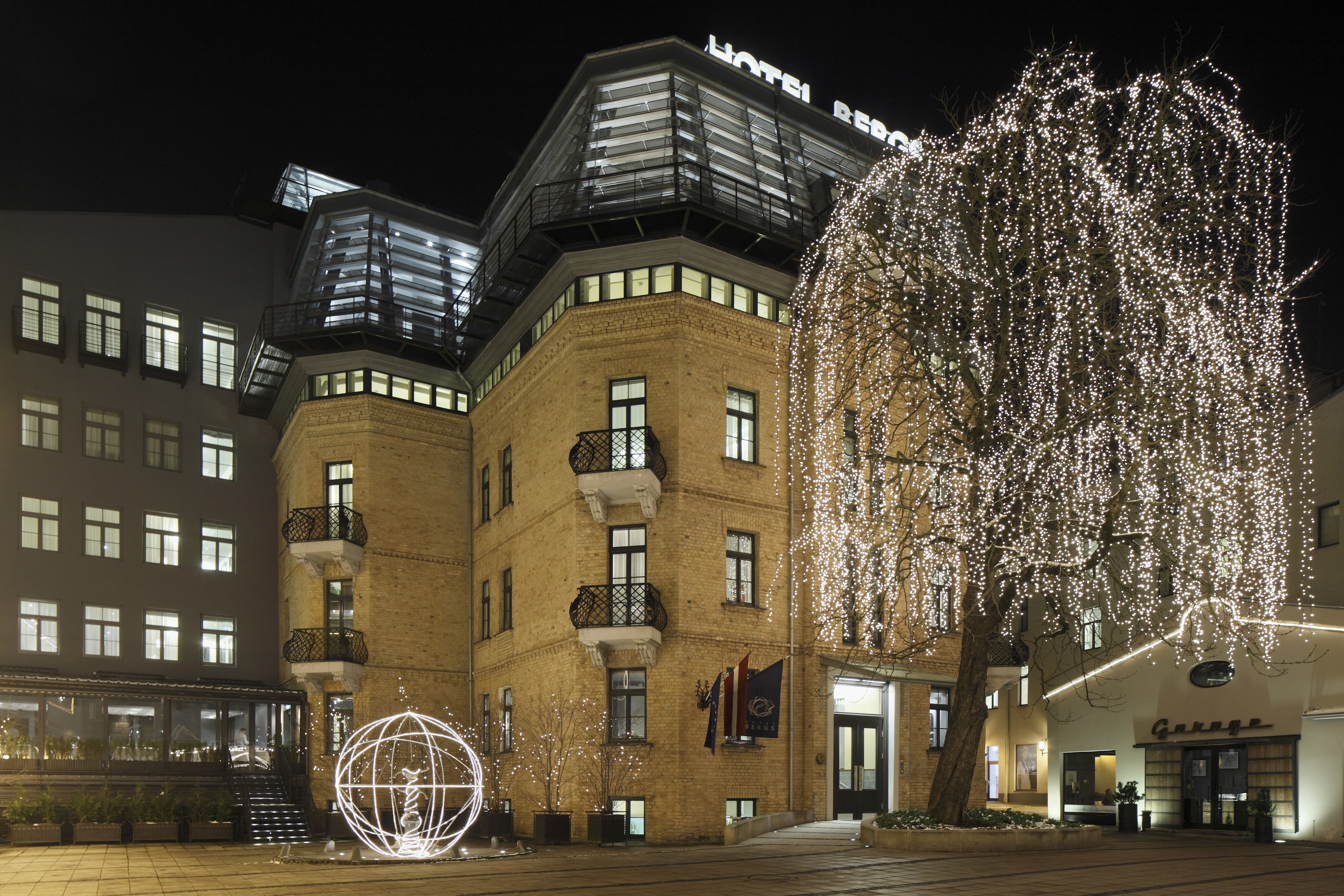
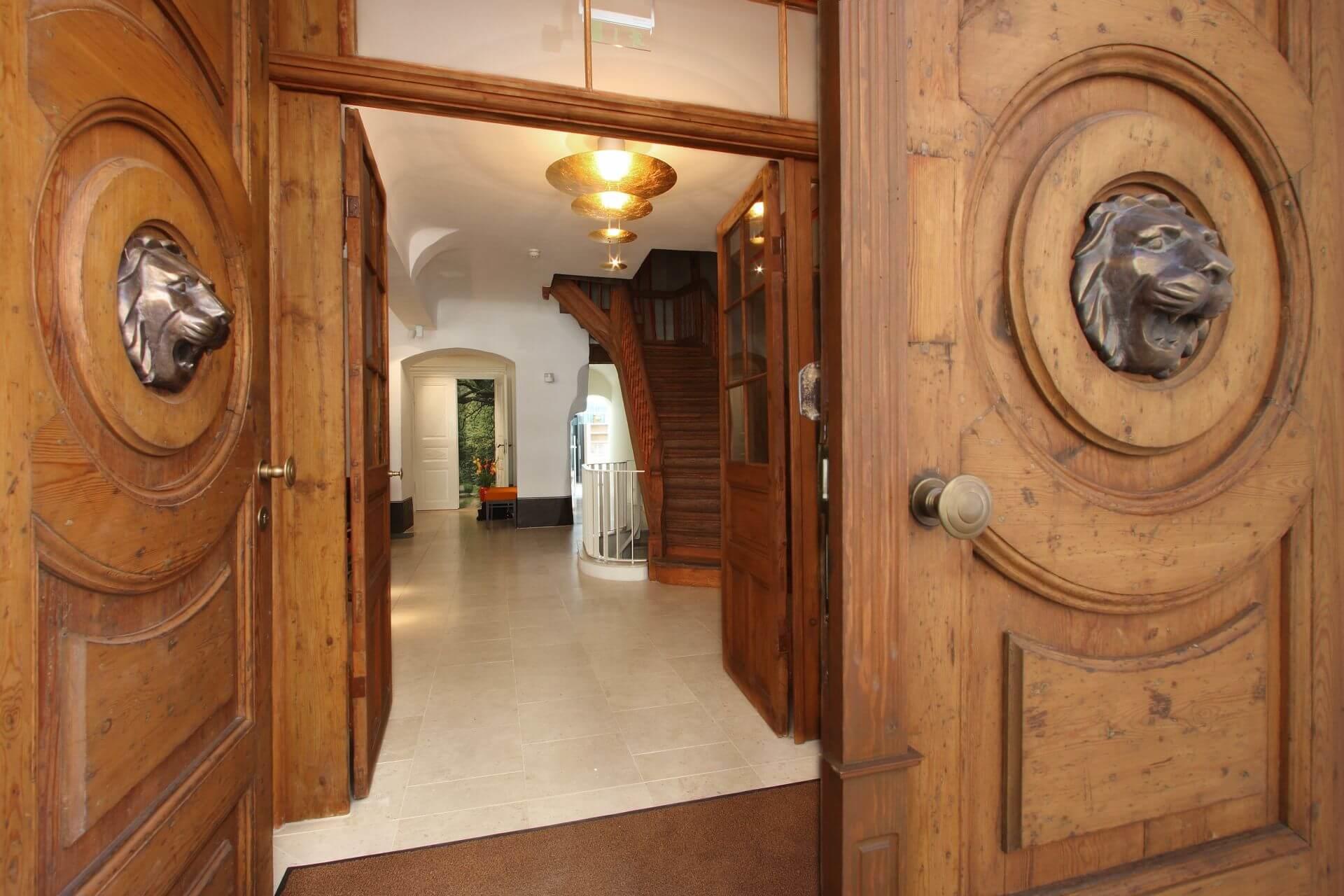
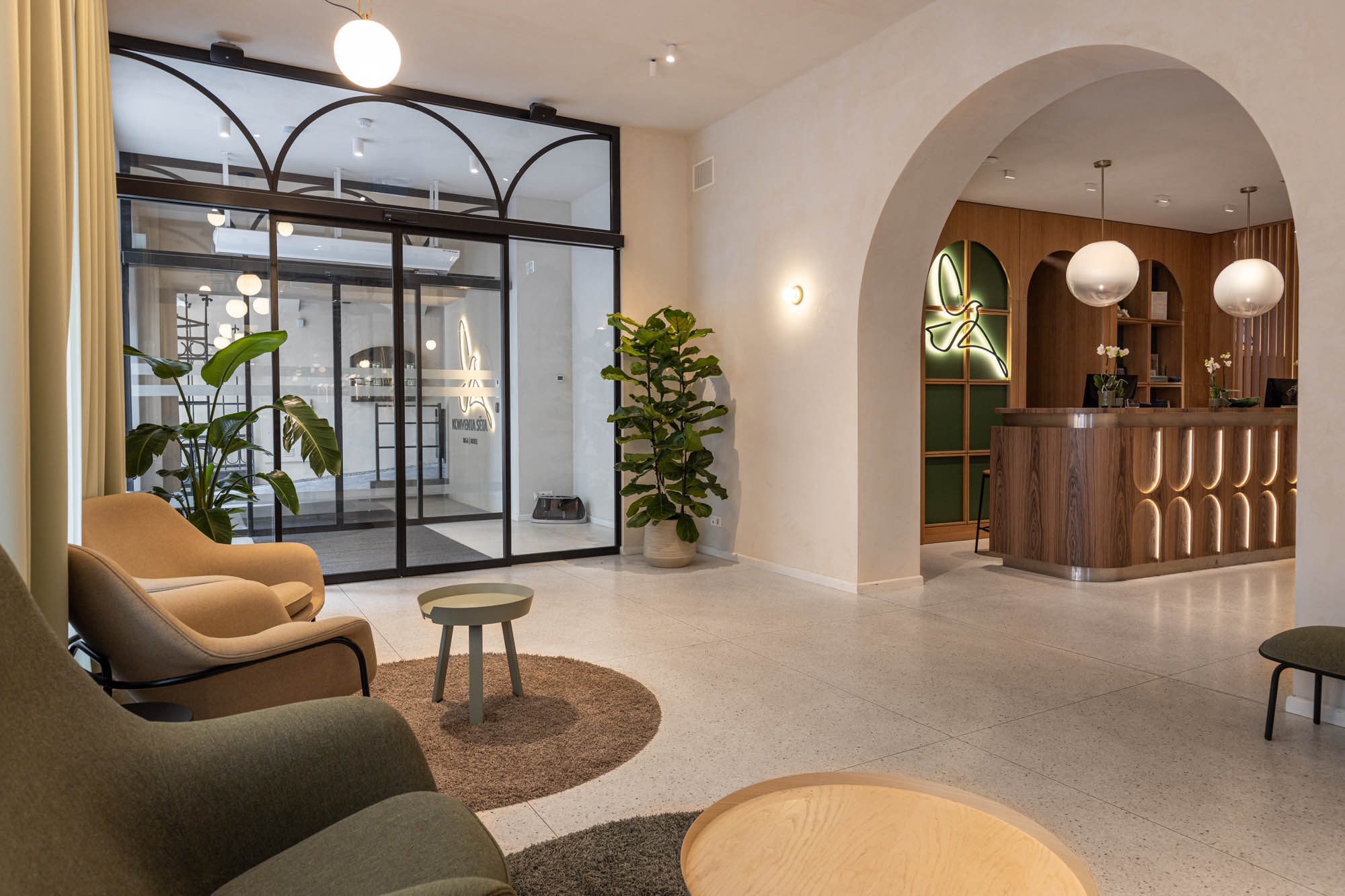
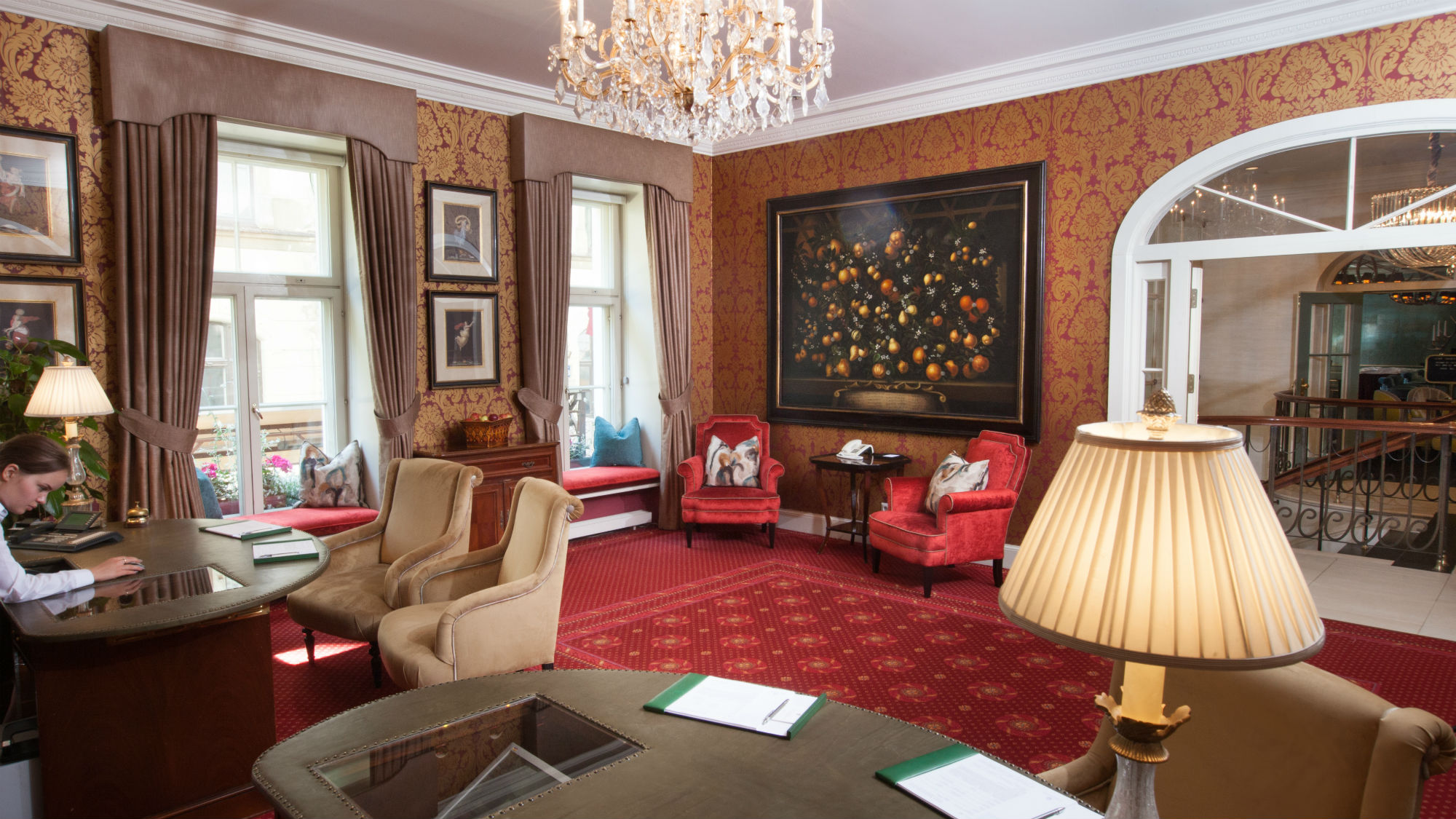
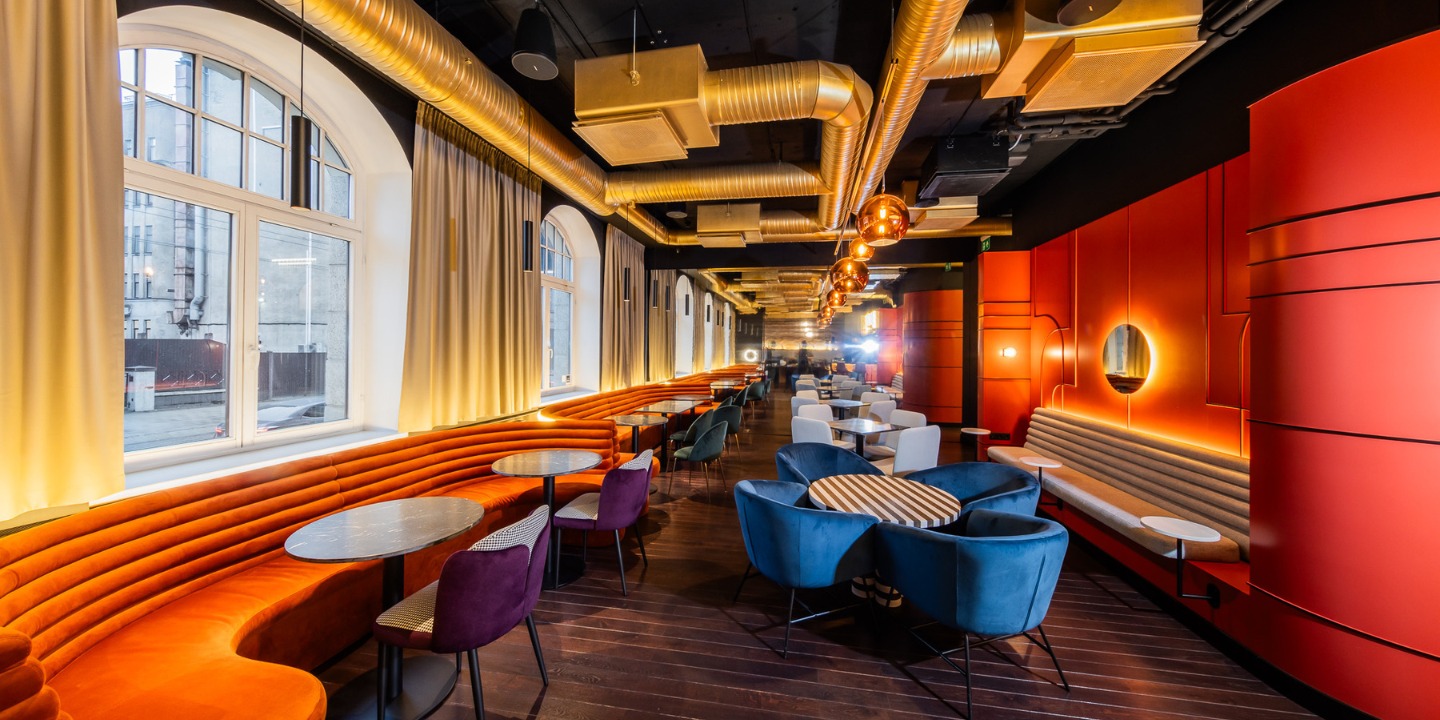
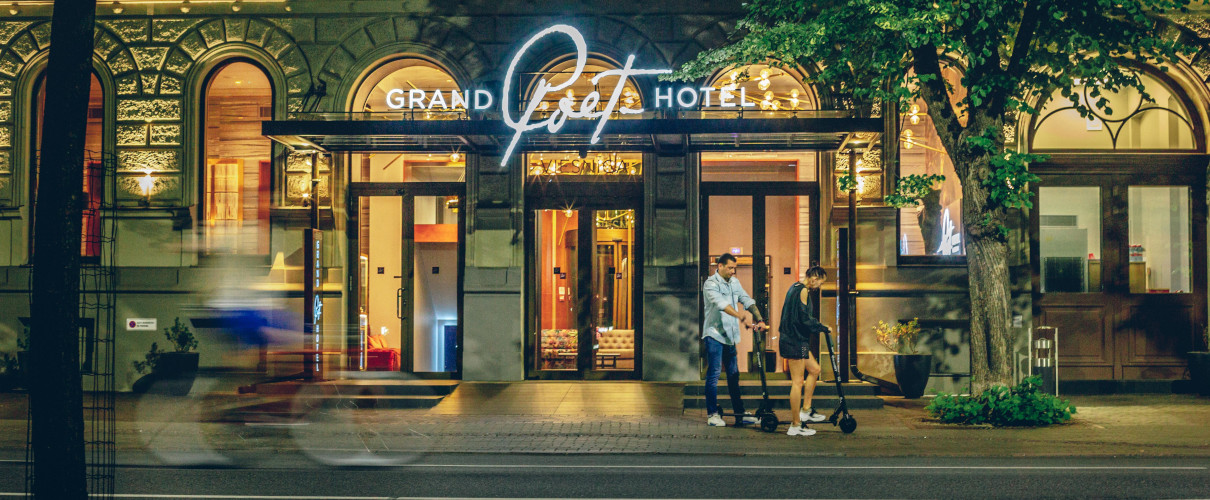
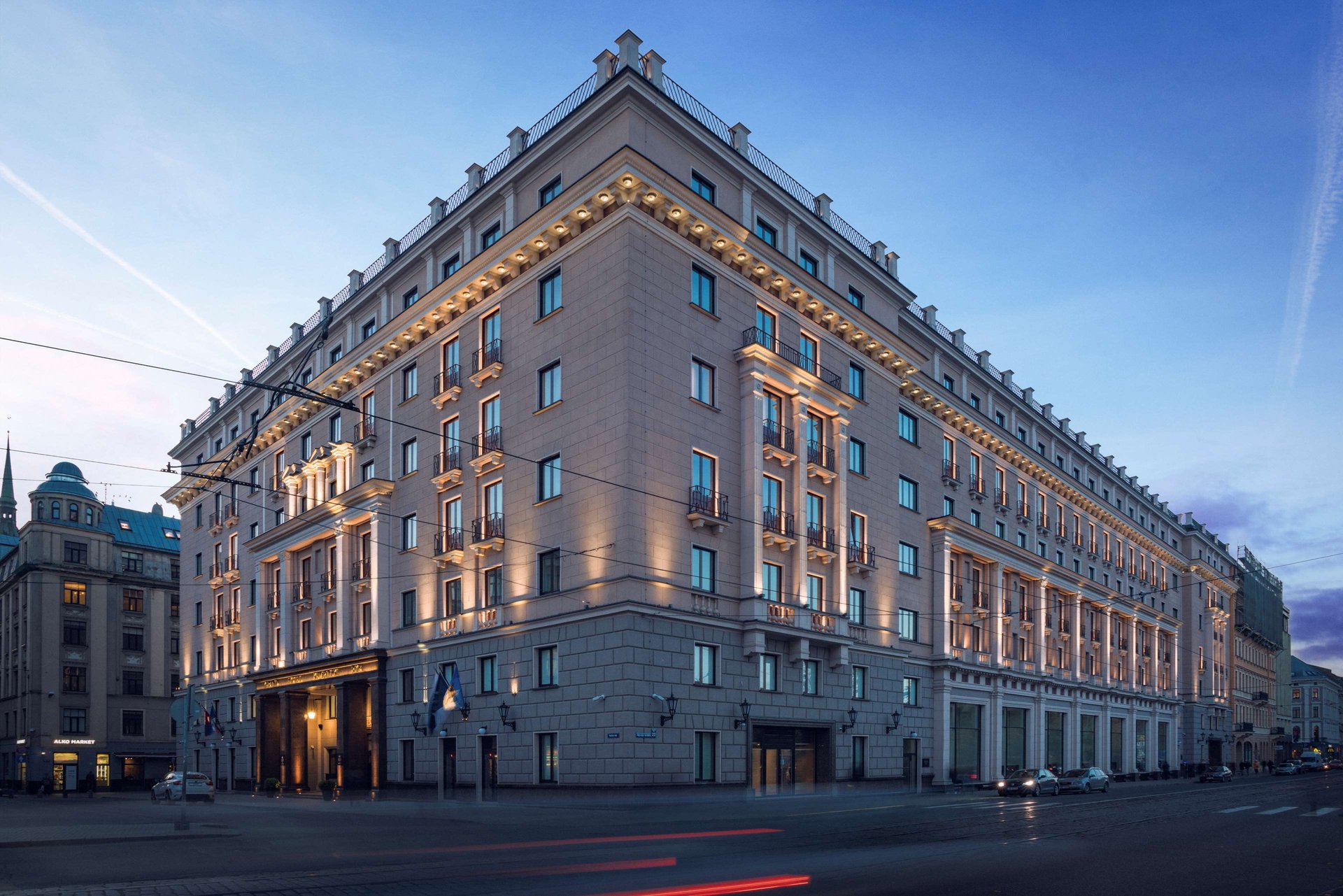
Where to Stay in Riga
9 recommended properties
Money-Saving Tips
- 1.Central Market offers the best lunch deals in the city — fresh, local food for under €5 in those converted Zeppelin hangars
- 2.Buy a 3-day public transport pass for €10 instead of individual tickets if you're staying longer than two days
- 3.Many Art Nouveau buildings are free to admire from the street — you don't need paid tours to see the best facades on Alberta iela
- 4.Happy hour at most bars runs 4-7 PM with drinks 30-50% off regular prices
- 5.Free walking tours operate daily from Town Hall Square — tip-based so you pay what you think it's worth
- 6.Grocery stores like Rimi offer picnic supplies at fraction of restaurant prices — perfect for eating in parks between sightseeing
- 7.Museum entry is often free on the first Wednesday of each month for EU residents
- 8.Book accommodations in City Center rather than Old Town for similar access at 20-30% lower rates
Travel Tips
- •Download the Bolt app before arriving — it's the main ride-sharing service and works better than traditional taxis
- •Learn basic Latvian greetings like 'Labdien' (hello) — locals appreciate the effort even if they speak perfect English
- •Carry cash for small purchases — many cafes and market vendors prefer euros in bills rather than cards
- •Dress in layers year-round — Baltic weather changes quickly and buildings aren't always well-heated
- •The Art Nouveau district looks best in morning light for photography — visit Alberta iela before 10 AM for fewer crowds
- •Old Town cobblestones are slippery when wet — wear shoes with good grip, especially in fall and spring
- •Central Market closes at 6 PM and is closed Mondays — plan your visit accordingly
- •Free WiFi is available in most cafes and public spaces, but coverage can be spotty in medieval Old Town buildings