
Rio de Janeiro
Carnival capital where mountains meet beaches and samba
Rio hits you like a caipirinha on an empty stomach — all sugar and fire with a kick that sneaks up on you. This is where Christ the Redeemer watches over 6 million Cariocas who've perfected the art of living well, and somehow they make it look effortless. You'll find yourself on Copacabana Beach at sunrise, wondering how a city can be this beautiful and this chaotic at the same time. The mountains rise straight from the ocean like green walls, favelas cascade down hillsides in a patchwork of color, and the whole place pulses with samba rhythms that never really stop. But here's the thing about Rio — it's not just the postcard views that get you. It's the way strangers invite you to join their beach volleyball game, how a simple lunch turns into a three-hour affair with live music, and why you'll find yourself learning Portuguese curse words from taxi drivers who become your temporary best friends.
Best Months
JAN · FEB · MAR · APR · MAY · DEC
~28°C · peak crowds
Culture & Context
SAMBA, SOCCER, BEACH LIFE
Rio runs on a different clock than most cities. Lunch is the main meal, dinner rarely starts before 9pm, and no one thinks twice about that. The people here, called Cariocas, have a reputation for being warm and informal that is completely earned.
They'll chat you up at a boteco bar, invite you to join their churrasco, and genuinely not care how well you speak Portuguese as long as you're trying. The culture pulls deeply from African, Portuguese, and Indigenous roots. Samba didn't come from a stage, it came from the streets and quilombos.
Futebol is religion. And the beach isn't just leisure, it's where the city actually lives. Cariocas use the sand as an office, a therapy session, a social club, and a gym all at once.
Show up without a plan and you'll fit right in.
Local Customs
GREET & APPLAUD SUNSETS
Greet everyone when entering a room, shop, or elevator. 'Bom dia,' 'Boa tarde,' or 'Boa noite' depending on the time. Skipping this reads as rude, not efficient..
Two cheek kisses is the standard greeting in Rio, even on a first meeting. Start left cheek. Don't overthink it..
The 10% service charge (taxa de serviço) is printed on your restaurant bill. You don't need to tip on top of it. High-end spots are now adding 13-15%, which is noted on menus..
Never speak Spanish to a Brazilian. They speak Portuguese and they know the difference. Even a broken 'Obrigado' lands better than perfect Spanish..
Flip-flops (Havaianas, specifically) are acceptable literally everywhere in Rio. Restaurants, malls, doctor offices. This is not a joke..
At the beach, drinks and snacks from stall vendors run on a tab. You settle the whole thing when you leave, and most stalls now take cards.. Toplessness is illegal on Brazilian beaches.
It's taken seriously. Praia do Abricó is the one nudist exception.. When the sun sets at Ipanema, the crowd applauds.
Join in. It's a real tradition and one of those small things that makes the city feel like itself.. If you see offerings (flowers, candles) to the Yoruba deity Iemanjá near the water, don't touch them or treat them as a photo prop..
Toilet paper goes in the bin beside the toilet, not in the bowl. Signage will remind you. Follow it.
Safety
WATCH YOUR PHONE
Rio is safe to visit in 2026 with the right approach. The US State Department rates Brazil as Level 2 (Exercise Increased Caution). South Zone neighborhoods like Ipanema, Leblon, and parts of Copacabana recorded zero homicides in Q1 2026 according to ISP-RJ data. The city's violent crime is heavily concentrated in the Baixada Fluminense and North Zone, not tourist areas.
The #1 threat tourists actually face is motorbike phone theft. A rider will snatch your phone mid-scroll within seconds and be gone before you've processed it. Don't walk and use your phone. Don't photograph on the street without awareness. This applies even in Ipanema during the day.
Other real risks: beach arrastão (coordinated beach robberies during peak hours), scam payment terminals that don't show the charge clearly (always insist on seeing the screen before approving), and drink spiking in bars. Never leave a drink unattended.
Practical rules: Use Uber over taxis, always verify plate and driver name before getting in. Don't walk beaches or Centro after dark. Avoid public municipal buses (US Embassy employees are advised against them). Stick to well-lit streets at night and travel in groups when possible. Leave flashy jewelry, watches, and your good camera at the hotel. Keep a phone on a wrist strap. Carry a photocopy of your passport rather than the original.
If anything happens, call 190 for police or contact the Tourist Police (DEAT) for English-speaking assistance. The Centro de Operações Rio (COR) now runs 4,500 AI-surveillance cameras across major transit hubs as of January 2026.
Getting Around
METRO & UBER
The metro (Metrô Rio) is your main tool. Three lines, 41 stations, air-conditioned, clean, and generally safe. It runs 5am to midnight Monday through Saturday and 7am to 11pm on Sundays. During Carnival, it goes 24 hours. Single fare is around R$7.90-8.20 per trip.
Payment got easier in 2026. The metro now accepts contactless credit and debit cards directly at the turnstile. Just tap and go. The VLT light rail (great for Centro and the museum district) does NOT accept contactless cards. For that you'll need either a Jaé card (physical or app) or a RioCard Mais. The RioCard Mais works across metro, buses, VLT, and BRT corridors and costs around R$5 to activate plus a minimum load.
For getting to specific attractions: Bus #513 from Botafogo metro to Urca (Sugarloaf). Bus #580 from Largo do Machado metro station to Cosme Velho, then transfer to the Corcovado cog railway or vans for Christ the Redeemer.
Uber is widely used and recommended. It's reliable, relatively cheap, and the safer option after dark. Always verify the license plate and driver photo before getting in. Regular city buses cover every neighborhood but are genuinely confusing for visitors and are not recommended, especially at night. If you must take a bus, use BRT corridors which are more organized.
Barra da Tijuca (where Rock in Rio is held) is 45-60 minutes from central Rio by Uber. Plan accordingly and don't underestimate the traffic.
Useful Phrases
Explore Destinations



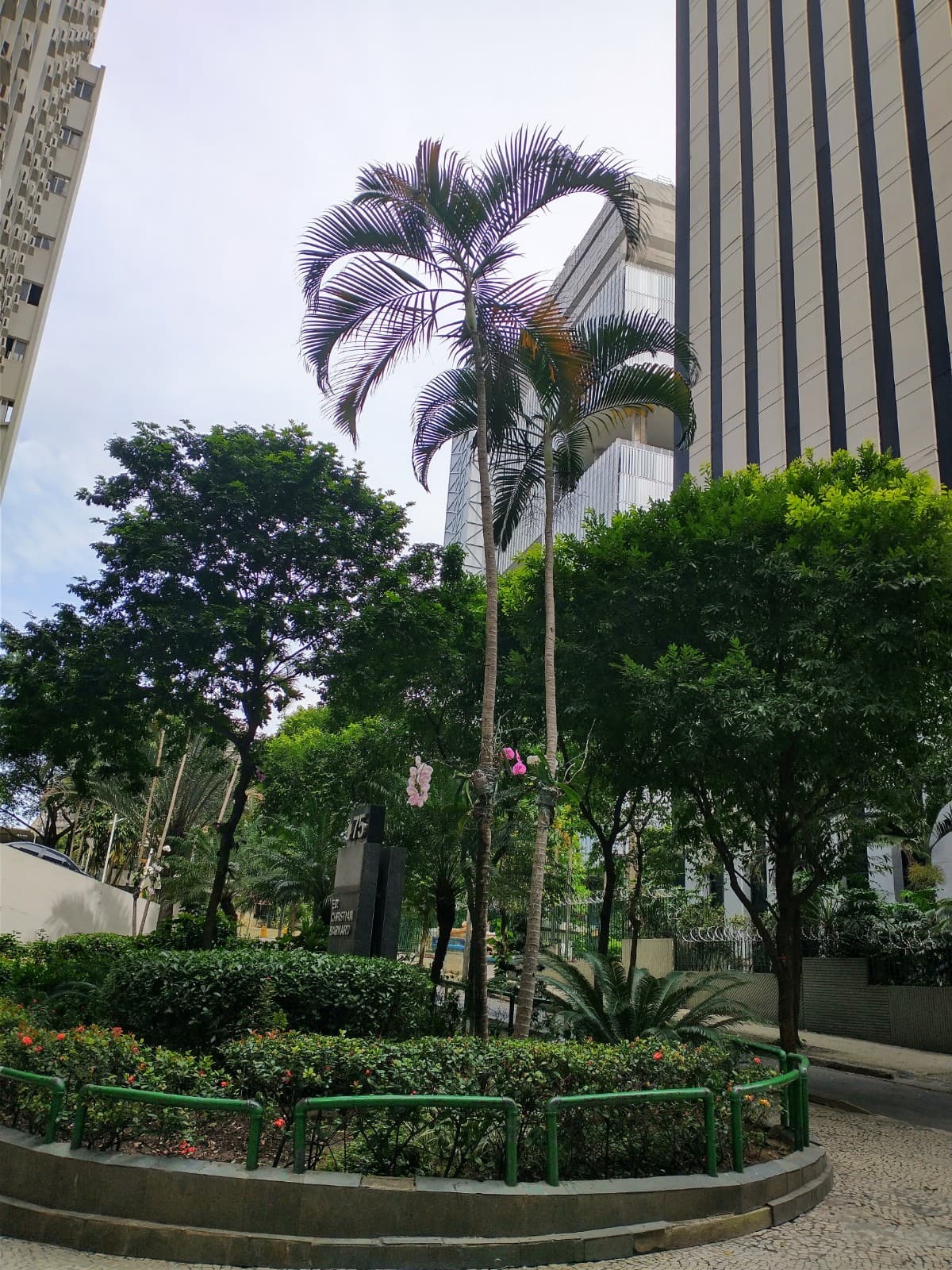
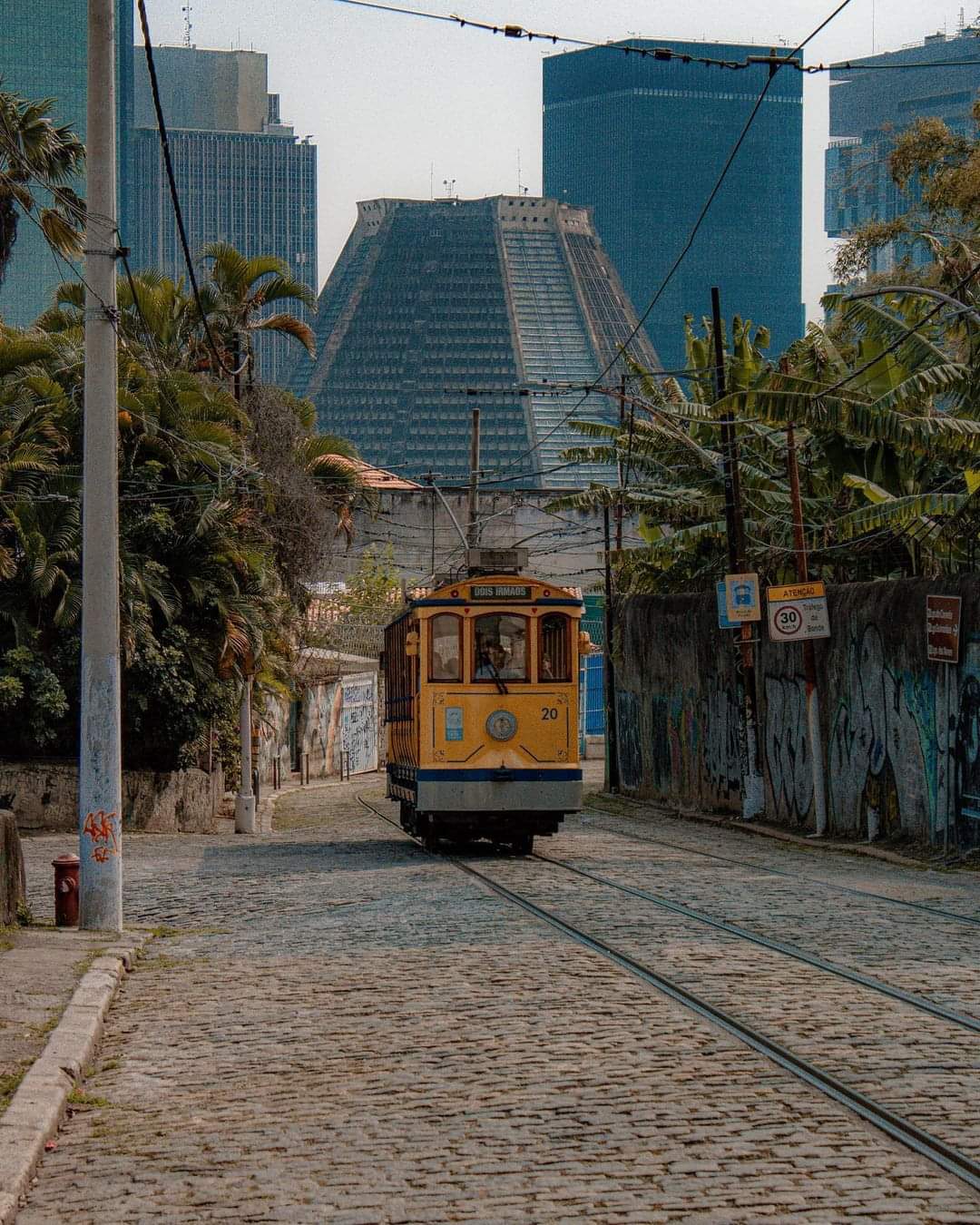
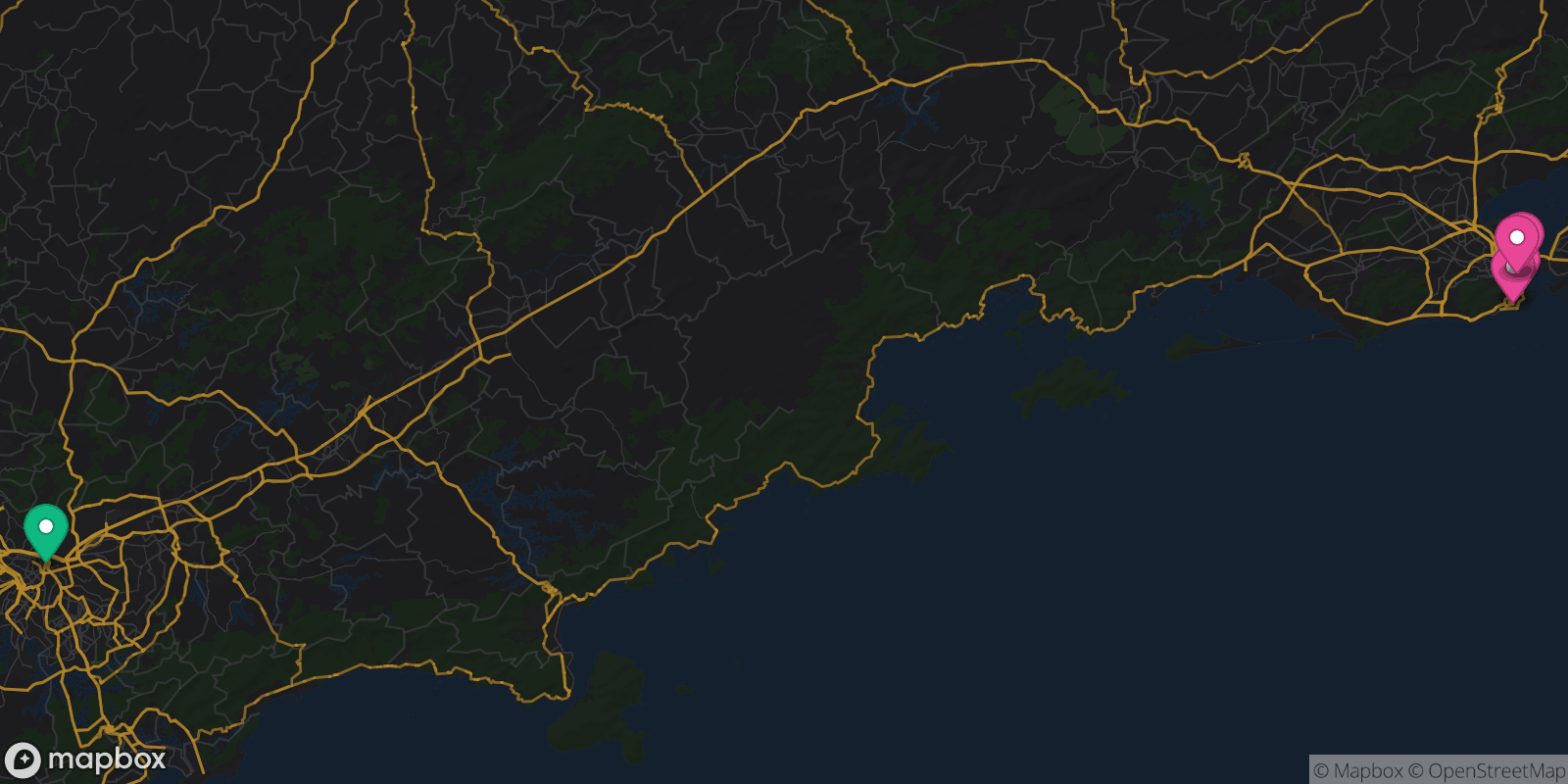
Explore the Region
Rio de Janeiro Itineraries
View all
Elegant Rio: Culture, Coastline & Carioca Nights in 5 Days
Weekend · $$$$

Five Electric Days in Rio’s Sand, Peaks & Samba
Weekend · $$

Six Epic Days in Rio: Beaches, Peaks & Beats
Weekend · $$
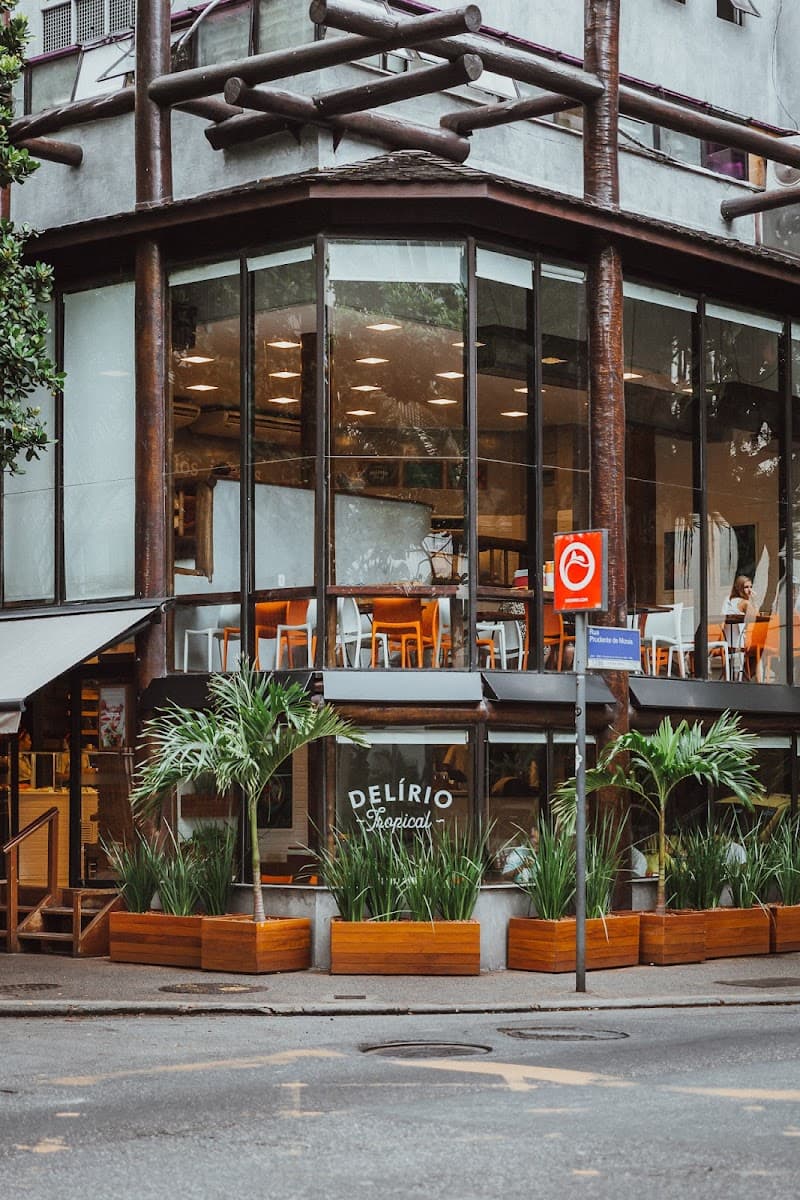
Gentle Rio Start: Beaches, Botecos & Green Hills
Weekend · $$$
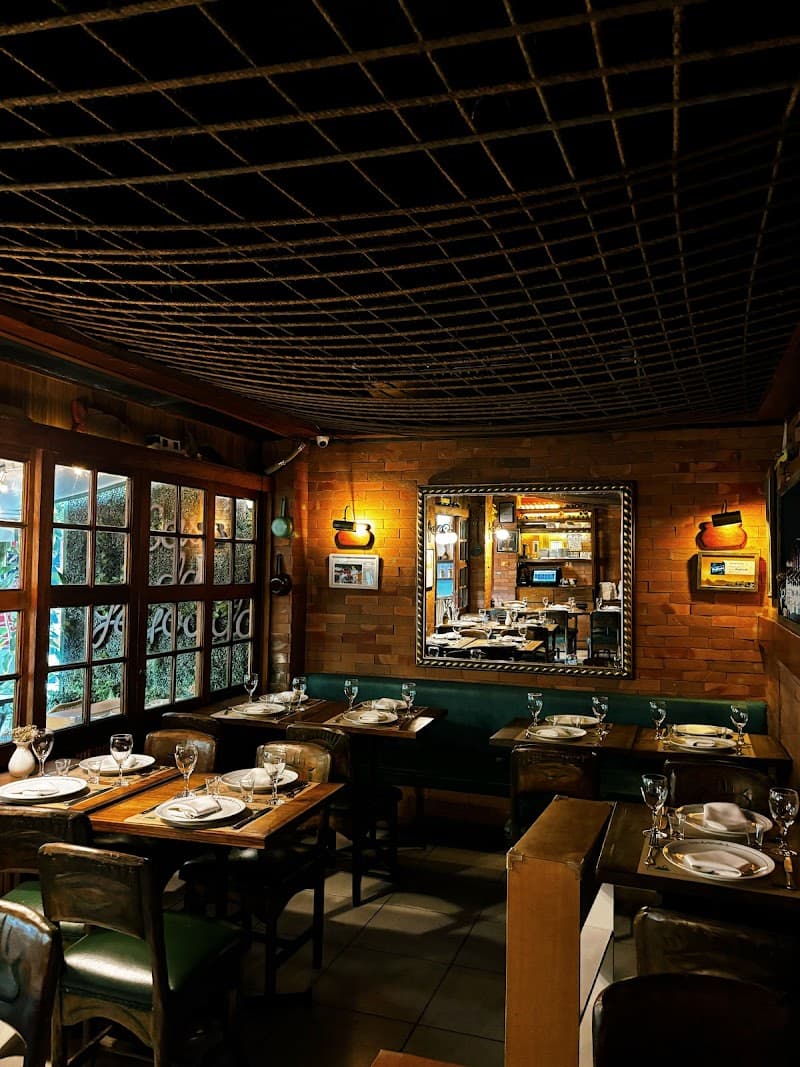
Three Culture-Packed Days in Rio de Janeiro
Weekend · $$$
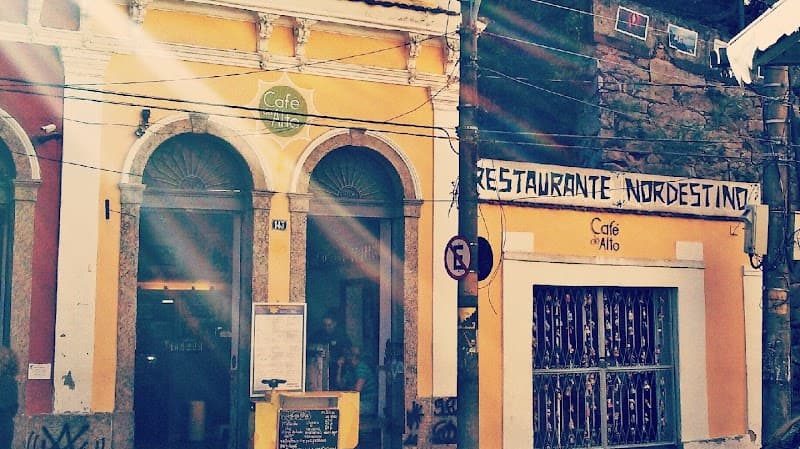
Rio’s Ridges, Old Streets & Flavors in Two Days
Weekend · $$$
Where to Stay in Rio de Janeiro
9 recommended properties









Things to Do in Rio de Janeiro

Sugarloaf Mountain
Urca · 120 min
Praia Vermelha Beach
Urca · 90 min
Christ the Redeemer
Corcovado/Tijuca · 120 minMoney-Saving Tips
- 1.Buy metro cards at stations instead of single tickets — you'll save R$1 per ride and skip the lines
- 2.Eat lunch at por kilo restaurants where you pay by weight — expect around R$40-60 per kilo for good food
- 3.Beach chair and umbrella rentals cost R$20-30 for the day, but locals bring their own towels and sit on the sand
- 4.Happy hour at botecos runs from 4-7 PM with draft beer for R$8-12 instead of the usual R$15-20
- 5.Take the train to Christ the Redeemer (R$79) instead of the van tours that charge R$120+ and include stops you don't want
- 6.Shop at supermarkets like Pão de Açúcar for snacks and drinks — beach vendors charge triple the price
- 7.Use the free wifi at shopping malls and Starbucks instead of buying local SIM cards unless you're staying long-term
Travel Tips
- •Learn basic Portuguese greetings — 'Oi' (hello) and 'Obrigado/a' (thank you) will get you smiles everywhere
- •Always carry cash — many small restaurants and bars don't accept cards, and some add fees for card payments
- •Don't wear flashy jewelry or carry expensive cameras openly, especially in crowded areas like Santa Teresa or downtown
- •The sun is stronger than you think — locals wear long sleeves on the beach and reapply sunscreen every hour
- •Dinner doesn't start until 8 PM at the earliest — restaurants that open at 6 PM are targeting tourists
- •Keep copies of your passport and documents separate from the originals, and leave valuables in your hotel safe
- •Download offline maps before heading to favela tours or hiking trails where cell service gets spotty
- •Tipping is 10% at restaurants and included in the bill as 'serviço' — check before adding extra
- •The beach flag system indicates water safety: green is safe, yellow means caution, red means no swimming
Frequently Asked Questions
Explore Rio de Janeiro
BUILD YOUR
RIO DE JANEIRO PLAN
Insider picks, smart timing, and a plan ready when you are.
Start Planning