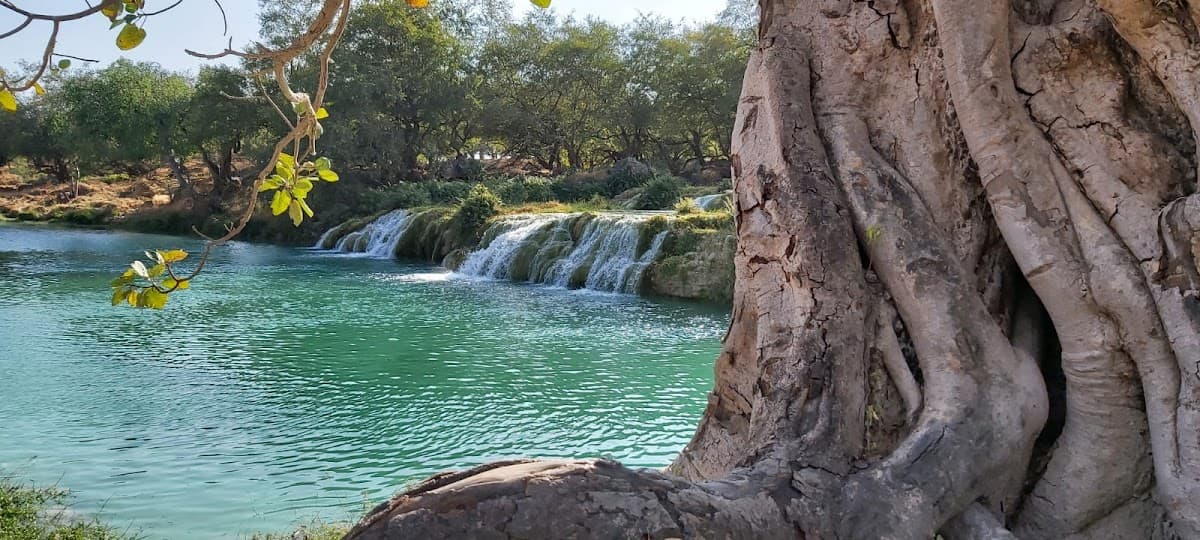
Salalah
Oman's tropical oasis where monsoons create Arabian Eden
Most of Arabia is desert. But Salalah? It's where the Indian Ocean monsoons turn southern Oman into something that feels impossibly green and lush. This is the land of frankincense, where ancient trade routes met tropical beaches, and where summer brings misty mountains instead of scorching heat. The Sultan's southern retreat sits 1,000 kilometers from Muscat, isolated enough to feel like a secret but connected enough to reach easily. Here's what you need to know about Oman's most surprising city.
Best Months
JAN · FEB · MAR · JUN · JUL · AUG · SEP · NOV · DEC
~28°C · moderate crowds
Culture & Context
TECH NEIGHBORHOOD EVOLVING FAST
San Francisco's South Beach and Mission Bay area is the city's newest, most planned neighborhood. It was literally a railroad yard until the late 1990s. Now it's plate-glass condos, biotech campuses, UCSF's medical complex, Oracle Park, and a waterfront trail that joggers treat like their personal highway.
The people who live here are overwhelmingly in tech or medicine. They're younger, they commute by Caltrain or Muni, and they're fine paying $14 for a cocktail. But here's the thing: the city is also doing something genuinely interesting in 2026.
Major SF restaurants are opening outposts down here (Breadbelly, Flour + Water Pizza Shop, and newcomer Casa Sofia just a block from Oracle Park), so the "fake neighborhood" critique is losing steam fast. The rest of San Francisco looks at Mission Bay as a kind of dollhouse version of itself. That's a little unfair.
It's clean, walkable, sunny more often than the foggy west side of the city, and a T-Third Muni ride from downtown. On game days, the energy around Oracle Park is legitimately great. Dungeeness crab sandwiches, garlic fries you can smell from outside, bay views from the upper deck.
And on non-game days, it's quiet enough that you can actually think.
Local Customs
JACKET ALWAYS, NEVER FRISCO
Never say 'Frisco' to a San Franciscan who grew up before 1990. Some people will visibly wince. The hip-hop community uses it freely, but read the room..
Bring a jacket everywhere, always. June gloom is real. The waterfront near Oracle Park gets wind off the bay that will catch you off guard at 3pm in August..
The Ferry Building Farmers Market on Saturday mornings is a genuine neighborhood ritual. Get there before 10am or the good stuff is gone.. Muni T-Third streetcar stops right at Oracle Park.
On game days, board before the 4th Street/King station or you're standing the whole way.. San Franciscans do not put 'the' before highway numbers. It's '101,' not 'the 101.
' Say 'the 101' and people will immediately clock you as an Angeleno.. Karl the Fog has his own social media presence. Locals genuinely affectionately track when he rolls in off the bay.
It's not just weather, it's a mood.. At SF Pride in late June, the Castro and Market Street fill up days in advance. Book accommodation months early and arrive well before the 10:30am parade start if you want a good spot..
Cash is mostly useless at Oracle Park. They're cashless. Same at most newer venues in the neighborhood.
Safety
SAFE EAST OF 4TH
South Beach and Mission Bay are among the safer parts of San Francisco. The waterfront, Oracle Park vicinity, and the UCSF Mission Bay campus area are all fine day and night. The situation changes once you head west into SoMa proper.
The 6th Street corridor between Market and Howard is a different city entirely — visible drug use, encampments, erratic behavior. It's not the kind of place to accidentally wander into after dark. Tourists generally don't need to go there.
The Tenderloin, north of City Hall, has similar dynamics. The advice from locals: stick east of 4th Street in SoMa, and you're fine. The Castro, North Beach, the Mission, and the waterfront neighborhoods are all comfortable.
Car break-ins are a known problem citywide. Do not leave anything visible in your car, including bags, cords, or anything that suggests there's something in the trunk. Seriously, nothing.
Empty car, no exceptions.
Getting Around
MUNI & CALTRAIN HUB
Getting around the South Beach / Mission Bay area is actually pretty straightforward. The T-Third Muni Metro line runs right through it, stopping at Oracle Park and connecting north to the Central Subway toward Union Square and Chinatown. Caltrain terminates at 4th and King Street, one block from the water, making it easy to day-trip to the Peninsula or Silicon Valley.
For the wider city, BART covers downtown, the Mission, and SFO airport — a downtown BART station to SFO costs $10.55 each way. Since December 2025, you can tap any contactless credit or debit card directly on Muni and BART fare readers.
You don't need a Clipper card anymore for standard adult fares. Just tap your phone or card. One important heads-up: tag off when you exit BART and Caltrain, or you'll be charged the maximum fare.
Muni buses you only tap on. And delete the MuniMobile app if you have an old version — it can get you a fine in 2026. Use Clipper or tap-to-pay instead.
For World Cup match days at Levi's Stadium in Santa Clara, take VTA light rail to the Great America station adjacent to the stadium, or use the FIFA shuttle from downtown SF. Don't drive. Parking there starts at $203 with a pre-purchased pass and is not available day-of.
Useful Phrases
Where to Stay in Salalah
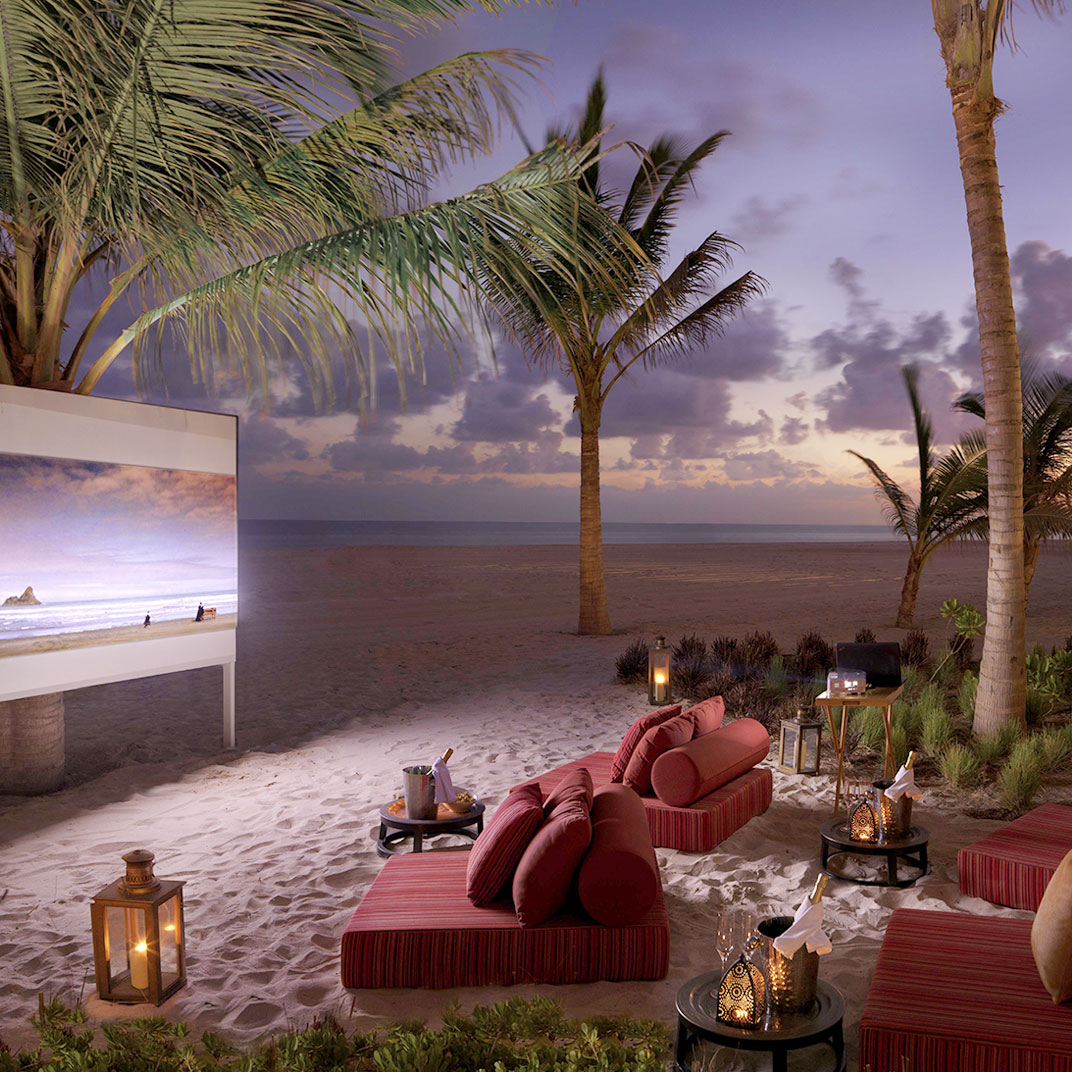
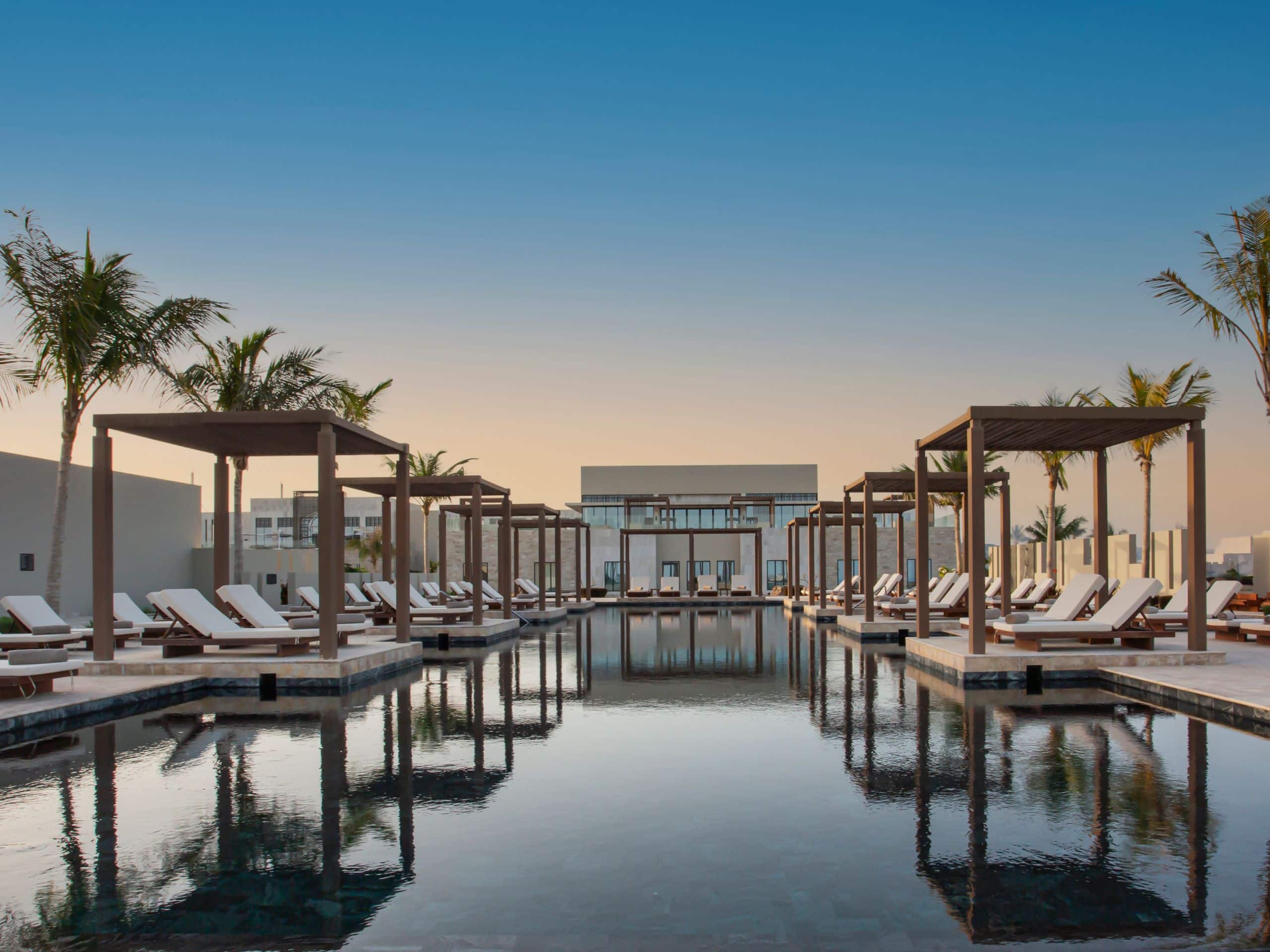
2 recommended properties
Money-Saving Tips
- 1.Rent a car for 15-20 rials per day instead of taking expensive taxis to mountain attractions
- 2.Buy frankincense directly from Al Haffa Souk, not hotel gift shops where prices triple
- 3.Eat at local Indian and Pakistani restaurants on 23rd July Street for meals under 3 rials
- 4.Visit during shoulder season (November-March) when hotel rates drop by 40% compared to khareef
- 5.Fill up your rental car tank before mountain trips - gas stations are sparse in Dhofar Mountains
- 6.Bring a reusable water bottle - hotel water is expensive and tap water is safe to drink
Travel Tips
- •Pack layers for khareef season - mornings can be 15°C cooler than afternoons
- •Download offline maps before heading to mountain wadis where cell service disappears
- •Respect prayer times - most restaurants and shops close for 15-20 minutes five times daily
- •Bring mosquito repellent during monsoon season when standing water creates breeding grounds
- •Learn basic Arabic greetings - locals appreciate the effort and it opens doors
- •Check wadi conditions before hiking - flash floods can occur even from distant rainfall