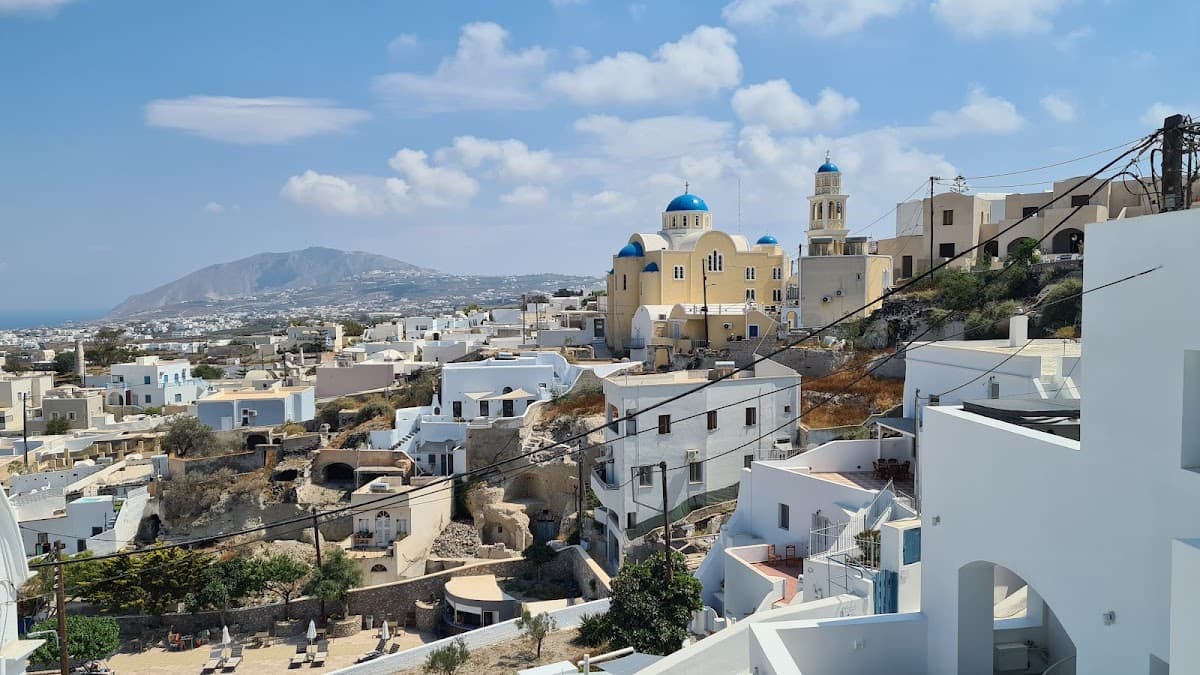
Santorini
Iconic Greek paradise of white villages and stunning sunsets
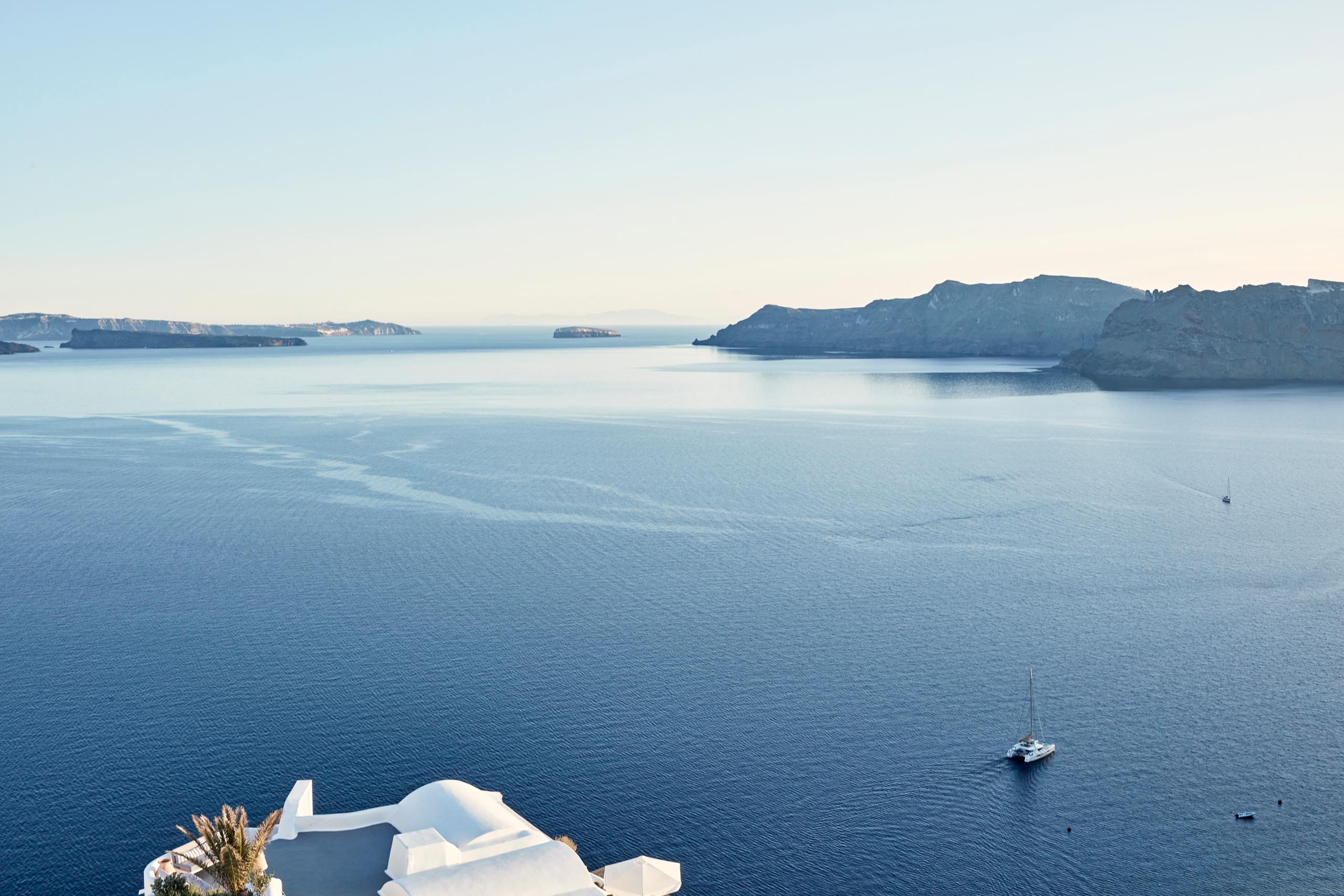
Santorini hits different. Sure, you've seen the photos — those white cube houses tumbling down volcanic cliffs, the impossibly blue domes, the sunsets that make your Instagram followers weep with envy. But here's what the postcards don't tell you: this crescent-shaped island in the Aegean Sea is built on a collapsed volcano, which explains both its dramatic beauty and its black sand beaches that feel like stepping onto another planet.
The island splits into distinct personalities. Fira buzzes with cruise ship crowds and overpriced cocktails. Oia delivers those famous sunsets but charges accordingly. Meanwhile, villages like Pyrgos and Megalochori offer the same stunning architecture without the selfie sticks. And yes, it's expensive — a simple gyros in Oia costs €12. But when you're sipping wine from grapes grown in volcanic soil while watching the sun melt into the Aegean, you'll understand why people mortgage their homes to get here.
Best Months
MAY – OCT
~26°C · moderate crowds
Culture & Context
VOLCANIC LEGACY, LIVING WINE
Santorini is what's left after a catastrophic volcanic eruption around 3,600 years ago collapsed the center of the island into the sea, leaving the crescent-shaped caldera that defines everything about the place today. The Minoan settlement at Akrotiri was buried under ash in the same event — it's often called the Pompeii of the Aegean, and the site (€13 entry) is one of the most significant Bronze Age archaeological sites in Europe.
The island makes its own Assyrtiko wine from vines trained into low basket shapes to protect them from the fierce Aegean wind (the meltemi), grown in volcanic soil that gives the wine a distinctive minerality. These vines are some of the oldest in Europe. Santorini wine culture runs deep — it's not a tourist add-on.
Local food staples include tomatokeftedes (cherry tomato fritters), fava bean puree made from the island's own small yellow fava, white eggplant, and chloro (fresh goat cheese). Seafood is freshest at Ammoudi Bay below Oia — grilled octopus and fish straight off local boats.
There are said to be more churches on Santorini than houses. Religious festivals are not tourist performances. The Panigiria (saint's day celebrations) happen in every village throughout the summer, and locals participate with genuine devotion. Easter is the most important holiday on the island — the Good Friday procession in Pyrgos by candlelight is one of the most moving things you can witness here.
The island has a dual economy: a high-end tourist machine from May to October, and a quiet, locally-focused community the rest of the year. Winter Santorini, with most luxury hotels shuttered and caldera paths empty, feels like an entirely different place.
Local Customs
GREET LOCALS, SKIP ROOFS
Always greet shop owners and restaurant staff with kalimera or kalispera when you walk in. Wandering in silently and pointing at things is considered rude by local standards — a quick greeting changes the whole interaction.. Tipping is not the same as in the US.
For restaurants, 10% is fine for good service, a few euros is often enough. Leave it in cash on the table rather than adding it to the card. Don't over-tip — it's been gradually changing local tipping culture in ways residents don't appreciate..
Cover your shoulders and knees when entering churches or monasteries. This applies even on a hot July day. Most sites keep wraps available if you forget..
Do not climb onto church roofs or domes for photos. It happens constantly on Santorini and locals find it genuinely disrespectful. The blue domes in Oia are on private or church property — showing restraint here is the decent thing to do, even if others don't..
Don't drink the tap water. It is desalinated seawater with a high mineral content and a slightly salty taste. Safe for brushing teeth and showering.
Stick to bottled water for drinking.. Always carry small bills and coins. Buses are cash-only and drivers prefer exact change.
Many smaller shops and bakeries don't accept cards either.. When a card terminal or ATM asks if you want to be charged in Euros or your home currency, always choose Euros. Dynamic currency conversion is always worse..
Greeks tend to eat dinner late — 9 or 10 PM is normal for locals. Restaurants fill up later than northern European or American travelers expect. Showing up at 6:30 PM gets you an empty terrace and sometimes rushed service..
Avoid ATVs. Not a cultural rule, but a safety one that locals and experienced travelers agree on. The roads are narrow, steep, and unforgiving.
Rent a small car or use the bus instead.. On the Fira-Oia trail, start before 8 AM in July and August. The heat off the white buildings is intense and the trail has almost no shade.
People underestimate it every year.
Safety
WATCH THE ROADS
Santorini is genuinely safe. The US State Department rates Greece at Level 1: Exercise Normal Precautions — its lowest advisory level. Violent crime against tourists is rare.
The real dangers are practical, not criminal:
ROADS AND ATVs: The single biggest hazard on the island. Every summer, tourists end up seriously hurt on quad bikes and scooters. The roads are narrow, winding, and often lack guardrails. Skip the ATV rental. Get a small car or take the bus.
HEAT: In July and August, temperatures hit 35°C (95°F), and the reflection off white buildings amplifies it further. Don't attempt the Fira-Oia hike after 8 AM in summer. Drink more water than you think you need.
STAIRS AND TERRAIN: The caldera walkways are steep, uneven, and sometimes slick from morning moisture or recent cleaning. Wear shoes with grip. The view is spectacular enough that it will distract you from where your feet are — don't let it.
CALDERA EDGES: Many cliff-edge walkways in Fira and Oia have low walls or no railings at all with serious drops below. Keep close watch on children, particularly active toddlers.
PETTY THEFT: Low by European standards, but it happens around Fira, Oia bus station, and packed sunset viewpoints. Standard bag-watch precautions apply.
TAP WATER: Do not drink it. Safe for hygiene, but it's desalinated seawater and tastes like it.
EARTHQUAKES: Santorini sits on an active fault line and minor tremors happen. Major events are extremely rare, and authorities monitor the volcanic system closely.
Emergency numbers: 112 (EU emergency, English-speaking operators), Police: 100, Ambulance: 166, Tourist Police: 1571. The Santorini General Hospital is in Karterados, just outside Fira (+30 22860 35300). A private clinic in Fira — Central Clinic of Santorini (+30 22860 21728) — is often faster for minor tourist issues.
Getting Around
BUSES & PREPLANNING
Getting around Santorini requires a plan, not improvisation.
KTEL PUBLIC BUSES: The cheapest option. All 23 buses on the island operate in a hub-and-spoke system from the central bus station in Fira. Every route starts and ends in Fira — there are no direct buses from, say, Oia to the beach towns. To go from Oia to Kamari, you take one bus to Fira, then a second bus to Kamari, and buy a new ticket each time. Fares run €1.80-2.80 per one-way ride. Cash only. Small bills or exact change preferred. In peak season (summer), buses run every 30 minutes on major routes, sometimes until midnight. Nights and weekends see reduced service. Key routes: Fira to Oia (€2.20, 25 min), Fira to Airport (€2.20, 10 min), Fira to Ferry Port (€2.70, 20 min), Fira to Kamari or Perissa (€1.80, 20-25 min). Always check the timetable board at Fira station — printed schedules online are not always current. Contact: +30 22860 25404.
CABLE CAR (FIRA TO OLD HARBOUR): Connects Fira to the Old Harbour, where day-cruise and caldera boat tours depart. Lines get long, especially in the evening when cruise passengers head back to ships. Allow extra time. Around 6 people fit per car.
TAXIS: €20-45 for most island routes. No meters — prices are fixed. Can be nearly impossible to find after sunset in Oia. Pre-book for airport or ferry transfers, especially for late-night arrivals.
CAR RENTAL: Gives you the most flexibility for wineries, beaches, and early-morning viewpoints. Costs €25-50/day. Roads are narrow with sharp turns and steep drops. Oia has one-way circulation and very limited parking in peak season. Book well in advance — automatics sell out fast.
ATVs AND SCOOTERS: Technically available everywhere. In practice, they put tourists in the hospital every summer. The roads are not forgiving. Skip it.
AIRPORT TRANSFERS: The taxi queue at Santorini Airport (JTR) can run 45 minutes in summer. Book a private transfer in advance. The bus to Fira is only €2.20 and takes 10 minutes if you have no major luggage and timing works.
FERRIES: Regular ferry connections from Piraeus (Athens) to Athinios Port. High-speed ferries take around 5 hours, slower ferries 8-9 hours. Also regular connections to Mykonos, Crete, and other Cyclades islands (€75-110 for inter-island crossings). Book ferries for August 15th week at least 3 months out.
Useful Phrases
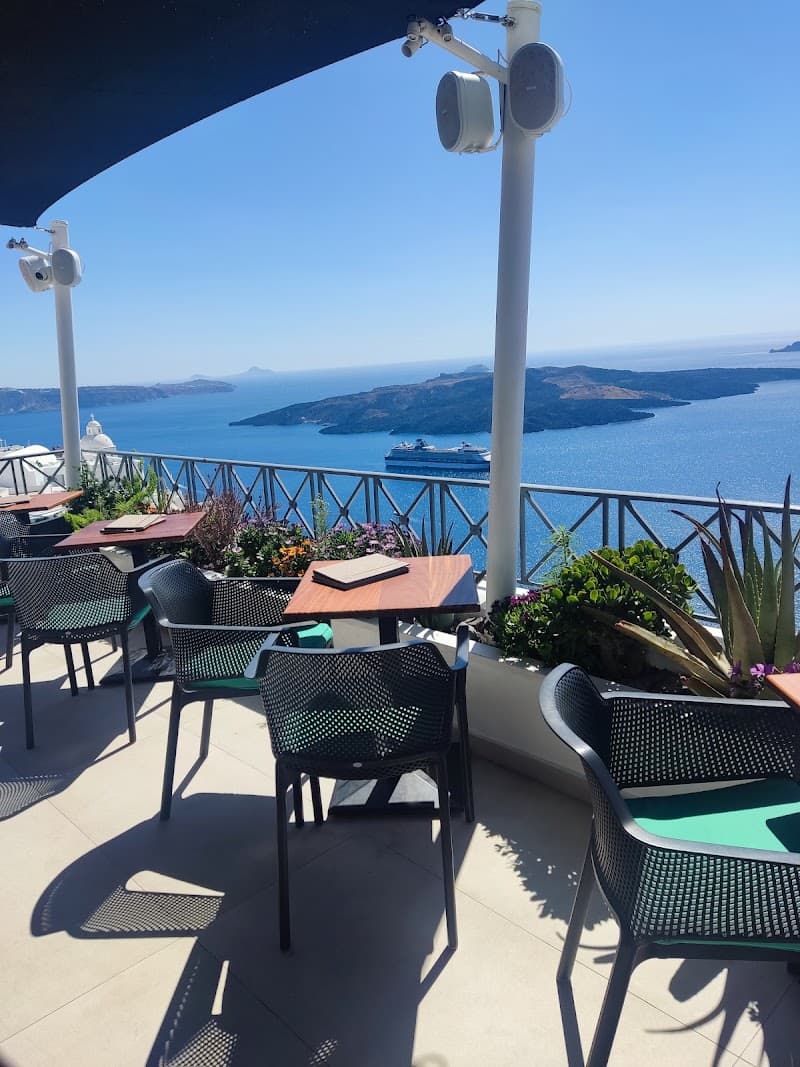

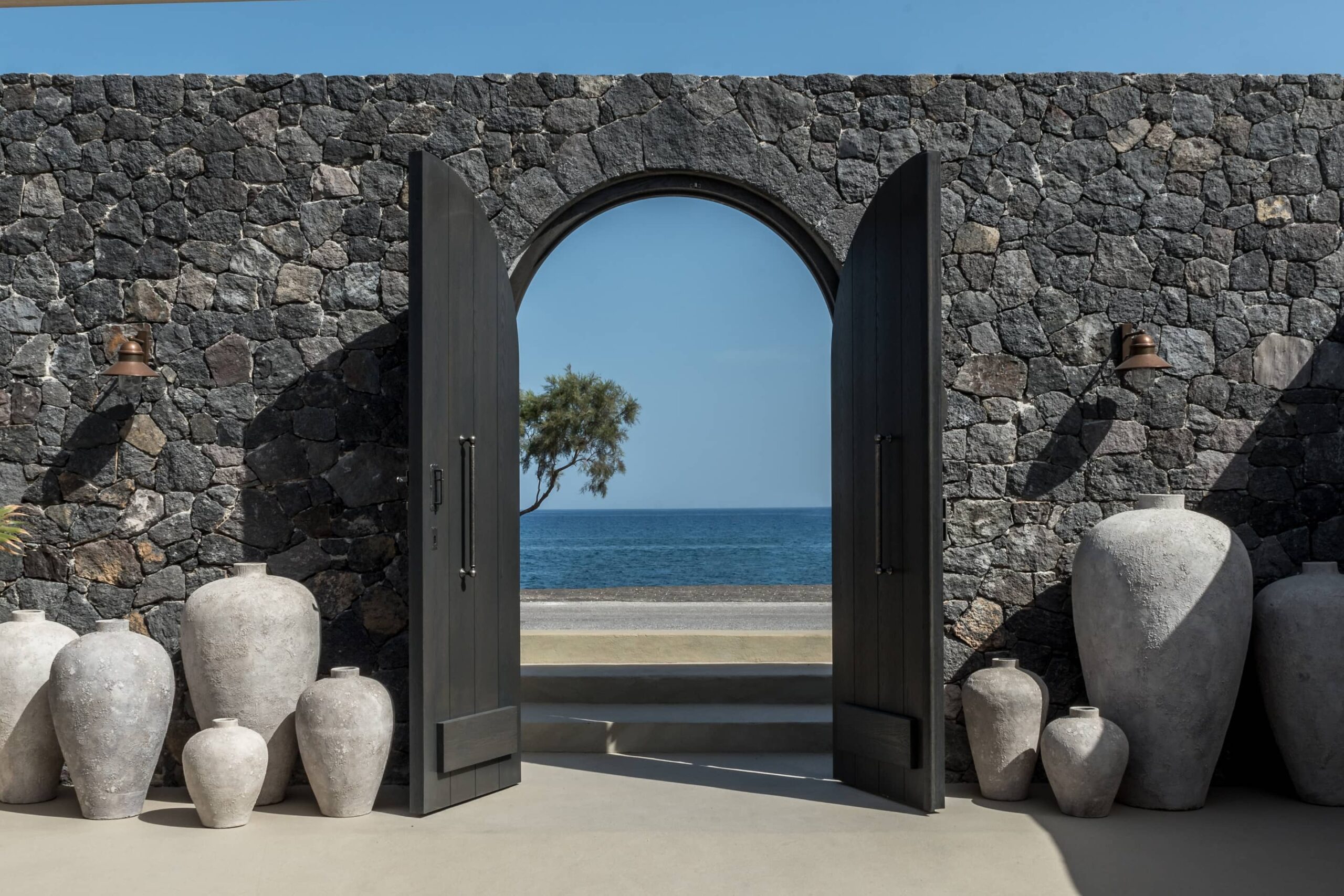
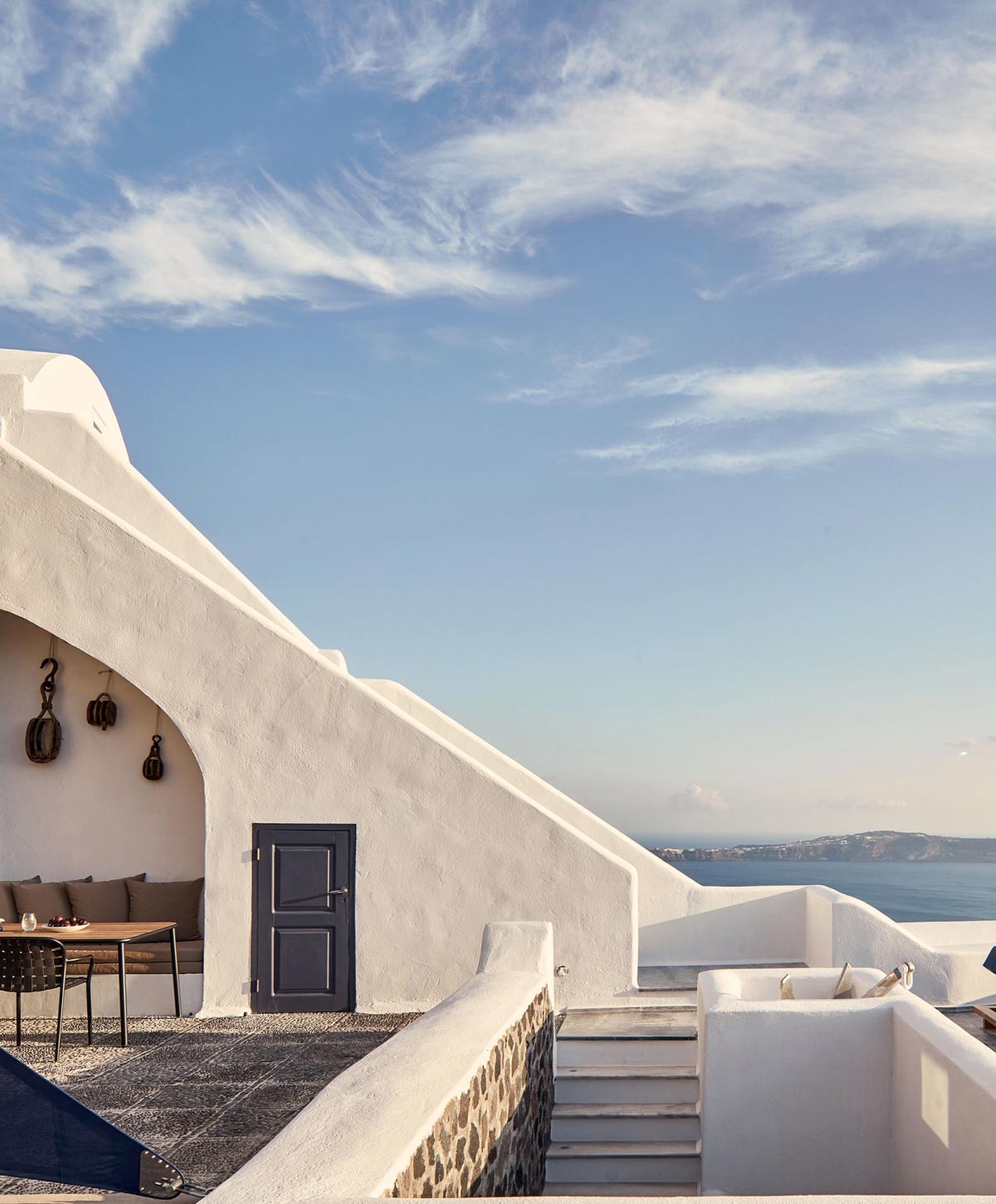
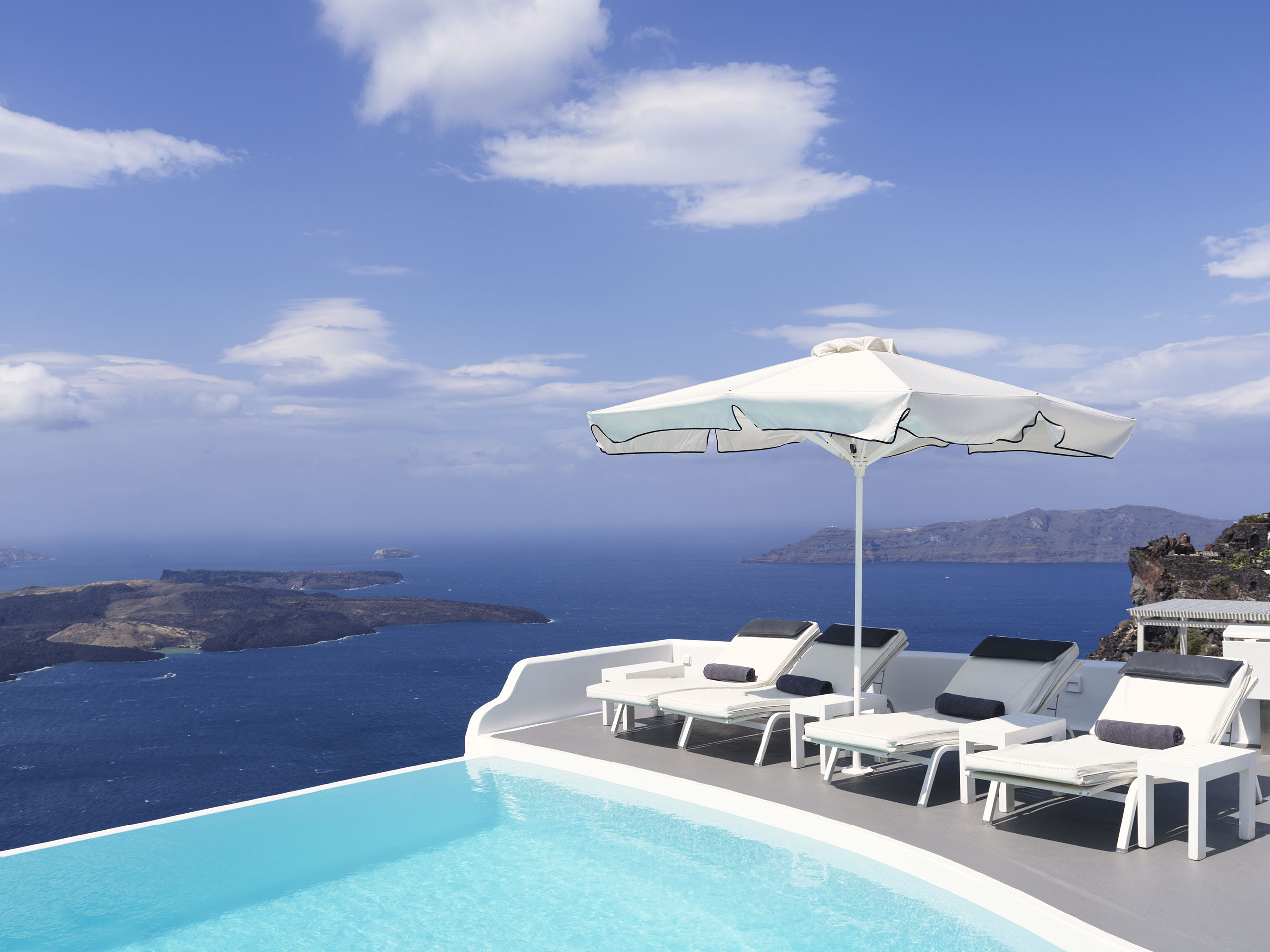
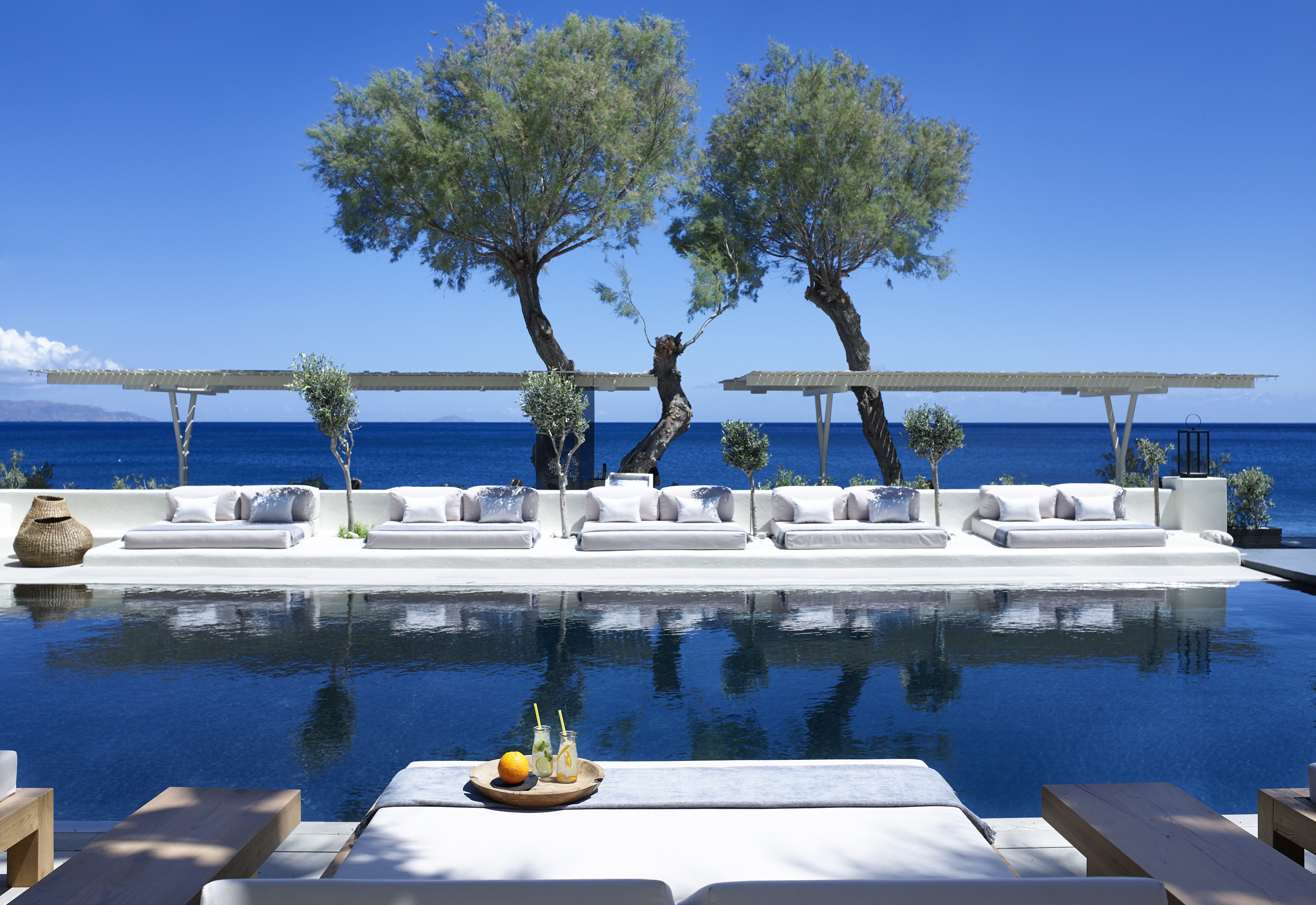
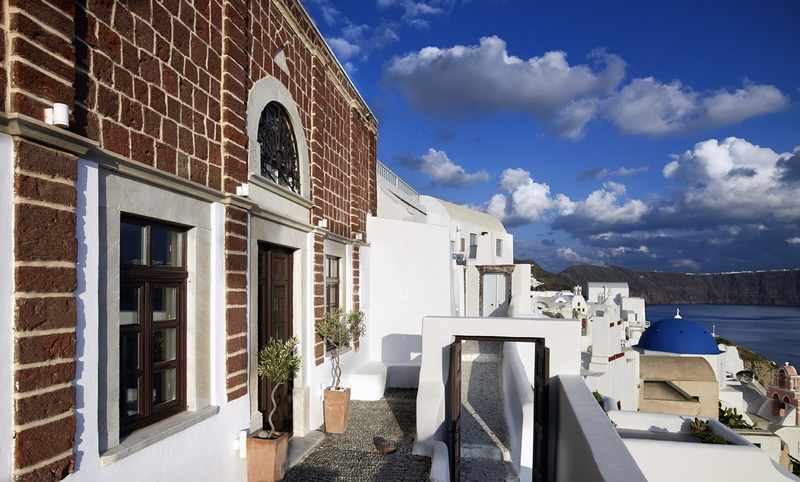
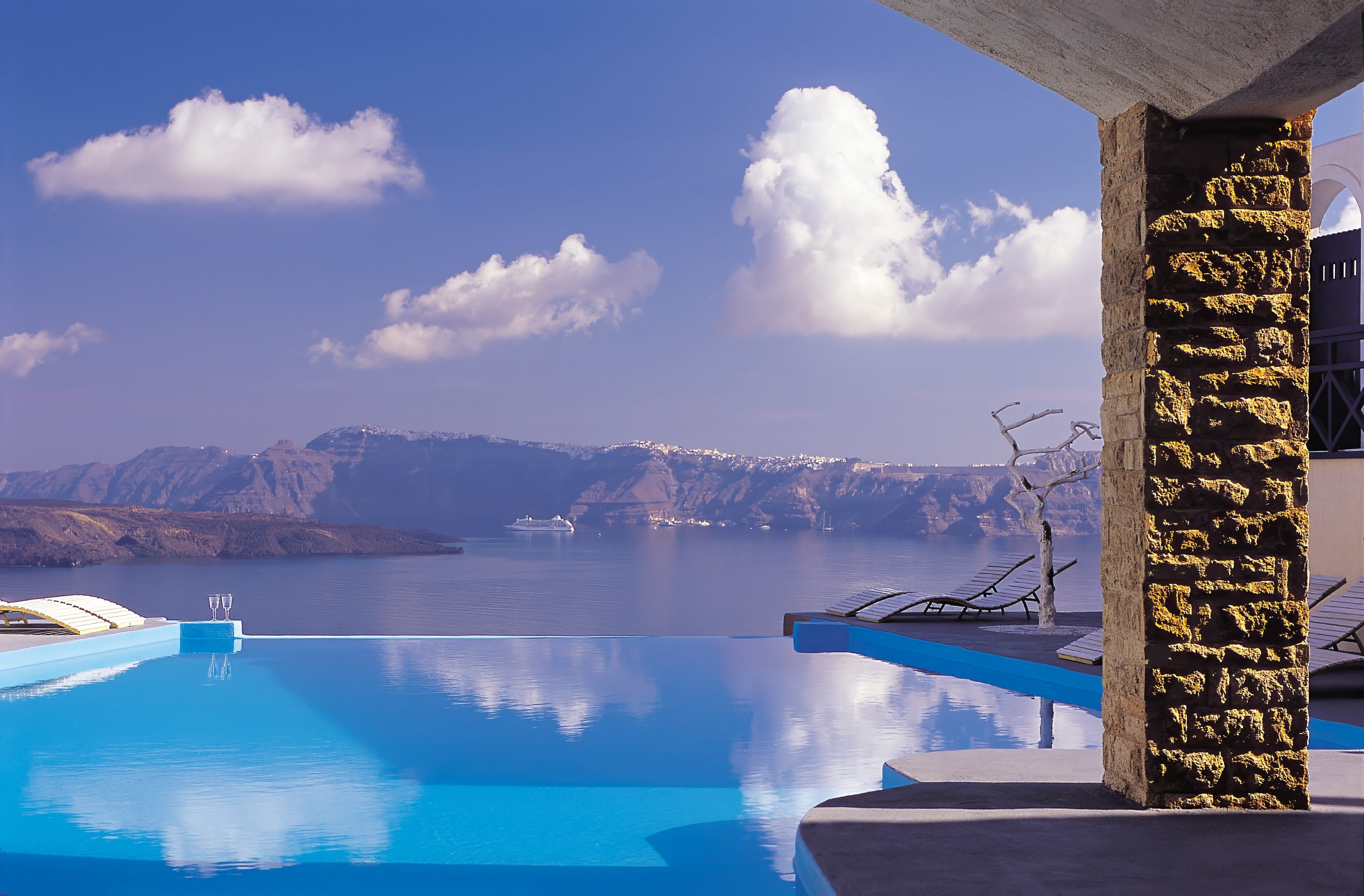
Where to Stay in Santorini
9 recommended properties
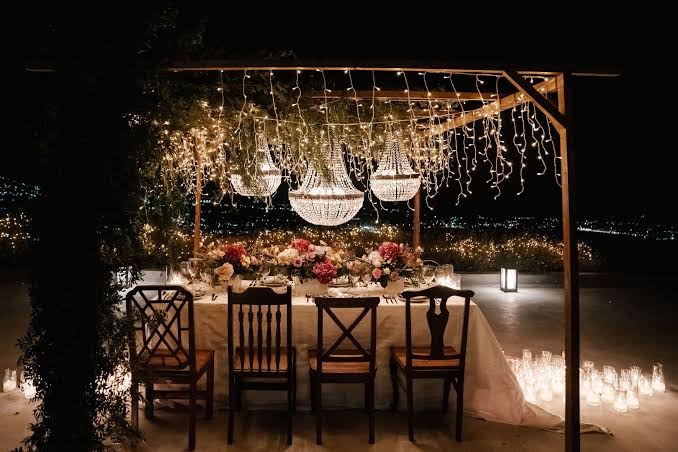
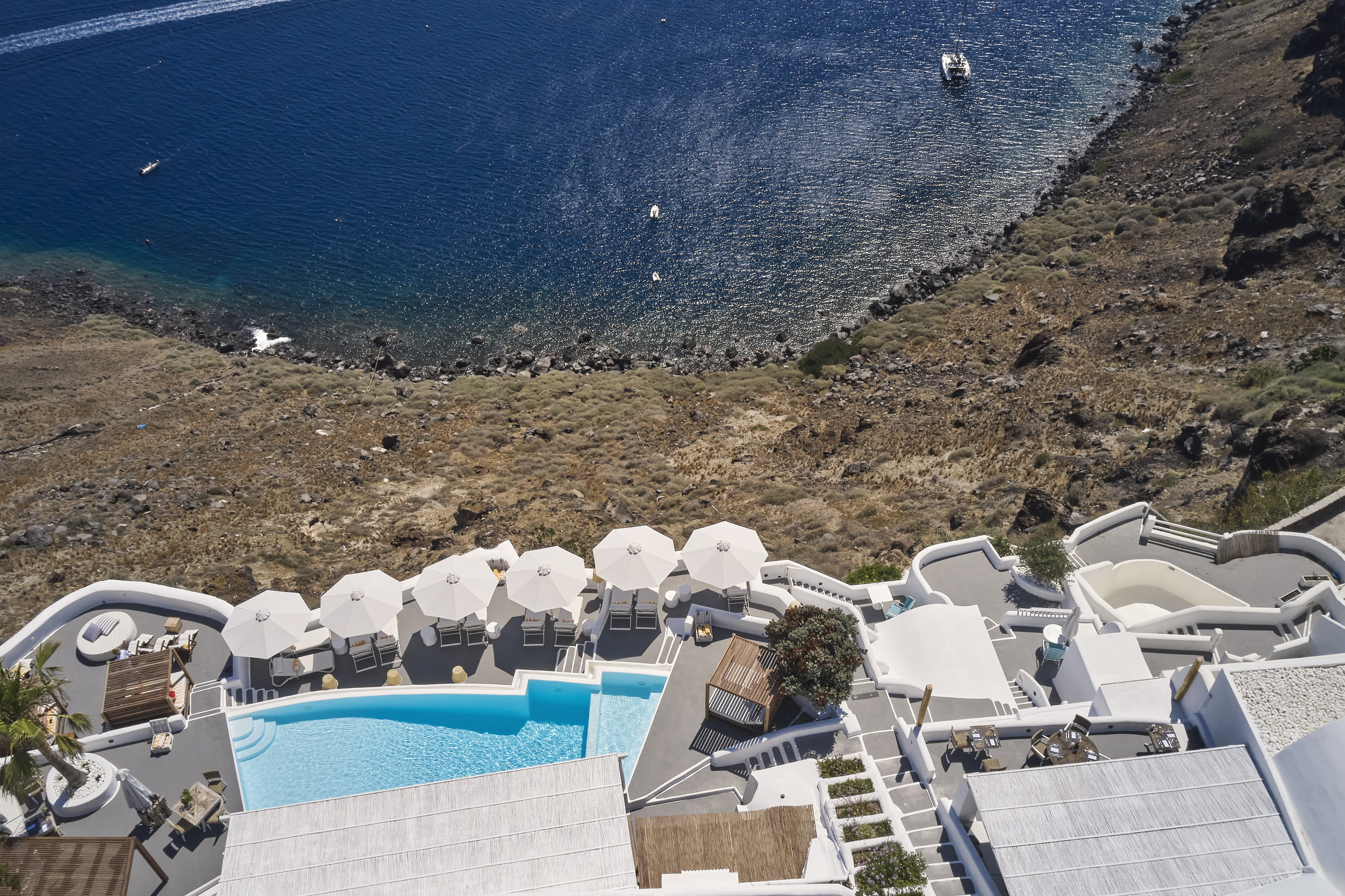
Things to Do in Santorini
Santorini Volcano
Nea Kameni · 180 min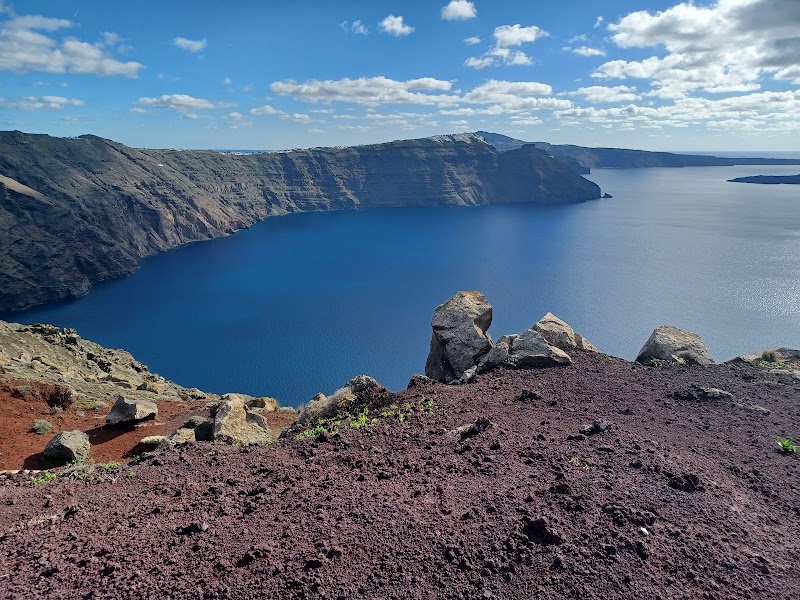
Fira to Oia Hike
Caldera Path · 210 min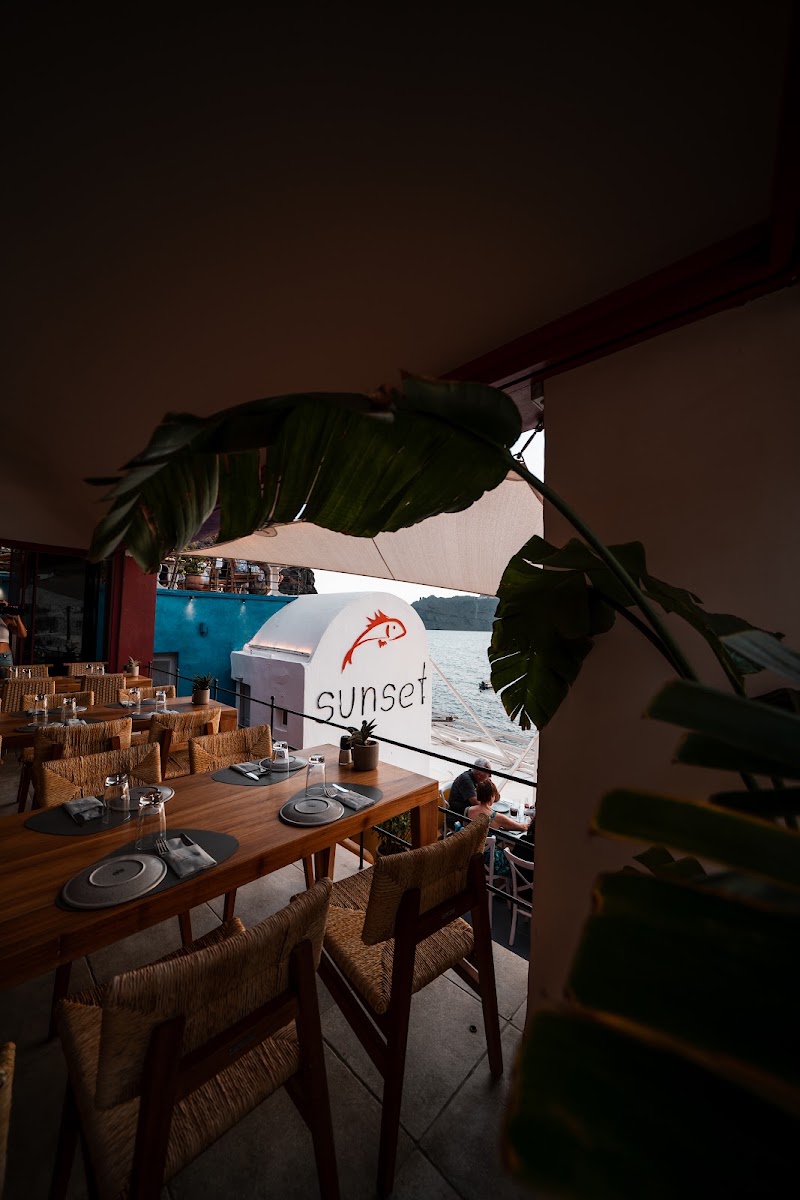
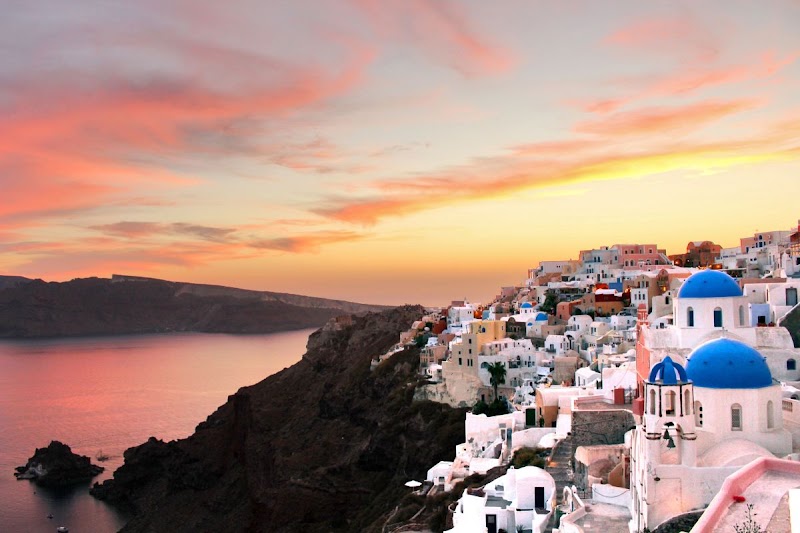
Sunset in Oia
Oia · 120 minMoney-Saving Tips
- 1.Book accommodations in Imerovigli or Firostefani instead of Oia — same caldera views, half the price
- 2.Eat lunch instead of dinner at high-end restaurants — many offer the same menu for 30-40% less
- 3.Buy groceries at AB Vassilopoulos supermarket in Fira rather than tourist mini-markets that charge double
- 4.Take the bus between towns (€2.40) instead of taxis (€15-25 per ride)
- 5.Visit wineries during afternoon tastings rather than sunset sessions — same wine, €10-15 cheaper
- 6.Book ferry tickets directly with companies like Blue Star Ferries instead of through travel agents who add markup
- 7.Stay in traditional villages like Pyrgos or Megalochori — authentic cave hotels cost €80-120 vs €300+ in Oia
- 8.Pack reef-safe sunscreen — beach vendors charge €25 for what costs €8 at the pharmacy in Fira
Travel Tips
- •Download the Beat taxi app before arriving — street hailing rarely works during peak hours
- •Bring comfortable walking shoes with good grip — those marble streets turn into ice rinks when wet
- •Book sunset dinner reservations 2-3 weeks ahead in summer, especially in Oia
- •Carry cash — many smaller tavernas and beach bars don't accept cards
- •Pack a light jacket even in summer — those Aegean winds can be fierce after sunset
- •Arrive at Akrotiri archaeological site right when it opens (8am) to avoid tour groups
- •Don't trust Google Maps timing on the island — add 50% extra time for narrow roads and traffic
- •Bring reef-safe sunscreen — regular sunscreen is banned at many beaches to protect marine life
- •Book accommodations with air conditioning — those white buildings trap heat like ovens in summer
- •Learn basic Greek phrases — locals appreciate the effort, especially in smaller villages like Pyrgos