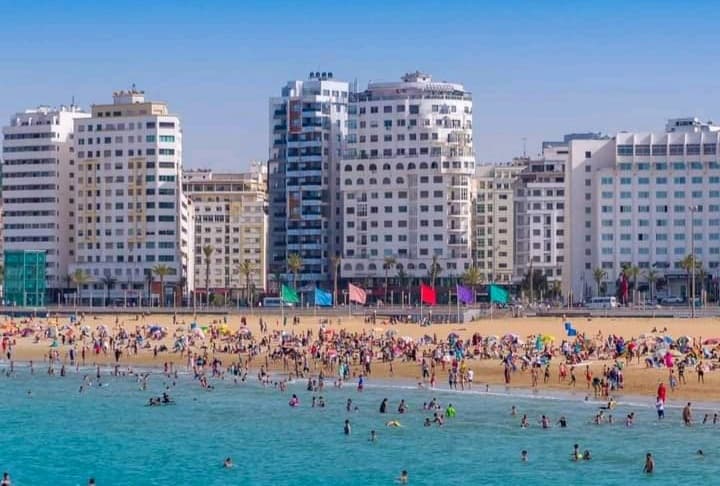
Tangier
Morocco's Gateway Where Africa Meets Europe
Tangier sits at the edge of everything. Africa bleeds into Europe here, the Atlantic crashes into the Mediterranean, and ancient medina walls hold stories that span centuries. This isn't your typical Moroccan city—it's grittier, more mysterious, and refreshingly real.
The city has shed its reputation as just a ferry stop. Artists like Paul Bowles and William Burroughs made Tangier their home, drawn by its creative chaos and anything-goes atmosphere. That spirit lives on in the winding medina streets where you'll find traditional craftsmen next to contemporary galleries.
But Tangier keeps you on your toes. The medina can feel overwhelming with its maze-like alleys and persistent vendors. The weather shifts quickly from sunny to foggy as Atlantic winds roll in. And yes, some areas feel rough around the edges—but that's part of what makes this port city so compelling.
Best Months
MAR · APR · MAY · SEP · OCT · NOV
~22°C · moderate crowds
Culture & Context
LITERARY CROSSROADS
Tangier has been shaped by just about everyone: Phoenicians, Romans, Portuguese, Arabs, and a wild 20th-century experiment where the city was governed simultaneously by multiple foreign powers (1923–1956). That International Zone era pulled in Paul Bowles, William Burroughs, Jack Kerouac, Tennessee Williams, and the Rolling Stones. Today that energy has mellowed, but Tangier still carries a cosmopolitan edge you won't find in Fes or Marrakech.
Spanish is widely spoken, a legacy of the Spanish protectorate. French is the other lingua franca. English is increasingly common in tourist areas.
Darija Arabic is what locals speak with each other. The city is one of Morocco's more liberal. Women dress relatively freely in the Ville Nouvelle.
But dressing modestly — covered shoulders, knees covered — remains the respectful move, especially in the medina. Friday is the main prayer day: expect slower mornings and a lively market at Grand Socco in the afternoon. The café culture here is serious.
Old men debating politics over mint tea at Café Hafa isn't a tourism prop — that's just Tuesday.
Local Customs
SALAM & SOUK BARGAINING
Greet with 'Salam' or the fuller 'Salamu Alaykum' — locals genuinely appreciate the effort, even if your accent is terrible.. Bargaining in the souks is expected and part of the experience. In sit-down restaurants and cafés with printed menus, prices are fixed..
Always ask permission before photographing people. Pointing a camera at someone without asking is considered rude.. Dress modestly in the medina and near mosques — shoulders and knees covered.
The Ville Nouvelle and Corniche are more relaxed.. Avoid the unofficial 'guides' who approach you at the medina entrance. The medina is navigable without help, and any commission at the end comes out of your experience..
Friday mornings move slowly — many businesses open late. The upside: the Grand Socco Friday market, where vendors from surrounding villages bring produce, herbs, and livestock, is worth timing your visit around.. Tipping is appreciated but not formally required.
Round up taxi fares. Leave 10–15 MAD at cafés and 20–30 MAD at restaurants for good service.. Ramadan timing shifts each year — if your visit overlaps, expect some restaurants closed during daylight hours and a completely different (and quite special) atmosphere after dark.
Safety
PETTY THEFT & SCAMS
Tangier is genuinely manageable, and most trips pass without incident. But it's a real port city, not a theme park, so keep your wits about you. The most common problems are petty theft (pickpocketing in crowded medina lanes and bus stations), scam attempts targeting obvious foreigners near tourist sites, and inflated taxi fares when drivers think they can get away with it.
Always ask the driver to run the meter, or agree on a price before you get in. Solo women may deal with unwanted attention, staring, and persistent conversation attempts — especially in the medina at night. It's more annoying than dangerous, but it's real.
A firm, confident 'la shukran' and moving on works better than engaging. Avoid wandering the medina alone late at night, keep valuables in a front pocket or money belt, and don't wave your phone around in crowded squares. The neighborhoods of Malabata, Corniche, Marshan, and Iberia are generally considered the most straightforward for solo travelers.
Unofficial 'guides' who approach you near the medina entrance will always end the tour at a shop where they earn a commission. The medina is small enough that you don't need them — just download an offline map before you go.
Getting Around
PETIT TAXIS & FERRIES
Petit taxis are the way to move around the city. They're blue, metered, and cheap — a 5-mile ride runs about 85 MAD. Insist on the meter or agree on a price upfront.
Grand taxis handle longer routes (like airport runs or day trips to Asilah or Tetouan). City buses cost 5 MAD per ride — bus 13 runs from the train station to the port via Avenue Mohammed VI. Useful, but buses can be crowded and prone to pickpocketing.
The Al Boraq high-speed train from Tangier Ville station connects to Casablanca in 2h20 — considerably better than driving. For reaching Spain: ferries from Tangier Ville port to Tarifa run in about 35 minutes; to Algeciras takes 1.5–2 hours.
Book in advance in summer. Note that the ferry terminal at Tangier Ville is inconveniently far from the city center — budget for a taxi. Tanger Med port (for ferries to Algeciras and the weekly Gibraltar service) is even further out of town, about 40km east.
Walking is genuinely the best way to explore the medina and Kasbah. The streets are pedestrian-only, and the whole old city is compact enough to navigate on foot in an afternoon.
Useful Phrases
Money-Saving Tips
- 1.Negotiate everything except petit taxi meters—start at half the quoted price and meet in the middle
- 2.Eat where locals eat: street food costs 10-20 dirhams vs 100+ at tourist restaurants
- 3.Stay in Ville Nouvelle instead of the medina for 30-40% savings on accommodation
- 4.Take the bus rapid transit (4 dirhams) instead of taxis for longer routes within the city
- 5.Shop at Socco Grande market in the morning for best prices on fresh produce and snacks
- 6.Avoid restaurants with English menus near major tourist sites—they charge double
- 7.Book hotels directly to skip booking site commissions, especially at smaller riads
- 8.Use grand taxis for day trips instead of tour companies—much cheaper with similar routes
Travel Tips
- •Learn basic French or Arabic—English isn't widely spoken outside tourist areas
- •Carry cash in small bills; many places don't accept cards or give change for large notes
- •Dress modestly in the medina to avoid unwanted attention, especially around mosques
- •Download offline maps before entering the medina—GPS signals get spotty in narrow alleys
- •Bring layers—coastal winds can drop temperatures 10°C in minutes
- •Keep your passport handy near the port; police sometimes check IDs randomly
- •Avoid street money changers; use banks or official exchange offices for better rates
- •Pack comfortable walking shoes with good grip—medina streets are uneven and sometimes slippery