
Buenos Aires
South America's passionate tango capital and cultural hub
Buenos Aires hits you like a shot of Malbec — intense, sophisticated, and impossible to forget. This is a city where dinner starts at 10 PM, tango dancers glide through cobblestone squares at midnight, and every corner café serves up espresso strong enough to fuel your next adventure. The locals call it the "Paris of South America," but honestly? It's got more soul than Paris ever dreamed of. From the colorful houses of La Boca to the elegant tree-lined streets of Recoleta, Buenos Aires pulses with a rhythm all its own. And here's the thing — it's not just about the tourist attractions. The real magic happens when you slip into a neighborhood parrilla at 11 PM, watch couples tango in Plaza Dorrego, or spend an afternoon browsing antiques at San Telmo's Sunday market.
Best Months
MAR · APR · MAY · SEP · OCT · NOV
~22°C · moderate crowds
Culture & Context
TANGO & PSYCHOANALYSIS
Buenos Aires is deeply shaped by waves of European immigration, mainly Italian and Spanish, that arrived from the late 1800s onward. This gives porteños (Buenos Aires residents) a cultural character that feels noticeably different from the rest of Latin America — more European in cadence, more psychoanalysis-obsessed (Buenos Aires has more therapists per capita than almost any city on earth), and more likely to debate politics and philosophy over a three-hour dinner. There's a particular self-awareness about their place in the world; the city earned its 'Paris of South America' nickname honestly, but porteños are also quick to laugh at the comparison.
The local slang (Lunfardo) evolved from the docks and tango halls of the early 20th century, with heavy Italian influence — many words are vesre (syllables reversed), like 'gotán' for 'tango.' The Buenos Aires accent is immediately recognizable: 'll' and 'y' are pronounced like 'sh,' and the Italian-influenced intonation makes the language rise and fall in a way you won't hear anywhere else in Spanish-speaking Latin America.
Tango is genuinely embedded in daily life here, not just a tourist show. The milongas (dance halls) in San Telmo and Almagro draw real locals, not just performers. Football is the other religion. Boca Juniors and River Plate have a rivalry — the Superclásico — that's widely considered one of the most electric sporting events in the world. The city has a distinct political identity too: Buenos Aires has been home to some of Argentina's most turbulent history, including a brutal military dictatorship (1976–1983), and the Madres de Plaza de Mayo still march every Thursday at Plaza de Mayo, keeping that memory alive.
Local Customs
DINNER AT TEN PM
Dinner is late. Seriously late. Restaurants don't fill up until 9 or 10pm.
Showing up at 7pm is fine — you'll be eating mostly alone. Locals eat lunch between 2–4pm, so plan accordingly.. The standard greeting between people who've just met is a single kiss on the right cheek, even between men.
Don't skip it or offer a handshake — it reads as cold.. Asado (barbecue) is a social ritual, not just a meal. If invited to someone's asado, bring wine, show up a bit late (arriving on time reads as too eager), and expect to be there for hours..
Mate (the caffeinated herbal drink) is shared communally from a single gourd with one metal straw. If offered mate, accept. Saying no is considered slightly rude.
Don't add sugar unless asked first — some people are very particular.. Tipping is expected in restaurants: 10% is standard, up to 15% for good service. Note the 'cubierto' (cover charge, around $1.
70 USD) that shows up on bills automatically — it's legal and normal, not a scam.. Argentines generally eat steak much more cooked than you might expect. If you want it rare, say 'jugoso.
' Medium-rare is 'a punto.' Don't expect the kitchen to default to rare.. The 'll' and 'y' sounds are pronounced like 'sh' in Buenos Aires — so 'calle' sounds like 'ca-she' and 'yo' sounds like 'sho.
' This is the most distinctive feature of porteño Spanish and will catch you off guard the first time.. Shops and restaurants often give a 10% discount for cash payment. Always ask: '¿Hay descuento por efectivo?
' (Is there a cash discount?). Locals carry bags cross-body across the chest, often zipped under a jacket.
Follow suit — it's practical and immediately signals that you know what you're doing.. Football (fútbol) is close to religion. The Boca Juniors vs River Plate derby (el Superclásico) is one of the most intense sporting events on the planet.
Tickets are nearly impossible for foreigners to get directly; use a reputable tour operator if you want to attend.
Safety
WATCH YOUR PHONE
Buenos Aires is genuinely safe for tourists by South American standards, and Argentina holds a US State Department Level 1 rating (the same as Canada and Japan) along with the #46 spot on the Global Peace Index. But petty theft is real and widespread. The risk here is to your electronics, not your person — violent crime against tourists is statistically rare, but phone snatching and pickpocketing are common in crowded areas.
The practical rules: wear your bag across your chest, zipped. Don't use your phone while standing at a curb or near a transit stop — motochoros (motorcycle thieves) do drive-bys in some areas. Don't hang your bag on a restaurant chair. Keep your phone off the table entirely.
Neighborhoods to be cautious in: La Boca (outside the Caminito tourist zone), Constitución, and the area around Retiro bus terminal. Retiro is particularly notorious for pickpockets. If you're catching a train to Tigre, walk directly through and don't linger. Microcentro (the downtown financial district) is fine during the day but can feel deserted and tense at night.
For getting home at night: use Uber or Cabify instead of flagging a random taxi. If you do take a taxi, use the BA Taxi app or look for licensed black-and-yellow vehicles with the 'radio taxi' sign lit up. Scams involving counterfeit pesos in taxi change do happen — check your bills. The Tourist Police station at Av. Corrientes 436 is English-speaking and open 24/7 (0800-999-5000). Belgrano, Palermo, Recoleta, and Puerto Madero are consistently the safest bets for walking at night. Tap water is safe to drink throughout Buenos Aires.
Getting Around
SUBE CARD ESSENTIAL
Buenos Aires has one of the most affordable public transport systems of any major city in the world. The key to all of it is the SUBE card — a rechargeable smart card that works on buses (colectivos), the subway (Subte), and suburban trains. Cash is not accepted on buses. Get your SUBE card as soon as you arrive, at a metro station booth or a kiosk displaying the SUBE sign (about $1 USD for the card itself). Good news since 2025: the Subte now also accepts Visa and Mastercard credit cards and mobile wallets like Google Pay and Apple Pay on the new turnstiles — buses still require SUBE for now.
The Subte has six lines (A through H, minus F and G). Line D is the tourist workhorse — it runs from Plaza de Mayo through Tribunales (Teatro Colón), Recoleta, and Palermo. Line B runs along Corrientes Avenue through the Obelisco and into Almagro. Trains run roughly 5:30am to 11:30pm on weekdays. After that, you're on Uber or in a cab.
Colectivos (buses) run 24 hours a day, 365 days a year, and cover every neighborhood the Subte misses. There are over 336 routes. Google Maps handles routing surprisingly well here — plug in your start and end points and it'll sort it out. The Transit app also works well with live tracking. Buses run every 5–10 minutes during the day; less frequently late at night.
For taxis, look for licensed black-and-yellow vehicles with the 'radio taxi' sign, or book through the BA Taxi app. Uber and Cabify are both legal and widely used — often safer than hailing a random cab, especially at night. The city also runs EcoBici, a free public bike share scheme with 200km+ of dedicated lanes. Bikes are free for up to one hour on weekdays and two hours on weekends. Register online before you go.
Useful Phrases
Explore the Region
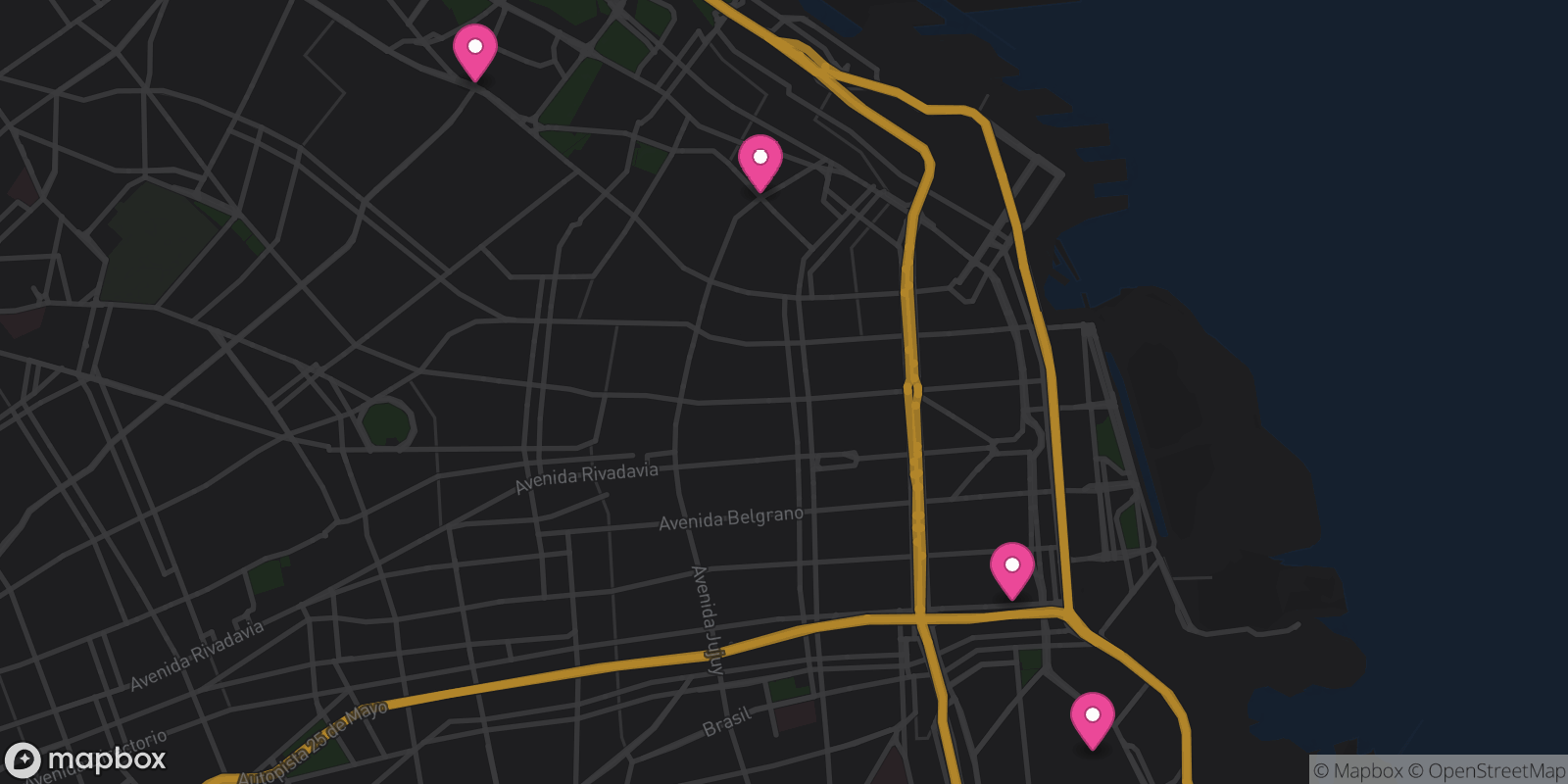
Buenos Aires Itineraries
View all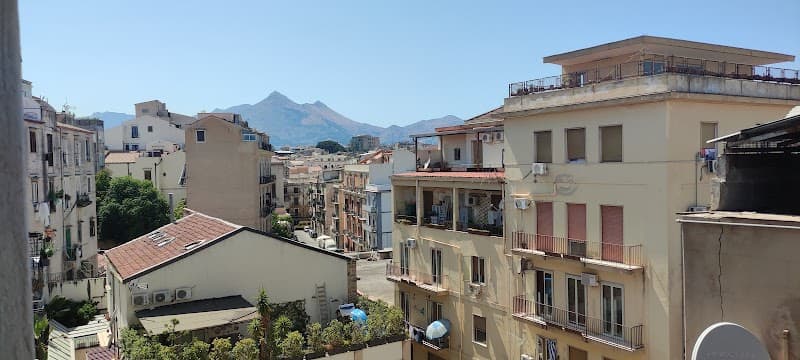
Seven Romantic Days in Palermo’s Chic Heart
Weekend · $$$
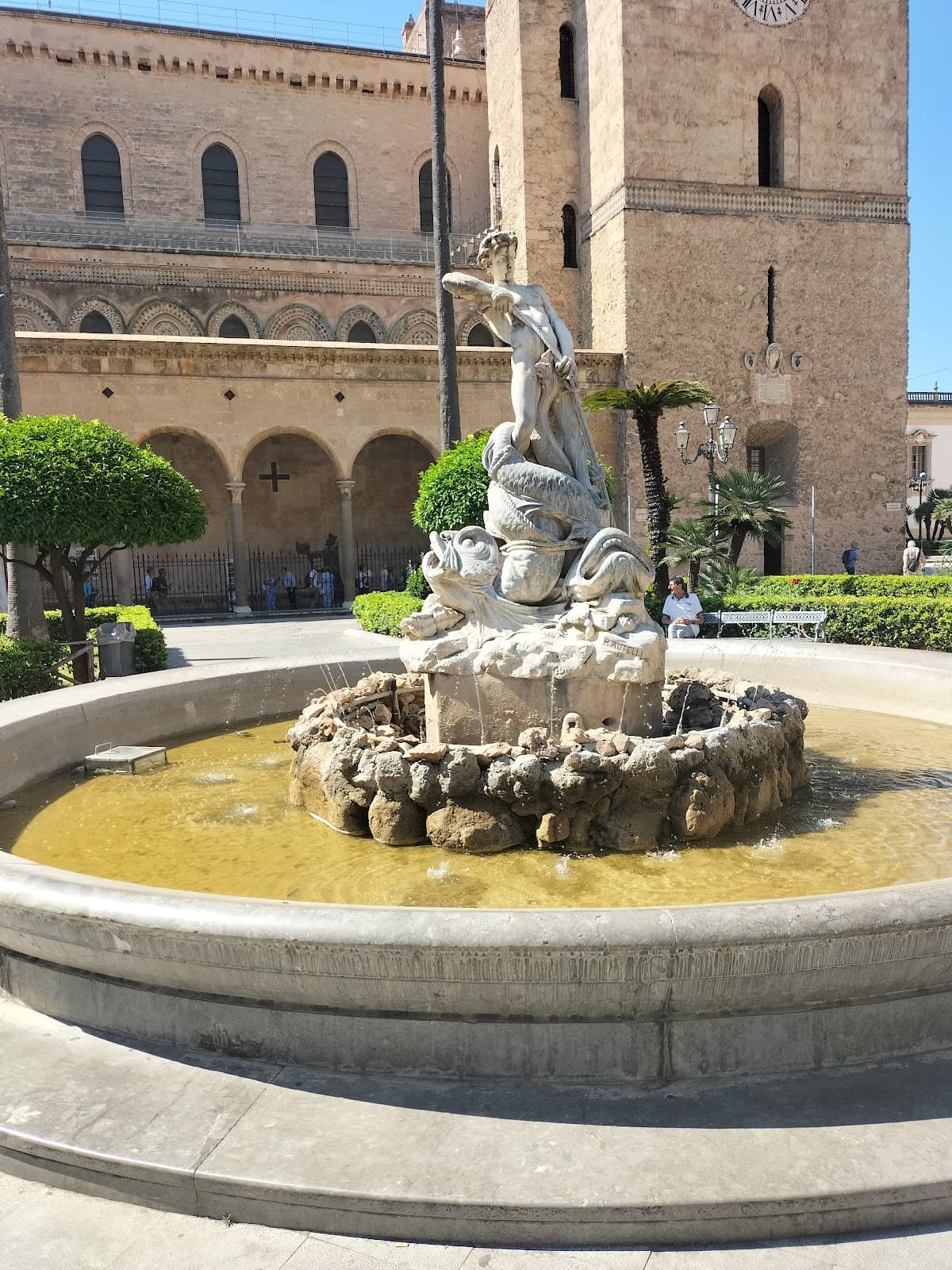
Palermo Slow Travel: Parks, Plates, Wine, and Late Nights
Weekend · $$$
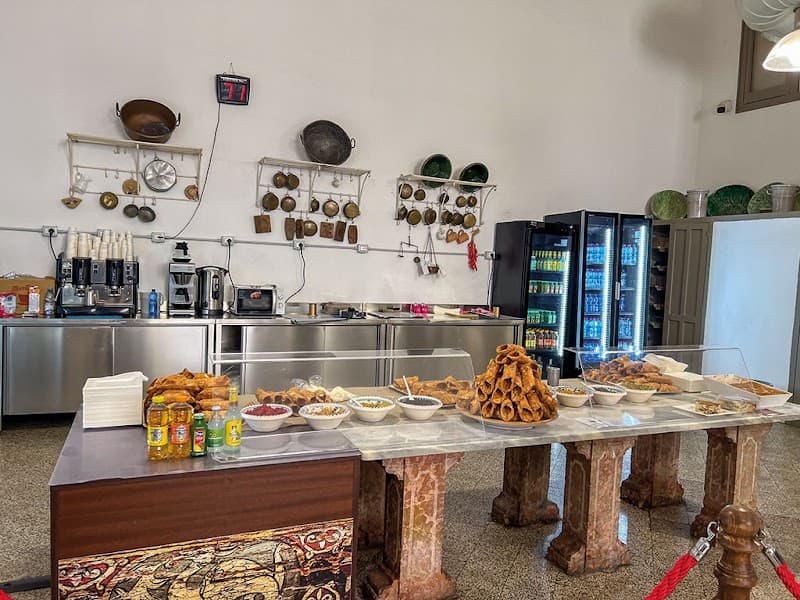
Palermo in One Day: Normans, Markets, and Cavernous Charm
Weekend · $$$
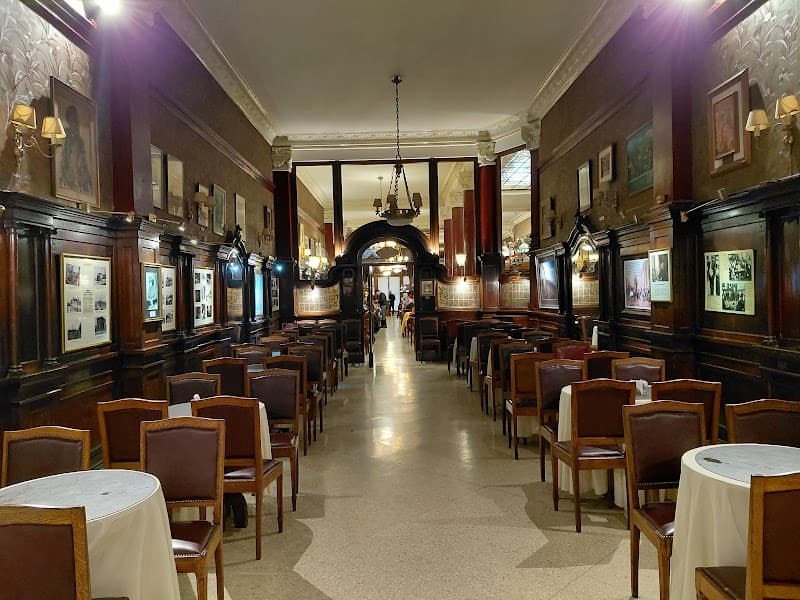
Three Cultural Days in Buenos Aires for Curious Couples
Weekend · $$$
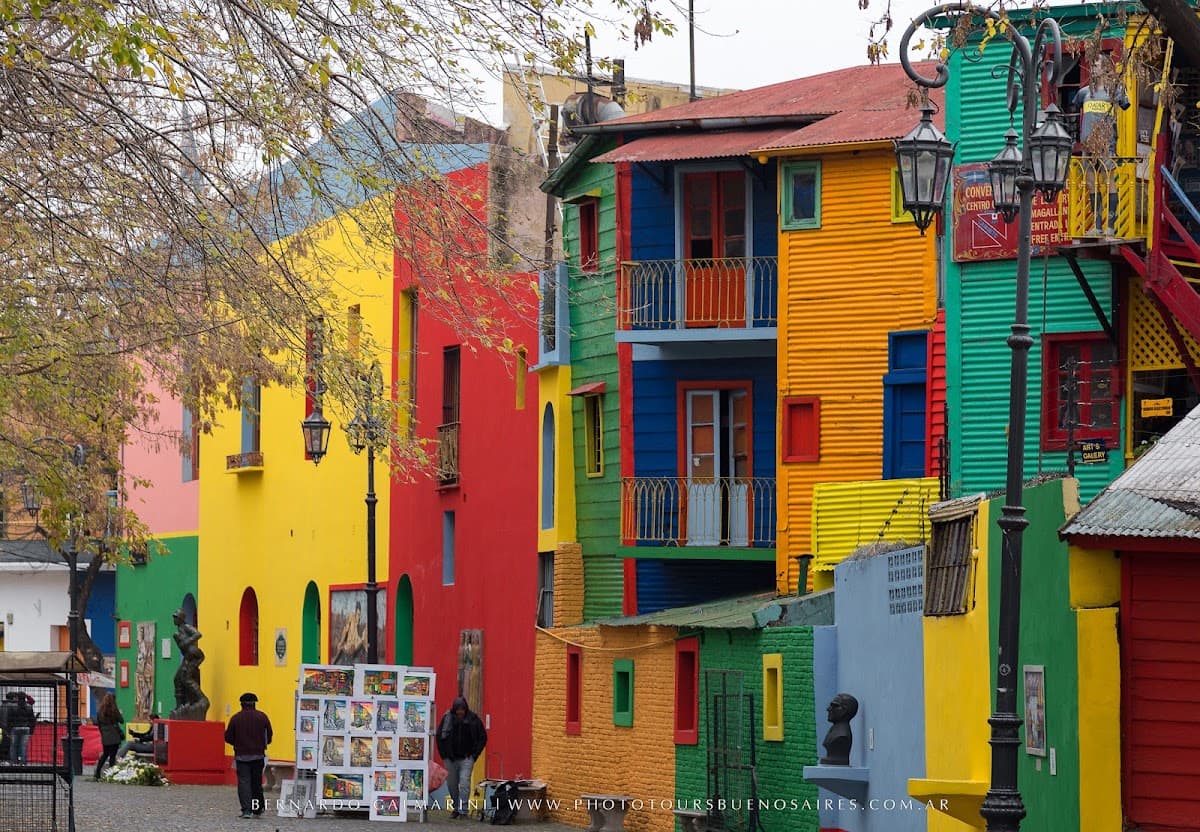
Buenos Aires Discovery: Culture, Color & Culinary Moments
Weekend · $$$
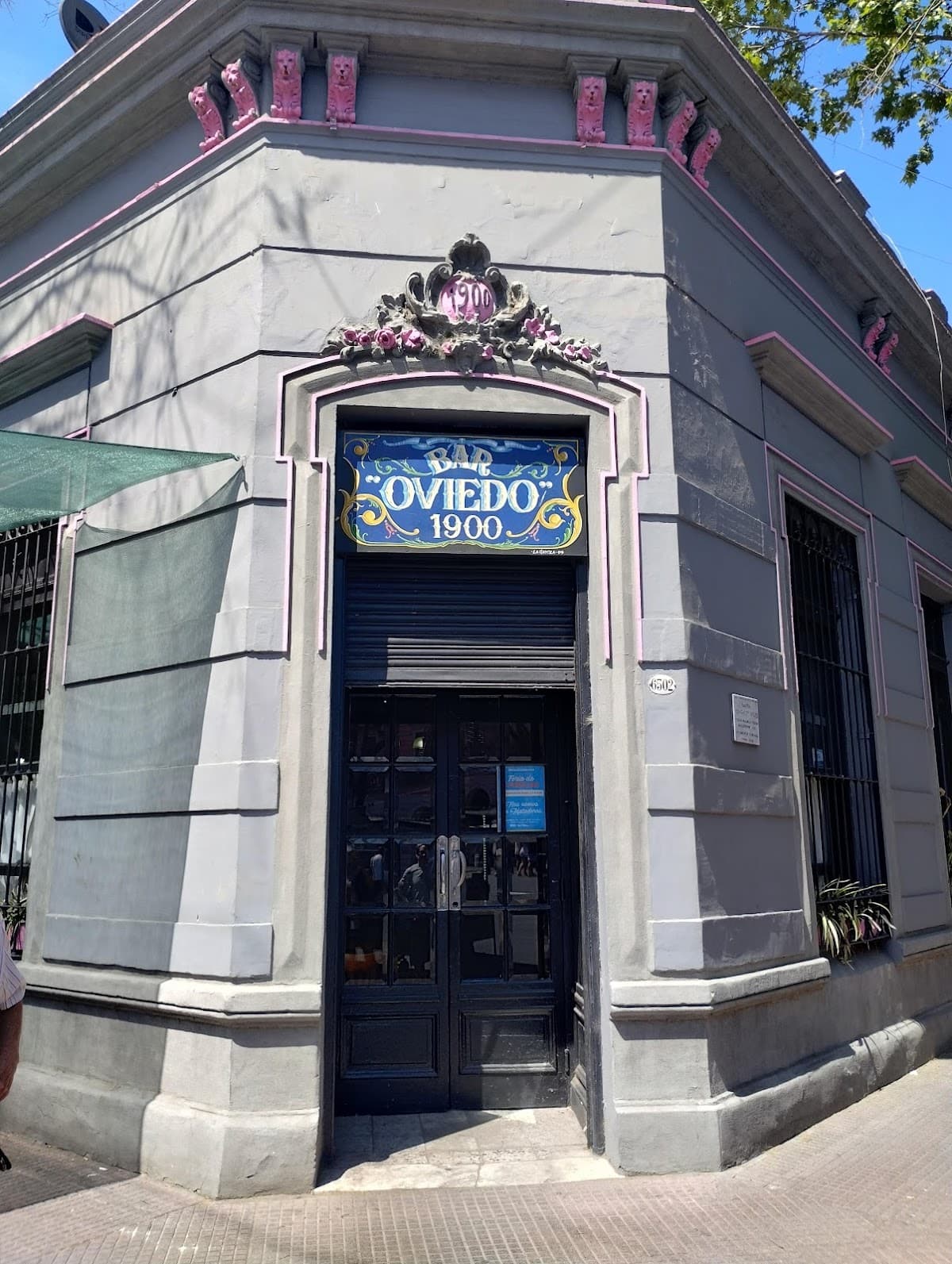
Luxurious Buenos Aires Weekend: Nature, Flavors & Romance
Weekend · $$$$$
Where to Stay in Buenos Aires
9 recommended properties
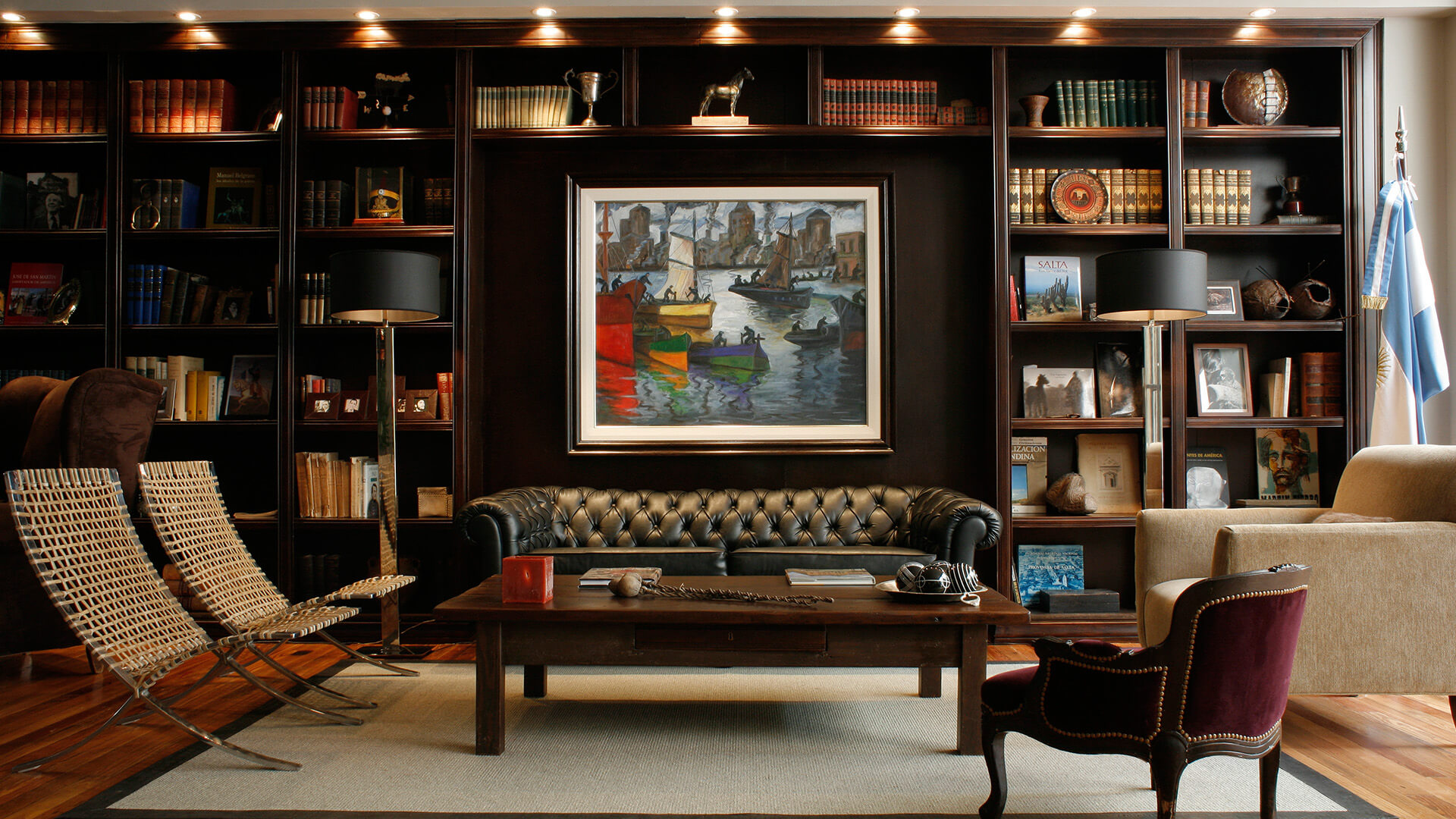
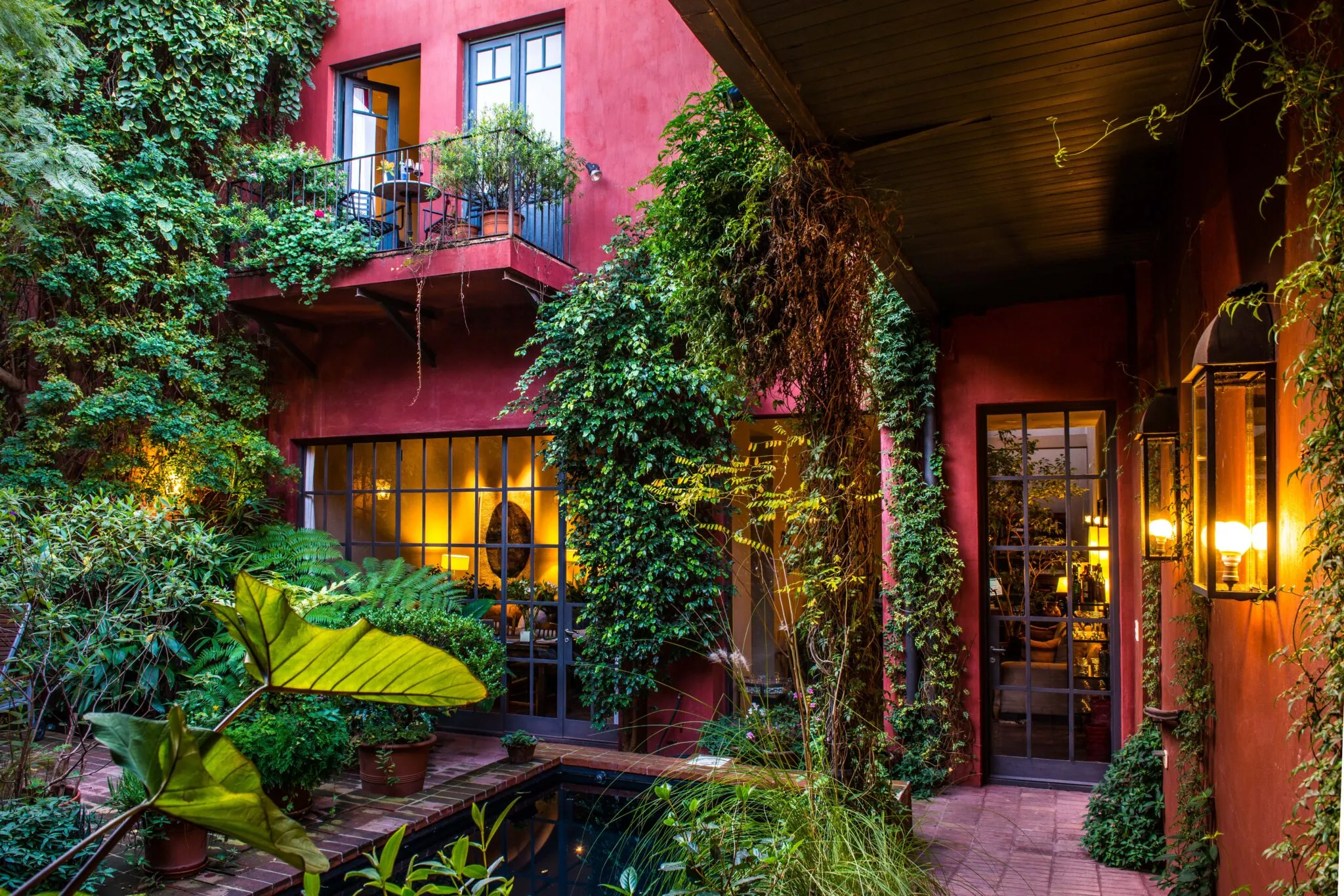
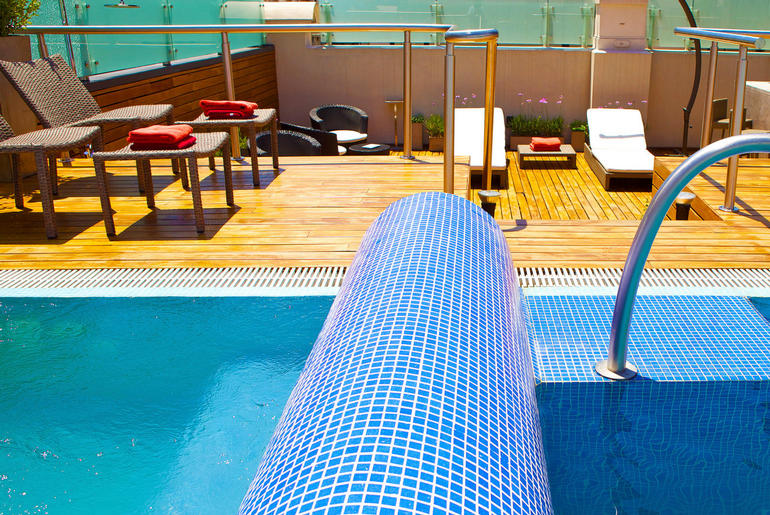
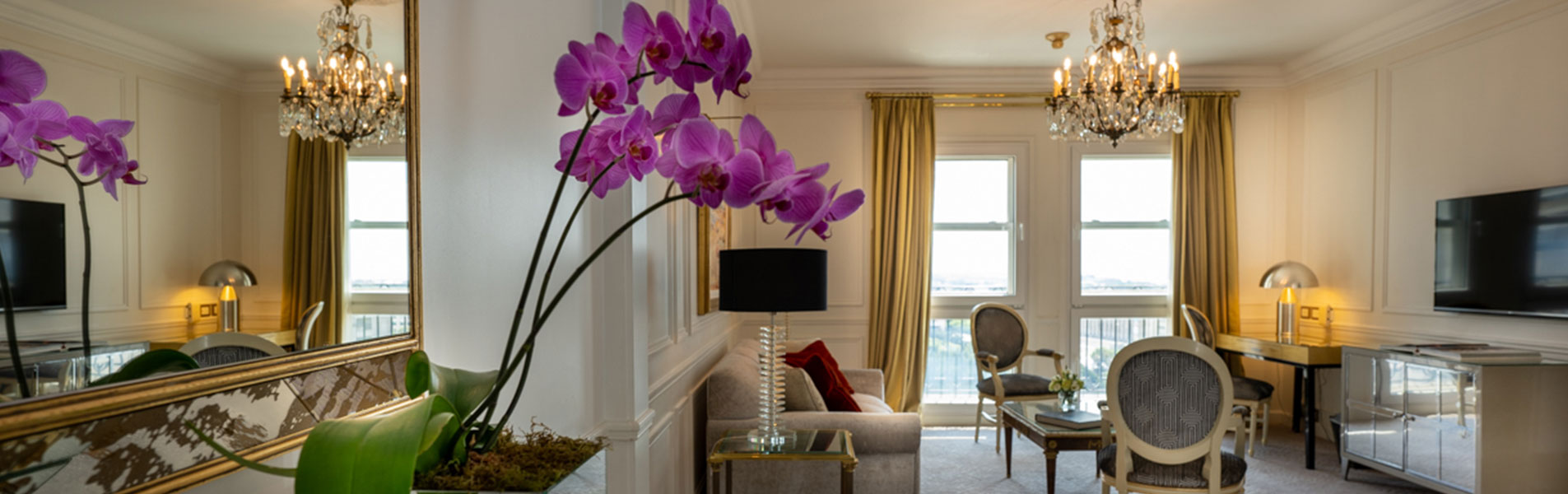
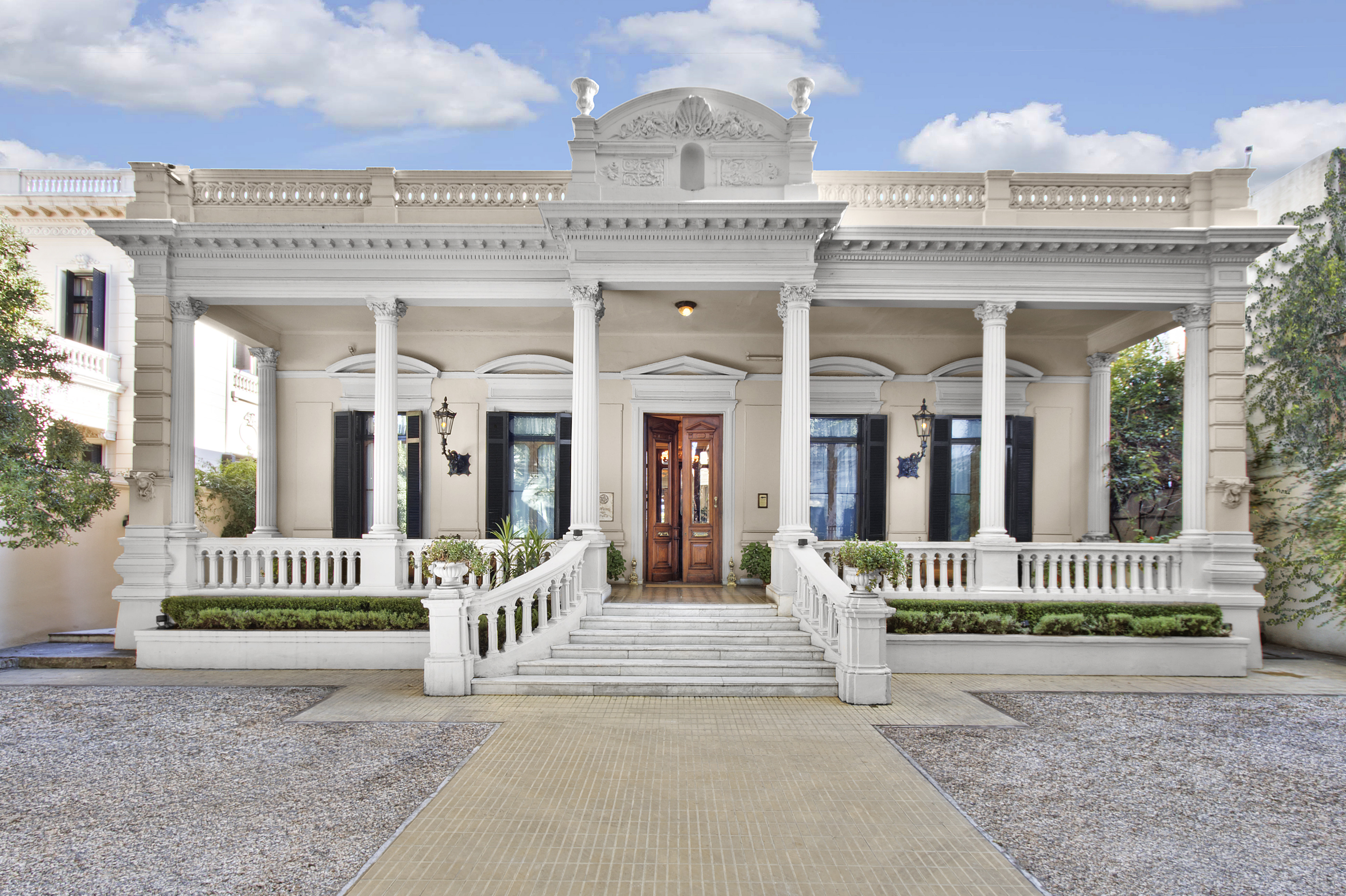
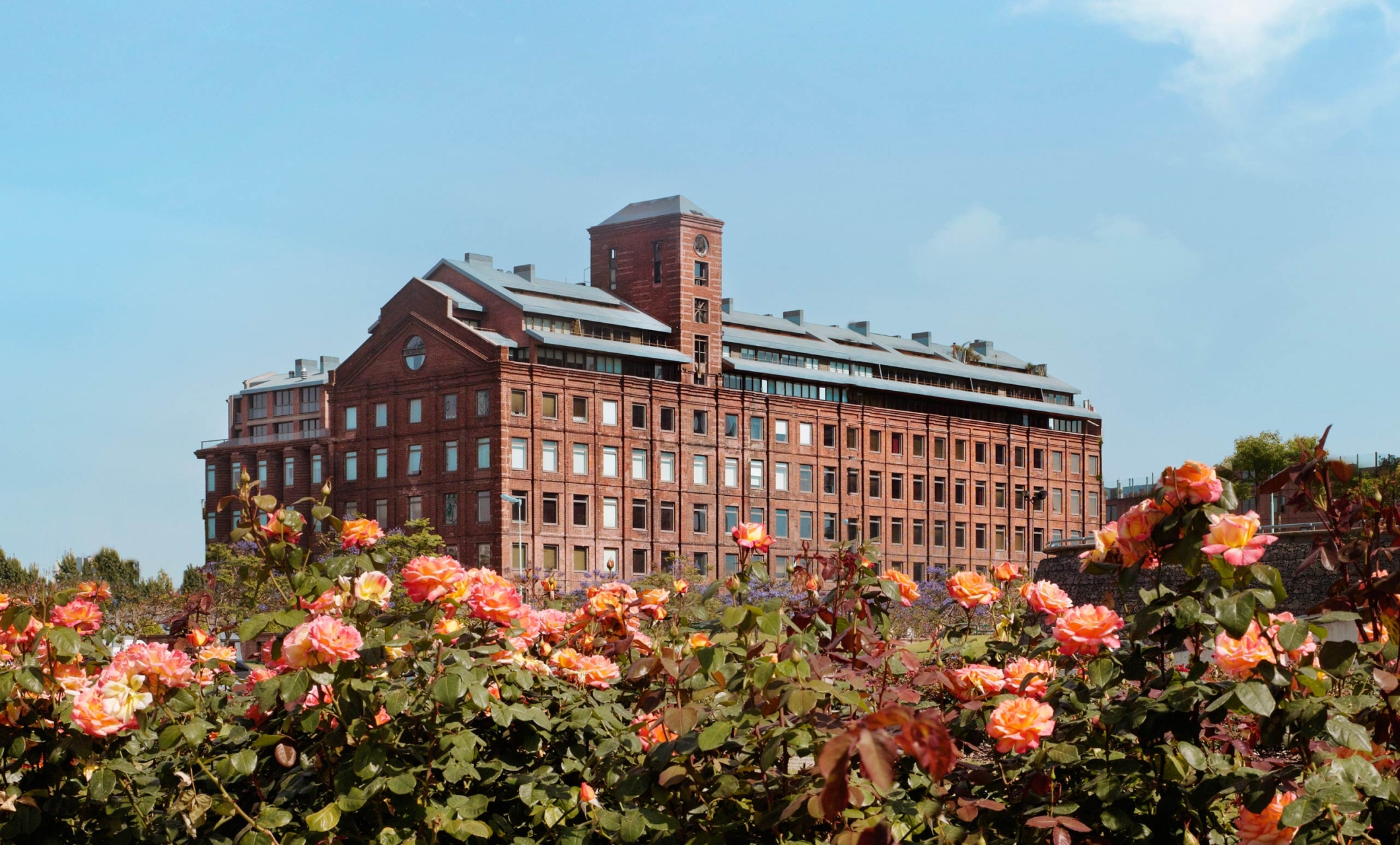
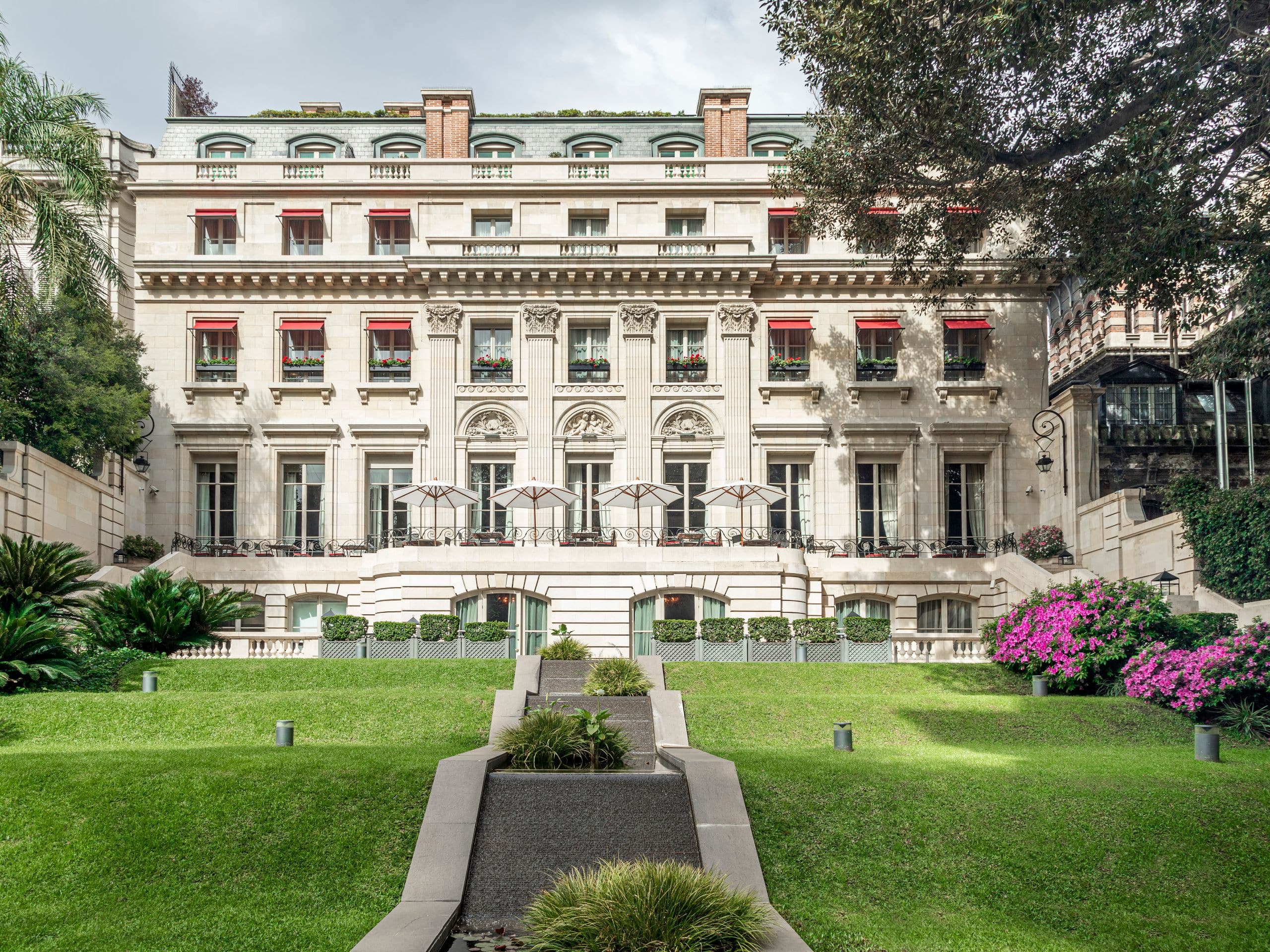
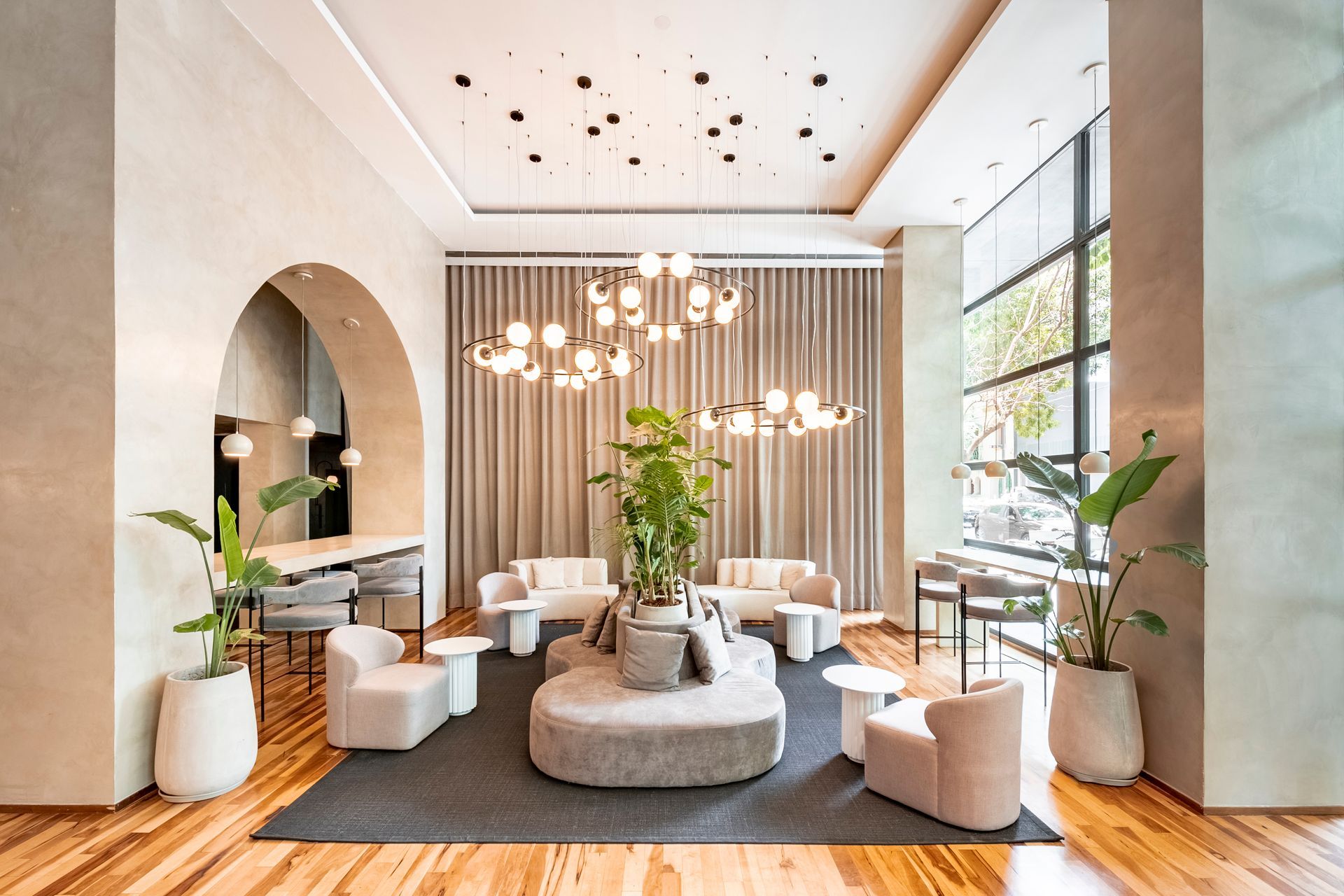
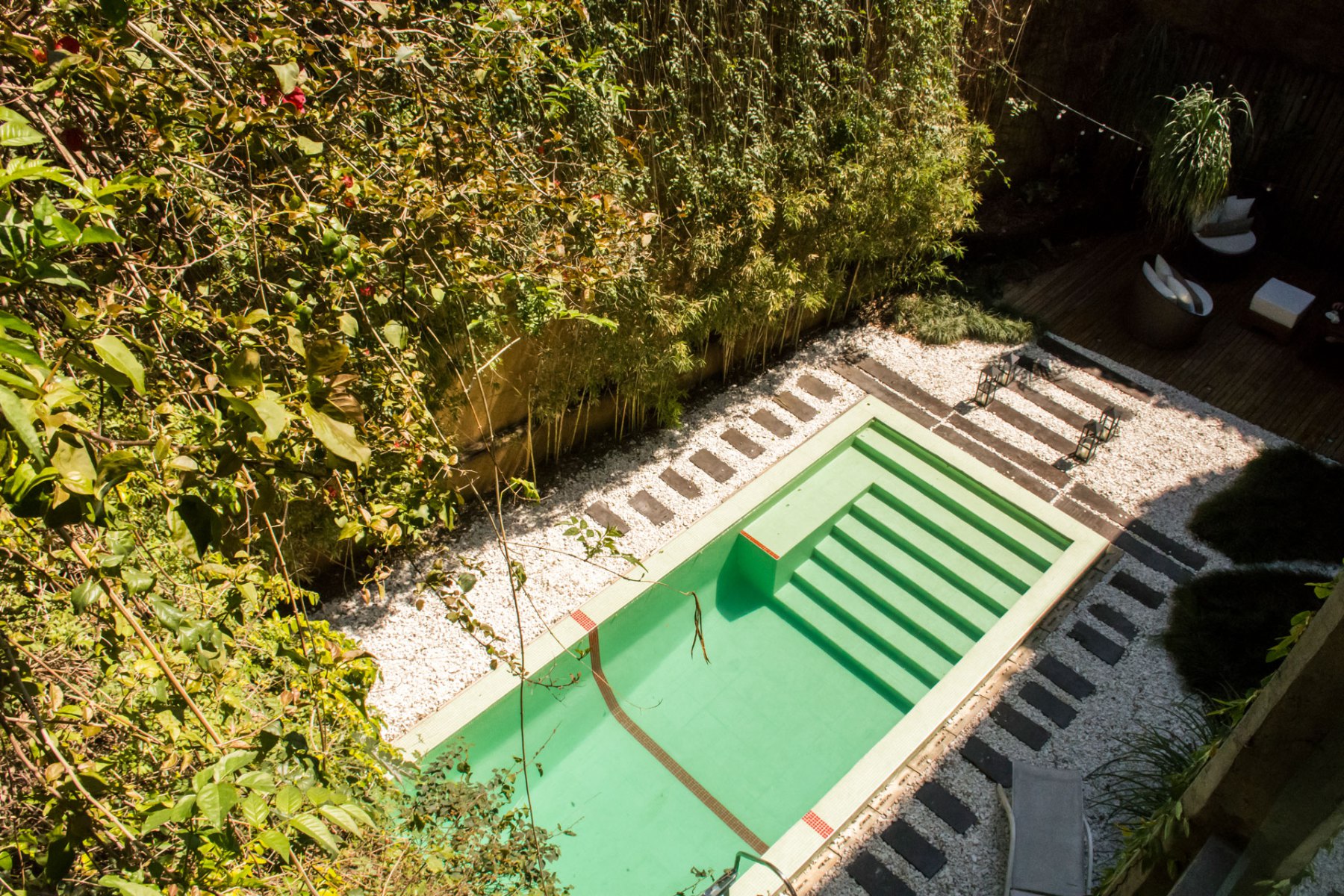
Things to Do in Buenos Aires
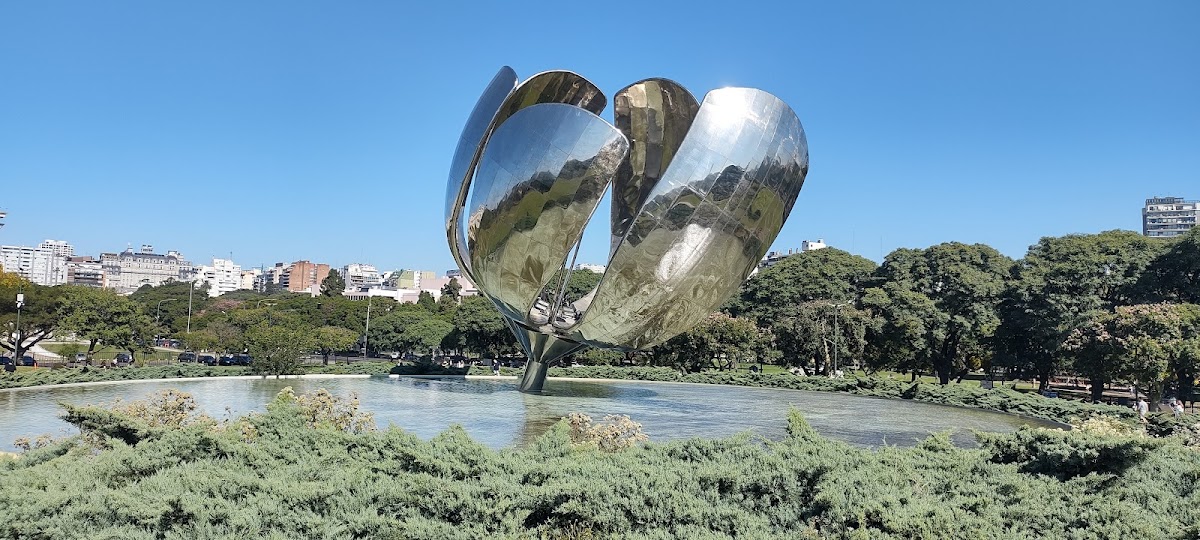
Recoleta Parks & Cemetery
Recoleta · 120 min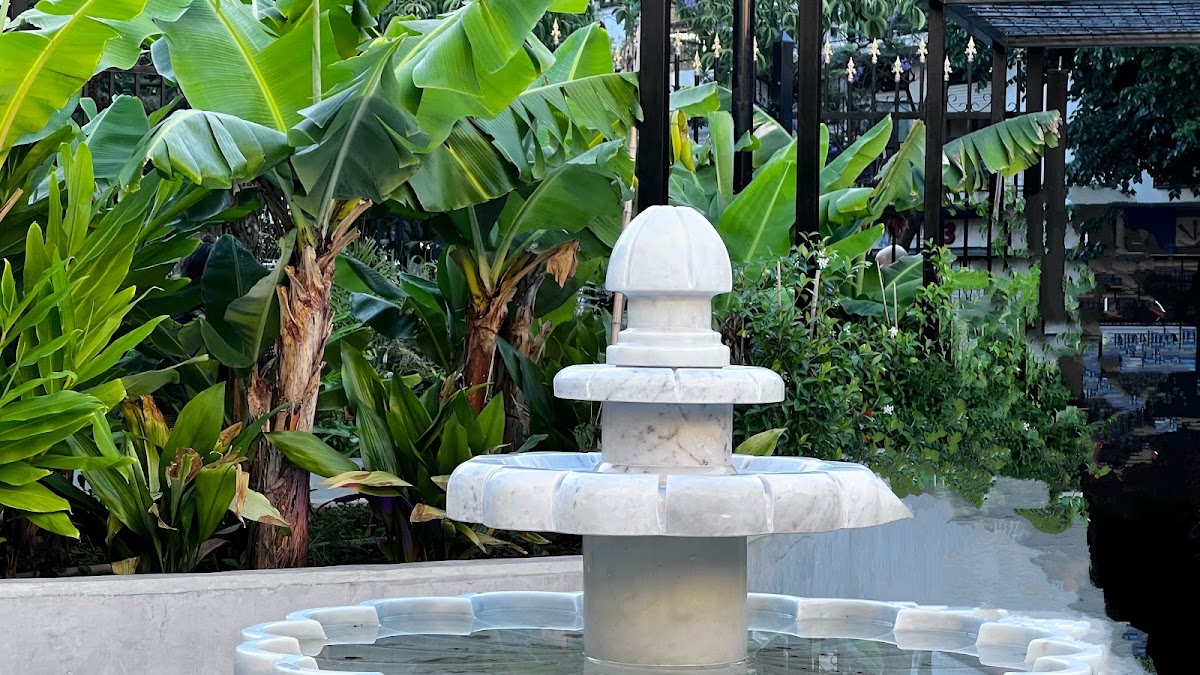
Palermo Soho Cafes & Parks
Palermo (10-min taxi from Recoleta) · 120 min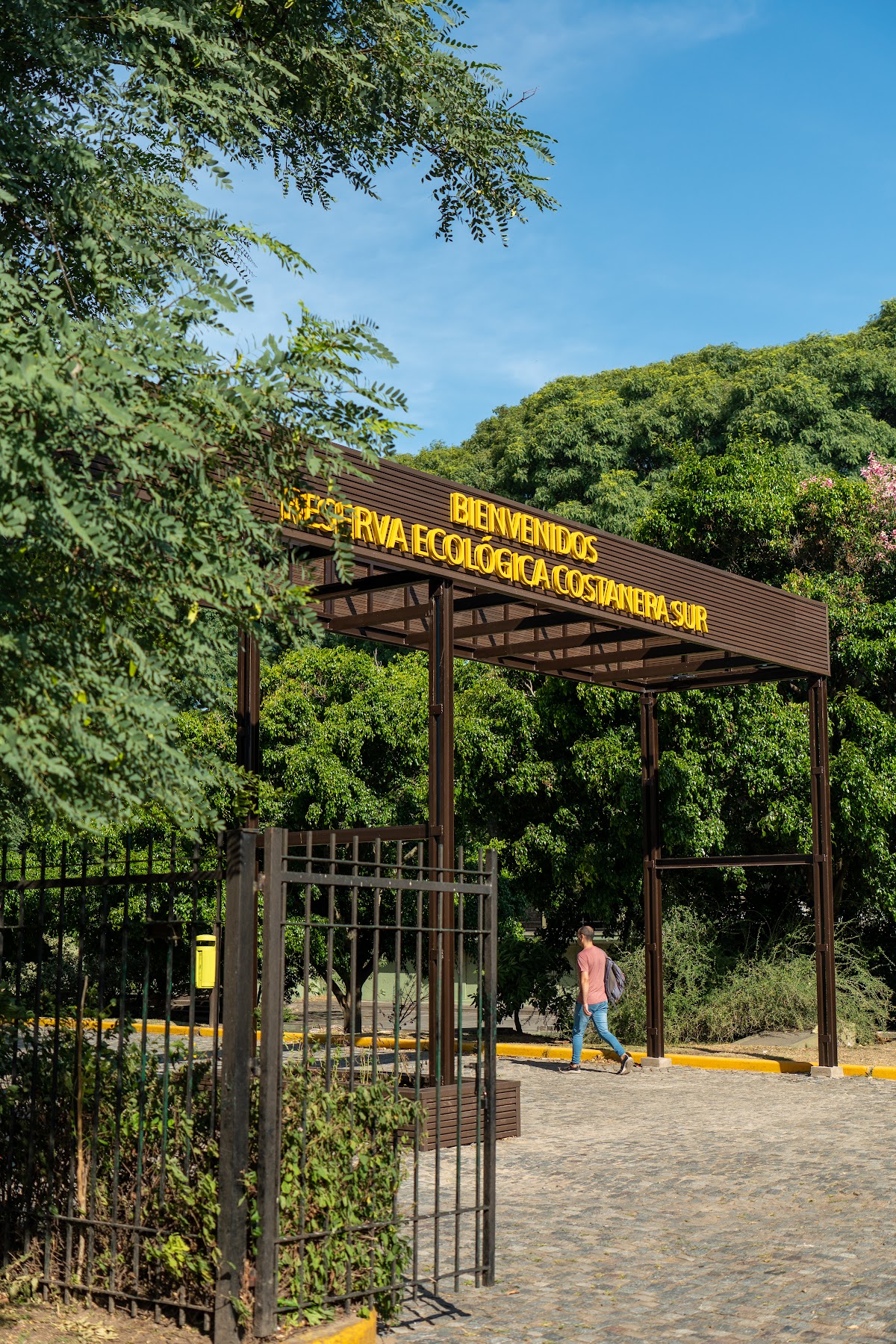
Costanera Sur Ecological Reserve
Puerto Madero South (15-min taxi) · 135 minMoney-Saving Tips
- 1.Restaurants add a 10% service charge automatically - no need to tip extra unless service was exceptional
- 2.Use the 'blue dollar' exchange rate by bringing US cash and exchanging at unofficial cambios for 30-40% better rates than banks
- 3.Happy hour at wine bars runs 6-8 PM with half-price bottles - perfect timing before late dinners
- 4.Sunday antique markets in San Telmo offer better prices than tourist shops, but bring cash for negotiations
- 5.Many museums offer free admission on Wednesdays for residents and tourists - check individual museum websites
- 6.Lunch menus (menú ejecutivo) at upscale restaurants cost 60% less than dinner for the same quality
- 7.Buy a SUBE card with extra credit - public transport costs pennies compared to taxis
- 8.Supermarket wine selection rivals wine shops at half the price - look for Catena Zapata or Rutini labels
Travel Tips
- •Download WhatsApp - locals use it for everything from restaurant reservations to taxi bookings
- •Pack layers year-round - Buenos Aires weather changes fast and buildings rarely have good heating or AC
- •Learn basic Spanish numbers and food terms - English isn't widely spoken outside tourist areas
- •Dinner reservations after 9 PM get you better tables and service when restaurants aren't rushed
- •Keep small bills handy - many places can't break large notes and ATMs dispense mostly 1000 peso bills
- •Sunday afternoon tango in Plaza Dorrego is free and more authentic than expensive dinner shows
- •Pharmacies (farmacias) stay open late and sell over-the-counter medications for common travel issues
- •Book tango shows directly with venues rather than through hotels - you'll save 30-50% on tickets
- •Carry a physical map backup - cell service can be spotty in older neighborhoods
- •Afternoon siestas are real - many shops close 1-4 PM, so plan museum visits during these hours
Frequently Asked Questions
Explore Buenos Aires
BUILD YOUR
BUENOS AIRES PLAN
Insider picks, smart timing, and a plan ready when you are.
Start Planning