Nicosia
Europe's last divided capital bridges ancient and modern
Here's the thing about Nicosia: it's the only divided capital in Europe, and that makes it fascinating. The Green Line cuts straight through the old city, creating two distinct worlds you can cross between with just a passport check. On the south side, you'll find modern Cyprus with its EU membership and euros. Cross north, and you're in a different country entirely - the Turkish Republic of Northern Cyprus, where time moves slower and prices drop.
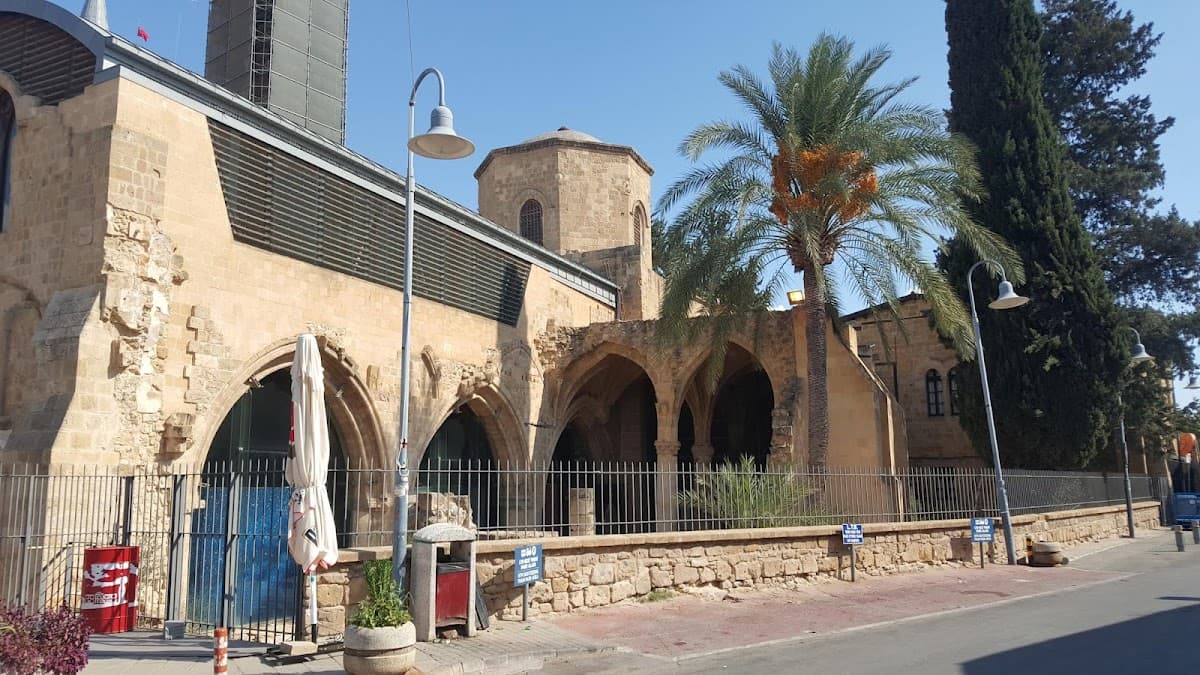
The old city wraps around both sides like a perfect star, its Venetian walls intact after 450 years. Inside, narrow streets wind past Ottoman mosques, Byzantine churches, and coffee shops where old men play backgammon for hours. But Nicosia isn't stuck in the past. The Laiki Geitonia district buzzes with galleries and restaurants, while the modern city spreads south with shopping centers and university campuses.
Most travelers skip Nicosia for the beaches, which means you get an authentic Cypriot city without the crowds. And your wallet will thank you - this is one of Europe's most budget-friendly capitals.
Best Months
MAR · APR · MAY · OCT · NOV
~24°C · moderate crowds
Culture & Context
DIVIDED CITY, DIVIDED SOUL
Nicosia is the world's last divided capital. That's not a tourism tagline — it's something you feel the moment you walk down Ledra Street and hit the UN buffer zone checkpoint. The Green Line, patrolled by UN peacekeepers since 1974, cuts through the middle of the city. South side is Greek Cypriot and uses euros. North side is Turkish Cypriot and uses Turkish lira. You can cross on foot at the Ledra Street checkpoint with a passport, and the atmosphere shifts immediately: different flags, different music from the coffee shops, different alphabet on the signs.
The city takes its divided history seriously, but the young creative generation uses it as fuel. Inside the old walled city — walls built by Venice in the 16th century — you find street art, indie galleries, pottery studios, and cafes that turn into bars after dark. The ARTos House, isnotgallery, and similar spaces are where Nicosia's arts scene actually lives.
Coffee is not optional here. It is the meeting, the negotiation, the catch-up, the business deal. Order it at a kafenion and specify: sketo (no sugar), metrio (one sugar), or glyko (sweet). Expect to sit for an hour. Cypriots operate on 'siga-siga' time — no one is in a hurry and that is considered a virtue, not a failure.
Food is communal. If you're invited to share a table, eat. Refusing hospitality is genuinely rude. Locals often end a taverna meal by bringing out free fruit or a small dessert — no request needed, just say 'efcharisto' and mean it.
Local Customs
SIGA-SIGA TIME RULES
Operate on 'siga-siga' time. Rushing people is rude. Coffee conversations routinely last two hours.
Build this into your plans.. At a kafenion, always specify your coffee sugar level when ordering: sketo (none), metrio (one teaspoon), or glyko (sweet). Ordering just 'a coffee' leaves your server guessing..
When visiting churches or monasteries, cover shoulders and knees. Men avoid shorts. This is not loosely enforced — some monasteries turn people away at the door..
Greet shopkeepers and cafe staff when you walk in. A 'yia sou' or 'kalimera' (in the morning) goes a long way. Walking in and immediately demanding service without a greeting reads as rude..
The 1974 invasion and the Cyprus Problem are deeply emotional topics. Don't bring them up unless a local does first. Even then, listen more than you talk..
Tipping is appreciated but not obligatory. If there's no service charge on the bill, rounding up or leaving €3–4 on a meal is the norm. Don't feel pressured beyond that..
In a restaurant, you may get fruit or a small sweet at the end of the meal on the house. Accept it. Saying 'gia sou sta heria sou' (health to your hands) to compliment the cook earns genuine smiles..
Don't photograph near the buffer zone or UN military installations. There are 'no photography' signs in several spots and they are enforced.. Carry your passport to cross at the Ledra Street checkpoint into North Nicosia.
EU citizens can use a national ID card, but a passport is the safest bet for everyone else.. Cash is still king in smaller establishments, local markets, and on North Nicosia's side where Turkish lira is the currency. ATMs are widely available on both sides but keep small bills handy.
Safety
RELAXED, WATCH PETTY THEFT
Nicosia is one of the safer capitals in the EU. Violent crime is rare. The main thing to watch for is opportunistic petty theft in crowded market areas and tourist spots — keep your bag zipped and your phone off café tables. Emergency number: 112 (police, ambulance, fire — works across the whole island). The general vibe is relaxed and welcoming. Solo travelers, including solo women, generally report feeling comfortable here.
The Green Line is the one genuinely unusual safety consideration. Stay on marked crossing points (Ledra Street is the main pedestrian one). Don't wander into the buffer zone — it's UN-controlled and unauthorized entry is taken seriously. Photography restrictions apply near military installations and the buffer zone itself; 'no photography' signs appear in several spots and are enforced. Avoid political conversations with officials at checkpoints — just be straightforward about your travel purpose.
If you're driving, be aware that traffic in Nicosia can get congested, particularly during rush hour, and local driving habits include running red lights and tailgating. Pedestrians don't always have right of way in practice, even when they do in law. Sidewalks in some areas are narrow or non-existent, so stay alert when walking near busy roads. And remember: Cyprus drives on the left.
Getting Around
BUSES & TAXIS ONLY
Nicosia has no trains, no metro, no trams. It's buses and taxis, full stop. The bus network is operated by Cyprus Public Transport (CPT) and covers the city with 180 routes and over 1,700 stops — more extensive than it sounds. The central hub is Solomou Square, which is a useful reference point for everything.
Single fare: €2.40 in the daytime, €4.00 after 21:00. Buses generally run 6am to 10-11pm, with reduced frequency on weekends. Download the PAME App — it's the official journey planner for all Cyprus buses and shows real-time locations. If you're a regular user, the Motion Bus Card (rechargeable) gets you cheaper fares than paying cash each time.
Getting from Larnaca Airport (the main entry point): the Kapnos Airport Shuttle runs to Nicosia and costs around €9–16 per adult depending on the operator. Book ahead during peak season.
Intercity buses connect Nicosia with Limassol, Larnaca, and Paphos for €4–9 one-way. Frequency is every 30 minutes to 2 hours depending on the route.
Taxis are available and generally safe. Uber and Bolt don't really operate here. Agree on the fare before getting in if there's no meter visible.
For crossing to North Nicosia: the Ledra Street checkpoint is walking distance from the old town center. You cross on foot, show your passport, and that's it. But the transport systems on each side are completely separate. North Nicosia runs on dolmuş minibuses and taxis that accept Turkish lira (and sometimes euros at airport). Don't assume your south-side bus pass or card works north of the line.
Here's the honest downside: renting a car is genuinely the most practical way to explore beyond the city. Public buses to villages and rural areas are sparse or nonexistent. If you're staying only in Nicosia, you're fine without one. If you want to get out to the Troodos mountains or coastal towns on your own schedule, get a car. And remember — Cyprus drives on the left.
Useful Phrases
Nicosia Itineraries
View all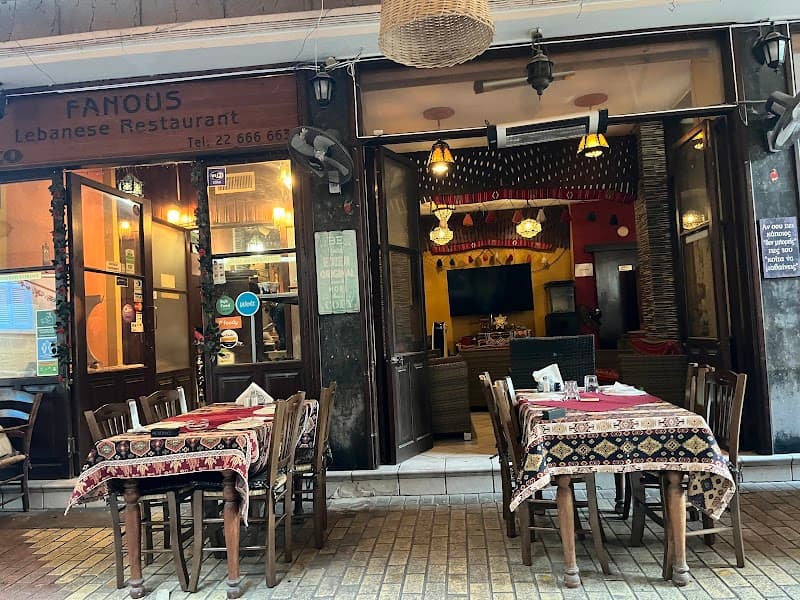
Seven Wild Days in Nicosia’s Walled City & Beyond
Week · $$$
Green Line Getaway: 3 Days in Divided Nicosia
Weekend · $$$
Green Courtyards & Divided Walls: 7 Days in Nicosia
Week · $$$
Romantic Nicosia: Walled City, Wild Greens & Quiet Nights
Weekend · $$$
7 Days in Nicosia: Green Oases, Old Walls & Family Fun
Week · $$$
Family Jungle Vibes Weekend in Nicosia
Weekend · $$$
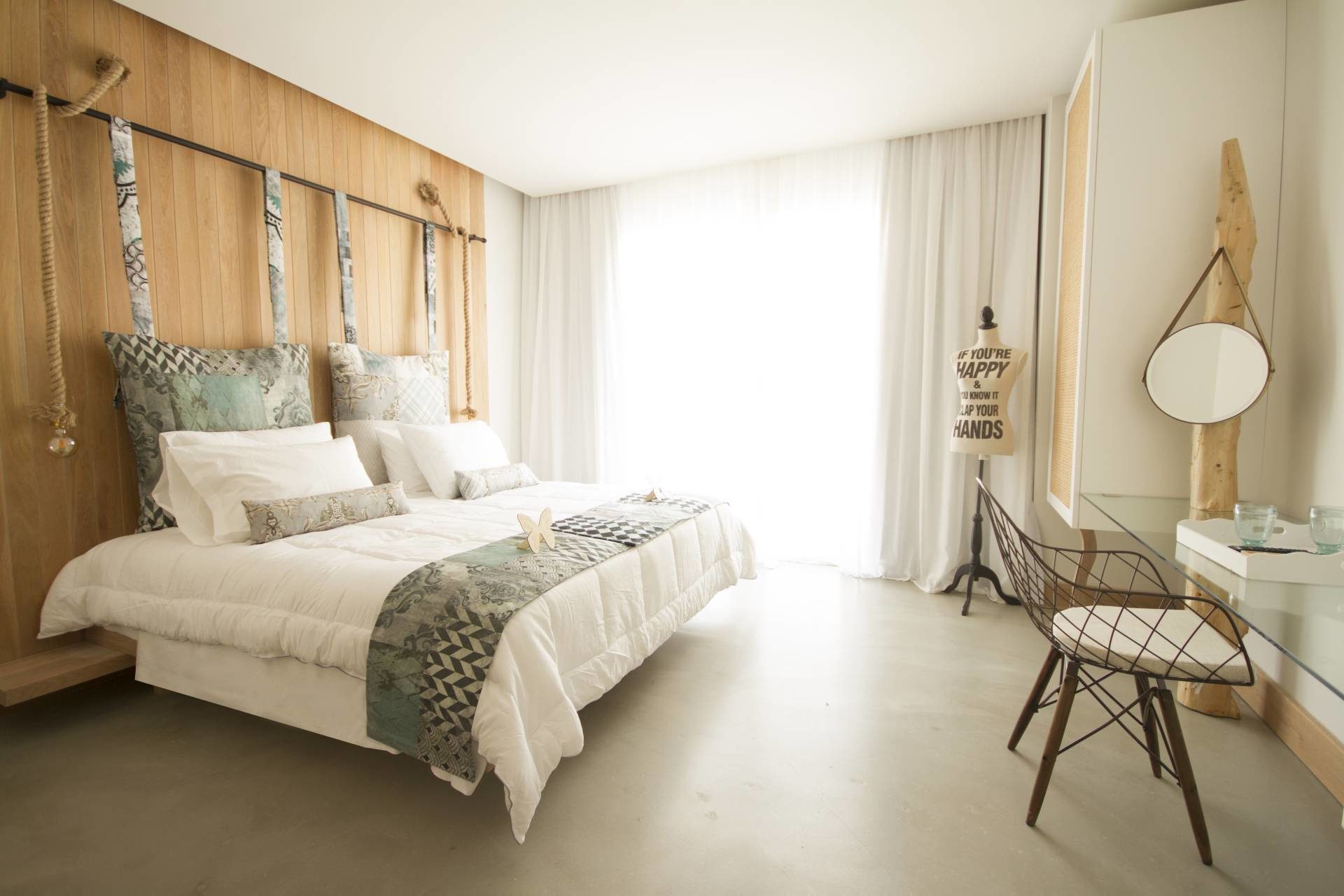
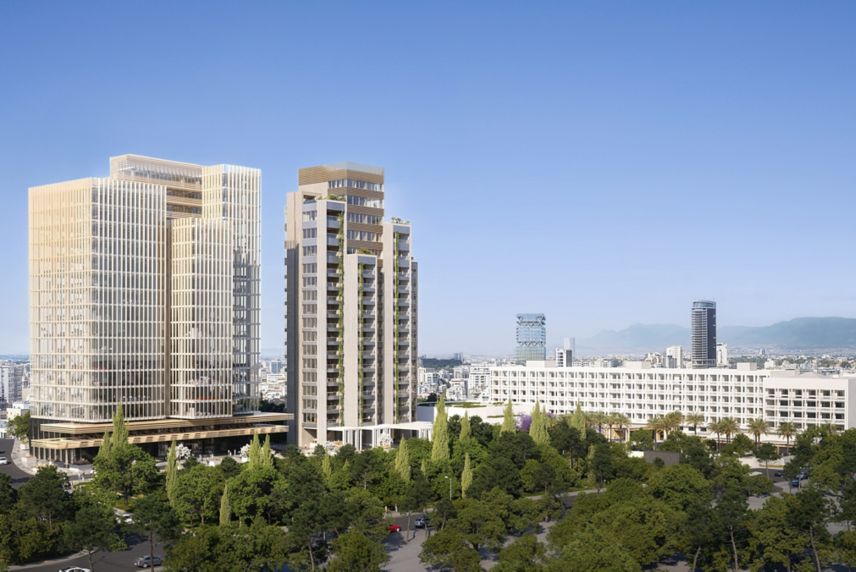
Where to Stay in Nicosia
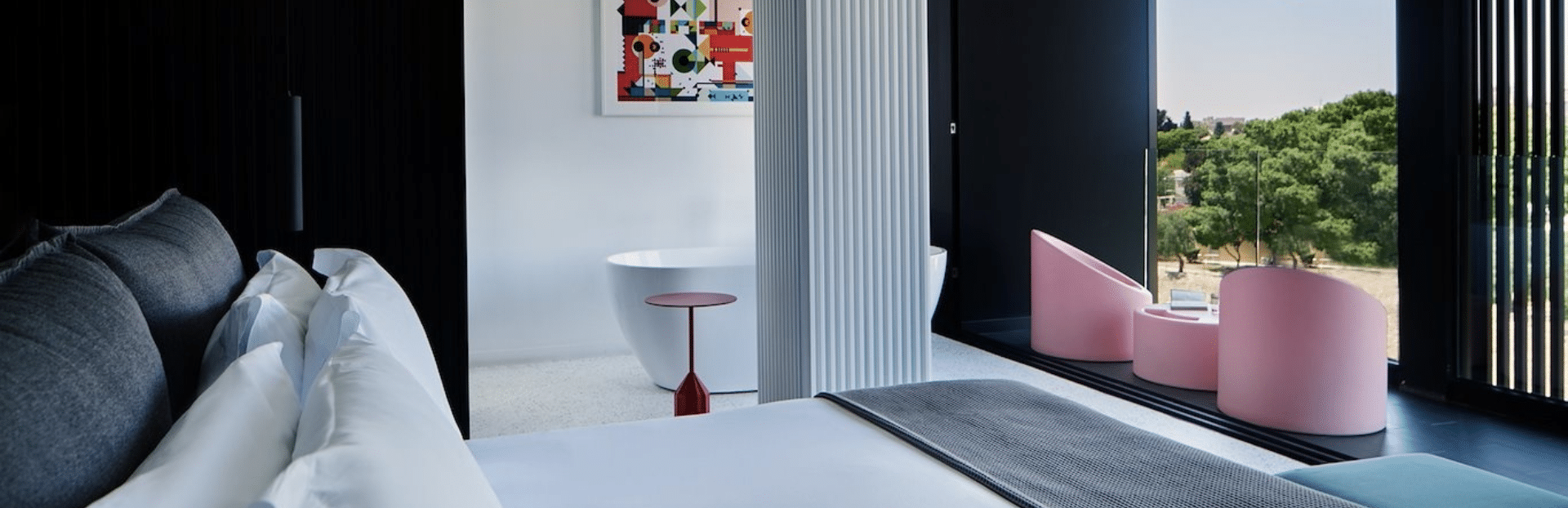
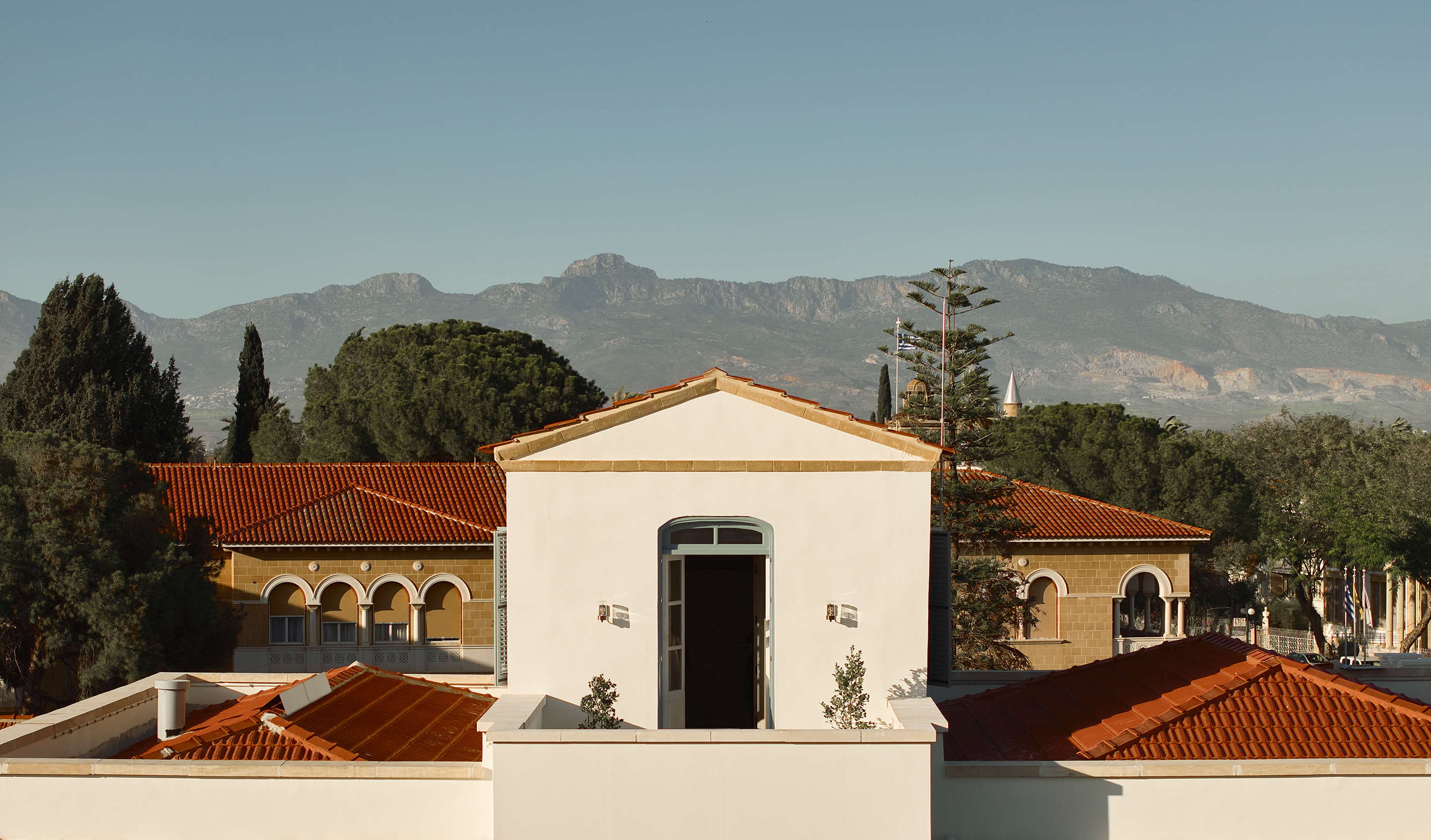
4 recommended properties
Things to Do in Nicosia
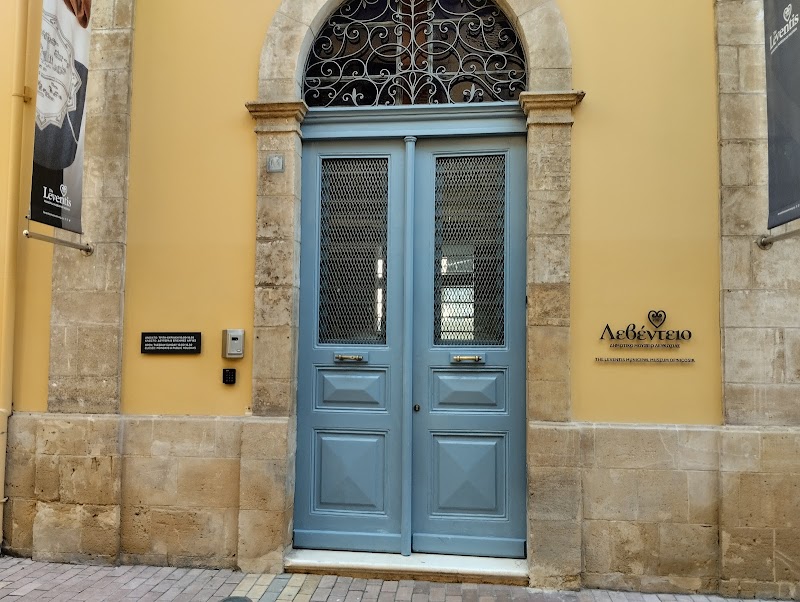
Leventis Municipal Museum of Nicosia
South Nicosia Old City · 60 min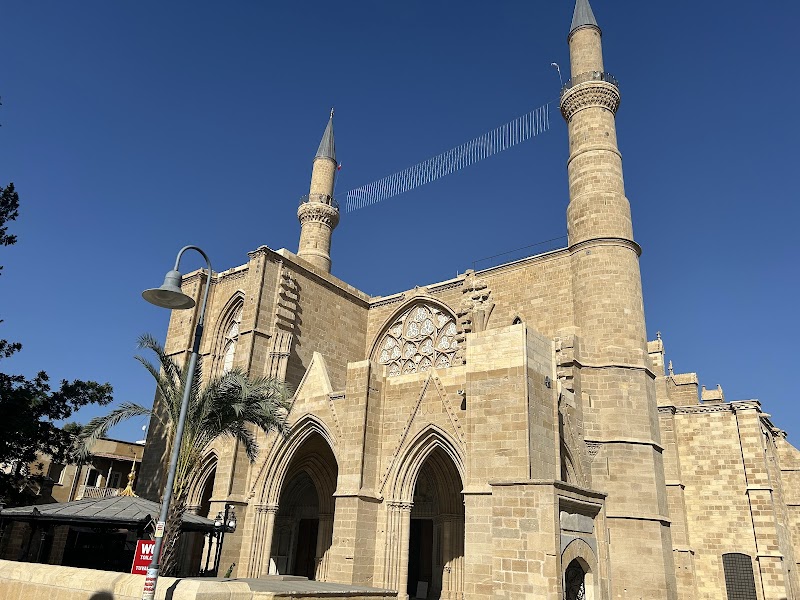
Selimiye Mosque (St. Sophia Cathedral)
North Nicosia Old City · 45 min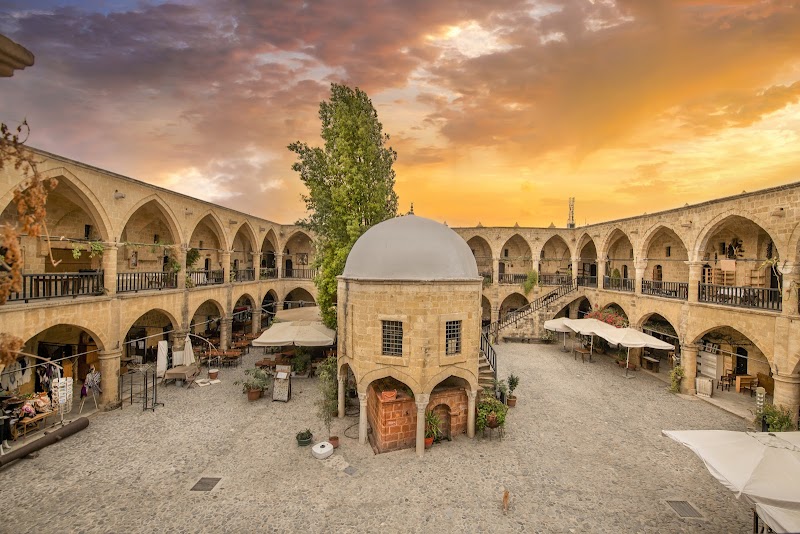
Büyük Han (Great Inn)
North Nicosia Old City · 60 minMoney-Saving Tips
- 1.Eat lunch at local tavernas instead of tourist restaurants - mezze plates cost €8-12 vs €20-25 in the old city center
- 2.Cross to northern Nicosia for cheaper drinks and meals - cocktails cost half the price across the Green Line
- 3.Stay in Chrysaliniotissa neighborhood for budget accommodation starting at €25/night vs €80+ in modern hotels
- 4.Take buses instead of taxis - day passes cost €5 vs €1.50/km taxi rates
- 5.Visit free attractions like the Venetian walls, Famagusta Gate, and walking the Green Line buffer zone
- 6.Buy groceries at local markets rather than hotel mini-bars - fresh produce costs 60% less than touristy shops
- 7.Book accommodation in March-May or October-November when prices drop 30-40% from peak summer rates
Travel Tips
- •Bring your passport for crossing between north and south Nicosia - the checkpoint requires ID even for EU citizens
- •Download offline maps before exploring the old city - medieval streets don't follow logical patterns and GPS struggles
- •Learn basic Greek phrases for the south and Turkish for the north - locals appreciate the effort and service improves
- •Dress modestly when visiting mosques and churches - cover shoulders and knees, remove shoes at mosque entrances
- •The Green Line crossing closes at midnight - plan your evening accordingly if staying on one side and dining on the other
- •ATMs in northern Cyprus dispense Turkish lira, not euros - exchange money or use cards that don't charge foreign transaction fees
- •Tap water is safe to drink throughout the city, but locals prefer bottled water due to taste from desalination plants