Barcelona
Gaudí's architectural wonderland meets Mediterranean beach culture
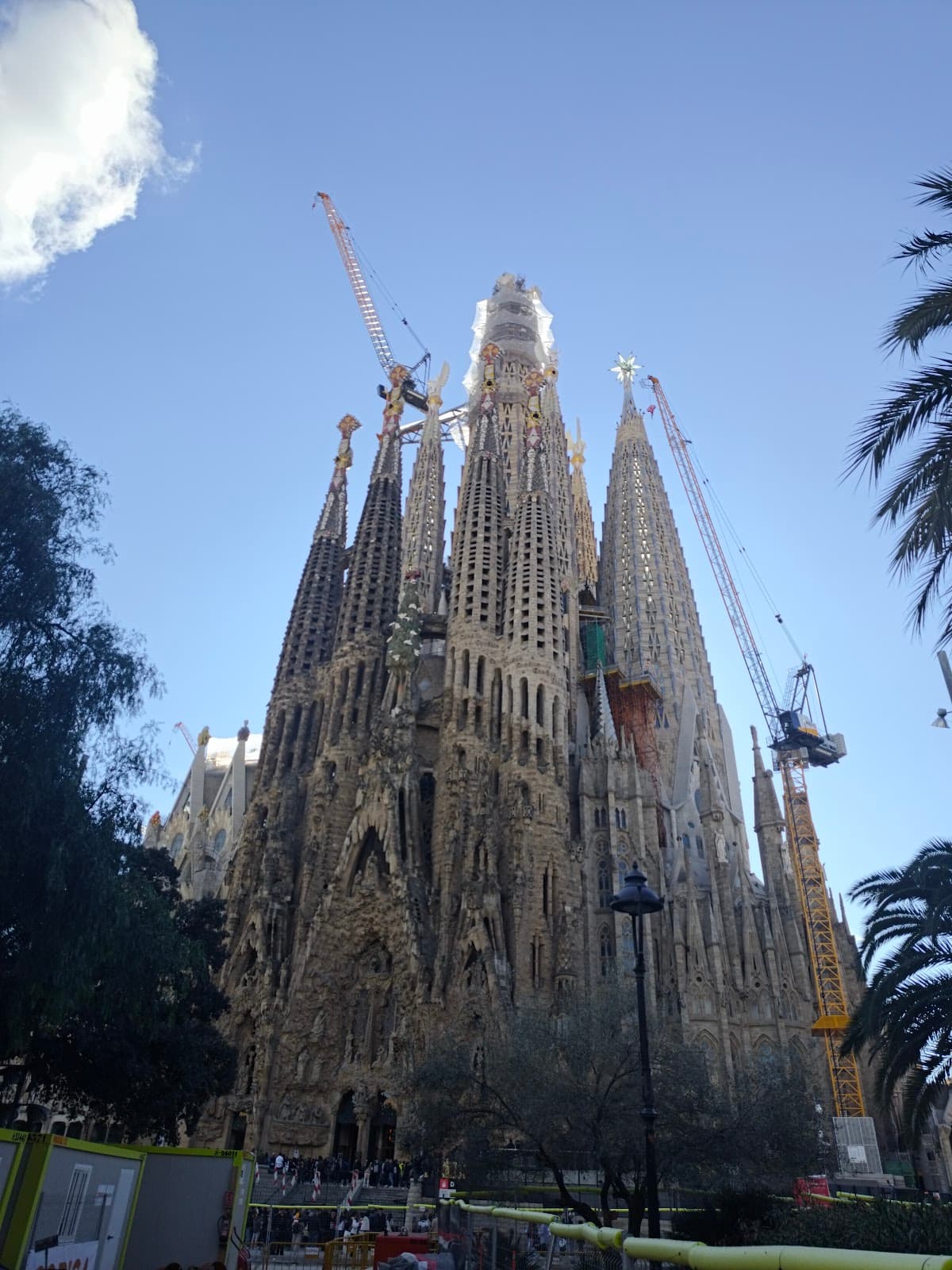
Barcelona hits different. One minute you're gawking at Gaudí's impossible spires at Sagrada Família, the next you're sipping vermut at a sidewalk café in Gràcia. This is a city where medieval Gothic quarters bump up against modernist masterpieces, where you can hit the beach at noon and catch flamenco at midnight. The Catalan capital doesn't just blend art and life — it makes them inseparable. Sure, the crowds at Park Güell can be intense, and yes, the pickpockets on Las Ramblas are real. But Barcelona's energy is infectious. The locals eat dinner at 10pm, the museums stay open late, and there's always another hidden plaza around the corner. Here's how to make the most of it.
Best Months
APR · MAY · JUN · SEP · OCT
~25°C · high crowds
Culture & Context
CATALAN PRIDE RUNS DEEP
Barcelona is not just Spain — and locals will notice quickly if you treat it like it is. This is Catalonia, an autonomous region with its own language, identity, and fierce sense of independence. The political debate around Catalan independence from Spain is ongoing and deeply felt. You will see Catalan flags on balconies and the occasional independence slogan painted across a wall. Don't wade into that conversation unless a local invites you in. And never call Catalan a "dialect" — it is its own language with its own grammar, literature, and history. That's the surest way to get a cold shoulder at a bar.
The city runs on a different clock than most of Europe. Lunch is at 2 PM, not noon. Dinner starts after 9 PM. Locals head to bars around midnight. Clubs don't fill up until 2 or 3 AM. If you arrive at a club at 11 PM, you'll be drinking alone. The smaller, more interesting shops close for siesta between 2 and 5 PM, so plan accordingly.
2026 is a genuinely significant year for the city on two fronts. Barcelona has been named the World Capital of Architecture, with exhibitions, open days, architectural routes, and installations running across all 10 districts from February through December. On top of that, 2026 marks the centenary of Antoni Gaudí's death — so expect extra programming around the Sagrada Família (which is expected to reach completion this year or next), Casa Batlló, and La Pedrera. Book your Sagrada Família tickets at least a month in advance through the official basilica website. Seriously. They sell out.
One tension worth knowing: anti-tourism sentiment is real and visible. You may see "Tourists Go Home" graffiti in Eixample, or hear about the water-gun protests that made headlines. Housing costs have been pushed up by tourism demand and short-term rentals, and residents feel squeezed out. Travelers are not being physically targeted, but showing basic respect — learning a few local phrases, eating off Las Ramblas, not renting out apartments that should be housing people — goes a long way. The city genuinely thrives on tourism but is openly asking for a different kind of tourist.
Local Customs
DINNER AFTER 9 PM
Lunch is at 2 PM and dinner starts after 9 PM. A restaurant that's empty at 8 PM is not bad — it's just early. Wait it out..
Locals hit bars around midnight and clubs between 2 and 3 AM. Showing up to Apolo or Razzmatazz before midnight means you're the only one there. The tourist clubs near Port Olímpic play bad music and charge double.
Skip them.. Small, independent shops close for siesta between 2 and 5 PM. Big chains stay open.
Plan your browsing around this.. Tipping is not mandatory but appreciated. Round up the bill or leave 5-10% for genuinely good service in restaurants.
At bars, locals pay the exact amount and leave. Don't overthink it.. You will be charged for the bread basket ('pan y servicio') unless you refuse it when it arrives.
If you didn't ask for it, you don't have to pay for it.. Catalan is not Spanish. Never call it a dialect.
Attempting even one phrase in Catalan — 'bon dia', 'gràcies', 'bon profit' — will get you further than any amount of perfect Castilian.. Greetings between people who know each other are two kisses, starting on the left cheek. Handshakes are for formal or first-time professional introductions..
Alcohol in public spaces — streets, parks, beaches — is prohibited and carries significant fines. This catches a lot of visitors off guard.. Smoking is banned on public transport, in public buildings, and on beaches.
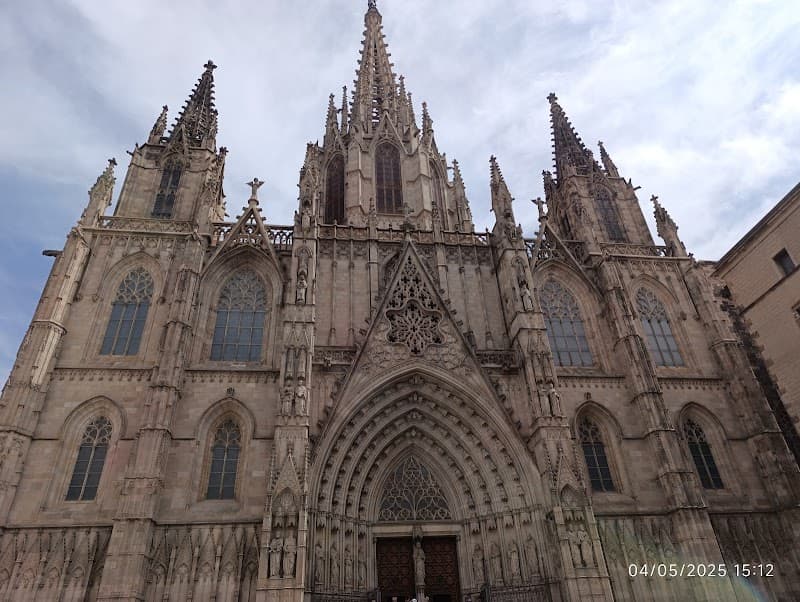
Fines apply.. Cover your shoulders and knees when entering religious sites like the Sagrada Família or Barcelona Cathedral. Bring a scarf or wrap — they sometimes refuse entry without it..
Calling their football team 'Barca' (without the accent on the 'a') marks you immediately. FC Barcelona fans say 'Barça'. 'Barca' means small boat in Spanish..
Anti-tourism sentiment is real in 2026. Don't walk around half-dressed outside of beach areas, don't be loud on residential streets late at night, and avoid the most egregious tourist traps. The city wants visitors who engage, not just consume.
Safety
WATCH FOR PICKPOCKETS
Barcelona is safe for tourists in the way that most major European cities are safe: violent crime against visitors is rare. But look, it holds the reputation as Europe's pickpocket capital, and that's not unfair. Thousands of incidents are reported monthly. These are professional operations — calm, fast, and usually involve a distraction. Someone asks for directions, spills something on you, or crowds you on the metro steps. By the time you notice, the wallet or phone is gone. The most targeted spots: Metro Lines 1 and 3, La Boqueria market, Las Ramblas, Plaça Catalunya, the Gothic Quarter, and Barceloneta after midnight. Wear a crossbody bag with a zip, keep it in front of you. If you're using Google Maps, put your phone back in your pocket between checks — "snatch and run" is especially common near metro doors as they close. A phone leash tethering your device to your bag is worth buying before you arrive. Some people carry a dummy wallet with expired cards and a small amount of cash.
In 2026, anti-tourism protests continue to make headlines. You may see graffiti saying "Tourists Go Home" in Eixample or encounter the occasional water-gun activist in the old city. These are not physically threatening to visitors — they're expressions of genuine frustration over housing costs and neighborhood displacement. Don't engage, don't photograph protesters up close without permission, and just keep walking.
El Raval south of Carrer de Sant Pau gets sketchy after midnight. Barceloneta's promenade near Port Olímpic is theft-heavy late at night when the clubs close. After 11 PM on Plaça Reial and Carrer Ferran, your chances of an encounter go up noticeably. Stick to well-lit, populated areas late at night and you'll be fine. Emergency number in Spain: 112. To report a theft, find a Mossos d'Esquadra (Catalan Police) station. There's also a S.A.T.E. (Foreign Tourist Assistance Service) office in the city center for lost documents. The U.S. Consulate General Barcelona is reachable at +34-93-280-2227.
Getting Around
METRO & BUS NETWORK
Barcelona's public transport is genuinely excellent and covers almost everywhere you'll want to go. The metro has 12 lines (L1-L12), each color-coded, running every 2-5 minutes at peak times. Hours: Monday to Thursday 5 AM to midnight, Friday and eve of public holidays until 1 AM, and all night on Saturdays. When the metro stops, the NitBus takes over from 10:30 PM to 5:30 AM, connecting Plaça de Catalunya to most corners of the city.
Tickets: Single ride is €2.90. The T-Casual card (10 rides, Zone 1) costs €13 and covers metro, bus, tram, and FGC trains — it's the best value for a multi-day stay if you don't want unlimited rides. The Hola BCN tourist pass offers unlimited transport (including the airport metro): 2-day €16.30, 3-day €23.70, 4-day €30.80, 5-day €38. For most visitors who'll take multiple daily trips, the Hola BCN card pays for itself fast. Note: the airport metro (L9 Sud) requires a separate airport supplement ticket at €5.90 — standard Zone 1 tickets and T-Casual don't cover it.
Airport: Barcelona-El Prat (BCN) is about 15 km southwest. The L9 Sud metro from T2 reaches Passeig de Gràcia in roughly 25 minutes. If you land at T1, a free shuttle connects T1 to T2. Taxi from airport to city center: fixed rate around €35-40. Uber and Cabify also operate — professional licensed drivers, not peer-to-peer. Black-and-yellow metered taxis are safe and available city-wide; apps like FreeNow work well.
Zone 1 covers virtually the entire city center plus Park Güell, Barceloneta, and even some coastal suburbs. 95% of tourist trips never leave Zone 1. For day trips (Sitges is Zone 5, Montserrat is Zone 4), you'll need a higher-zone ticket.
Bus network runs on 5-15 minute frequencies during the day. Buses are air-conditioned, wheelchair accessible with retractable ramps, and many 2026 models have USB charging. Good for neighborhoods the metro misses — Park Güell, Tibidabo, Poblenou coastal areas. Trams (Trambaix and Trambesòs) run in outer neighborhoods and accept the same integrated ticket.
Apps to download: TMB (official, real-time metro and bus arrivals), Citymapper (excellent for multi-modal routes), AMB Mobilitat (for NitBus locations). One universal warning: watch your bag on the metro, especially on L1 and L3 through the old city stations. Keep backpacks on your front in crowded cars and at Plaça Catalunya transfers.
Useful Phrases
Explore Destinations
Explore the Region
Barcelona Itineraries
View all
Seven Slow Days in Modern Minimalist Barcelona
Week · $$$$

Barcelona Days 3-4: Old City to Montjuïc
Weekend · $$$
Barcelona Culture, Gaudí, and Old-World Streets
Weekend · $$$
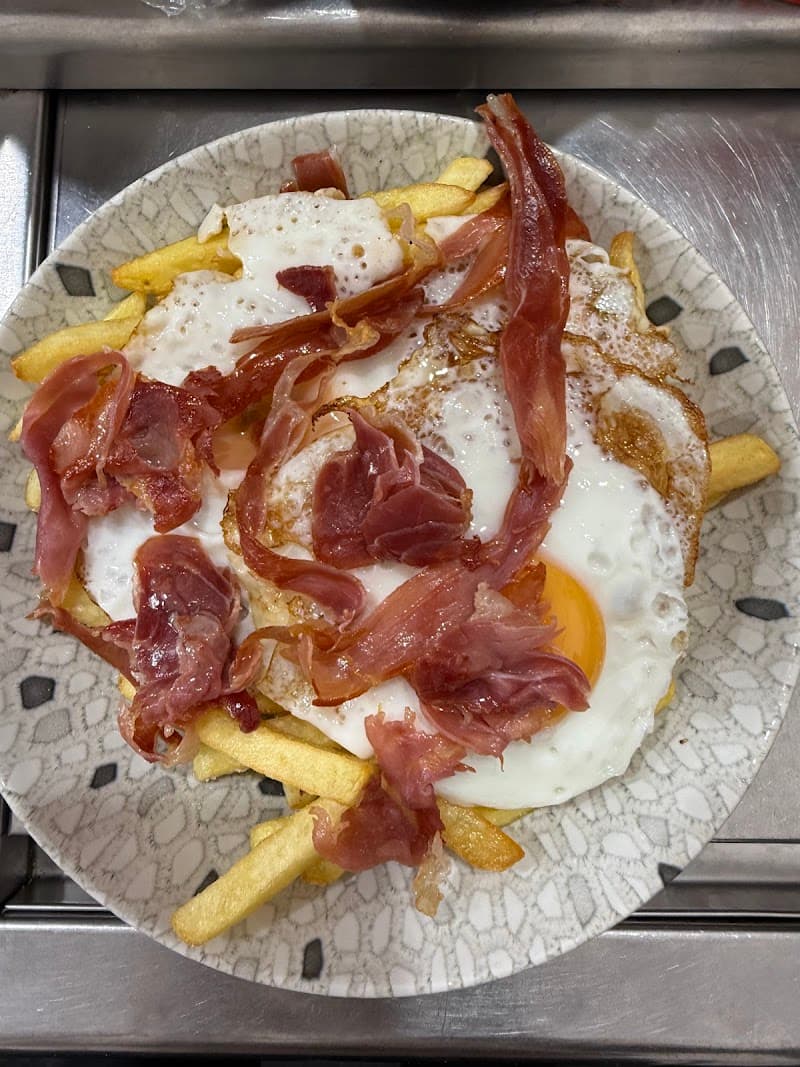
Three Catalan Nights in Barcelona: Food, Music & Wine
Weekend · $$
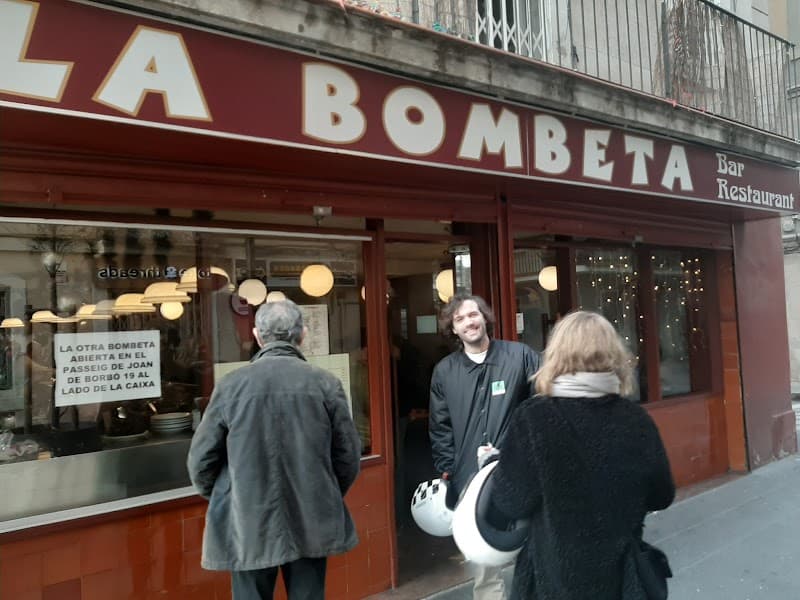
Barcelona Beach & Old Town Adventure Day
Weekend · $$$
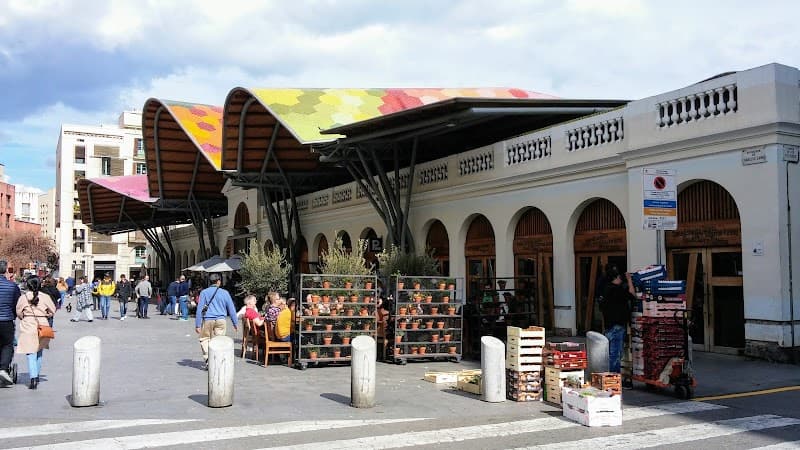
Slow Food Day in Barcelona’s Heart
Weekend · $$$
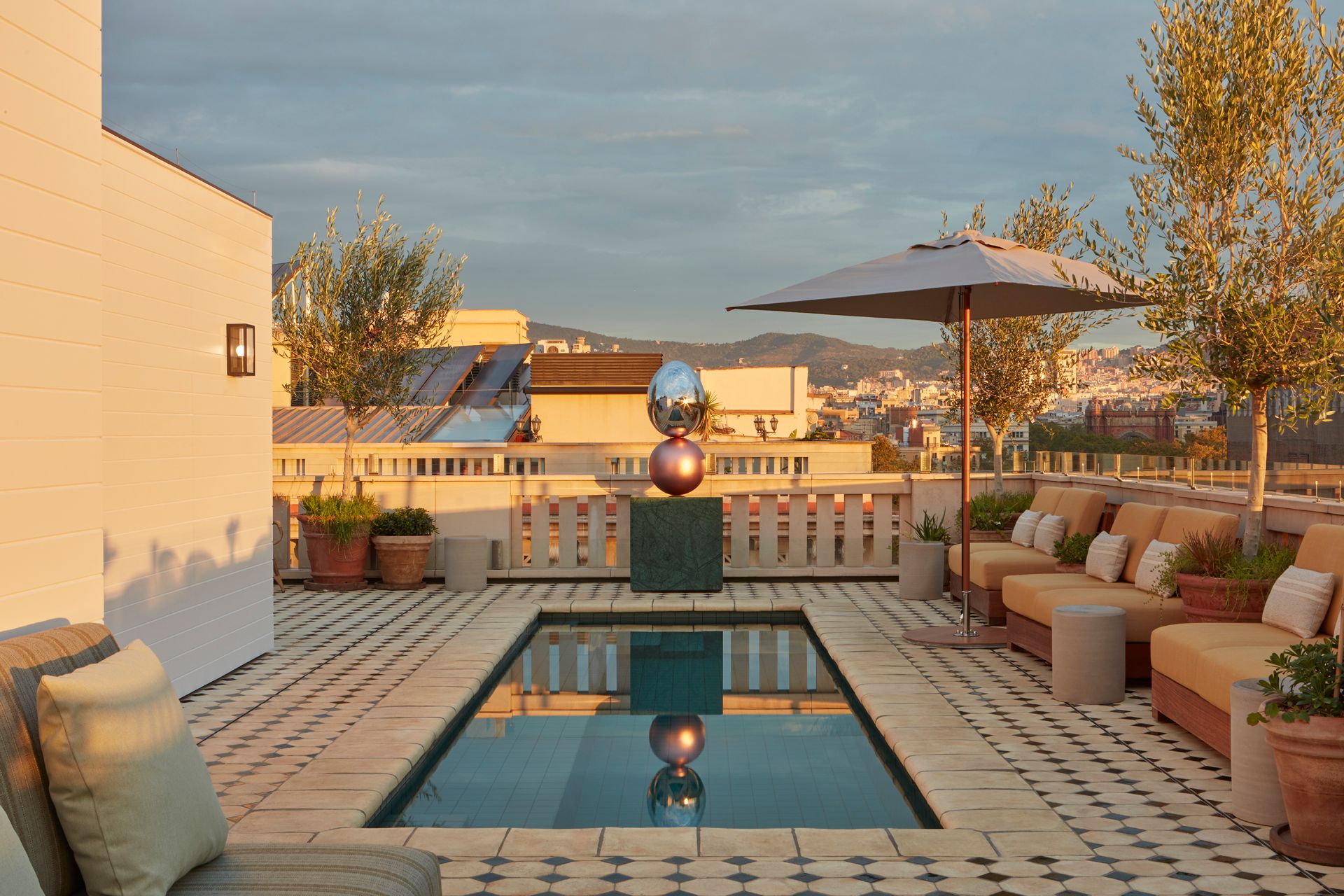
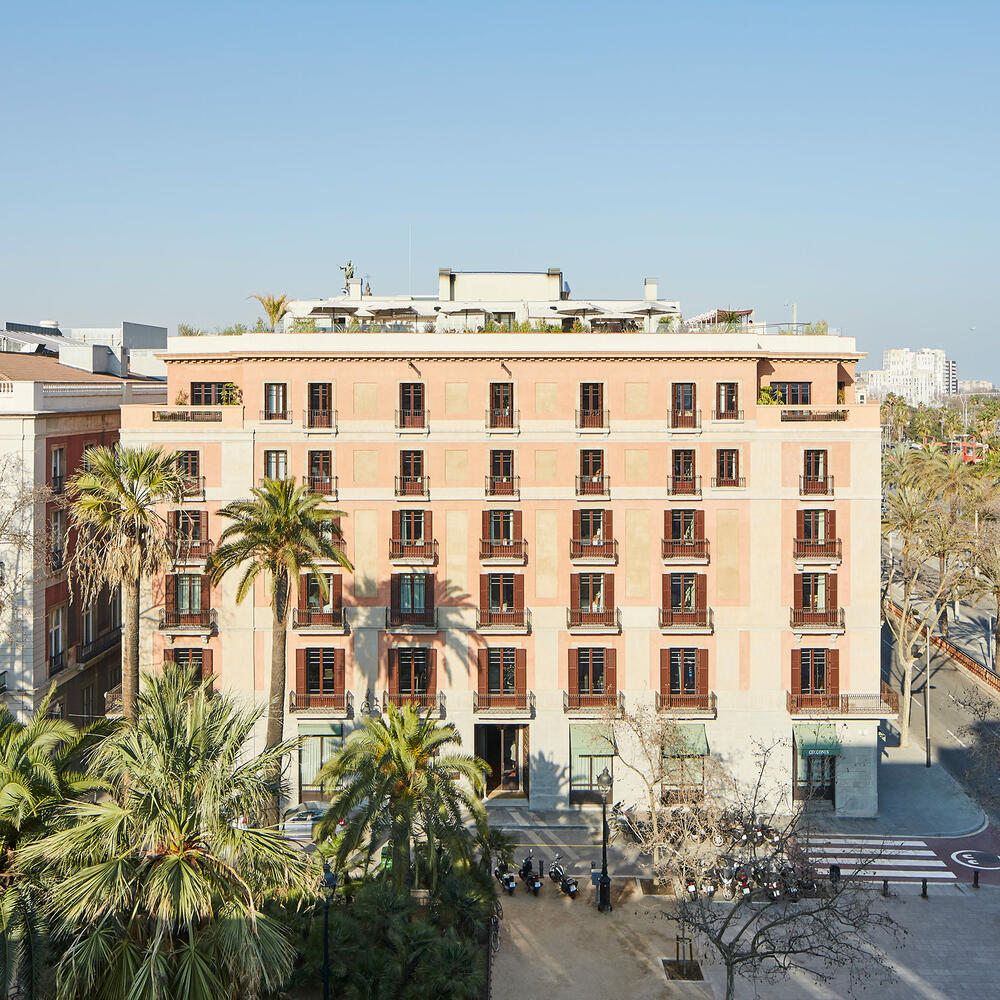
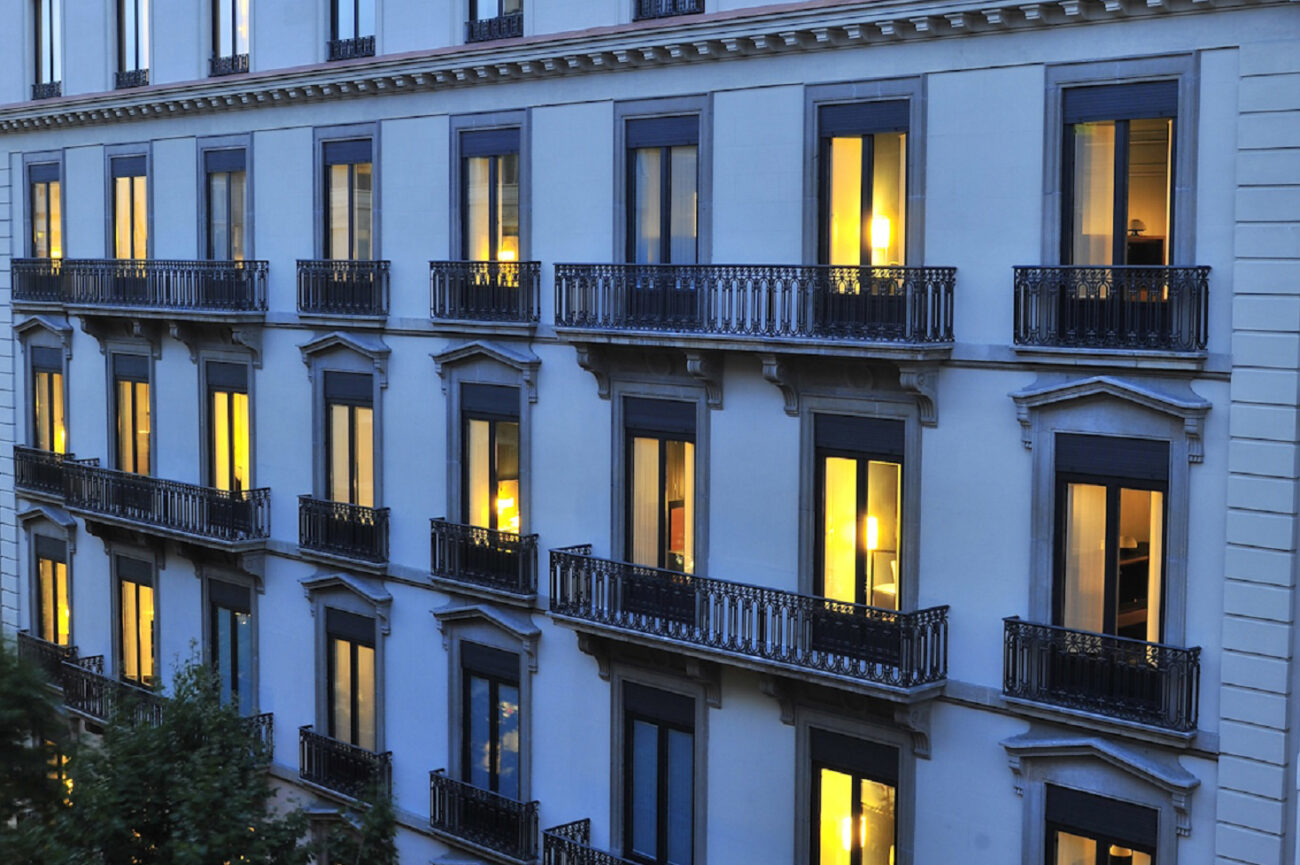
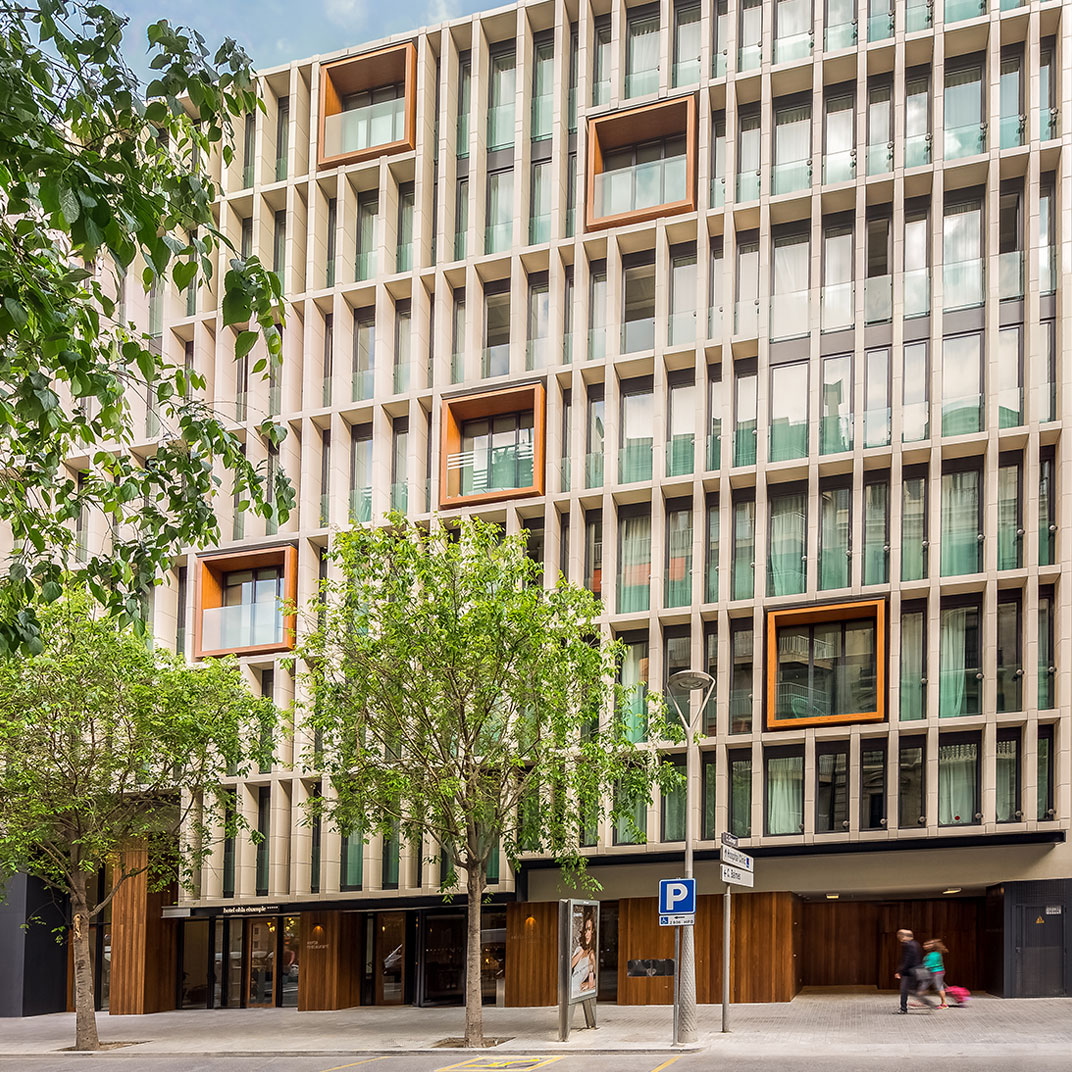
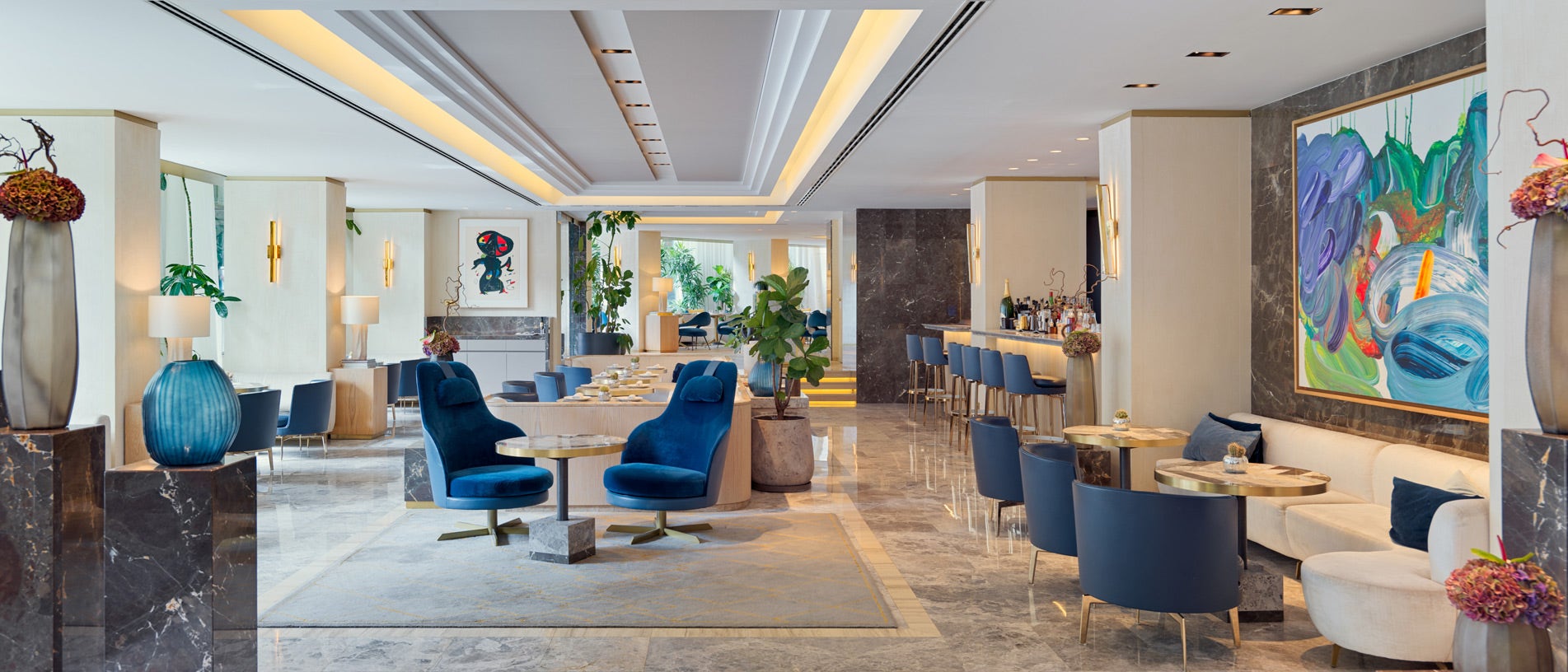
Where to Stay in Barcelona
9 recommended properties
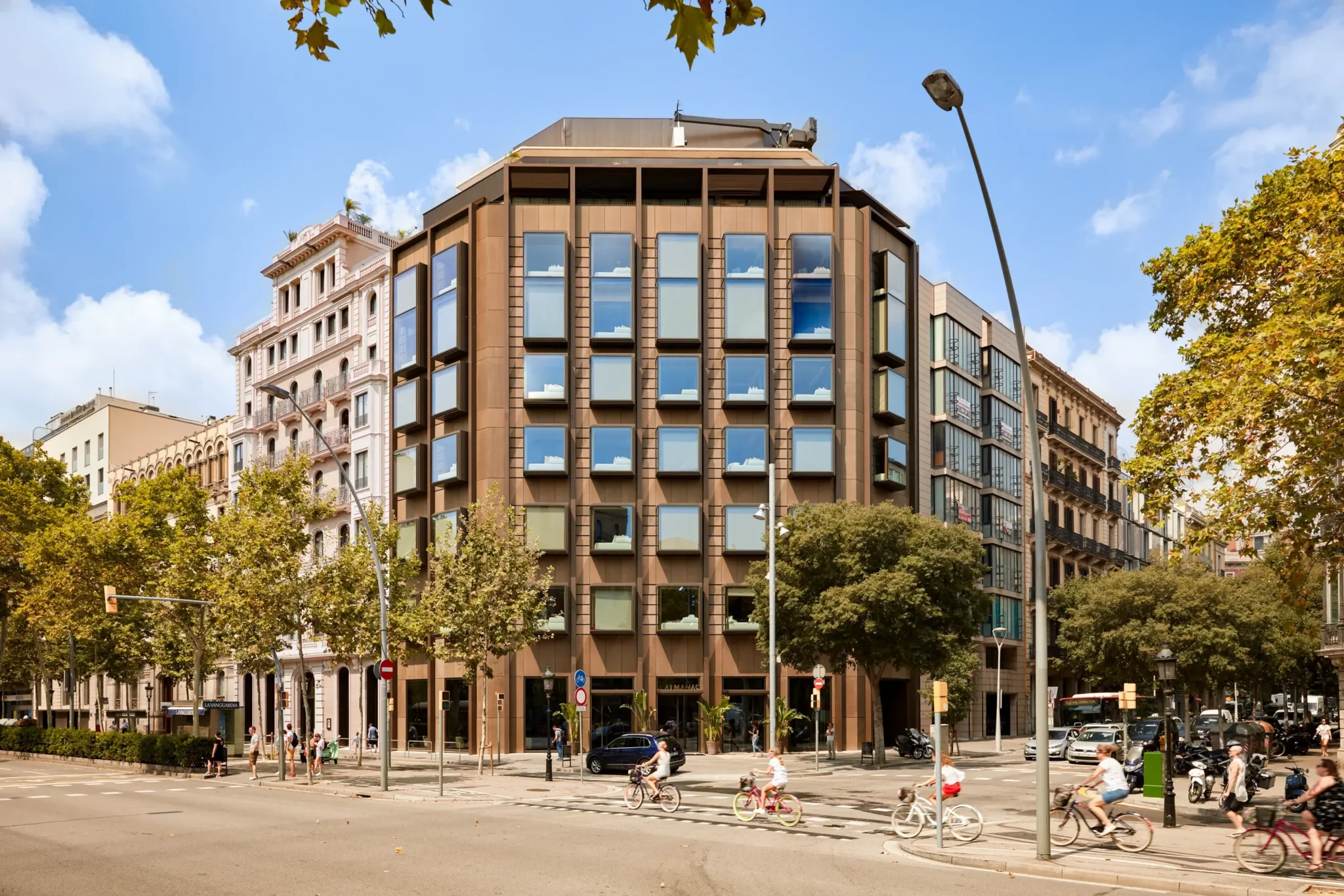
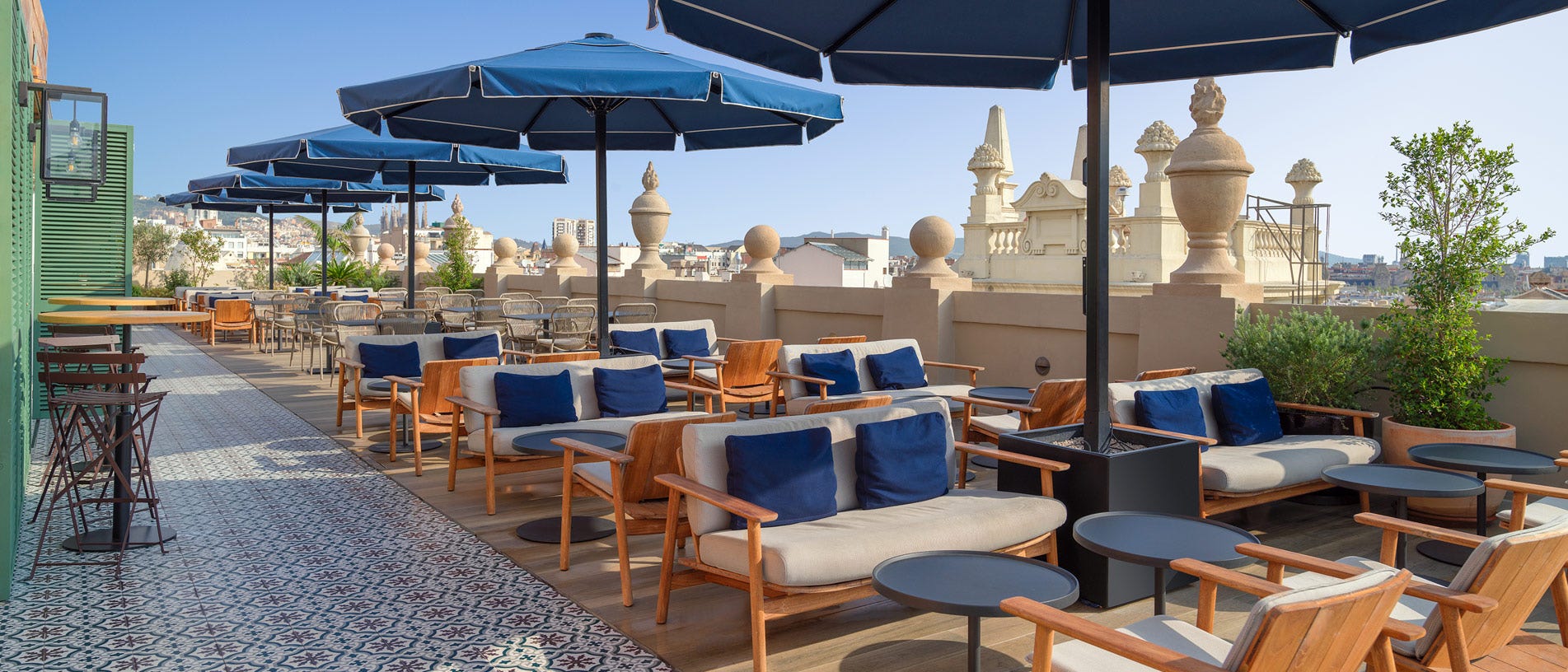
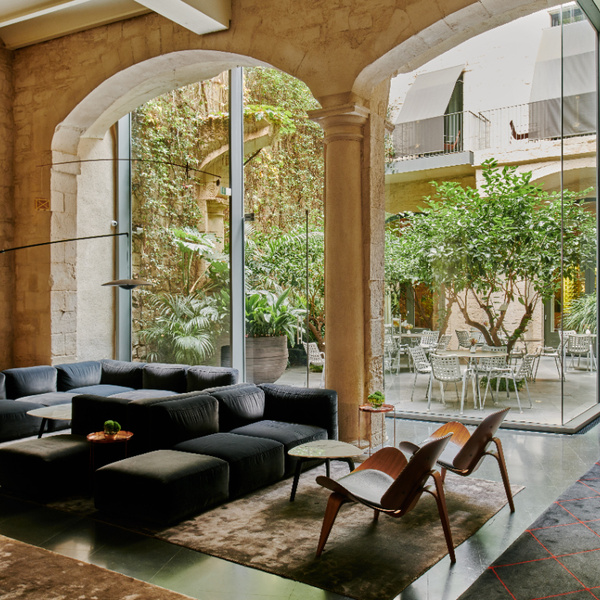
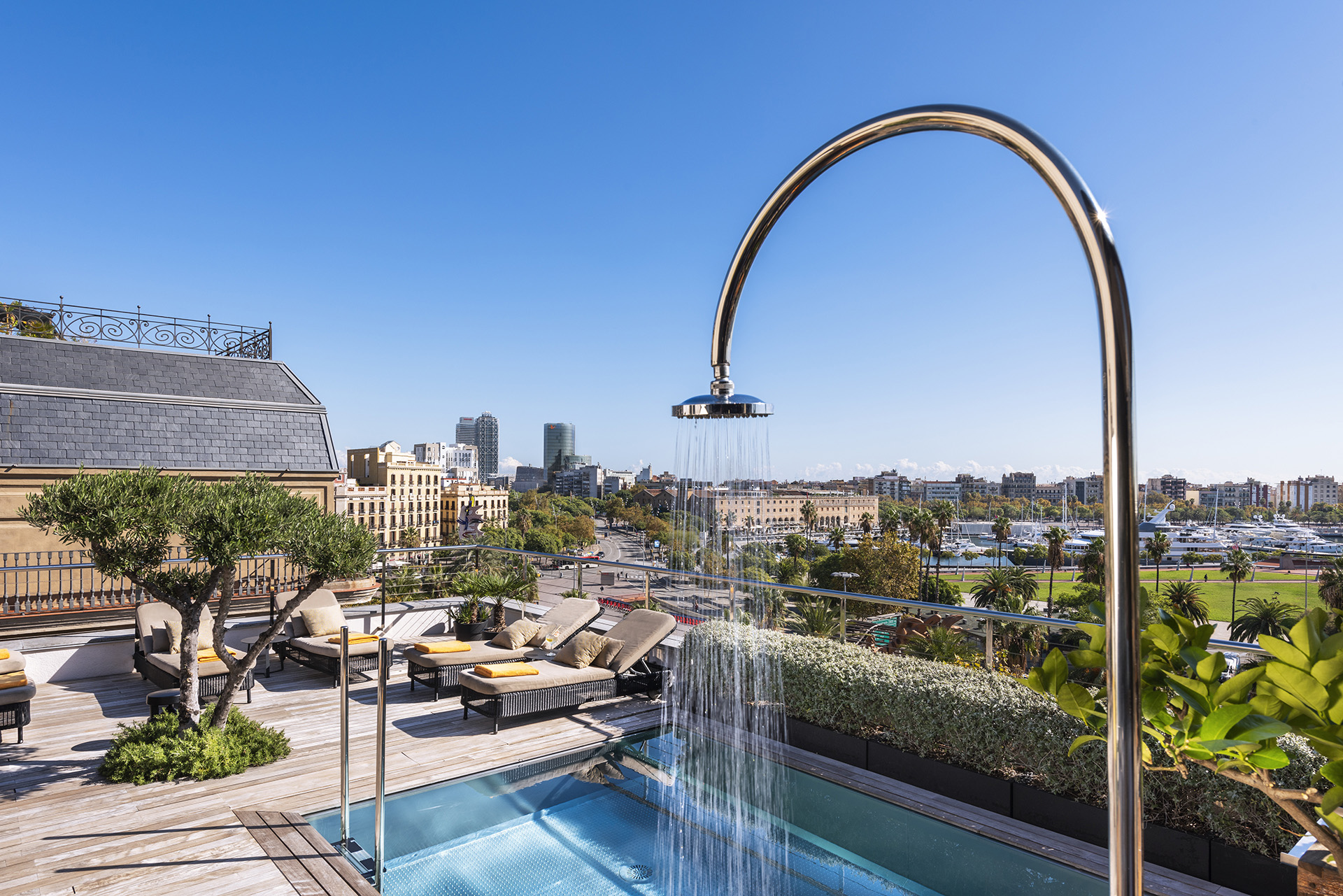
Things to Do in Barcelona
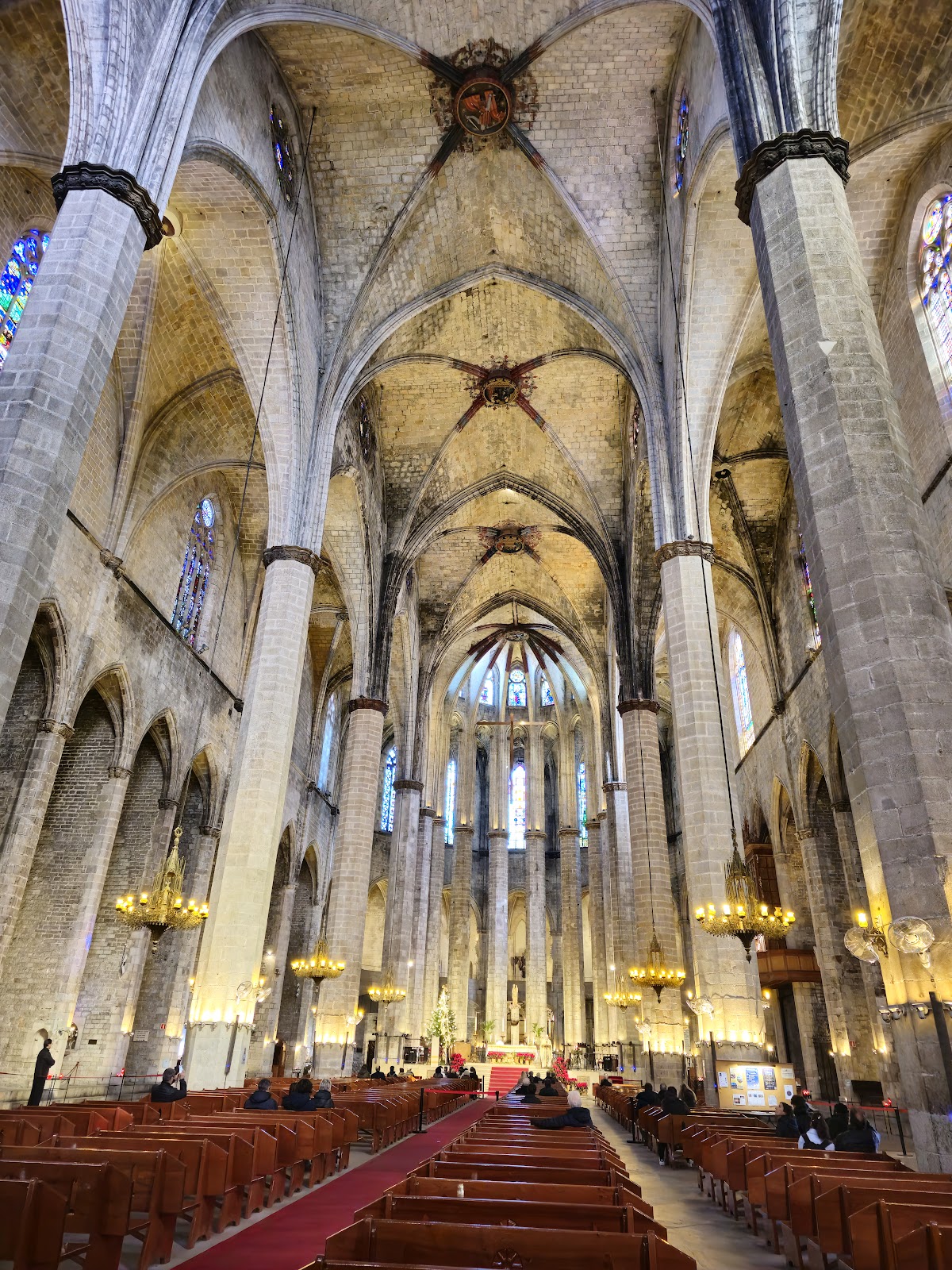
Basílica de Santa Maria del Mar (Dawn Visit)
El Born · 90 min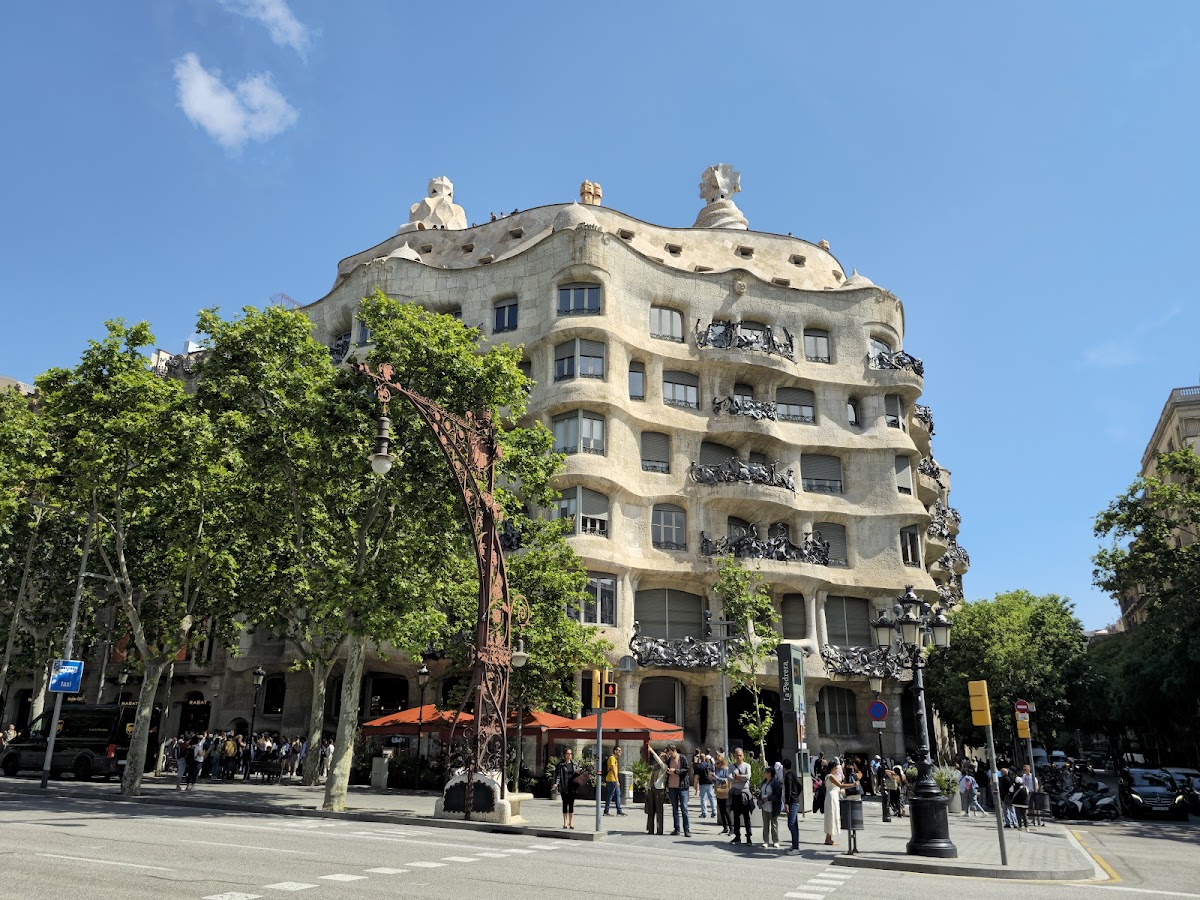
La Pedrera Night Experience
Eixample · 120 min
Flamenco Show at Tablao on La Rambla
La Rambla / Ciutat Vella · 120 minMoney-Saving Tips
- 1.Buy a T-10 metro card (€11.35) instead of single tickets — it saves €3-4 per day and works on all public transport
- 2.Eat lunch at local bars before 3pm for €12-15 menu del día deals instead of paying dinner prices
- 3.Skip the expensive beach clubs — bring your own drinks to the free public beaches like Bogatell
- 4.Book Sagrada Família tickets online in advance (€26) to avoid the €6 audio guide surcharge at the door
- 5.Shop at Mercadona or Caprabo supermarkets for groceries — a bottle of wine costs €3-5 vs €25+ at restaurants
- 6.Take the regular train (R2 Nord) from the airport for €4.60 instead of the Aerobús at €5.90
- 7.Many museums offer free entry on the first Sunday afternoon of each month for EU residents
- 8.Drink standing at the bar — table service adds 20-30% to your bill at most cafés
Travel Tips
- •Learn basic Catalan greetings like 'bon dia' — locals appreciate the effort over Spanish
- •Avoid Las Ramblas for food and shopping — it's tourist trap central with inflated prices
- •Book restaurant reservations for 10pm or later when locals actually eat dinner
- •Keep your bag zipped and in front of you on the metro — pickpockets target distracted tourists
- •Download the Citymapper app — it's more accurate than Google Maps for Barcelona public transport
- •Siesta is real — many shops close 2-5pm, especially in residential neighborhoods like Gràcia
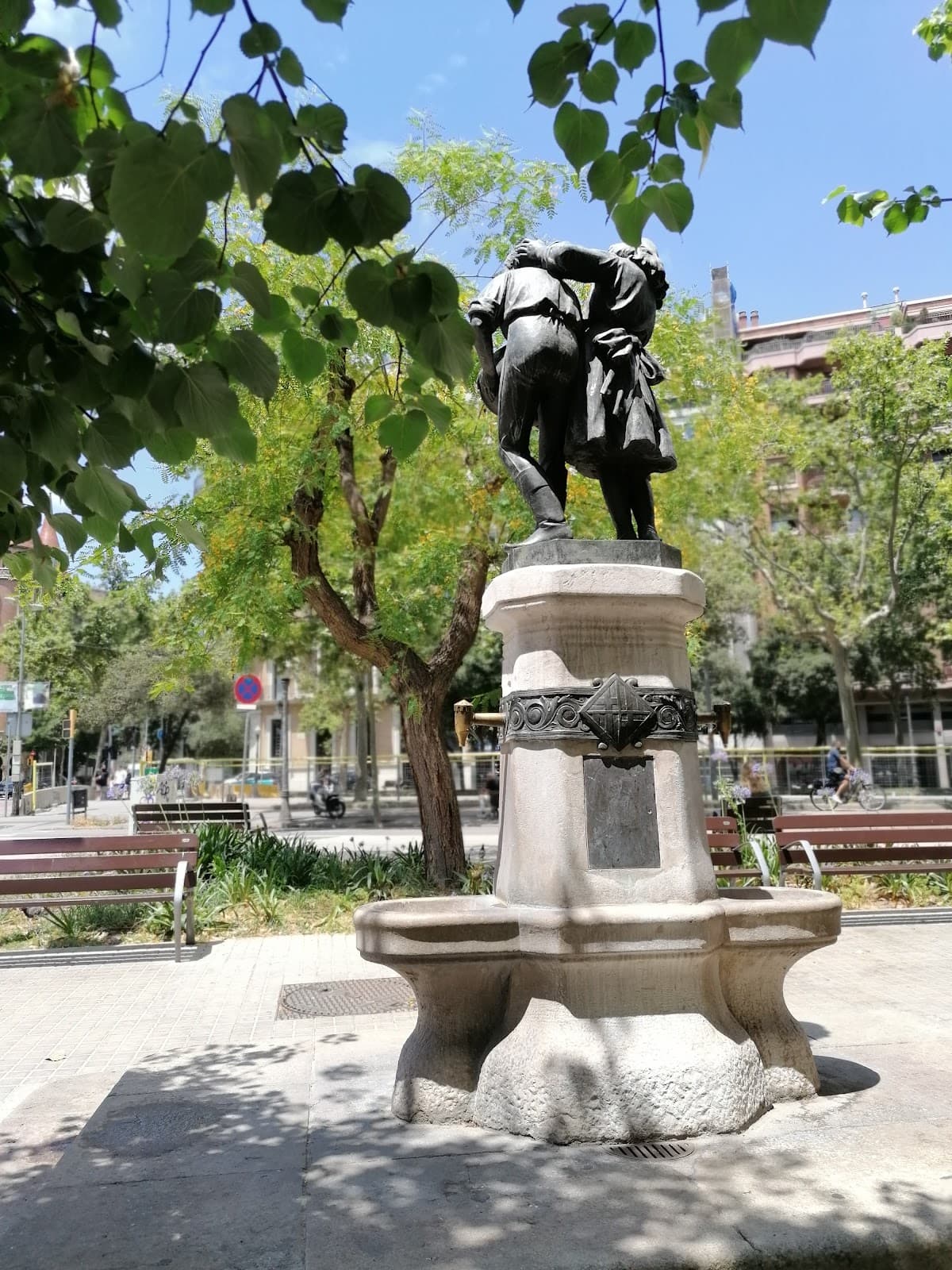
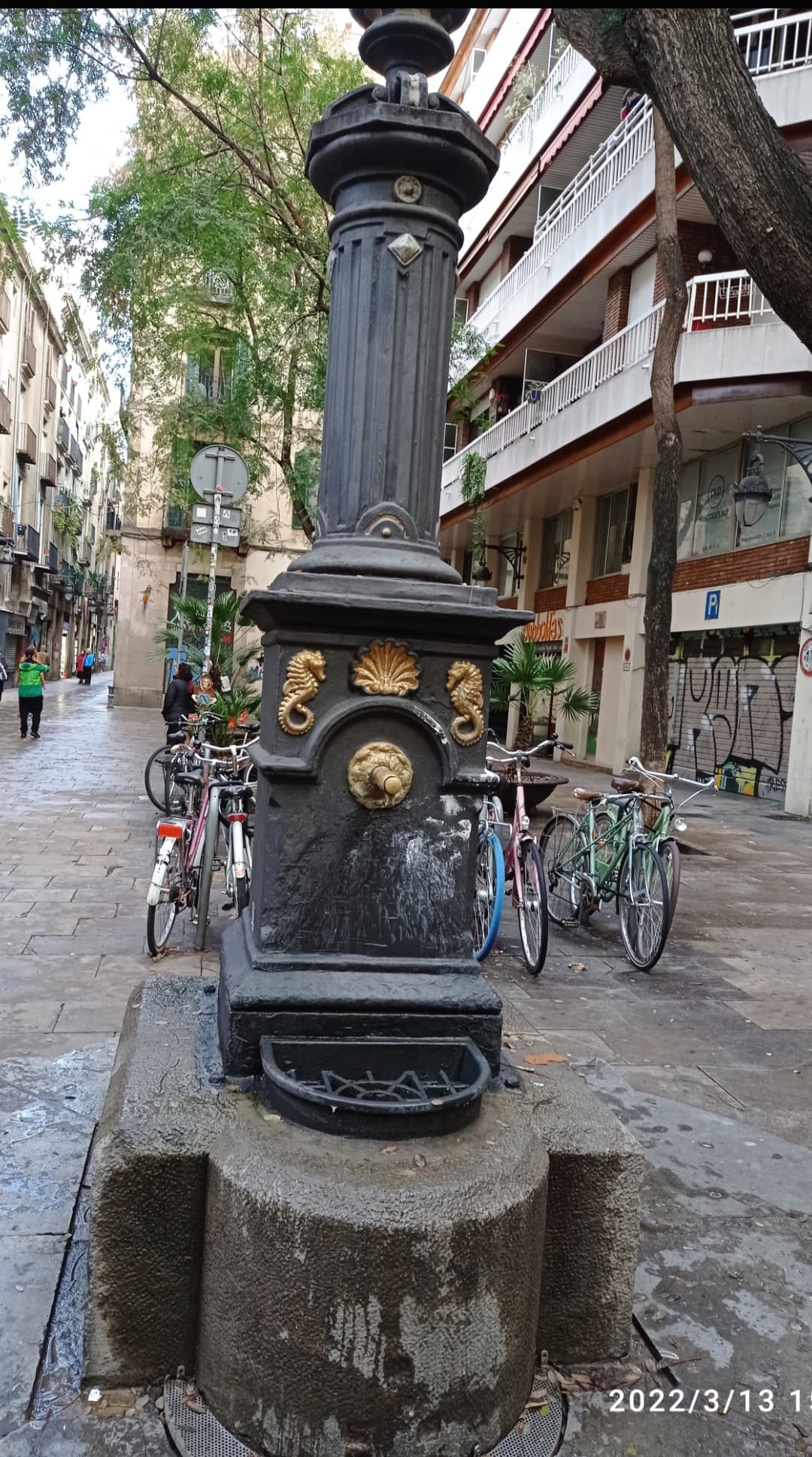
- •Bring a reusable water bottle — tap water is safe and public fountains are everywhere
- •Pack layers for spring and fall — mornings can be cool while afternoons get warm
- •The beach has free WiFi, showers, and bathrooms — no need to pay for expensive beach clubs
- •Sunday vermouth (vermut) is a local tradition — join the crowds at neighborhood bars around 1pm