
Carcassonne
Medieval fortress city frozen in time
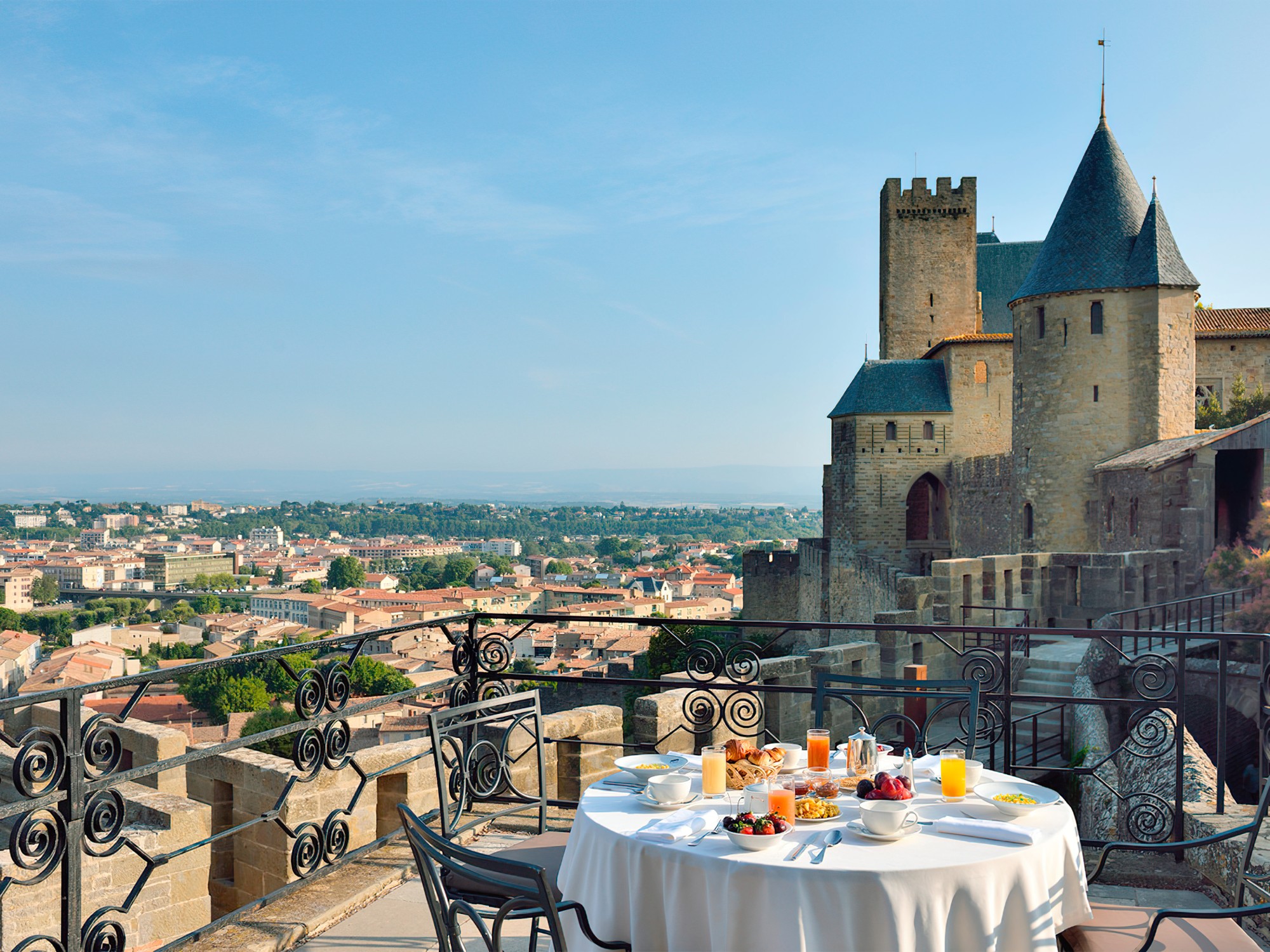
Step through the ancient gates of Carcassonne and you'll swear you've time-traveled to the 13th century. This isn't some Disney recreation — it's the real deal. Double-walled fortifications rise from the Aude River valley, encircling a living medieval city where locals still call home.
The UNESCO World Heritage fortress dominates the skyline, but Carcassonne is more than just its famous walls. The Ville Basse below hums with everyday French life — morning markets, corner bistros, and tree-lined squares where old men play pétanque. Here's the thing: while tour buses descend on the Cité in summer, most visitors miss the authentic charm hiding in plain sight.
Look, this isn't Paris or Nice. But that's exactly why it works. Carcassonne gives you medieval France without the crowds, castle views without the chaos, and enough family-friendly activities to keep everyone happy. Plus, you're perfectly positioned for day trips to Cathar castles and Languedoc vineyards.
Best Months
APR · MAY · JUN · SEP · OCT
~22°C · moderate crowds
Culture & Context
OCCITAN PRIDE, CASSOULET SOUL
Carcassonne sits in Occitanie, the region that was never really French until France forced it to be. The language spoken here for centuries was Occitan, not French. The name of the region literally comes from Occitan's word for yes: "òc.
" You'll see dual street signs in both languages, and there's a quiet cultural pride in that history. The city itself was a Cathar stronghold before the Albigensian Crusade effectively erased that civilization in the 13th century. That weight still hangs in the stones.
The other cultural pillar is the food. Cassoulet is the dish. It's a slow-cooked stew of white beans, duck confit, pork sausage, and pork skin.
Rich, borderline heavy, deeply satisfying, and absolutely not appropriate for a 35°C July afternoon. Pair it with a Corbières or Minervois red from the surrounding vineyards. Limoux, just 25km south, claims to have invented sparkling wine before Champagne even existed.
The city draws around 4 million visitors a year, which is a lot for a town of 50,000 people. That tension between locals and tourists is real, especially in summer, especially inside the walls.
Local Customs
BONJOUR ALWAYS, FIRST ALWAYS
Always say 'Bonjour' before anything else when entering a shop, café, or approaching someone. Not doing so is genuinely considered rude here, not just mildly impolite. It costs nothing and changes every interaction..
Lunch is a real meal. Many locals take 1-2 hours. The 'formule' or 'plat du jour' (dish of the day) at lunch is almost always better value than dinner at the same restaurant — same kitchen, lower prices..
Tipping is not mandatory in France. Rounding up or leaving a few euros is appreciated but nobody will chase you to the door if you don't. Service is included in the bill..
Cobblestone streets inside La Cité are uneven and punishing on bad footwear. Wear proper shoes — not sandals, not fashion trainers. The rampart walk alone takes about an hour..
Inside churches (particularly Basilique Saint-Nazaire), dress modestly and keep voices down. There are real services held here, not just tourist stops.. On Tuesday, Thursday, and Saturday mornings, the Place Carnot market in Bastide Saint-Louis is where locals actually shop.
Go there instead of the overpriced souvenir stalls inside the walls.. The city gets genuinely overwhelming between 10am and 4pm in July and August. Either be there before 9am or after 5pm.
The evening light on the walls is better anyway.. Carrying cash is useful for markets, small bakeries, and some smaller cafés. Most places take cards but don't count on it everywhere.
Safety
WATCH YOUR POCKETS
Carcassonne is safe. The main thing to watch for is pickpockets in the busiest parts of La Cité during peak summer hours — the narrow streets and dense crowds are ideal conditions for the distraction-and-lift technique. Keep bags zipped and in front of you.
The cobblestone streets are genuinely uneven in places, so sturdy footwear isn't just a comfort suggestion. Check your restaurant bill carefully, especially at the tourist-facing places inside the walls — overcharging isn't rampant but it happens. The area around the train station is fine during the day; at night, take a pre-booked taxi or use a trusted ride app rather than hailing something unmarked.
Solo female travelers report the city as comfortable and well-lit, with a visible police presence in the Cité. European emergency number is 112.
Getting Around
TRAIN FIRST, THEN WALK
The train is your best friend here. Carcassonne's SNCF station sits at the edge of the Bastide Saint-Louis, about a 20-minute walk from the Cité (or a quick local bus ride). TER regional trains connect to Toulouse in around 1 hour and Narbonne in about 45 minutes.
From Narbonne you can connect along the coast toward Montpellier and Marseille. The TGV from Paris takes roughly 5 hours (usually via Toulouse or Narbonne). Carcassonne-Salvaza Airport is small but real: Ryanair runs routes from London Stansted, Dublin, and other European cities, which makes it a practical entry point if you're coming from the UK or Ireland.
Local RTCA buses cost €1.20 per trip, or €10 for a 10-ticket carnet bought on the app or at the ticket office. There's also a tourist petit train that loops through the city, useful if your legs are tired.
During the July festival, free park-and-ride shuttles run to the Cité. If you're driving, the A61 motorway (Toulouse-Narbonne) has an exit for Carcassonne Ouest. The city center is easy to navigate by car, but parking inside La Cité is not a thing — plan to walk or shuttle in.
Useful Phrases
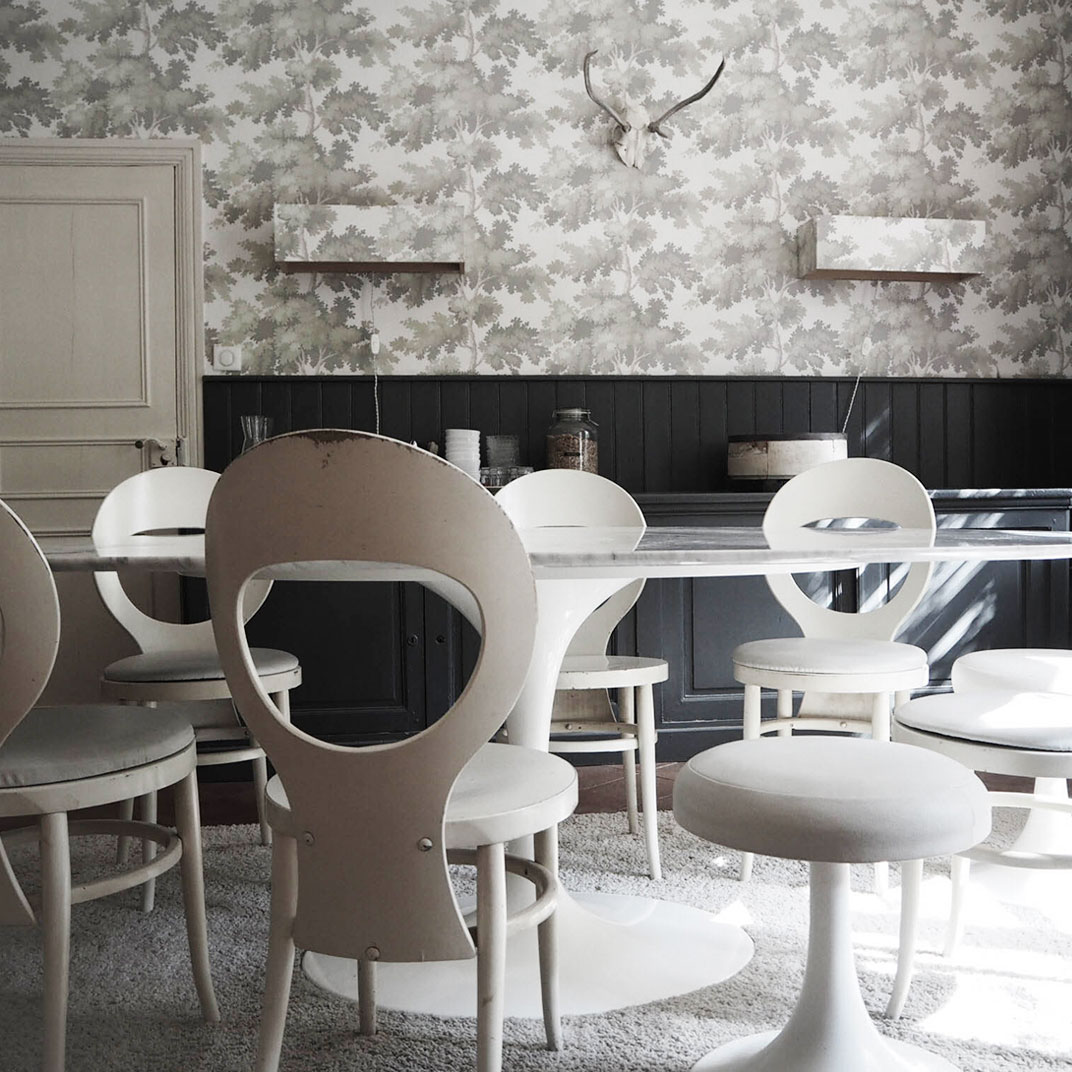
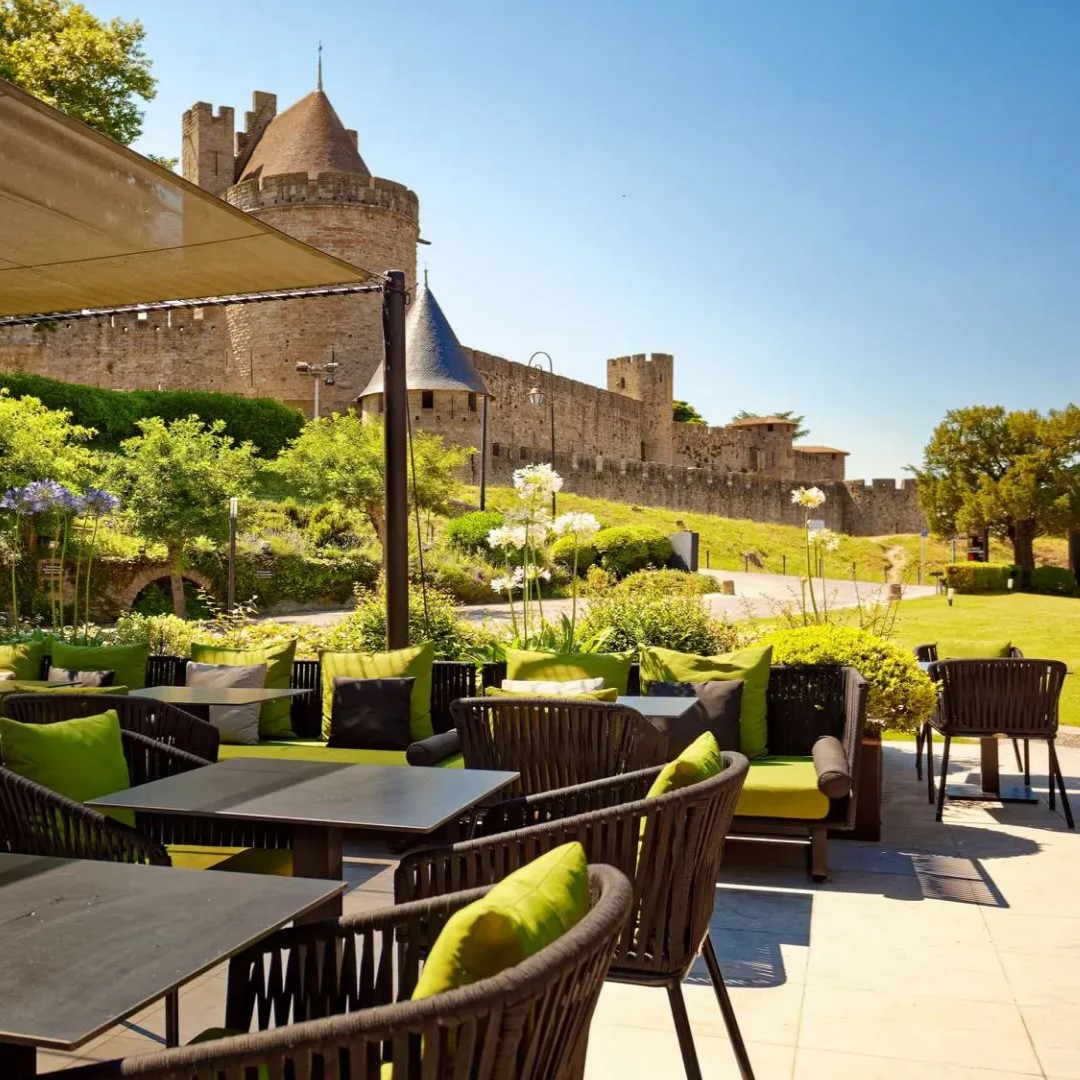
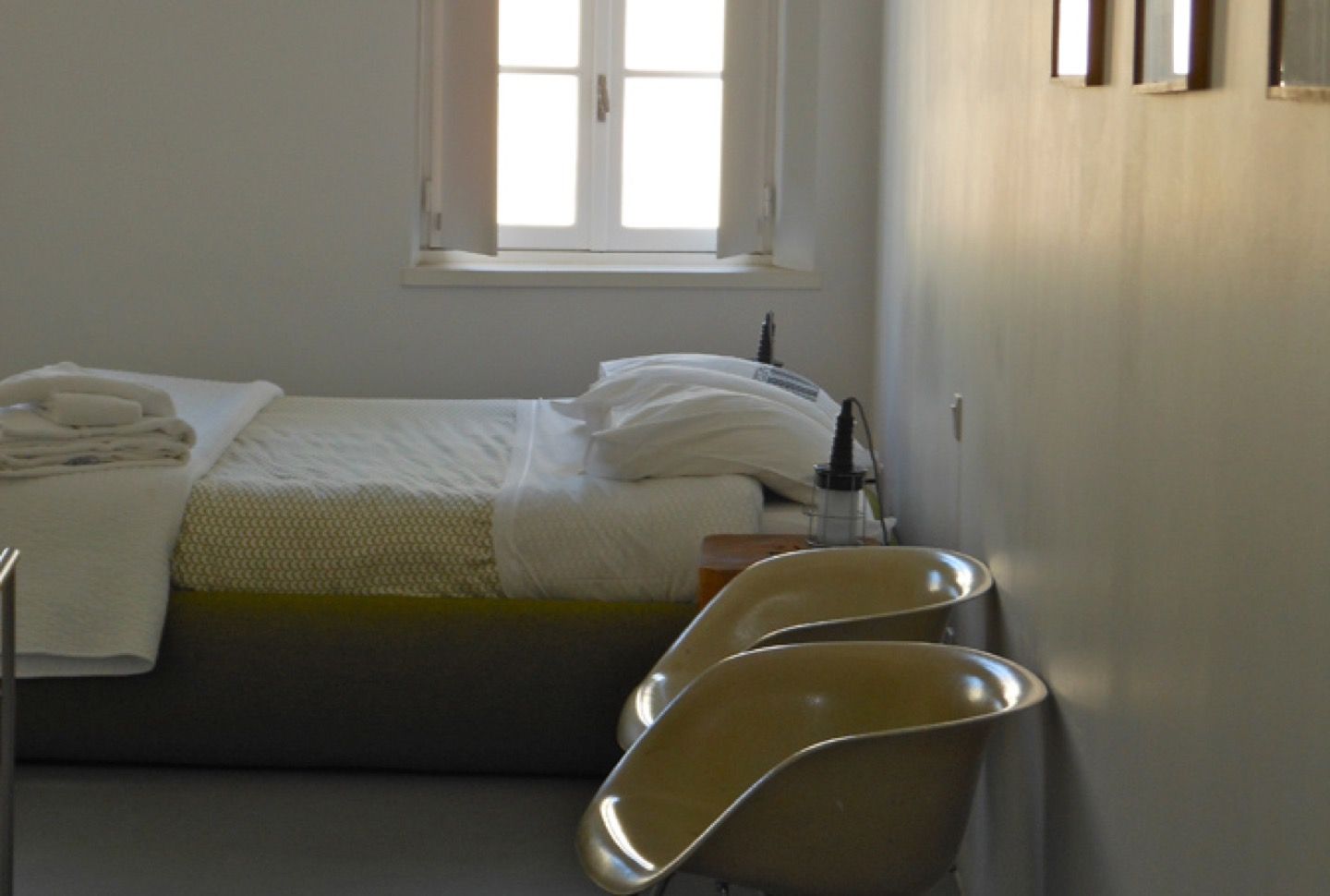
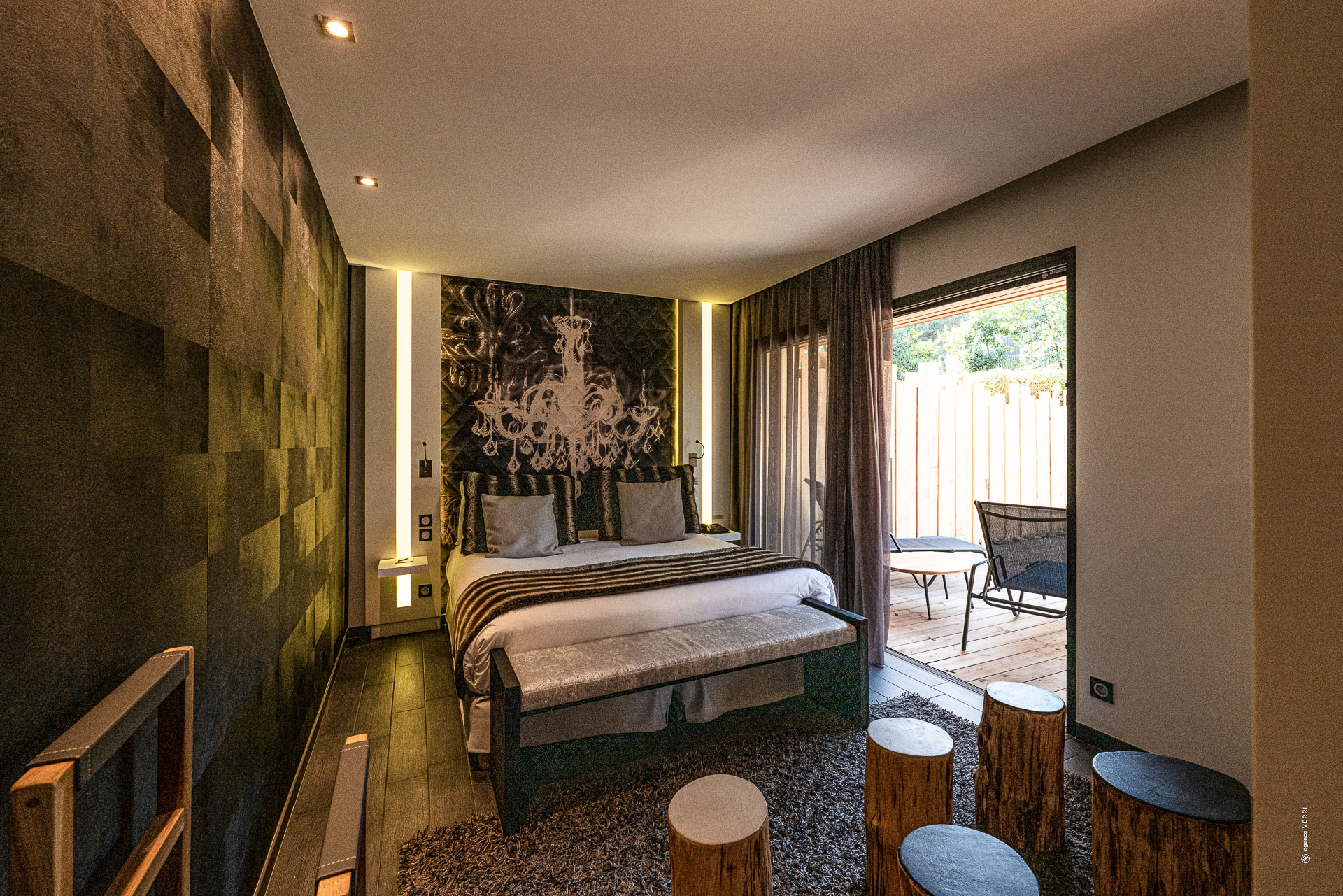
Where to Stay in Carcassonne
6 recommended properties
Money-Saving Tips
- 1.Buy groceries at Monoprix in Ville Basse instead of overpriced shops inside the Cité — prices drop by 30-40%
- 2.Free shuttle between train station and fortress runs April-October, saving €15+ taxi fares
- 3.Lunch menus cost half the price of dinner at the same restaurants — eat your big meal midday
- 4.Park at P3 lot (€5/day) and walk 10 minutes instead of paying €8 for P1 fortress parking
- 5.Museum pass covers multiple attractions for €12 vs €8 each — breaks even with just two visits
- 6.Wednesday morning markets in Ville Basse offer better prices than Saturday tourist markets
- 7.Regional trains to Toulouse cost €12 vs €60+ for rental car and parking
- 8.Hotel breakfast typically costs €15 — grab pastries from local bakeries for €3-4 instead
Travel Tips
- •Wear comfortable walking shoes with good grip — those medieval cobblestones get slippery when wet
- •Visit the Cité early morning or late afternoon to avoid cruise ship crowds and harsh midday light
- •Download offline maps before exploring — cell service inside the thick fortress walls can be spotty
- •Bring a light jacket even in summer — those stone corridors stay cool and evening temperatures drop
- •Learn basic French phrases — English isn't widely spoken outside tourist areas
- •Book restaurant reservations ahead during summer months — popular spots fill up quickly
- •Carry cash for small purchases — many local shops and markets don't accept cards
- •Check train schedules in advance — service to smaller Cathar castle towns can be limited
- •Pack sunscreen and water for castle climbs — little shade available on those exposed hilltops
- •Respect photography rules inside religious buildings — flash photography often prohibited