Dresden
Germany's Baroque Jewel Rebuilt from Wartime Ashes
Dresden rises from the Elbe like a baroque fever dream made real. The city that Allied bombs reduced to rubble in 1945 now gleams with reconstructed palaces and churches that look centuries old but smell of fresh mortar. Here's the thing about Dresden — it's Germany's most beautiful urban comeback story, and it knows it.
Walk across Augustus Bridge at sunset and you'll understand why locals call their skyline the "Florence on the Elbe." The Frauenkirche's stone dome catches the light just so, while the Zwinger palace spreads its wings like architectural peacock feathers. But this isn't just a pretty face. Dresden packs more world-class art per square meter than cities twice its size, serves beer that costs less than bottled water, and lets you bike along the Elbe for miles without dodging a single car.
Best Months
MAY – SEP
~22°C · high crowds
Culture & Context
BAROQUE SCARS, MODERN PRIDE
Dresden is the capital of Saxony and carries a reputation that's hard to shake: "Florence on the Elbe." That nickname earns its keep. The baroque skyline along the Elbe is genuinely stunning, and the density of world-class museums here punches well above what a mid-sized German city should have any right to offer.
But Dresden is also a city of heavy contradictions. It was firebombed to ash in February 1945, spent decades under communist rule, and has only recently finished stitching itself back together. The Frauenkirche, its most iconic landmark, wasn't completed again until 2005.
That reconstruction story is everywhere you look: darker original sandstone blocks sit right next to pale newly quarried ones. The city wears its scars visibly. And yet PEGIDA, a right-wing nationalist movement, originated right here.
Dresden's politics run complicated. Locals are generally warm and proud of their city, but don't expect the same international cosmopolitan energy you'd find in Berlin. English is spoken in tourist zones and by younger residents; step into a traditional restaurant in a quieter neighborhood and you're on your own.
The Saxon dialect sounds distinct from standard German, and yes, people will notice if you butcher it. Come curious, not just for the museums.
Local Customs
GREET, WAIT, VALIDATE
Greet with 'Guten Tag' when walking into any shop, even a small one. Leaving without saying 'Auf Wiedersehen' feels rude to locals.. Wait to be seated in restaurants.
Walking in and picking your own table is considered presumptuous. Most places expect a reservation for dinner, especially on weekends.. Say 'Guten Appetit' before eating — it's standard table etiquette and locals will notice if you dive in without it..
Validate your tram or bus ticket immediately after boarding. Inspectors ride in civilian clothes and the fine is €60 on the spot — no warnings, no exceptions.. Shops close on Sundays.
Plan grocery runs and any practical shopping for weekdays or Saturday. This catches a lot of visitors off guard.. Bring a reusable bag for shopping.
Plastic bags cost extra and checkout staff look at you slightly differently if you don't have one.. Recycling is serious here. Bottles go back to the machine at the supermarket for a Pfand (deposit) refund — usually €0.
25 each. It's worth doing.. Tipping isn't mandatory but rounding up or leaving 10% in restaurants is standard.
ATMs are plentiful — avoid Euronet machines near tourist sites, which charge steep fees.. Don't linger loudly in residential areas at night. Dresdners take evening quiet seriously, particularly in Blasewitz and Striesen..
WWII bombing history is a sensitive but openly discussed topic. Germans here are generally reflective, not defensive — but it's not a joke topic.
Safety
VERY SAFE, WATCH PICKPOCKETS
Dresden is genuinely safe. Crime against tourists is low, the Altstadt is well-policed, and the streets are walkable at night without serious concern. Your main realistic risk is pickpocketing — watch your bag at the Frauenkirche, Altmarkt square, and on busy trams.
People working in groups using distraction techniques (asking for directions, dropping something) are the usual method. Avoid Euronet ATMs near tourist sites, which overcharge. The outer suburbs of Prohlis and Gorbitz have a rougher reputation and you have no reason to go there as a visitor.
Alaunpark in Neustadt is fine during the day with a group but gets more unpredictable late at night. One specific Dresden reality: PEGIDA, the right-wing nationalist movement, originated here and still holds occasional demonstrations. If you see one forming, just walk the other way.
Tourists are not targets, but demonstrations can turn noisy. Dresden has a higher proportion of far-right voters than western German cities — it's a documented fact, not a media invention, though the Central tourist areas are not where that manifests. The city is also politically diverse, with an active counter-movement.
Tap water is safe to drink throughout the city.
Getting Around
TRAMS & WALKABLE
The DVB (Dresdner Verkehrsbetriebe) runs 12 tram lines and a bus network covering nearly 500 kilometers. It's clean, punctual, and genuinely easy to use. Download the DVB mobil app before you arrive — it has real-time schedules and lets you buy tickets digitally.
Major transfer hubs are Postplatz and Albertplatz in the center. A single ticket costs €3.40 and a day pass is €9 (covers one adult and two kids under 15).
Buy tickets from machines at stops or inside trams, but validate immediately — inspectors ride in plain clothes and the fine is €60, no argument. The Altstadt is compact and walkable: most major sights sit within a 15-minute walk of each other. Crossing the Augustus Bridge from Altstadt to Neustadt takes about 15 minutes on foot.
For the airport (DRS, 9km north), take the S-Bahn S2 to Hauptbahnhof for €3.40 — it takes about 20 minutes. Taxis exist but aren't really necessary.
The Elbe cycling path runs the length of the city and is genuinely pleasant in good weather. S-Bahn connects to Berlin (2 hours, from €20), Prague (2.5 hours, from €15), and Leipzig (1 hour).
Night routes (GuteNachtLinie) run from Postplatz with coordinated timetables. Ride the Schwebebahn suspension monorail up to Loschwitz — it's been running since 1901, runs on the summer timetable from late March, and costs standard DVB fare.
Useful Phrases
Dresden Itineraries
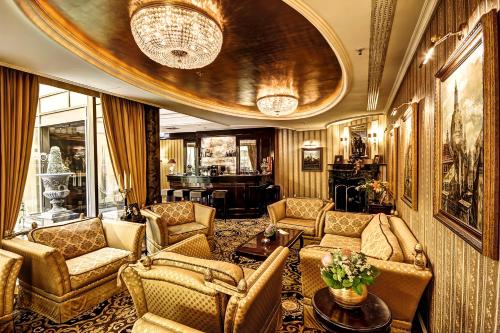
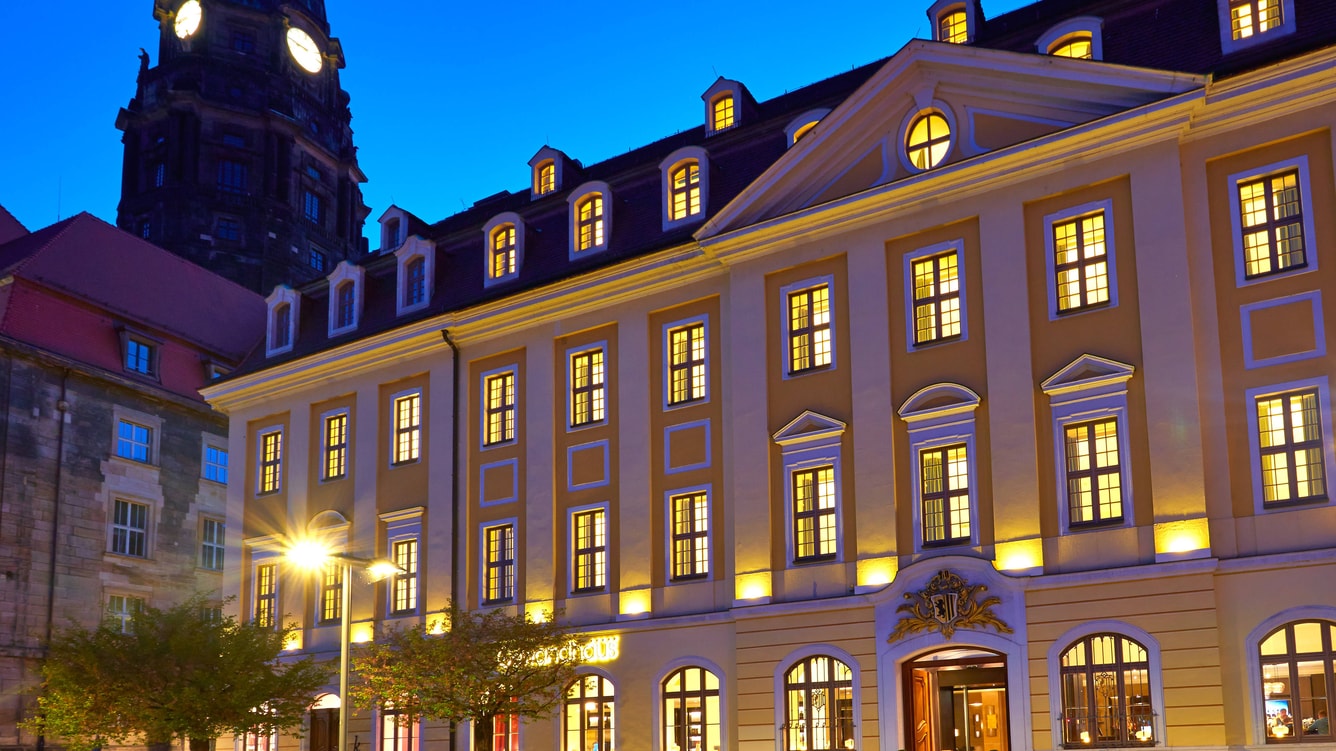
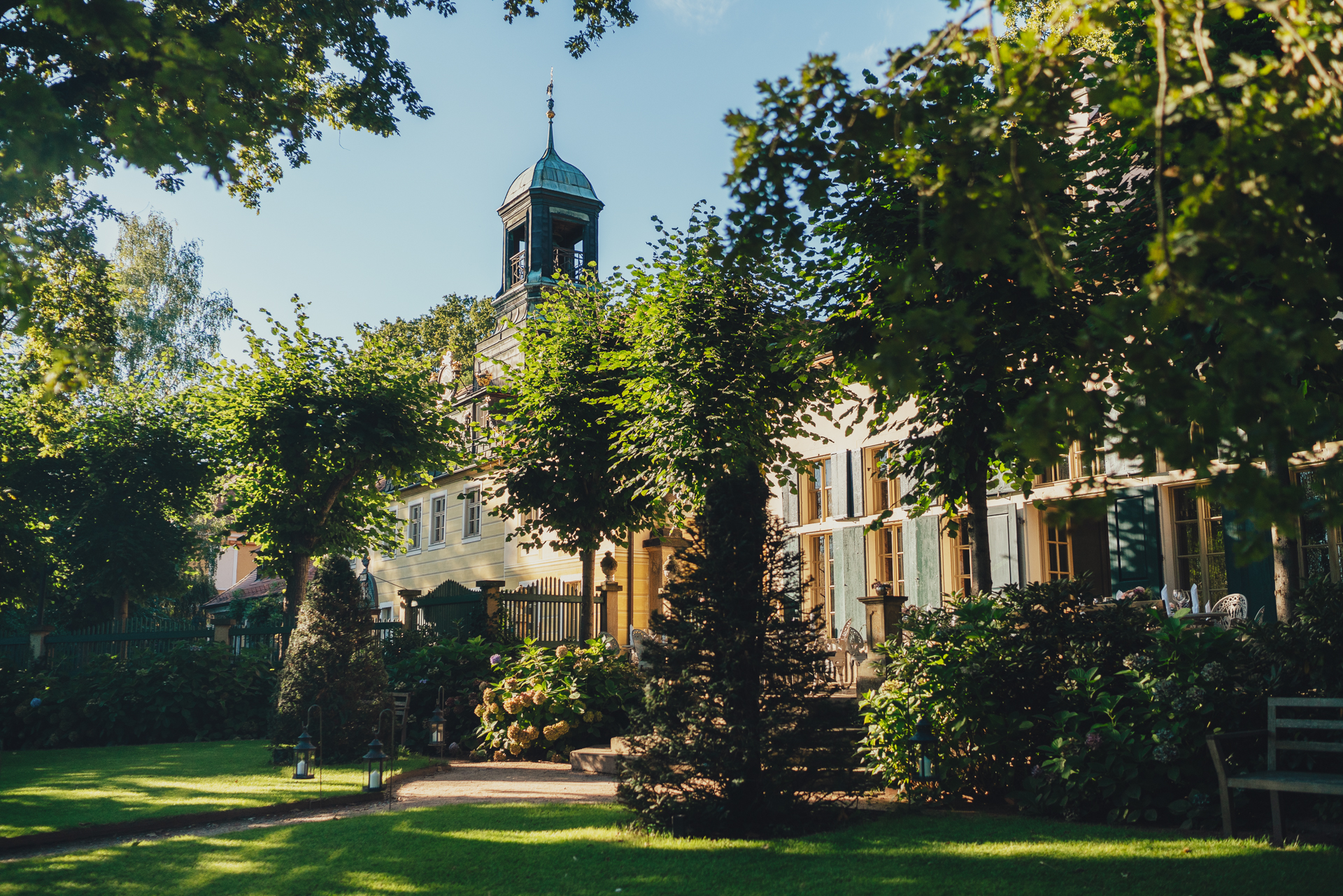
Where to Stay in Dresden
7 recommended properties
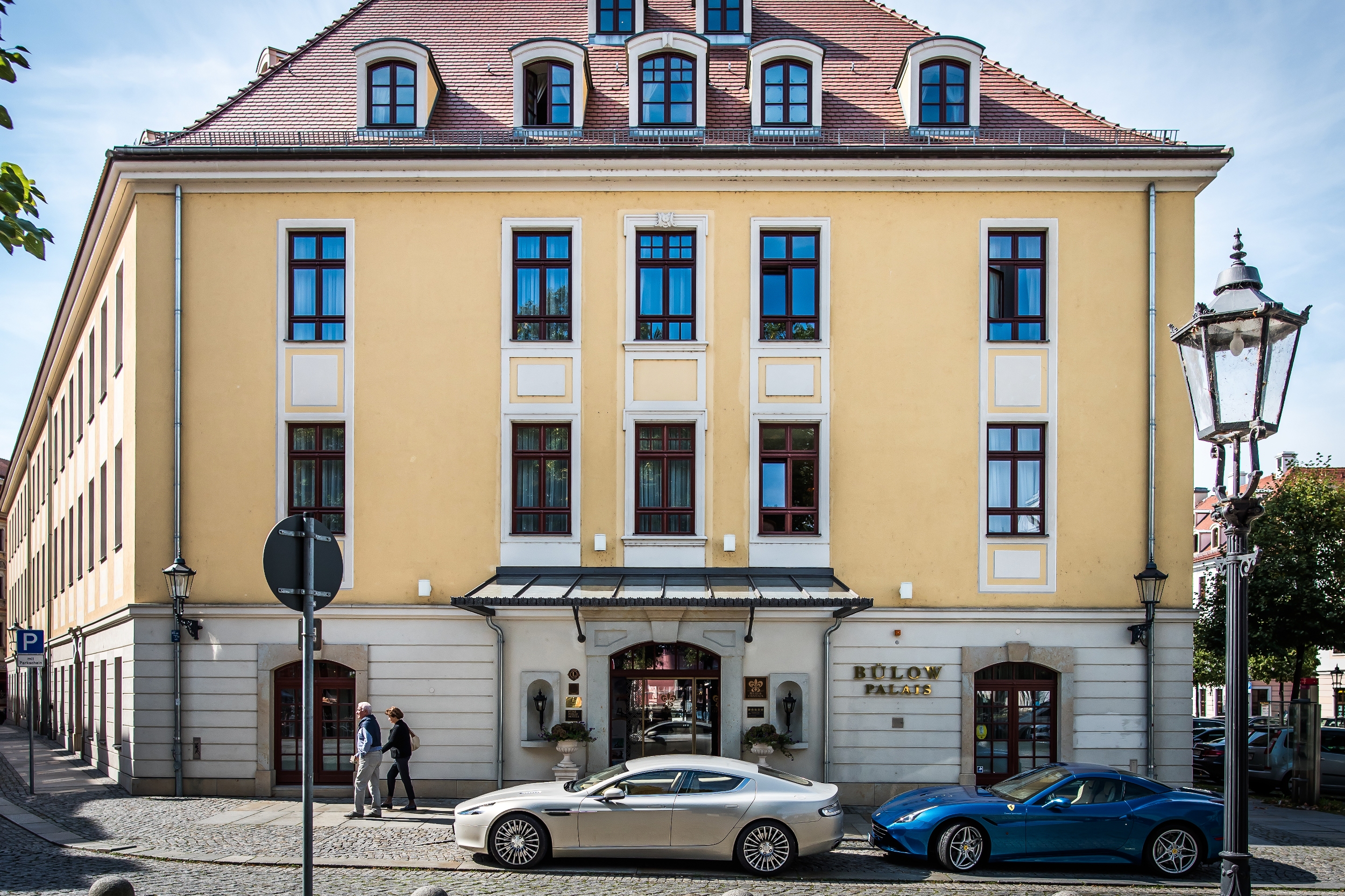
Things to Do in Dresden
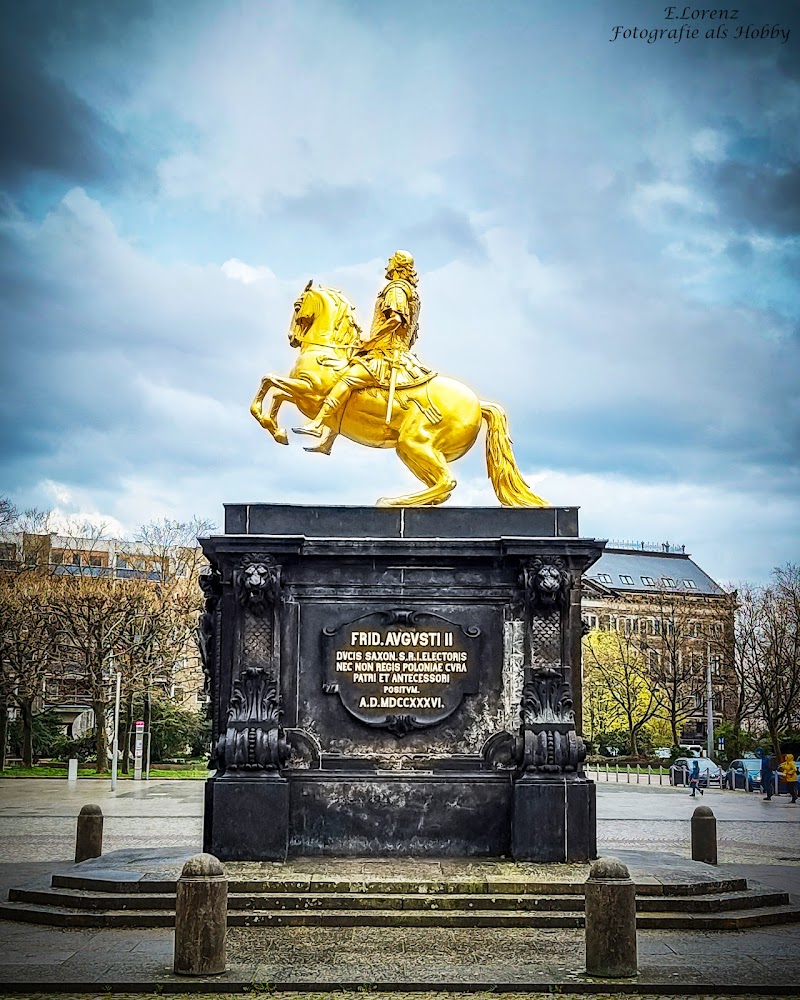
Baroque Innere Neustadt Walk & Goldener Reiter
Innere Neustadt · 120 min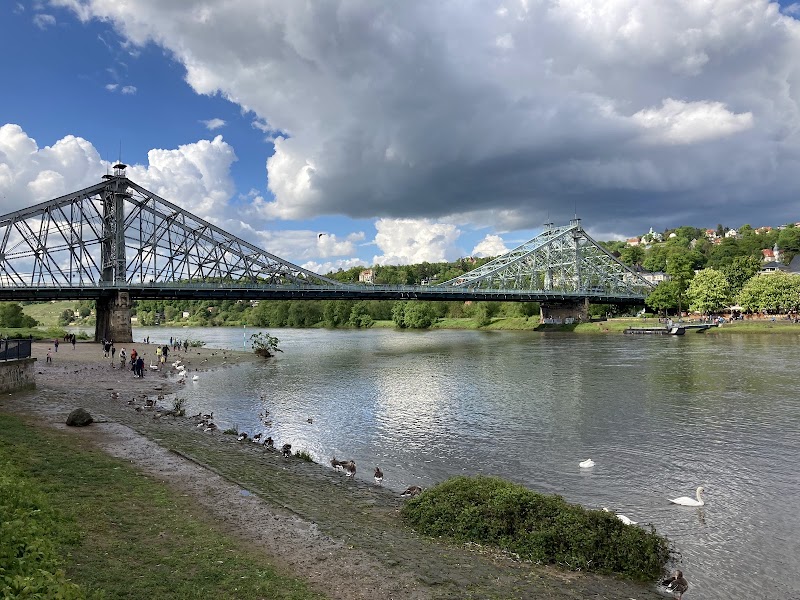
Elbe Riverside Walk: Loschwitz to Blasewitz via Blue Wonder
Loschwitz / Blasewitz · 120 minMoney-Saving Tips
- 1.Buy the Dresden City Card for €12 — it covers public transport plus discounts at major museums
- 2.Many churches charge €3-5 entry, but attending evening prayer services is usually free
- 3.Lunch menus at nice restaurants cost €8-12 between 11am-2pm, half the dinner price
- 4.Radeberger beer costs €2-3 in local bars, €6+ in tourist areas near the Frauenkirche
- 5.The Zwinger courtyard is free to enter — you only pay for the individual museum collections inside
- 6.Elbe riverboat cruises cost €15-25, but walking the riverside paths costs nothing and offers better views
Travel Tips
- •Download the DVB app for real-time tram schedules — German punctuality is real
- •Restaurants close between 2-5pm, so plan lunch accordingly or pack snacks
- •The Frauenkirche dome climb requires advance booking online, especially in summer
- •Many museums close Mondays — plan your culture days for Tuesday through Sunday
- •Bring cash — smaller restaurants and beer gardens often don't take cards
- •Learn basic German greetings — Dresden locals appreciate the effort more than Berlin residents
- •The Green Vault requires timed entry tickets that sell out weeks ahead for peak season
- •Cobblestone streets destroy wheeled luggage — pack light or use a backpack