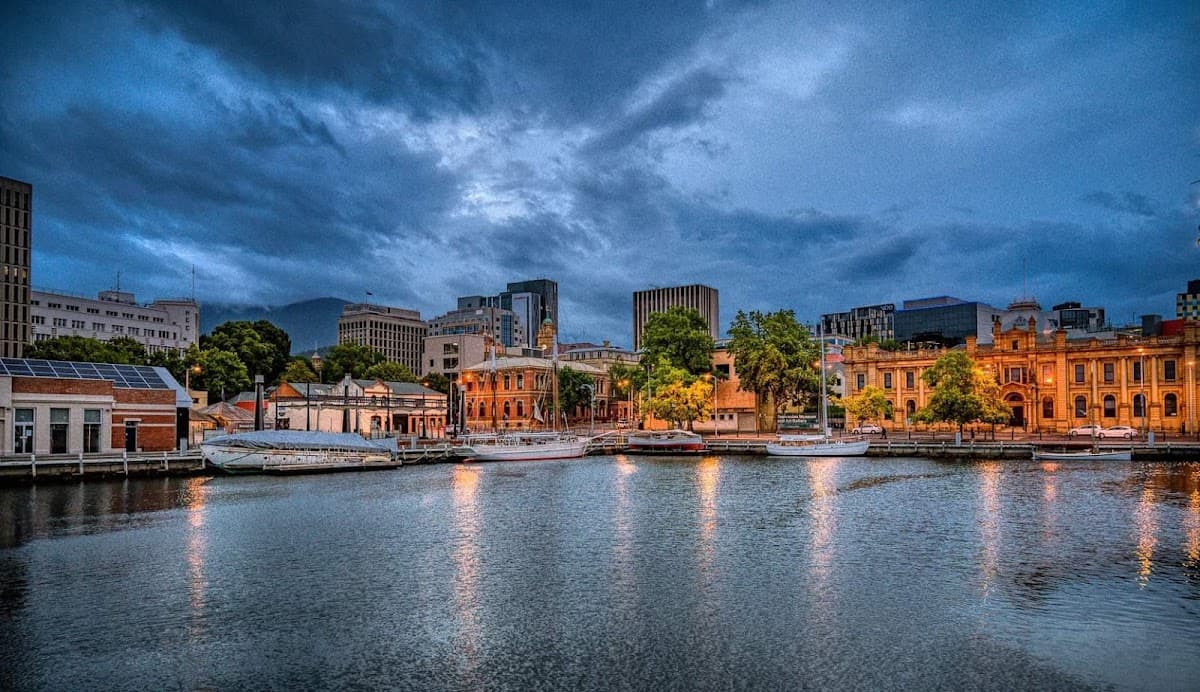
Hobart
Tasmania's artsy harbor capital beneath Mount Wellington
Hobart sits at the edge of the world, where Mount Wellington looms over a working harbor that's transformed into Tasmania's cultural heartbeat. This isn't your typical Australian city. Here, convict-built sandstone warehouses house cutting-edge galleries, and the Saturday morning Salamanca Market buzzes with locals selling everything from lavender honey to hand-thrown ceramics. The Museum of Old and New Art (MONA) put this place on the international map, but stay longer and you'll discover why locals never want to leave. Cool-climate wines flow from the nearby Coal River Valley, while the Derwent River reflects both historic Battery Point cottages and David Walsh's provocative art installations. But here's what travel guides won't tell you: Hobart moves at its own pace, and the weather changes faster than your mood.
Best Months
JAN · FEB · MAR · DEC
~21°C · high crowds
Culture & Context
CONVICT PAST, MONA FUTURE
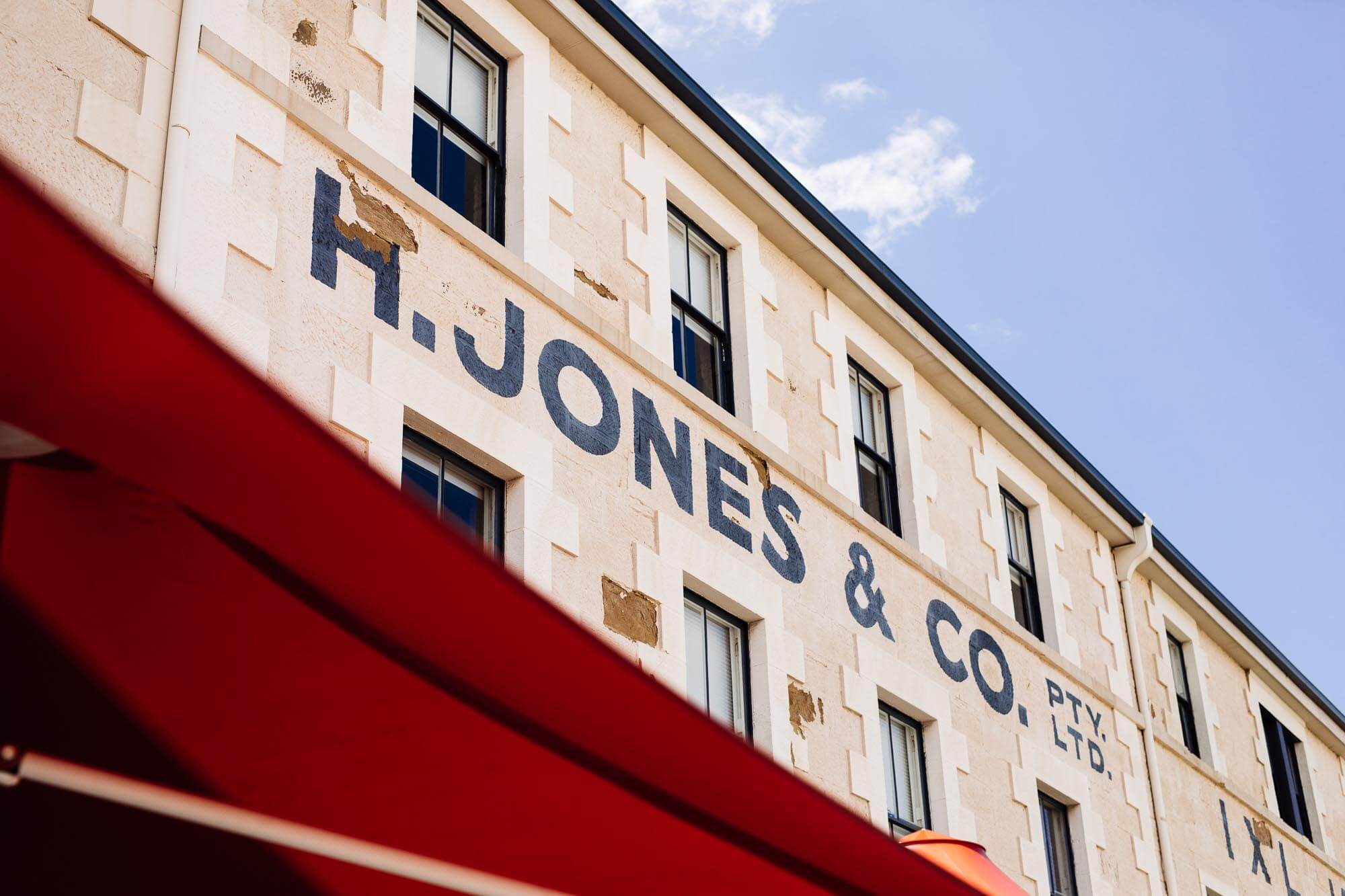
Hobart sits on land the palawa people called nipaluna (pronounced nip-ah-loona) for tens of thousands of years before British colonists arrived in 1804 and turned it into a penal settlement. That convict history is everywhere, from the sandstone warehouses of Salamanca Place to the ruins at Port Arthur 90 minutes down the coast. But this isn't a city stuck in the past.
MONA (the Museum of Old and New Art) arrived in 2011 and basically rewired how the world sees Hobart. It's privately owned, genuinely provocative, and the reason a lot of people now bother flying to Tasmania at all. Locally, Tasmanians have a reputation for being warm but understated.
The humour is dry and self-deprecating. Don't take sarcasm personally. Coffee is taken seriously here, flat whites are the default order, and people will have opinions about their favourite café.
The food culture leans hard into local provenance: oysters from the Huon Valley, Atlantic salmon from the Derwent, whisky from distilleries a short drive away. There's a real pride in this island's produce that doesn't feel performative.
Local Customs
PUFFER JACKETS EVERYWHERE
The 'Tasmanian tuxedo' is a black puffer jacket. Locals wear them everywhere, year-round. Pack one, or you will be cold and feel like a tourist..
Tipping is not expected in Australia and Hobart is no exception. It's appreciated but never obligatory. Rounding up the bill at a nice dinner is a genuine gesture, not a social requirement..
Salamanca Market runs every Saturday regardless of weather. Arrive before 9am if you want elbow room and the best produce stalls. After 11am it turns into a tourist scrum..
Respect the wildlife on roads. Drive slowly at dawn and dusk outside the city - wombats and wallabies are a serious road hazard and the damage goes both ways.. Don't feed native wildlife anywhere in Tasmania.
It's a genuine ecological issue, not just a sign on a fence.. If you're hiking kunanyi/Mt Wellington, the weather at the summit is genuinely different from the city below. Snow is possible any month.
Tell someone your plans if you're going alone.. Jack jumper ants are unique to Tasmania and their sting causes serious allergic reactions in some people. Know what they look like before you go bush..
Hobartians say hello to strangers on quieter streets. It's not weird. Say it back..
The Salamanca waterfront restaurants and bars charge tourist prices. Walk two blocks inland and you'll eat better for less money.
Safety
SECURE BUT WATCH CARS
Hobart is one of Australia's safer cities. That said, theft from cars parked in tourist areas does happen, particularly around Salamanca and the waterfront. Don't leave valuables visible in a parked car.
Stick to well-lit streets at night and avoid empty side streets in the CBD after midnight. The waterfront nightlife can get rowdy on weekends - it's not dangerous but be aware of your surroundings. Bushfire season runs November to March.
Download the TasALERT app and monitor warnings if you're heading into the bush. Don't rely on Google Maps for road closure information during emergencies. On kunanyi/Mt Wellington, weather changes fast and dramatically - people have needed rescuing in summer after being caught unprepared by sudden cold and fog.
Carry layers, water, and tell someone your plan. Jack jumper ants in the bush cause serious allergic reactions in some people - know the risk before hiking. Emergency services: call 000 for police, fire, or ambulance.
Getting Around
METRO & WALKABLE
The Metro Tasmania bus network covers the whole city and surrounding areas. Most buses depart from Elizabeth Street (between Macquarie and Collins Streets) or Franklin Square. A standard adult fare is AUD 2.
40, but buses and ferries are completely FREE from March 30 to June 30 2026 - the Tasmanian Government introduced this as a cost-of-living measure in response to rising fuel prices. After June 30, grab a Greencard (reloadable card) from the Metro Shop on Elizabeth Street for a 20% discount on every trip. The Metro Tas app tracks buses in real-time.
New timetables took effect May 3 2026, updated to reflect actual travel conditions. The MONA ferry runs from Brooke Street Pier and takes 30 minutes to reach the museum - a far better experience than driving there. Derwent Ferries runs a contactless tap-on service between Brooke Street Pier and Bellerive on the eastern shore (trialling since December 2025).
Uber operates in Hobart. Taxis exist but cost more. The CBD itself is genuinely walkable - Salamanca, Battery Point, and the waterfront are all connected on foot.
If you want to explore beyond the city (Bruny Island, Port Arthur, the Huon Valley), rent a car - but drive slowly at dawn and dusk for wildlife. Note: SkyBus from the airport and the Bruny Island Ferry are not covered by the free transport scheme.
Useful Phrases
Hobart Itineraries
View all
Wild Hobart: Forest Trails, Clifftop Coasts & Quiet Harbors
Week · $$$
Wild Greens & Waterfront Dreams: 3 Days in Hobart
Weekend · $$$
Wild Green Hobart: Romantic Nature & Coastal Escape
Week · $$$

Wild Romance in Hobart’s Coves and Forested Hills
Weekend · $$$
7 Days of Wild Green Adventures Around Hobart
Week · $$$

Wild Weekender: Hobart Harbours, Forests and Family Fun
Weekend · $$$
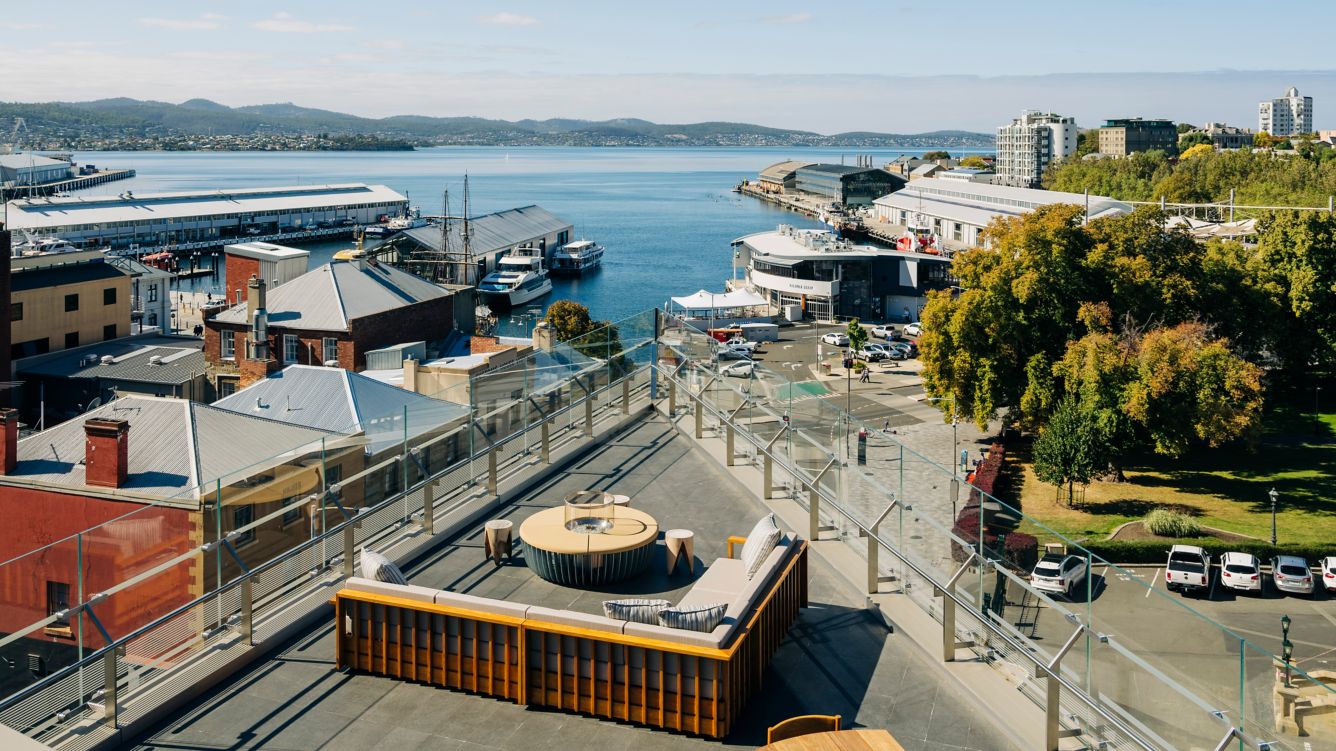
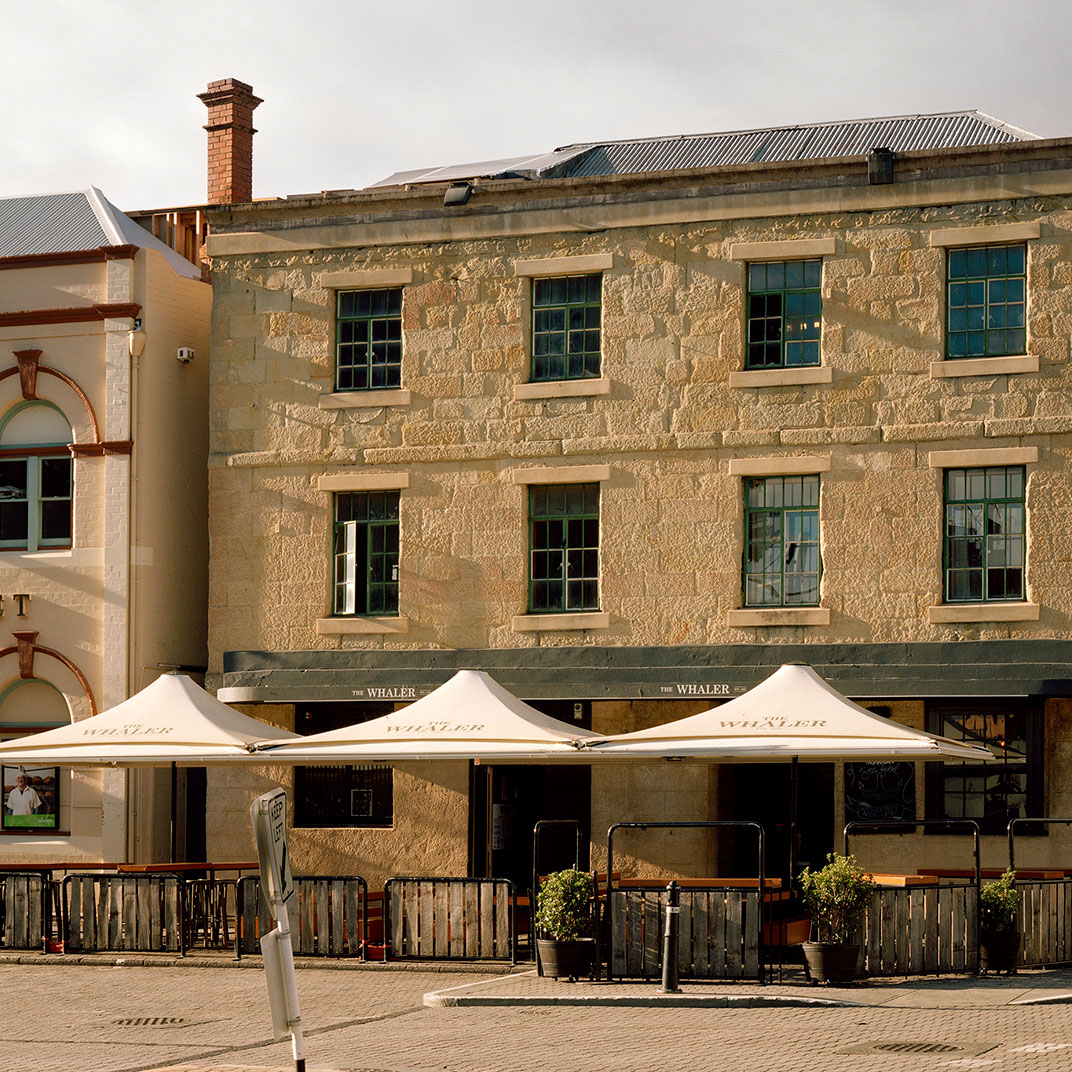
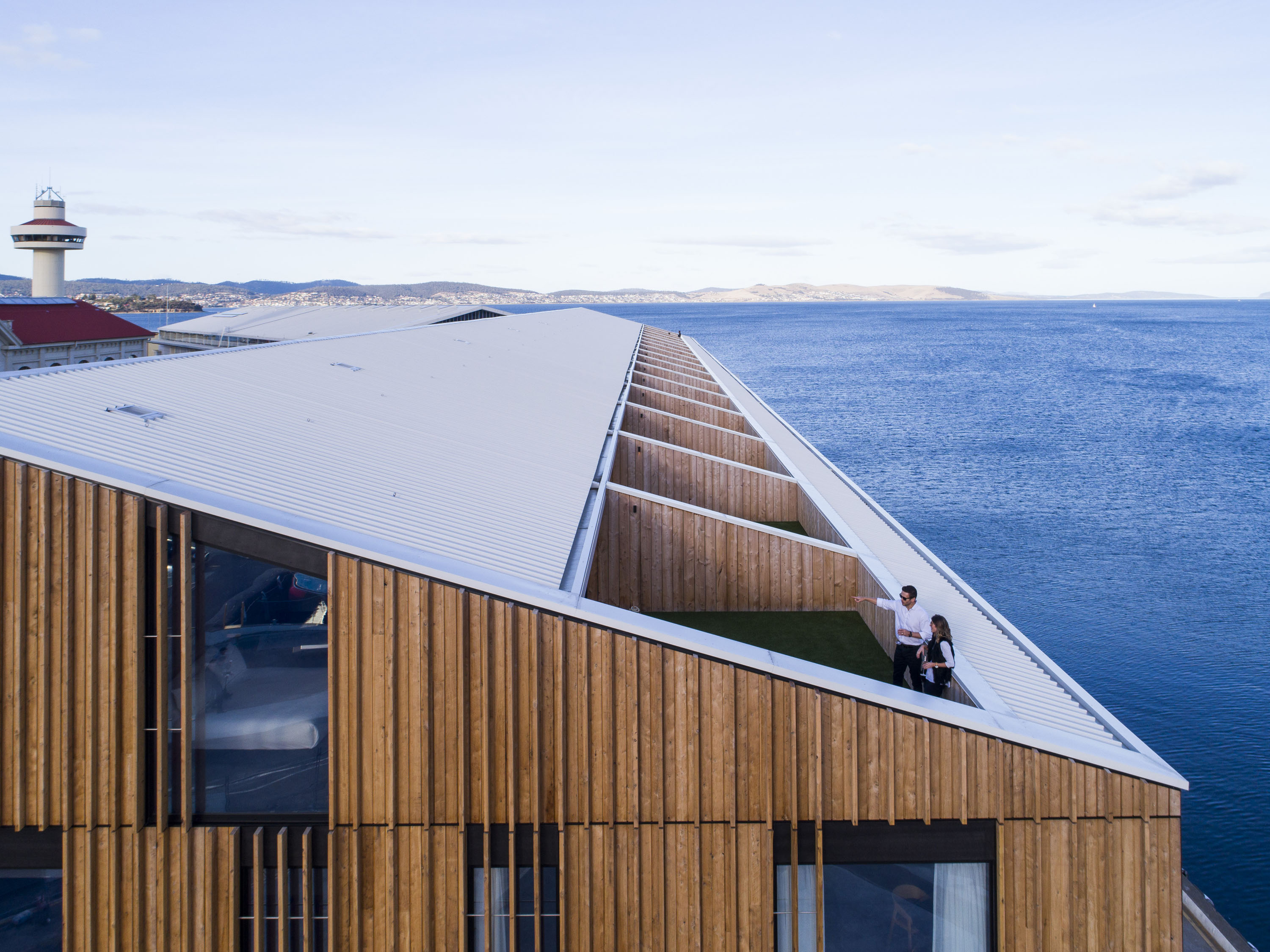
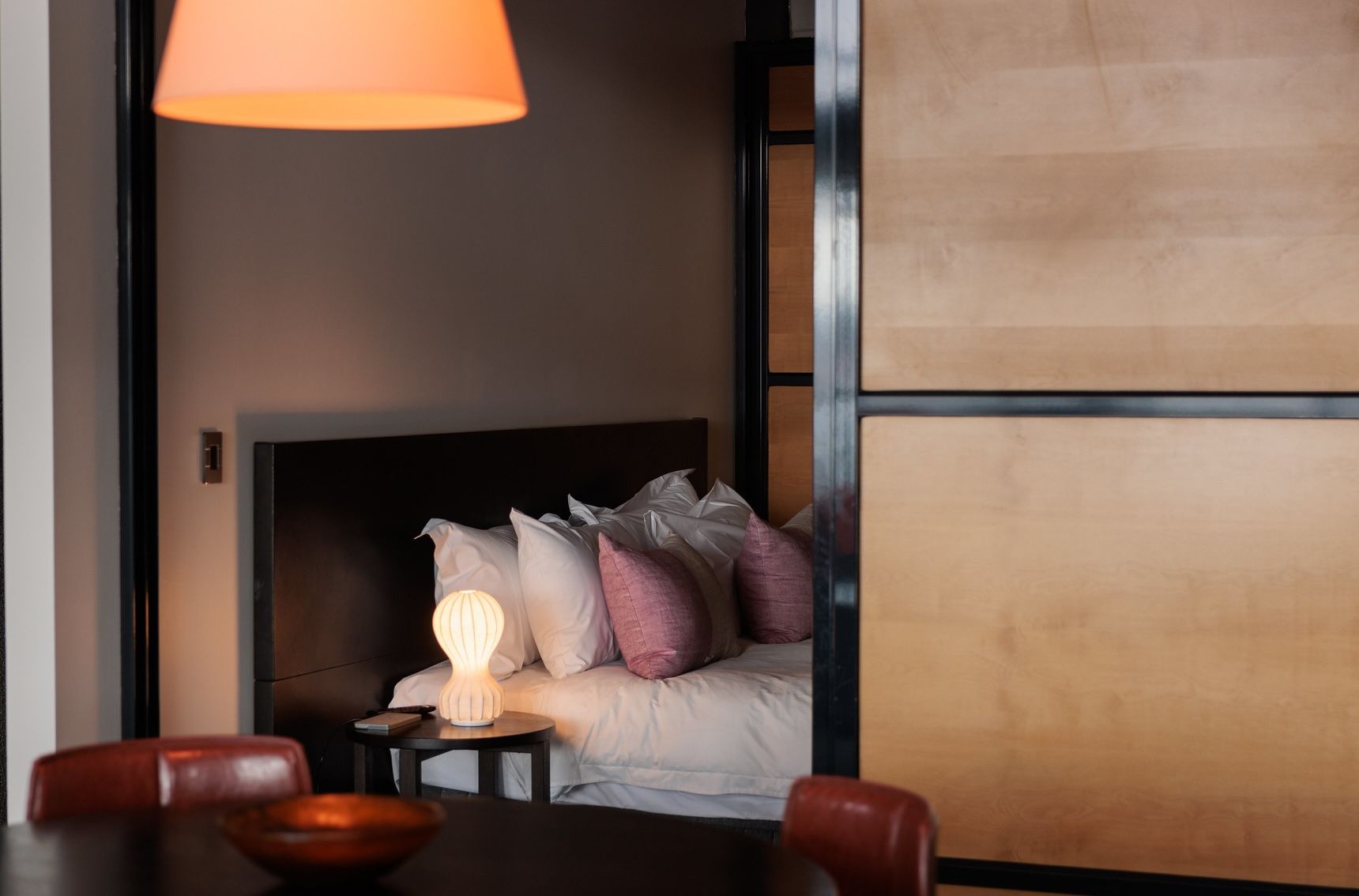
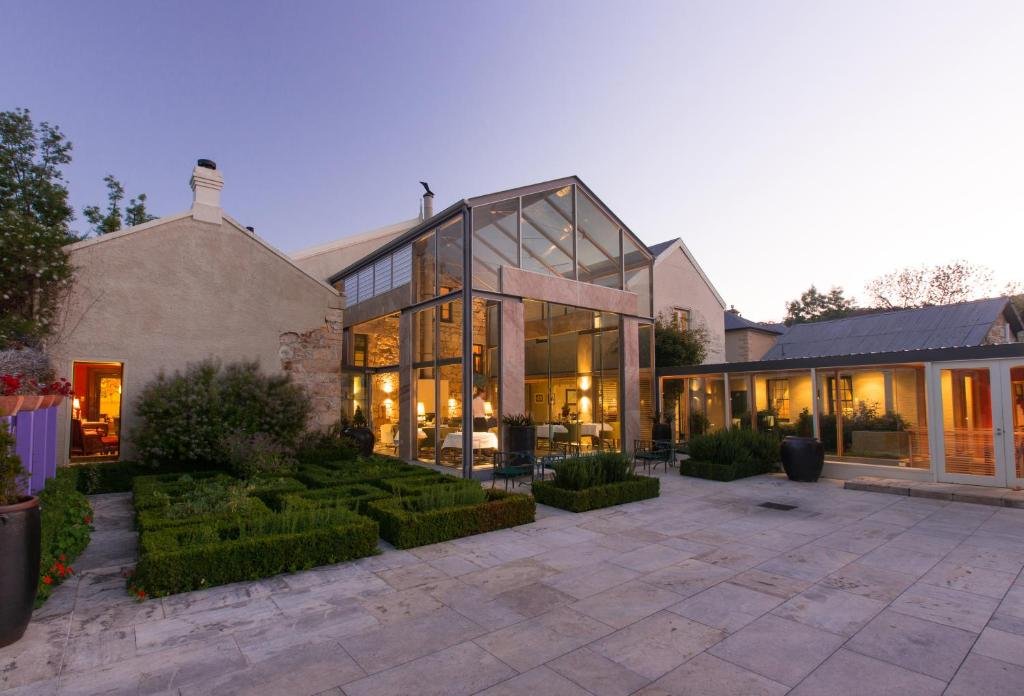
Where to Stay in Hobart
6 recommended properties
Things to Do in Hobart
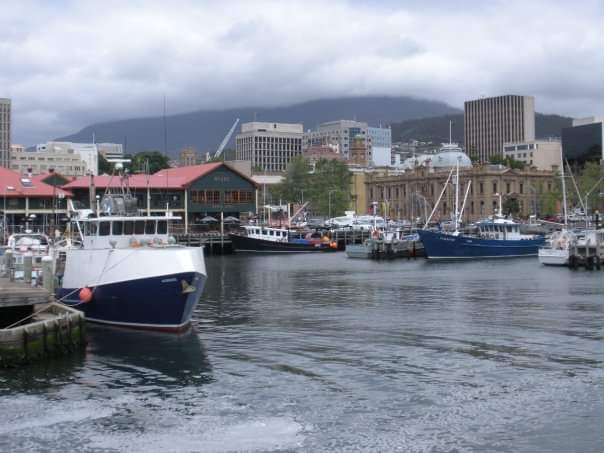
Hobart Waterfront & Franklin Wharf Walk
Hobart CBD / Waterfront · 90 min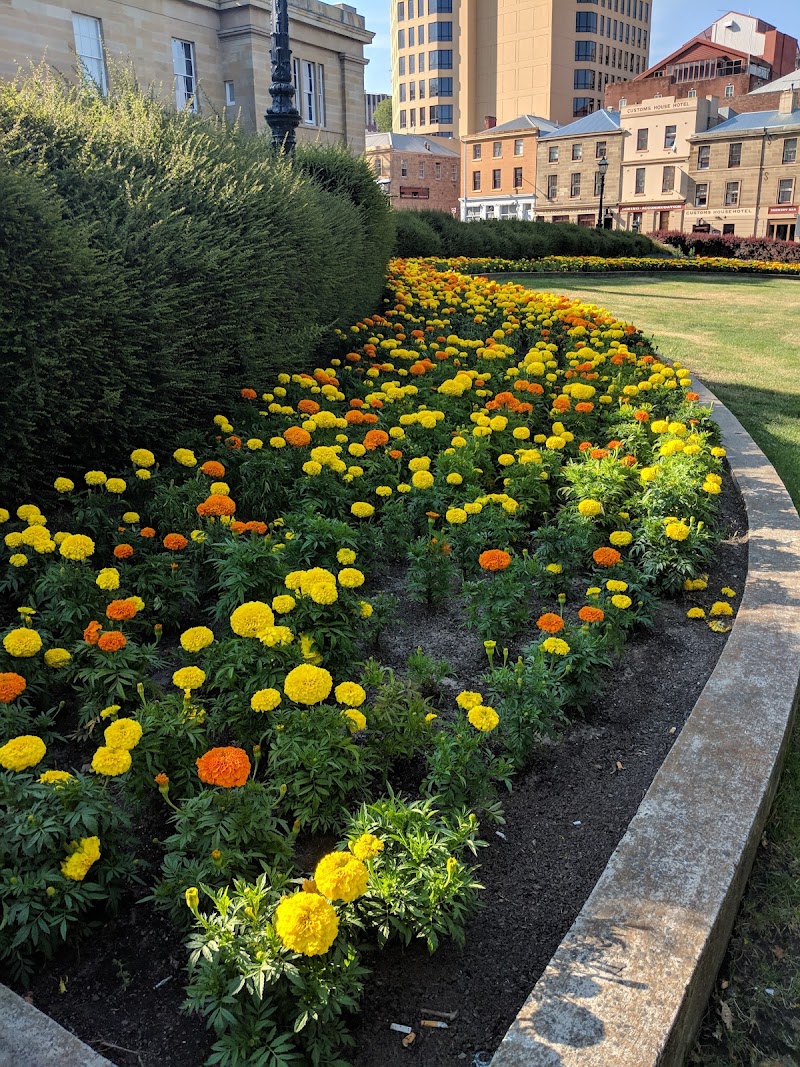
Parliament House Gardens & Salamanca Lawns
Hobart CBD / Salamanca · 45 min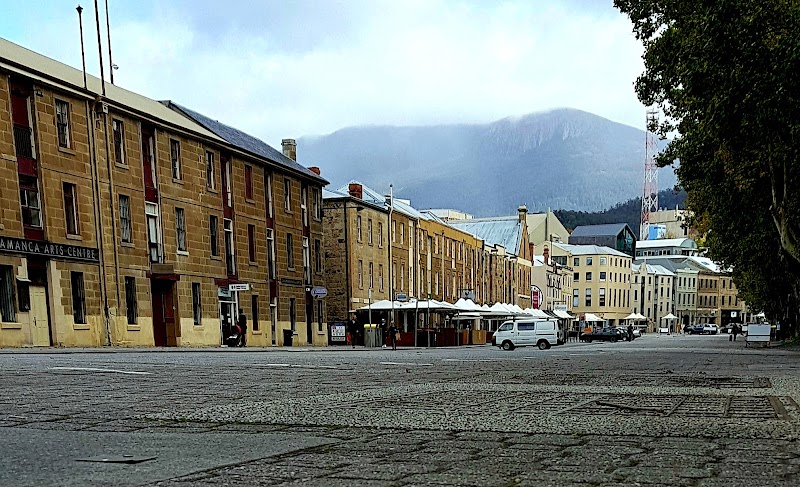
Salamanca Place Free-Explore Block
Salamanca / Battery Point · 120 minMoney-Saving Tips
- 1.Visit during autumn or winter for accommodation savings of 30-40% compared to summer peak season
- 2.The Salamanca Market on Saturdays offers free entertainment and cheap local produce for picnic supplies
- 3.Many distilleries waive tasting fees with bottle purchases - stock up on award-winning Tasmanian whisky
- 4.The Mount Wellington drive is free, offering million-dollar views without the price tag
- 5.Happy hour at harbor bars typically runs 4-6pm with discounted drinks and harbor views
- 6.MONA offers free entry to Tasmanians - if you're staying longer, consider temporary residency perks
Travel Tips
- •Pack layers year-round - Hobart weather changes faster than you can check the forecast
- •Book MONA ferry tickets online to skip queues, especially during festival periods
- •Battery Point's cobblestones are treacherous in wet weather - wear proper shoes
- •Many restaurants close Mondays and Tuesdays - check before making dinner plans
- •The Saturday Salamanca Market starts early (8:30am) - arrive by 9am for the best selection
- •Download the Metro Tasmania app for real-time bus tracking - services can be unpredictable
- •Mount Wellington can be 10°C colder than the city - always bring a jacket for the summit
- •Book Franklin restaurant well in advance or try the bar for walk-in dining