Manali
Himalayan adventure and mountain air
Manali hits different than other Gulf cities. Sure, you'll find the gleaming towers and luxury malls, but walk five minutes from the financial district and you're haggling for spices in a 200-year-old souk. The call to prayer echoes off glass skyscrapers. Traditional dhows bob next to superyachts in the harbor. This is Bahrain's capital doing what it does best - being unapologetically itself while embracing everything new.
Best Months
JAN · FEB · MAR · APR · NOV · DEC
~15°C · moderate crowds
Culture & Context
BACKPACKER MEETS BUDDHIST
Manali sits at 2,050 meters in Himachal Pradesh's Kullu Valley, and the town has a split personality that's worth understanding before you show up. There's New Manali, which is basically the commercial spine anchored by Mall Road and the bus stand. Then there's Old Manali, a 20-minute walk across the Beas river bridge, which is where the backpacker scene landed decades ago and never quite left.
The place earned the nickname "Goa of the North" for reasons you can probably guess, and that reputation lingers in Old Manali and neighboring Vashisht village. But Manali is genuinely more layered than that. The Kullvi people have lived here for centuries alongside Gaddi shepherds, Tibetan refugees, and a growing Tibetan Buddhist community whose gompas add a very different texture to the town.
Hadimba Devi is the presiding deity, wife of the Mahabharata's Bhima, and her influence runs through nearly every major festival. Respect at temples means removing shoes and leather items (yes, your belt too), asking before photographing anyone in traditional dress, and keeping your voice down during rituals. Manali also has a strict no-plastic policy that locals take seriously.
Carry a reusable bottle and don't be the tourist who leaves plastic wrappers on a trail.
Local Customs
NO SHOES, NO PLASTIC
Remove shoes AND leather items (belts, wallets) before entering temples like Vashisht and Hadimba. Don't assume shoes are the only issue.. Always ask before photographing Gaddi shepherds, village elders, or religious processions.
Some 'Devta' processions consider photography a violation of the deity's privacy.. Bargaining is standard at Mall Road market stalls and with taxi drivers. If you don't negotiate, you're paying the tourist price, full stop..
Manali has a real no-plastic rule. Carry a reusable water bottle and take your trash back with you on any trek.. Public intoxication is frowned upon even in tourist zones.
There are bars on Mall Road, but loud or aggressive behavior gets noticed fast.. Dress modestly in villages and religious sites. Shorts and sleeveless tops are fine for cafes and adventure activities, but cover up when walking through Vashisht village or into any temple..
When visiting the Vashisht hot springs, the public bathing tanks are gender-separated. Private rooms cost ₹50-100 and are worth it if you want privacy.
Safety
SCAMS & ALTITUDE AWARE
Manali is genuinely one of the safer hill stations in India. That said, there are specific things to know. Taxi drivers at the bus stand quote inflated prices to arrivals — research fares in advance or book through your hotel. The 3-card gambling scam appears near Jogini Waterfall trail, with accomplices posing as fellow tourists winning easily. Walk away immediately. Rental equipment scams (skiing, biking) involve charging for pre-existing damage on return — photograph every scratch before you ride off. Adventure activity operators vary wildly in quality; book only with Himachal Pradesh Tourism-registered outfits and never pay the full amount upfront. Drug activity is visible in Old Manali and Vashisht — this is a real legal risk in India, not a quirky cultural footnote. Scratch coupon "prize" scams also circulate; refuse any unsolicited game or prize claim.
On the altitude and weather side: Manali town at 2,050m is manageable for most people, but Rohtang Pass at 3,978m is nearly a 2,000m jump. Spend at least one full night in Manali before attempting the pass. Symptoms of altitude sickness (headache, nausea, dizziness) are common in day-trippers who rush straight there — descend immediately if you feel unwell. Mountain weather changes fast; carry warm layers and waterproofs even in June. Avoid monsoon travel (July-September) if you can: landslides block roads with little warning, and several adventure activities shut down. Tourist areas including Mall Road and Old Manali are active and safe until late evening. Isolated forest routes after dark are a different matter.
Getting Around
BUSES & SHARED TAXIS
Manali has no airport and no direct train connection. That's just reality. The nearest airport is Bhuntar (Kullu), 50 km south, with IndiGo, SpiceJet, and Air India flights from Delhi taking about 90 minutes. A taxi from Bhuntar to Manali costs ₹1,500-2,000. But honestly, many travelers fly to Chandigarh and take the 7-8 hour cab ride instead, which gives you more flight options and often works out cheaper overall.
By road from Delhi (540 km via NH-3 through Chandigarh and Mandi): overnight Volvo buses run ₹1,200-2,200 one way, taking 12-14 hours under normal conditions. The Kiratpur-Nerchowk expressway now shaves 1-2 hours off the old route. Self-driving is scenic but genuinely tiring. Peak season (May-June) can push that 14 hours to something much worse with pass traffic.
Within Manali: shared taxis between Mall Road and Old Manali cost ₹50 per seat. Auto-rickshaws are available. Rental bikes (₹600-1,200/day) are popular and give you real flexibility. For Rohtang Pass, hire a local taxi (₹5,500-8,000) — the pass permit (~₹550) must be booked online through the Himachal tourism site, and daily vehicle numbers are strictly capped by the National Green Tribunal. Book the permit the day before. Local HRTC government buses exist for budget travelers and are significantly cheaper than private taxis — the HPTDC office on Mall Road runs a sightseeing bus that taxi drivers never tell you about.
Useful Phrases
Manali Itineraries
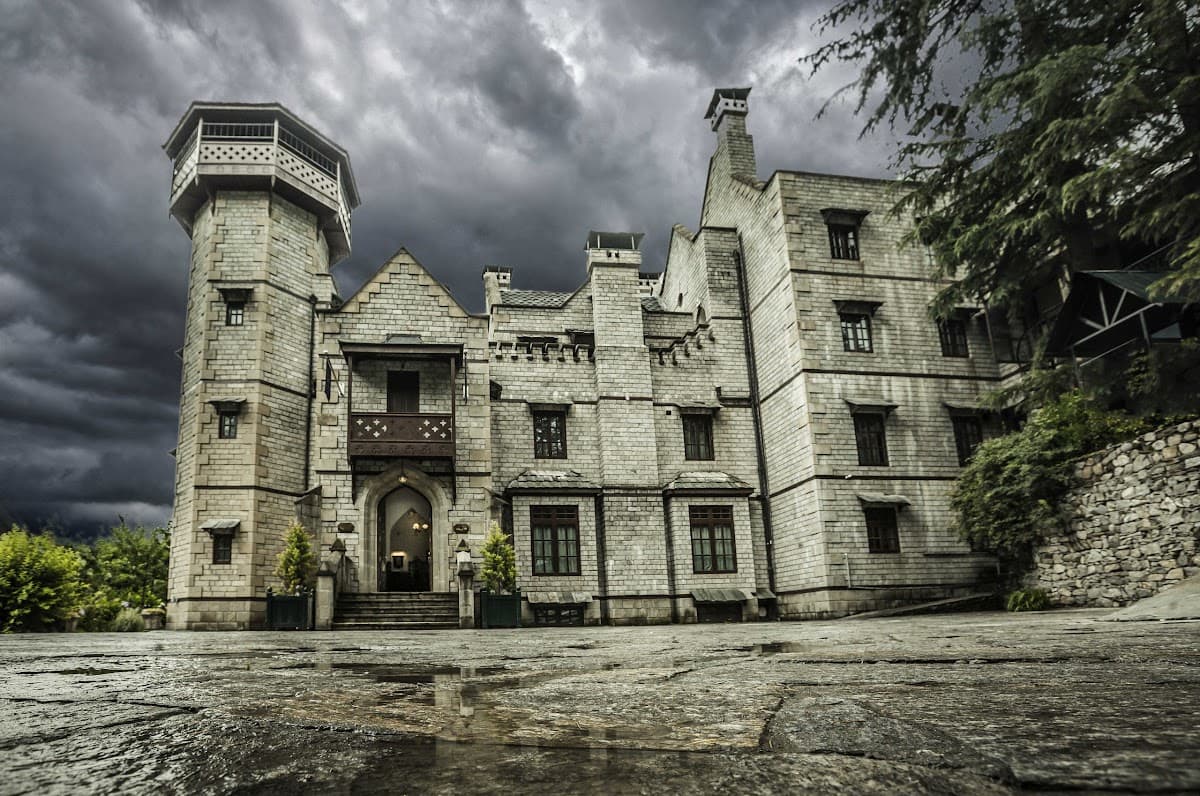
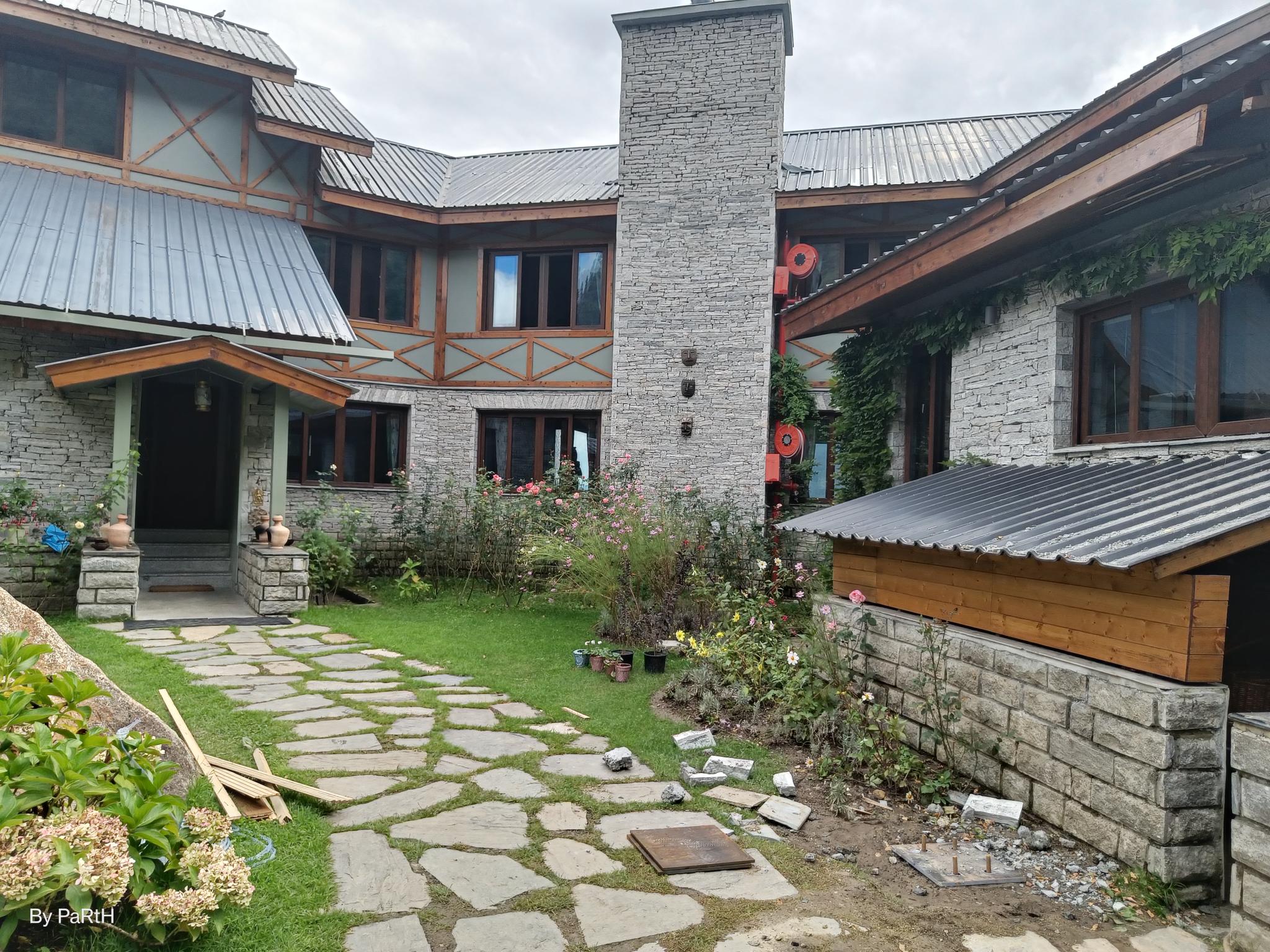
Where to Stay in Manali
1 recommended properties
Things to Do in Manali
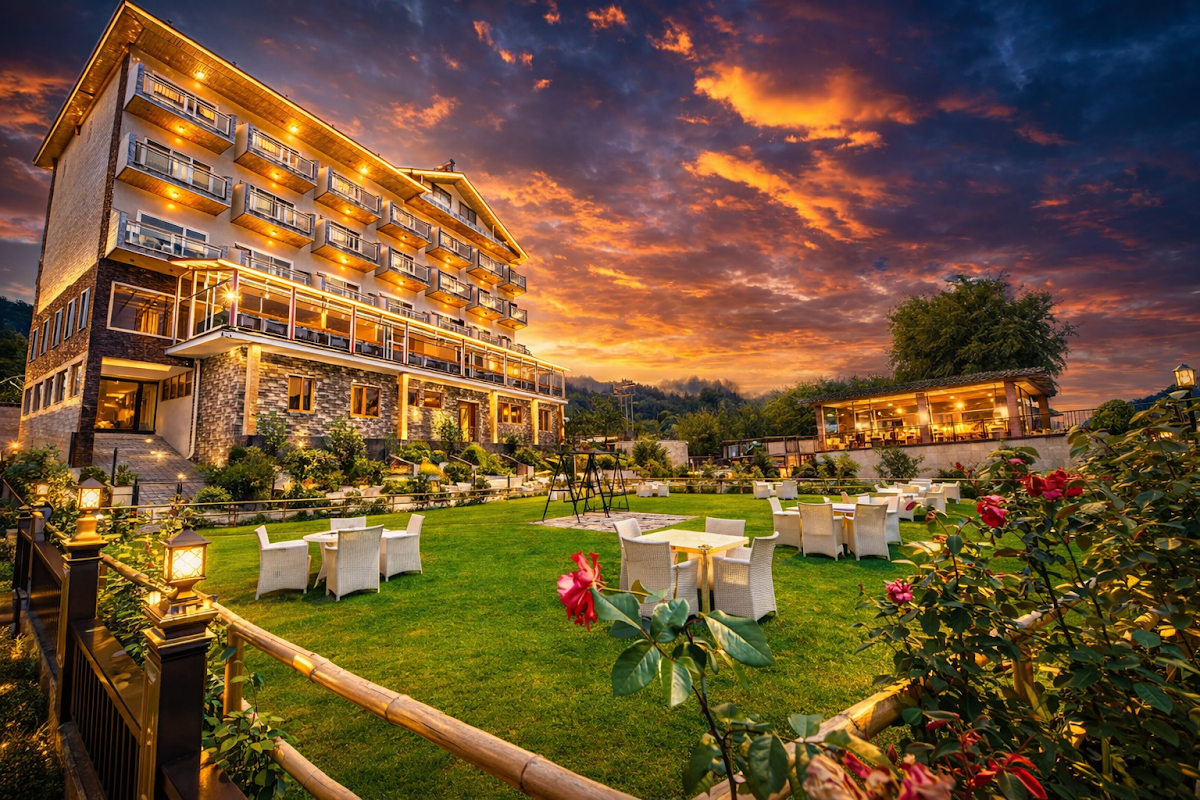
Couples Spa Treatment at Sun Park Boutique & Spa
120 min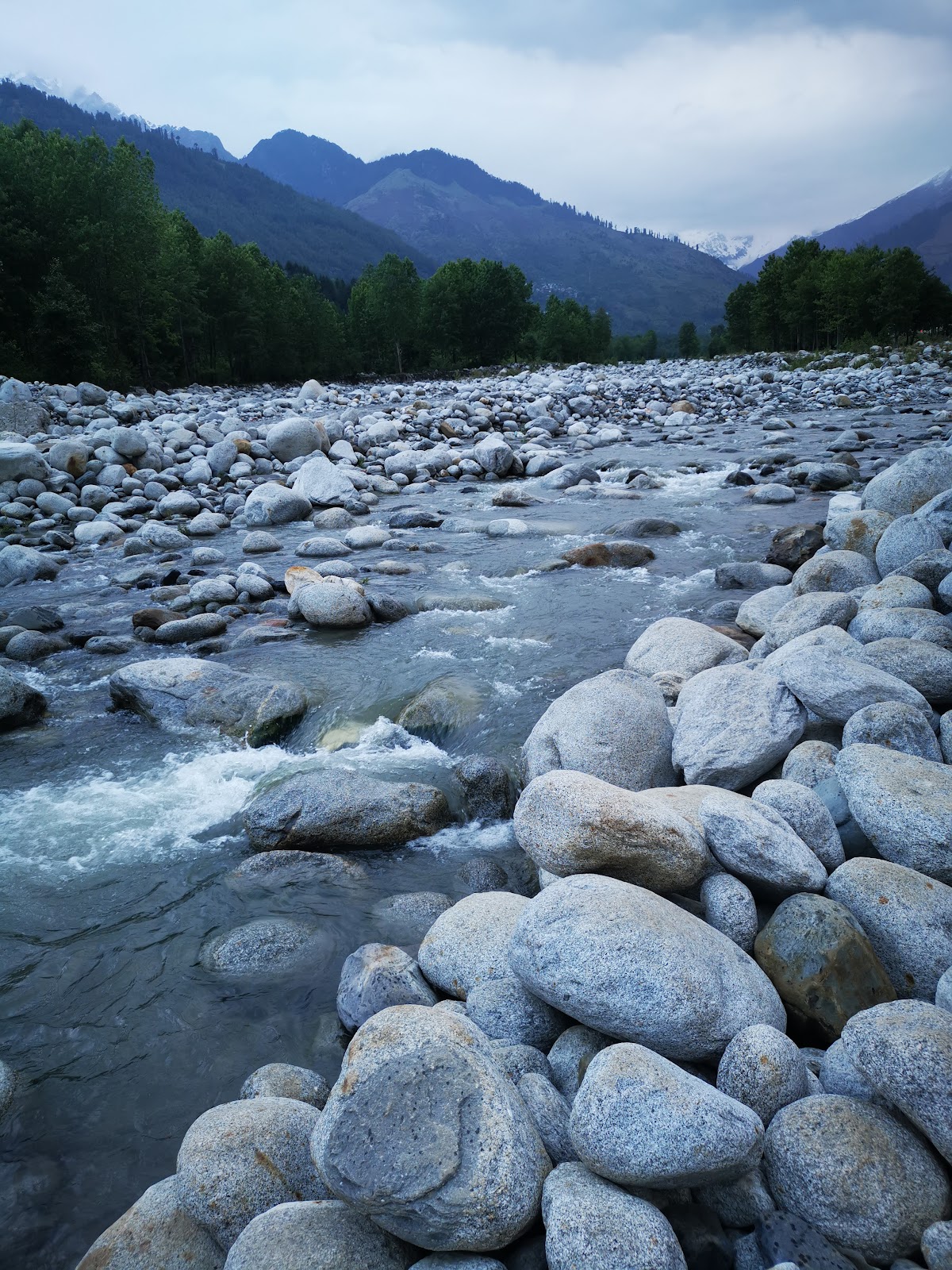
Beas River Walk
60 min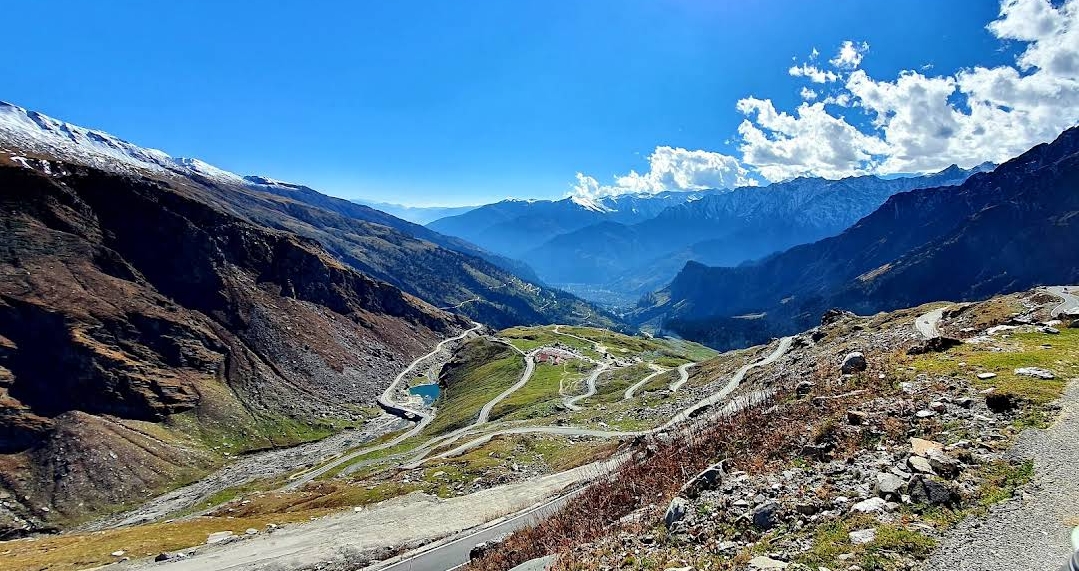
Mountain Hiking at Rohtang Pass
180 minMoney-Saving Tips
- 1.Happy hours run 4-7 PM at most bars - cocktails drop from 8 BHD to 5 BHD
- 2.Eat lunch at hotel restaurants for half the dinner price with the same quality
- 3.Local buses cost 0.3 BHD vs 3 BHD for taxis across town
- 4.Buy spices and dates at the traditional souq - prices are 60% less than hotel gift shops
- 5.Many museums offer free entry on Fridays for residents and tourists
- 6.Airport duty-free alcohol prices beat hotel bars by 40-50%
Travel Tips
- •Download the BeHappy app for real-time bus schedules and routes
- •Carry cash - many traditional restaurants and souq vendors don't accept cards
- •Dress modestly when visiting the souq area, especially on Fridays
- •Book restaurant reservations for Thursday and Friday nights - weekends get packed
- •The Formula 1 circuit offers track days for regular cars when races aren't happening
- •Learn basic Arabic greetings - locals appreciate the effort even if you butcher the pronunciation