
Mérida
Yucatan's colonial capital and Mayan gateway
Mérida isn't just another colonial city in Mexico. It's the place where Maya pyramids meet French mansions, where you can eat cochinita pibil for breakfast and dance salsa until dawn. The capital of Yucatan state feels like Mexico's best-kept secret, even though it's home to nearly a million people.
Here's what makes Mérida special: it's genuinely affordable, walkable, and safe. You can stay in a restored colonial mansion for $50 a night, eat incredible street food for $2, and explore ancient Maya ruins that are older than Rome. The city pulses with cultural life — free concerts in Plaza Grande every Thursday, art galleries in converted haciendas, and some of the country's most innovative restaurants.
But Mérida isn't perfect. It gets brutally hot from May to September. The historic center can feel touristy during peak season. And if you're looking for beaches, you'll need to drive an hour to the coast. Still, for travelers who want authentic Mexican culture without the crowds of Mexico City or the resort vibes of Cancun, Mérida delivers.
Best Months
JAN · FEB · MAR · APR · NOV · DEC
~31°C · high crowds
Culture & Context
MAYAN HERITAGE RUNS DEEP
Mérida is the capital of Yucatán state, and locals are fiercely proud of that distinction. This isn't generic Mexico. The food, the language, the traditions — they all carry a Mayan backbone that goes back thousands of years.
About a third of Yucatán's population still speaks Mayan, and you'll hear it mixed into everyday Spanish. People born here are called Meridanos. The city runs on its own rhythms: cantinas serve free snacks (botanas) with your drinks, Sundays belong to Paseo de Montejo when the avenue closes to cars, and the mercados open before dawn.
There's also a strong Lebanese influence in the food and culture, brought by immigrants in the early 20th century after the fall of the Ottoman Empire. Cochinita pibil is the dish everyone talks about, but locals will tell you the real test is the mucbipollo at Hanal Pixán. The expat community has grown fast, and with it comes tension: rent has gone up, Centro has gotten pricier, and longtime residents are feeling the squeeze.
Be aware of that dynamic. Dress modestly when entering churches — the Cathedral de San Ildefonso on Plaza Grande is the oldest cathedral in Mexico and people still pray there daily. Tipping is expected: 10–15% at restaurants, 20–30 pesos for taxi extras, and always a few pesos for your viene viene (the parking lot attendant waving you in).
Local Customs
SUNDAY PASEO RULES LIFE
Sundays on Paseo de Montejo: the avenue closes to cars and locals take over — cycling, walking, street food vendors everywhere. Show up before 10am for the best experience.. Cantina culture is real.
Places like Eladio's serve free botanas (snacks) with your drinks. The more you order, the more they bring. No cover charge, just buy drinks..
Yucatecan Spanish has a very distinct accent — the last syllable of words gets emphasized, 'n' at the end of words sounds like 'm' (so 'pan' becomes 'pam'), and the letter 'x' is pronounced 'sh'. Don't expect your high school Spanish or even your Cancún Spanish to sound right here.. When entering a room — a waiting room, a small shop, a cantina — say 'Buenas' (short for buenos días or buenas tardes).
It's basic courtesy and locals notice when you skip it.. Hanal Pixán altars are white and understated by Mexican standards. If you're visiting cemeteries during the celebration, be quiet and respectful — families are genuinely grieving and honoring loved ones, not performing for tourists..
Don't hail street taxis from the curb. Use Uber or DiDi in Mérida — they work fine here, unlike in Tulum. Pre-negotiated taxi prices are common; always confirm the fare before you get in..
Mercado Lucas de Gálvez on Calle 56 is where locals actually shop. Prices are low, the food is good, and haggling is fine for crafts and clothing but not for food stalls with fixed prices.. Guayaberas (embroidered linen shirts for men) are considered formal wear here, not tourist costume.
You'll see professionals wearing them to meetings.
Safety
MEXICO'S SAFEST CITY
Mérida is the safest large city in Mexico. The US State Department gives Yucatán state a Level 1 advisory — the only state in Mexico at that level. There are no transnational criminal organizations or cartel presence here.
You can walk around Centro at night and feel fine. That said, petty theft happens. Keep your phone off the table at outdoor restaurants and don't leave bags on chairs.
The markets get crowded and pickpockets target busy areas like Mercado Lucas de Gálvez. Don't hail taxis from the street — use Uber or DiDi, which work well throughout the city. Aggressive drivers and uneven cobblestone sidewalks are your most likely daily hazards.
Alcohol breathalyzer checkpoints (Alcoholimetros) operate on the road to Progreso on weekend nights — if you're driving back from the coast, know that. Police checkpoints at city entrances can feel intimidating but are routine. For women traveling solo, Mérida and Oaxaca are consistently cited as among the safest options in Mexico.
Electric summer heat is a health consideration — dehydration is real. Drink water constantly, especially if you're walking Centro in July or August.
Getting Around
WALKABLE CENTRO, BUS BEYOND
Centro is walkable. If you're staying near Plaza Grande, Santa Ana, or Santa Lucía, you can handle most tourist activity on foot. For everything else: The Va y Ven bus and IE electric tram network is the main public system.
Fares are 12 pesos per ride. Pay with the Va y Ven card (buy one at any OXXO or from machines at Parque La Plancha) or tap a contactless card directly on the newer buses. Download the Va y Ven app to check routes — Google Maps actually has most stops now.
The IE electric tram runs five routes through the city center; Route 901 (Pink Line, Paseo 60) connects central Mérida to the Tren Maya station at Teya, departing every 15 minutes, about 28 minutes' ride. The Tren Maya (Maya Train) departs from Teya station (eastern outskirts) — not central. Use the tram to get there.
From Mérida you can reach Izamal, Valladolid, Campeche, and Cancún by train. Cancún by ADO bus is 4 hours and costs around 300 MXN — departs from CAME terminal on Calle 70 at Calle 71, about 800 meters from Plaza Grande. Uber works well in Mérida.
To the city center from the airport expect 40–60 MXN. From the airport you'll need to walk 5–10 minutes outside before your Uber can pick you up — follow the locals doing the same. Official airport taxis cost around 250–350 MXN (fixed zone pricing).
Buses to Progreso beach depart from the terminal on Calle 62 between Calles 65 and 67 — about 26 MXN one way, 50 minutes, no reservation needed. Colectivo vans (called 'vans' or 'combis' locally, not 'colectivos' — a distinction locals care about) run fixed routes and depart when full. Useful for reaching smaller towns.
Look for destinations posted on the windshield, or ask around near San Juan Park.
Useful Phrases
Mérida Itineraries
View all
7 Wild & Lush Days in Mérida, Yucatán
Week · $$$
Three Lush Days in Mérida’s Wild & Green Corners
Weekend · $$$
7 Romantic Jungle-Wild Days in Mérida & Surrounds
Week · $$$

Romantic Jungle Escape in Mérida’s Colonial Heart
Weekend · $$$
7 Wild & Wonder-Filled Days in Mérida with Kids
Week · $$$
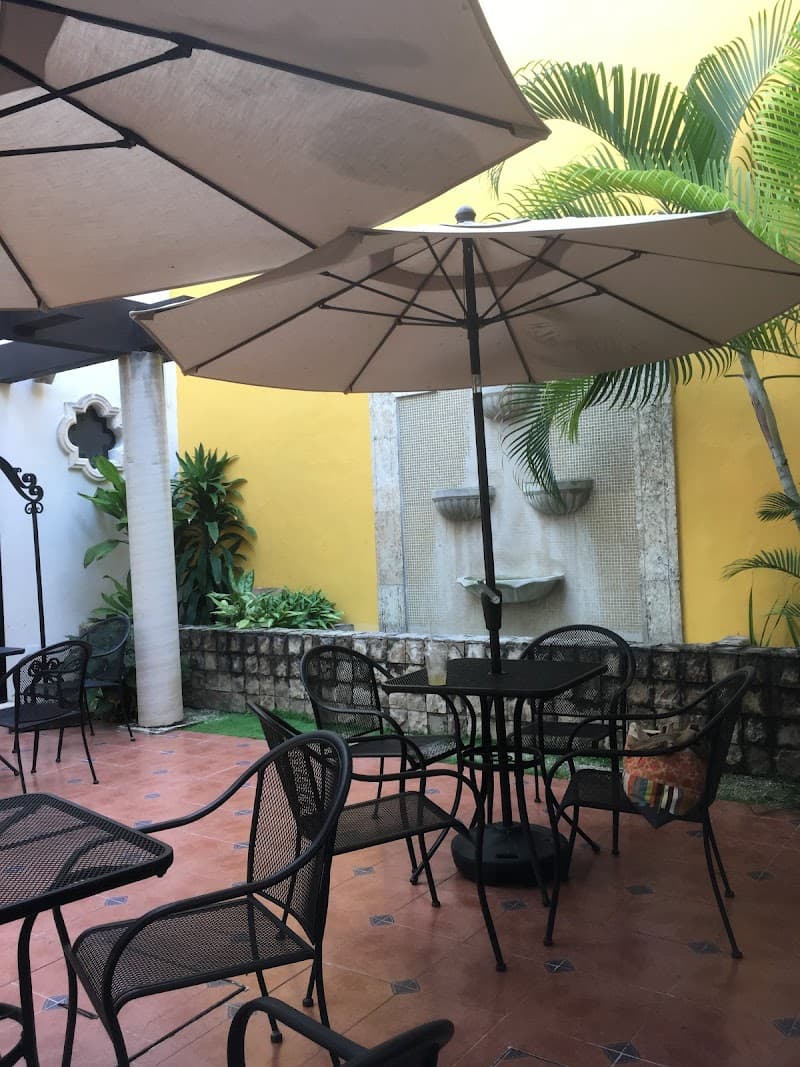
Jungle-Flavored Family Weekend in Mérida
Weekend · $$$
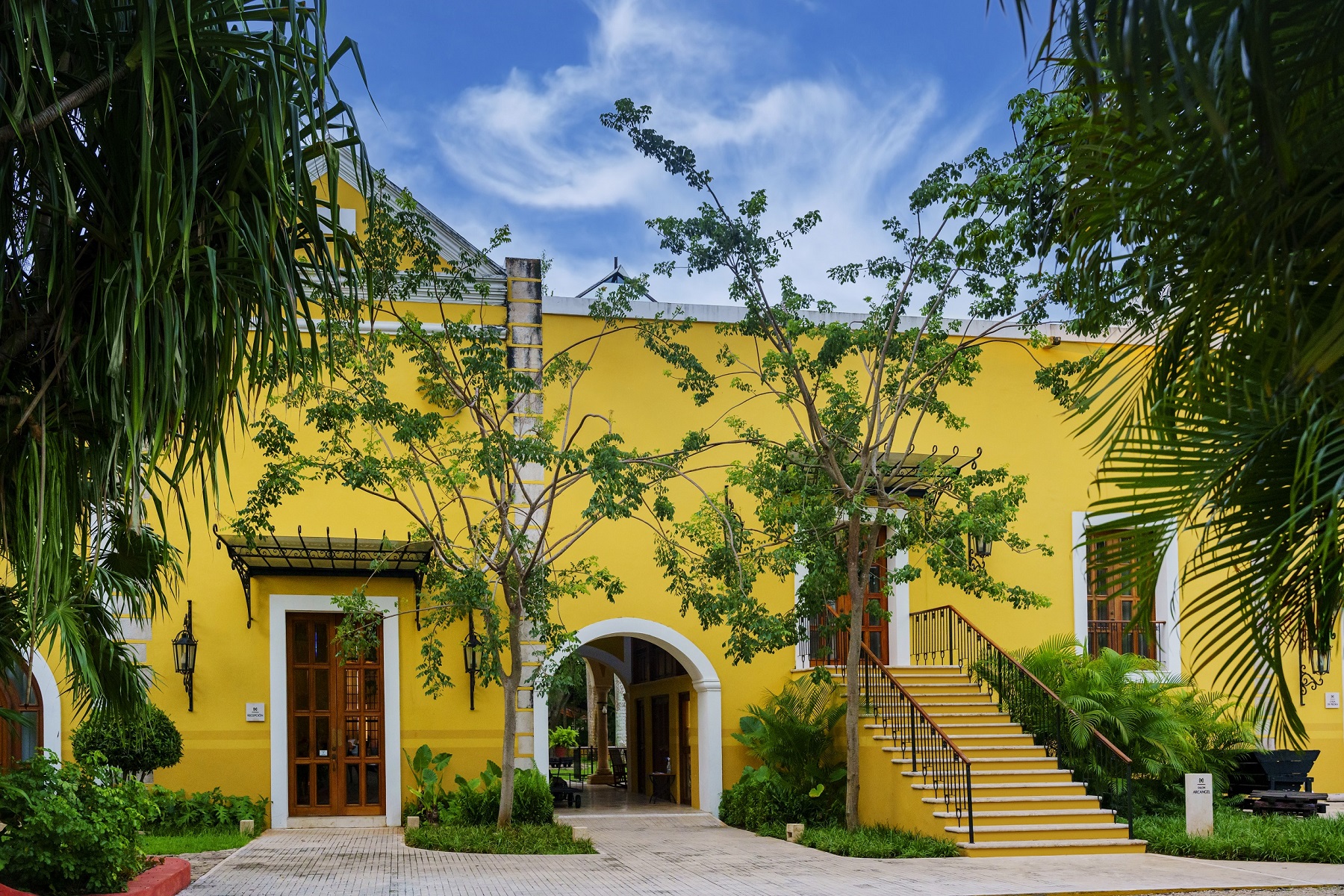
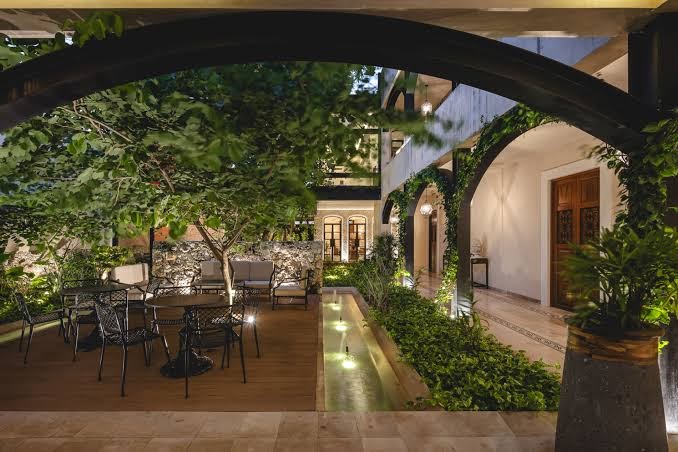
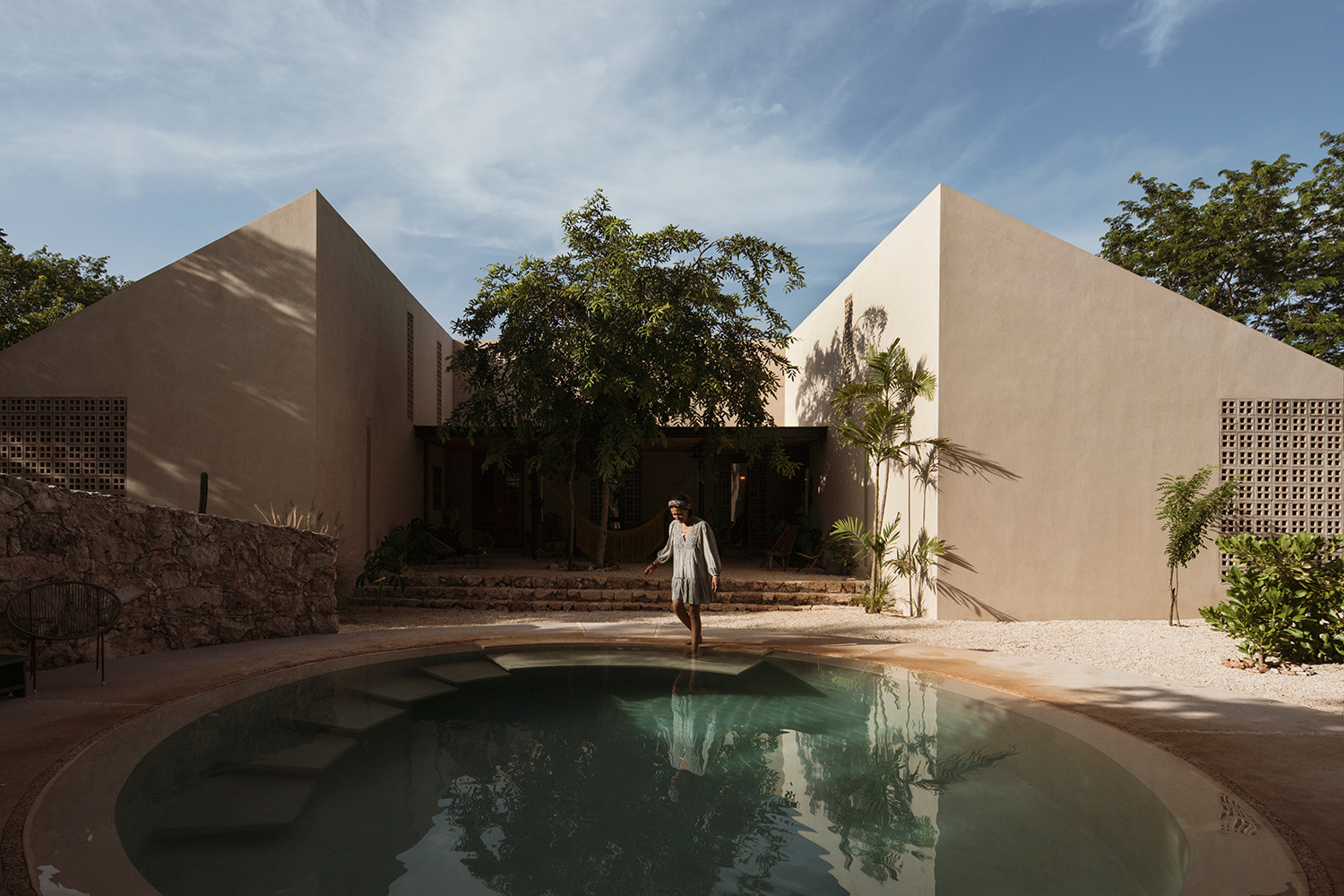
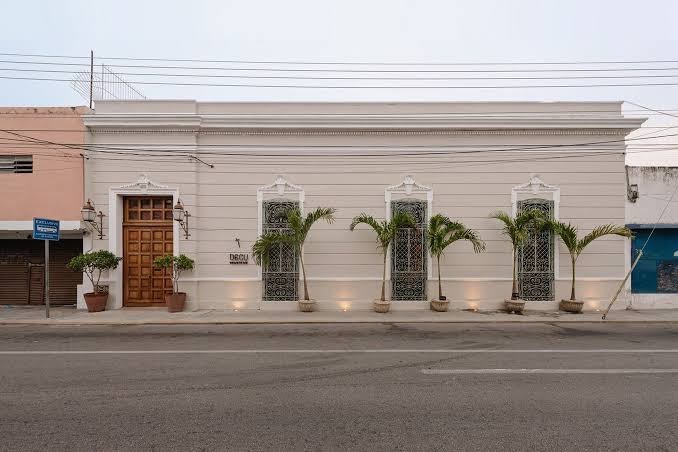
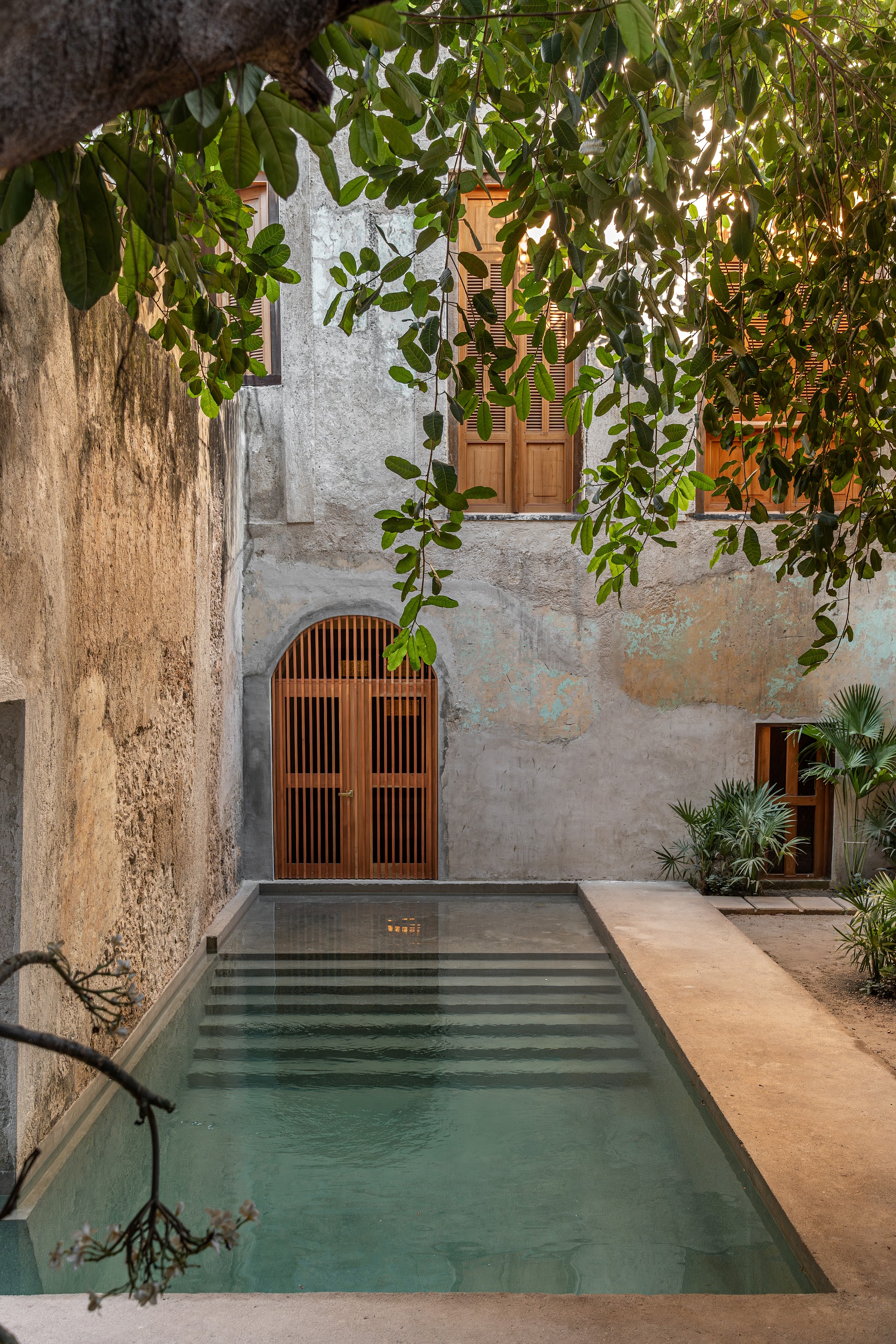
Where to Stay in Mérida
8 recommended properties
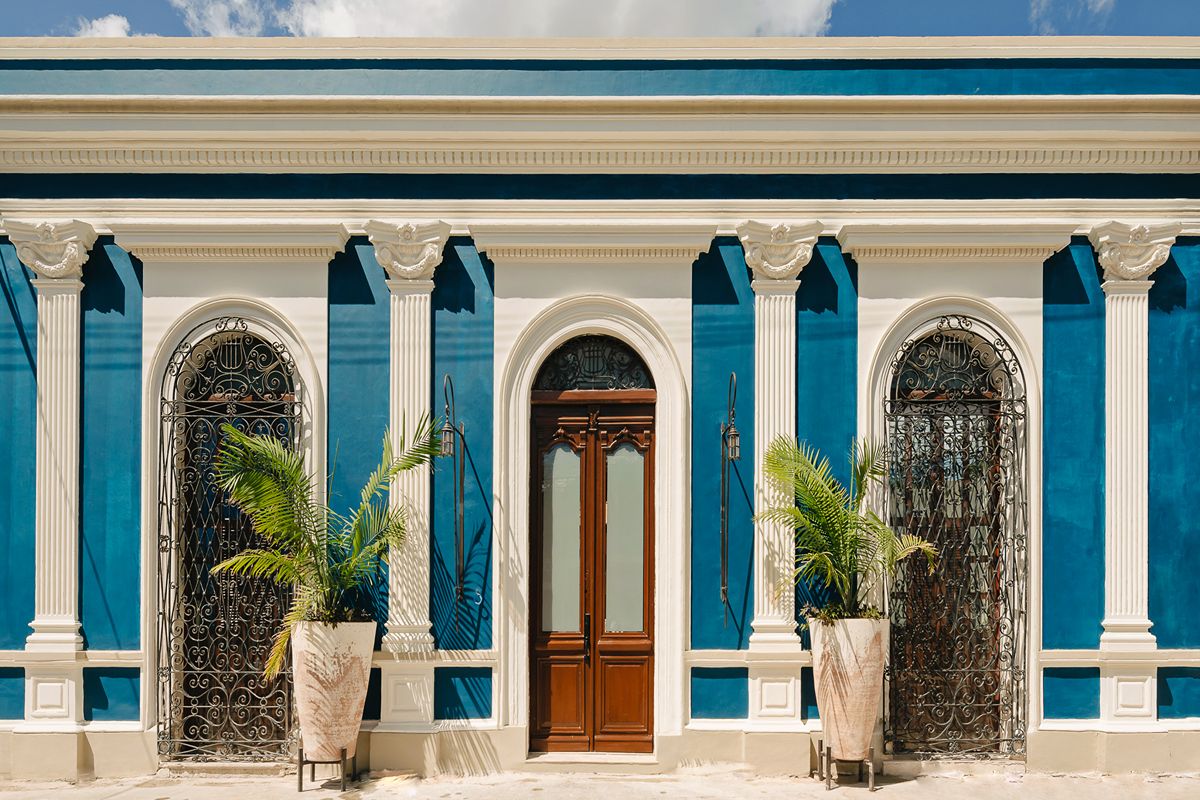
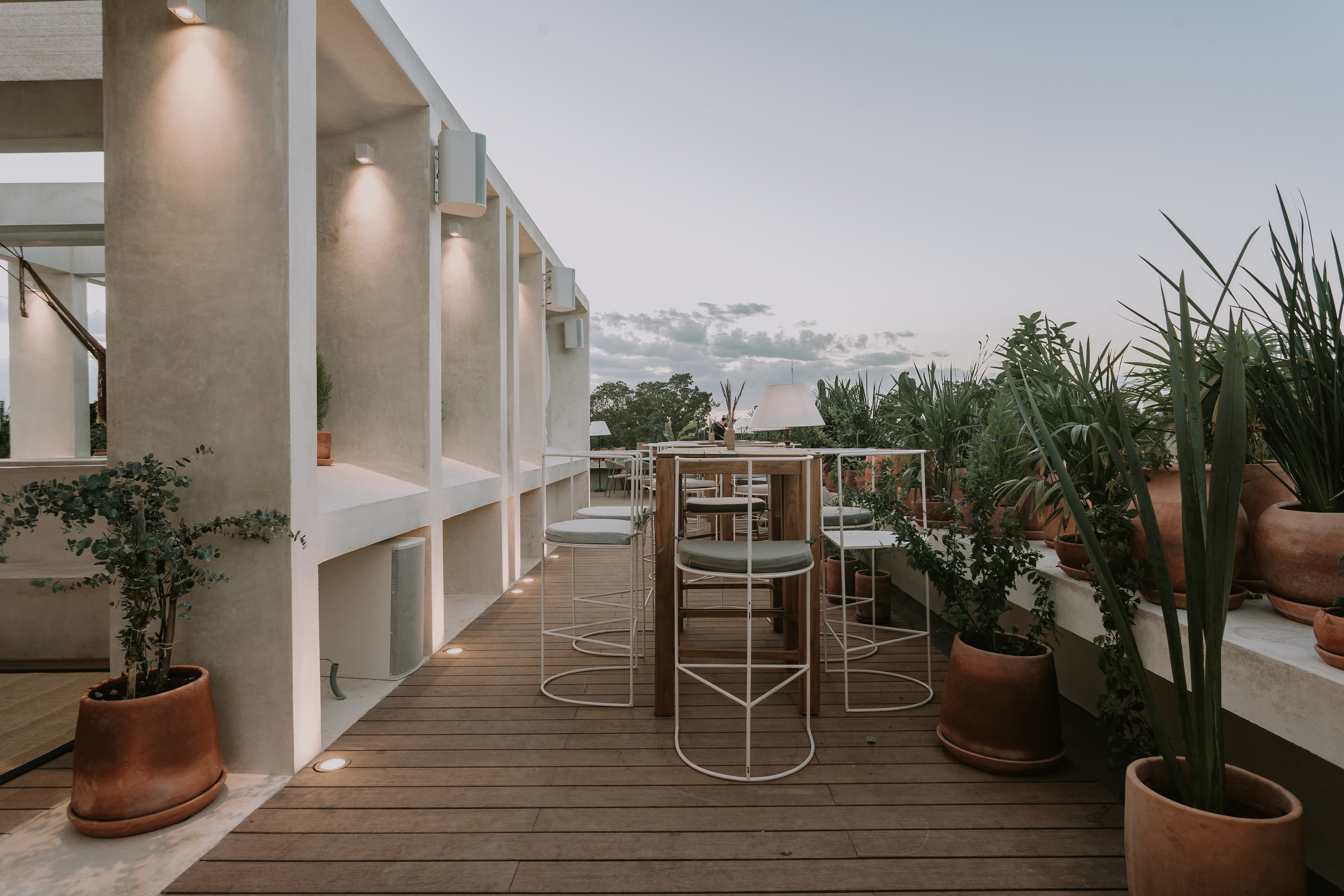
Things to Do in Mérida
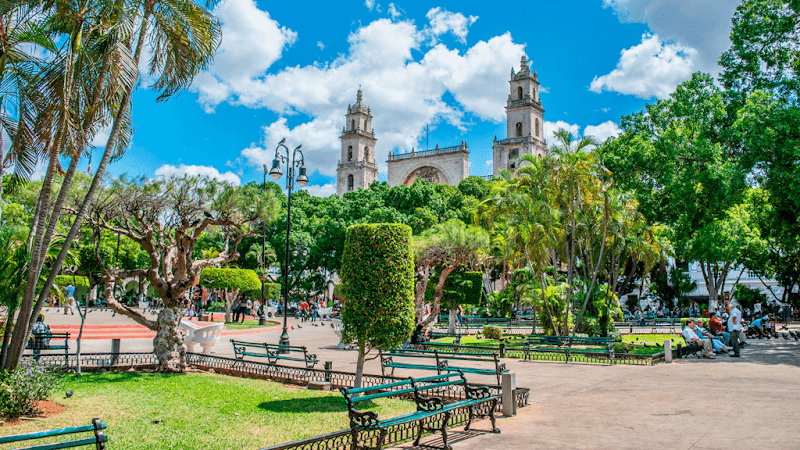
Plaza Grande & Mérida Cathedral (Catedral de San Ildefonso)
Centro Histórico · 90 min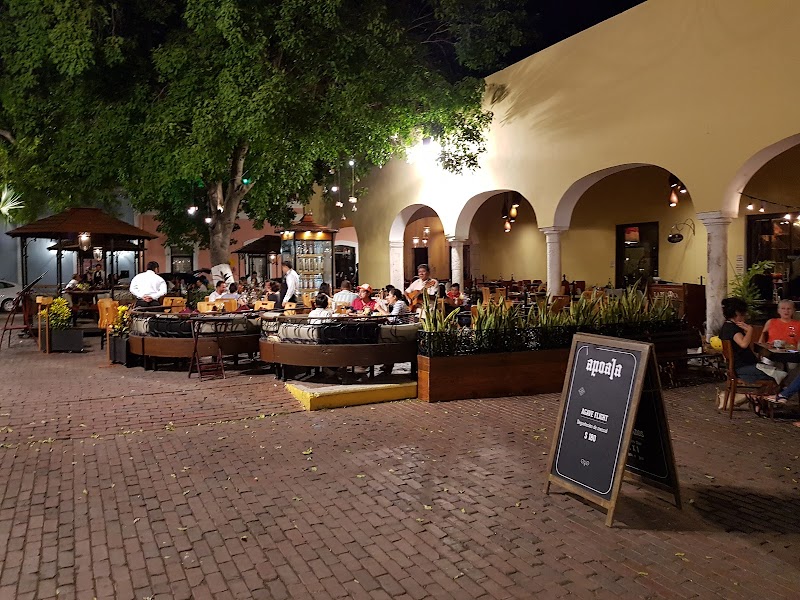
Parque de Santa Ana & Santa Ana Market (for browsing)
Centro Histórico (Santa Ana) · 45 min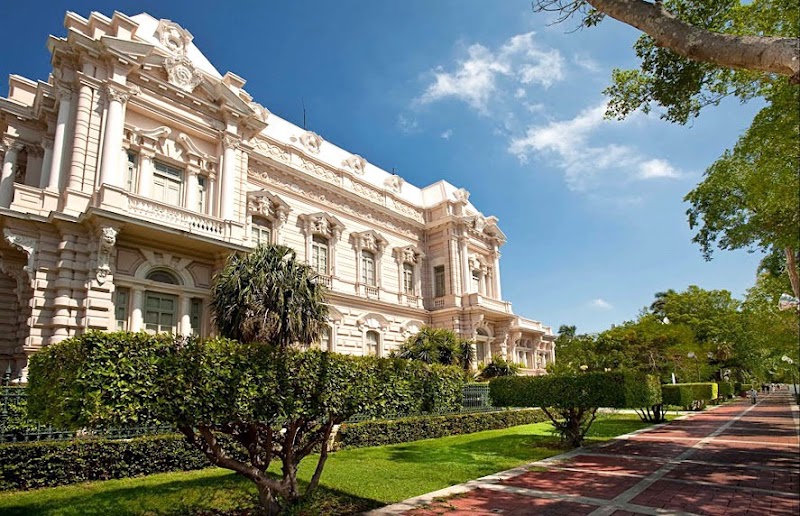
Paseo de Montejo Stroll
Paseo de Montejo / Centro-Norte · 90 minMoney-Saving Tips
- 1.Eat at local markets like Lucas de Gálvez instead of tourist restaurants — meals cost $3-5 versus $15-20
- 2.Stay in neighborhoods like Barrio de Santiago where hotels cost half the price of Centro Histórico
- 3.Take city buses (8 pesos) instead of taxis for longer distances around the city
- 4.Buy cenote tours directly at the sites rather than through hotel concierges to save 30-40%
- 5.Visit museums on Sundays when many offer free admission to Mexican residents (bring ID)
- 6.Shop for souvenirs at Mercado de Artesanías rather than shops along Calle 60
- 7.Book accommodations during rainy season (June-October) for 50% discounts
- 8.Use the free WiFi at Plaza Grande and cafés instead of buying expensive data plans
Travel Tips
- •Learn basic Spanish phrases — English isn't widely spoken outside tourist areas
- •Pack lightweight, breathable clothing and a good hat for the intense sun
- •Always carry cash — many local restaurants and markets don't accept cards
- •Download offline maps before exploring as cell service can be spotty in some neighborhoods
- •Rent a car for day trips to ruins and cenotes, but avoid driving in the city center
- •Book dinner reservations at popular restaurants like Kuuk well in advance
- •Bring reef-safe sunscreen for cenote swimming to protect the fragile ecosystems
- •Time your outdoor sightseeing for early morning or late afternoon to avoid the midday heat