Hormuz Island
Iran's rainbow island of surreal geological wonders
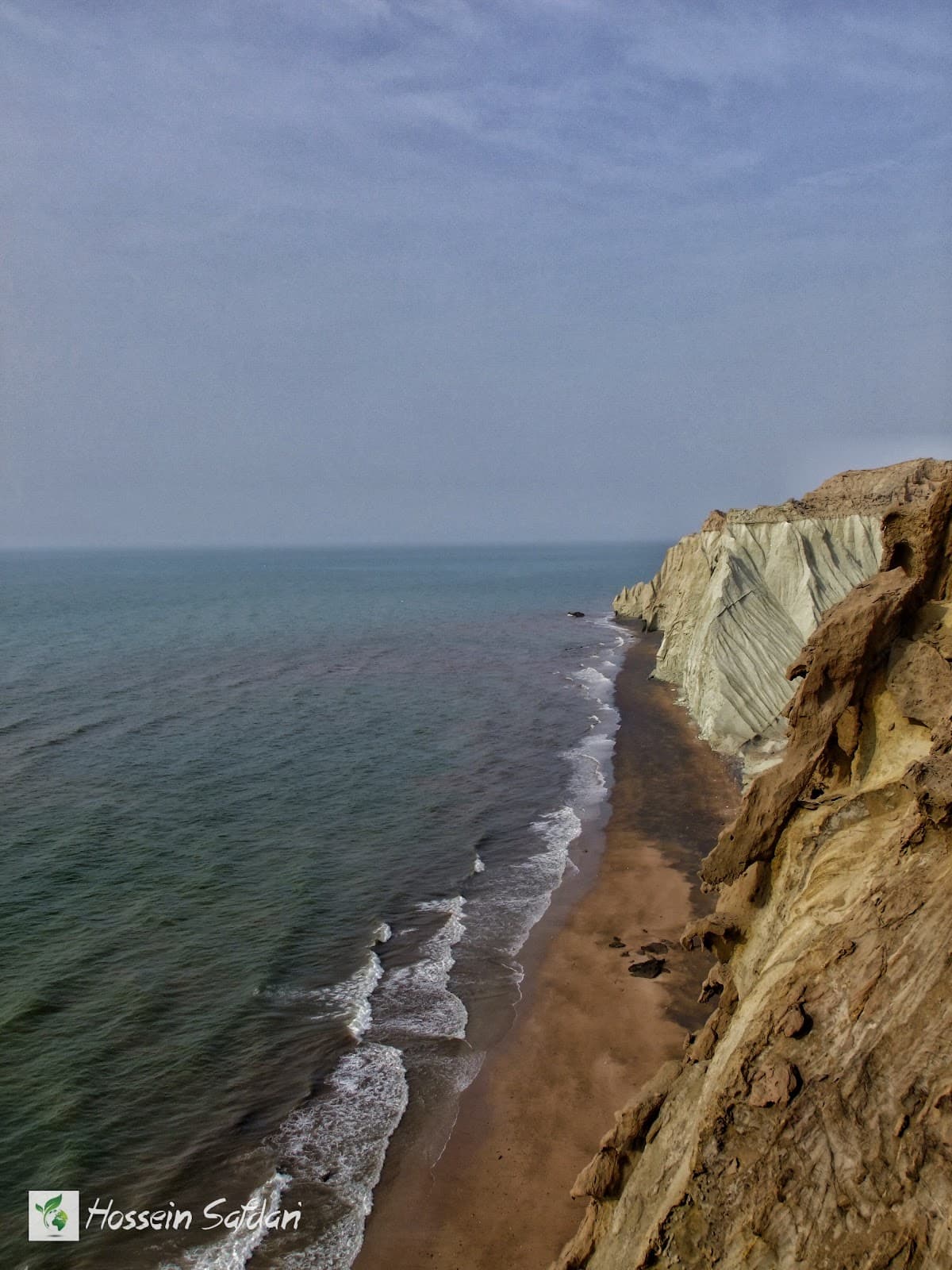
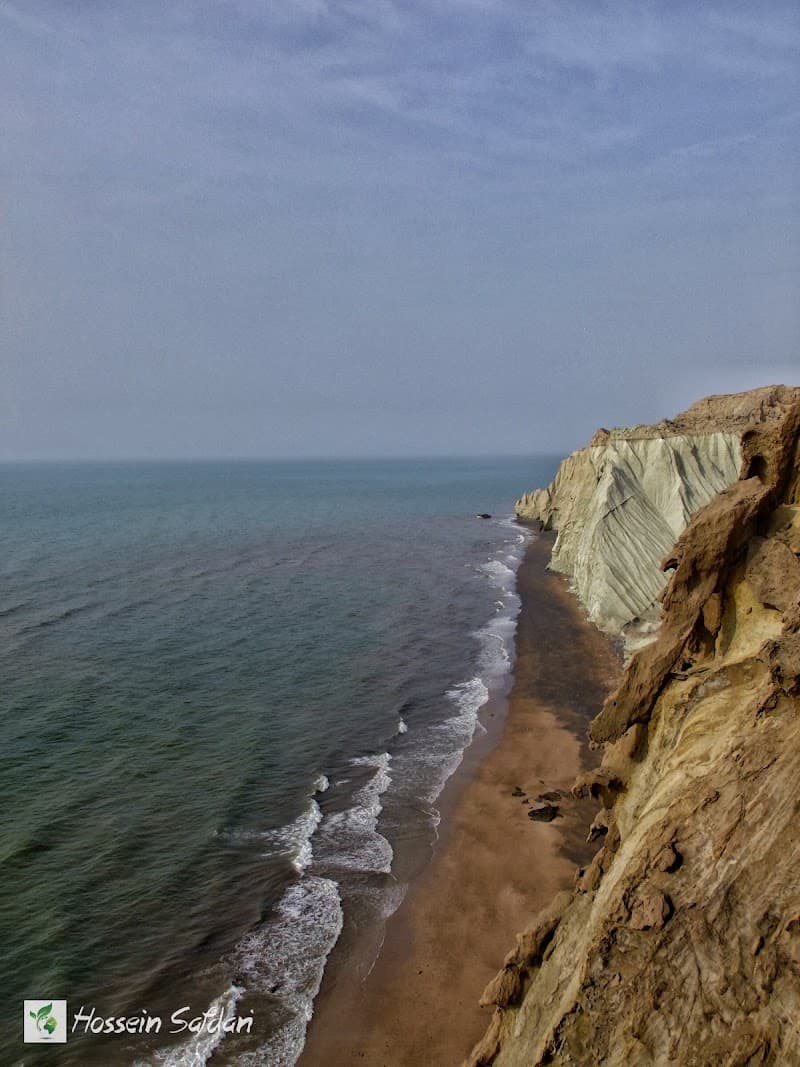
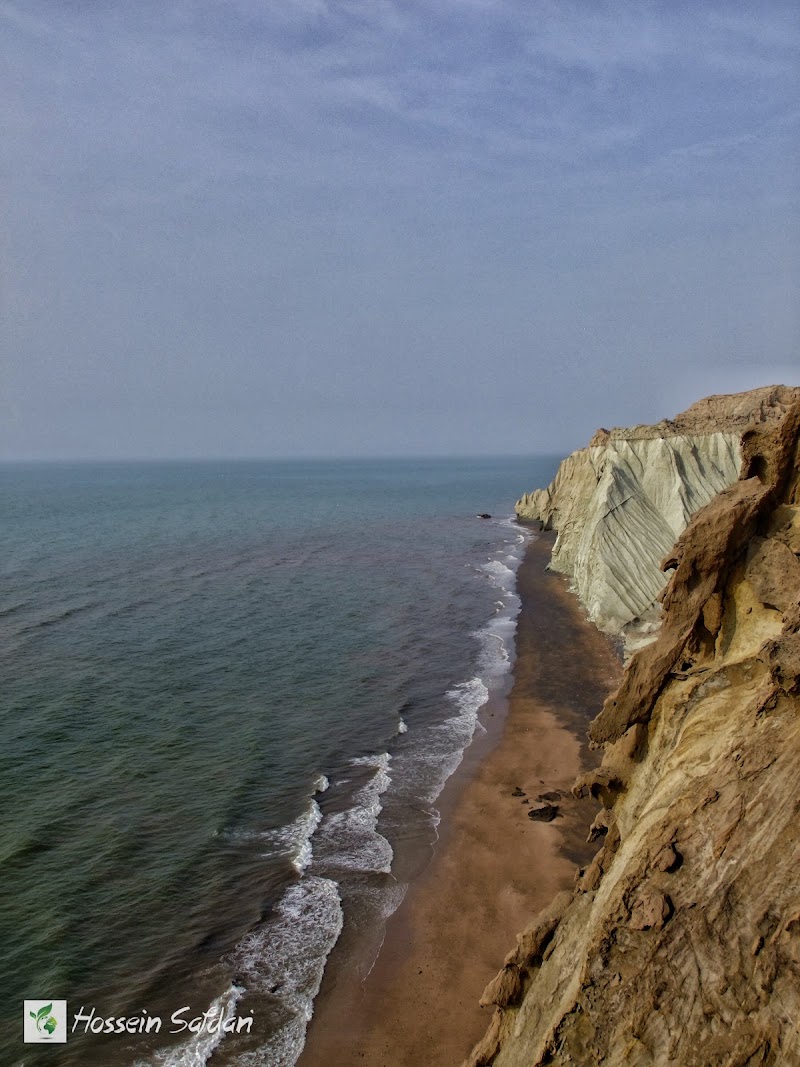
Forget everything you think you know about Persian Gulf islands. Hormuz Island looks like Mars decided to throw a rainbow party. The beaches here aren't just red — they're crimson, orange, yellow, and silver, painted by iron oxide deposits that have been brewing for millions of years. Local artists collect the colored soil to create paintings that tourists buy for pocket change.
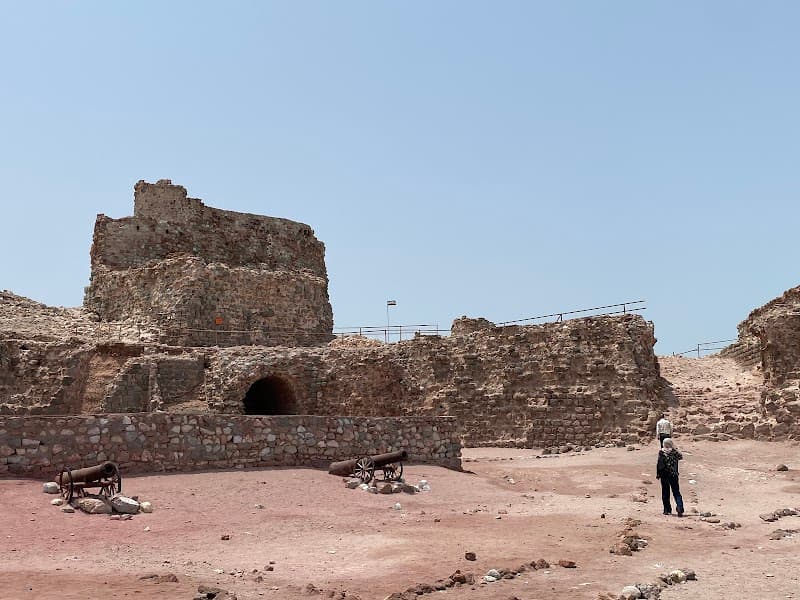
This 42-square-kilometer island sits 8 kilometers off Iran's southern coast, and it's where geology gets weird. The Valley of Statues looks like a sculpture garden designed by aliens. The Rainbow Valley shifts from deep red to bright yellow depending on where you stand. And the Portuguese Castle ruins remind you that this tiny island once controlled the entire Persian Gulf's trade routes.
Here's what makes Hormuz special: it's still raw. No resort chains, no cruise ship crowds. Just a handful of eco-lodges, local fishing families, and landscapes that make your phone camera work overtime.
Best Months
JAN · FEB · MAR · NOV · DEC
~26°C · moderate crowds
Culture & Context
ANCIENT TRADE ROUTES SPEAK
Hormuz has about 6,000 to 10,000 permanent residents, and most are Sunni Muslims speaking a Persian dialect blended with Bandari, Minabi, and traces of Portuguese, Arabic, Hindi, and Dutch. That linguistic mix is a direct trace of the island's trading-port past. Life moves with the tides: fishing is still central, the midday siesta from roughly 2pm to 5pm is real (shops close, streets empty), and evenings are when the island wakes back up with food smells and neighbors chatting outdoors.
You may still spot women wearing the traditional Bandari face masks (called burqa locally, not to be confused with the Afghan garment), though it's increasingly rare. Dress modestly as you would anywhere in Iran. Women need headscarves in the village; out on the wild coast, norms are more relaxed, but read the room.
The concept of taarof runs deep here: if someone offers you tea or says your meal is free, refuse once, then accept graciously. They're being genuinely kind, not conning you.
Local Customs
TAAROF COURTESY DANCE
Taarof is unavoidable and charming. When a shopkeeper waves away your money or a host insists you eat more, go through the ritual: refuse once or twice, then accept. It's a courtesy dance, not an actual offer of free stuff..
The midday siesta is serious. Between roughly 2pm and 5pm, most of Hormuz village shuts down. Plan your site visits around this or you'll be wandering empty alleys wondering where everyone went..
Modest dress matters in the village. Women need a headscarf and loose clothing. Out on the more remote beaches and trails, locals are more relaxed, but covering up in town is expected..
Khasteh nabashid (don't be tired) is said to workers and shopkeepers as a form of respect. Use it liberally. Locals will light up..
The red soil (Gelak or Golak) is edible and used as a spice locally. Trying it is fine, but don't pocket large amounts. The Department of Environment actively monitors overuse of the ochre..
Camping is widely done and generally accepted on the beaches. Just ask if you're anywhere near private property. The island has a low-crime feel and travelers consistently report feeling safe overnight..
Friday is the holy day. Expect reduced activity and some closures in the village on Friday mornings.
Safety
GEOPOLITICAL RISK REAL
Look, this is the honest part. The geopolitical situation around the Strait of Hormuz is serious in 2026. US and Israeli military strikes on Iran began in late February 2026, and ship traffic through the strait dropped by 97 percent almost immediately.
Multiple Western governments, including the US (Level 4: Do Not Travel), Canada, and the UK, currently advise against all non-essential travel to Iran. Tripadvisor also flags Hormuz as a destination where non-essential travel is not recommended right now. That's not propaganda.
Check your government's current advisory before making any plans. On the ground, travelers who visited before the 2026 escalation consistently describe Hormuz as safe, friendly, and low-crime. Violent crime is rare.
The people are genuinely welcoming. But the bigger risk is being caught in a geopolitical situation beyond your control: ferry disruption, port closures, or simply being unable to leave. The storm risk is also real: if weather conditions deteriorate, boats stop and you're stuck.
Budget for the possibility of an unplanned extended stay. There's no currency exchange on the island, no foreign card ATMs anywhere in Iran, and internet access may be restricted. US, UK, and Canadian citizens must travel with a government-approved licensed guide and pre-arranged tour; independent travel is not permitted for those nationalities under current regulations.
All travelers should register with their embassy and keep copies of all documents separately from their passport.
Getting Around
FERRY & TUKTUKS
Getting to Hormuz requires going through Bandar Abbas first. Fly into Bandar Abbas Airport (BND) from Tehran or other Iranian cities. From Shahid Haqani Pier in Bandar Abbas, ferries run throughout the day to Hormuz (roughly 40-50 minutes, about $2-3 USD one-way).
You can also reach Hormuz from Shahid Zakeri Pier on Qeshm Island, with ferries departing at 7am and 2pm, returning from Hormuz at 8am and 3pm. On the island itself, there are no taxis or private cars in the traditional sense. Tuk-tuks (motorized rickshaws) cluster just outside the port gate and are the fastest way to loop the island, about 4 hours for a full circuit at roughly $2 per hour after a little haggling.
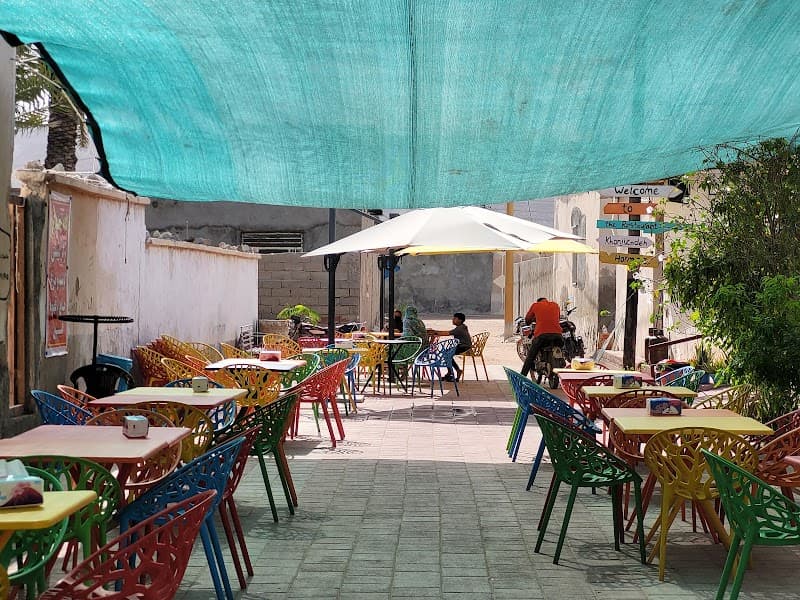
The entire coastal road is 24 kilometers. Bicycles rent for about $0.75/hour from the dome building immediately right of the port gate (the second dome; the first one is the cafe).
Cycling the full loop takes about 4 hours of actual pedaling, more if you stop frequently. The island is also walkable in sections if you have enough water. Carry more than you think you'll need: there's no shade on most of the route and the sun is unforgiving even in winter.
Useful Phrases
Hormuz Island Itineraries
View all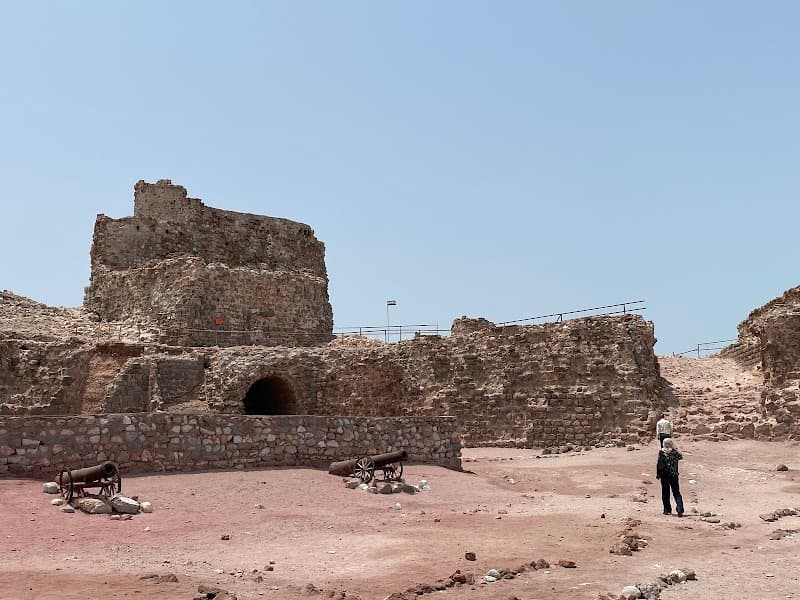
Seven-Color Sands: A Week on Hormuz Island
Week · $$$
Color Dunes & Salt Caves: A Long Weekend on Hormuz
Weekend · $$$
7 Dreamy Days on Iran’s Otherworldly Hormuz Island
Week · $$$
Colorful Coves & Cosmic Landscapes on Hormuz Island
Weekend · $$$
Color-Splashed Family Escape on Hormuz Island
Week · $$$
Colorful Hormuz Island Family Escape
Weekend · $$$
Things to Do in Hormuz Island
Arrive at Hormuz Island & Port Stroll
Hormuz Port Village · 120 min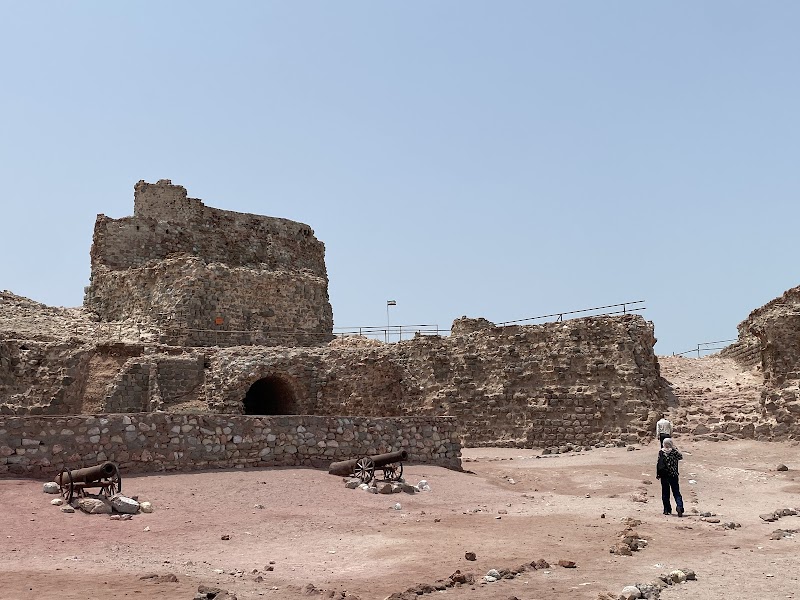
Portuguese Castle (Fort of Our Lady of the Conception)
Hormuz Port Hilltop · 90 min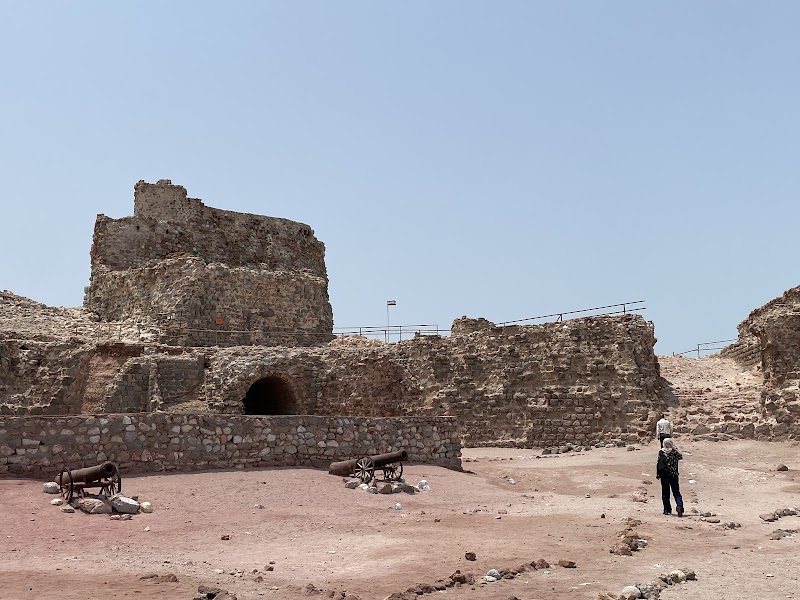
Portuguese Castle (Hormuz Fortress)
Hormuz Village (Central Port Area) · 90 minMoney-Saving Tips
- 1.Ferry tickets cost 80,000 rials each way - buy return tickets to avoid queues
- 2.Bring cash from Bandar Abbas - no ATMs on island and card payments rare
- 3.Local guesthouses (800k-1.2M rials) offer better value than the Grand Hotel
- 4.Rent motorcycles for 300,000 rials/day instead of expensive guided tours
- 5.Buy water and snacks on mainland - island prices are double
- 6.Fish dinners cost 400k-600k rials - share plates to save money
- 7.Camping is free on some beaches but bring all equipment
- 8.Negotiate tour prices - guides often start at inflated rates for tourists
Travel Tips
- •Pack water shoes - the colored rocks and coral fragments are sharp
- •Bring warm layers - nights get surprisingly cold even in winter
- •Check ferry schedules before traveling - winter storms cause cancellations
- •Download offline maps - cell service is spotty outside the main village
- •Wear sun protection - the reflected light from colored rocks intensifies UV
- •Respect photography rules at Portuguese Castle - some areas are restricted
- •Learn basic Farsi phrases - English isn't widely spoken
- •Pack extra phone batteries - no reliable charging outside accommodations
Frequently Asked Questions
Explore Hormuz Island
BUILD YOUR
HORMUZ ISLAND PLAN
Insider picks, smart timing, and a plan ready when you are.
Start Planning