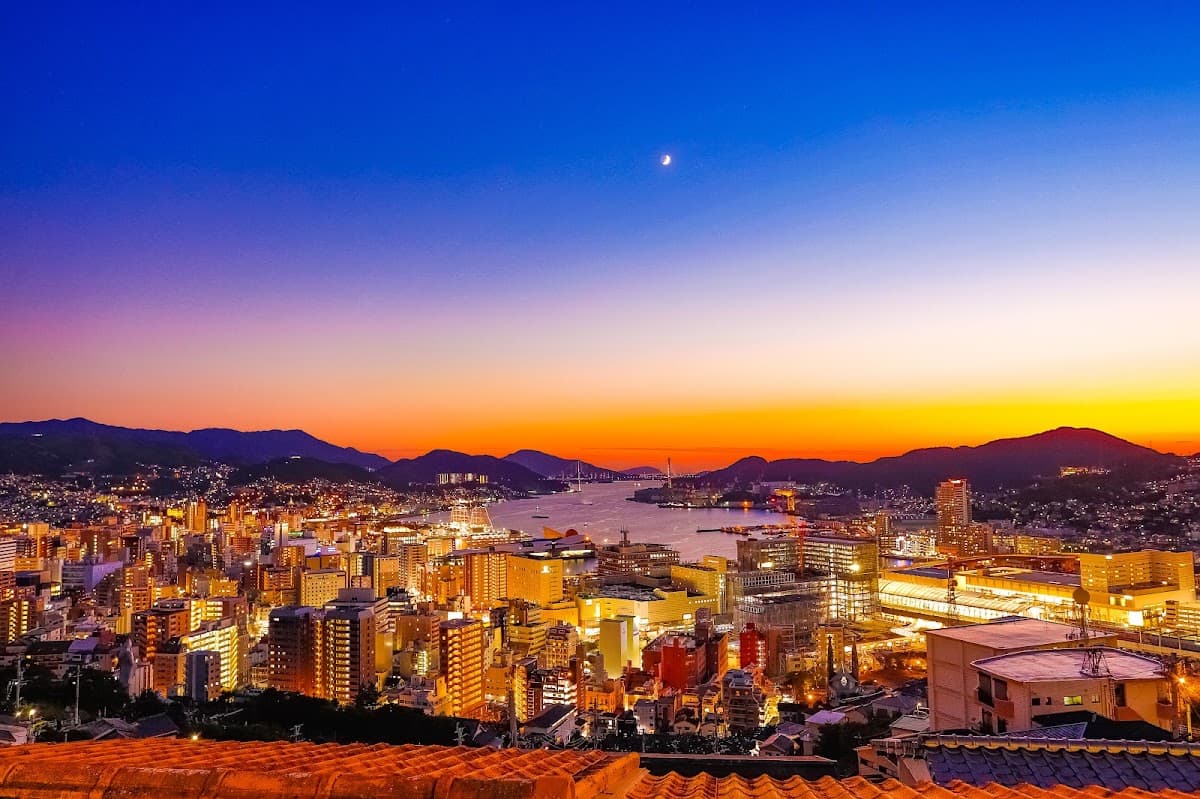
Nagasaki
Where profound history meets stunning harbor views and resilience
Most travelers rush past Nagasaki on their way to Tokyo or Kyoto. Big mistake. This harbor city on Kyushu's western coast serves up some of Japan's most compelling stories alongside champon noodles that'll ruin you for ramen forever. The atomic bomb memorial sits minutes from Portuguese-influenced churches and Chinese temples. Trams still clatter through streets where Dutch traders once walked. And the harbor views? They're the kind that make you understand why so many cultures wanted to call this place home.
Best Months
MAR · APR · MAY · SEP · OCT · NOV
~22°C · moderate crowds
Culture & Context
ISOLATION & ATOMIC RECKONING
Nagasaki spent nearly two centuries as Japan's only open port during the Tokugawa Shogunate's isolation period (1639–1853). The Dutch were the only Westerners permitted to trade, confined to the small artificial island of Dejima. Chinese merchants were also present, segregated into what became Japan's oldest Chinatown.
Portuguese missionaries arrived even earlier, establishing Nagasaki as a trading post in 1571 and introducing Christianity — which led to brutal suppression and the execution of 26 martyrs in 1597. This layered history of openness, isolation, and persecution is visible everywhere: in the food, in the festivals, in the architecture, and in the city's complicated relationship with Western culture. Then August 9, 1945.
The atomic bomb detonated over Urakami, killing tens of thousands. The Peace Park and museum are a core part of the city's identity — not background scenery but an active conversation the city is still having. In 2026, the New York Times named Nagasaki one of its 52 Places to Go, which means tourism is picking up.
Go soon, and don't treat the memorial sites as boxes to check on a sightseeing list.
Local Customs
QUIET, QUEUED, NO TIPPING
No eating or drinking while walking. Buy your street food and stand still to eat it, then keep moving.. Tipping is not a thing in Japan.
Do not leave money on the table — it will cause confusion or mild offense.. Take off your shoes before entering traditional restaurants, many ryokans, and some temple areas. Slip-on shoes make your life easier..
Bowing when greeting or thanking someone goes a long way. A small nod-bow is fine for tourists — you don't need to go full 90 degrees.. Queue discipline is strict.
Lines form for trams, elevators, escalators (stand left, walk right), and food stalls during festivals. Join the back, wait your turn.. Eating on the tram or bus is frowned upon.
The Nagasaki tram is a short ride between stops anyway, so it's not a big hardship.. Keep your voice down in public transit and at museums. Loud conversations on trains draw looks.
Phone calls on trains are considered rude — step off or text.. Carry cash. While credit cards are increasingly accepted, many small restaurants, local izakayas, and festival stalls in Nagasaki are still cash-only..
August 9 is the anniversary of the atomic bombing. Attend the Peace Park ceremony if you're in the city — it's a solemn, meaningful event, not a tourist attraction.. The Kunchi festival is enormously popular with locals.
Be prepared for 7 a.m. starts if you want a decent view, and consider buying reserved seats.
Safety
VERY SAFE, STAY AWARE
Nagasaki is very safe. Crime rates are genuinely low, violent crime against tourists is extremely rare, and you can walk around at night without worry. Solo female travelers are well-catered for — harassment is uncommon and public transit is clean, well-lit, and staffed.
The main things to actually watch: earthquakes happen in Japan and Nagasaki is no exception — check your hotel room's earthquake instructions when you arrive. During festival crowds (Lantern Festival, Kunchi), keep your bag zipped and in front of you. A few overpriced tourist-trap restaurants exist near the big sites — check prices on the menu before sitting down.
The Fake Monk Donation scam (someone in robes asking for temple donations) does occasionally appear near tourist spots; real monks don't solicit money on the street. The US State Department rates Japan at Level 1 (Exercise Normal Precautions) as of 2025. Carry your passport or a copy — Japanese law technically requires it on your person.
Getting Around
TRAMS & STEEP HILLS
The tram is your best friend. Four lines cover all the major sites — Peace Park, Chinatown, Glover Garden, Dejima — for ¥140 a ride. Buy the ¥600 day pass if you're doing more than five stops.
Get it at the tourist information office near Nagasaki Station. The tram network runs on a regular schedule and is well-signed in English. Taxis exist and work, but they're expensive from the start.
Nagasaki Airport sits 18km north of the city on an island in Omura Bay — about an hour by bus (roughly ¥900). Fly in from Tokyo Haneda (budget carriers like Solaseed Air have routes from around ¥2,500–5,000 one-way when booked early). From Fukuoka/Hakata, the JR Kamome Limited Express takes under two hours.
Highway buses from Hakata Station are the cheapest option from Fukuoka. The city itself is hilly, which matters more than it sounds. Glover Garden has escalators (up only), but large chunks of Minami-Yamate and the Dutch Slopes area involve real uphill walking.
Comfortable, flat shoes are non-negotiable.
Useful Phrases
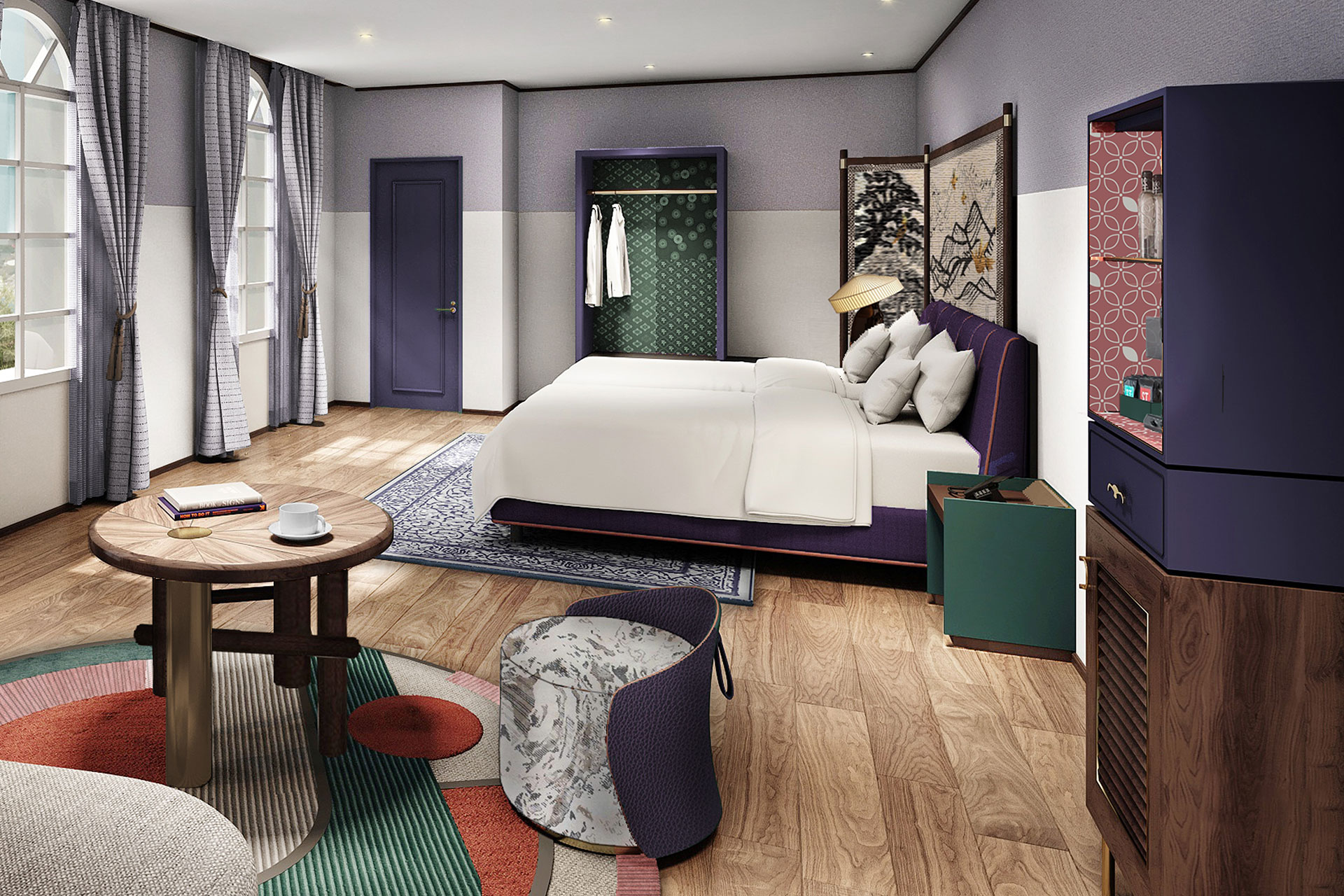
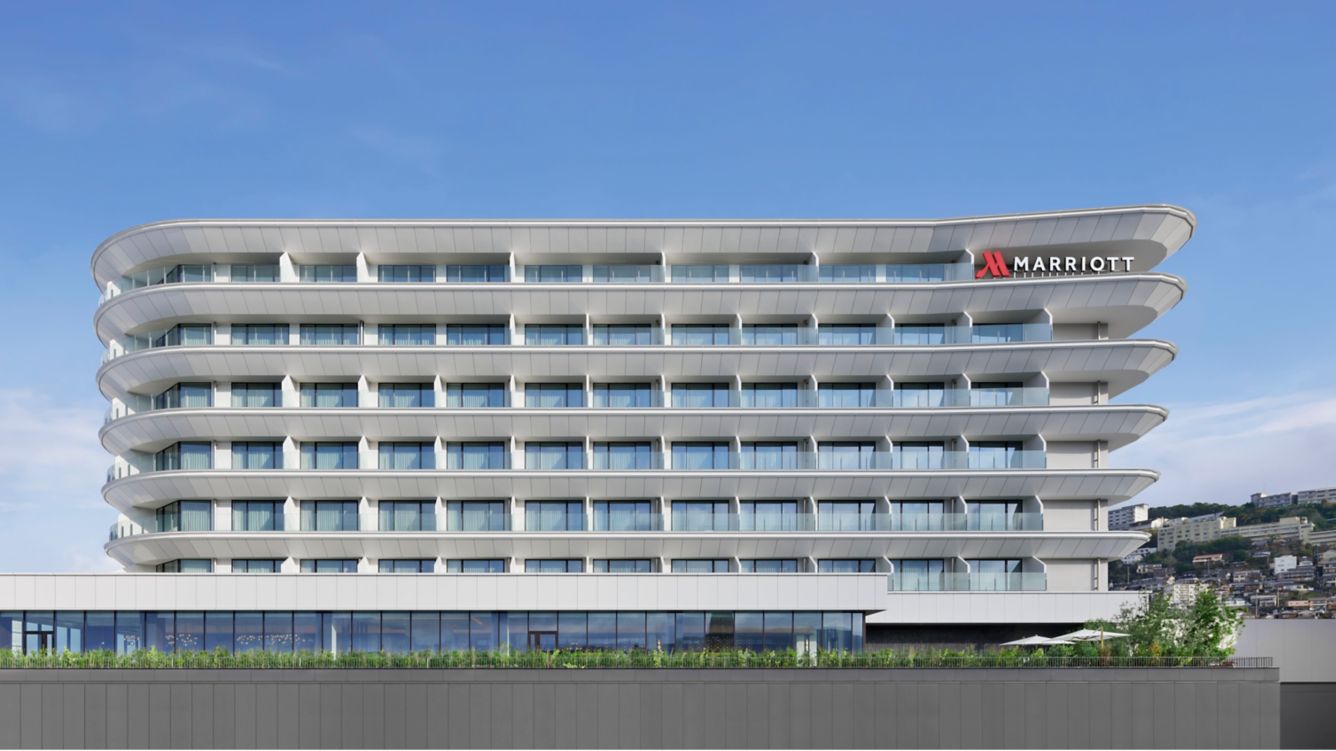
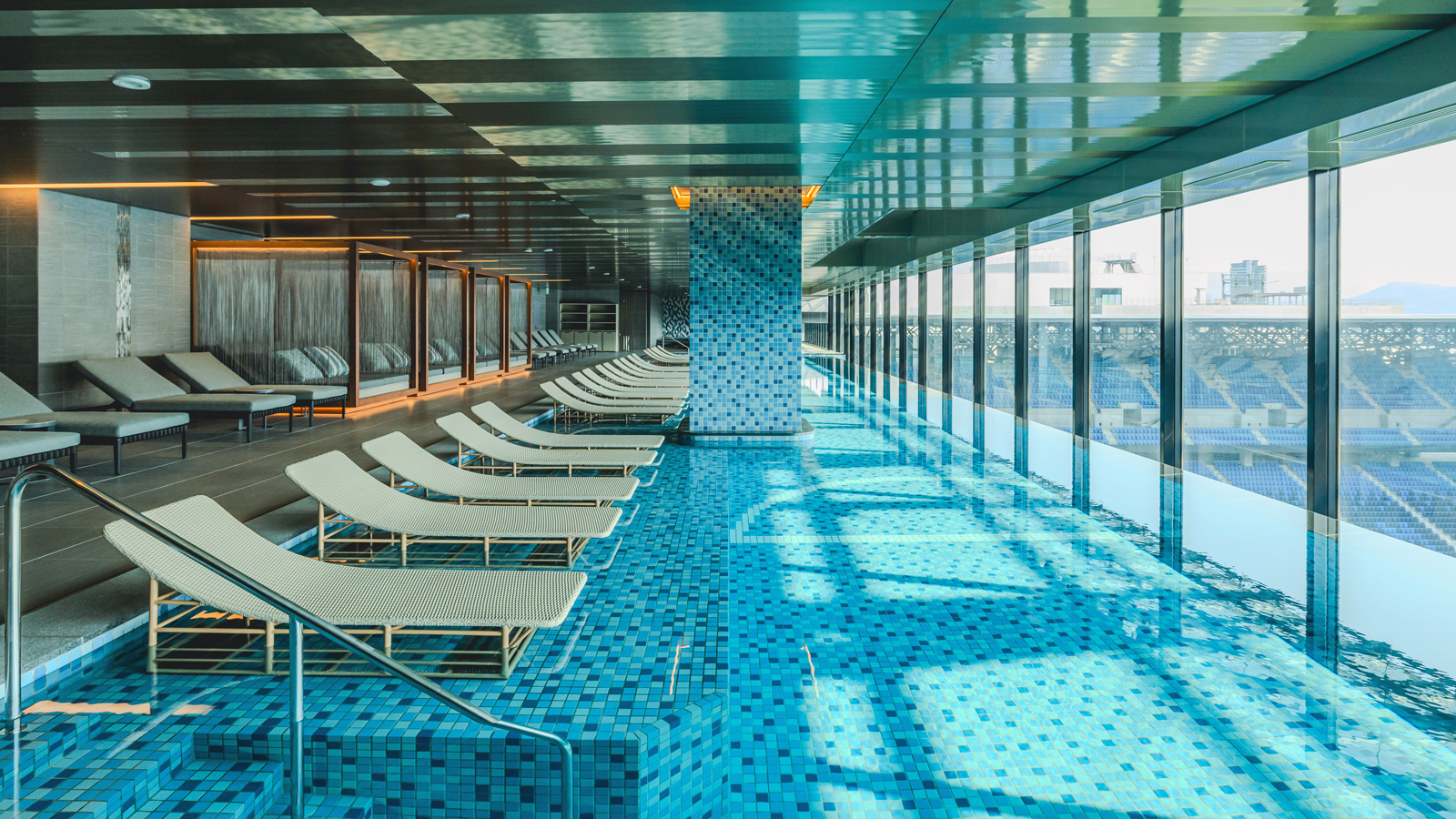
Where to Stay in Nagasaki
3 recommended properties
Money-Saving Tips
- 1.Buy a Nagasaki tram day pass for ¥500 instead of paying ¥140 per ride – you'll break even after four trips
- 2.Skip the expensive harbor restaurants at Dejima Wharf and eat champon at local shops for ¥800-1,200 instead of ¥3,000+ tourist meals
- 3.Book Gunkanjima tours directly with operators like Yamasa Kaiun rather than through hotels to avoid markup fees
- 4.Many temples and shrines have free admission, including Sofukuji Temple and Suwa Shrine – save your yen for paid attractions like Glover Garden
- 5.Convenience store meals cost ¥300-500 and beat overpriced hotel breakfast buffets at ¥2,500+
- 6.Mount Inasa cable car costs ¥730 round-trip, but the city bus to the summit is only ¥230 if you don't mind the winding route
- 7.Happy hour at Shianbashi bars runs 5-7 PM with drinks starting at ¥300 instead of ¥800+ after 8 PM
Travel Tips
- •Download a Japanese translation app – English signage is limited outside major tourist areas
- •Carry cash everywhere – many restaurants and shops don't accept credit cards, especially in Chinatown
- •Wear comfortable walking shoes with good grip – Nagasaki's hills are steep and often wet from harbor humidity
- •Book Gunkanjima tours 2-3 days ahead during peak season as they frequently sell out
- •The Peace Park and Atomic Bomb Museum are emotionally heavy – plan lighter activities afterward
- •Trams stop running around 11:30 PM, so factor in taxi costs for late nights (¥1,000+ to most hotels)
- •Bring layers – harbor winds can make temperatures feel 5°C cooler than forecast
- •Learn basic chopstick etiquette – many champon shops are traditional and expect proper form
- •The Lantern Festival in February draws huge crowds – book accommodation months in advance
- •Keep your JR Pass handy – some attractions offer discounts for rail pass holders