
Isla Holbox
Mexico's car-free Caribbean paradise with whale sharks and flamingos
Forget everything you know about Mexican beach towns. Isla Holbox operates on island time, where golf carts replace cars and the biggest decision you'll make is whether to swim with whale sharks or hunt for flamingos in the mangroves. This sliver of sand off the Yucatan Peninsula feels like stepping into a different world — one where reggae drifts from beachside bars, hammocks sway between palms, and the Caribbean meets the Gulf of Mexico in brilliant turquoise waters. But here's what makes Holbox special: it's still relatively unknown. No massive resorts, no cruise ship crowds. Just 1,500 locals, sandy streets, and some of the most incredible wildlife encounters you'll find anywhere in Mexico.
Best Months
JAN · FEB · MAR · APR · NOV · DEC
~28°C · peak crowds
Culture & Context
FISHING VILLAGE MEETS ECO-TOURISM
Holbox started as a small fishing village and most families here still remember when it was just that. The name comes from Yucatec Maya and means 'black hole,' a reference to the dark-colored water at the lagoon entrance. The whole island sits inside the Yum Balam Nature Reserve, a UNESCO-recognized biosphere declared in 2004, which means development is technically limited.
In practice, the last decade has brought yoga studios, Italian-Argentinian fusion restaurants, and boutique hotels charging Tulum prices. But the fishing village identity hasn't disappeared. Local fishermen still go out early, and the Fiesta Patronal de San Telmo (the patron saint of fishermen) is taken seriously here.
Mexicans from the mainland make up a huge portion of visitors, particularly during Semana Santa and Christmas, so don't assume it's a purely gringo destination. On a recent visit, one traveler reported meeting only one American in five days, with most guests coming from Europe and mainland Mexico. Reef-safe sunscreen is not just polite, it's expected.
The island takes its eco-credentials seriously.
Local Customs
REEF-SAFE SUNSCREEN REQUIRED
Tip 10-20% at restaurants — always check the bottom of the bill for 'Propina sugerida' (suggested tip) before adding more. It's often already included.. WhatsApp is how everyone communicates on the island.
Hotels, tour operators, restaurants — they all use it. Set it up before you arrive and save relevant numbers.. Reef-safe sunscreen only.
The island takes marine conservation seriously and regular sunscreen is frowned upon in the water. Bring your own from home since eco-friendly options on the island are pricey.. No cars means sandy streets.
Wear sandals or water shoes you don't mind getting sandy and occasionally wet. After rain, the streets flood and turn muddy. Good shoes matter..
Restaurants close between lunch and dinner service, roughly 2pm-6pm. If you arrive in the afternoon expecting to eat, you'll struggle. Plan accordingly..
Most businesses and locals prefer pesos over USD. You'll get a poor exchange rate if you pay in dollars at restaurants.. Mosquitoes are serious business, especially near Punta Mosquito (the name is not ironic) and after sunset.
Pack insect repellent and actually use it.. Golf cart taxis at the ferry dock often quote inflated prices to arriving visitors. Agree on the price before you get in..
Plastic bags and single-use plastics are restricted. Bring a reusable bag if you plan to shop.
Safety
SAFE BUT WATCH STORMS
Holbox is genuinely one of the safer places in Mexico for tourists. The island's isolation works in its favor: no cars, a small community where everyone knows each other, and ferry-only access make it hard for mainland problems to spill over. Violent crime against tourists is extremely rare.
The more realistic concerns are mosquitoes (bring repellent and actually use it), dark sandy streets with no lighting once you leave the center (bring a flashlight for nights out), and golf cart taxi drivers who quote inflated prices to fresh arrivals at the ferry dock (agree on a fare before you get in). Hurricane season runs June through November, with August-October being the riskiest window. During a bad storm, the island can flood, lose power, and ferry service can pause.
Some years the island evacuates. If you're traveling in this window, monitor forecasts and have a flexible exit plan. Medical care on the island is limited to a public clinic and a few pharmacies.
The largest pharmacy is Farmacia De Similares on Calle Porfirio Díaz near the main square. Serious injuries or illnesses require getting to Cancun or Playa del Carmen. Travel insurance that covers water sports and emergency evacuation is a smart call here, especially if you're planning whale shark tours or kayaking.
Getting Around
FERRY THEN GOLF CARTS
Getting here takes some effort. Fly into Cancun (CUN), then get to the small port town of Chiquilá on the mainland, roughly 2 hours by car or 3.5 hours on an ADO bus (tickets from 180-375 MXN from Cancun, depending on time).
From Chiquilá, two ferry companies (Holbox Express and 9 Hermanos) run the crossing. Holbox Express departs on the half-hour from 6:30am to 9:30pm; 9 Hermanos runs on the hour from 6am to 9pm. Tickets cost 300 MXN per adult each way.
The crossing takes 15-25 minutes. Book your transfer from Cancun airport in advance — airport taxi drivers will overcharge you significantly if you haven't arranged anything. Shared shuttle is the most cost-effective option.
Once on the island, forget cars. Golf cart taxis wait at the ferry dock and charge 20-200 MXN depending on where you're going. Golf cart rentals run $40-70 USD per day if you want freedom to explore.
Bikes are cheaper and perfectly fine for shorter distances. Punta Mosquito and the western beaches are reachable on foot if you don't mind a 30-45 minute walk on sand. Some roads flood after heavy rain, making the beach itself the easier walking route.
Useful Phrases
Isla Holbox Itineraries
View all
Seven Wild Days on Isla Holbox
Week · $$$
Wild Isla Holbox: Jungle-Lagoon Weekender for Solo Explorers
Weekend · $$$
Jungle-Wild Holbox: Slow Romance, Sand, and Sea
Week · $$$
Three Slow Days of Wild Romantic Holbox
Weekend · $$$
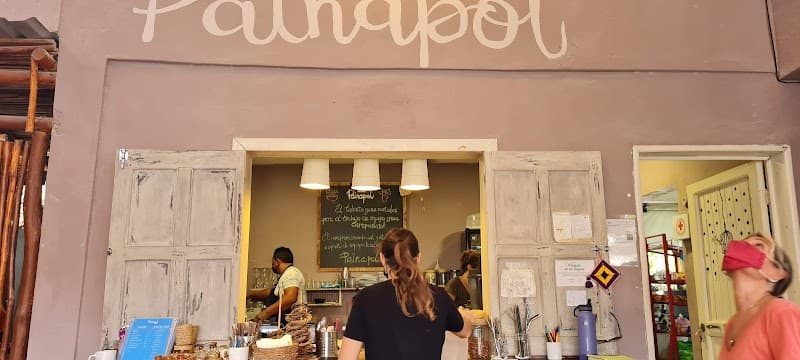
Seven Wild Days on Isla Holbox with the Family
Week · $$$
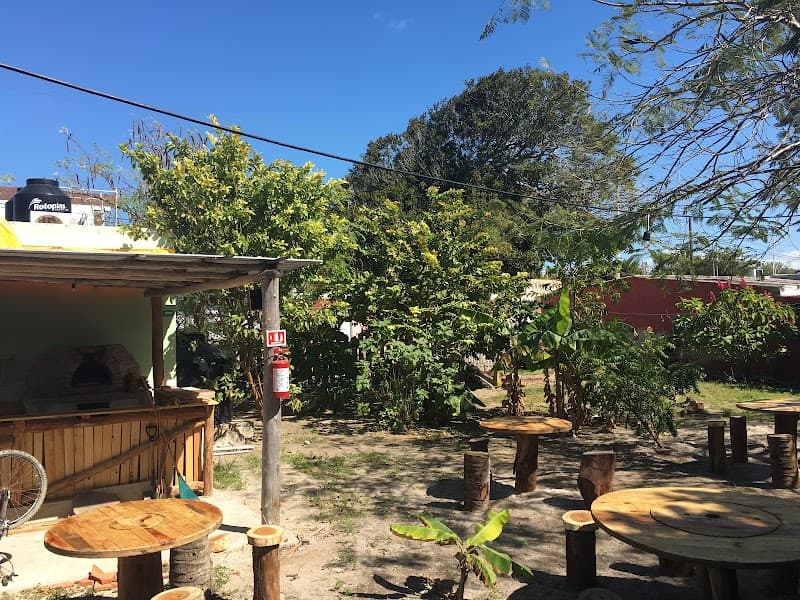
Jungle Seas & Sandbars: A Family Escape to Isla Holbox
Weekend · $$$
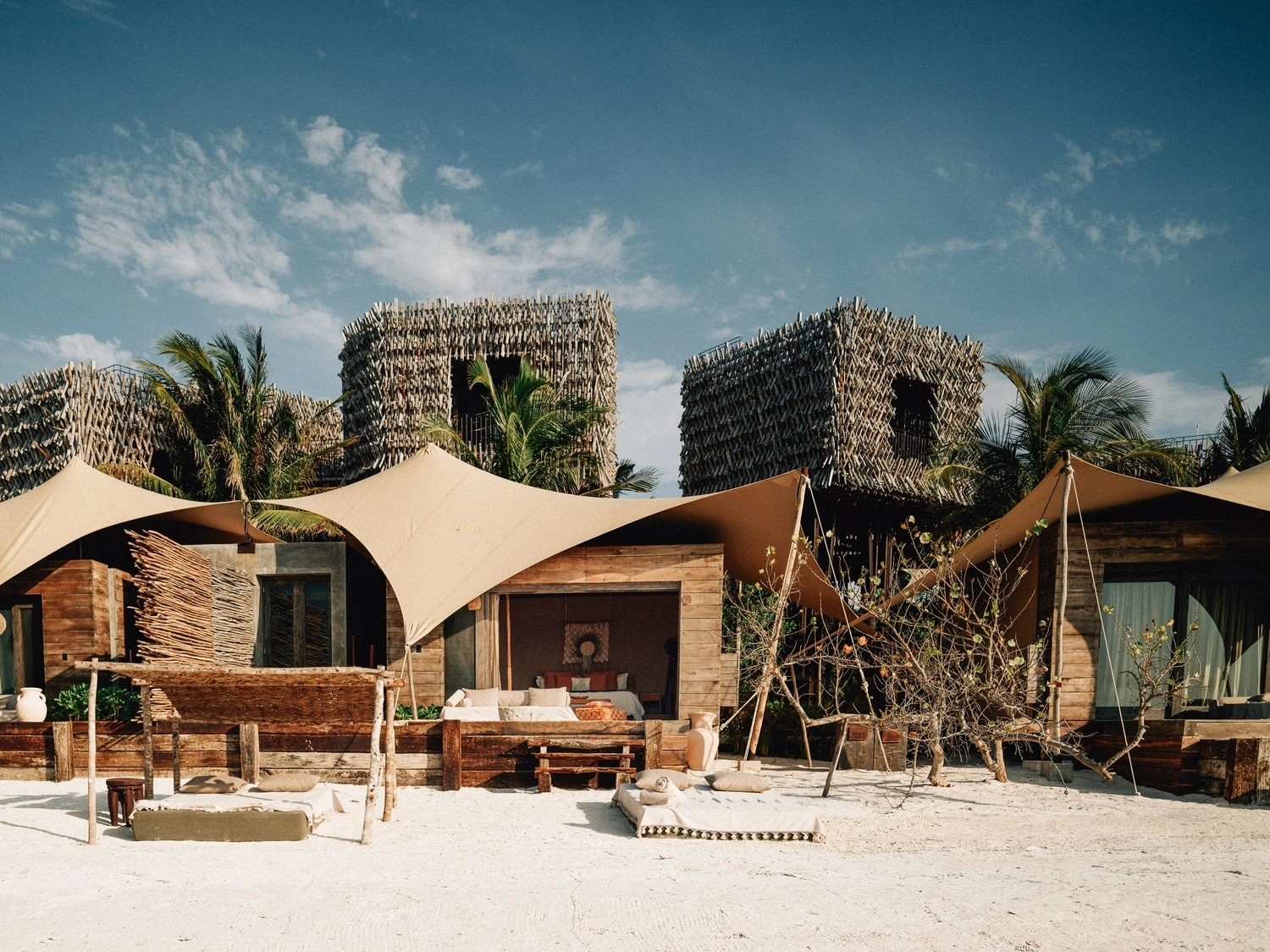
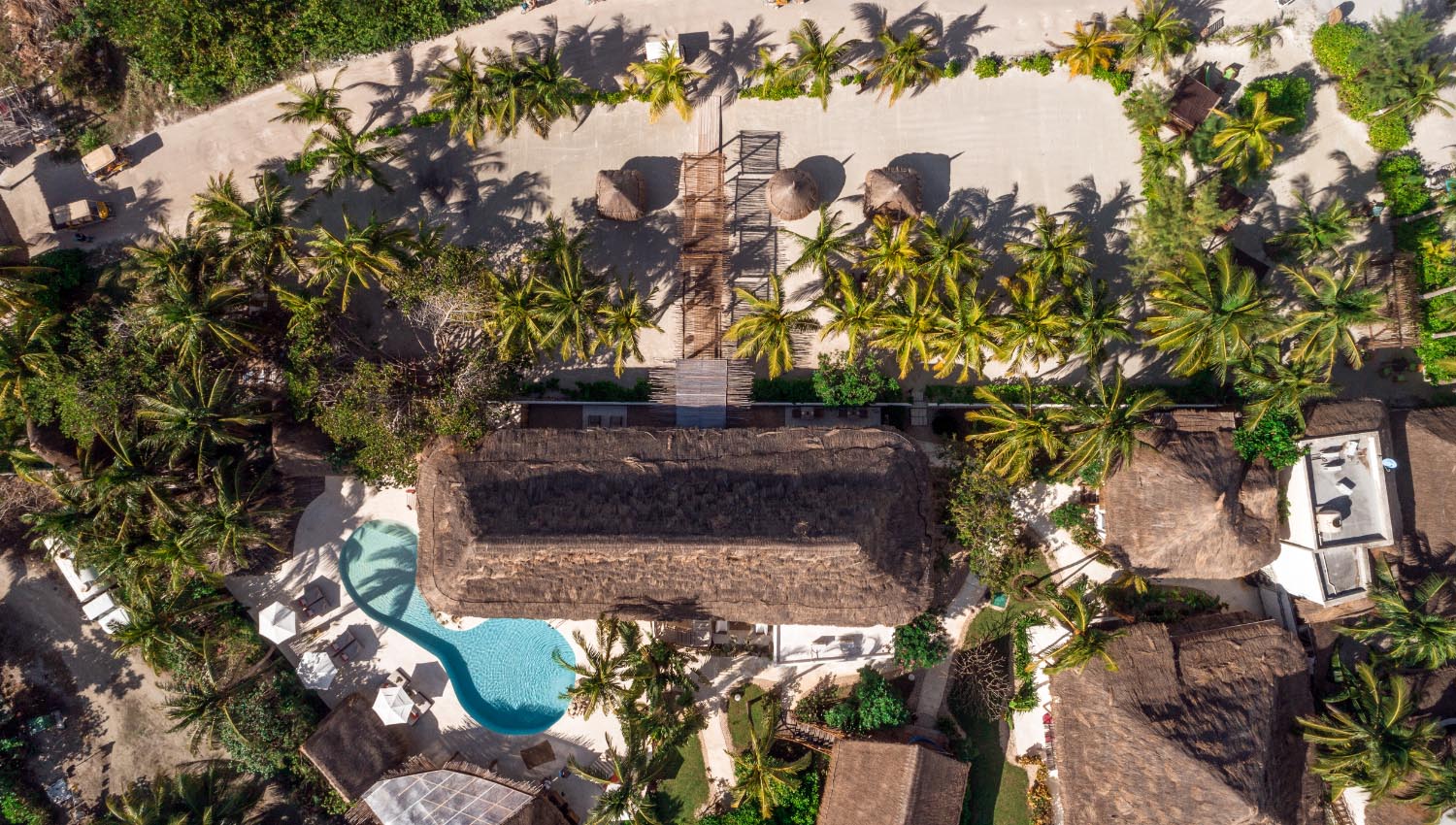
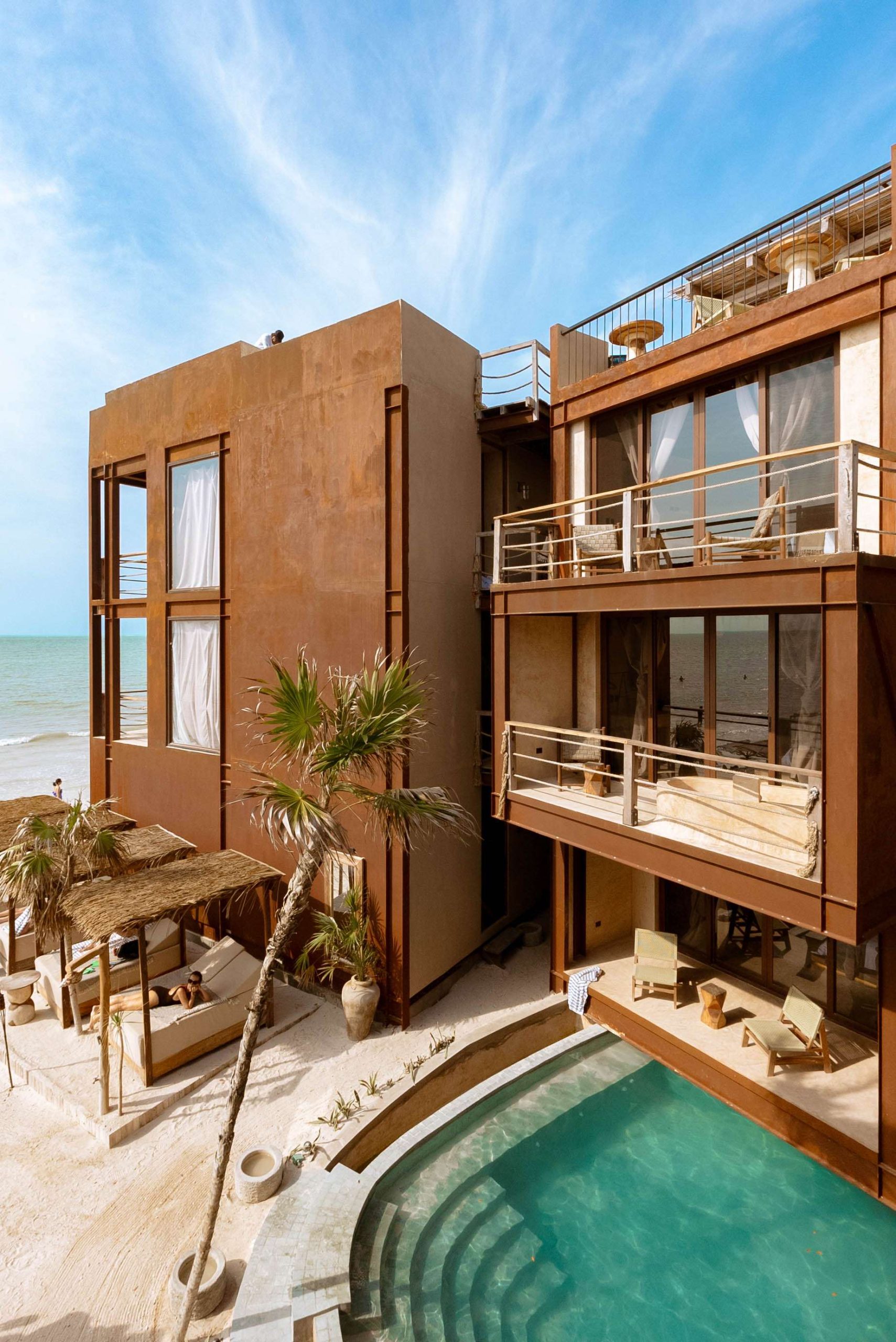
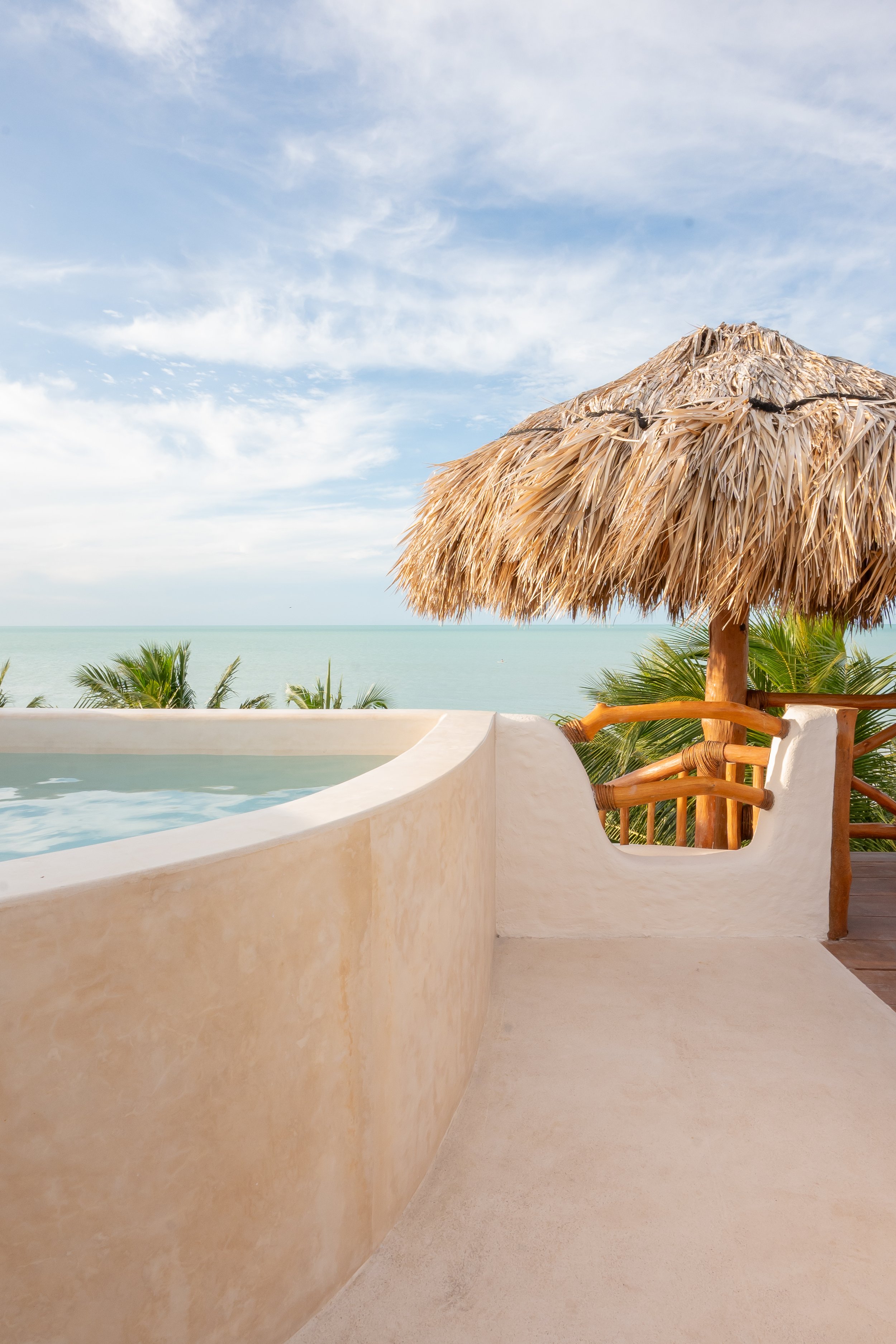
Where to Stay in Isla Holbox
4 recommended properties
Things to Do in Isla Holbox
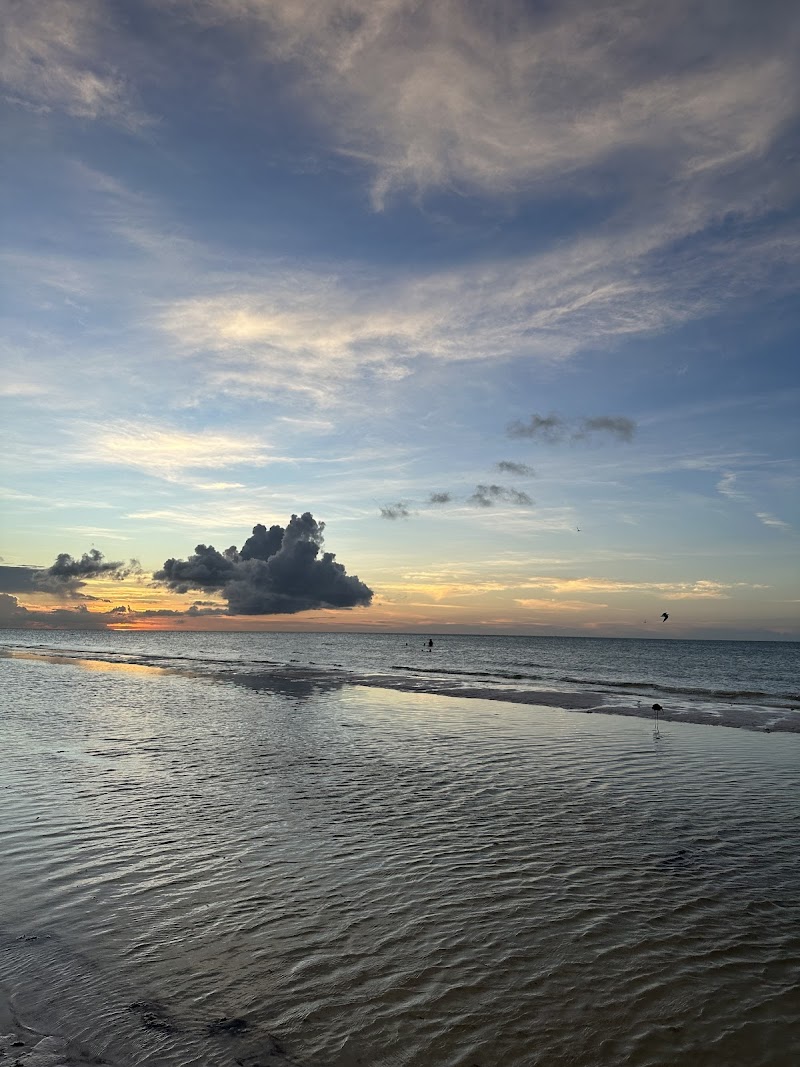
Holbox Beach & Sandbar Walk (Main North Beach)
Holbox Town Center / North Beach · 120 min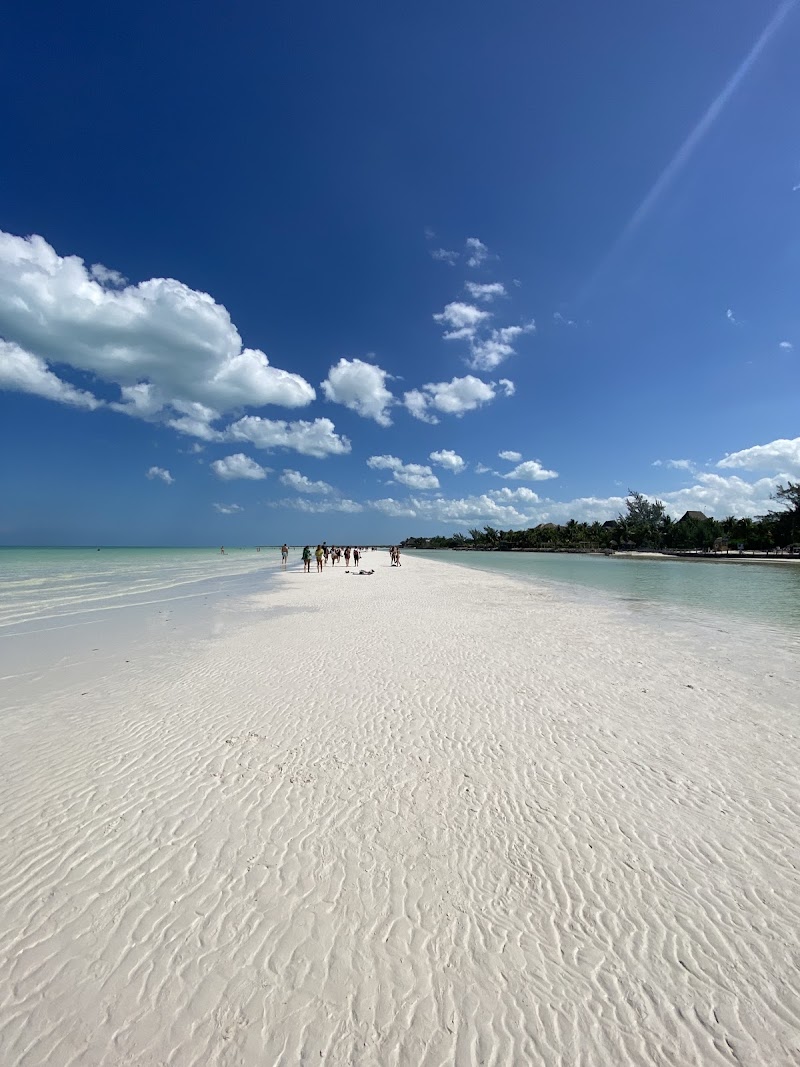
Punta Mosquito Sandbanks Walk
Punta Mosquito / Eastern Beach · 150 min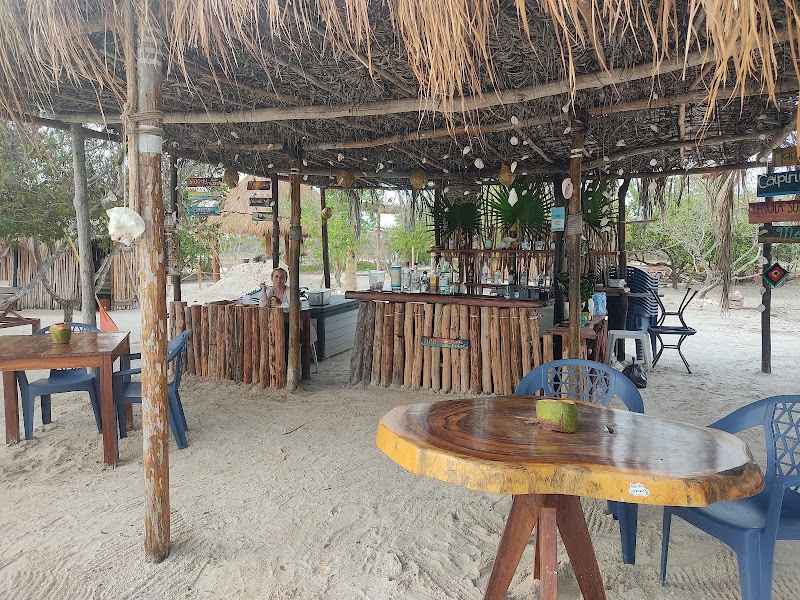
Punta Cocos Beach Day & Mangrove Edge
Punta Cocos / Western Holbox · 180 minMoney-Saving Tips
- 1.Bring cash — most places don't accept cards and the few ATMs often run empty
- 2.Golf cart rentals are cheaper for full days than hourly rates, around $50 vs $10/hour
- 3.Eat at local taco stands instead of beachfront restaurants to save 50-70% on meals
- 4.Book whale shark tours directly with operators rather than through hotels to avoid markup
- 5.Ferry tickets are cheaper if you buy round-trip, and there's no advantage to booking online
- 6.Many hotels offer free bikes — use them instead of renting golf carts for short trips
- 7.Grocery shopping at Super Monkey saves money versus eating every meal out
Travel Tips
- •Pack reef-safe sunscreen — regular sunscreen is banned to protect the marine ecosystem
- •Bring a waterproof phone case for whale shark tours and kayaking in the mangroves
- •Download offline maps before arriving — cell service can be spotty around the island
- •Book accommodations well in advance, especially for December-March and whale shark season
- •Pack light — you'll be carrying luggage across sand and onto boats multiple times
- •Bring insect repellent for mosquitoes, especially during the rainy season
- •Learn basic Spanish phrases — English isn't widely spoken outside tourist areas
- •Check ferry schedules before planning day trips, as they stop running at sunset