Paraty
Colonial jewel between mountains and emerald Brazilian coast
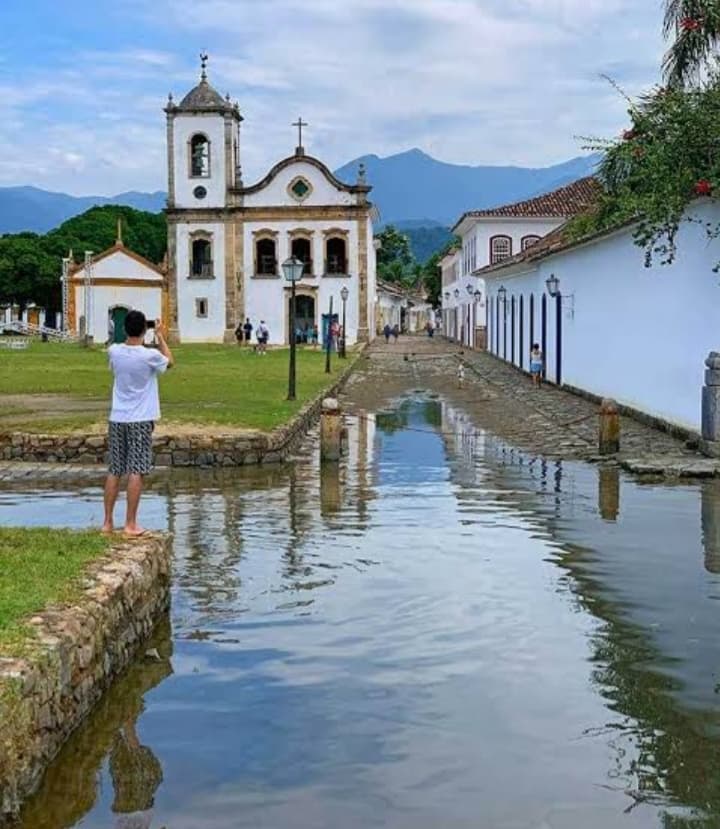
Paraty sits like a perfectly preserved time capsule where Brazil's colonial past meets its tropical present. This UNESCO World Heritage town on the Costa Verde trades the chaos of Rio for cobblestone streets that have barely changed since the 17th century. Here's the thing — most visitors fall for the historic center's Instagram-worthy facades, but the real magic happens when you venture beyond the postcard shots. You'll find cachaça distilleries hidden in the Atlantic Forest, beaches accessible only by boat, and a food scene that's quietly becoming one of Brazil's best. The town floods during high tide, literally. But that's part of its charm — watching the sea reclaim the streets twice daily while you sip a caipirinha from a colonial balcony.
Best Months
APR – SEP
~25°C · low crowds
Culture & Context
COLONIAL GOLD TOWN BOHEMIA
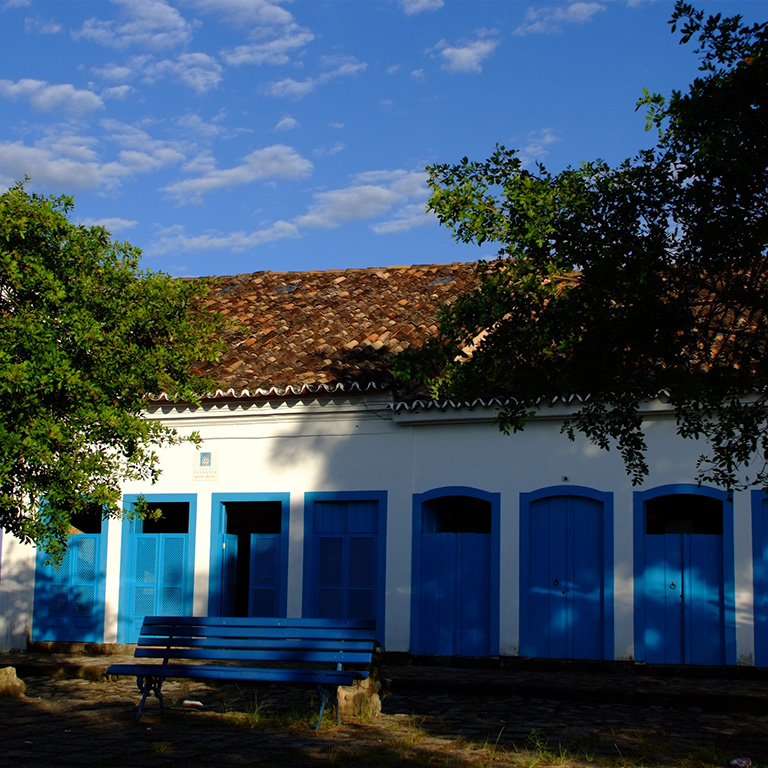
Paraty sits on Brazil's Costa Verde, about 4 hours from Rio and 5 from São Paulo, and it punches well above its weight culturally. The old town is a UNESCO World Heritage Site and one of the best-preserved examples of Portuguese colonial architecture in all of South America. Founded in 1667, it was once a critical export port for gold mined in Minas Gerais.
Today it's the kind of town where cachaça distilleries operate alongside literary festivals and trail running races, all packed into a population of roughly 40,000 people. The historic center bans cars entirely. Streets are paved in irregular "pé de moleque" (cobblestone) that floods during high tide — that's not a bug, it's a centuries-old feature.
The tidal flooding actually served as a natural cleaning system for the streets. The caiçara fishing culture runs deep here, and you'll notice it in the food, in the music, and in the festivals that predate Brazil as a republic. Paraty attracts a bohemian crowd: writers, artists, trail runners, and cachaça geeks all show up throughout the year.
Manage expectations on language — English gets you by in tourist areas, but outside the historic center it drops off fast. Learn a handful of Portuguese words and locals will immediately warm to you.
Local Customs
TIDES & CACHAÇA RITUALS
Greetings are physical. A handshake with a touch on the elbow or shoulder is standard between strangers. Friends get cheek kisses, usually one kiss in Rio de Janeiro state..
Tipping is not mandatory but a 10% service charge is commonly added to restaurant bills. If the service is good and it's not on the bill, round up or leave 10% cash.. Beachwear stays at the beach.
Wearing a bikini top through the historic center is fine if you're heading to or from the water, but sit-down restaurants expect you to cover up a bit.. Cachaça tasting is a social ritual, not just a tourist activity. When offered a shot at a local distillery, sip it — don't shoot it.
Locals are proud of their artisanal product.. The historic center floods at high tide during certain months. Don't panic.
Watch the locals: they roll up their pants and keep walking. Wear sandals you don't mind getting wet.. Bargaining is acceptable at craft markets but not in restaurants or established shops.
Start politely — aggressive haggling is considered rude.. Sunday is family day. Many local-run restaurants and small shops close in the afternoon on Sundays.
Plan accordingly.. Brazilians run on a flexible clock. A dinner reservation for 8pm might not fill the restaurant until 9:30pm.
Don't show up to things exactly on time.
Safety
PETTY THEFT WATCH
Paraty is one of the safer places to visit in the state of Rio de Janeiro. The historic center is well-policed and generally fine to walk around day and night. That said, Brazil is Brazil — petty theft happens, especially in crowded festival situations.
Keep your phone pocketed while walking. Don't wear flashy jewelry or expensive gear on the street. Use bank ATMs inside buildings rather than street-facing machines.
For transport, stick to Uber or hotel-recommended taxis rather than unmarked cars. US citizens now need a visa to enter Brazil (as of April 10, 2025 — budget roughly $80.90 for the visa fee).
The roads between Paraty and Rio or São Paulo are scenic but winding through mountain terrain — if you rent a car, drive carefully, especially after rain. Solo female travelers report the historic center as safe, though the general advice to avoid walking alone at night in unfamiliar areas applies here too. The village is growing, which means crime is incrementally increasing outside the center.
Stick to well-lit, populated areas after dark and you'll be fine.
Getting Around
MOUNTAIN ROAD BOUND
No direct commercial flights into Paraty. The local airport (JPT) handles only small private planes. Fly into Rio de Janeiro Galeão (GIG) or São Paulo Guarulhos (GRU), then travel by road.
From Rio, buses run 3–4 times daily and take about 4 hours along the BR-101 Rio-Santos highway — one of the more scenic drives in Brazil, so a window seat on the left side is worth it. Semi-private vans (6–11 passengers) are a smoother option than large buses on the winding mountain roads, especially if you're prone to motion sickness. Renting a car gives you the most flexibility, particularly for reaching beaches in Trindade (30km away) and waterfall trails outside the center.
Inside Paraty itself, the historic center is entirely walkable and car-free. Buses from the Rodoviária on Avenida Roberto Silveira connect to Trindade every 30 minutes. Uber works in the city.
During major festivals like FLIP and Carnival, traffic into town gets genuinely bad — arrive a day early or late if possible.
Useful Phrases
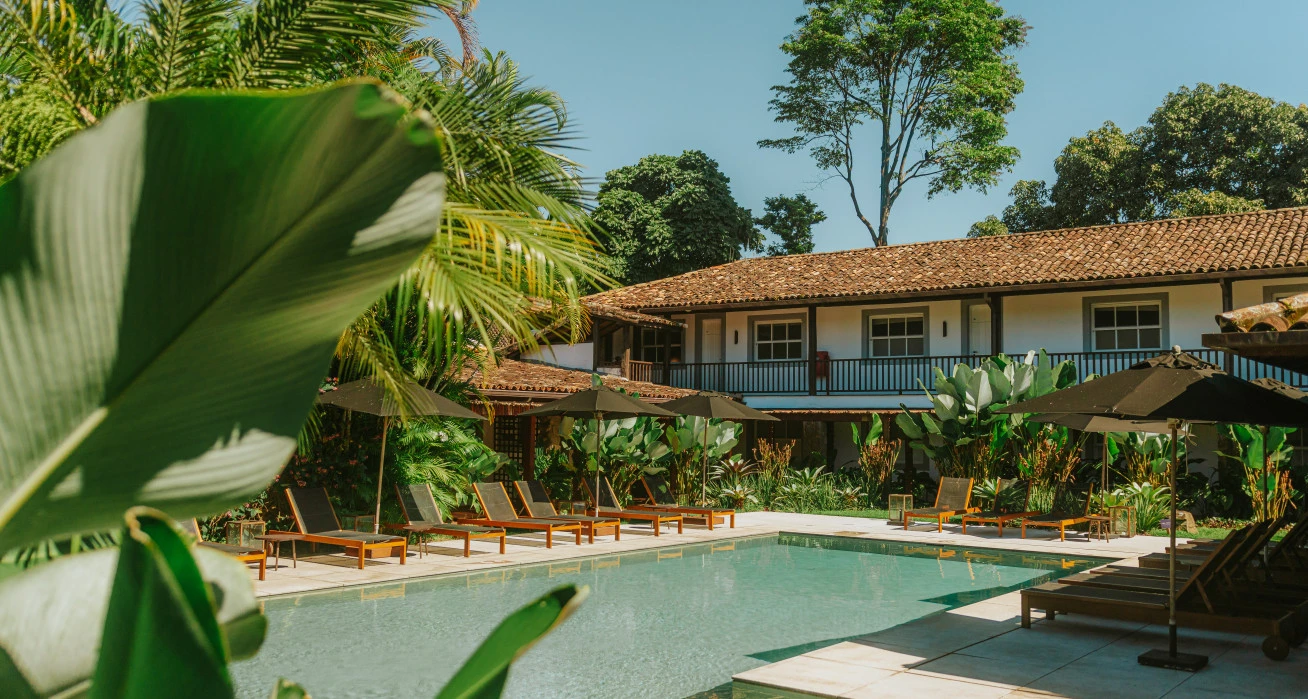
Where to Stay in Paraty
4 recommended properties


Money-Saving Tips
- 1.Book accommodations directly with pousadas to avoid booking platform fees — many offer 10% discounts for direct reservations
- 2.Eat lunch at local botequins instead of tourist restaurants — a full meal costs R$25 versus R$60 in the historic center
- 3.Buy cachaça directly from distilleries rather than souvenir shops — you'll pay half the price and get better quality
- 4.Take local buses to nearby beaches instead of private boat tours — R$8 versus R$80 per person
- 5.Visit during shoulder seasons (March-April, October-November) for 40% lower accommodation rates
- 6.Fill up your water bottle at public fountains throughout the historic center instead of buying bottled water
Travel Tips
- •Pack comfortable walking shoes with good grip — those colonial cobblestones become slippery when wet
- •Bring cash — many local establishments don't accept credit cards, especially smaller restaurants and bars
- •Download offline maps before exploring — cell service can be spotty in the mountains and on boat trips
- •Learn basic Portuguese phrases — English isn't widely spoken outside major hotels and tourist restaurants
- •Check tide schedules before walking around the historic center — streets flood during high tide twice daily
- •Book restaurant reservations a day ahead during peak season — popular spots fill up quickly
- •Carry insect repellent for evening walks — mosquitoes emerge at dusk, especially near the waterfront
- •Respect photography rules in the historic center — some buildings charge fees for professional photo shoots