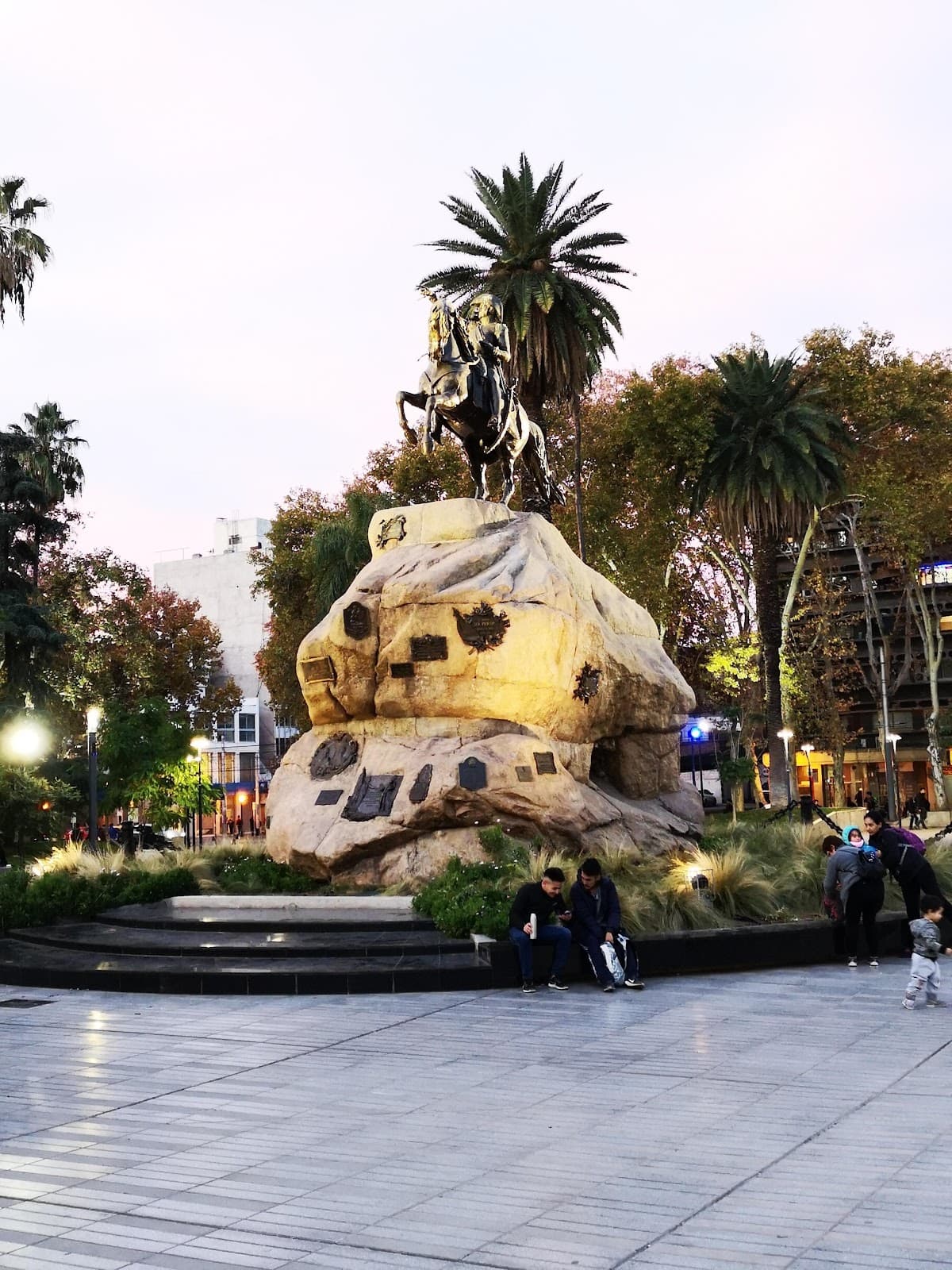
Mendoza
Argentina's wine capital beneath the Andes mountains
Mendoza sits at 2,400 feet above sea level, where the high desert meets the snow-capped Andes. This is Argentina's wine capital — home to over 1,200 wineries producing some of the world's best Malbec. But look beyond the vines and you'll find a city that's equal parts adventure playground and culinary destination. The mountains loom so close you can drive to them in an hour. The food scene rivals Buenos Aires. And the sunsets? They paint the entire Andes range purple and gold every single evening.
Best Months
MAR · APR · MAY · SEP · OCT · NOV
~23°C · moderate crowds
Culture & Context
MALBEC & ITALIAN PRIDE
Mendoza sits at the foot of the Andes on the eastern edge of wine country, about an hour's bus ride from the Chilean border. It produces around 70% of Argentina's wine — most of it Malbec, shaped by Andean snowmelt, high altitude, and big temperature swings between day and night. The city was essentially rebuilt after a catastrophic 1861 earthquake, which is why its grid is so wide and leafy.
Italian immigration left a heavy mark: you'll notice it in the surnames on bodegas, the architecture, and the food. Locals call themselves mendocinos and take genuine pride in their wine-making heritage — but don't reduce the city to wine tourism alone. There's a decent contemporary arts scene, solid restaurant culture (the Michelin Guide arrived in 2023 and things have moved fast since), and a university population that keeps the nightlife honest.
The pace of life is slower than Buenos Aires. Lunch is serious and long. Dinner doesn't start until 9pm at the earliest.
Local Customs
LATE DINNERS, CHEEK KISSES
Siesta is real. Most weekday afternoons between 1pm and 5pm, smaller shops close and things slow down — especially in summer when temperatures push into the high 30s Celsius. Don't schedule winery visits or restaurant lunches without checking hours first..
Greet everyone with a single cheek kiss, even strangers at a social gathering. Men often shake hands with each other. Skipping the greeting ritual reads as rude, not shy..
Tip 10% at restaurants, including at winery restaurants. It's expected and the service generally earns it.. Dinner doesn't happen before 9pm.
If you show up at 7pm, you'll be eating alone in an empty restaurant. Locals won't arrive until 9:30 or 10.. Argentina enforces zero-tolerance drink-driving laws.
If you're doing winery tours — and you should — either hire a driver, book a tour, or use Uber/Cabify. Don't even think about driving after tastings.. The 'dollar blue' parallel exchange rate is widely used.
Ask your accommodation if they accept USD cash at the blue rate — many do, and it can save you real money over using a card.. Locals take mate seriously. If someone offers you a gourd and metal straw, accept it.
Sip, don't gulp, and hand it back without saying 'gracias' — saying thanks signals you don't want more.
Safety
WATCH YOUR BELONGINGS
Mendoza is generally one of Argentina's safer cities for tourists — violent crime targeting visitors is rare. But the risk of petty theft has gone up in recent years, and a few incidents have specifically targeted upscale restaurants and boutique inns frequented by foreigners. So don't get too comfortable.
The oldest trick in the book still works: someone approaches with pamphlets or a distraction, and while you're confused, a second person lifts your phone or wallet from the table. Keep your phone off cafe tables. Use Uber or Cabify rather than flagging taxis on the street — the apps give you driver info and route tracking.
If you book a remise, do it through your hotel rather than a stranger on the street. Avoid walking alone in poorly lit areas after midnight. Be especially careful in crowded festival settings like Vendimia, where thousands of people create ideal conditions for pickpockets.
There is earthquake risk in Mendoza Province — if one hits, follow local authority guidance. The UK Foreign Office specifically mentions to be particularly cautious downtown. None of this should stop you from going — the overwhelming majority of visitors have no problems — but don't let the wine and sunshine make you sloppy about the basics.
Getting Around
WALKABLE CENTER, UBER ELSEWHERE
The city center is genuinely walkable. Wide sidewalks, flat terrain, and the compact grid mean you can cover Plaza Independencia, the Central Market, and Aristides Villanueva on foot in a morning. For everything else, Uber and Cabify are your best friends — both operate reliably here, available city-wide and at the airport, with about a 6-minute wait average.
The airport (Francisco Gabrielli, MDZ) is 8km from the center, about 30 minutes by car. Bus line 680 runs from the airport to Plaza Italia in the center. For local buses and the Metrotranvía tram, you need a SUBE card — buy one at the airport kiosk or at a kiosk in the city.
The tram (Metrotranvía) connects Las Heras, Centro, Godoy Cruz, and Maipú on a single line. For the wineries: renting a bike in Maipú (around $5–8/day at local shops) is the classic move and works well for Maipú-area bodegas. For Luján de Cuyo, take an Uber or book a day tour.
For the Uco Valley, hire a driver or rent a car — it's 90–120km each way and there's no practical public option. If you drive, Argentina requires headlights on at all times on national routes, even in daylight, and enforces zero-tolerance DUI laws.
Useful Phrases
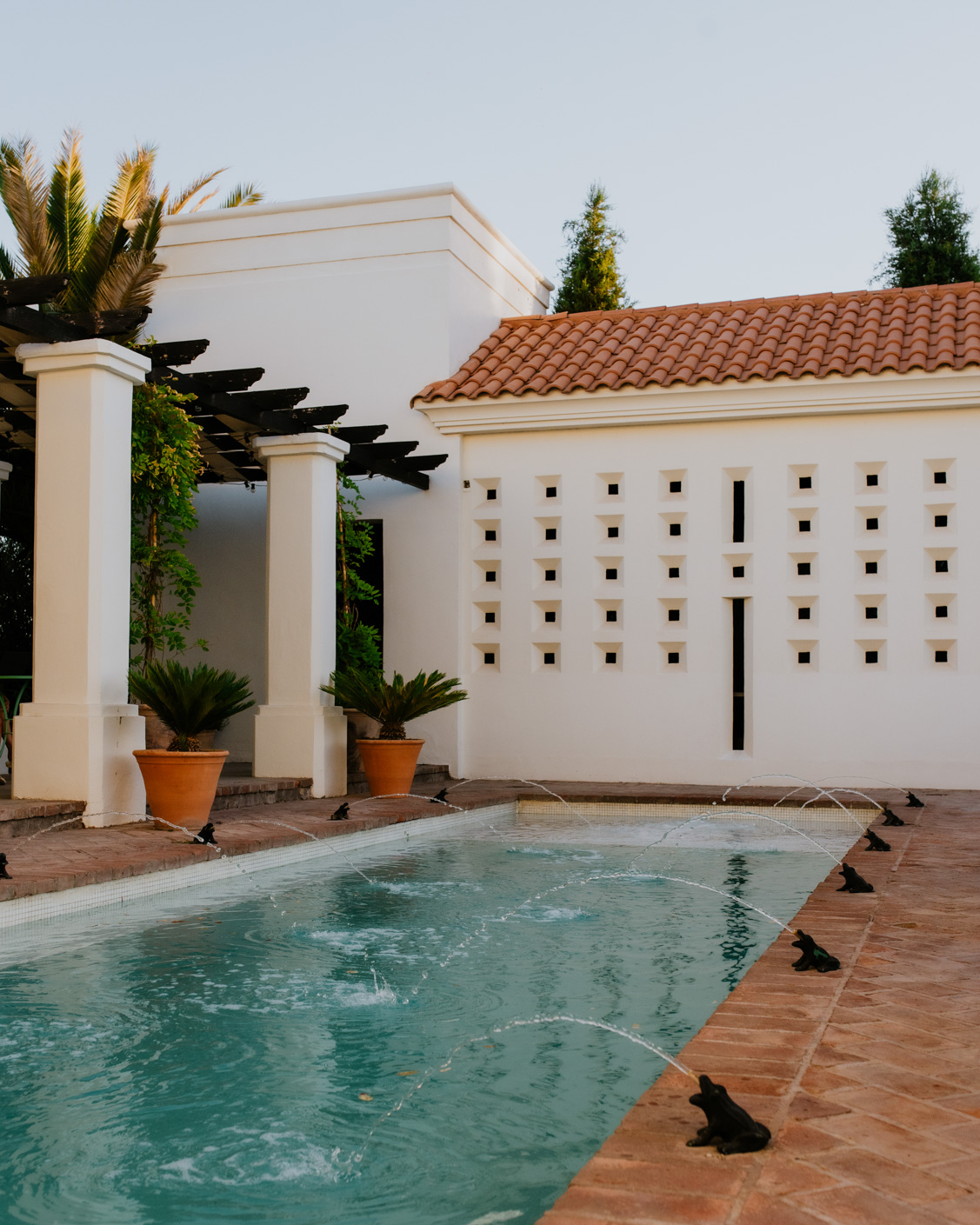
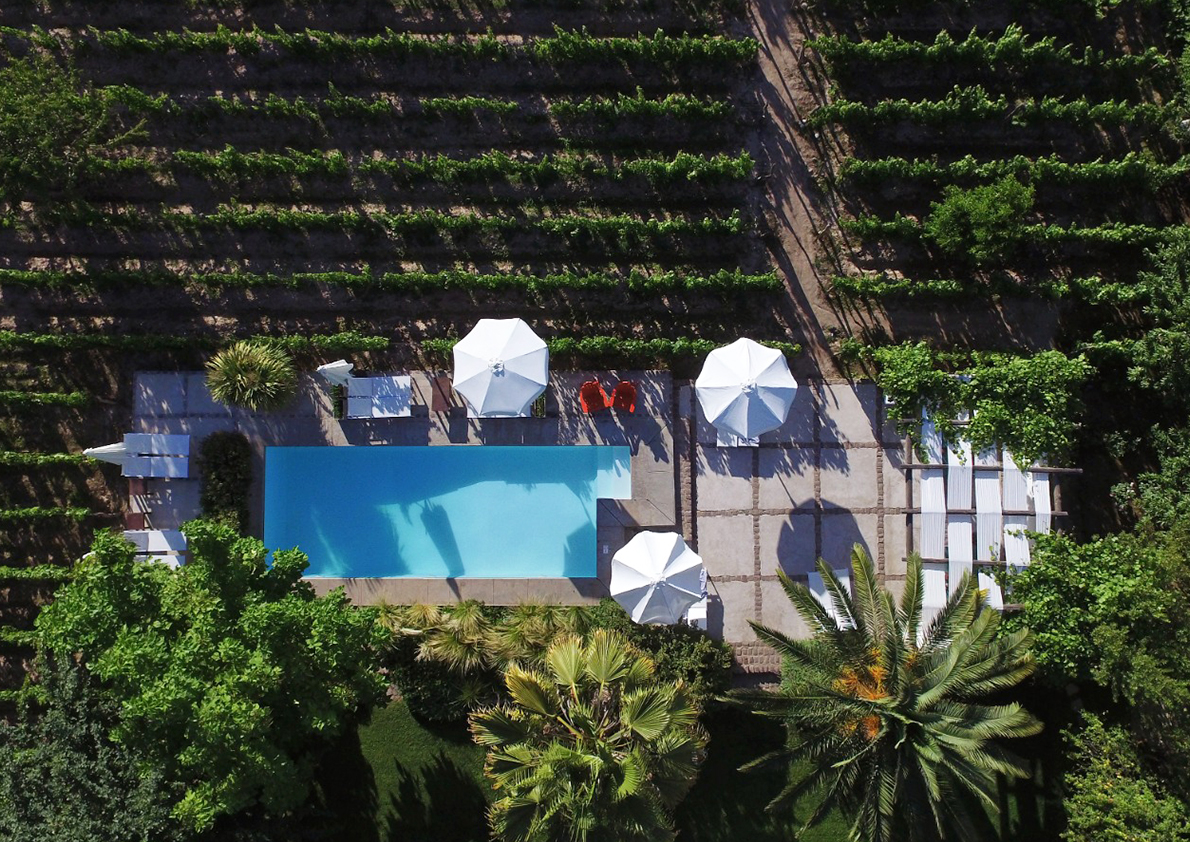
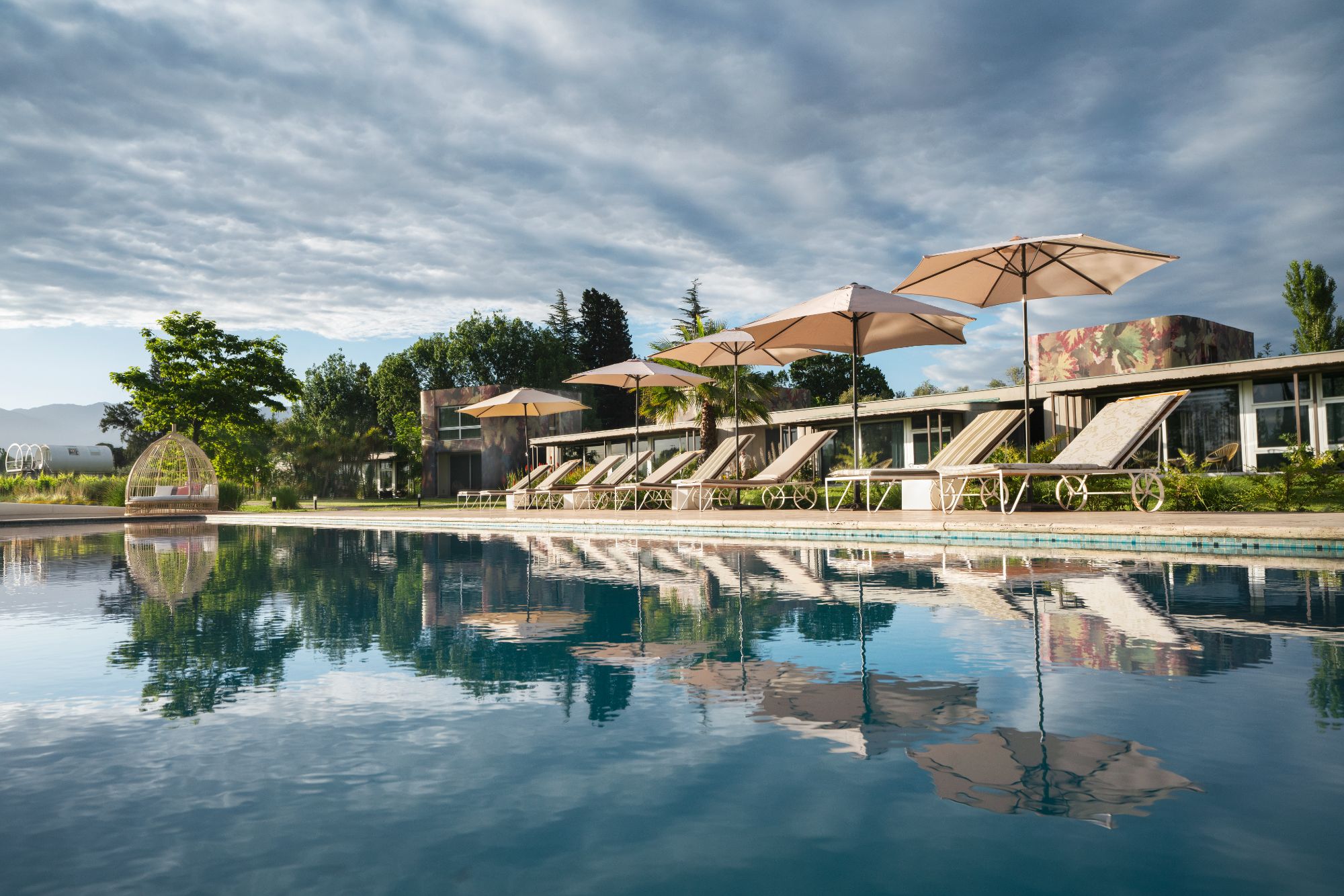
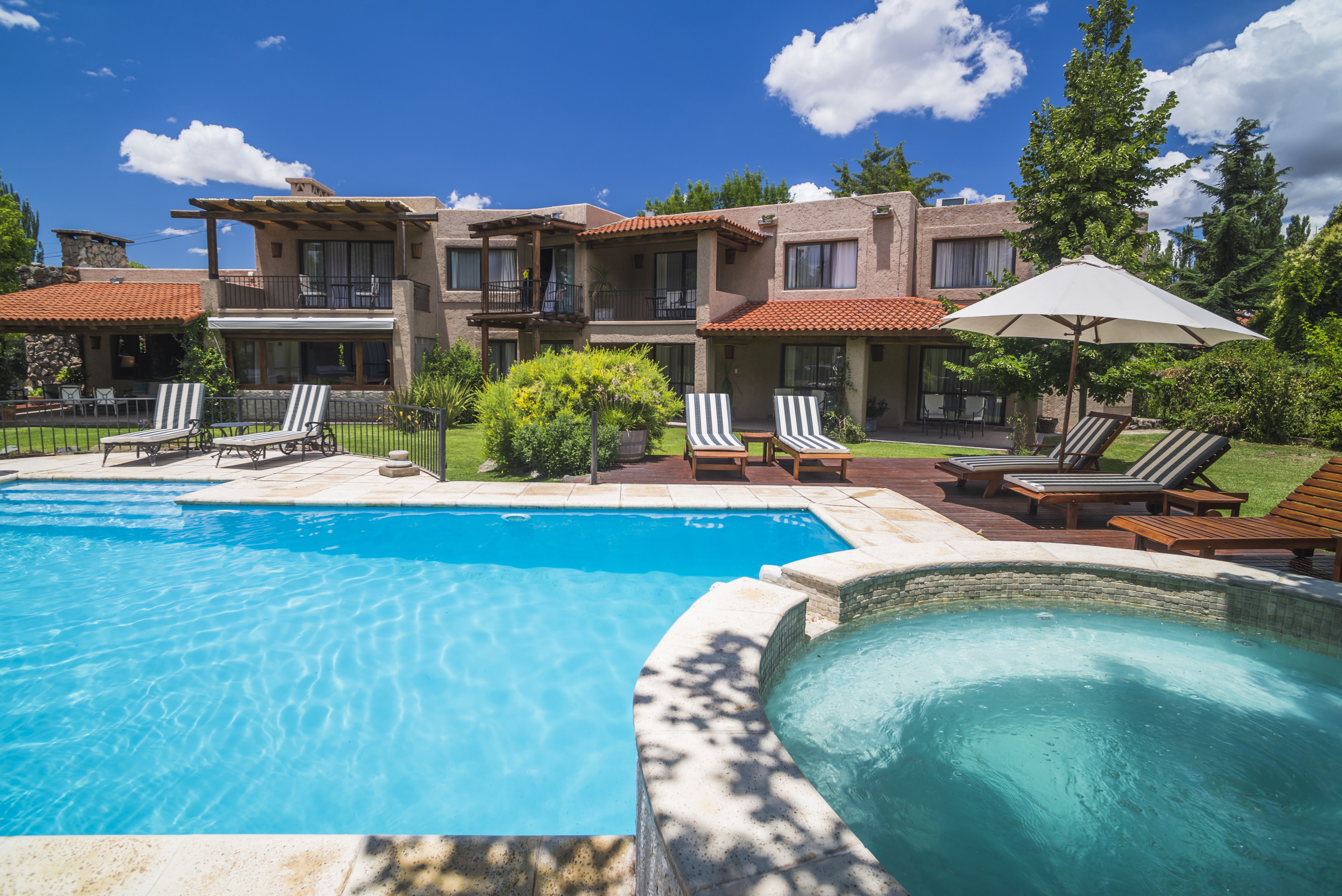
Where to Stay in Mendoza
4 recommended properties
Money-Saving Tips
- 1.Many wineries waive tasting fees if you buy a bottle — which often costs less than the tasting itself
- 2.Eat lunch at wineries instead of dinner — same food, half the price, and better views in daylight
- 3.Buy wine directly from producers to avoid the 40% markup in restaurants
- 4.Stay in Chacras de Coria during weekdays when boutique hotels drop rates by 30%
- 5.Pack a picnic for mountain day trips — restaurant options are limited and overpriced
- 6.Book wine tours that include transportation — it's cheaper than renting a car plus paying for tastings
Travel Tips
- •Altitude affects alcohol tolerance — pace yourself during wine tastings at 2,400 feet elevation
- •Make winery reservations in advance during harvest season (March-April)
- •Pack layers — desert climate means 30-degree temperature swings between day and night
- •Learn basic Spanish — English isn't widely spoken outside tourist areas
- •Carry cash — many smaller wineries and restaurants don't accept cards
- •Book mountain activities early in your trip in case weather doesn't cooperate
- •Download offline maps — cell service gets spotty in the mountains