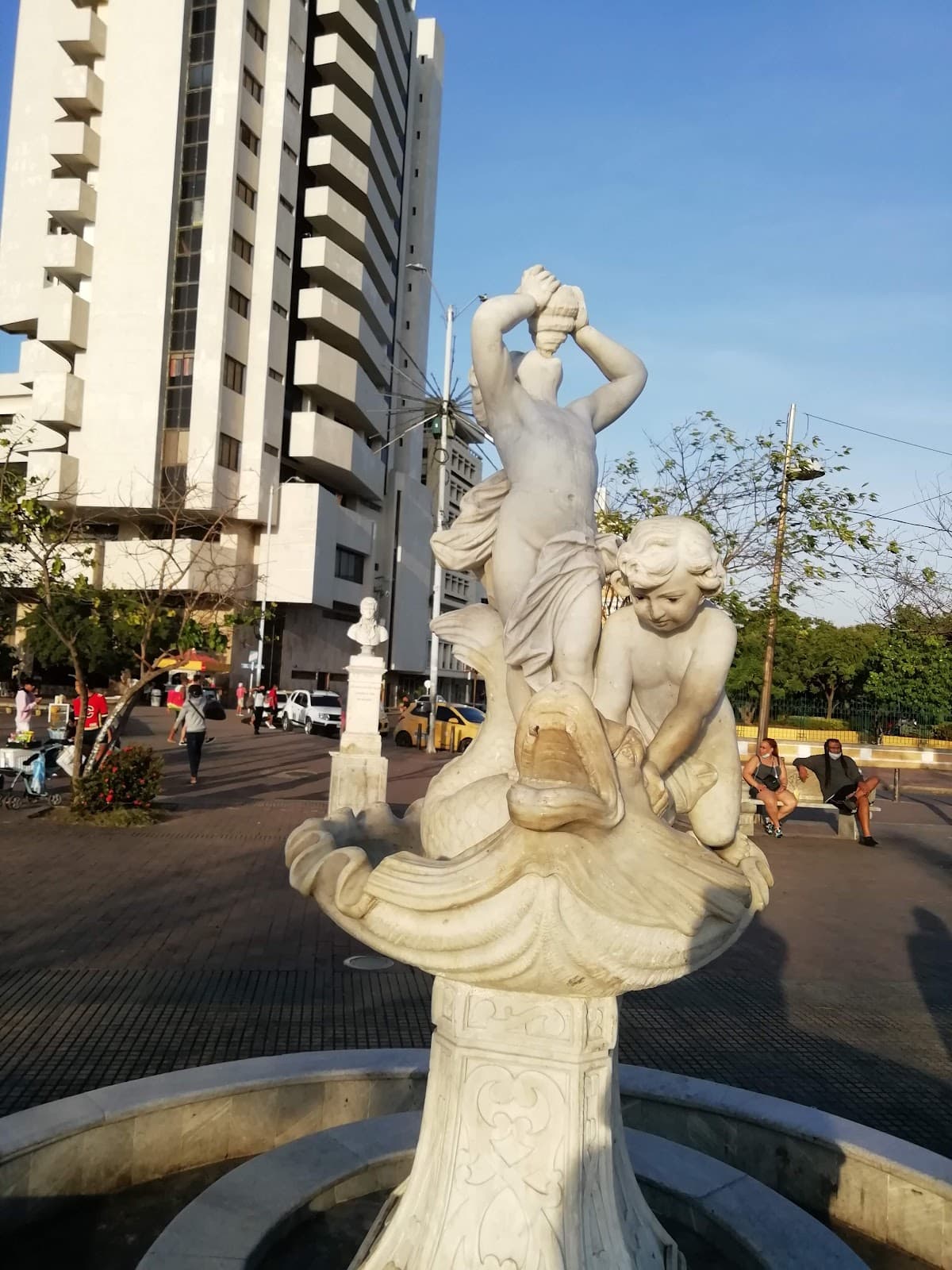
Cartagena
Colonial Caribbean jewel of cobblestone romance
Cartagena hits different. This isn't just another colonial city with pretty buildings and tourist traps. Here, 500-year-old stone walls contain a living, breathing Caribbean soul that pulses with salsa rhythms and sizzles with street food smoke.
The Old City's cobblestone streets lead you past bougainvillea-draped balconies and into plazas where locals play dominoes under the shade of centuries-old trees. But step outside the walls and you'll find Getsemaní, where street art covers every surface and rooftop bars serve craft cocktails until sunrise.
Sure, the cruise ship crowds can be overwhelming during peak season. And yes, some restaurants in the tourist zones will overcharge you for mediocre ceviche. But venture beyond the obvious spots and you'll discover why this Caribbean port city has captured hearts for centuries. The question isn't whether Cartagena is worth visiting—it's how long you can afford to stay.
Best Months
JAN · FEB · MAR · APR · DEC
~31°C · high crowds
Culture & Context
THREE WORLDS COLLIDE
Cartagena sits at the intersection of three worlds: Spanish colonial, West African, and Indigenous Caribbean. That mix isn't just history. It's alive in the streets right now. You'll hear champeta blasting from a corner shop, watch palenqueras in full skirts balance fruit bowls on their heads with practiced ease, and eat arepas de huevo fried fresh from a cart near the Clock Tower. The city was founded in 1533 by Pedro de Heredia, built partly on the forced labor of enslaved Africans who later established San Basilio de Palenque, the first free Black town in the Americas. You can still hear Palenquero, a Spanish-based Creole language, spoken among some vendors in the plazas. Understanding that layered story changes how you walk these streets.
Lunch is the main event of the day. Colombians eat almuerzo between noon and 2pm, and it's a multi-course affair: soup, protein, rice, salad, juice. A corrientazo from a local spot runs 10,000–15,000 COP (under $4). Skipping it in favor of an overpriced tourist dinner is leaving money on the table. Music runs deep here too. Cumbia, champeta, and vallenato aren't just background noise. If someone invites you to dance, they mean it as a genuine welcome.
Local Customs
SAY BUENAS FIRST
Say 'Buenas' (not 'Hola') when entering a shop or greeting someone. It works at any time of day and immediately signals you've done your homework. Locals will notice..
Almuerzo (lunch, noon to 2pm) is the main meal of the day. A corrientazo gives you soup, protein, rice, salad, and a juice for 10,000–15,000 COP. Skip it and you'll pay triple at dinner for similar quality..
Always negotiate a price and ask permission before photographing the Palenqueras, the women in colorful dresses selling fruit. They dress up as their livelihood. A tip of around 20,000 COP per person is fair.
Don't photograph them without agreeing terms first.. Tipping: 10% is often pre-added to restaurant bills, so check before doubling up. For taxis, rounding up is appreciated but not expected.
Tour guides and hotel staff: 10,000–20,000 COP is appropriate.. Greet people before speaking. Jumping straight into a question without a 'Buenas' first is considered abrupt.
A cheek kiss is common between women and between men and women who've met before.. Don't drink tap water. Stick to bottled or filtered..
Dress modestly when entering churches: shoulders and knees covered. It's enforced at some sites.. Baseball is massive here, more than soccer.
If you see a local game happening, it's worth stopping to watch. Dominoes is also a serious street sport.
Safety
WALLED CITY SAFE
The US State Department holds a Level 3 "Reconsider Travel" advisory for Colombia as of April 2026, citing crime and civil unrest countrywide. In practice, Cartagena's tourist zones (the Walled City, central Getsemaní, Bocagrande) are a different story. Violent crime against tourists is rare. What actually happens: pickpockets in crowded plazas, taxi overcharging, and occasional scopolamine drugging in nightlife settings. That last one is real but uncommon. Don't accept drinks from strangers, especially at bars.
Avoid Olaya Herrera, El Pozón, and the Bazurto market area after dark. There's no good reason a tourist needs to be in those zones anyway. Use Uber, InDriver, or DiDi instead of hailing random cabs at night. The Walled City is genuinely busy and well-lit until 1–2am on weekends. Keep your phone in your pocket (not your hand) while walking. If vendors approach, one firm "No, gracias" and keep moving. British Foreign Office data showed serious crimes against their nationals in Cartagena dropped from 31 in 2024 to 23 in 2025. Trend is going the right direction. Bring travel insurance. Full stop.
Getting Around
WALKABLE THEN RIDE
The Walled City and Getsemaní are completely walkable. You can cross the entire historic center in 20 minutes on foot, though you'll want hours because every corner stops you. Beyond the walls, here's how it works.
Taxis have no meters. Prices are zone-based and officially regulated. The 2026 minimum fare is 12,250 COP (roughly $3). Always agree on the price before getting in. Carry small bills because drivers rarely make change for large notes. Prices jumped 12% for 2026 due to inflation and a minimum wage hike. The Transcaribe bus (white and orange BRT) runs dedicated lanes and costs 3,900 COP per ride (about $1), but requires a preloaded card rather than cash. Useful if you're staying more than a week. Uber, Cabify, InDriver, and DiDi all operate here with GPS tracking and upfront pricing. They're the safer and more predictable option for most tourists.
For islands: boats to the Rosario Islands and Playa Blanca leave from Muelle de la Bodeguita near the Clock Tower. Departures run 8–10am, returns 1–3pm. Buy tickets at the official window, not from the guys shouting on the dock. The airport (Rafael Núñez) is 15 minutes from the Old City by taxi, costing roughly $3.20–$4.30. Use the official taxi kiosk machine inside arrivals to get a printed price voucher before walking out.
Useful Phrases
Explore Neighborhoods

Explore the Region
Cartagena Itineraries
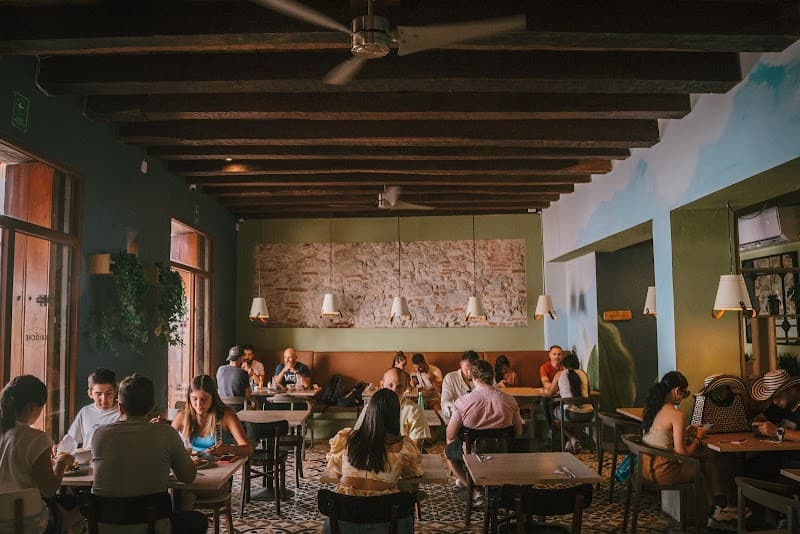
Cartagena for Food Lovers: 4 Days of Flavor & Sunsets
Weekend · $$$
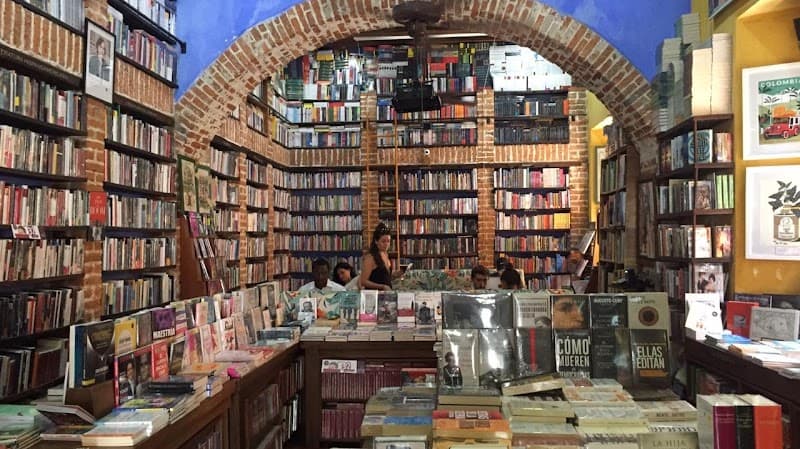
Cartagena Slow Day: Walls, Murals, Beach, and Music
Weekend · $$$
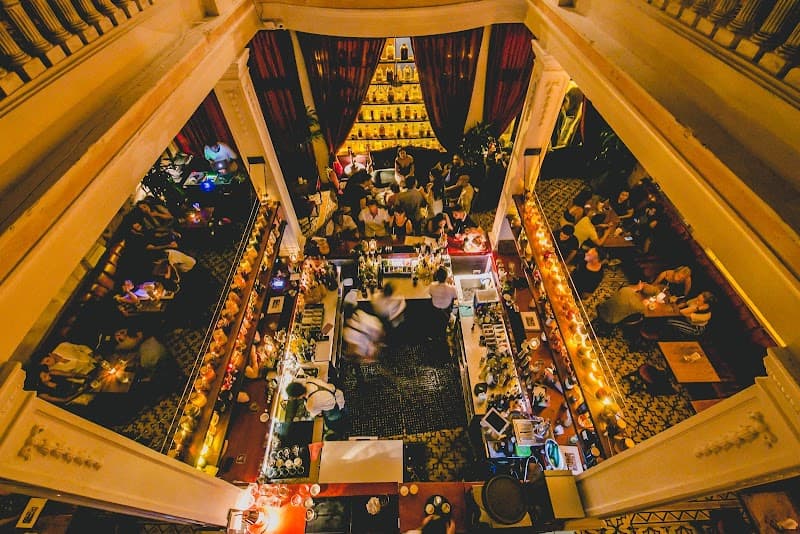
Luxury Cultural Day in Cartagena's Heart
Weekend · $$$$$
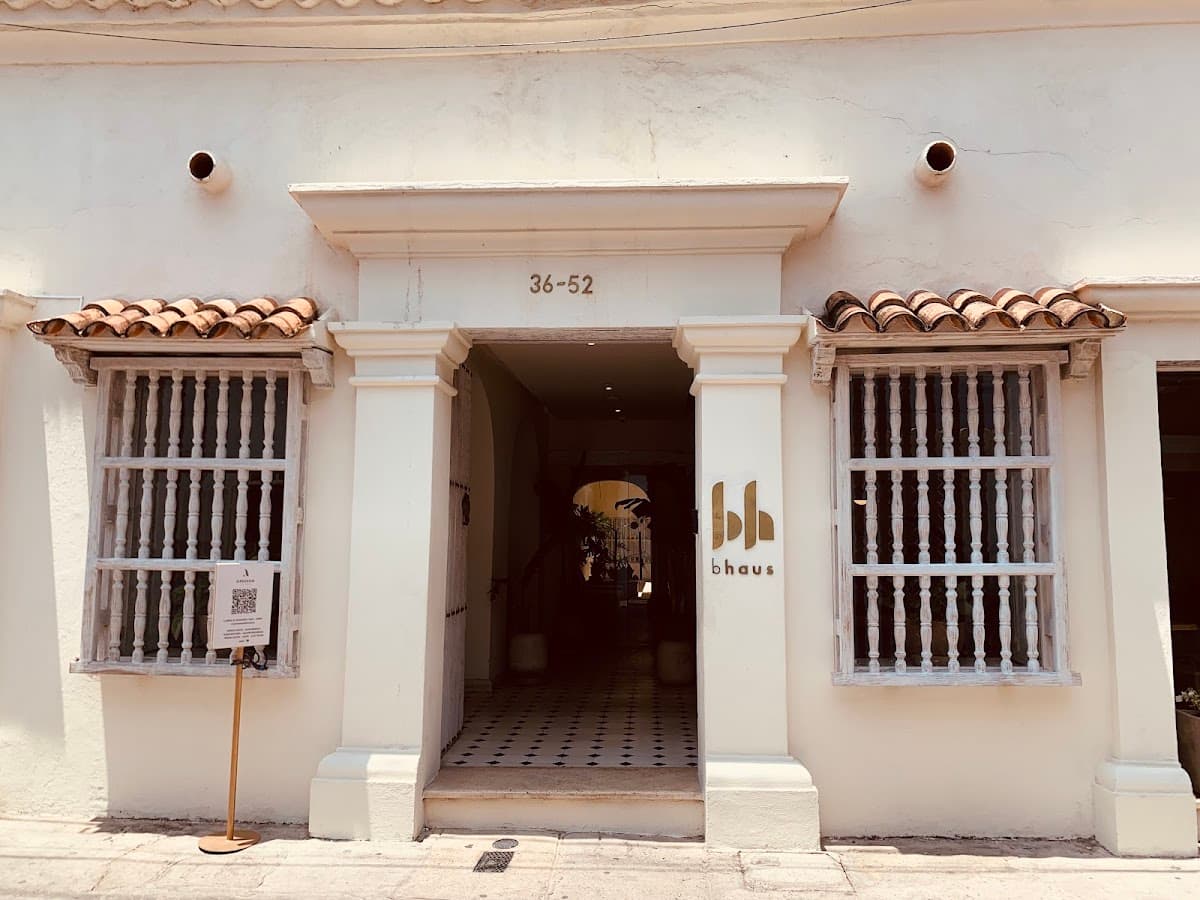
Cartagena's 7-Day Celebration: Culture, Cuisine & Caribbean Coast
Week · $$$
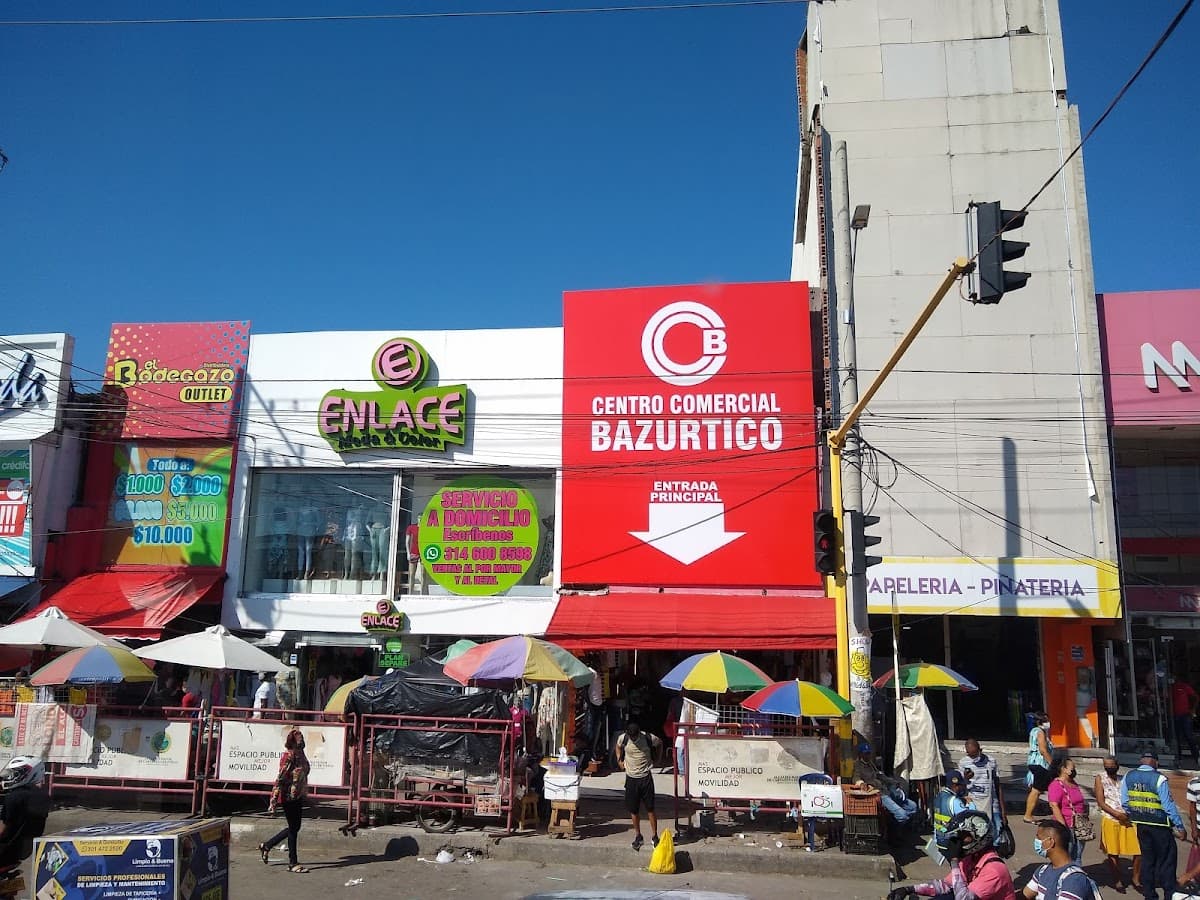
Cartagena Celebration: Culture, Coast & Caribbean Nights
Week · $$$

Cartagena's Luxe Caribbean Escape: Colonial Charm & Caribbean Dreams
Weekend · $$$$$
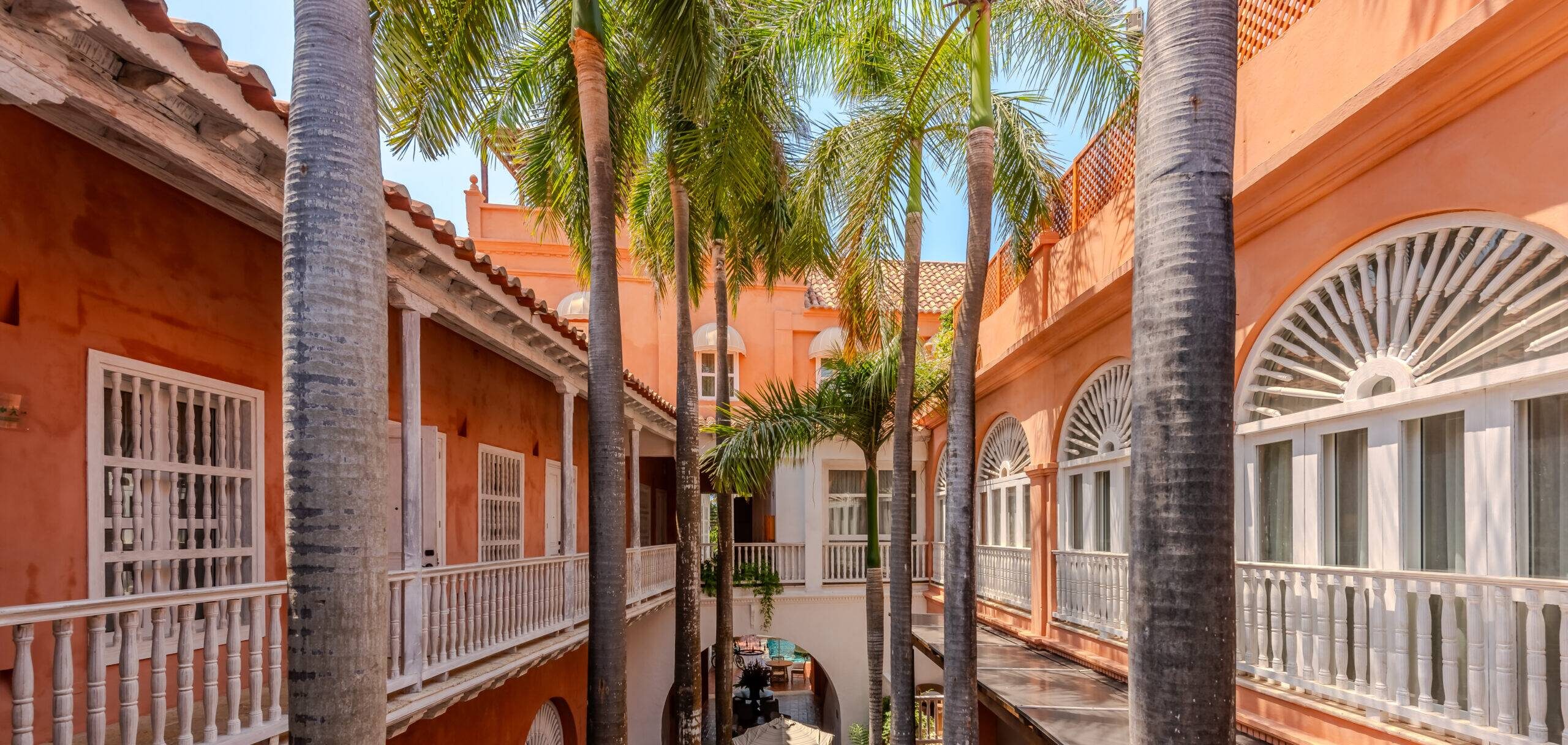
Where to Stay in Cartagena
9 recommended properties

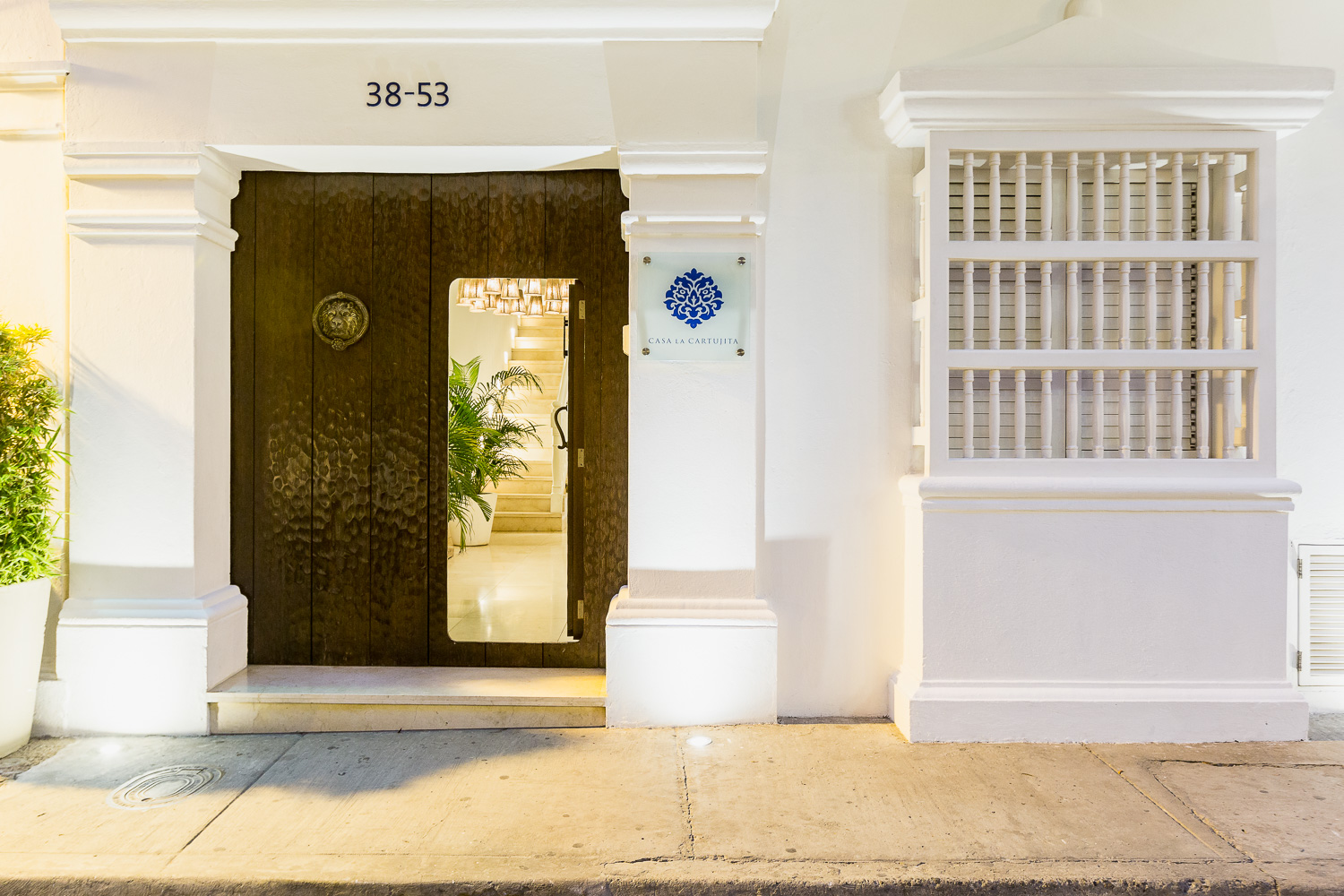


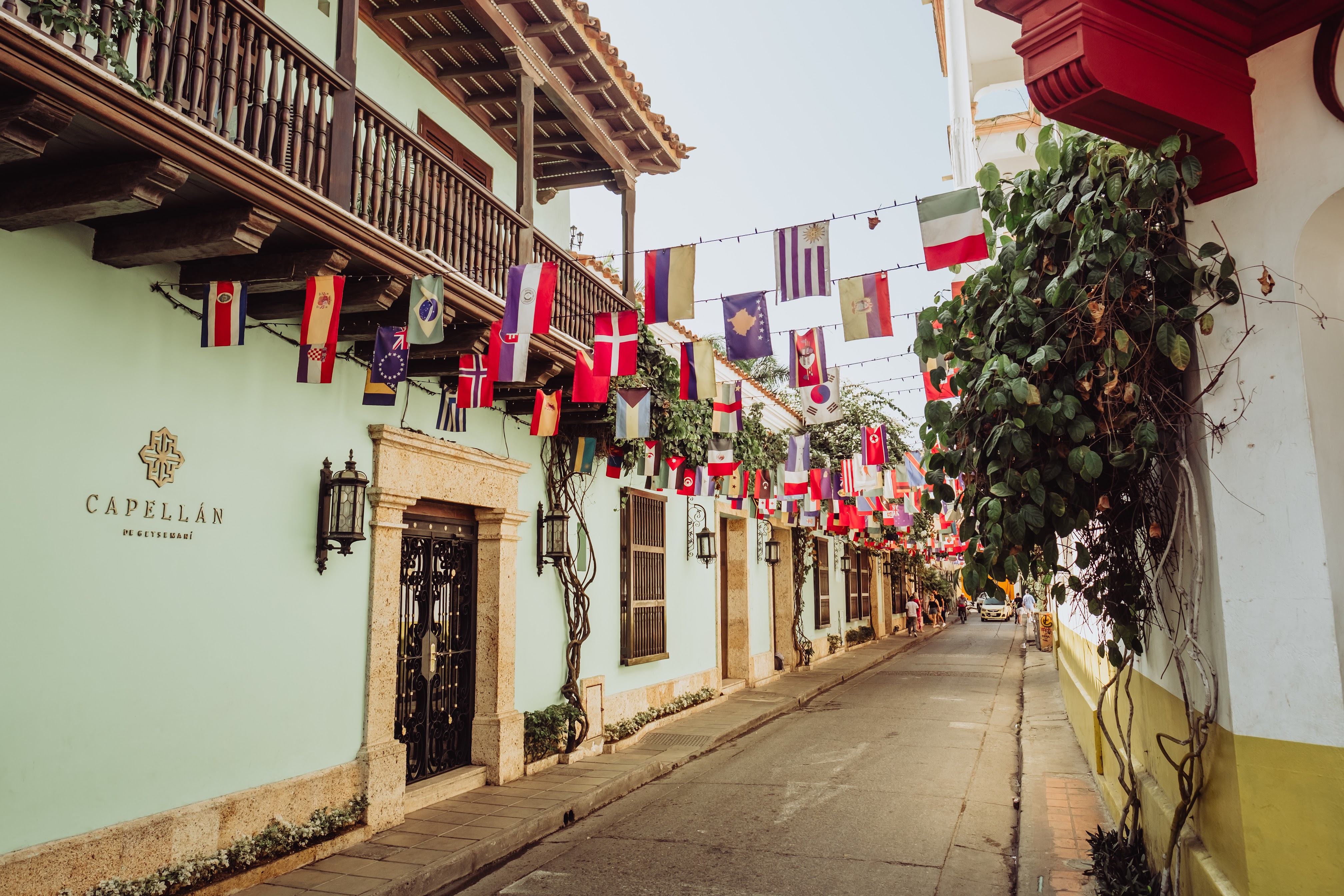

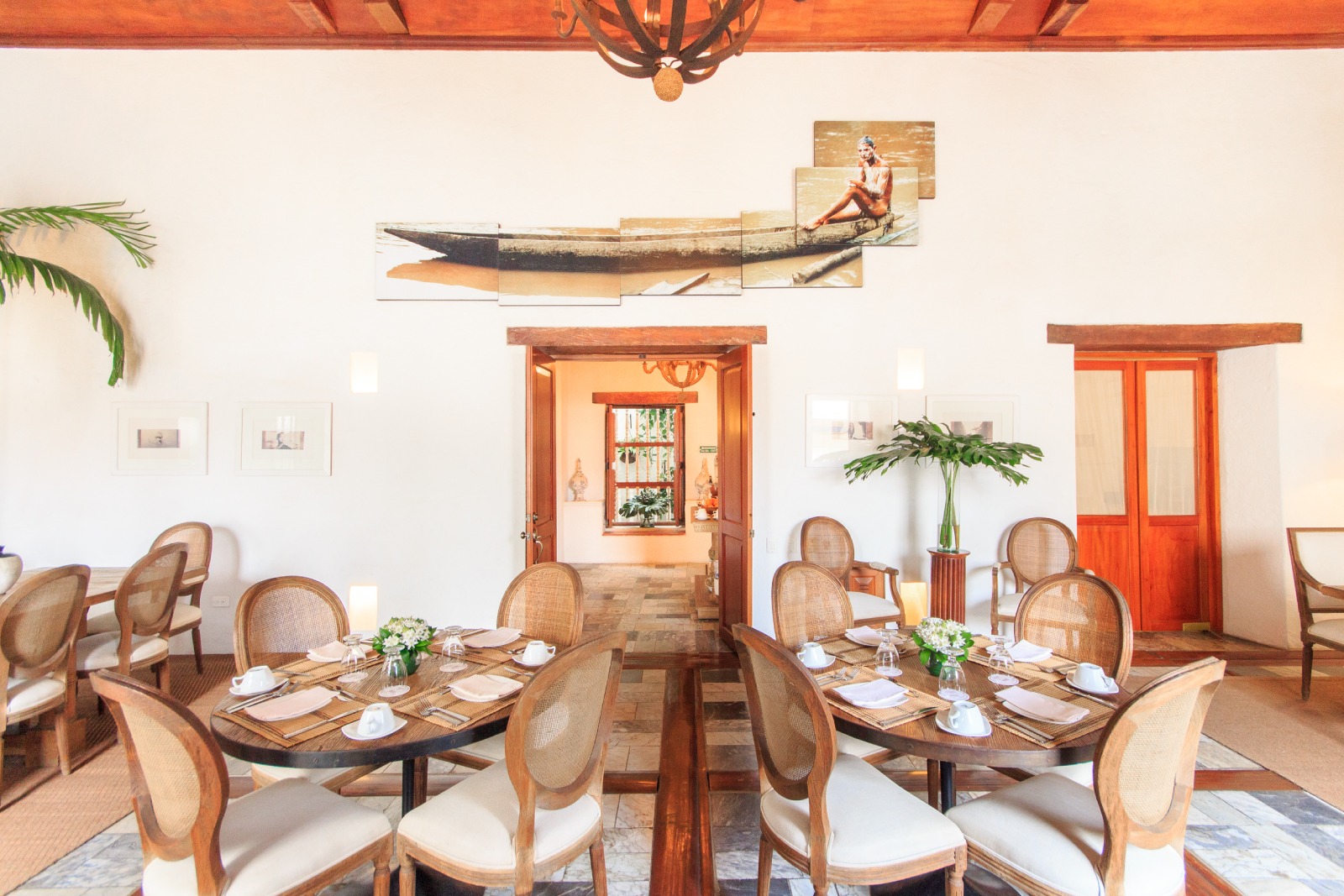

Things to Do in Cartagena
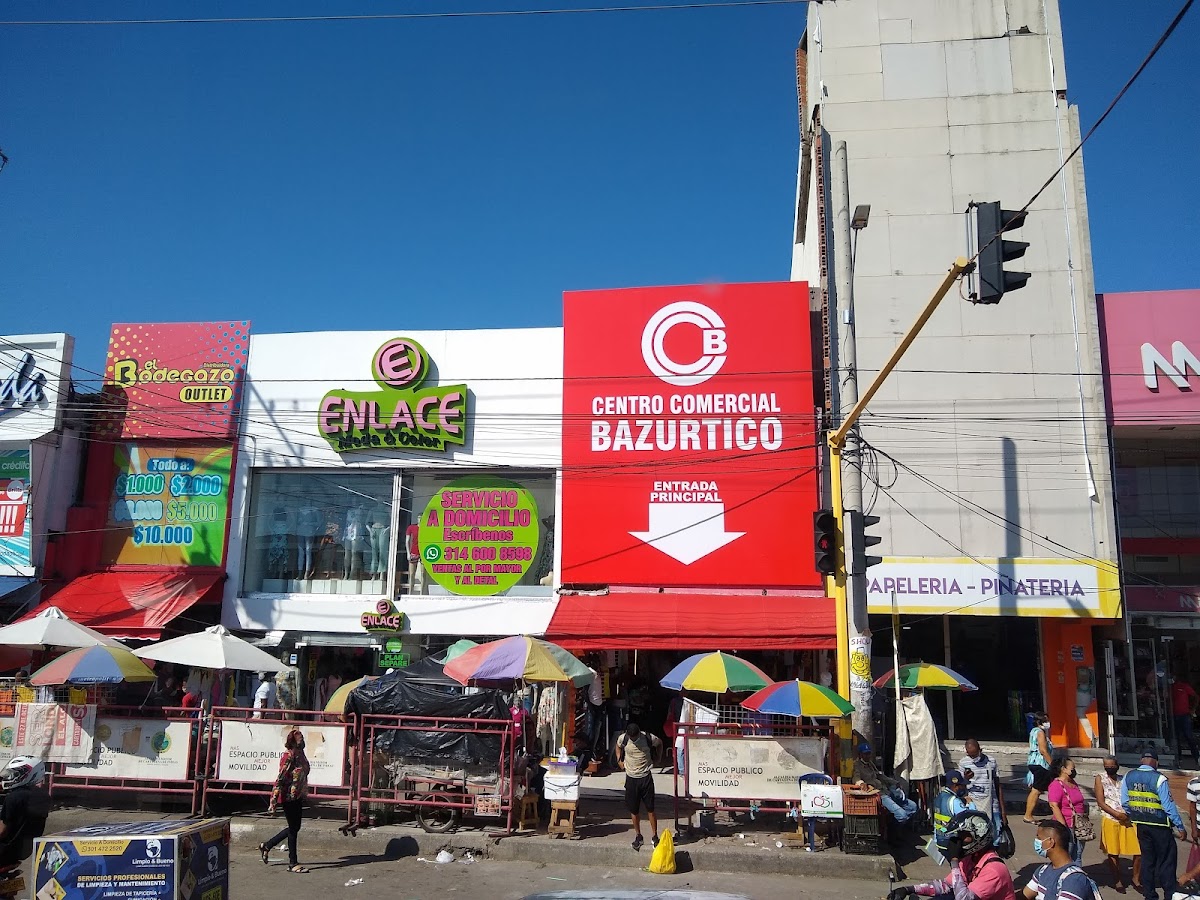
Bazurto Market Guided Adventure Tour
Bazurto/Getsemaní · 180 min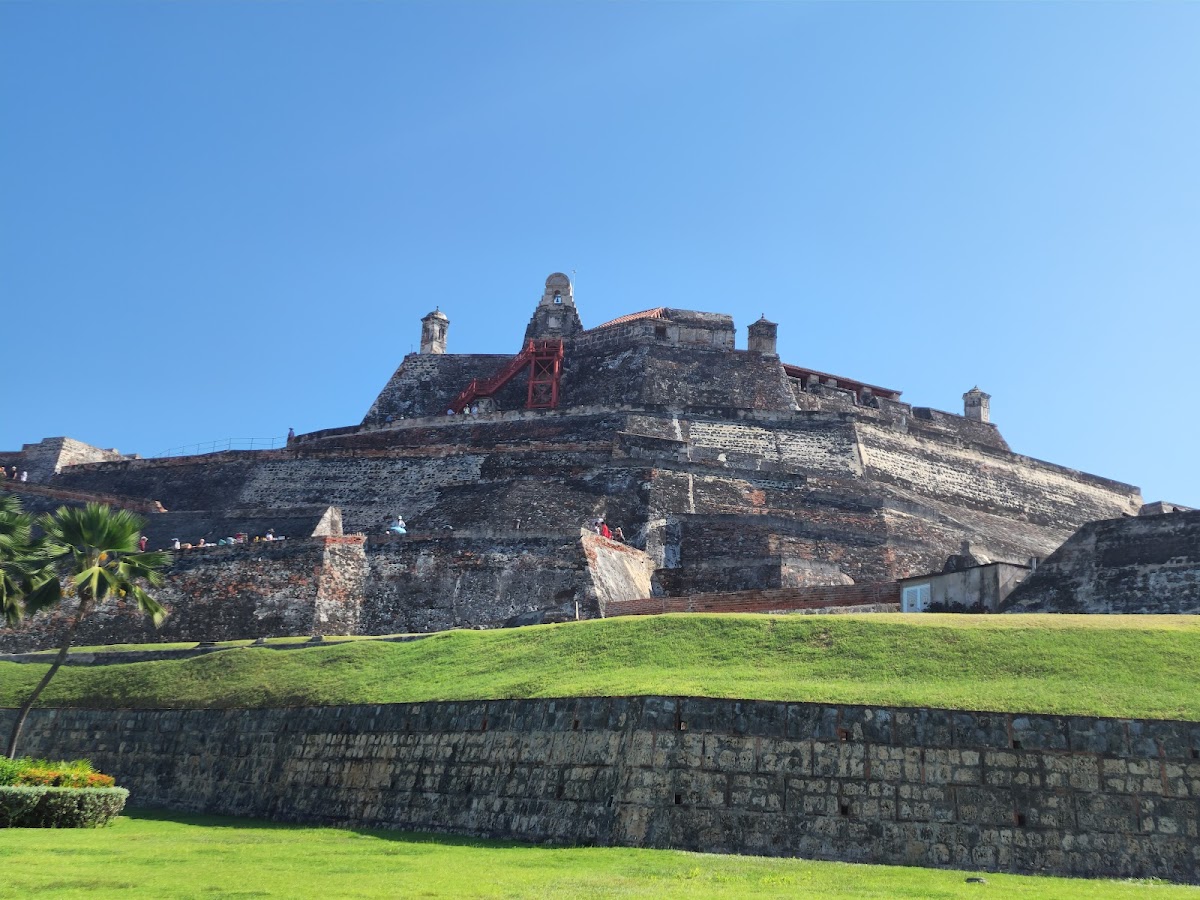
San Felipe de Barajas Castle
San Felipe/Central Cartagena · 120 min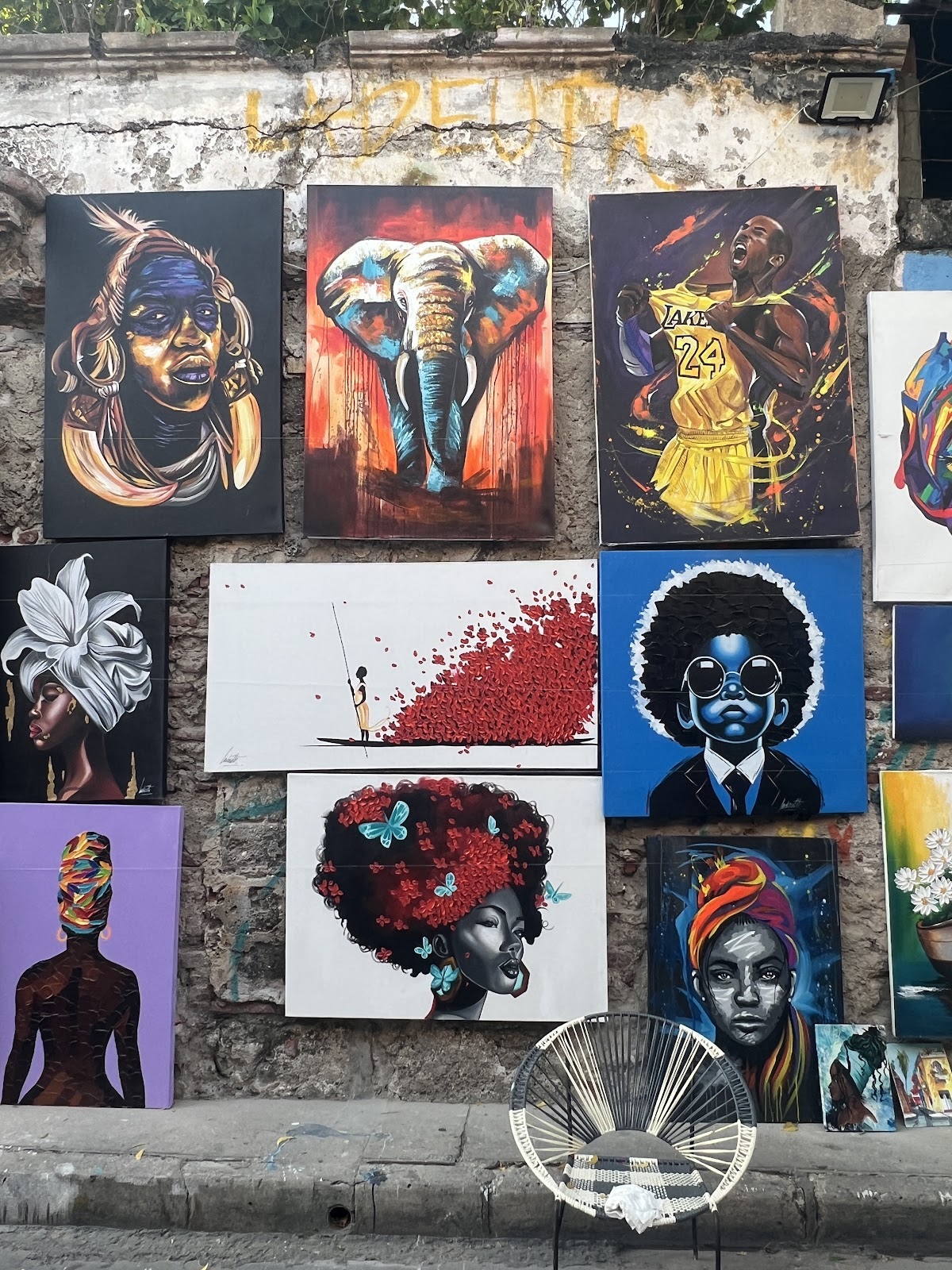
Getsemaní Street Art & Neighborhood Walk
Getsemaní · 90 minMoney-Saving Tips
- 1.Pay with cash whenever possible - many places offer 5-10% discounts for cash payments
- 2.Eat at local spots in Getsemaní instead of tourist restaurants in the Old City to cut food costs in half
- 3.Book accommodations directly with hotels rather than through booking sites to avoid commission fees
- 4.Use Uber instead of street taxis to avoid inflated tourist prices and haggling
- 5.Buy snacks and drinks at local tiendas rather than hotel minibars or tourist area shops
- 6.Visit during shoulder season (May-June or September-October) for 30-40% lower hotel rates
- 7.Take the TransCaribe bus system for 2,500 pesos instead of taxis for short distances
- 8.Book day trips through local operators in Getsemaní rather than hotel concierges to save 20-30%
Travel Tips
- •Download offline maps before exploring - WiFi can be spotty in the Old City's thick stone buildings
- •Bring a portable fan or cooling towel - the humidity hits harder than the temperature suggests
- •Pack reef-safe sunscreen for island day trips - some tour operators require it for snorkeling
- •Learn basic Spanish phrases - English isn't widely spoken outside tourist areas
- •Carry small bills (5,000 and 10,000 peso notes) for street vendors and tips
- •Book restaurant reservations for dinner, especially in peak season - popular spots fill up fast
- •Wear comfortable walking shoes with good grip - those colonial cobblestones get slippery when wet
- •Keep copies of your passport separate from the original - some areas require ID for entry
- •Bring insect repellent for evening walks - mosquitoes love the humid Caribbean climate
- •Stay hydrated and take breaks in air-conditioned spaces during the hottest parts of the day