Kasane
Gateway to Chobe's incredible elephant herds and river safaris
Look, Kasane isn't going to win any beauty contests. This dusty border town in northern Botswana exists for one reason: it's your gateway to some of Africa's most incredible wildlife experiences. Just minutes from your hotel, you'll find yourself on the Chobe River watching hundreds of elephants drink at sunset, or tracking lions through mopane woodlands. The town itself is functional rather than charming, but that's exactly the point. You're not here for fancy restaurants or nightlife. You're here because Chobe National Park sits right on your doorstep, and the wildlife viewing is absolutely phenomenal.
Best Months
MAY – OCT
~27°C · moderate crowds
Culture & Context
WILDLIFE WOVEN INTO TOWN
Kasane's name comes from "isani," a Chikuhane (Subiya) word meaning hardwood. That tells you something about the place. It is not a polished destination with a curated downtown.
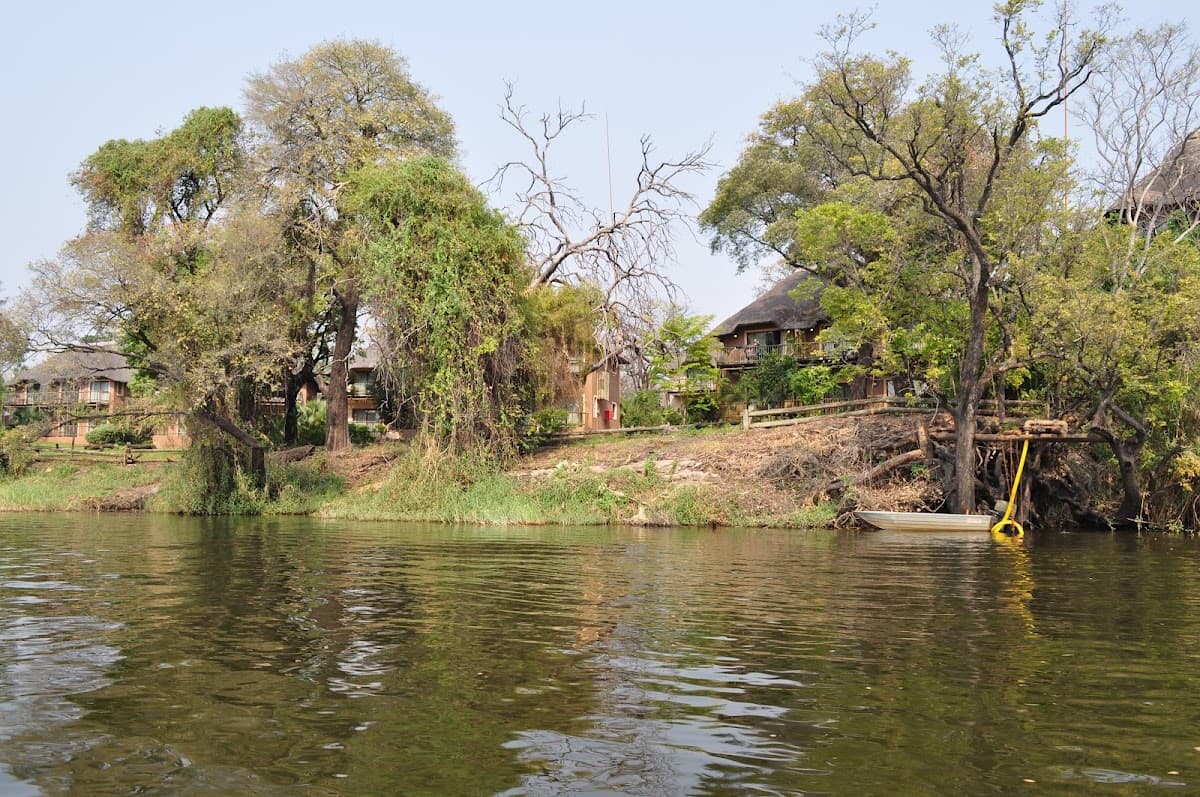
It is a working frontier town that happens to sit on one of Africa's great wildlife corridors, where four countries (Botswana, Namibia, Zambia, Zimbabwe) nearly touch at a single point. There is no fence between Kasane and Chobe National Park. A warthog trots past the petrol station.
Elephants wander into lodge gardens at night. Hippos grunt from the reeds at the end of town. The Chobe Safari Lodge, where Elizabeth Taylor remarried Richard Burton in 1975, still stands along the riverfront.
Three generations of the same families have run river cruises and curio stalls here. The town grew sideways along the Kasane-Kazungula road rather than up, with tin-roofed shops and low lodges hugging the earth. Baobab trees older than the colonial era still shade the police station, one of which once served as the district jail.
Over 100,000 tourists pass through annually, mostly using Kasane as a launchpad for Chobe or Victoria Falls rather than as a destination in itself. That instinct undersells the place.
Local Customs
GREET FIRST, ALWAYS
Greetings are not optional here. Skipping a greeting before getting to the point of a conversation is considered rude. Say Dumela, make eye contact, shake hands with your right hand.
Take your time with it.. When greeting an elder or authority figure, slightly lower your head or use both hands during the handshake. Rushing past elders without a greeting is noticed and frowned upon..
Accept food, drinks, and gifts with both hands. Same when receiving change in a shop. It signals respect and gratitude..
In traditional settings, eat with your right hand only. The left hand is considered unclean.. Do not photograph people — especially elders, villagers, or anyone in uniform — without asking first.
A simple gesture and a smile go a long way, and most people will agree if asked politely.. Speaking loudly or aggressively in public is a fast way to lose goodwill. Botswana culture values soft-spoken, calm communication.
Keep it measured even when frustrated.. Plastic bags are banned in Botswana. Getting caught with one carries a fine of up to $500.
Bring reusable bags for any market or supermarket shopping.. Night driving on rural roads around Kasane is genuinely dangerous. Free-roaming wildlife and no street lighting make it a serious risk.
Plan to be back at your lodge before dark.. Never swim in the Chobe River or any unfenced waterway near Kasane. Hippos and crocodiles are not shy, and bilharzia risk is real in slow-moving water..
Do not approach wildlife even in town. An elephant in a lodge garden or a hippo on the riverbank path is not a photo opportunity to walk toward. They move faster than you expect.
Safety
MALARIA & HIPPOS REAL
Kasane and Botswana broadly rank as one of Africa's safest travel destinations, with low crime rates and a stable political environment. That said, a few things matter here specifically. Malaria is real.
Kasane sits in a high-risk zone due to the Chobe River floodplains, and risk peaks November through April (rainy season). Talk to a doctor before you go about antimalarials. Pack DEET repellent (at least 30%), wear long sleeves and closed shoes after dusk, and sleep under a treated mosquito net.
The dry season (May-October) has lower mosquito activity but the risk never goes to zero. Wildlife safety is the other big thing. There is no fence between the town and Chobe National Park.
Elephants enter lodge gardens. Hippos use the riverbank path. Do not walk toward any wildlife for a closer look, regardless of how calm they appear.
At night, use a torch before moving around campsite grounds. Do not swim in the Chobe River — hippos, crocodiles, and bilharzia are all present. Avoid driving on rural roads after dark.
Petty crime is rare but not impossible. Lock valuables in your room safe, avoid displaying expensive cameras or watches at the market, and be politely firm with any touts. Overly eager guides offering deals that sound too good usually are.
Negotiate prices before committing to anything.
Getting Around
FLIGHTS & SHARED TAXIS
Kasane Airport (airport code BBK) is served by Airlink with direct flights from Johannesburg. It is small, efficient, and processes arrivals quickly. Most people either fly in from Jo'burg or arrive overland.
From Victoria Falls (Zimbabwe), the drive takes about three hours via the Kazungula border crossing. Expect a queue there, especially when South African school holidays overlap with safari season. Long-distance buses from Windhoek and Lusaka terminate at Choppies supermarket on the main road.
That supermarket is the unofficial town center — taxi drivers there know every lodge by nickname. Shared taxis run the Kasane-Kazungula road for 4 Pula (under 30 cents). They pack in passengers and cargo together, but they work.
Lodge shuttles cost more but come with cold water and wildlife stories. Boats leave from the main river jetty for Sedudu Island and the Namibia side. Negotiate directly with the boat captains and fix your return time before departing.
Cell service disappears mid-river, so you cannot call for pickup once out there. For the national park, most visitors join organized game drives through their lodge, or rent a 4WD for a self-drive (fuel stops must be planned carefully — running dry between camps is a common and inconvenient mistake). Domestic flights from Kasane to Maun (for the Okavango Delta) are available and worth the cost if time is limited.
Useful Phrases
Money-Saving Tips
- 1.Book accommodation packages that include meals and activities - it's often cheaper than paying separately
- 2.Bring US dollars in small bills - many places don't give change for large notes
- 3.Stock up on snacks and drinks at Spar supermarket - lodge prices are inflated
- 4.Consider camping at Chobe Safari Lodge campsite for $25 per person instead of rooms
- 5.Shared game drives cost half the price of private vehicles but you'll still see the same animals
- 6.Fill up with fuel in Kasane - there's nowhere to buy it in the national park
- 7.Bring your own binoculars rather than renting them from lodges
- 8.Park fees are $15 per day for non-residents - buy multi-day passes if staying longer
Travel Tips
- •Pack neutral-colored clothing - bright colors spook animals and attract insects
- •Bring a good camera with telephoto lens - you'll kick yourself if you don't
- •Download offline maps before arriving - cell service is patchy in the park
- •Carry antimalarial medication - this is a high-risk area year-round
- •Book game drives and boat trips in advance during peak season (July-September)
- •Keep all food locked up - baboons and elephants regularly raid campsites
- •Bring a flashlight with red filter for night walks - white light disturbs wildlife
- •Check visa requirements - you might need multiple entry visas if crossing borders
- •Pack insect repellent with high DEET content - the mosquitoes are relentless
- •Respect the 40km/h speed limit in the park - it's enforced and protects animals