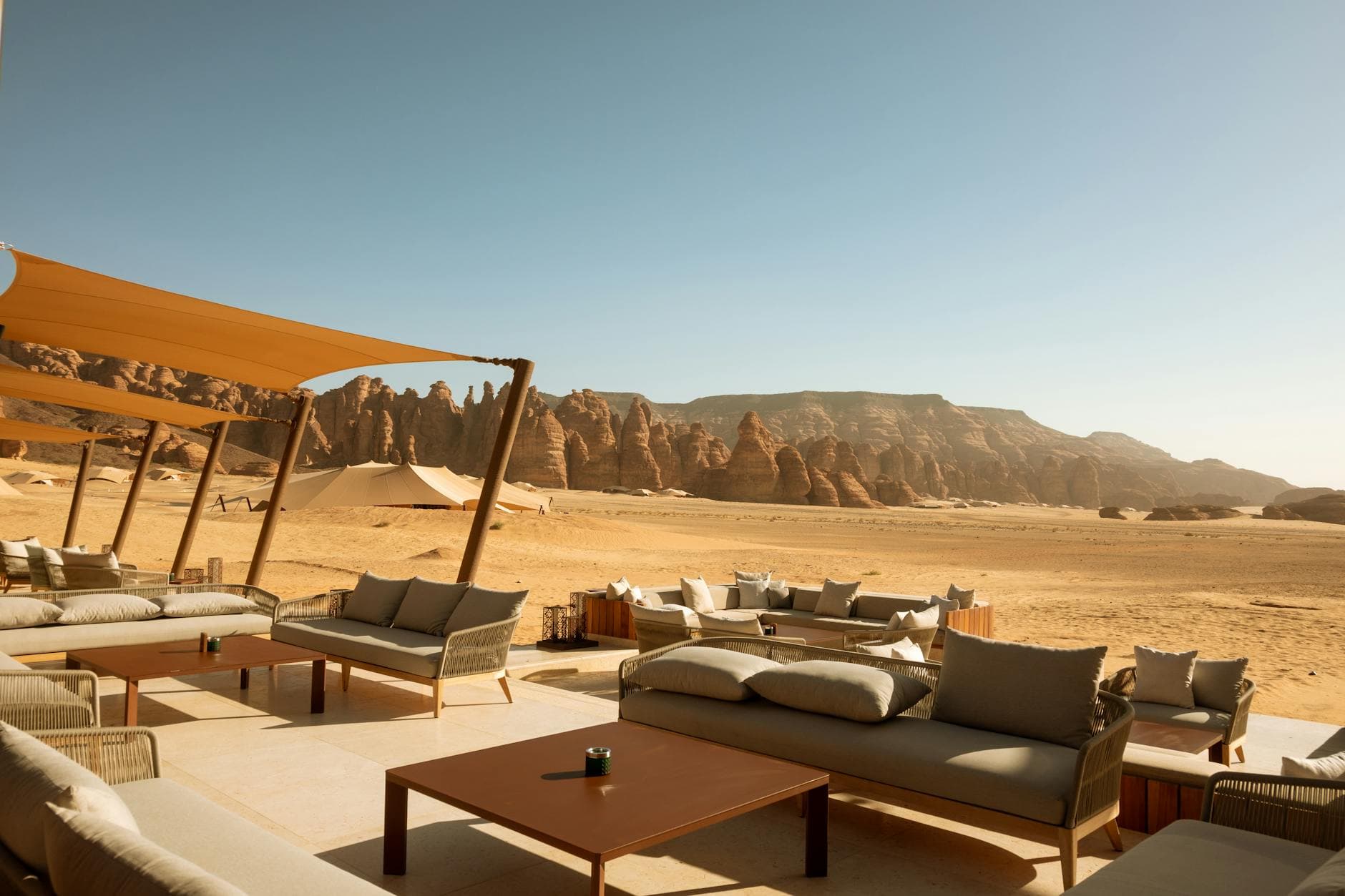
AlUla
Saudi Arabia's ancient Nabatean kingdom carved in sandstone
AlUla feels like stepping into another world. Two thousand years ago, the Nabataeans carved elaborate tombs into these towering sandstone cliffs, creating what's now Saudi Arabia's most jaw-dropping archaeological site. But this isn't just about ancient history — AlUla has transformed into a luxury desert destination where you can sip champagne while watching the sunset paint those famous rock formations gold.
The crown jewel is Hegra, Saudi Arabia's first UNESCO World Heritage site. Over 100 perfectly preserved tombs rise from the desert floor like something out of a movie set. And unlike Petra in Jordan, you'll often have these monuments to yourself.
Look, AlUla isn't your typical Middle Eastern city break. This is high-end desert tourism with world-class resorts, stargazing experiences, and adventure activities that take full advantage of the dramatic landscape. The Saudi government has poured billions into making this place accessible while keeping it exclusive.
Best Months
JAN · FEB · MAR · NOV · DEC
~26°C · peak crowds
Culture & Context
SEVEN MILLENNIA CONVERGENCE
AlUla sits in a valley in northwestern Saudi Arabia, about 350 km from Medina, and it's genuinely unlike anywhere else on earth. You're looking at 7,000 years of layered civilization: Dadanite and Lihyanite kingdoms, then the Nabataeans who also built Petra, then a medieval mudbrick city that was still inhabited in the 1980s. The Saudi government has poured over USD 15 billion into developing this place under Vision 2030, and unlike some of those giga-projects that are still vaporware, AlUla actually exists and works right now.
Hotels are open, flights run daily, and the archaeological sites have been welcoming visitors since 2020. Tourism jumped from 20,000 visitors in 2020 to around 300,000 in 2025, and is targeting 380,000 in 2026. That growth matters: some of the queues and polish that come with mass tourism are arriving fast.
Go sooner rather than later if crowds bother you. Here's the thing about the landscape: the sandstone formations are 540 to 485 million years old, and the jet-black volcanic basalt of the Harrat Uwayrid plateau contrasts with the warm red rock in a way that photographers genuinely struggle to capture properly. No screen does it justice.
Local Customs
ZERO ALCOHOL, MODEST DRESS
No alcohol anywhere in Saudi Arabia — the country's laws apply fully here. Restaurants serve creative mocktails and fresh juices instead. Don't try to bring alcohol in..
Accept Arabic coffee (qahwa) and dates when offered — it's hospitality, and refusing without reason is mildly rude. When you've had enough coffee, gently shake your small cup side to side. If you don't, it keeps getting refilled..
Dress modestly in public. Women are not required to wear an abaya anymore, but covering shoulders and knees is expected. Lightweight linen layers work well and double as sun protection.
Men should wear long trousers and shirts with sleeves in non-resort public areas.. Always ask permission before photographing people, especially women and children. Privacy is taken seriously.
Don't photograph government buildings, military sites, or anything that looks official.. Foreigners cannot fly drones. Full stop.
The General Authority of Civil Aviation requires registration and a Remote Pilot Certificate — neither is available to tourists. Leave the drone at home.. Prayer is observed five times a day.
Some shops close briefly. During Ramadan (which falls around March 2026), eating, drinking, or smoking in public during daylight hours is discouraged — though hotel restaurants remain open for guests.. Eat with your right hand and pass items with your right hand.
The left hand is traditionally considered unclean in Arab culture.. Public displays of affection are a no-go — even holding hands between couples should be kept minimal in public spaces. Save it for the privacy of your hotel..
Elderly people command visible respect in Saudi culture. If you're with a group, greet older people first. It's noticed and appreciated..
Friday is the holy day. Expect many non-tourist businesses to be closed during Friday Jumu'ah (midday prayer). Plan your Old Town or market visit accordingly.
Safety
VERY SAFE, HEAT HAZARD
AlUla itself is considered very safe for tourists, including solo female travelers. The Royal Commission for AlUla runs a dedicated tourism police presence, six visitor centers with WhatsApp support, and well-maintained infrastructure. Saudi Arabia's overall crime rate is low, and petty crime targeting tourists is rare.
That said, a few things are worth knowing. Terrorism is a real background risk across Saudi Arabia — not unique to AlUla, but worth acknowledging. Australian, UK, and US government travel advisories maintain an elevated awareness warning due to the broader Middle East security environment.
AlUla sits far from any conflict zones but is still in the Kingdom. During Ramadan, traveling with little food access from sunrise to sunset can catch people off guard — stock up at Tamimi Express (open daily 08:00–23:00) before early mornings. Heat is a genuine hazard from May to September, when temperatures regularly exceed 40°C.
Even in winter, midday heat builds fast at archaeological sites with no shade. Carry water, wear a hat, and plan active touring for early mornings. Drones are illegal for tourists — attempting to fly one can result in confiscation and legal trouble.
And obviously: zero alcohol tolerance means zero. Don't test it.
Getting Around
RENT CAR, BOOK EARLY
AlUla International Airport (ULH) now handles up to 700,000 passengers annually after a January 2026 expansion. Daily flights from Riyadh (SAR 260 one-way, ~2 hours on Saudia or flynas), daily from Jeddah (SAR 400), and international routes from Dubai (flydubai, 3x weekly), Doha (Qatar Airways, 3x weekly), and Amman (Royal Jordanian, 2x weekly). Book early for the October–March peak season — Saudia and flynas routes fill up fast during festivals.
The airport sits about 30–50 minutes from the main sites depending on traffic. Once in AlUla, a rental car is the most practical option for independent exploration. Budget Saudi Arabia, Al Wefaq, and Daleel AlUla all operate from the airport.
Petrol is a non-issue at SAR 2.33/liter. Alternatively, download the Darb AlUla app for local ride-sharing, or use public buses that run every 30 minutes across the main tourism areas.
For Hegra specifically, you cannot self-drive within the archaeological site — all visits are via organized tours departing from Hegra South Gate, starting at SAR 95. AlUla is also a 3-hour drive from Medina and Tabuk if you're flying into either city and prefer a road trip through the desert.
Useful Phrases
AlUla Itineraries
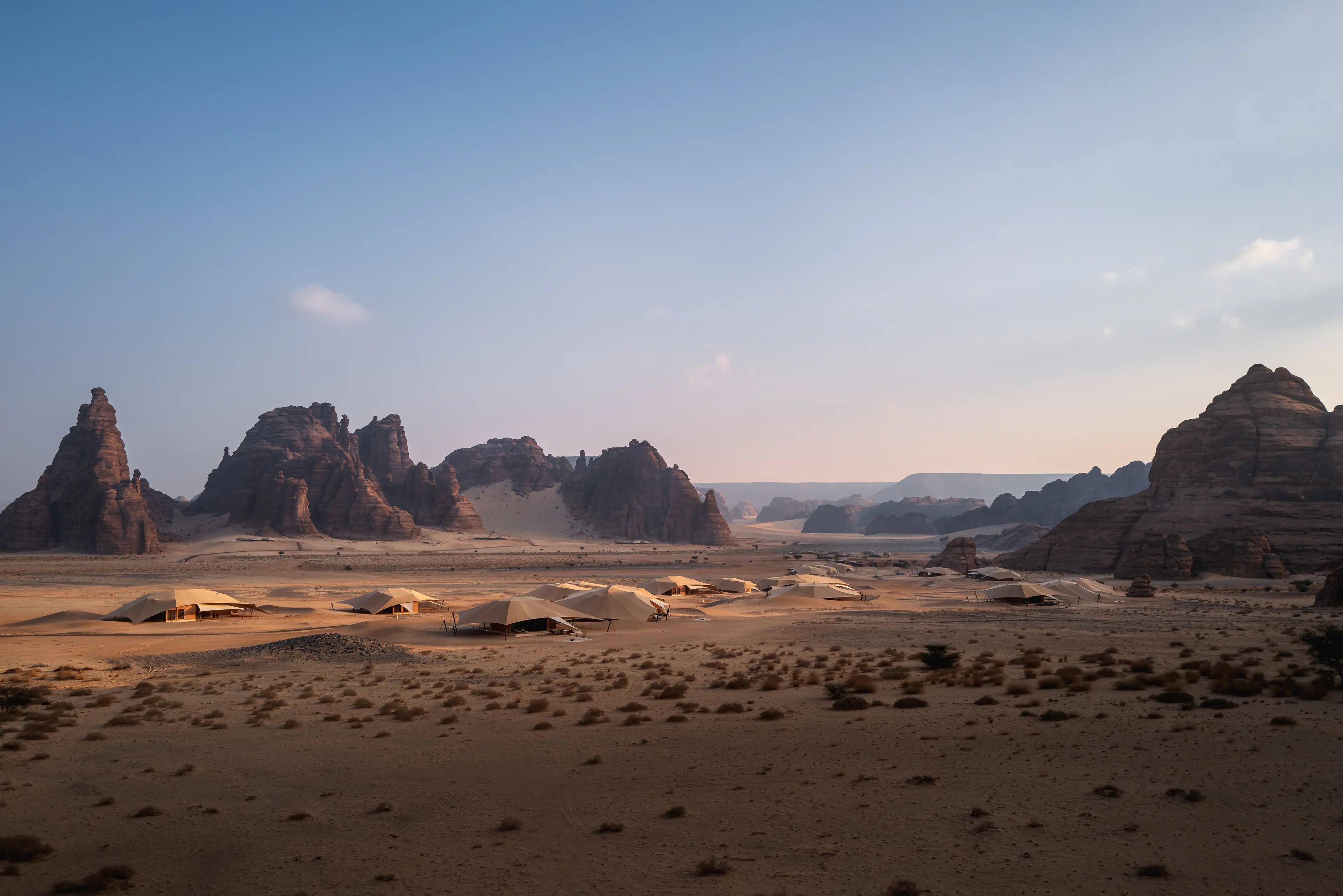
Where to Stay in AlUla
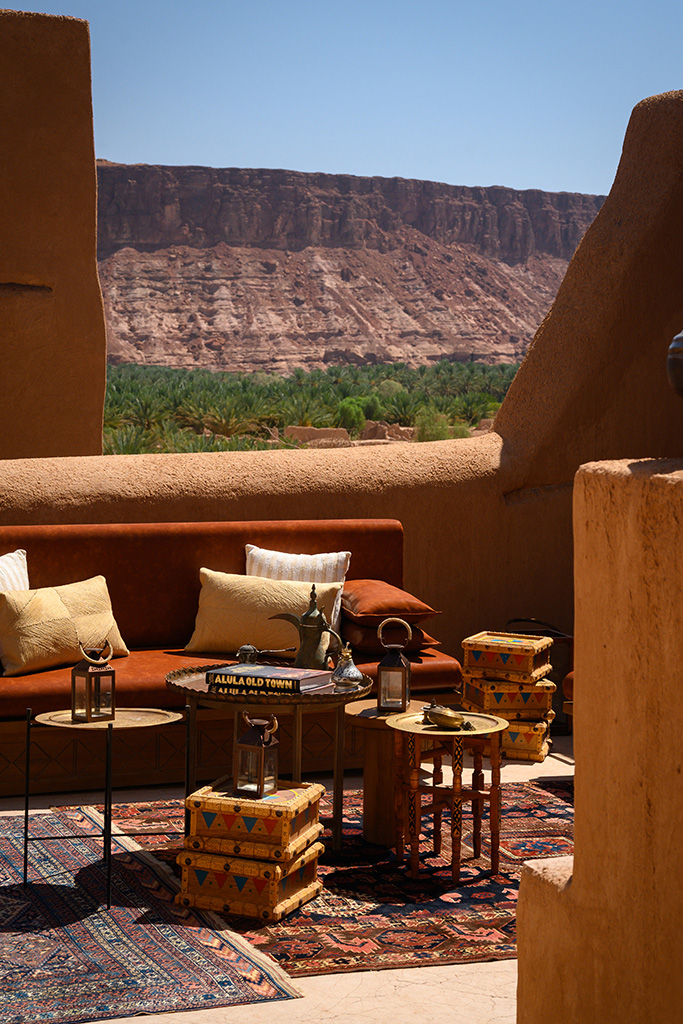
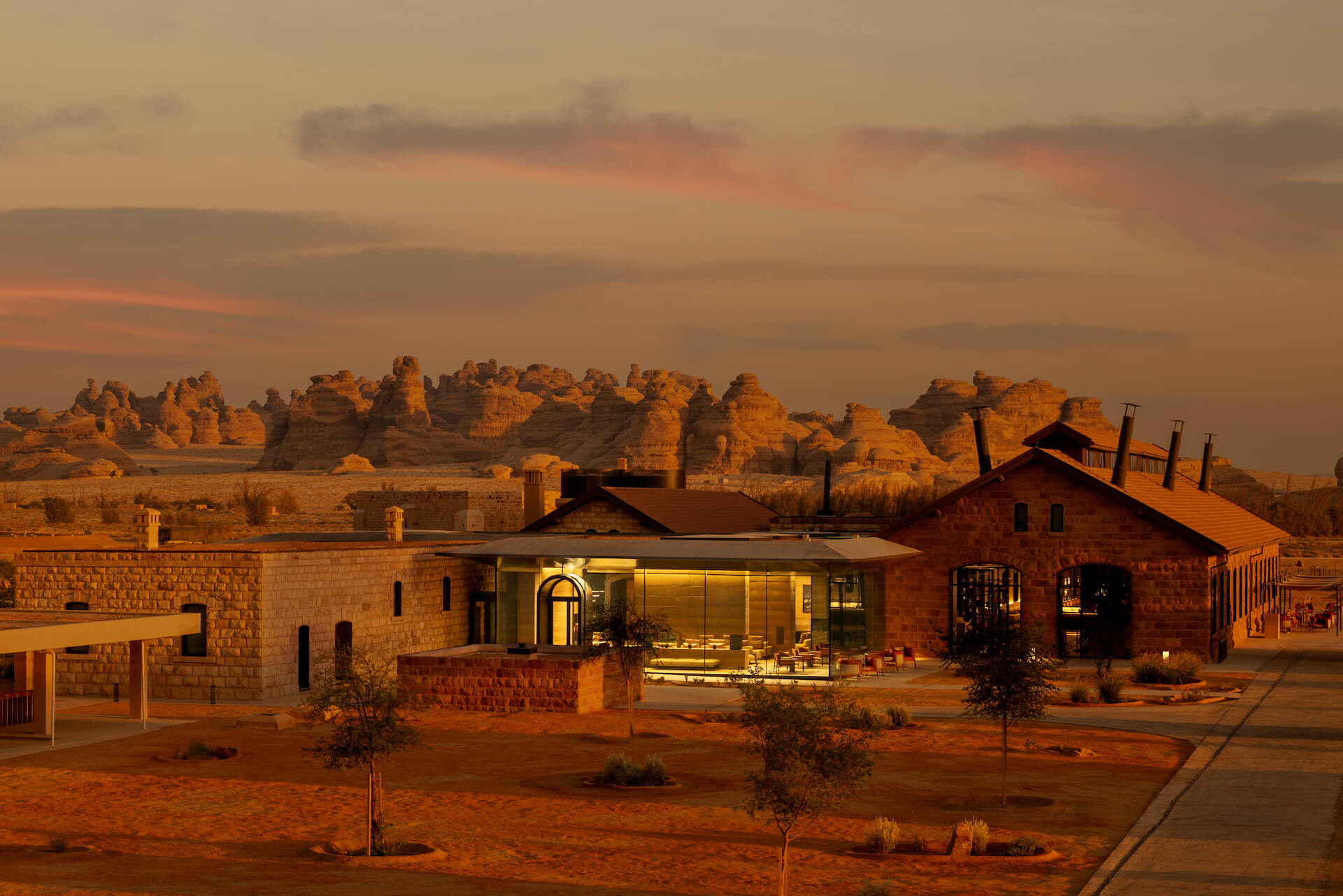
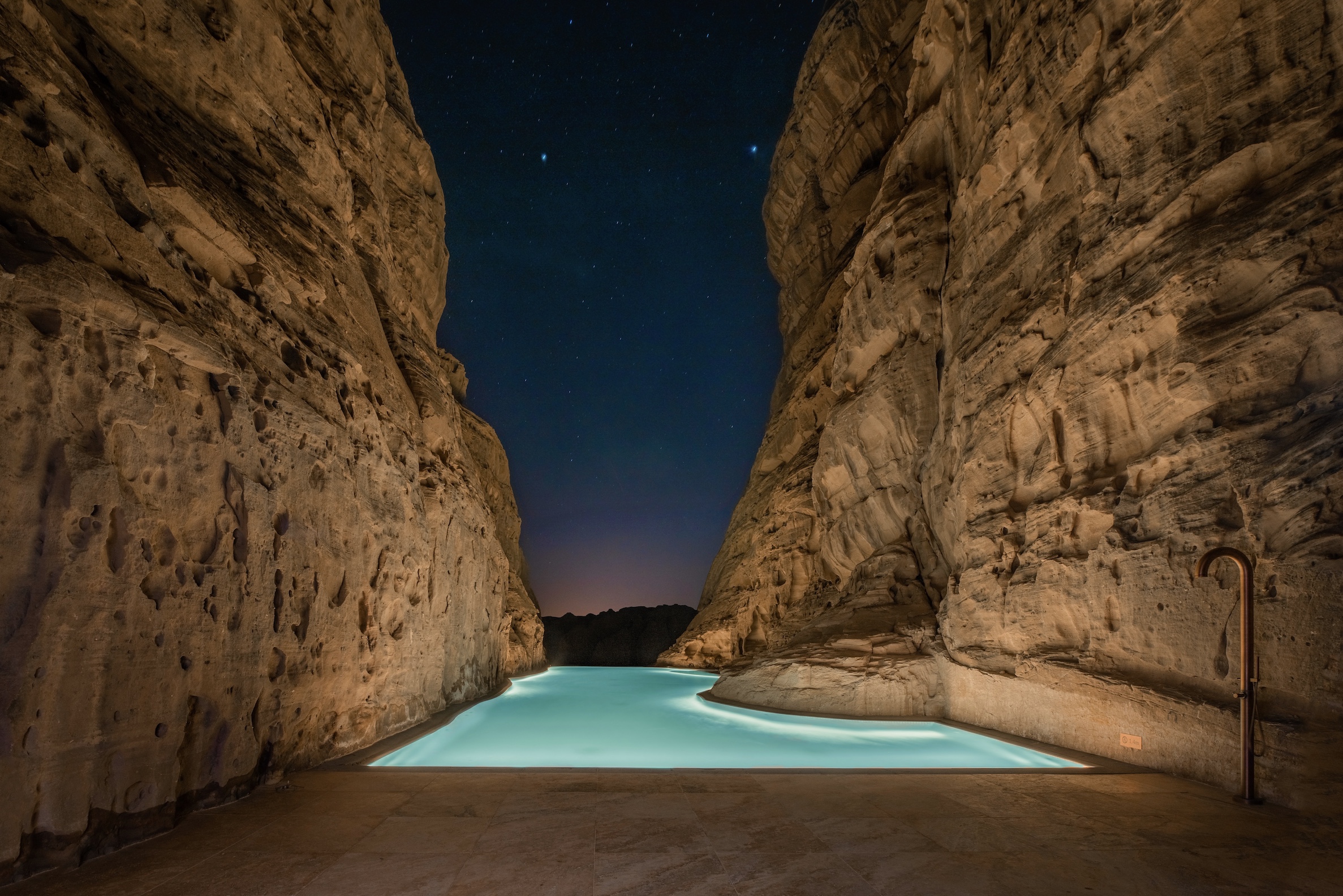
5 recommended properties
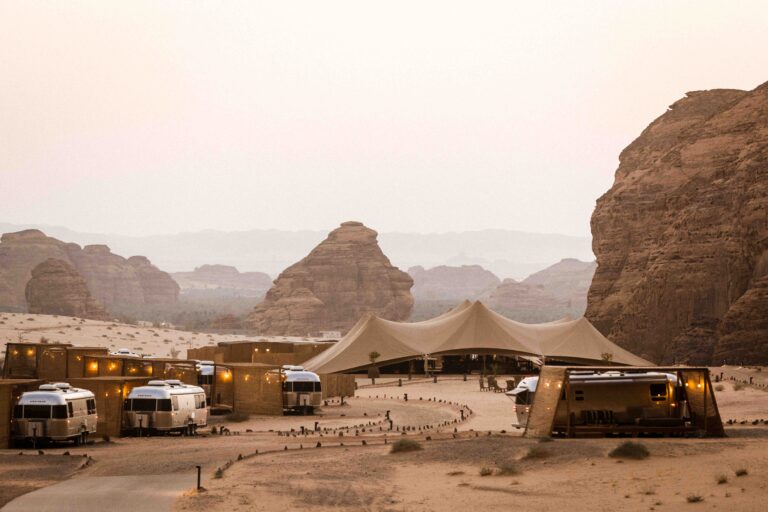
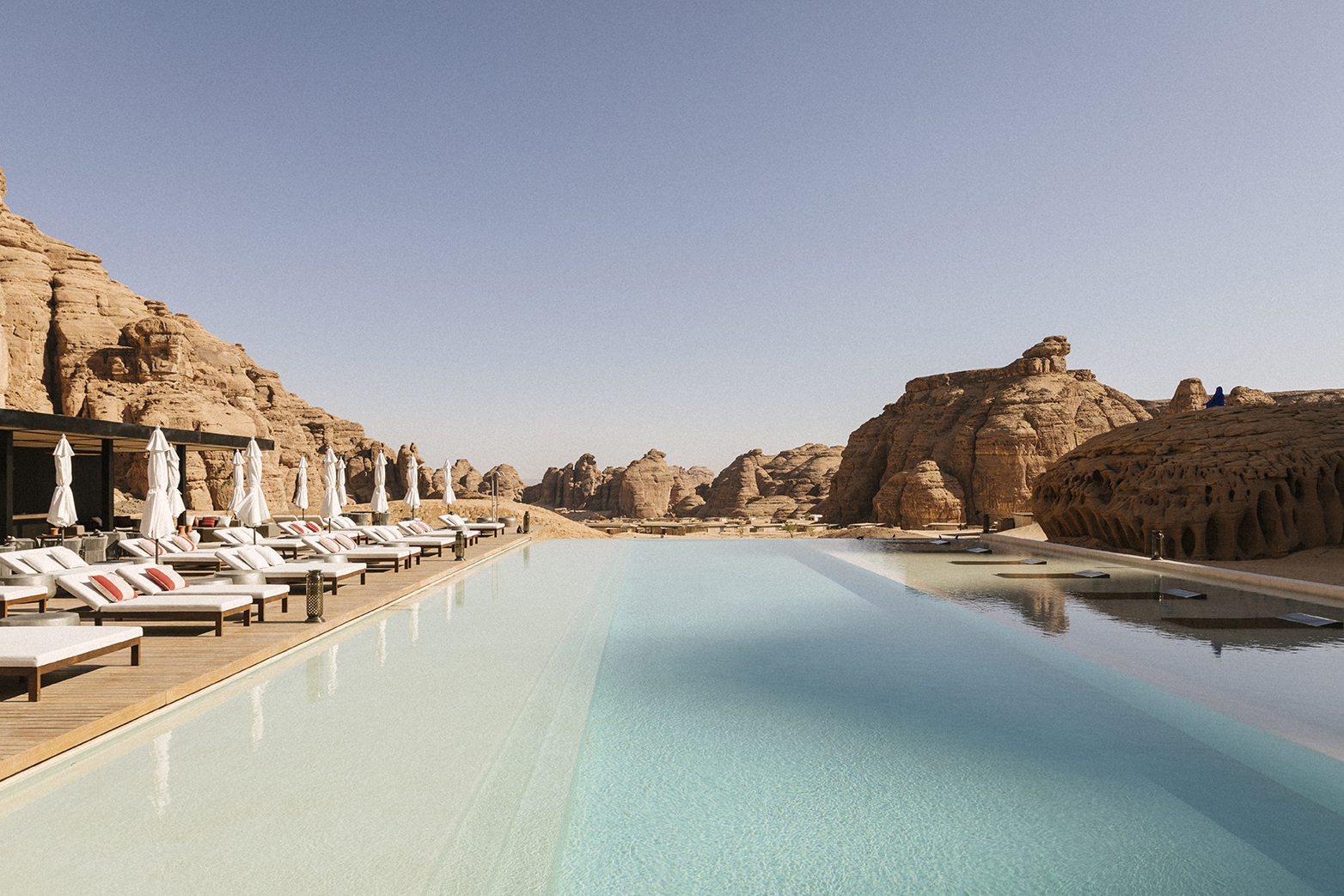
Things to Do in AlUla
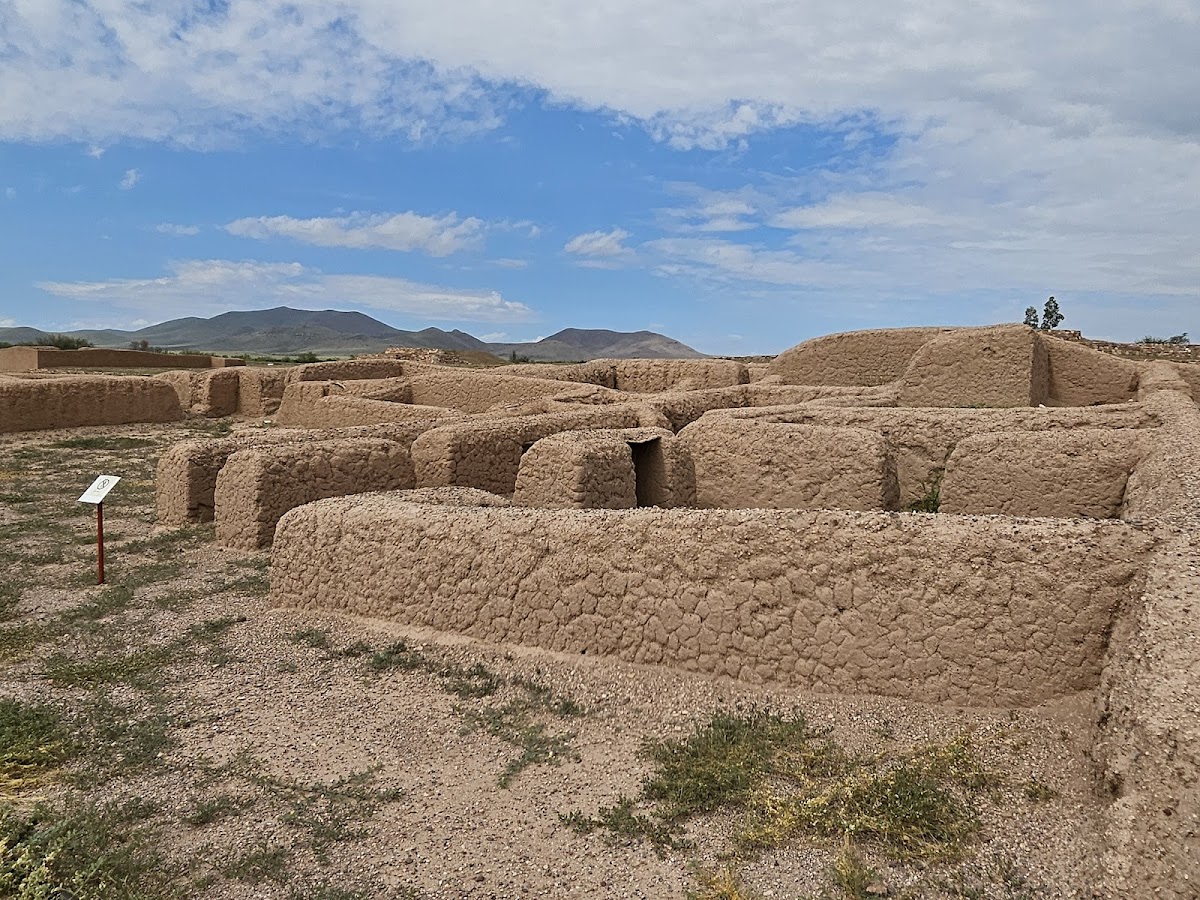
Hegra UNESCO Site
180 min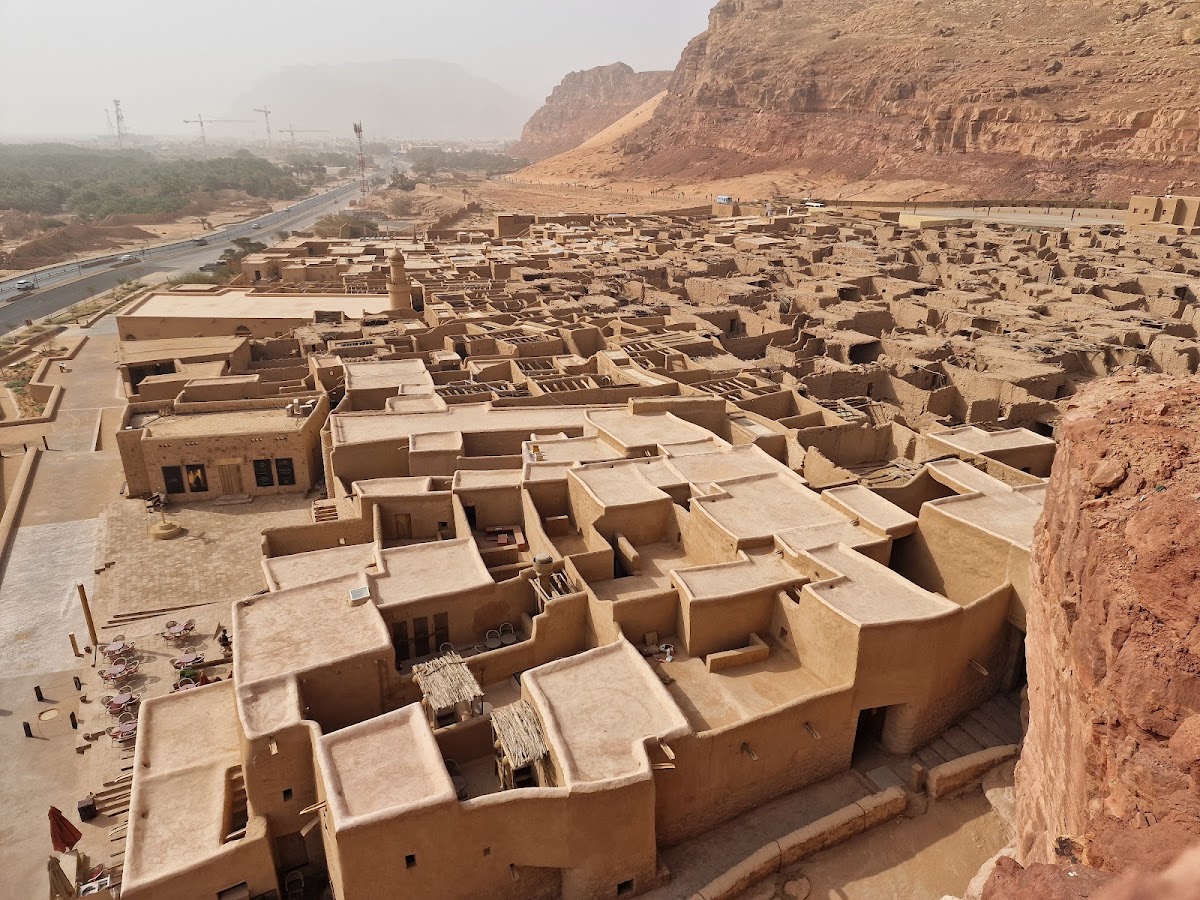
AlUla Old Town
120 min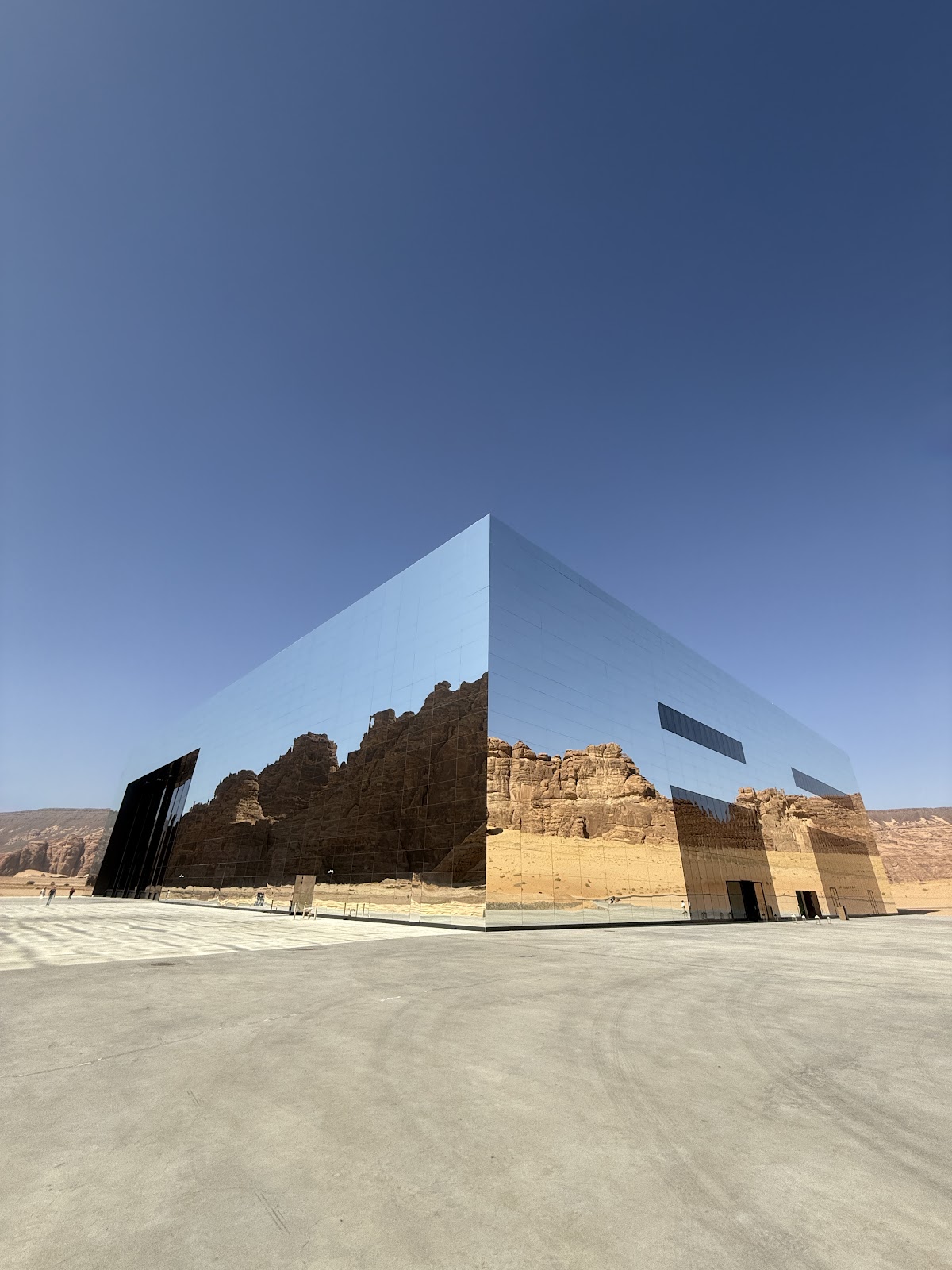
Maraya Concert Hall
90 minMoney-Saving Tips
- 1.Book accommodations well in advance for winter season - prices can double during peak months
- 2.Most archaeological sites require paid guided tours, so budget around $60 per major site visit
- 3.Alcohol at hotels is expensive ($12-15 per glass of wine) - consider this if you're a regular drinker
- 4.Renting a 4WD vehicle gives you flexibility and costs less than constant resort shuttle fees
- 5.Lunch at local restaurants in old town costs $10-15 vs $50+ at resort restaurants
- 6.Many activities have seasonal pricing - visit in February/March for 20-30% savings over December/January
- 7.Desert camping experiences are worth the splurge but book early for better rates
- 8.Airport transfers from Prince Abdul Majeed bin Abdulaziz Airport cost $40-60 depending on your hotel
Travel Tips
- •Download offline maps - cell service can be spotty in remote archaeological areas
- •Pack layers for winter visits - desert nights get surprisingly cold even when days are warm
- •Bring a good camera with extra batteries - the lighting for photography is incredible but drains power fast
- •Respect photography rules at archaeological sites - some areas prohibit photos to protect ancient art
- •Stay hydrated even in winter - the dry desert air is deceptive and you'll dehydrate faster than expected
- •Book stargazing tours for new moon periods when skies are darkest
- •Wear closed-toe shoes for desert activities - sand gets everywhere and can be surprisingly hot
- •Learn a few Arabic phrases - locals appreciate the effort even though English is widely spoken at tourist sites
- •Check activity schedules upon arrival - some experiences are weather dependent and may be cancelled
- •Bring cash for small vendors in old town - not all accept cards