Fukuoka
Kyushu's dynamic food capital and cultural gateway
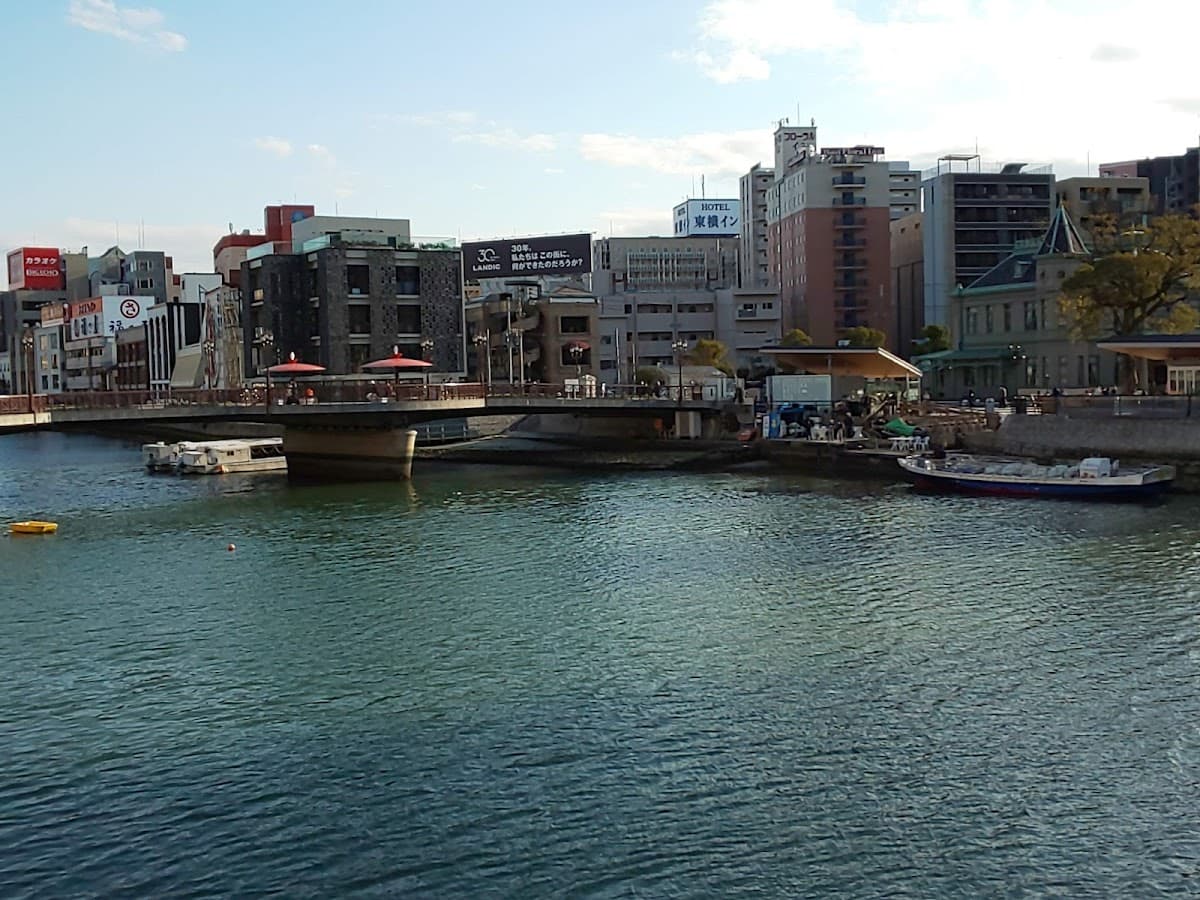
Forget Tokyo's crowds and Kyoto's tourist traps. Fukuoka gives you the real Japan — where locals slurp tonkotsu ramen at 2am and centuries-old shrines sit next to gleaming shopping centers. This compact city on Kyushu island punches way above its weight, serving up some of Japan's best food scene alongside surprisingly rich culture. You can walk from ancient Kushida Shrine to the ultramodern Canal City mall in 15 minutes. The locals are friendlier here too, probably because they're not exhausted by endless tourist selfies.
Best Months
MAR · APR · MAY · SEP · OCT · NOV
~22°C · high crowds
Culture & Context
MERCHANT WARMTH, SERIOUS FOOD
Fukuoka is the largest city on Kyushu, Japan's southernmost main island, and it carries a split identity that locals still argue about. The city started as two separate places: the merchant district of Hakata and the samurai town of Fukuoka, merged in 1889. The naming dispute was so bitter it got decided by a single vote in a heated local assembly.
Hakata merchants quietly won the rematch anyway by keeping the name on the Shinkansen station. That merchant energy never really left. People here are noticeably warmer and more direct than Tokyo residents, and the city moves at a pace that doesn't feel like a competition.
It has 1.6 million people, which sounds enormous, but the core area between Hakata Station, Nakasu, and Tenjin covers about 25-30 walkable minutes. The food scene is deeply serious.
Hakata tonkotsu ramen, mentaiko (spicy cod roe), goma-saba sesame mackerel, and motsunabe offal hotpot in winter are the dishes locals actually eat, not the tourist-menu versions. Yatai stalls along the Nakasu riverbank are genuinely beloved, not performative. Fukuoka also happens to be Japan's closest major city to mainland Asia, which shows in the food, the trade history, and the fact that a ferry to Busan, South Korea departs before lunchtime.
Local Customs
CASH, NO TIPS, PLAN MIDNIGHT
No tipping. Anywhere. Not at yatai stalls, not at fine dining, not in taxis.
Leaving extra cash on the counter causes confusion and mild discomfort for staff.. Carry cash. Yanagibashi Rengo Market and most yatai stalls are cash-only.
Digital payment apps like PayPay are growing but not universal. ATMs at 7-Eleven and Japan Post are the most reliable for foreign cards.. On rainy days, every store and station entrance has a plastic umbrella sleeve dispenser.
Boarding a bus with a wet, unprotected umbrella dripping on people is one of the quickest ways to earn silent disapproval from every passenger around you.. The subway stops around midnight. Plan accordingly, especially if your flight arrives late.
A cab from Fukuoka Airport to Hakata won't destroy your budget since the airport is absurdly close, but it's good to know in advance.. IC card tap-in, tap-out. If you board the subway with a contactless credit card via the blue gates, you cannot switch to JR lines mid-journey.
The gate at Meinohama will reject your card if you stay on past that station into JR territory.. During Hakata Gion Yamakasa (July 1-15), locals participating in the festival avoid eating cucumber. The cross-section of the vegetable resembles the emblem of the shrine deity Gion-sama.
Restaurants near Kushida Shrine quietly remove cucumber from menus during this period.. Shrine etiquette: modest behavior, no loud phone calls, and be aware that some areas inside shrines are not for photography. At Kushida Shrine, visitors can test their strength with the chikara ishi (strength stone) but are asked not to touch other stones nearby..
Yatai stall etiquette: these are small, communal counter setups with 8-10 seats max. You're expected to share space with strangers, which locals do without hesitation. Yatai typically open around 6 PM and close by 2 AM.
Safety
VERY SAFE, WATCH NAKASU
Fukuoka consistently ranks among Japan's safest major cities. Families picnic at Ohori Park after dark. Strangers share yatai counter space without hesitation. The tap water is safe to drink straight from the tap. Two university hospitals with English-speaking staff and 24-hour emergency departments sit within 10 minutes of Hakata Station by subway: Kyushu University Hospital in Maidashi and St. Mary's Hospital in Hakata-ku.
A few real things to watch: Daimyo's narrow lanes and the riverbank edges of Nakasu pick up alcohol-fuelled noise and petty theft after 1 AM. Keep bags zipped in Nakasu karaoke bars specifically, as unattended phones have been known to disappear. Summer heat and humidity in July and August are legitimate concerns, especially during outdoor festivals. Pocari Sweat electrolyte drinks are sold in every convenience store cooler. Drink them.
Women-only subway cars operate during rush hours, and station staff will escort lone female riders to taxis at night if requested. Fukuoka City also issues partnership certificates for same-sex couples for housing and hospital visitation, though there's no national anti-discrimination statute.
Emergency contacts: Police 110, Ambulance/Fire 119. Fukuoka Emergency Medical Center: 092-847-1099, located at 1-6-9 Momochihama. Nishitetsu Customer Center: 050-3616-2150 (6 AM–midnight, English supported).
Getting Around
AIRPORT TWO STOPS AWAY
Fukuoka Airport is an outlier by global standards. It's literally two subway stops from the city center: 5 minutes to Hakata Station and 11 minutes to Tenjin, both for 260 yen. Trains run every 3 to 8 minutes. This changes your whole relationship with the city because arrival stress drops to almost zero.
The subway runs three lines: Kuko (Airport/orange), Hakozaki (light blue), and Nanakuma (green). All 36 stations accept contactless Visa, JCB, Amex, and Diners Club cards via blue tap-pay gates as of 2025, with a daily cap of 640 yen. If you already have a Suica or ICOCA from another Japan trip, those work here too. The local IC cards are Hayakaken (subway), Sugoca (JR Kyushu), and Nimoca (Nishitetsu), all interchangeable. Station vending machines sell them for a 500-yen refundable deposit plus a minimum 1,000-yen charge.
But skip the individual IC card if you're visiting for a few days. The 1-day Tourist City Pass (1,800 yen for the city zone, 2,800 yen including Dazaifu) covers the subway, Nishitetsu buses, and JR local trains. Sold at tourist information centers with passport verification.
For places the subway doesn't reach (Fukuoka Tower, Momochi Seaside Park, Ohori Park), Nishitetsu buses fill the gap. Board through the middle door, tap or take a numbered cash ticket, and exit through the front. Watch the fare display above the driver. Some neighborhood buses call it quits around 10 PM.
The red Charichari bike-share bikes are everywhere downtown. Download the app, scan the QR code, and ride for 7 yen per minute. The electric-assist black bikes are 17 yen per minute and useful for heading up toward the hills near the zoo. Fukuoka is flat, so the cheap red bikes handle most trips fine.
One big warning: the subway tap-to-pay system does not work on JR lines. If you board with a credit card and stay on past Meinohama (where subway tracks hand off to JR heading toward Itoshima), the exit gate will reject your card. Either switch to an IC card for those trips or know your stop.
Subway shuts down around midnight. No exceptions. Late-night cab from the airport to Hakata runs reasonable because of the short distance.
Useful Phrases
Fukuoka Itineraries
View all
Fukuoka Jungle-Wild Solo Escape: Temples, Canals, and Hidden Green
Week · $$$

Jungle Wild Weekender: Fukuoka Solo Escape
Weekend · $$$
Romantic Jungle Vibes in Coastal Fukuoka
Week · $$$

Lush Kyushu Love: A Romantic Fukuoka Weekend
Weekend · $$$

Fukuoka Family Adventure: Parks, Castles, Canals, and Coastal Calm
Week · $$$
Family Jungle Escape in Lush Fukuoka
Weekend · $$$
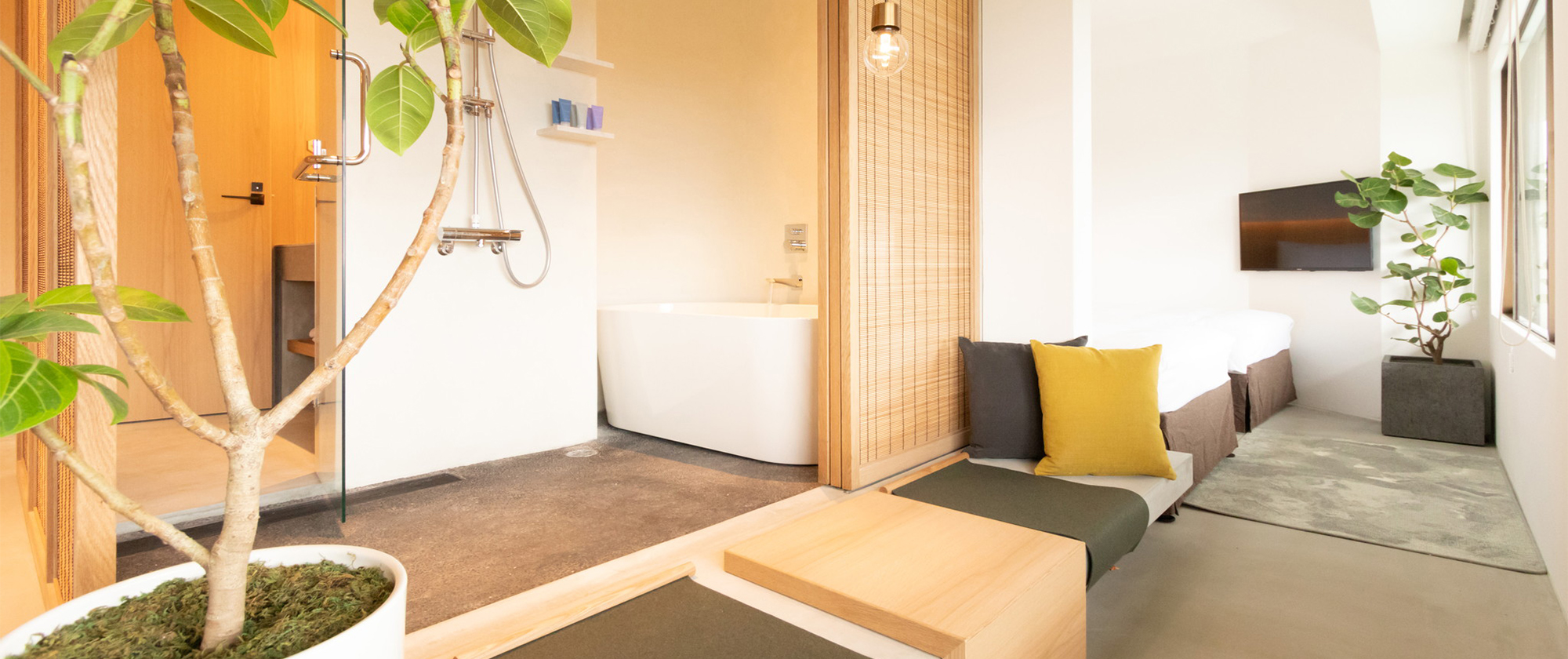
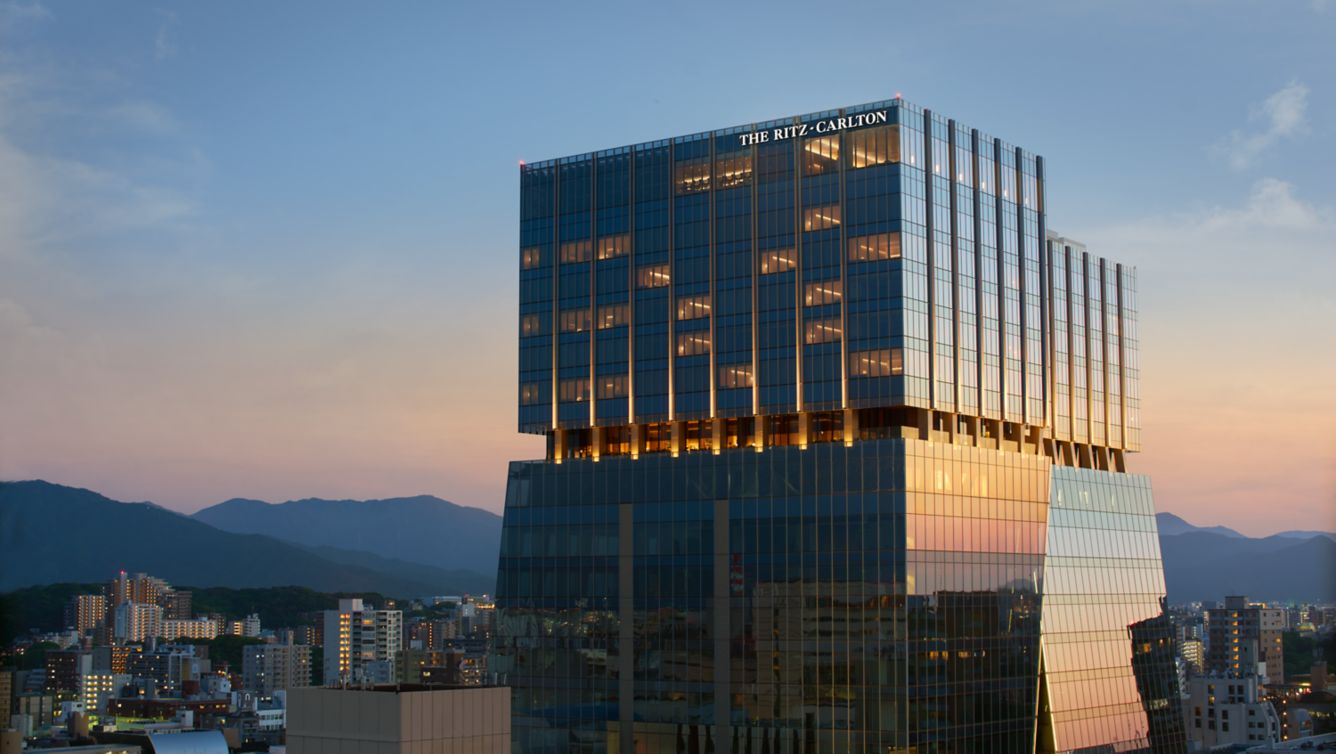
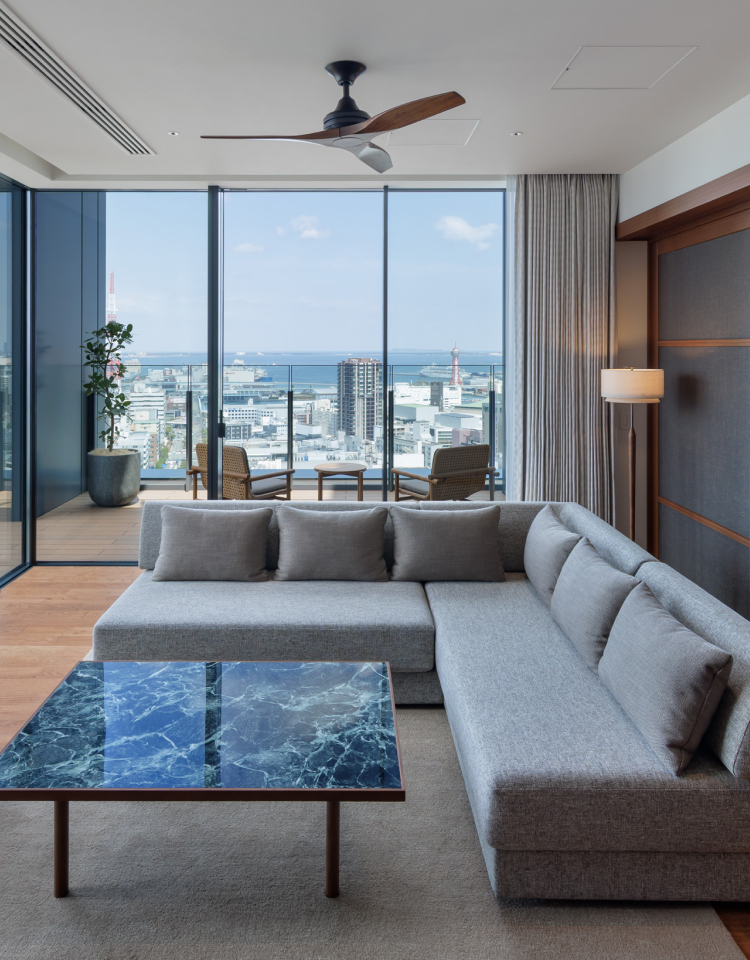
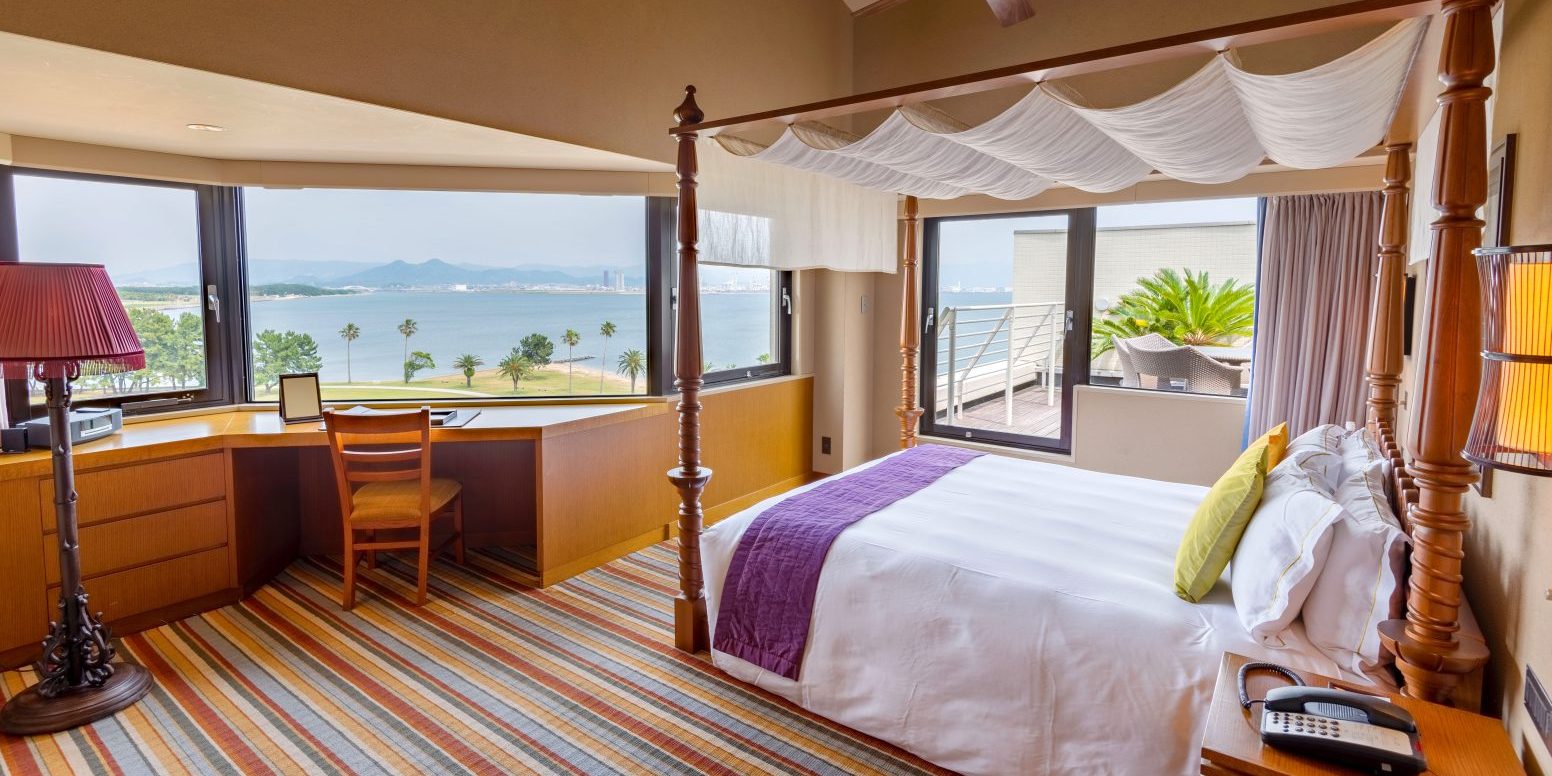
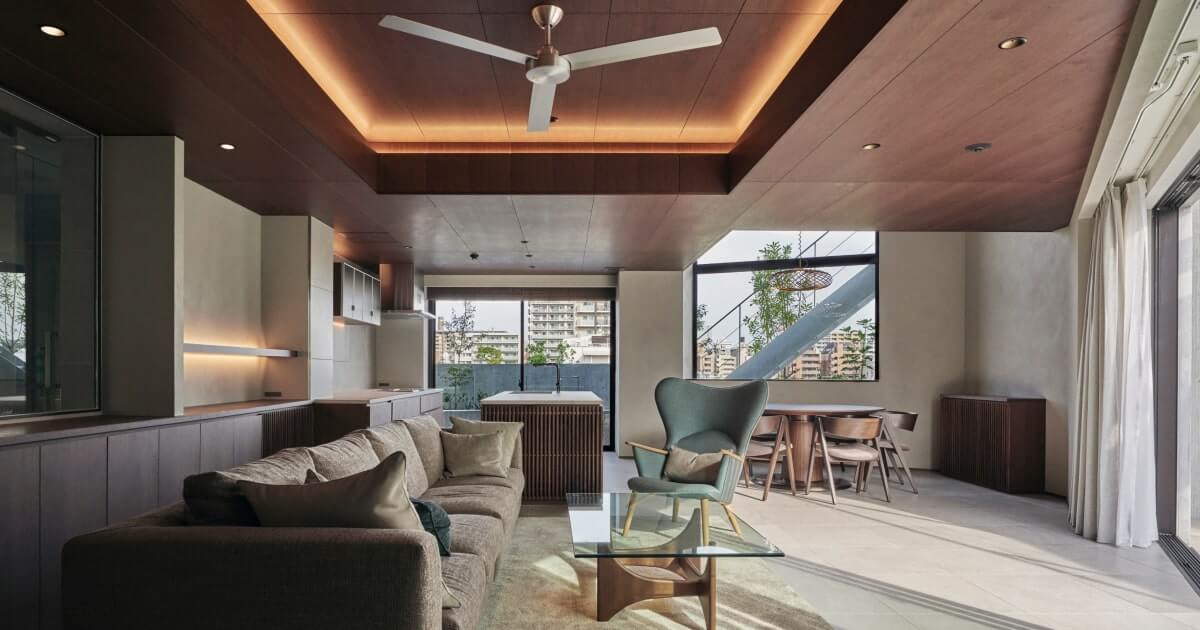
Where to Stay in Fukuoka
7 recommended properties
Things to Do in Fukuoka
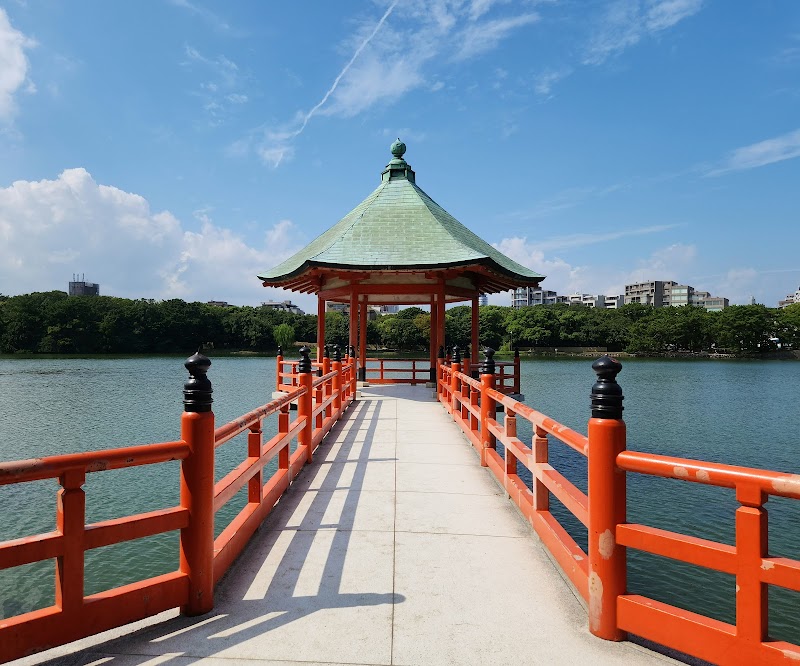
Ohori Park
Ohori / Ropponmatsu · 90 min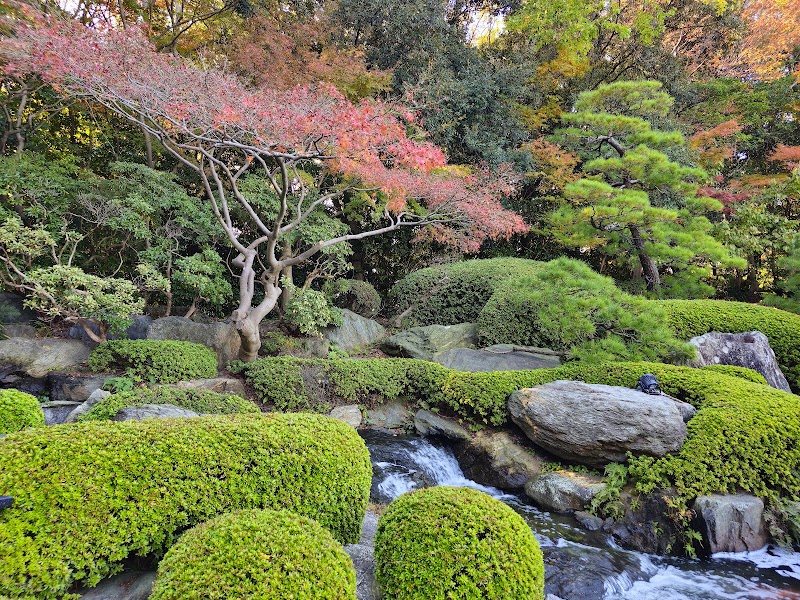
Ohori Park Japanese Garden
Ohori / Ropponmatsu · 45 min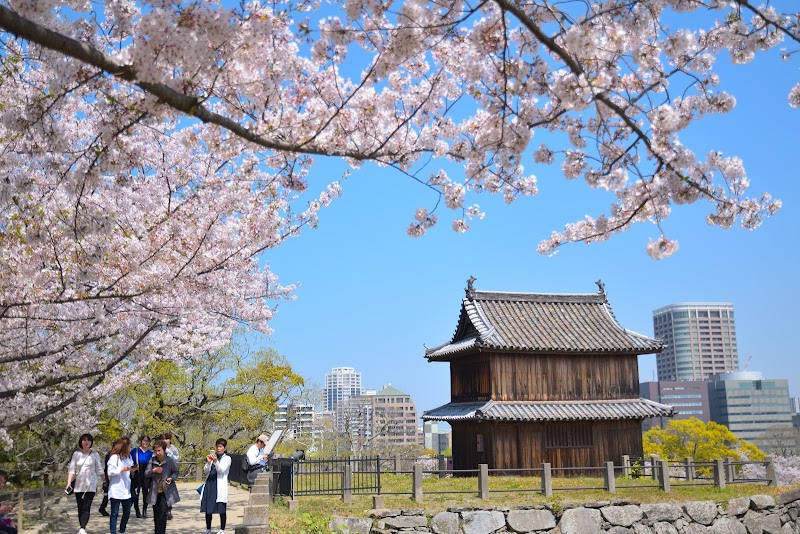
Maizuru Park & Fukuoka Castle Ruins
Ohori / Maizuru · 90 minMoney-Saving Tips
- 1.Buy a Fukuoka City Tourist Pass for ¥1,200 - includes subway, bus, and discounts at 40+ attractions
- 2.Eat at department store basement food courts (depachika) for high-quality meals under ¥1,000
- 3.Book hotels near Hakata Station for free airport shuttle service instead of paying ¥300 for subway
- 4.Visit yatai food stalls early evening (6-7pm) when they offer drink+food sets for ¥2,000
- 5.Shop at Don Quijote for souvenirs - open 24/7 and prices beat airport shops by 40%
- 6.Use the free WiFi at major stations and malls instead of buying a SIM card for short stays
Travel Tips
- •Download Google Translate app with camera function - most menus aren't in English outside tourist areas
- •Carry cash - many restaurants and small shops don't accept cards, especially yatai stalls
- •Learn basic chopstick etiquette - never stick them upright in rice or pass food chopstick to chopstick
- •Bow slightly when greeting locals - even a small nod shows respect and gets better service
- •Take off shoes when entering traditional restaurants, temples, and some shops - look for shoe racks
- •Avoid rush hours (7-9am, 5-7pm) on trains - they get packed and you'll be uncomfortable with luggage
- •Book popular restaurants in advance through your hotel - language barrier makes phone reservations tough