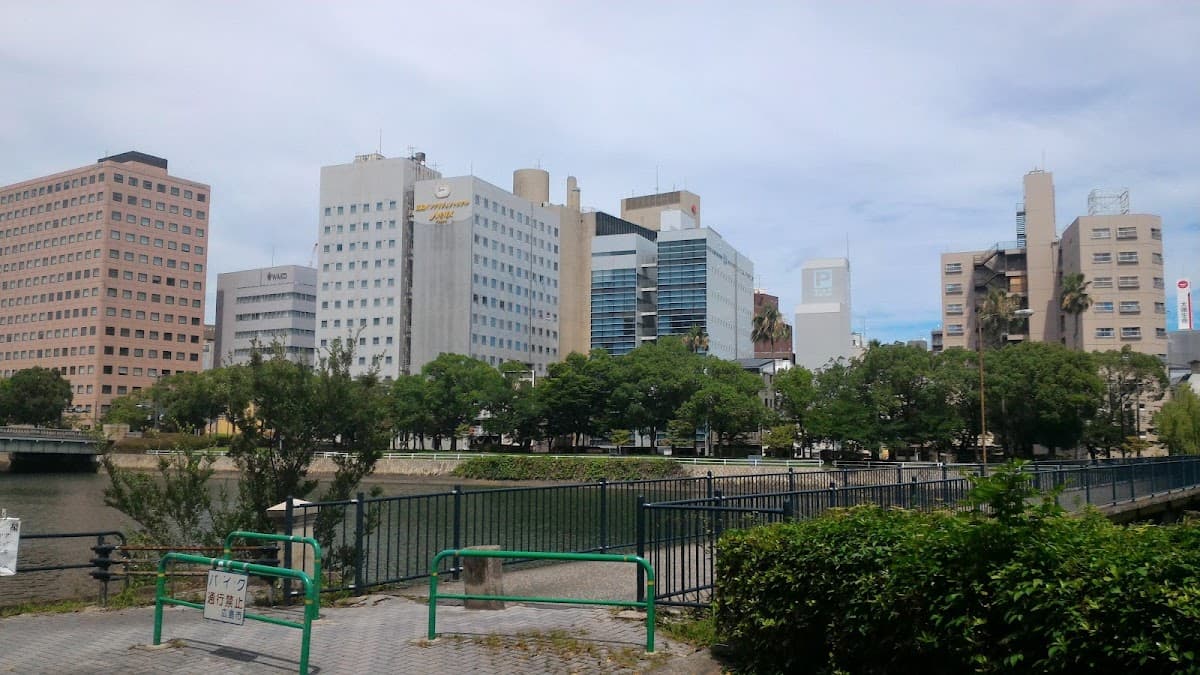
Hiroshima
Peace memorial city with profound historical significance
Hiroshima hits you in ways you don't expect. Sure, you come for the Peace Memorial Park — and you absolutely should. But you'll leave talking about the okonomiyaki that changed your life, the deer on Miyajima Island who stole your snacks, and how the city rebuilt itself into something beautiful without forgetting its past. This isn't just a history lesson. It's a living city where 1.2 million people go about their daily lives, serving some of Japan's best food and offering access to stunning islands just a ferry ride away.
Best Months
MAR · APR · MAY · SEP · OCT · NOV
~22°C · moderate crowds
Culture & Context
PEACE MEMORIAL IDENTITY
Hiroshima was leveled on August 6, 1945, when the United States dropped the world's first atomic bomb over the city center. Between 70,000 and 140,000 people died from the blast and its aftereffects. The city rebuilt itself with extraordinary speed and purpose — part of that purpose was to become a living symbol of peace rather than a monument to defeat.
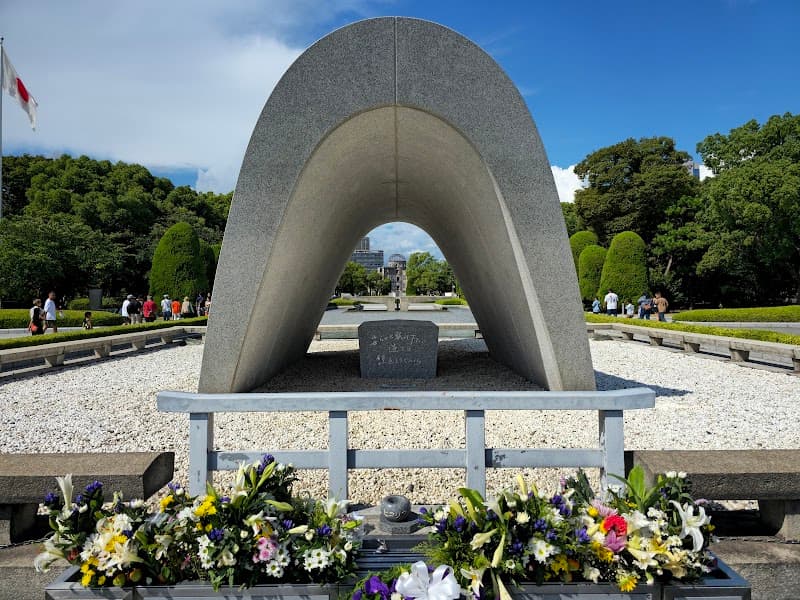
That intent shapes everything about modern Hiroshima. The Peace Memorial Park, the A-Bomb Dome (a UNESCO World Heritage Site), and the annual August 6th ceremonies aren't just tourist attractions — they're expressions of a civic identity built on the idea that what happened here should never happen again. Locals take this seriously.
The city's motto is effectively 'Never again,' and it shows in how residents engage with visitors. Hiroshima is also a city with real, vibrant daily life. It has Japan's largest streetcar network (some cars dating back to before the bombing, still running), a devoted following for the Hiroshima Carp baseball team, a serious oyster industry (Hiroshima produces 60% of Japan's oysters), and a local food culture built around Hiroshima-style okonomiyaki — a layered savory pancake with noodles, distinct from the Osaka version.
Momiji manju (maple leaf-shaped cakes filled with sweet bean paste) are the defining souvenir. The city is also the gateway to Miyajima, home to Itsukushima Shrine and its iconic floating torii gate — the second UNESCO World Heritage Site in the prefecture. As of late 2025, Hiroshima elected its first female governor, Mika Yokota, marking a notable shift in local politics.
Local Customs
NO TIPPING EVER
No tipping — ever. Leaving cash on a table will send staff running after you thinking you forgot it. Express thanks with words, not money..
Remove shoes before entering homes, many traditional restaurants, temples, and some ryokan. If you see a row of shoes at an entrance, you already know what to do. Wear clean socks..
Don't eat while walking. You can carry a convenience store snack in a bag, but actually walking and eating is frowned upon. Stand somewhere, finish it, move on..
Keep your voice down on public transport. Phone calls on trains and buses are a hard no. Conversations are fine at a low volume..
At the Peace Memorial Park and A-Bomb Dome, treat the site with real respect. Don't treat it as just another photo stop. Hiroshima residents carry the weight of August 6th in a personal way — avoid any triumphal or insensitive framing of the bombing, especially with locals..
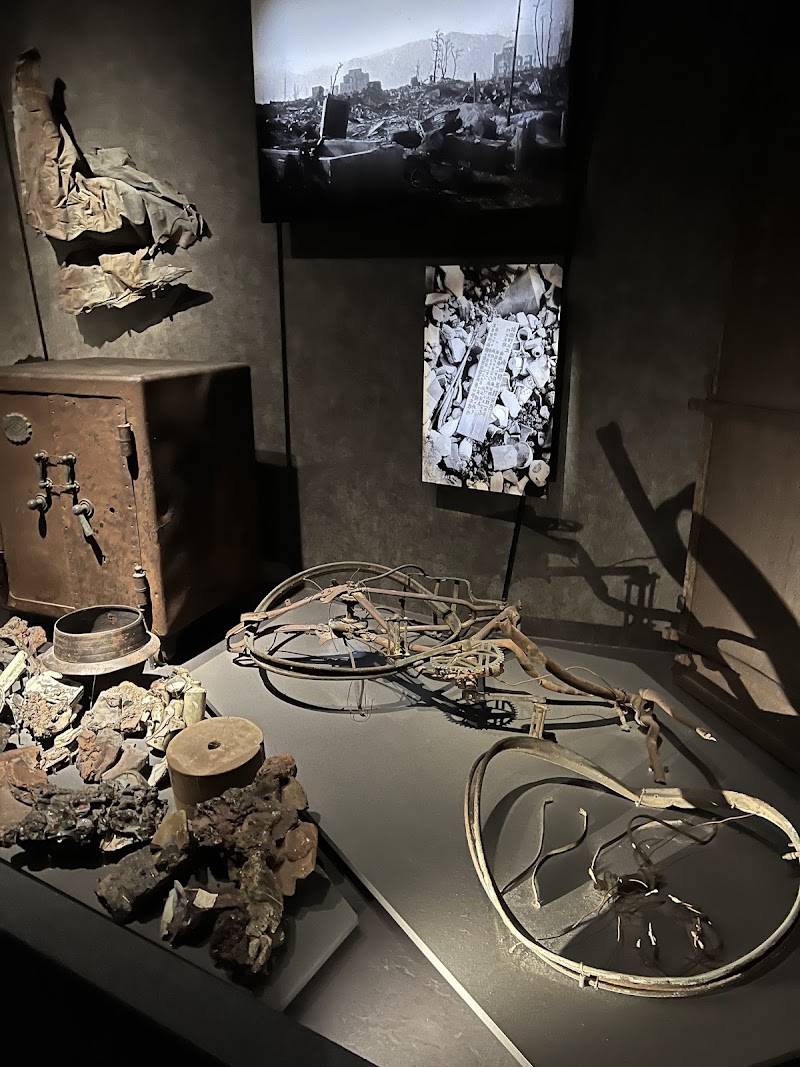
The Peace Memorial Museum (¥200 entry) is genuinely one of the most affecting museums in the world. Go in the morning if possible — it gets emotionally intense and physically crowded later in the day.. Chopsticks: never stick them upright in rice (it resembles a funeral rite), never pass food directly from chopstick to chopstick (another funeral association), and rest them neatly on the chopstick holder when not in use..
Onsen and public bath rules: wash thoroughly in the shower area before entering the communal water. Tattoos can be an issue at many establishments — check policies in advance or look for private charter baths (kashikiriburo).. Bowing is the default greeting.
Foreigners aren't expected to master it, but a short nod-bow when someone bows to you goes a long way. You'll start doing it automatically within a day.. Deer on Miyajima will approach you for food and have no shame about it.
They will headbutt bags and pockets. Keep snacks secured and don't feed them — it's prohibited and makes them more aggressive toward the next tourist.
Safety
VIRTUALLY CRIME-FREE
Hiroshima is one of the safest cities in Japan, which makes it one of the safest cities in the world. The US State Department holds a Level 1 advisory (normal precautions only) for Japan. Violent crime against tourists is virtually non-existent, and Hiroshima Prefecture's crime rate sits at just 88.
2 incidents per 100,000 people. Radiation from the 1945 bombing is not a concern — levels returned to normal background within a year of the blast, and you face zero health risk visiting today. A few practical notes: carry cash, as many establishments are cash-only; keep belongings secure in crowded festival areas; be aware of overly friendly individuals near tourist sites offering unsolicited tours (can lead to expensive bars).
Solo female travelers: Hiroshima is safer than bigger cities like Tokyo, but using women-only train cars on the Hiroden during rush hour is a sensible option, and avoiding unlit streets late at night is standard advice. Typhoon season runs June–November; Hiroshima's coastal position means it gets hit harder than inland cities, so monitor weather reports during this period. The Miyajima deer are genuinely pushy about food — secure any snacks in closed bags.
Emergency numbers: 110 (police), 119 (fire/ambulance). English-language emergency services are available through the Japan Emergency Helpline.
Getting Around
HIRODEN TRAMS RULE
Hiroshima's transport is genuinely easy once you understand one key thing: Hiroden (Hiroshima Electric Railway) trams are how you get around the city, and JR trains are how you get to/from other cities and Miyajima. The tram network is Japan's largest — 9 lines criss-crossing the city with a flat fare of ¥240/ride (adults). Pay when you exit, through the front door.
An ICOCA or Suica IC card makes it seamless — tap once when exiting, no need to fumble for exact change. A Hiroden One Day Streetcar Pass costs ¥700 for unlimited city trams. For an extra ¥300, you get the ferry to Miyajima included.
The Visit Hiroshima Tourist Pass (¥1,007/day) covers streetcars and city buses and is the best value for sightseers. The Maple Loop Sightseeing Bus (Meipuru-pu) runs three color-coded routes between Hiroshima Station and major sights like Hiroshima Castle and Shukkei-en Garden; day pass ¥1,000. Good if you're short on time and want a no-think option.
For Miyajima: take a JR local train from Hiroshima Station to Miyajimaguchi Station, then a 10-minute ferry (¥200 each way + visitor tax). JR Pass holders ride the JR West Miyajima Ferry for free. Getting TO Hiroshima: Shinkansen from Osaka is 1.
5 hours (~$68), from Tokyo about 4 hours (~$123). Hiroshima Airport (HIJ) is 50km east of the city; the airport limousine bus takes about 55 minutes and costs ~$11 (¥1,722). From spring 2025, tram lines run directly into the new Hiroshima Station building, improving connectivity from the Shinkansen exit to city center.
Hiroshima Station South Exit is the main tram/bus hub — Kamiyacho and Hatchobori intersections are the key downtown transfer points.
Useful Phrases
Hiroshima Itineraries
View all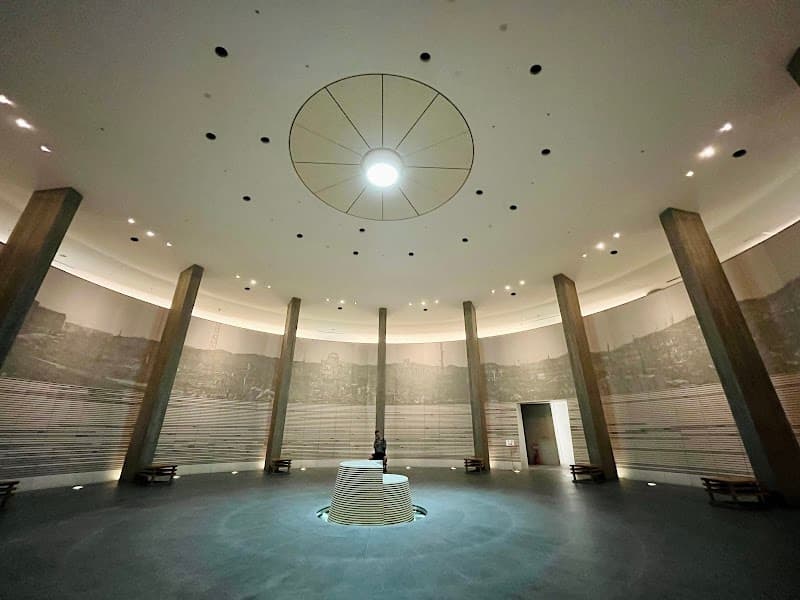
7 Wild-Green Days in Hiroshima & Miyajima
Week · $$$
Hiroshima Jungle Wild: Rivers, Islands & Quiet Alleys
Weekend · $$$
7 Romantic Days in Hiroshima & Miyajima’s Green Sanctuaries
Week · $$$
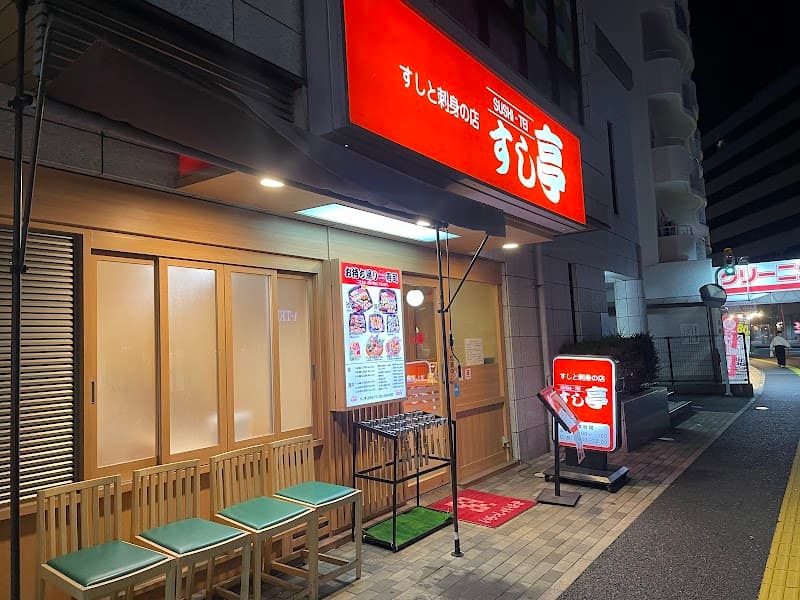
Hiroshima Weekend Escape: Peace, Miyajima, and Riverfront Romance
Weekend · $$$
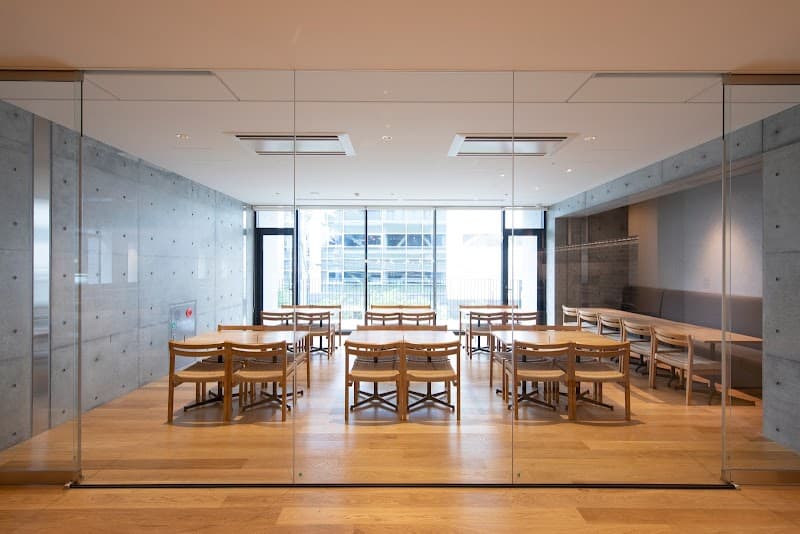
7 Wild & Peaceful Days in Green Hiroshima
Week · $$$
Hiroshima Family Weekend: Peace, Islands, and Green City Wanders
Weekend · $$$
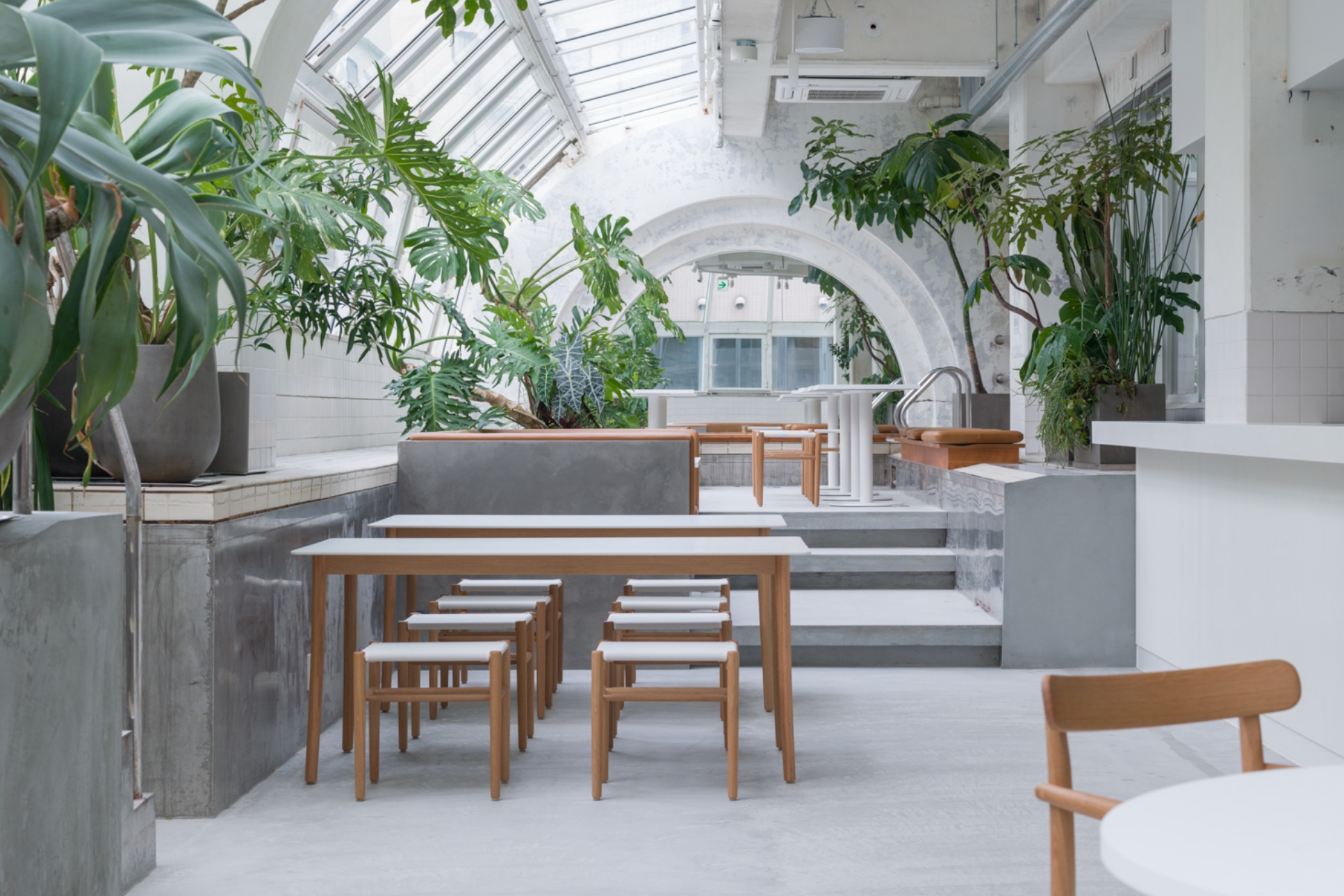
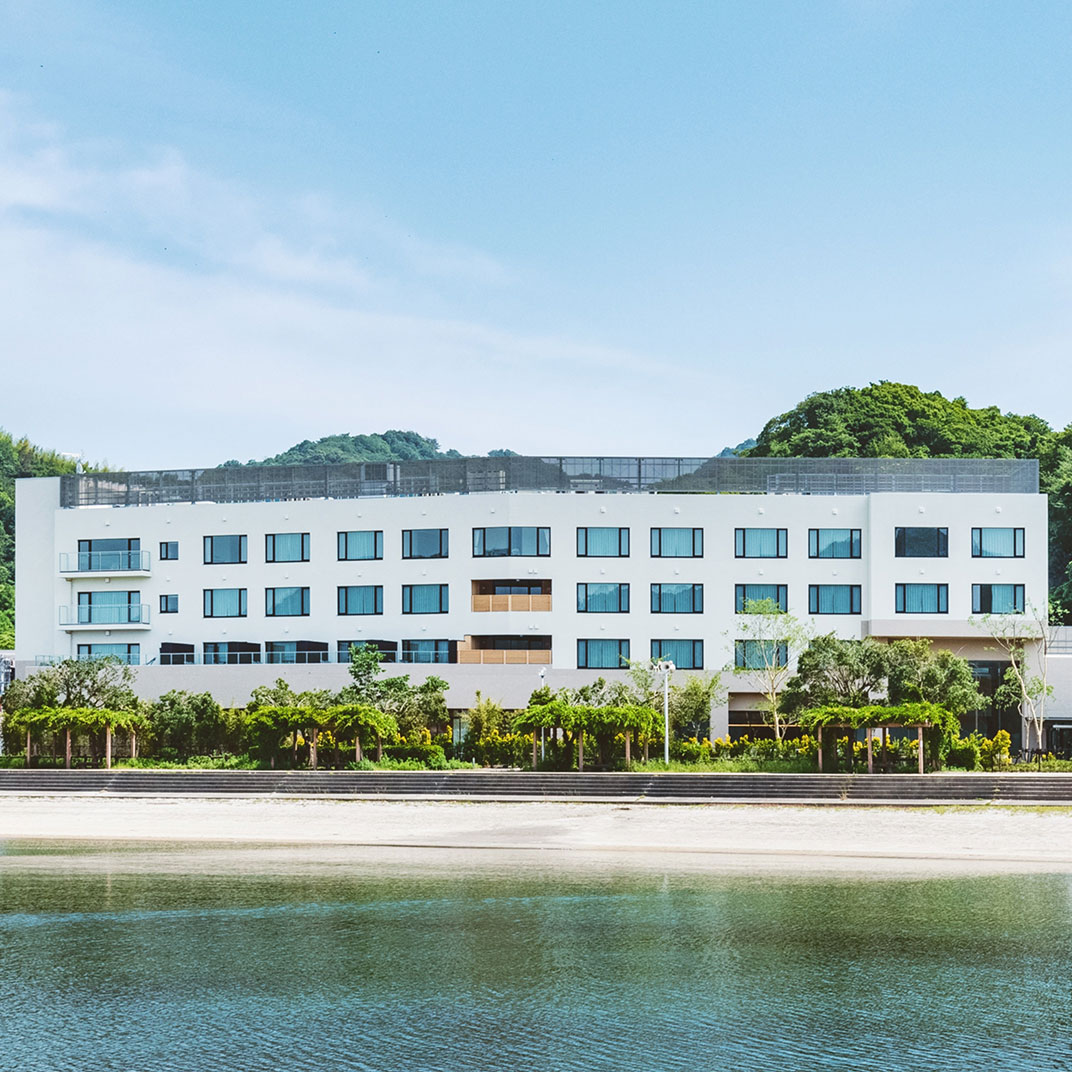
Where to Stay in Hiroshima
2 recommended properties
Things to Do in Hiroshima
Hiroshima Peace Memorial Park
Peace Memorial Park · 120 minHiroshima Peace Memorial Museum
Peace Memorial Park · 90 min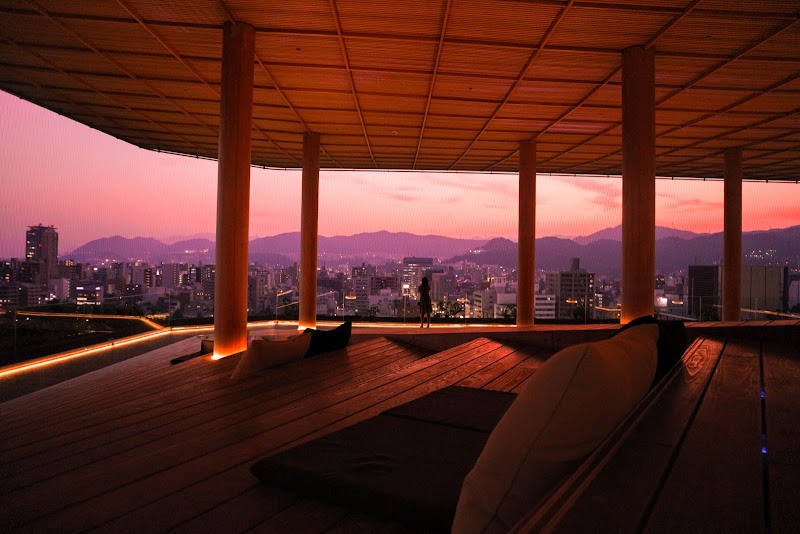
Orizuru Tower
Peace Memorial Park · 75 minMoney-Saving Tips
- 1.Buy a Hiroshima Tourist Pass for ¥1,000 — covers trams, buses, and the Miyajima ferry for two days
- 2.Eat okonomiyaki at local spots instead of tourist areas — you'll pay ¥800 vs ¥1,500 for the same dish
- 3.Stay on the mainland rather than Miyajima Island to save ¥10,000+ per night on accommodations
- 4.Visit convenience stores for breakfast instead of hotel restaurants — onigiri and coffee cost ¥300 total
- 5.Take the regular ferry to Miyajima (¥180) instead of the tourist boat (¥500) — same destination, same views
Travel Tips
- •Download Google Translate with camera function — essential for reading restaurant menus in Hiroshima
- •Carry cash everywhere — many local restaurants and small shops don't accept cards
- •Bow at the Peace Memorial before taking photos — locals appreciate the respect
- •Feed the Miyajima deer only designated food sold on the island — human snacks make them sick
- •Learn to say 'okonomiyaki' correctly (oh-ko-no-mee-YAH-kee) — locals light up when foreigners pronounce it right
- •Visit Peace Memorial Museum early morning or late afternoon to avoid school groups
- •Bring layers — Hiroshima weather changes quickly, especially near the water