Lecce
Baroque masterpiece of Italy's enchanting deep south
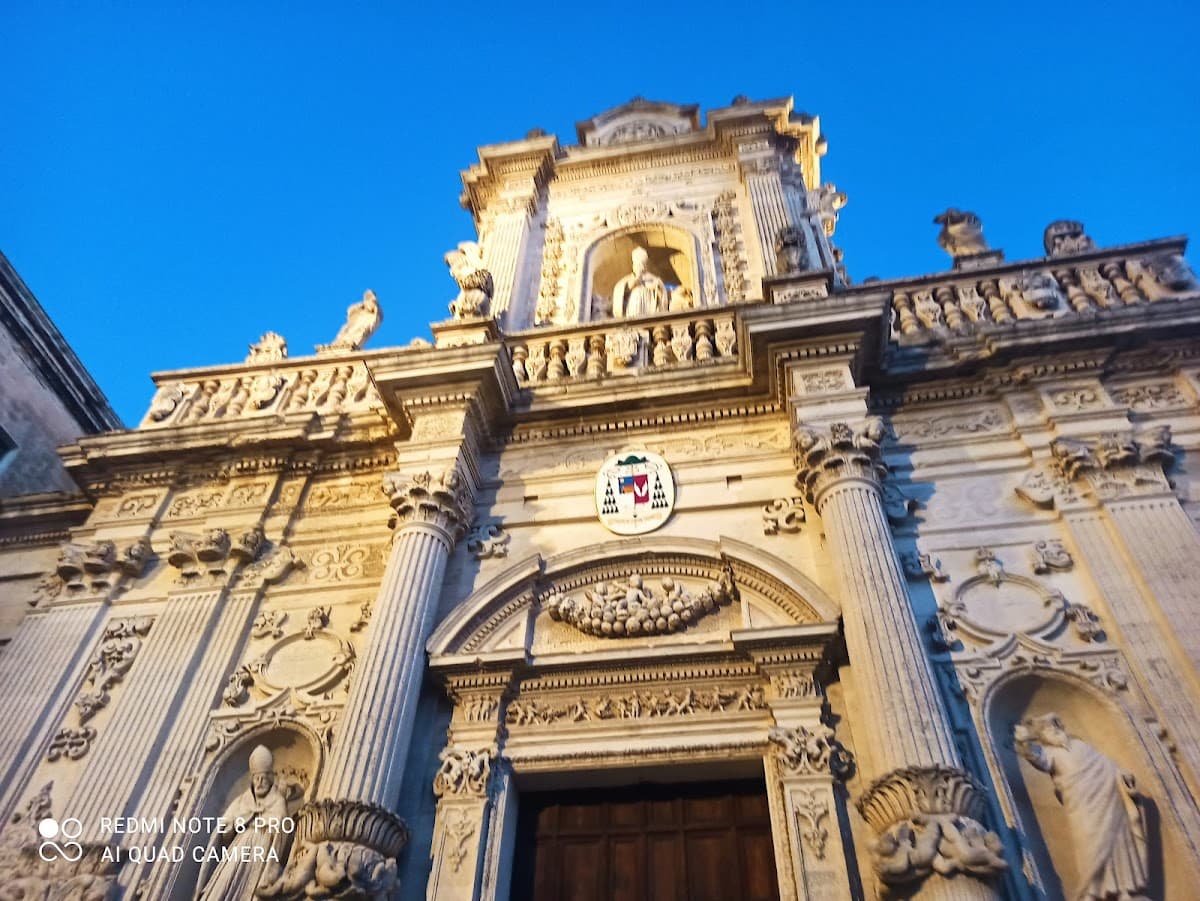
Lecce hits different. While tourists flood Rome and Florence, this Baroque beauty in Puglia's heel quietly steals hearts with its honey-colored limestone palaces and Italy's best orecchiette. The locals call it "Florence of the South," but honestly? Lecce's got its own thing going on. Here, you'll find ornate churches that look like wedding cakes, family-run trattorias serving pasta made by nonne, and evenings that stretch long into warm nights. The city center feels like an open-air museum, except people actually live here. Sure, it's not as famous as its northern cousins, but that's exactly why you should go.
Best Months
APR · MAY · JUN · SEP · OCT
~25°C · moderate crowds
Culture & Context
LECCE BAROQUE MASTERPIECE
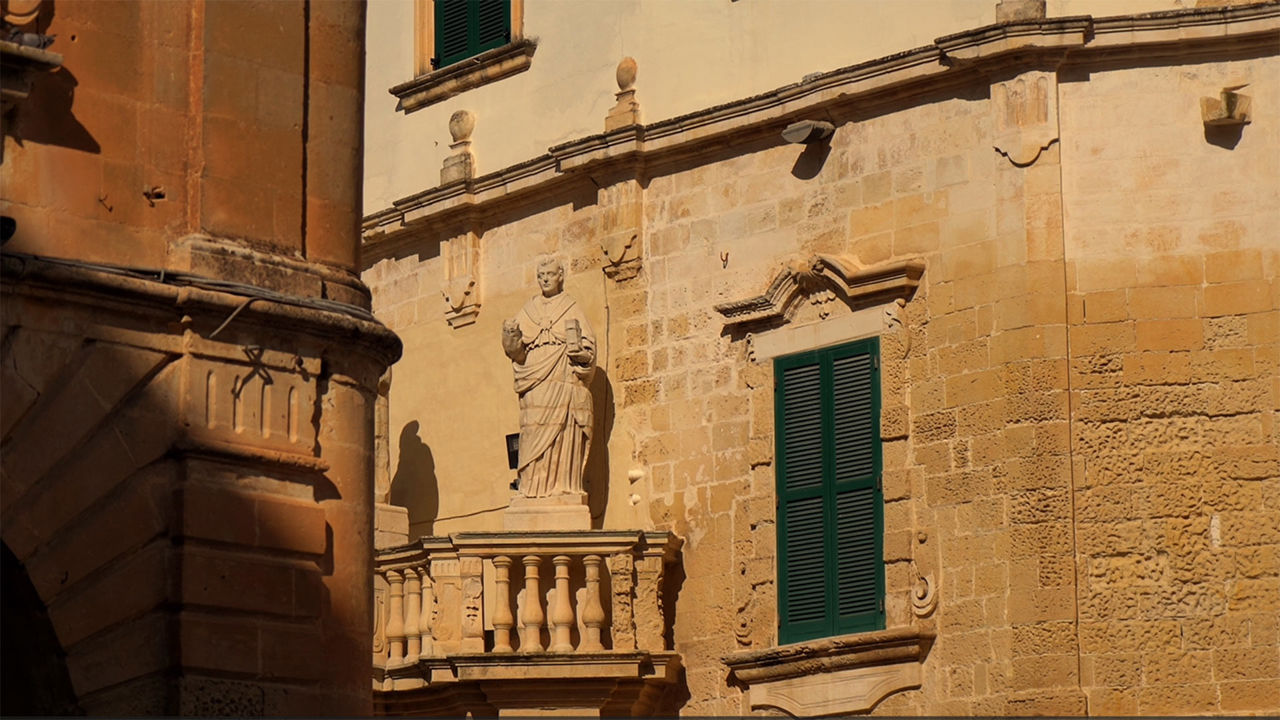
Lecce sits at the heel of the Italian boot, in the Salento peninsula of Puglia. About 95,000 people live here, which is big enough to have everything you need but small enough that locals still notice tourists — and are largely still charmed by them rather than exhausted. The city's architecture has its own name: Lecce Baroque, a hyper-ornate style carved from the local pale limestone called "pietra leccese," a soft golden stone so workable that craftsmen covered every surface in cherubs, monsters, leaves, and saints.
There are over 22 Baroque-era churches in the city center alone. Locals have a deeply relaxed relationship with time. The passeggiata — the ritual evening stroll — is non-negotiable.
Shops close midday, often until 4pm, and dinner doesn't start before 8pm. The city takes pride in being the cultural capital of Puglia without needing to shout about it. The old town streets are mostly pedestrian and genuinely clean.
Lecce also sits between two seas — the Adriatic and the Ionian — so the coast is never more than 20-30 minutes away. Summer gets hot. July and August hover around 90°F (32°C), which is why half the city relocates to the beach.
Winters are mild, rarely dipping below 42°F (6°C) at night, with plenty of sun even through January.
Local Customs
CAFFÈ LECCESE RITUAL
The caffe leccese is non-negotiable. It's an espresso pulled over ice and topped with almond milk — order it at any bar counter and you'll fit right in. Don't ask for it 'iced' in a generic tourist way; just say 'un caffe leccese.
'. The pasticciotto is the city's signature pastry — a short-crust shell filled with silky custard cream, best eaten warm in the morning. Caffè Alvino on Piazza Sant'Oronzo is the classic spot.
Expect a small line on weekends.. Rustico leccese is the savory street food version of Lecce snacking: a puff pastry filled with béchamel, tomato, and mozzarella. Get one from a bakery, eat it standing up..
Shops close roughly 1pm to 4:30-5pm. Do not plan to run errands midday. Museums often follow similar hours.
Check times before you go.. The evening passeggiata runs from around 6pm onward along Via Trinchese and through the historic center. Join it.
Walk slowly. That's the whole point.. Dining starts late — restaurants don't really fill up until 8:30 or 9pm.
Showing up at 7pm signals tourist.. Many churches are free to enter but some now charge small admission fees of a few euros. Keep some coins on you..
Stamp your FSE train ticket before boarding — the ticket inspector on the regional trains will not be sympathetic if you forget.. Parking inside the ZTL (limited traffic zone) of the historic center is restricted to residents only. Driving in unknowingly will earn you a fine.
Stay just outside the walls.
Safety
VERY SAFE CITY
Lecce is very safe. Around 96 out of 100 residents and visitors report feeling completely safe during the day, and 85 out of 100 say the same at night. The crime rate is low compared to larger Italian cities.
Exercise the usual common-sense caution around the train station — it's not dangerous, just the kind of area where you keep your bag in front of you. The historic center streets are pedestrianized and well-lit. The city is generally welcoming to LGBTQ+ travelers, particularly in the centro storico bars and cafe scene.
For medical emergencies, Italy's healthcare system (SSN) is solid — around 8 doctors per 1,000 inhabitants. Don't skip travel insurance, especially for the summer heat: July and August push 90°F (32°C), and hydration is a real consideration if you're walking for hours. Drivers should be aware that Italian traffic around the city's outer ring roads is assertive; roundabouts are not a thing here, and five roads meeting at a junction is handled on instinct.
Getting Around
WALKABLE PEDESTRIAN CORE
Lecce Centrale station sits just outside the historic center — a short flat walk to everything. The main Trenitalia line from Bari to Lecce (via Ostuni and Brindisi) is modern, efficient, and inexpensive. Trains run regularly and connect you to the rest of the country: Rome is 5h 51m by high-speed train, and there are direct Frecciarossa services to Milan.
For getting to Lecce from Brindisi Airport (the sensible arrival point), the SITA bus shuttle costs around €8 and takes 40 minutes. A train via Brindisi city center takes about 56 minutes and costs €5-15. Once in Lecce, you don't need transport — the old town is walkable in every direction.
For day trips around the Salento peninsula, the FSE (Ferrovie del Sud Est) regional trains reach Gallipoli (1.5 hours direct), Galatina (45 minutes), and Otranto (two changes, at least 1.5 hours).
But FSE trains run infrequently and Sunday services are barely functional. A rental car from Brindisi Airport (€30-70/day) is strongly recommended if you want to explore the coast. From mid-June to mid-September, the "Salento in Bus" network adds extra coastal connections.
From Rome by bus (FlixBus), the journey takes around 8 hours and fares start around €20.
Useful Phrases
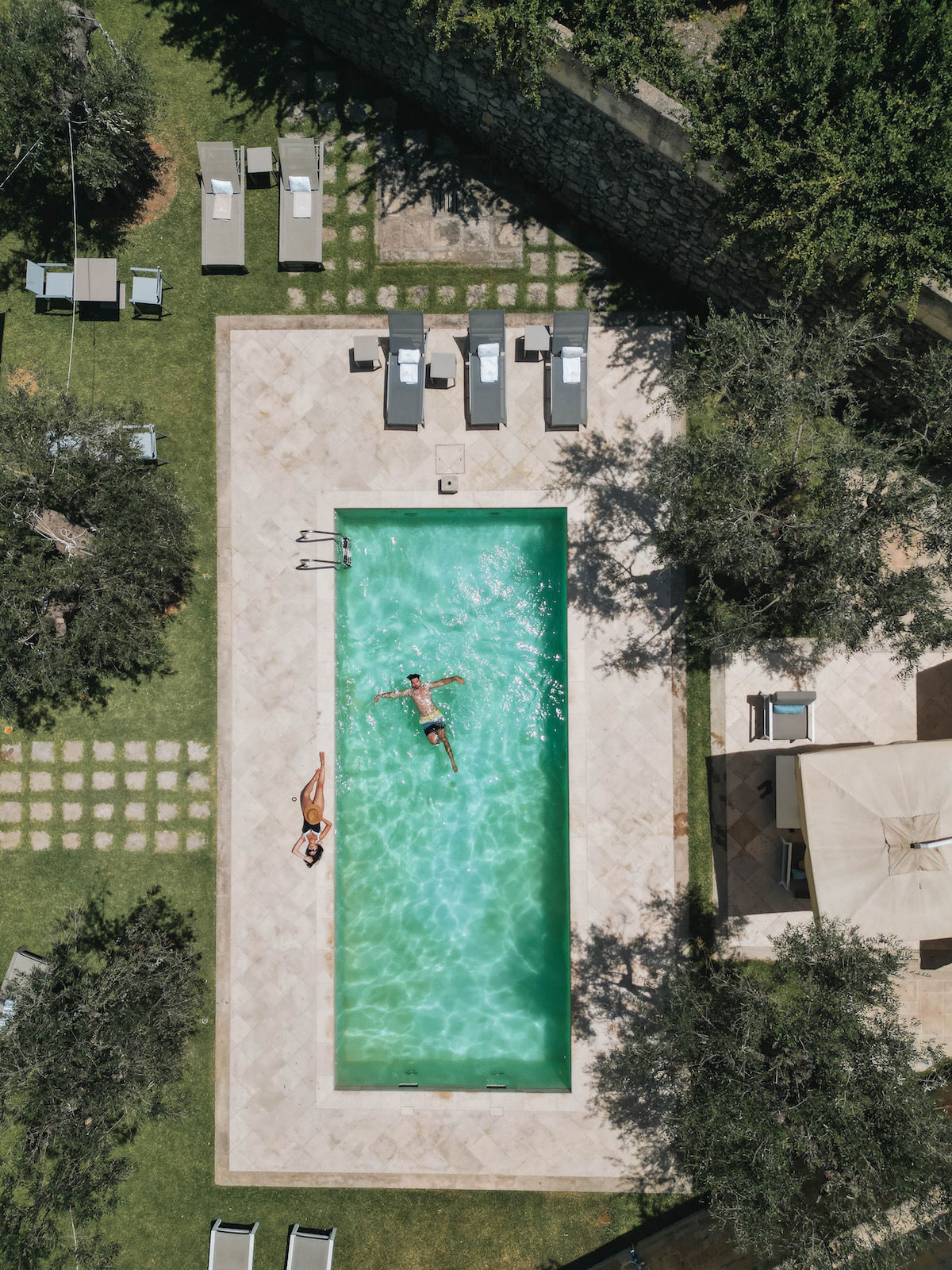
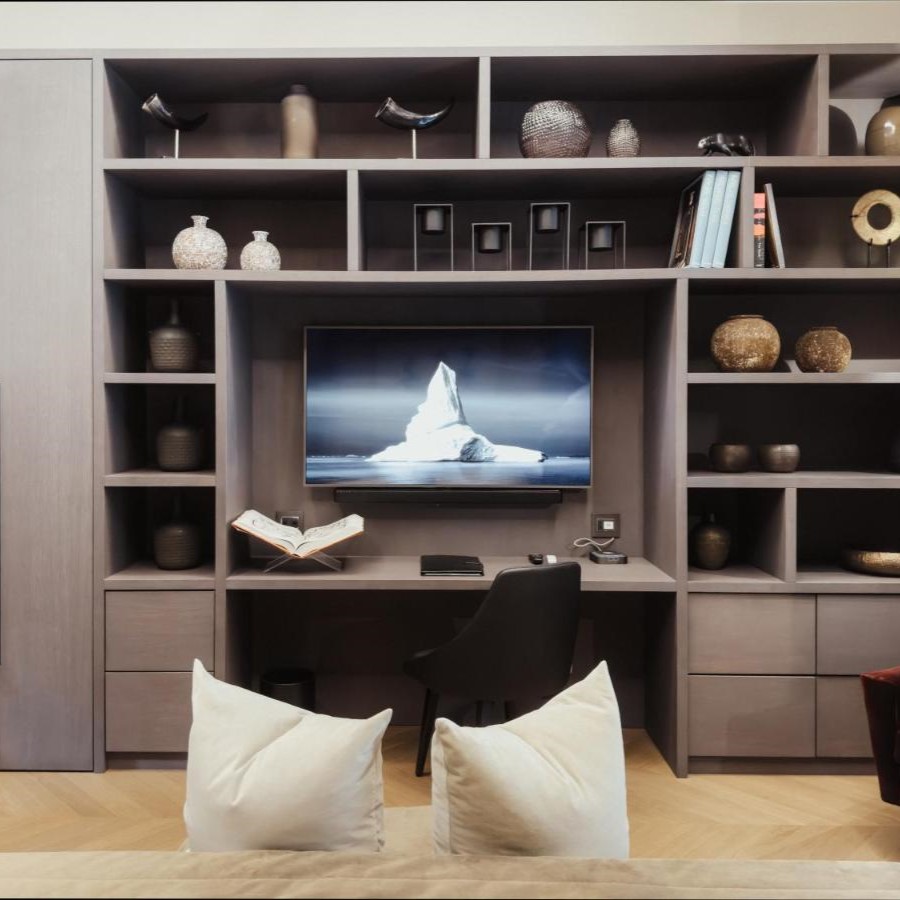
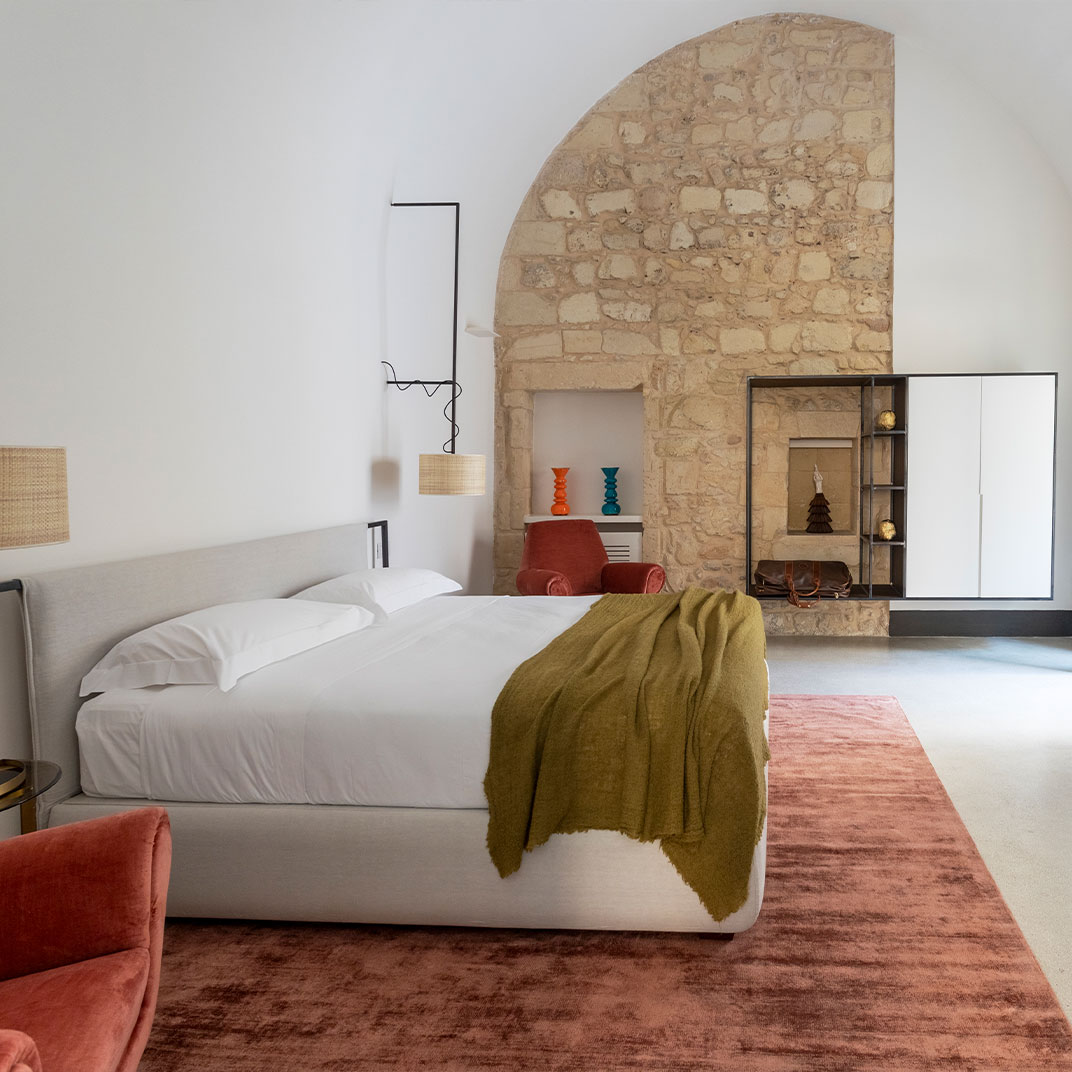
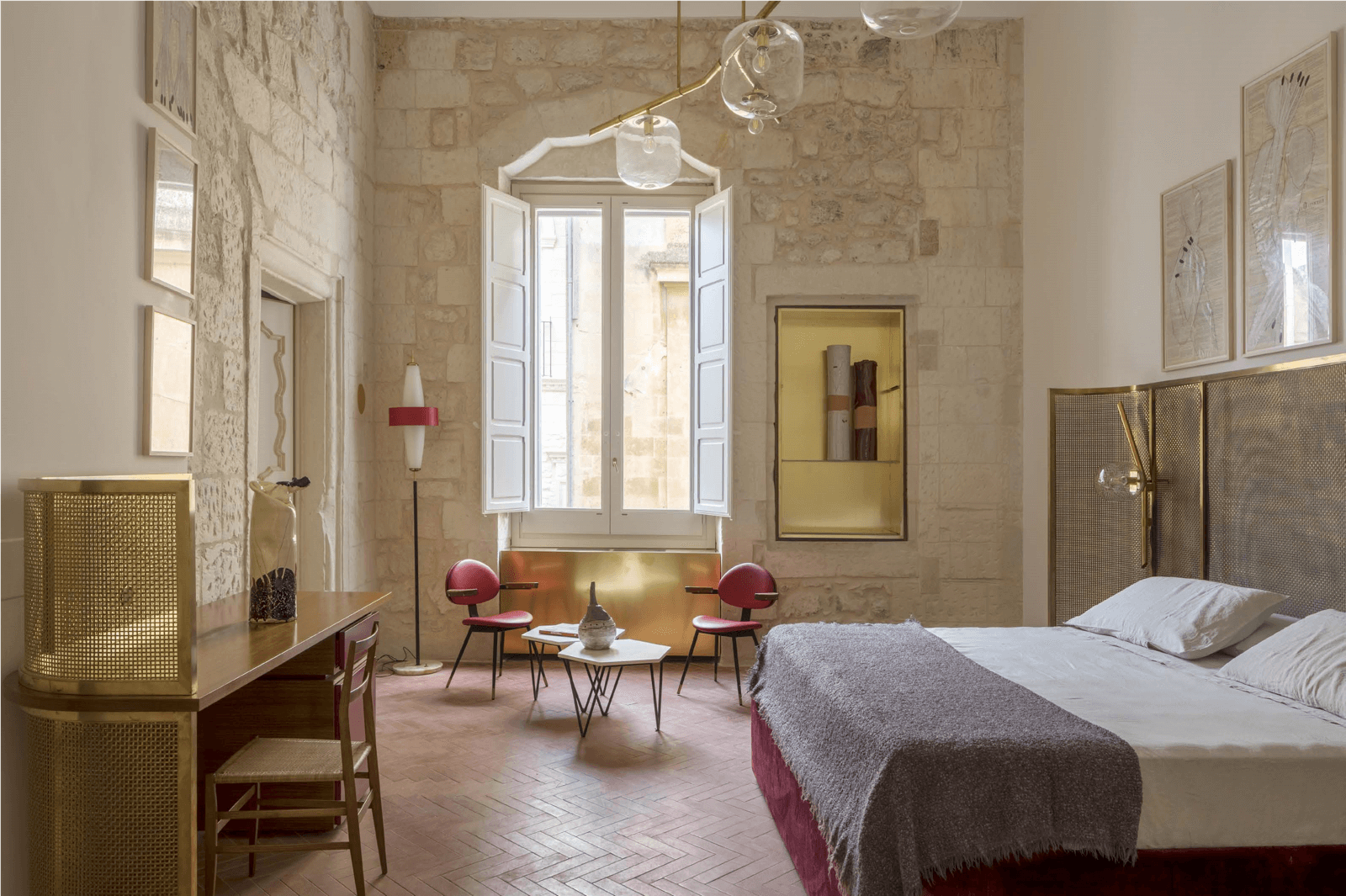
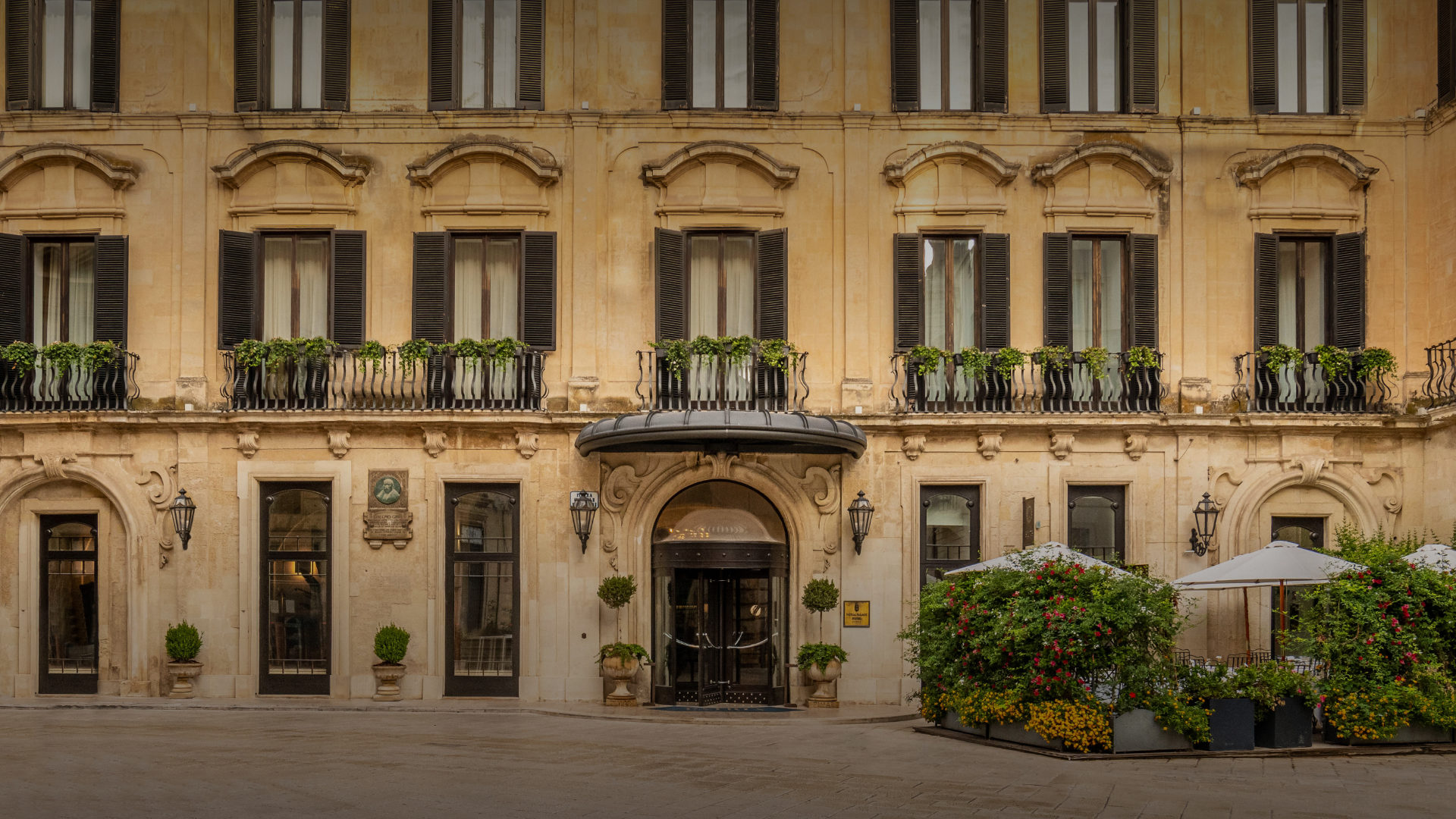
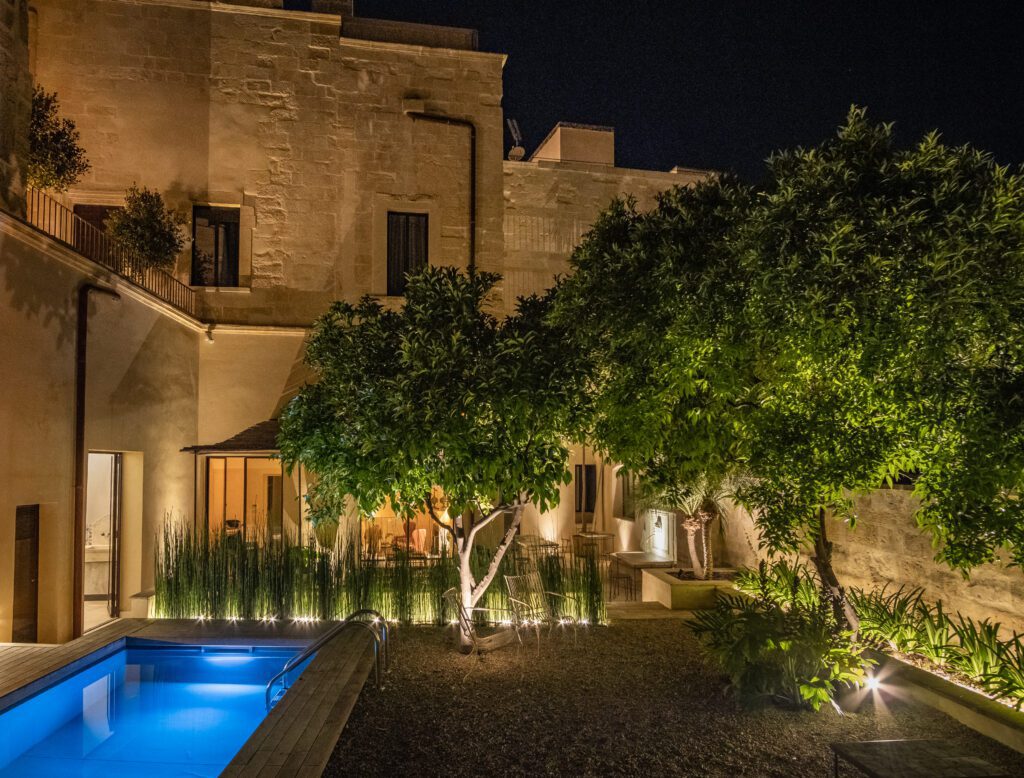
Where to Stay in Lecce
8 recommended properties
Money-Saving Tips
- 1.Eat lunch at family-run trattorias instead of tourist restaurants near major sights – you'll save €10-15 per person and get better food
- 2.Buy groceries at Conad or Eurospin supermarkets rather than corner shops to cut costs by 30-40%
- 3.Many churches and monuments offer free entry, unlike in Rome or Florence – only major sites like Castello di Carlo V charge admission
- 4.Aperitivo includes free snacks at most bars – order one drink and you've got dinner covered for under €8
- 5.Stay in the historic center to walk everywhere instead of paying for taxis or car rentals within the city
Travel Tips
- •Learn basic Italian greetings – English isn't widely spoken outside tourist areas, but locals appreciate the effort
- •Pack comfortable walking shoes with good grip – those polished limestone streets get slippery when wet
- •Make dinner reservations, especially on weekends – popular spots like Alle Due Corti fill up fast
- •Bring a light jacket even in summer – evening breezes can be cool, and churches require covered shoulders
- •Download offline maps – WiFi can be spotty in older buildings and some restaurants
- •Visit churches in the late afternoon when golden hour light hits the Baroque facades perfectly
- •Try to time your visit around local festivals – the city comes alive during religious celebrations and cultural events