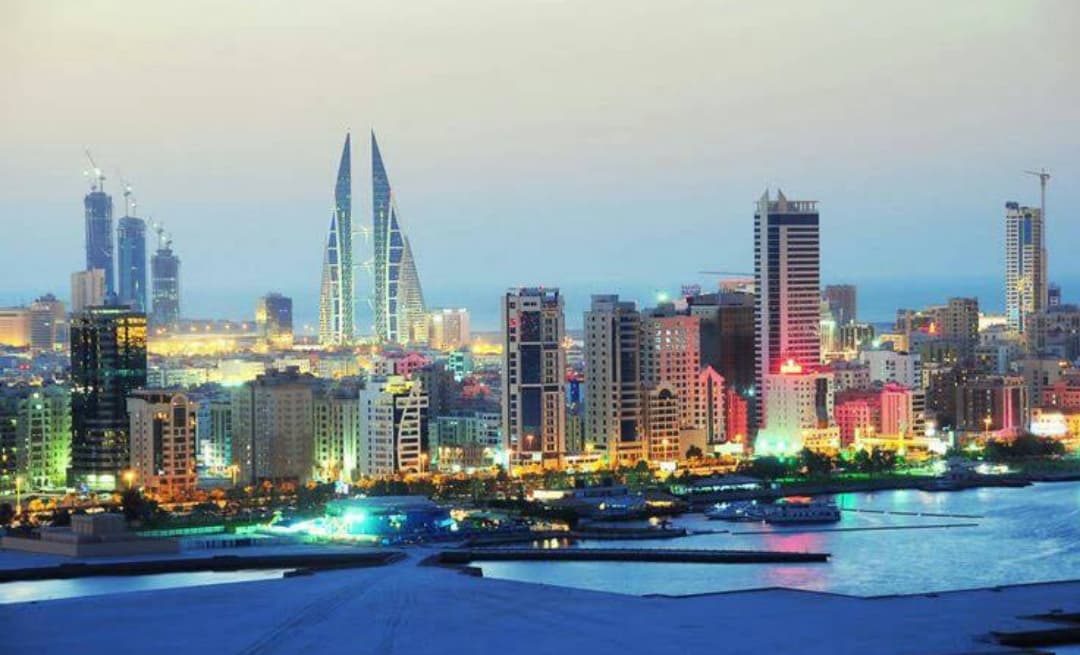
Manama
Amazon gateway where urban life meets pristine rainforest wilderness
Manama sits at the edge of everything - a small Amazonian city where you can grab breakfast at a corner café, then spot pink dolphins by lunch. This isn't your typical rainforest destination. Here, concrete meets canopy in the most unexpected ways. The Solimões River curves past modest neighborhoods while howler monkeys call from trees that grow between buildings. Most travelers skip right past Manama on their way to bigger Amazon hubs. But that's exactly why you shouldn't. The city offers something rare: authentic Amazon life without the tourist circus, plus easy access to some of Brazil's most pristine wilderness areas.
Best Months
JUN – NOV
~39°C · low crowds
Culture & Context
GULF'S MOST RELAXED
Bahrain is the most socially relaxed country in the Gulf. Alcohol is legal (unusual for the region), women aren't required to wear headscarves, and you'll see Saudis streaming over the King Fahd Causeway every weekend specifically for that combination. But it's still a Muslim country, and the cultural cues matter.
Dress modestly outside beach zones — shoulders and knees covered is the rule, especially in the souq or older neighborhoods. The right hand handles greetings, eating, and handing things over; left hand use is considered rude. During Ramadan, eating and drinking in public during daylight hours is a genuine social offense, not just a guideline.
That said, Manama has been a trading crossroads for millennia, with Dilmun civilization roots going back nearly 5,000 years, and there's a genuine openness to outsiders baked into the culture. The city's pearl-trading history collapsed, oil money arrived, and the economy has diversified significantly since. You'll meet Bahrainis, South Asians, Westerners, and Gulf expats all sharing the same cafes — it's genuinely mixed in a way that feels natural rather than forced.
Local Customs
RIGHT HAND ALWAYS
Use your right hand for greetings, eating, and handing items over — the left hand is considered unclean in Bahraini culture.. Dress modestly in public spaces. Shoulders and knees covered is the baseline outside beach resorts.
Women don't need headscarves but sleeveless tops in the souq will draw stares.. During Ramadan, don't eat, drink, or smoke in public during daylight hours. It's a legal issue, not just a social one..
Bargaining is expected at the souq — start at 50-70% of the asking price for non-fixed items like jewelry, textiles, and spices. Fixed-price shops exist too; look for price tags.. Alcohol is legal and widely available in hotels and licensed venues, but it is genuinely expensive.
Budget for it separately.. LGBTQ+ travelers should keep affection private. Discreet behavior is generally tolerated in private resorts; public displays carry legal risk..
Friday is the holy day — government offices and many local businesses close or open late. Shopping malls stay open.. The traditional greeting between men is a handshake.
Some conservative Bahraini men will not shake hands with women who are not family members — wait to see if a hand is extended before offering yours.
Safety
CHECK CURRENT ADVISORIES
Look, Bahrain has historically been one of the safest countries in the Gulf for tourists — petty crime is low, violent crime is rare, and solo travelers (including women) generally feel comfortable in tourist zones until well after dark. Tourist police patrol Bab Al Bahrain. Emergency is 999, and English-speaking operators are available 24/7.
But 2026 has a significant caveat. Following the onset of US-Iran hostilities on February 28, 2026, the US State Department issued a Level 3 advisory and ordered non-emergency government employees to leave Bahrain. Canada issued a similar warning.
There are ongoing threats of drone and missile attacks and disruptions to commercial flights. This is not a historical risk — it is current and active. Check the latest advisories from your government before visiting and ensure your travel insurance explicitly covers regional conflict scenarios and evacuation.
For day-to-day tourist safety when the geopolitical situation is stable: watch for taxi overcharging at the airport (insist on metered or app-booked rides), souq vendors inflating gem and gold prices (bargain hard and compare at multiple stalls), and ATM skimmers in less-secure areas (use bank ATMs inside malls like Seef Mall). Some older parts of Manama's districts can feel less safe late at night — stay in well-lit, populated areas. Drink bottled water (BHD 0.
25/liter). The tap is desalinated but bottled is the safer bet, especially with ice at smaller establishments.
Getting Around
CAREEM & UBER
The airport sits 8km north of Manama and connects to the center in 15-20 minutes by taxi or ride-share. Careem and Uber both operate and are the most reliable way to move around the city, with fares typically BHD 2-5 ($5-13). Official metered taxis start at BHD 1.
5 (~$4). Ignore drivers who approach you outside arrivals without meters — agree on a price first or book via app. Public buses are cheap (monthly pass ~$37-40) but coverage is limited and schedules are inconsistent for tourists.
Most people end up using Careem for daily movement. If you're doing a day trip to the Bahrain International Circuit or Bahrain Fort, a rental car is the most practical option — fuel is remarkably cheap at roughly $0.50 per gallon.
Traffic is heaviest on weekends when Saudi visitors cross via the King Fahd Causeway, and roads in the older parts of Manama and Muharraq are narrow. You can also reach Manama from Dammam, Saudi Arabia by bus — two daily departures from Dammam International Bus Station at 8am and 5pm, costing 145 SAR round trip, taking about 2 hours.
Useful Phrases
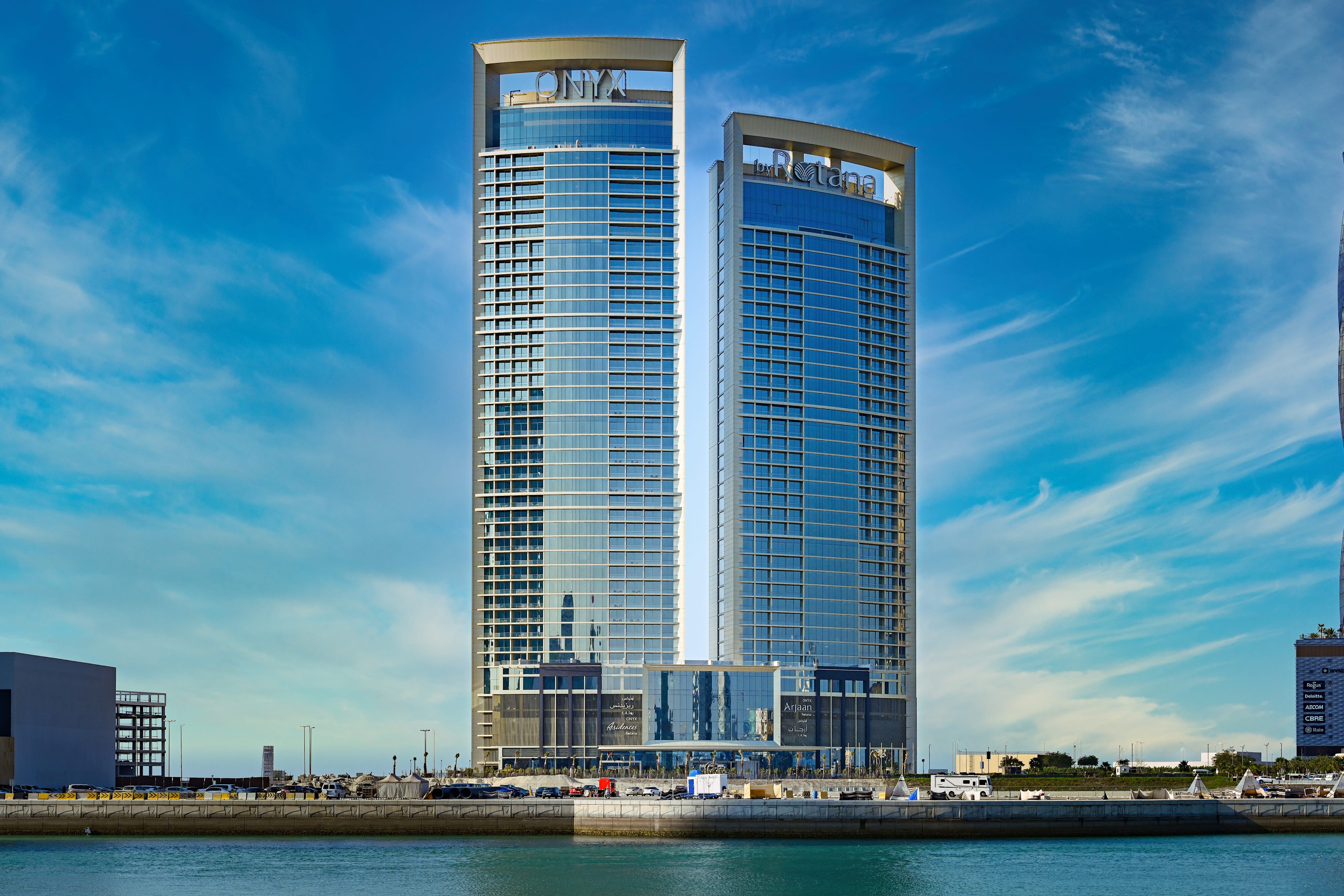
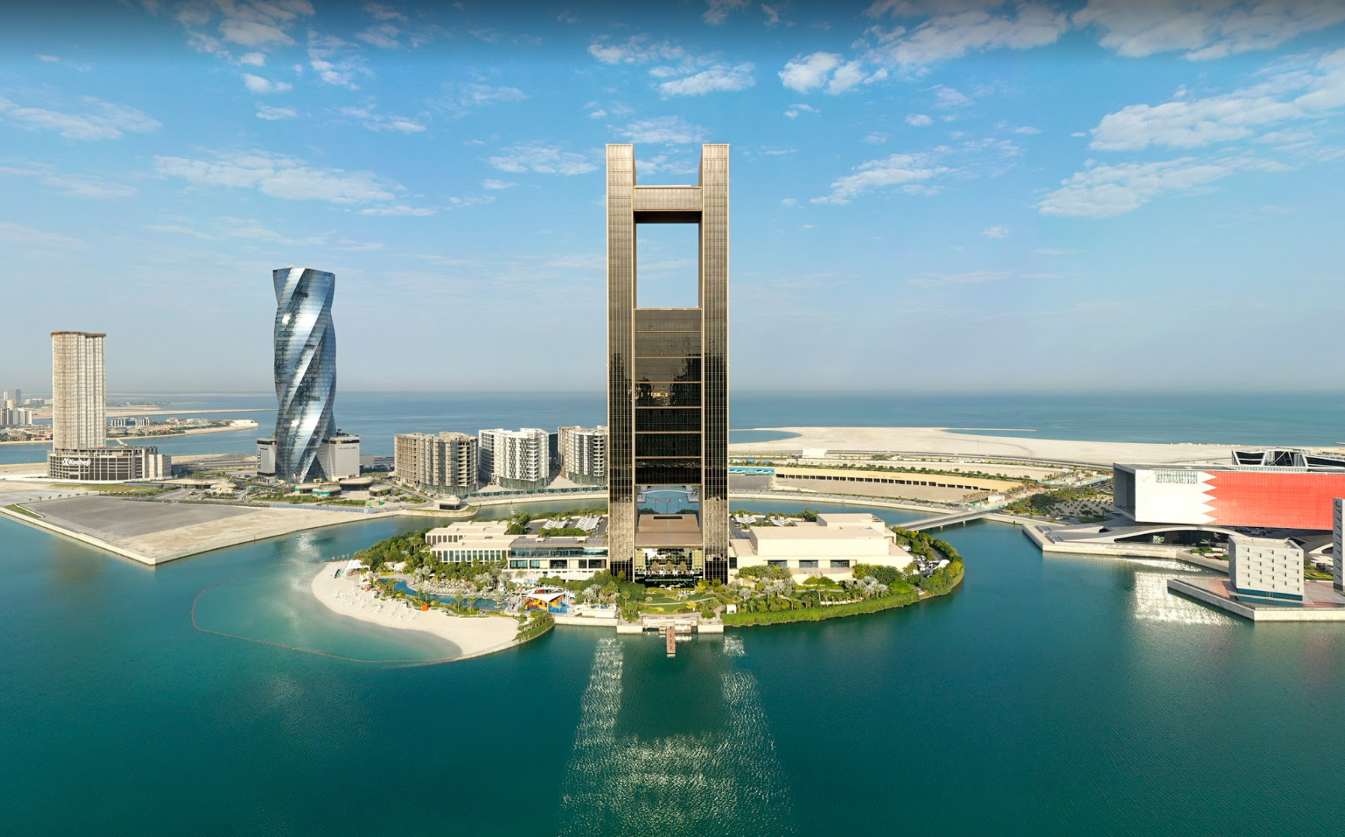
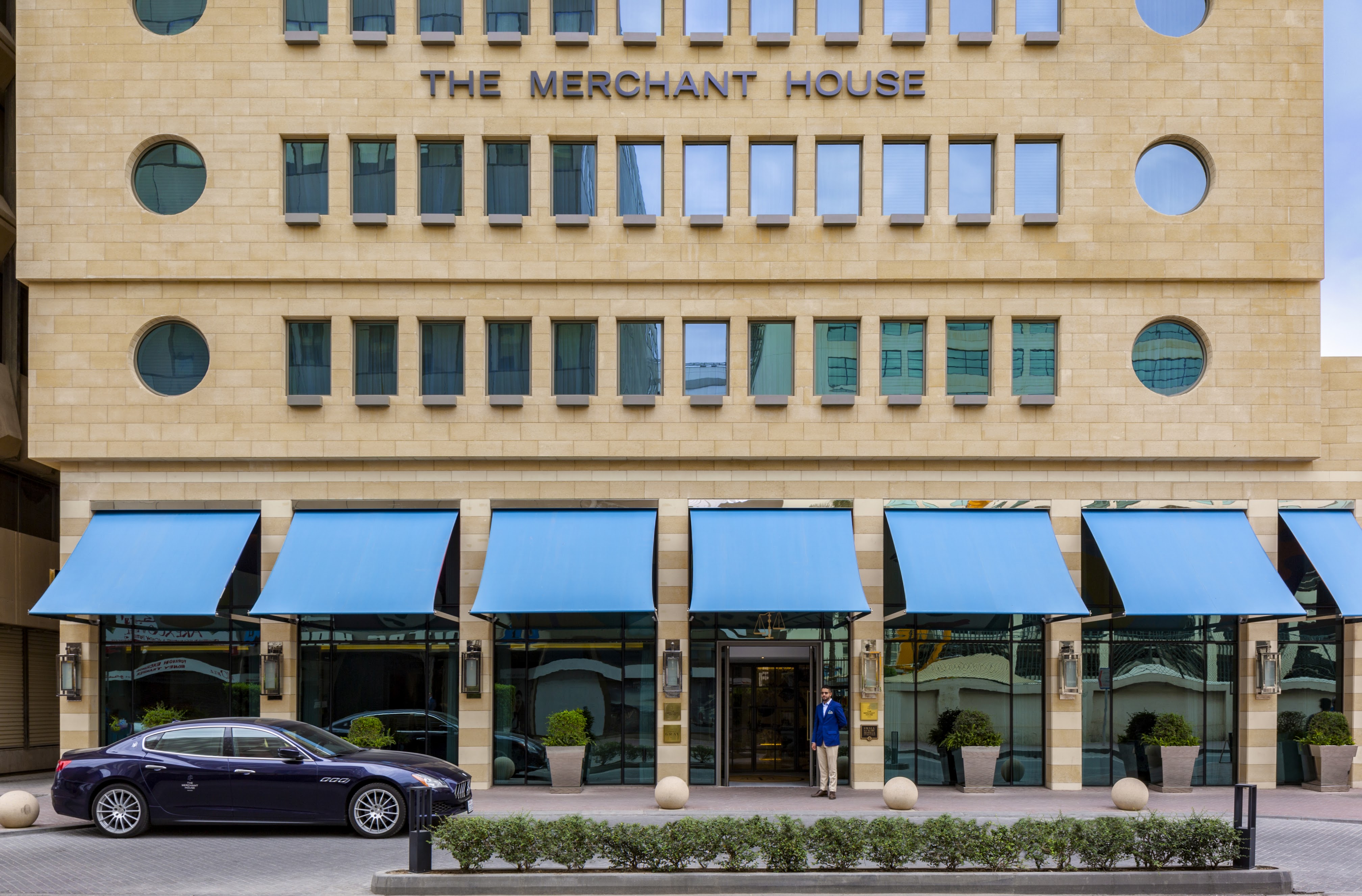
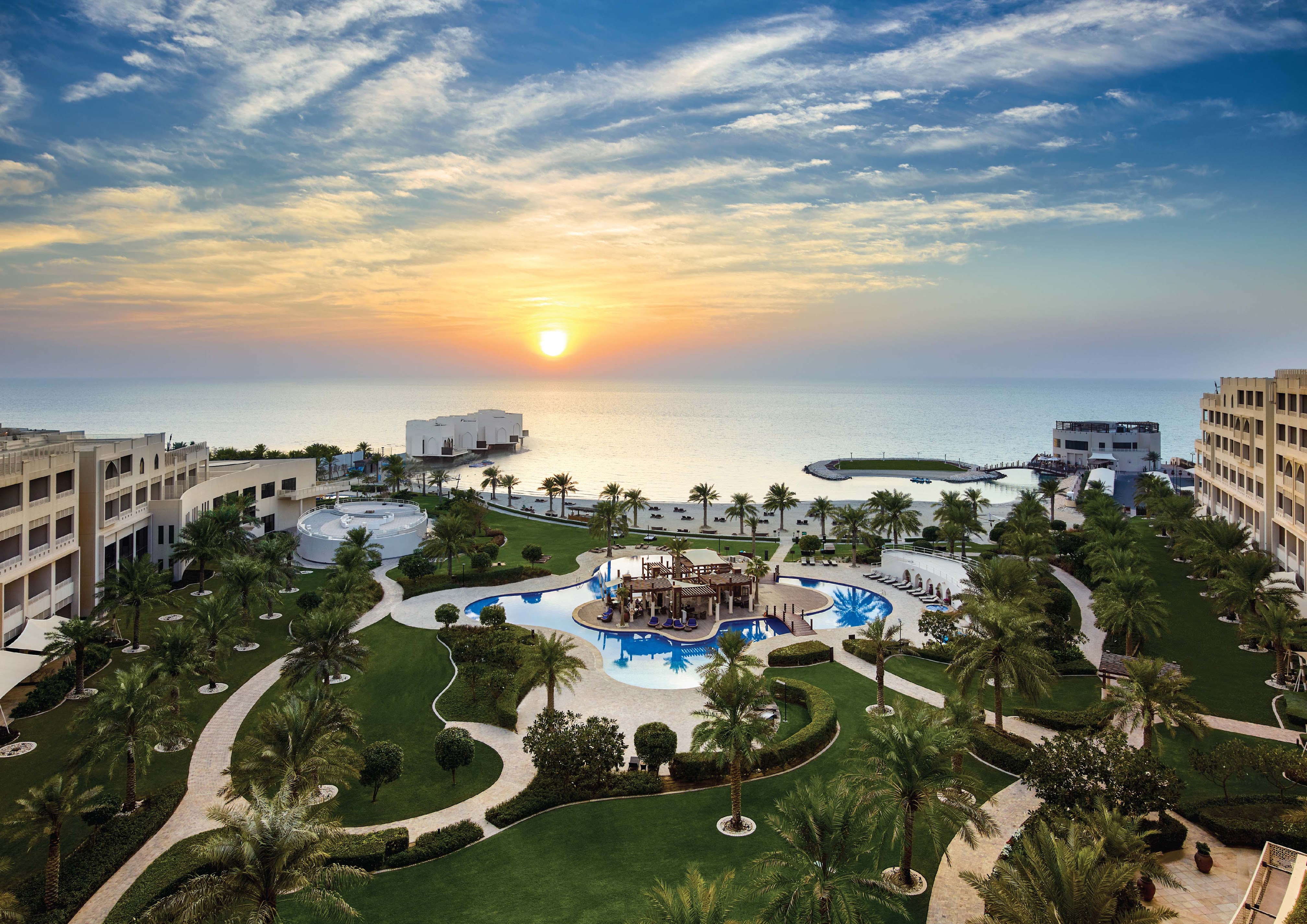
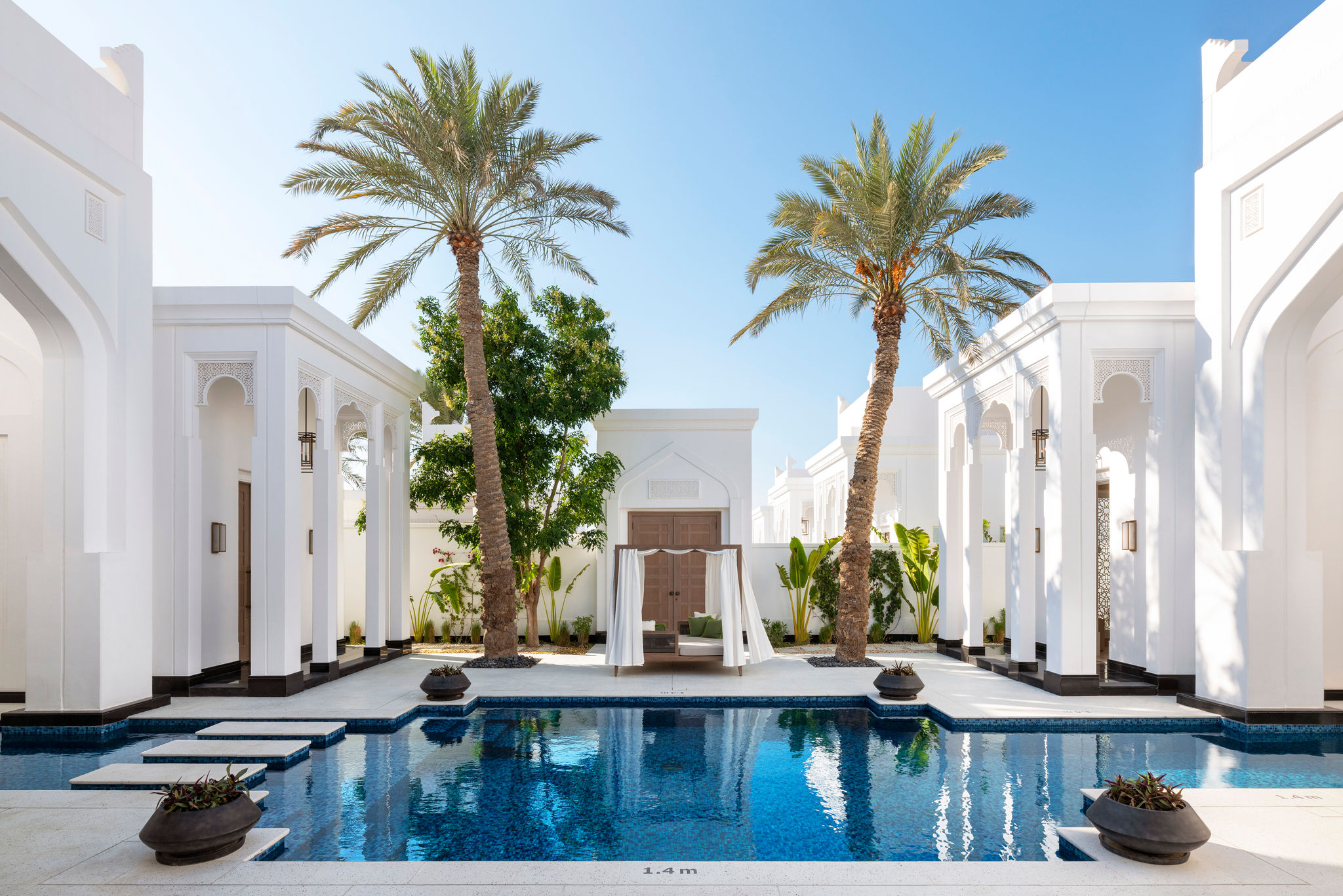
Where to Stay in Manama
7 recommended properties
Money-Saving Tips
- 1.Bring cash - ATMs are unreliable and many places don't accept cards
- 2.Negotiate boat taxi prices before getting in, especially for longer trips
- 3.Buy snacks and water at the market rather than from your pousada - prices are much lower
- 4.Book jungle excursions directly with local guides rather than through tour companies in bigger cities
- 5.Eat where locals eat - street food and simple restaurants offer the best value and most authentic experience
Travel Tips
- •Pack lightweight, quick-dry clothes and bring extra socks - everything stays damp in the humid climate
- •Download offline maps before arriving - cell coverage is spotty outside town center
- •Learn basic Portuguese phrases - English is rarely spoken outside of tourist-oriented businesses
- •Bring a good flashlight and extra batteries for nighttime wildlife spotting
- •Pack insect repellent with DEET and long sleeves for dawn and dusk when mosquitoes are most active
- •Respect local customs around river use - ask permission before swimming or fishing in areas near communities