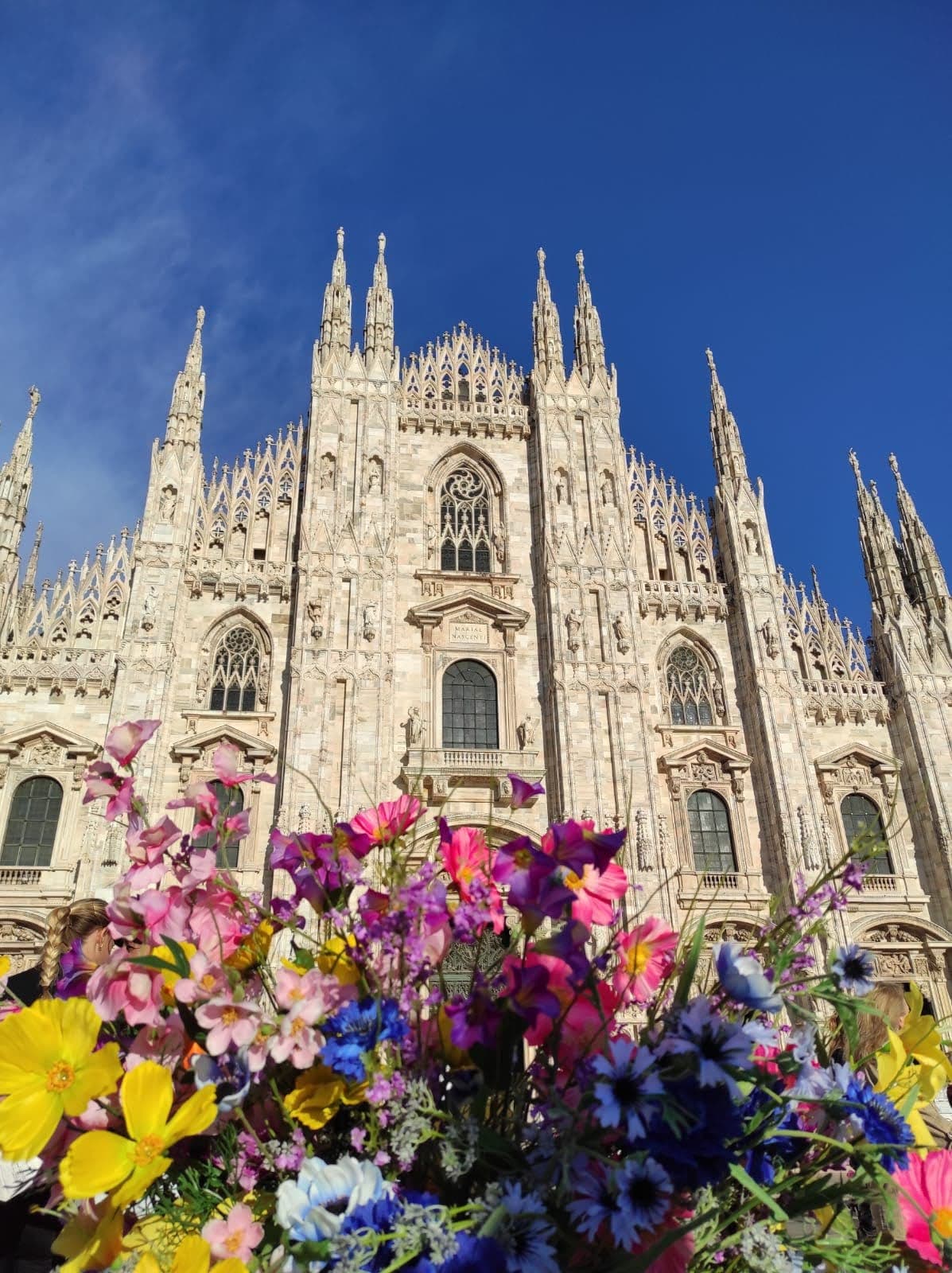
Milan
Fashion capital where Renaissance meets cutting-edge contemporary design
Milan doesn't apologize for being expensive. This is Italy's fashion capital, where Prada was born and where you'll pay €8 for an espresso near the Duomo. But here's the thing — Milan rewards those who dig deeper than the obvious tourist spots. Sure, you'll want to see La Scala and the Gothic cathedral. But the real magic happens in neighborhoods like Brera, where art galleries hide behind ivy-covered doorways, and Navigli, where aperitivo culture turns every evening into a celebration. Milan moves fast. The metro is efficient, the people dress better than you, and the food scene rivals Rome's. This isn't the Italy of rolling hills and rustic charm. This is modern Italy — sleek, sophisticated, and unapologetically urban.
Best Months
APR · MAY · JUN · SEP · OCT
~22°C · moderate crowds
Culture & Context
FASHION MEETS FUTURE
Milan is Italy's engine room. It generates around 10% of the country's entire GDP, which tells you a lot about the energy here. This is not a city built around its past like Rome or Florence.
Milan is always moving forward, always building something. The Porta Nuova skyline, with its Bosco Verticale towers draped in actual trees, looks like someone dreamed it up during a science fiction brainstorm. And yet, three blocks away, you've got a medieval basilica that predates most European nations.
That contrast is everywhere. The fashion world treats this city as a second capital. Prada, Versace, Armani all started here, and the Quadrilatero della Moda (bounded by Via Montenapoleone, Via della Spiga, and Via Manzoni) is one of the most expensive retail strips on earth.
You don't need a budget for it. Walk through it anyway. The window displays alone are worth the trip.
And 2026 makes Milan a particularly charged place to be: the city is hosting events tied to the Milano-Cortina Winter Olympics, meaning new infrastructure, a conspicuous buzz in the streets, and heightened energy in neighborhoods across the city.
Local Customs
CAPPUCCINO BEFORE 11AM
Never order a cappuccino after about 11am. Milanese will notice, and they will judge (gently, but still). Espresso is for after lunch.
Cappuccino is strictly a morning drink.. Greet every shopkeeper with Buongiorno or Buonasera when you walk in, and Arrivederci when you leave. This is basic courtesy and locals notice when tourists skip it..
Aperitivo runs from roughly 6-9pm. You order a drink (€8-15) and get access to a generous snack buffet. Milan invented the concept.
The Navigli and Brera neighborhoods do it best. Some spots pile on enough food that you can skip dinner entirely.. Italian servers give you space.
They will not hover, check in repeatedly, or ask 'how is everything?' That's not rudeness — it's respect. To get the check, you have to ask.
Make eye contact and say 'il conto, per favore.'. Dress smart-casual for evenings out.
Flip-flops and ripped shorts mark you immediately. Not everyone needs designer labels, but a polished look matters here more than in most cities.. Cover shoulders and knees when entering churches.
This applies to Santa Maria delle Grazie (home of the Last Supper), the Duomo, and Sant'Ambrogio. Carry a scarf in your bag.. When meeting locals, a firm handshake is standard for first introductions.
Cheek kisses (starting from the left cheek) come later, once some acquaintance is established. Don't initiate them with strangers.. Avoid bargaining in shops and restaurants.
Prices are fixed. The exception is flea markets, where polite negotiation is acceptable.. Dinner starts at 7:30-8:30pm in Milan, which is on the earlier end by Italian standards.
Showing up at a restaurant at 6pm is a very loud tourist signal.. Tipping is not mandatory and not expected the way it is in North America. Rounding up, or leaving a euro or two on the table after a good meal, is plenty.
Safety
WATCH YOUR BELONGINGS
Milan is one of Italy's safest cities and violent crime against tourists is extremely rare. But it does have real pickpocketing problems. The high-risk zones are predictable: the area around the Duomo and Galleria, Milano Centrale train station, and crowded metro carriages (especially Lines 1 and 3 during rush hour).
Keep your wallet in a front pocket or use a cross-body bag worn in front. Leave your actual passport in the hotel safe and carry a photocopy. Watch for the bracelet scam near Piazza del Duomo: someone ties a colorful bracelet to your wrist while you're distracted, then demands payment.
Don't engage. Keep walking. The Quarto Oggiaro neighborhood (far northwest), Via Padova, and Rogoredo have higher crime rates — avoid staying there and be extra cautious after dark.
The Navigli, Brera, Corso Como, and Porta Venezia nightlife areas are fine in the evenings and have good foot traffic and lighting. Solo female travelers report feeling generally comfortable in Milan, including at night in the main neighborhoods. Emergency numbers: 112 (European emergency line), 113 (Italian police), 118 (ambulance).
Expect heightened security and visible police presence throughout 2026 due to the Winter Olympics.
Getting Around
METRO & TRAM SYSTEM
Milan's public transport system, run by ATM (Azienda Trasporti Milanesi), is genuinely one of Italy's best. Five metro lines, 80+ bus routes, and the historic tram network cover the city well. A single ticket costs €2.
20 and is valid for 90 minutes on any combination of metro, tram, and bus. The 24-hour pass is €7.60; the 72-hour pass is €15.
50 and is almost always the best deal for a 3-day visit. As of 2026, ATM operates largely paperlessly: use the rechargeable RicaricaMi card, tap your contactless bank card directly at metro gates, or use the ATM Milano app. The newest metro line, M4 (blue line), runs from Duomo to Linate Airport in about 18 minutes.
Malpensa Airport is about 45 minutes from the center by bus or Malpensa Express train. Taxis in Milan are officially white and metered. Make sure the meter is running before you move.
Unlicensed cabs near the station and airport will try to negotiate flat fares that are usually 2-3x the metered price. Skip them. Uber operates in Milan and is transparent on pricing.
Avoid driving in the historic center: the Area C congestion zone requires a paid daily permit, and parking is a proper ordeal. High-speed Frecciarossa trains connect Milan to Venice (about 2.5 hours), Florence (about 1h45m), and Rome (about 3 hours).
Buy in advance for big savings — last-minute tickets cost 2-3x the early-booking fare.
Useful Phrases
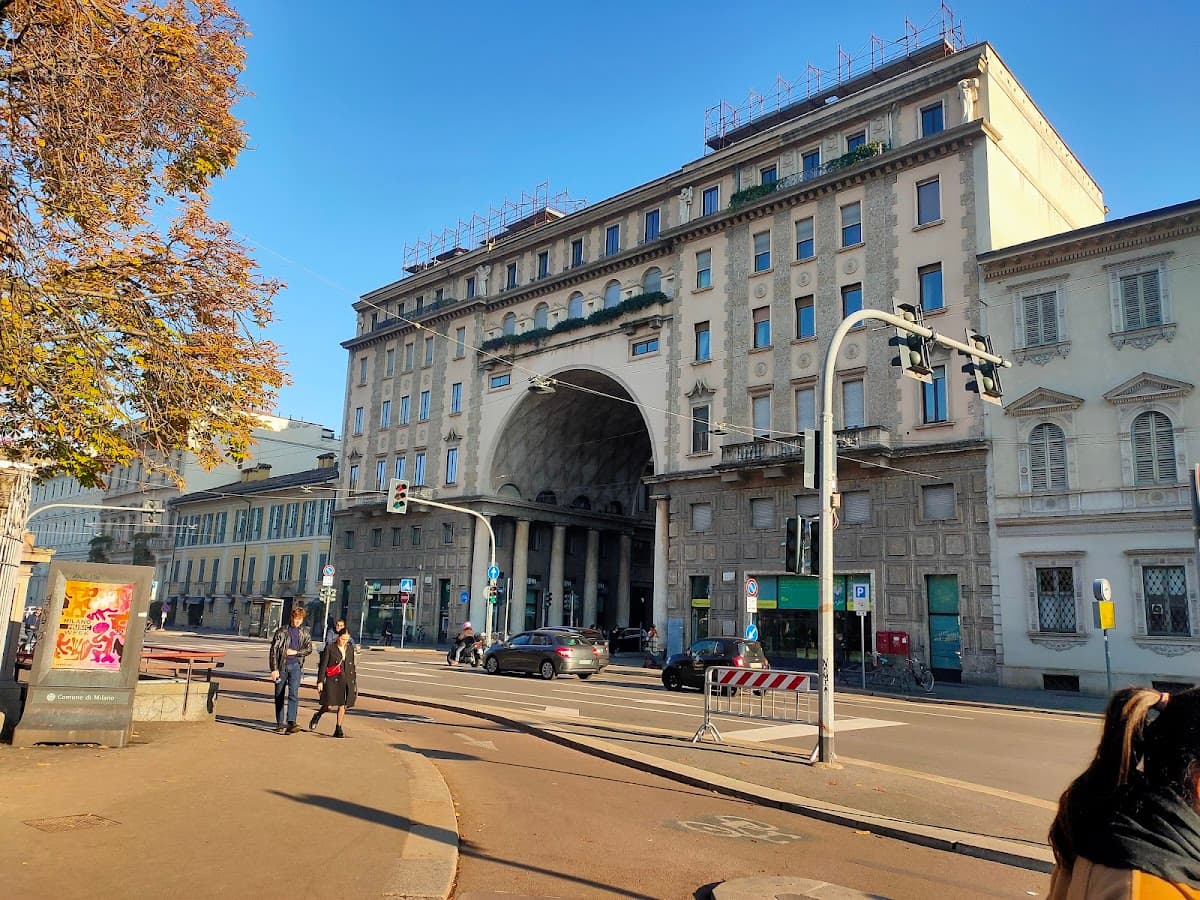
Explore Neighborhoods
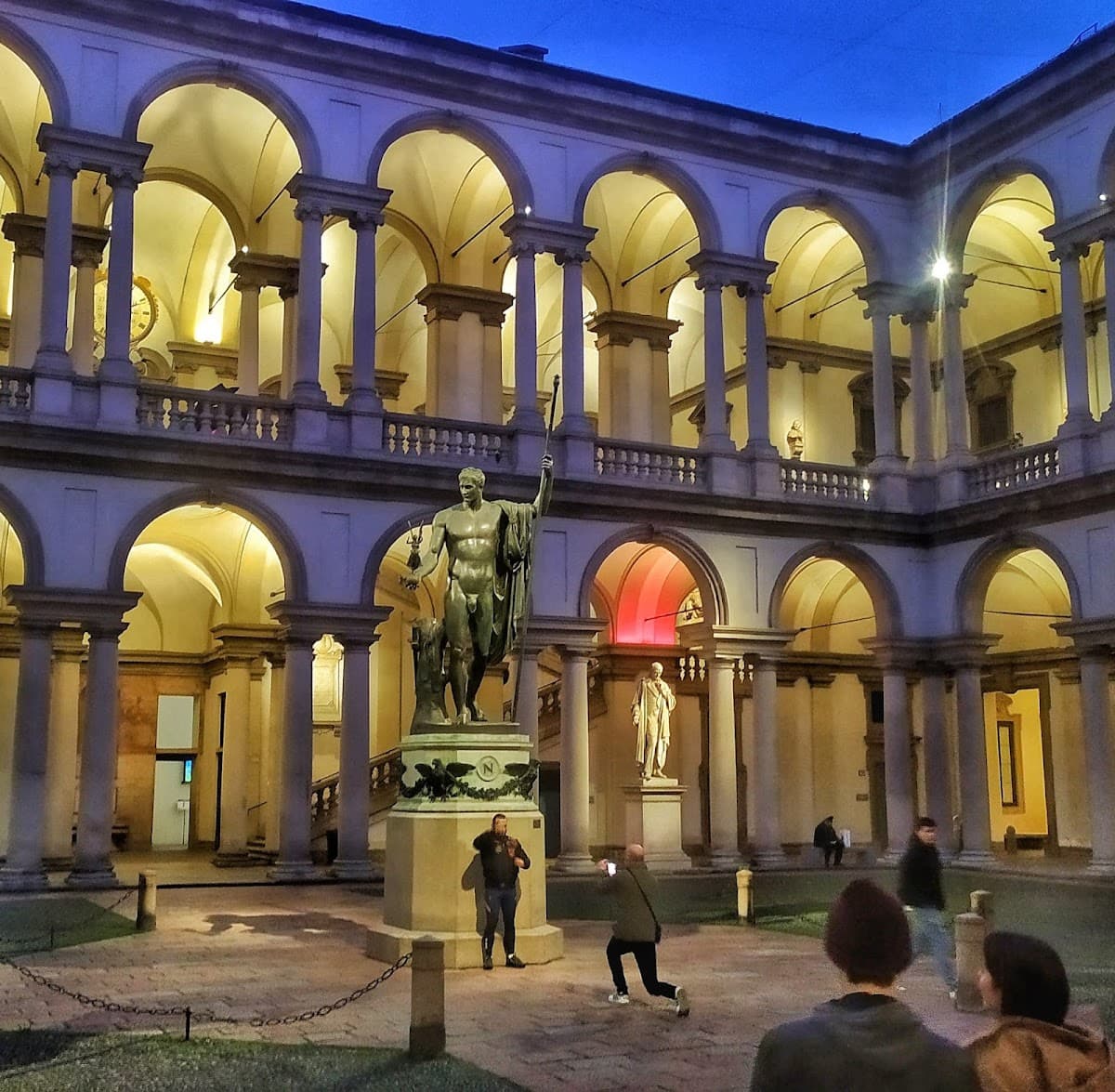
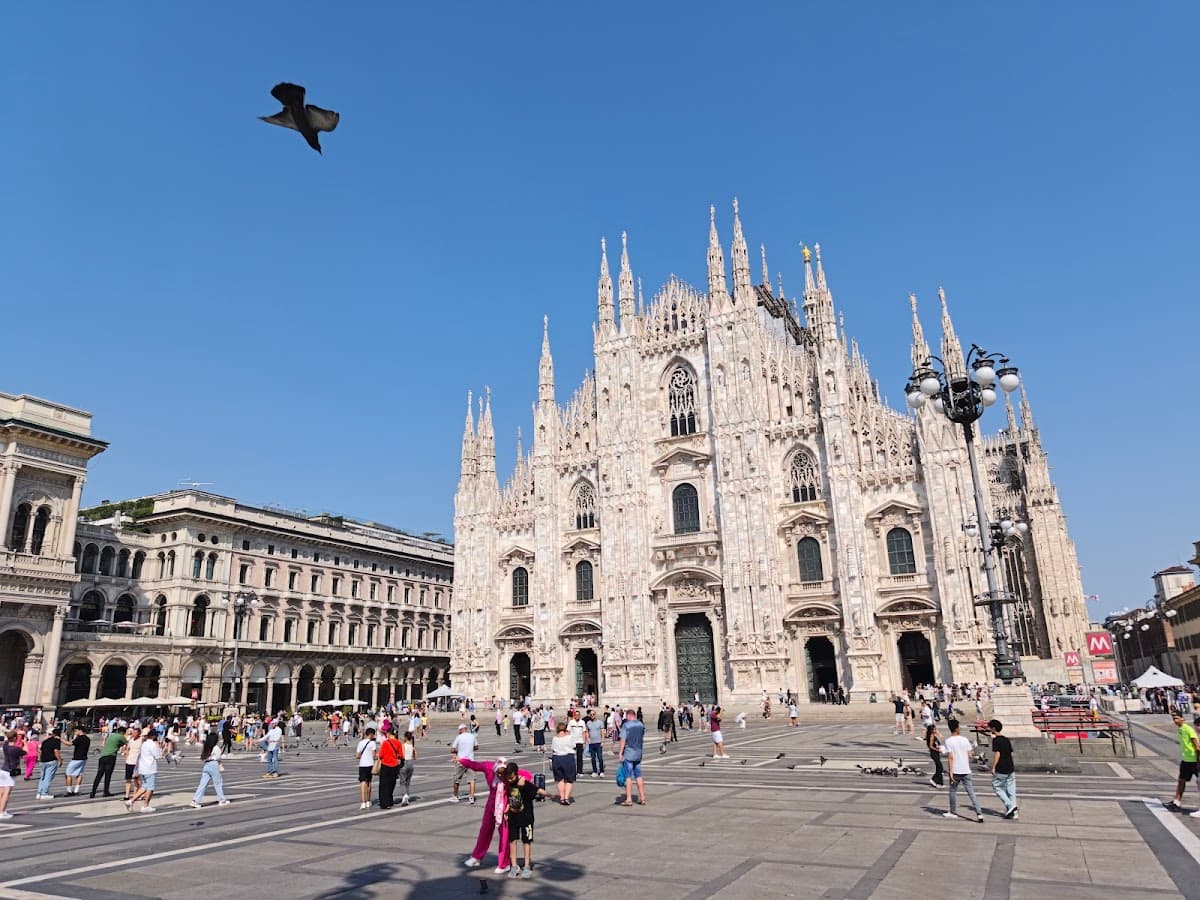
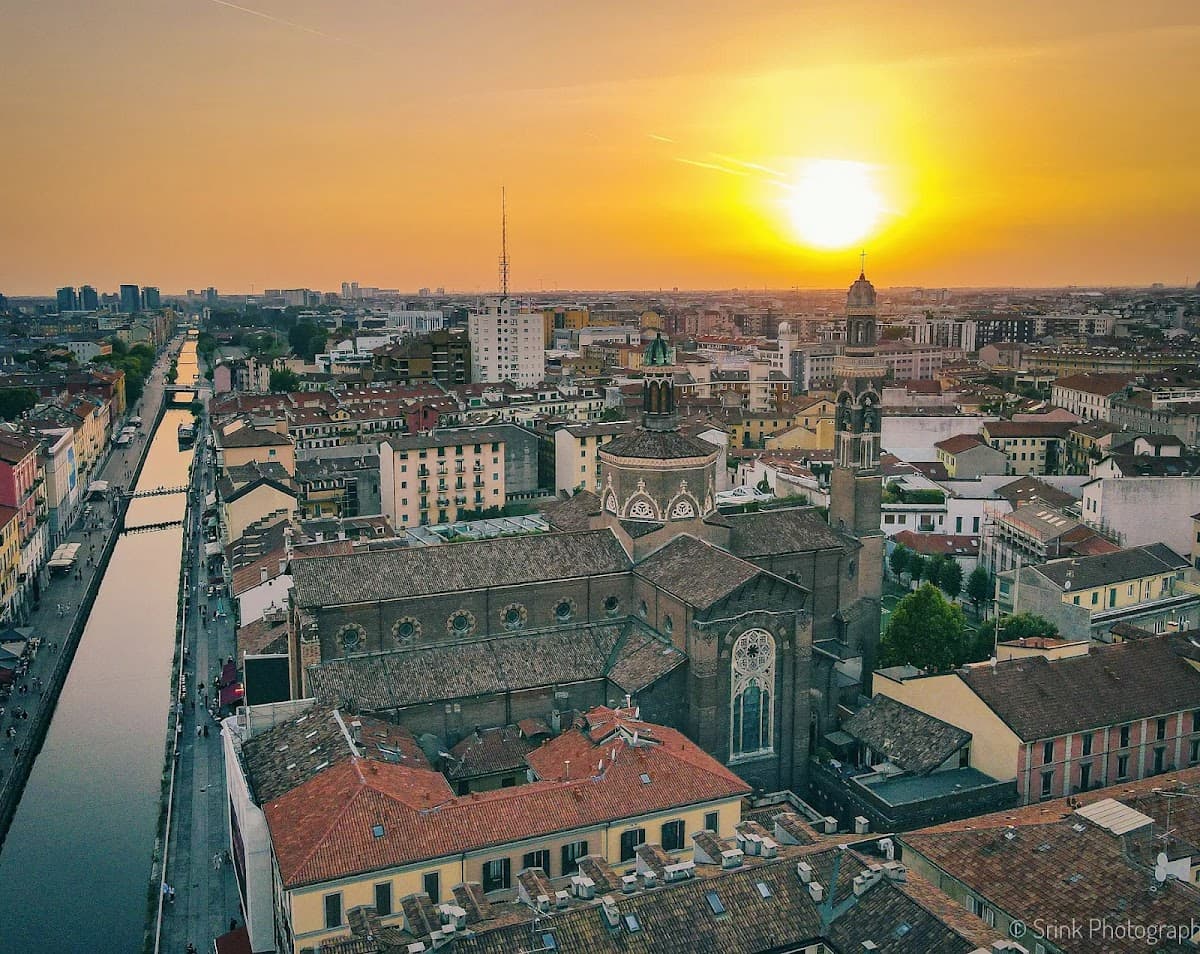

Explore the Region
Milan Itineraries
View all
Slow Sips & City Strolls: Milan for Two
Weekend · $$$
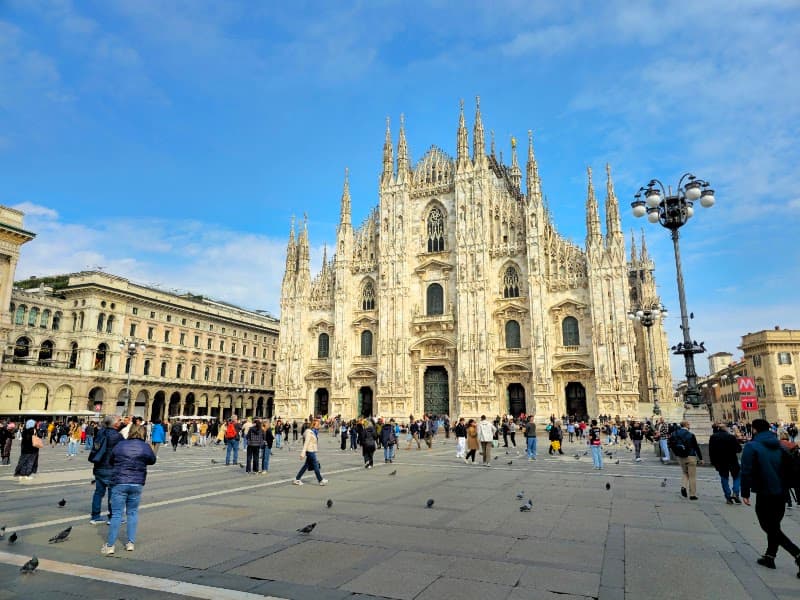
Milan Art, History, and Style in One Balanced Day
Weekend · $$$
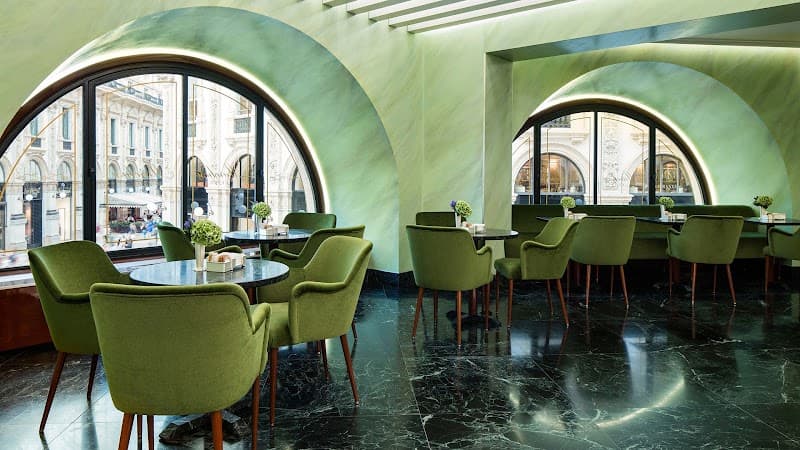
Milan Day 3: Duomo, Brera, and Elegant City Wandering
Weekend · $$$

Milan in Motion: A Culture‑Rich Long Weekend for Two
Weekend · $$$
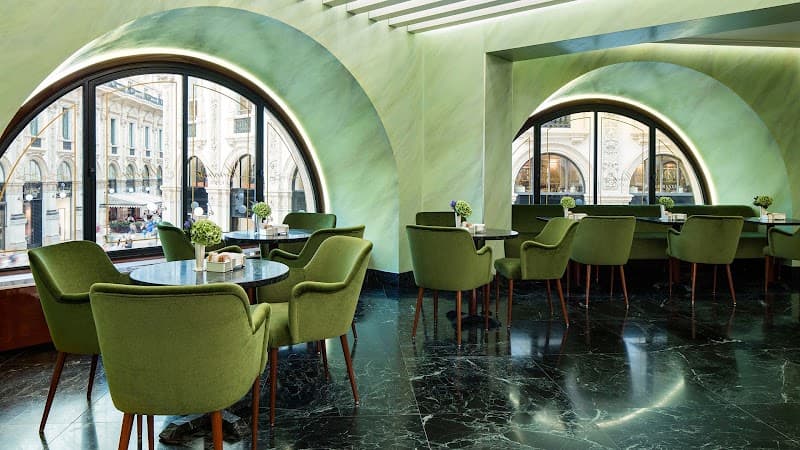
Romantic Milan: Duomo Dreams & Canal Evenings
Weekend · $$$
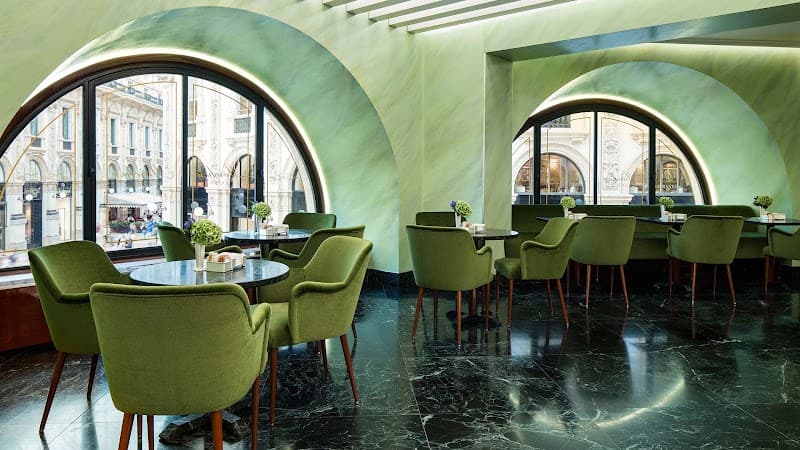
Romantic Milan: Fashion, History, Wine, and Hidden Canals
Week · $$$
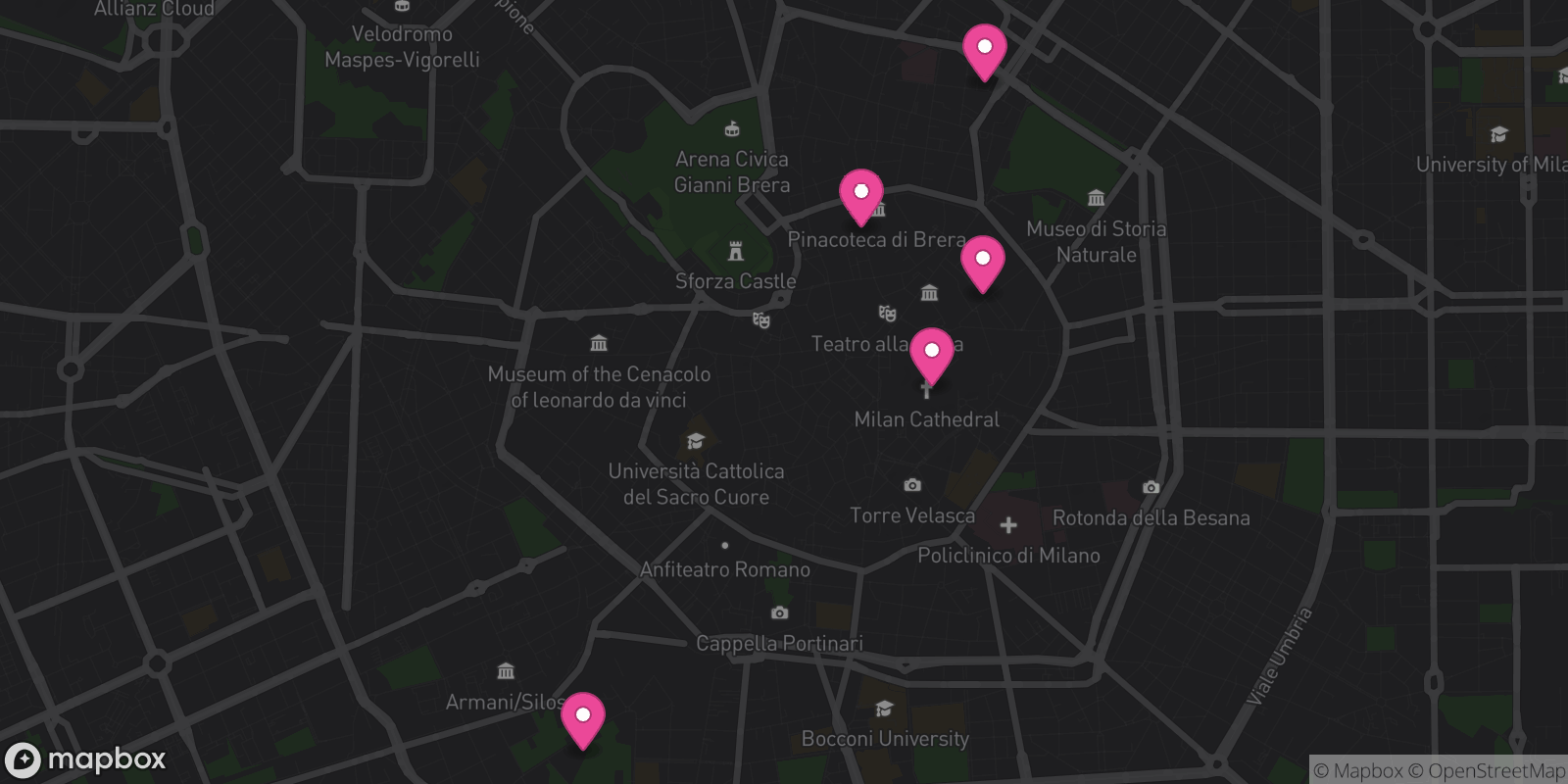
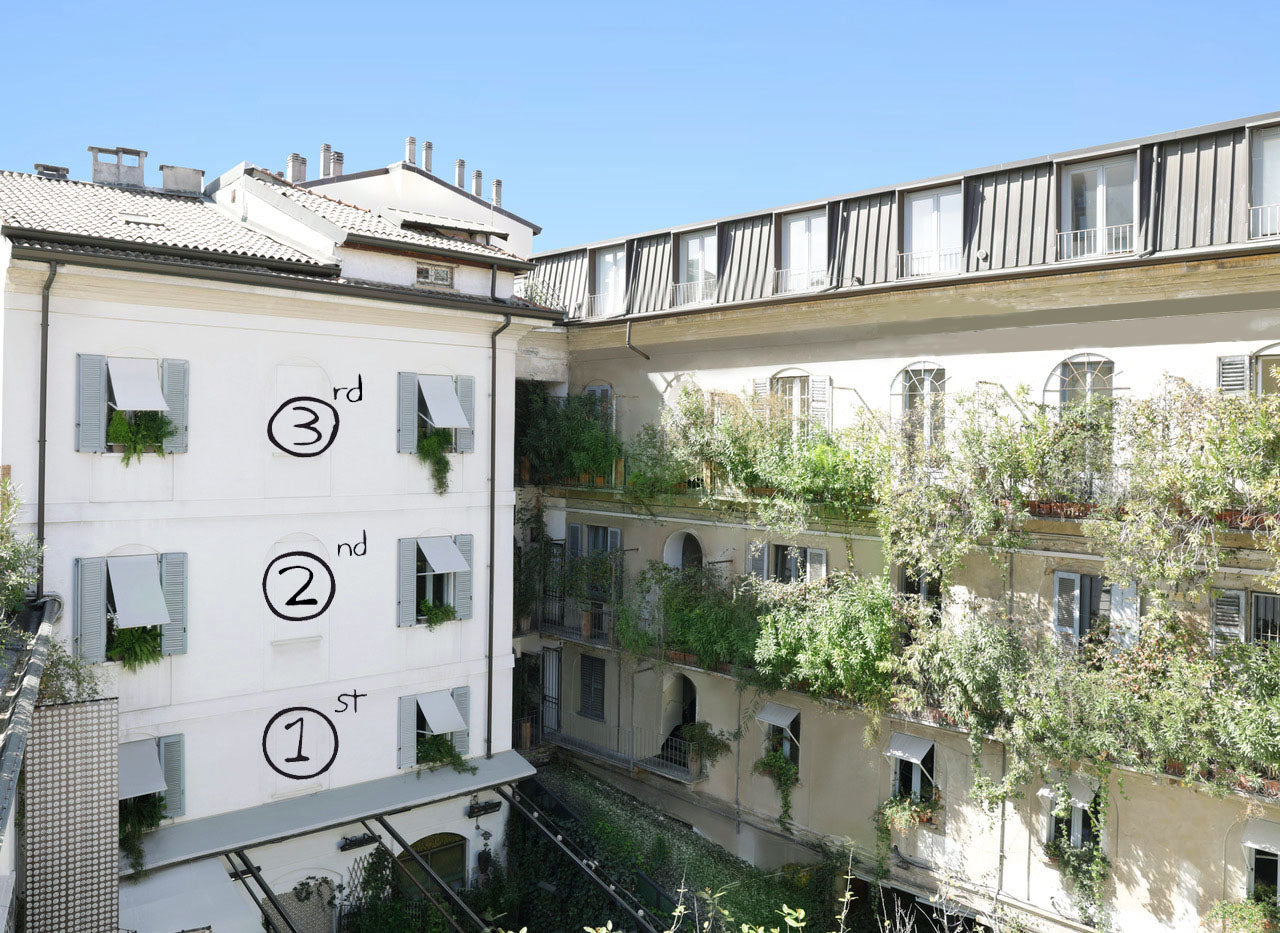
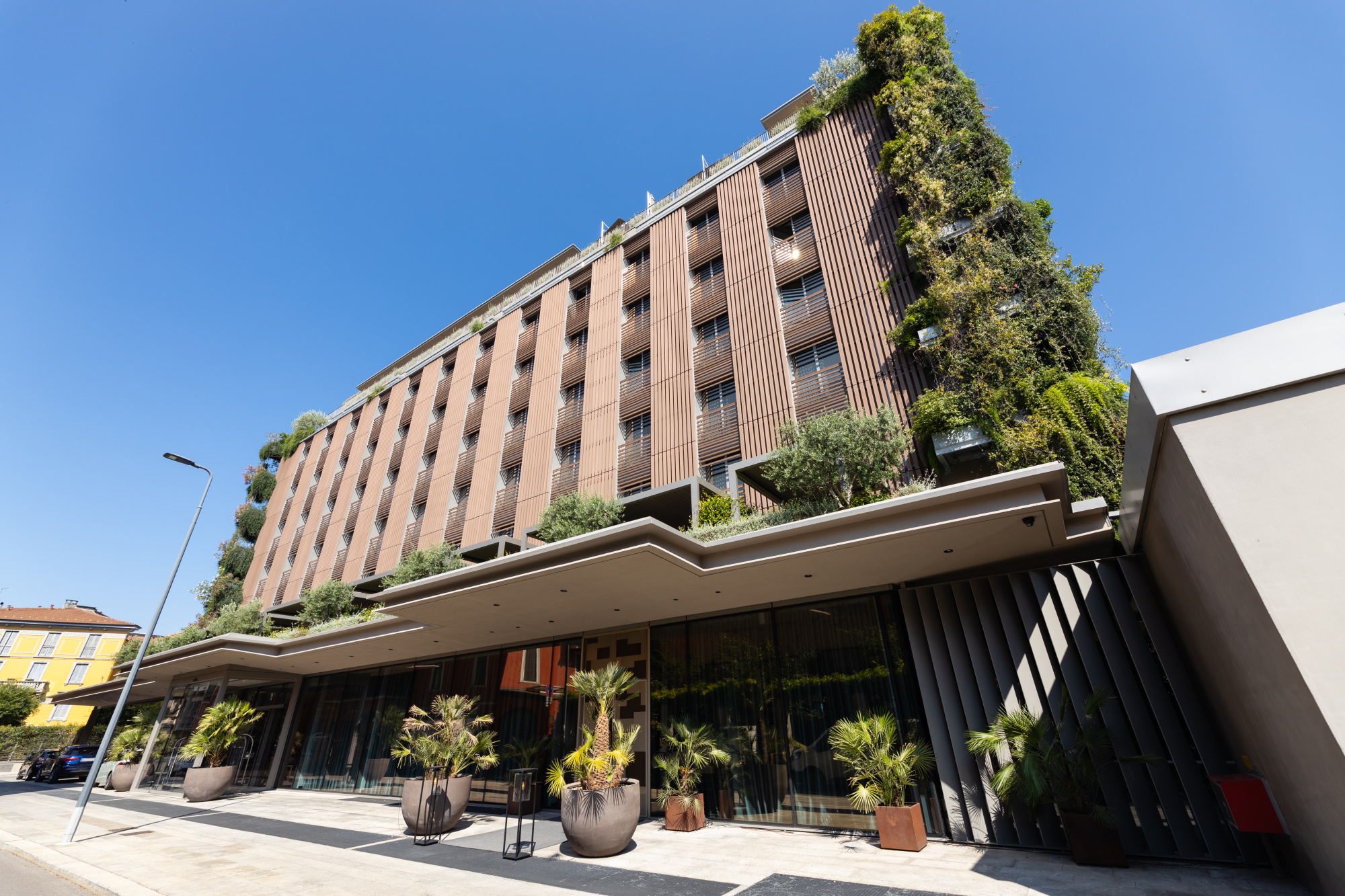
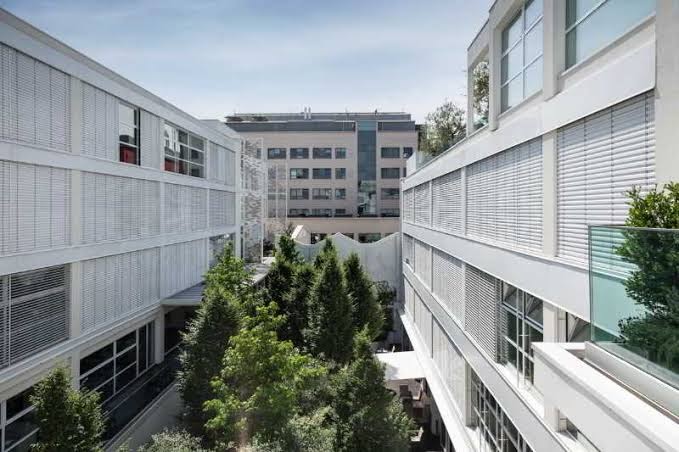
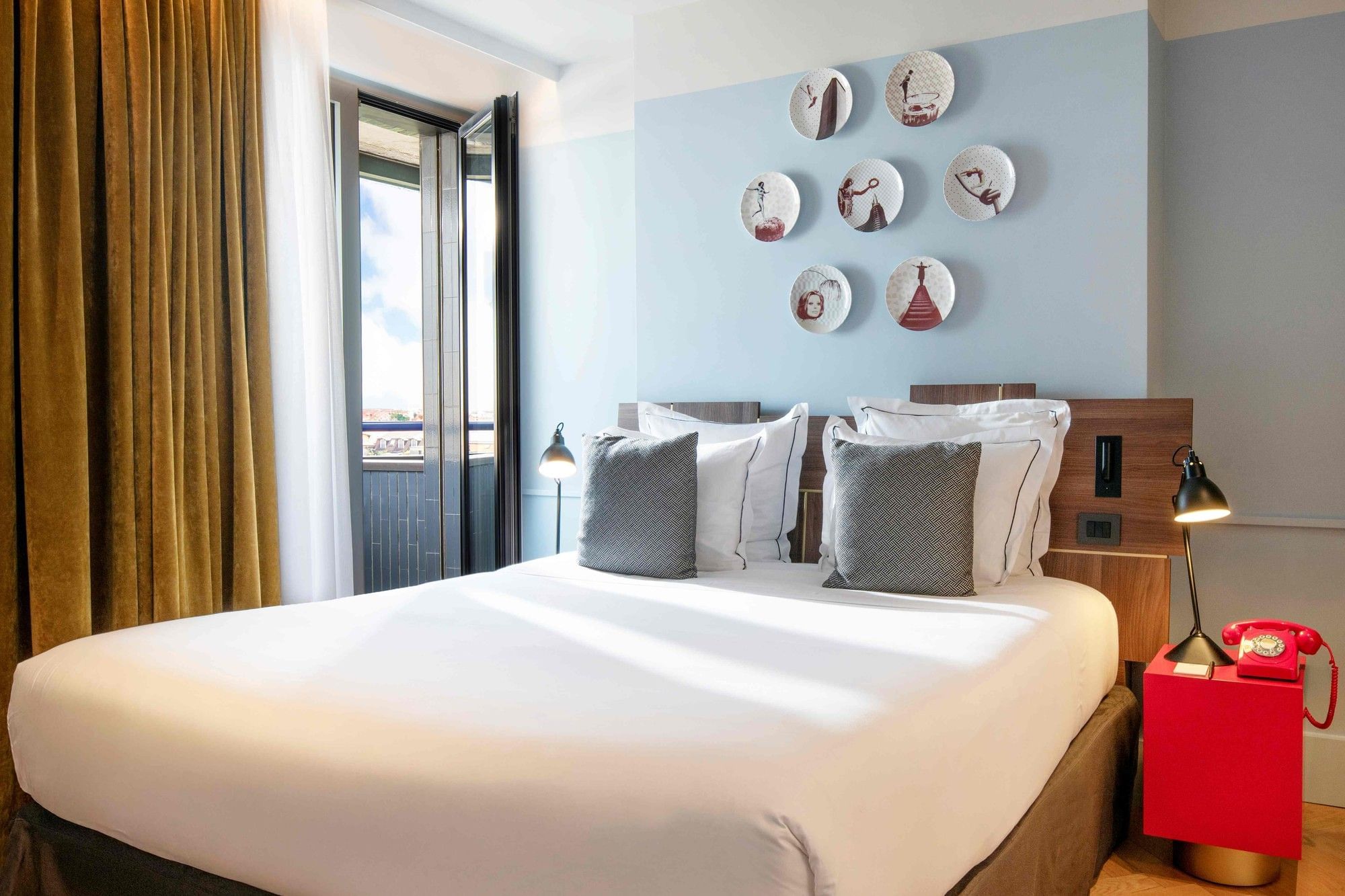
Where to Stay in Milan
9 recommended properties
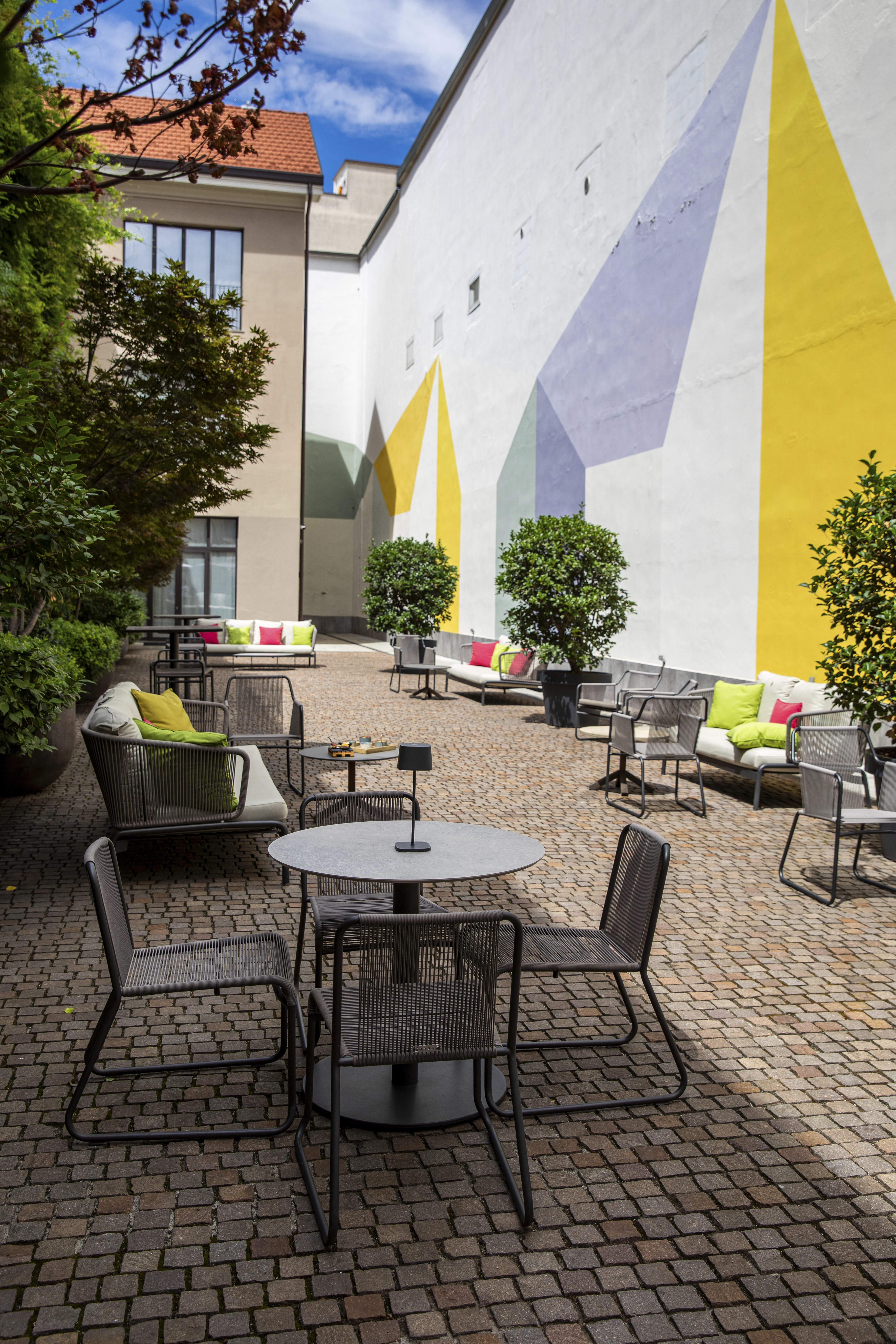
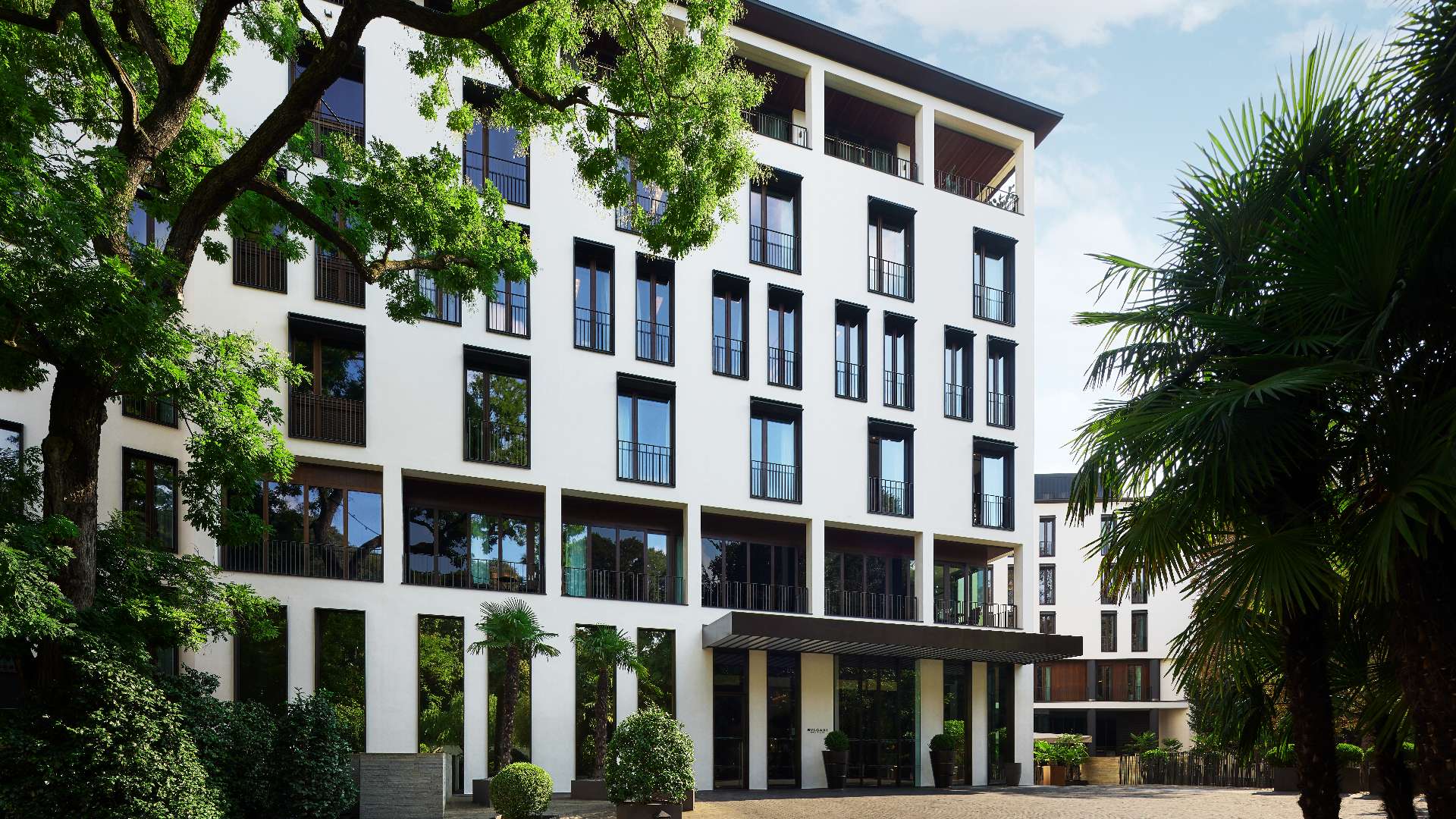
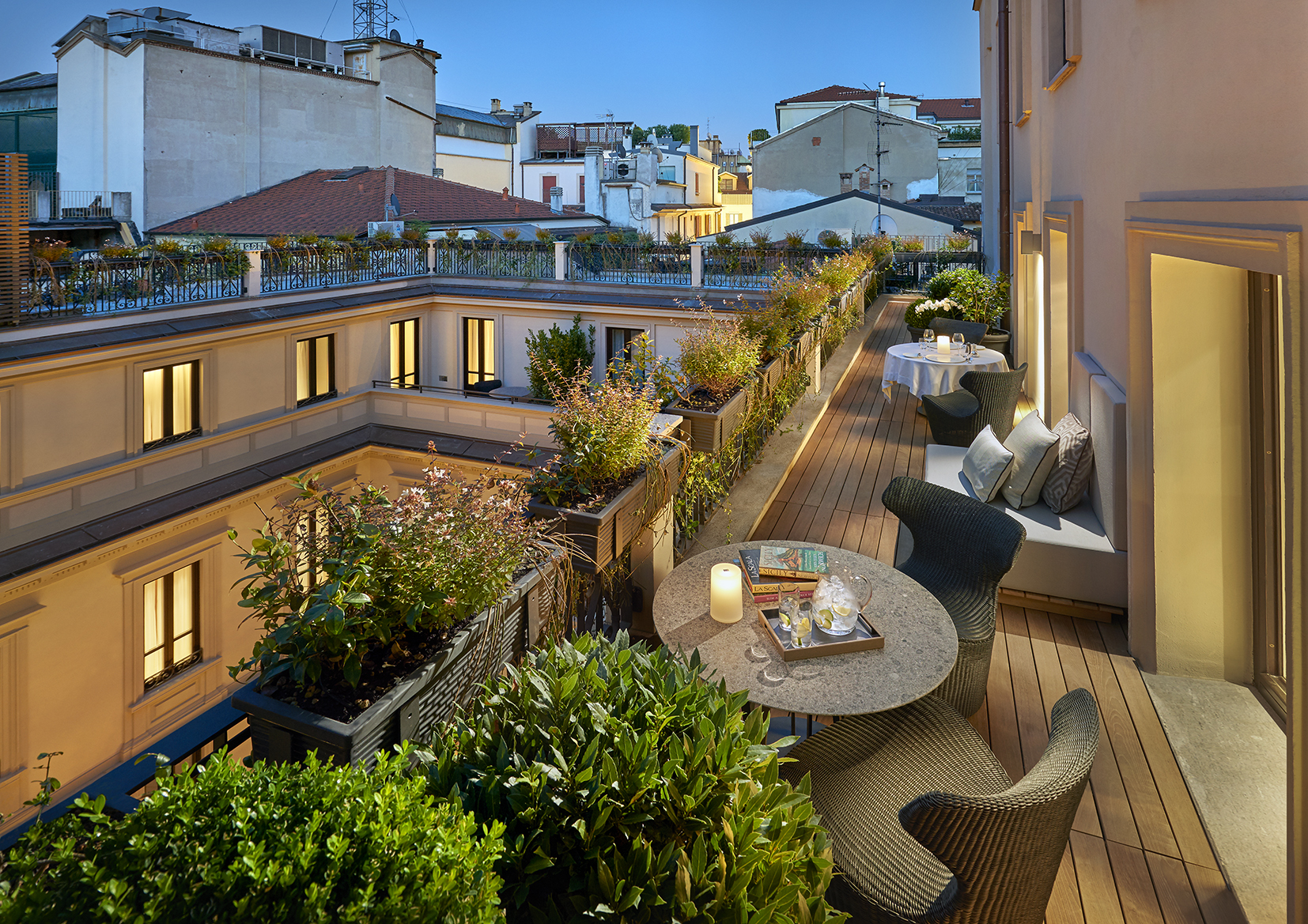
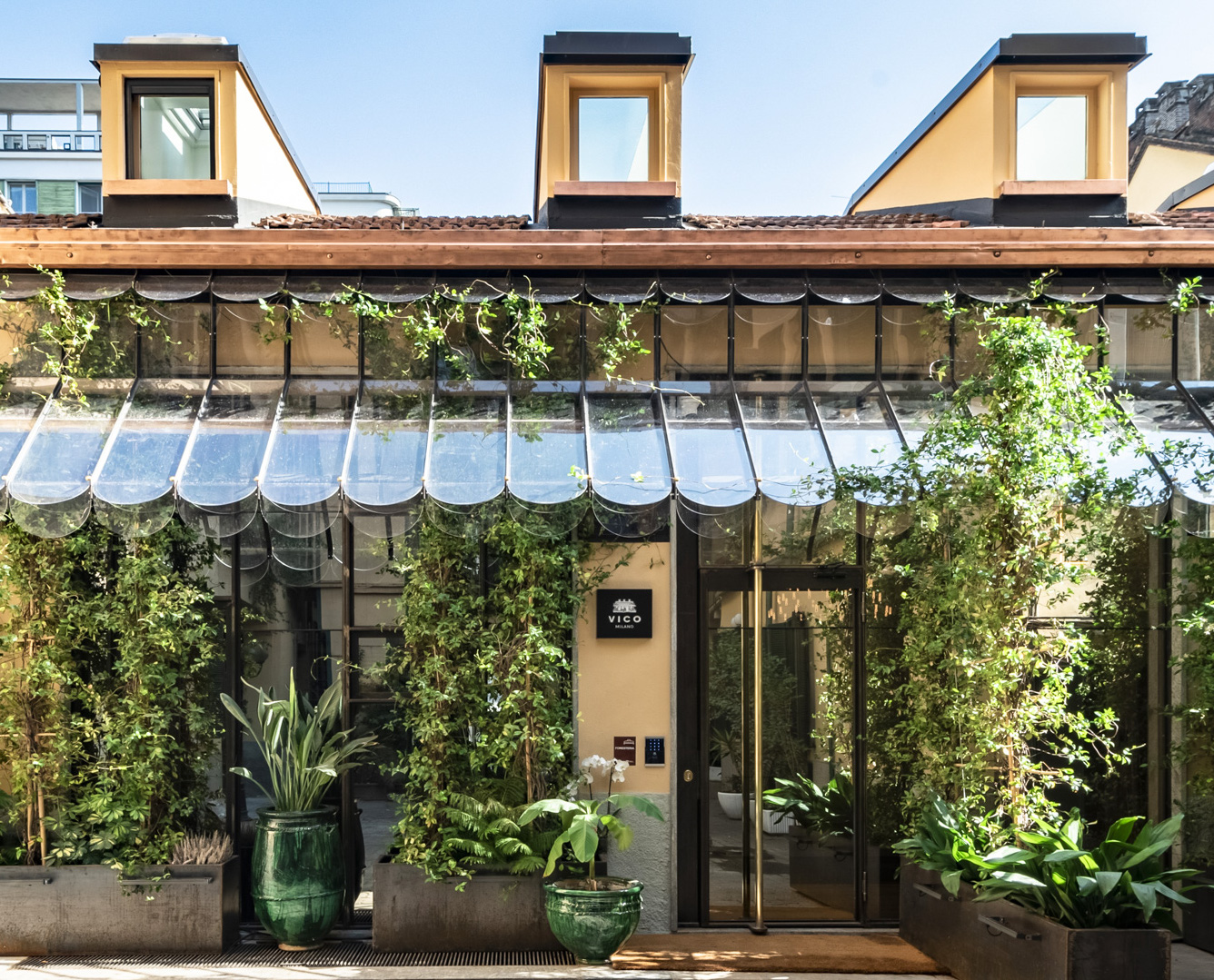
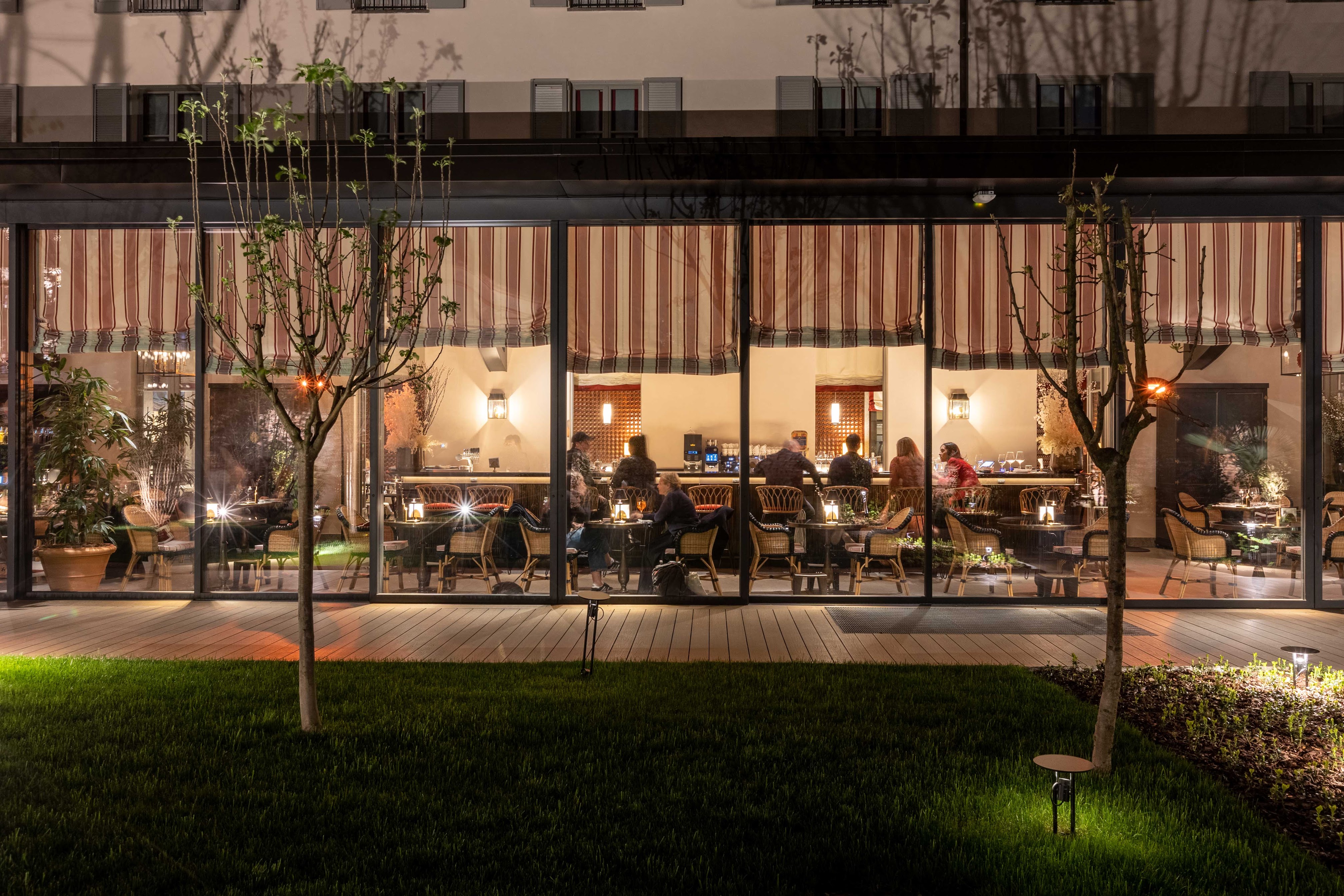
Things to Do in Milan
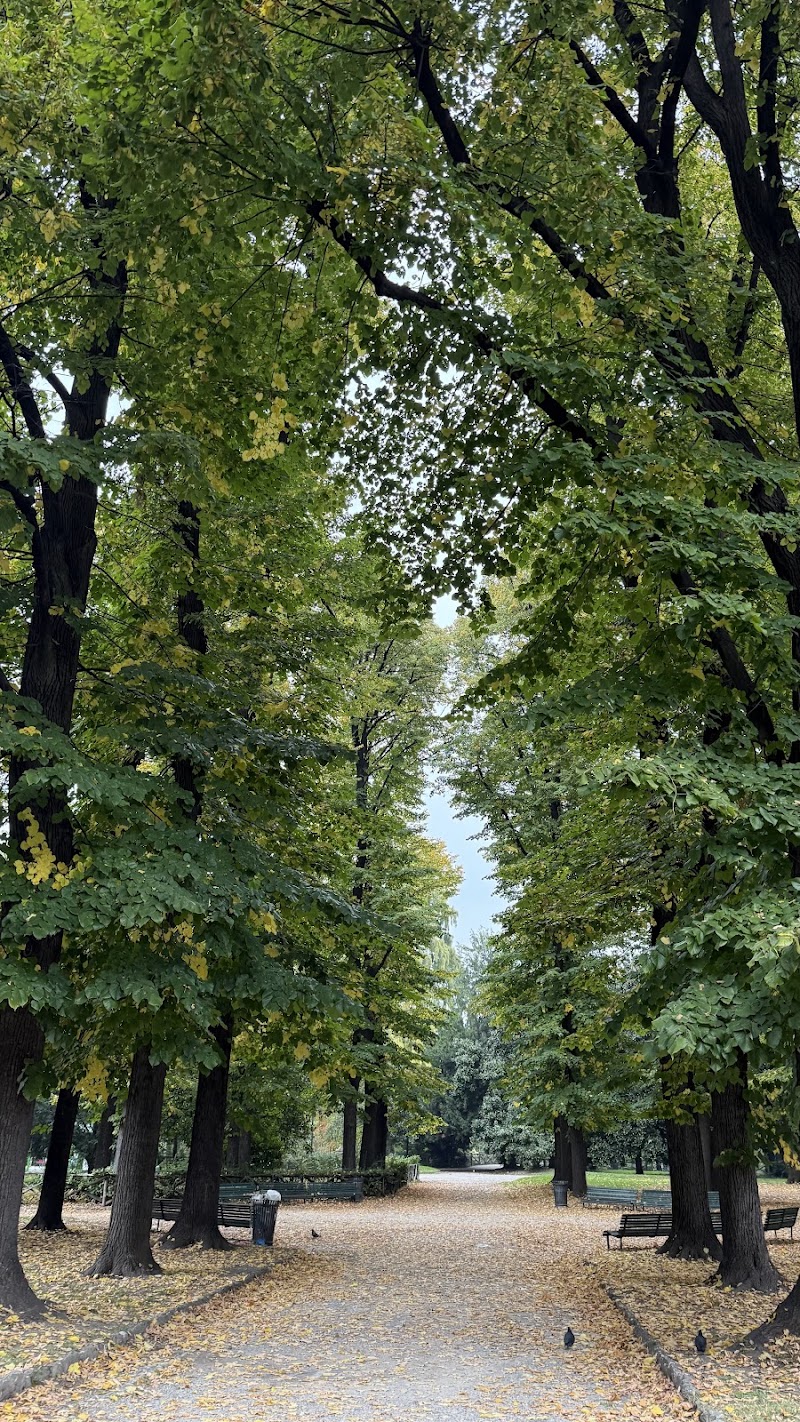
Giardini Pubblici Indro Montanelli
Porta Venezia · 60 min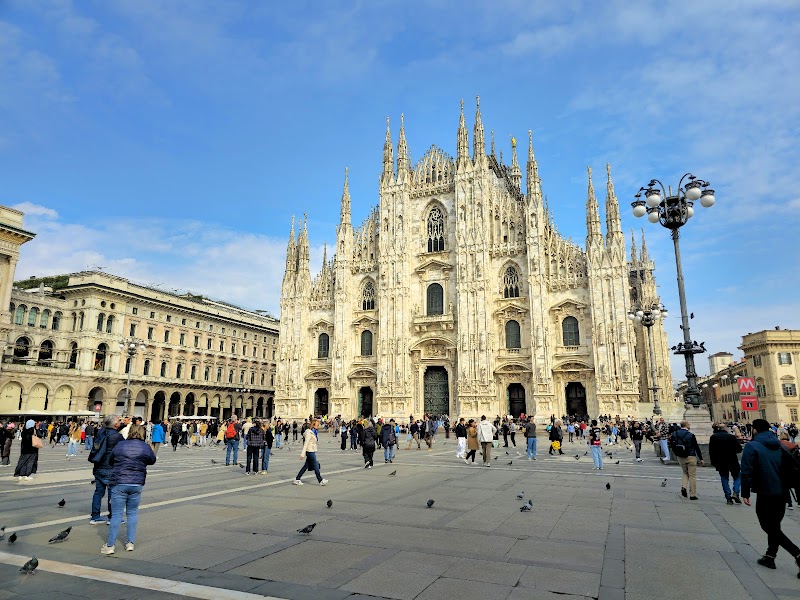
Duomo di Milano & Rooftop Terraces
Centro Storico · 120 min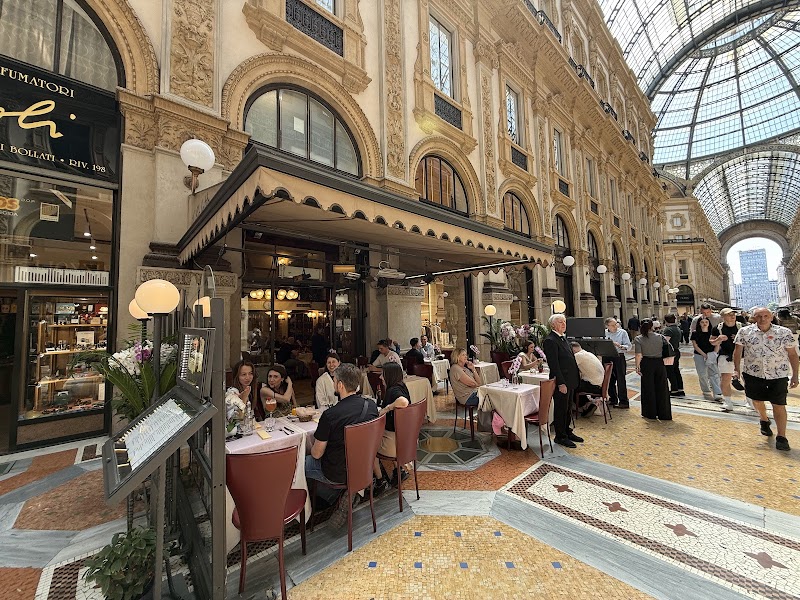
Galleria Vittorio Emanuele II & Piazza del Duomo
Centro Storico · 60 minMoney-Saving Tips
- 1.Buy metro day passes instead of single tickets — €7 vs €2 per ride adds up quickly
- 2.Eat standing at coffee bars — sitting doubles the price from €1.50 to €4
- 3.Shop during saldi (sales) in January and July when even designer stores offer 50% off
- 4.Book restaurants for lunch instead of dinner — same food, often 30% cheaper
- 5.Visit museums on first Sunday mornings when many offer free entry
- 6.Stay in Navigli or Porta Romana instead of Centro Storico to save €100+ per night
- 7.Buy groceries at Esselunga or Carrefour instead of tourist-area markets
- 8.Take advantage of aperitivo culture — €8 drink includes free buffet dinner
- 9.Walk between central attractions instead of taking taxis — most are 10-15 minutes apart
- 10.Book high-end restaurants at lunch for prix fixe menus at half the dinner price
Travel Tips
- •Download the ATM Milano app for real-time public transport updates and digital tickets
- •Learn basic aperitivo etiquette — take small portions from the buffet, don't pile your plate high
- •Dress well, especially in Quadrilatero della Moda — Milanese judge based on style
- •Book La Scala tickets months in advance or try last-minute box office sales 90 minutes before shows
- •Carry a reusable water bottle — Milan's tap water is excellent and fountains are everywhere
- •Make dinner reservations — even casual places fill up, especially in Brera and Navigli
- •Learn the difference between spritz variations — Aperol is sweet, Campari is bitter
- •Visit Duomo rooftop early morning or late afternoon to avoid crowds and harsh lighting
- •Keep restaurant receipts — Italian law requires you to have them when leaving establishments
- •Download offline maps — cell service can be spotty in some metro stations and older buildings