Onomichi
Hillside temples and literary charm along the Seto Inland Sea
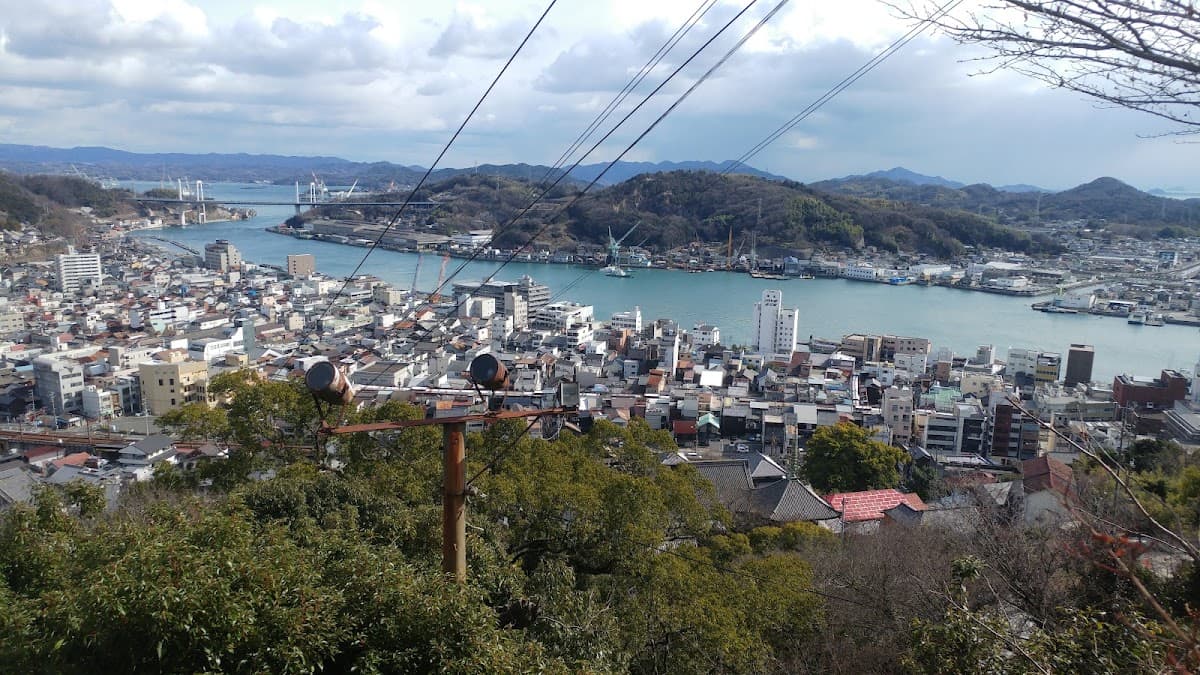
Onomichi feels like Japan's best-kept secret, even though it's been hiding in plain sight for centuries. This riverside city stretches along the Seto Inland Sea, its famous temple walk zigzagging up steep hillsides past 25 ancient temples. You'll spot cats lounging on stone steps and elderly locals tending tiny gardens wedged between centuries-old buildings.
The city earned its literary reputation as the setting for novels by Fumiko Hayashi and films by Yasujirō Ozu. Walk the narrow lanes of the old quarter, and you'll understand why writers fell for this place. Ramen shops occupy former merchant houses, while contemporary art galleries peek out between traditional storefronts. The pace here moves at bicycle speed – locals still use the town's rental bike system to navigate the flat riverside areas.
Best Months
MAR · APR · MAY · SEP · OCT · NOV
~21°C · moderate crowds
Culture & Context
VERTICAL SLOPE TOWN
Onomichi is a small port city in eastern Hiroshima Prefecture that punches way above its weight culturally. It sits between the Onomichi Channel and three forested mountains at its back, squeezed into a narrow strip of land that forces the whole city to go vertical. That topography is the whole personality of the place. Streets become staircases. Staircases become paths. Paths become alleys lined with cats. The Japanese call it "saka no machi" — slope town — and they mean it literally.
The literary and cinematic pedigree here is real, not just tourism branding. Authors like Hayashi Fumiko and Shiga Naoya grew up here. Director Nobuhiko Obayashi filmed several works here. The Onomichi Motion Picture Museum down near the waterfront is worth an hour of your time. There's a "Path of Literature" running through Senkoji Park with stone monuments inscribed with poems from authors connected to the city.
Here's the thing about Onomichi that most people miss: it's a working-class town that got discovered by artists and cyclists, not the reverse. The Hondori shopping arcade, stretching about 1.2 km from near the station, has more than ten shops that have been in business over 100 years. Many old bathhouses (sento) have been repurposed as cafes and izakayas, like Yamatoyu, which now serves Chinese food inside a restored public bathhouse interior. The whole place feels genuinely Showa-era, not curated to feel that way. And yes, the cats are real. They roam the temple slopes and appear in shop windows and on hand-painted stones along Cat Alley (Neko no Hosomichi). Onomichi has leaned into feline culture with full commitment and zero embarrassment.
Local Customs
NO TIPPING, CASH REQUIRED
No tipping — ever. Leaving money will confuse staff and potentially cause an awkward chase down the street. Excellent service is expected, not rewarded with cash..
Remove shoes when entering private homes, some ryokan, and some traditional restaurants. Slip-on shoes make life easier given how often this comes up.. Say 'Itadakimasu' (ee-tah-dah-kee-mah-su) before eating and 'Gochisosama deshita' (go-chee-so-sa-ma-desh-ta) after finishing a meal — these phrases carry genuine weight and locals notice when visitors use them..
Slurping ramen is not just acceptable — it's considered a sign of appreciation. Go for it.. Never stick chopsticks upright in a bowl of rice.
It resembles a funeral rite and will make people visibly uncomfortable.. Keep your voice low on ferries, trains, and buses. Phone calls on public transit are considered rude.
Keep your phone on silent.. Don't eat while walking along the street — Japanese people typically find a spot to stand and finish a snack before moving on.. At temples and shrines, purify your hands at the temizuya (stone water basin) near the entrance before approaching the main hall.
Walk to the side of the central path, not down the middle — that's reserved for the deity.. Tattoos will get you turned away from most public baths (onsen/sento). Some places now allow small tattoos or have private baths.
Check before you go.. Cash is still king in Onomichi specifically. Carry enough for a full day — typically ¥3,000–¥5,000 minimum..
Cats on the Temple Walk slopes: feel free to photograph them, but don't chase or corner them. The locals have a genuine, protective relationship with these animals.. Luggage forwarding (takuhaibin) via Yamato Transport is a smart move if you're exploring the hills — leave heavy bags at your next hotel and walk unburdened.
The station also has coin lockers.
Safety
VERY SAFE, WATCH STAIRS
Onomichi is about as safe as a city gets. Solo female travelers consistently report feeling comfortable wandering the city after dark, including on the narrow hillside paths. Japan's general low crime environment applies fully here.
The main practical safety issues are physical rather than social: the Temple Walk involves significant elevation changes on uneven stone stairs. Flip-flops will cause problems — wear proper shoes. The slopes are also challenging for anyone with limited mobility.
The flat area around Onomichi Station and the waterfront is accessible; the ropeway provides easy hilltop access without climbing. During major festivals like the Sumiyoshi Fireworks (August 2), the waterfront gets very crowded. Ferrying over to Mukojima Island offers a less congested viewing angle if you're claustrophobic in crowds.
Getting Around
WALK AND FERRY
Getting there: From Hiroshima, take the JR Sanyo Line directly to Onomichi Station — about 1.5 hours and ¥1,500–¥2,000. If you're coming via Shinkansen, the closest stop is Shin-Onomichi Station (3.3 km north of the city). A local bus takes about 15 minutes from Shin-Onomichi to the main station. Alternatively, Shinkansen to Fukuyama or Mihara and then transfer to the Sanyo Line (15–20 more minutes). From Hiroshima Airport, a direct limousine bus runs to Onomichi Station in about an hour for ¥1,200–¥1,500.
Getting around: Walk everywhere you possibly can — the whole point of Onomichi is the experience of moving through it slowly. The ropeway (¥1,000 round trip) saves serious leg effort for reaching Senkoji Park. Local buses cover wider areas and reach spots buses can reach that feet cannot. Ferries from Onomichi Port connect to Mukojima (5 minutes, ¥110 pedestrian) and other Seto Inland Sea islands. The JR Sanyo Line connects Onomichi to Fukuyama (about 20 minutes) and on to Hiroshima.
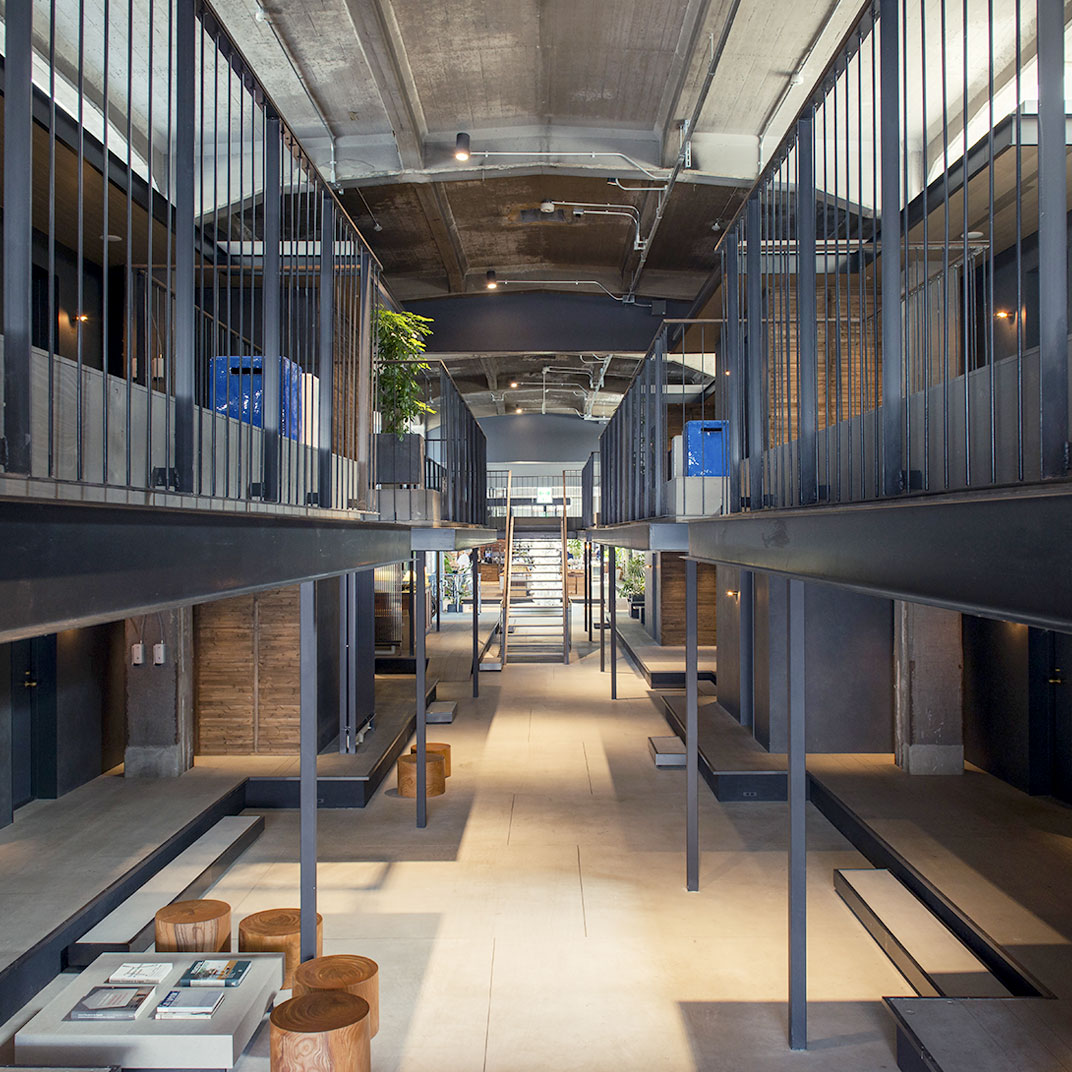
Cycling: Onomichi U2 (Hotel Cycle complex, on the waterfront) offers high-quality bicycle rentals and is the main starting point for the Shimanami Kaido. The 70 km route runs all the way to Imabari on Shikoku, but you can do shorter sections too — even just cycling to Mukojima via ferry and back is a decent half-day trip. Consider the Shimanami Cycling Passport for discounts and stamps along the route.
Luggage: Coin lockers at Onomichi Station. For luggage forwarding between cities, Yamato Transport (takuhaibin) typically costs ¥3,035–¥4,050 per bag — worth it if you're climbing temple slopes for a full day.
Useful Phrases
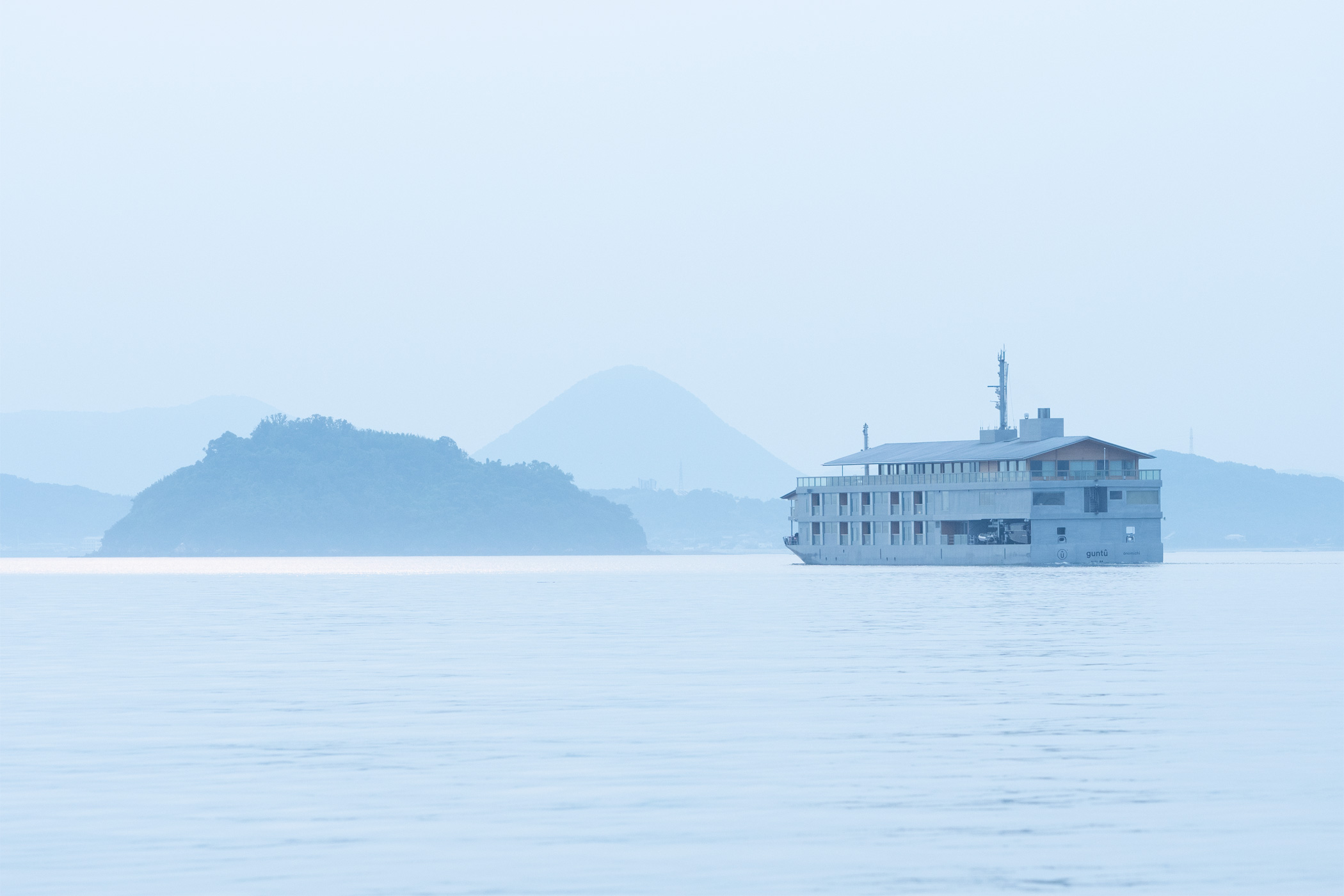
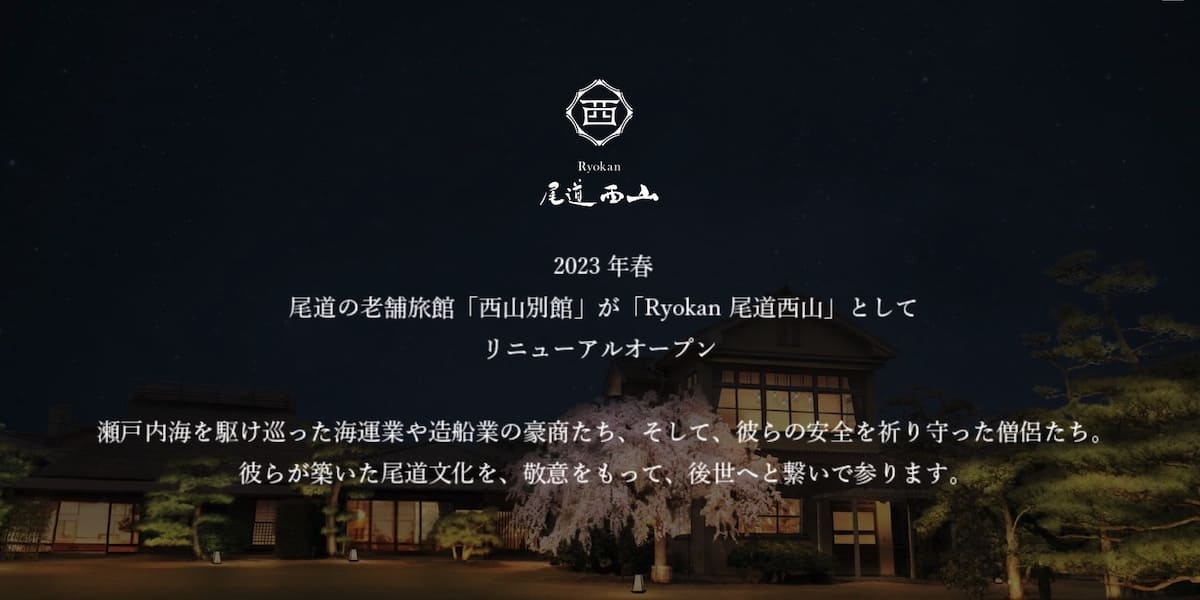
Where to Stay in Onomichi
5 recommended properties
Money-Saving Tips
- 1.Rent a bike for ¥100/day instead of taking taxis – it's how locals get around and much cheaper
- 2.Temple admission is usually free, but some charge ¥100-300 for special gardens or buildings
- 3.Convenience store meals cost ¥300-500 and work perfectly for temple walk picnics
- 4.The ropeway to Senkoji Park costs ¥320 – walk up for free if you don't mind the climb
- 5.Local guesthouses on Mukaishima Island cost half what you'd pay in central Onomichi
- 6.Many temples have free tea or coffee stations – bring your own cup to save money
- 7.Ferry rides to nearby islands start at just ¥100 – much cheaper than organized tours
Travel Tips
- •Start the temple walk early morning to avoid crowds and heat – most temples open at 6 AM
- •Wear comfortable walking shoes with good grip – those temple steps can be steep and worn smooth
- •Bring a small backpack for water and snacks – there are few shops along the temple route
- •Download offline maps – cell service can be spotty in the hillside temple areas
- •Learn basic Japanese numbers for ordering ramen – many shops don't have English menus
- •Pack layers – temperatures can vary significantly between riverside and hilltop areas
- •Respect temple etiquette – bow before entering, don't touch artifacts, and keep voices low
- •The last ropeway down runs at 6 PM – don't get stranded on the hilltop after dark