Rotterdam
Bold modern architecture rises from Europe's largest port
Rotterdam doesn't look like any other European city. And that's exactly the point. Bombed flat in World War II, this port city rebuilt itself as a playground for architects and urban planners. The result? A skyline that wouldn't look out of place in Dubai, sitting right in the heart of the Netherlands.
Walk down Witte de Withstraat and you'll pass cube houses that defy gravity, then turn a corner to find street art covering entire building facades. The Markthal's rainbow ceiling stretches overhead while vendors sell stroopwafels below. This is a city that chose the future over nostalgia, and it shows in every gleaming surface and unexpected angle.
But Rotterdam isn't just about the buildings. Europe's largest port brings in flavors from around the world, creating a food scene that rivals Amsterdam at half the price. The locals are refreshingly unpretentious – they'd rather show you their favorite dive bar than pose for tourist photos. And with most visitors still flocking to Amsterdam, you'll have this architectural wonderland mostly to yourself.
Best Months
APR – SEP
~20°C · moderate crowds
Culture & Context
RADICAL MODERN IDENTITY
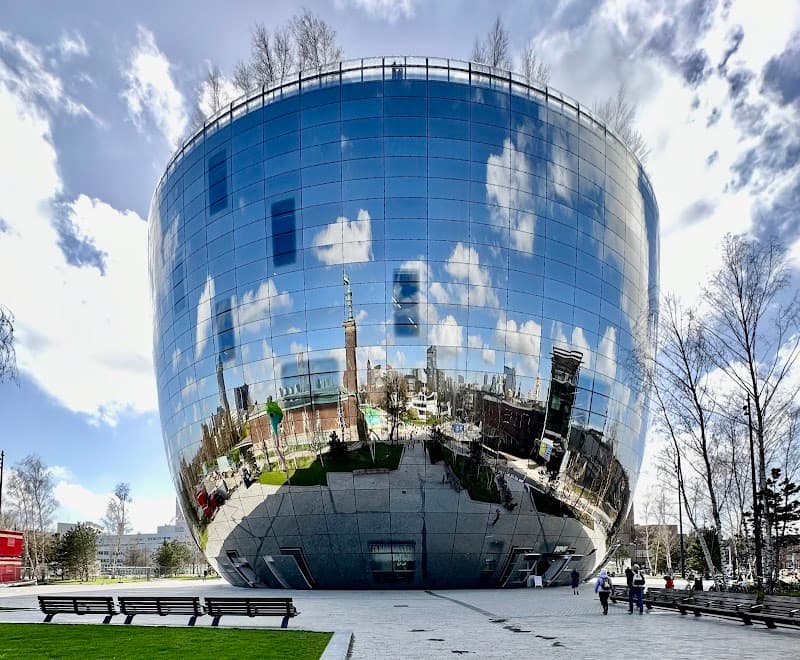
Rotterdam was almost completely flattened by German bombing on May 14, 1940. Nearly the entire historic city center was destroyed in a single raid. Rather than trying to recreate what was lost, the city rebuilt itself as a testing ground for modern architecture — which is exactly why you get the Markthal, the Cube Houses, the mirrored Depot building, and a skyline that looks nothing like any other Dutch city.
That history shapes everything. Rotterdammers have a working-port identity and a direct, no-nonsense attitude that locals are openly proud of. They'll tell you Amsterdam is prettier — and they don't care.
The city is home to about 170 nationalities. Indonesian, Surinamese, Turkish, and Moroccan communities have all left deep marks on the food scene, the neighborhoods, and the street culture. The Rotterdam dialect (Rotterdams) is considered rough even by Dutch standards.
Locals use it as a point of pride. You'll notice directness in conversation that might read as bluntness elsewhere. It isn't.
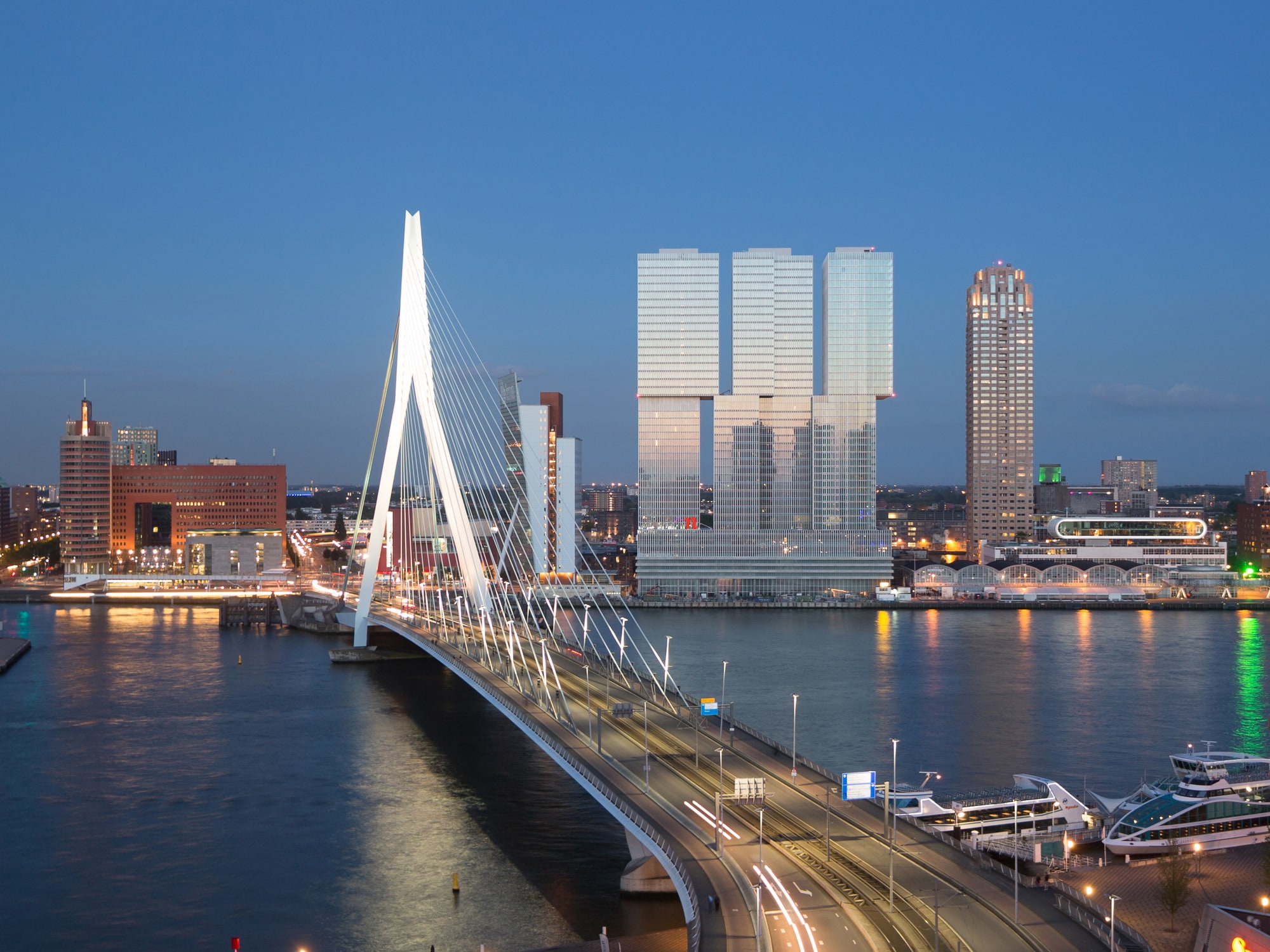
And here's the thing about Rotterdam's relationship with design: the city genuinely uses architecture as civic identity, not just tourism bait. The Erasmus Bridge isn't just a pretty photo — locals actually call it De Zwaan (The Swan) with real affection.
Local Customs
BLUNT & DIRECT CULTURE
Rotterdam people are direct. Blunt, even. Don't mistake short answers or a lack of small talk for rudeness — it's genuinely just how communication works here.
The Dutch have no patience for beating around the bush.. Tipping is not mandatory and service is included by law in Dutch restaurant bills. Rounding up or leaving 5-10% for good service is appreciated but nobody will chase you out the door if you don't..
Cyclists have right of way. Pedestrians don't. If you walk in a bike lane, you will get a bell, a shout, or a near-miss.
The painted red lanes on the pavement are not for walking — stay off them.. Almost everywhere in Rotterdam is cashless or strongly prefers cards. The Netherlands is one of the most card-reliant countries in Europe.
Contactless works at most places including public transport. Carry a small amount of cash for markets and very small independent stalls only.. Rotterdam has a strong 'work city' identity that separates it from Amsterdam's tourist-heavy reputation.
Locals are proud of this. Don't compare the two cities favorably to Amsterdam while in Rotterdam — it's the local equivalent of saying you prefer the other team.. Punctuality matters.
If you've made plans with a local and said a time, that's the time. Showing up 20 minutes late without notice is considered genuinely rude, not just casual.. Gezelligheid (the concept, not just the word) is real.
Sitting at a café table for three hours with one coffee and good conversation is totally normal and not frowned upon — nobody will rush you out.. Shoes off when entering someone's home. This is standard across the Netherlands and applies in Rotterdam too.
Safety
VERY SAFE CITY
Rotterdam is genuinely safe by European standards. The crime index sits at 29.1 with a safety index of 70.
9, and 92 out of 100 visitors say they feel completely safe during the day. The main risks are ordinary city stuff: pickpocketing near Markthal, Rotterdam Centraal, and crowded tourist spots, plus bicycle theft (lock your rental well). Violent crime against tourists is rare.
At night, stick to the well-lit center around Witte de Withstraat and Centrum — these stay active and feel secure. Avoid Charlois, Spangen, and parts of Feijenoord after dark, not because they're dramatic danger zones, but because they're less forgiving of careless wandering and further from help. Industrial waterfront zones feel deserted and uncomfortable late at night even if they're not specifically dangerous.
Solo female travelers consistently rate Rotterdam in the top 15 globally for safety. Emergency number is 112. Tap water is safe and excellent quality.
Getting Around
METRO, TRAM & WALK
Rotterdam's public transport (RET) covers the whole city with metro, tram, and bus. The metro is fast — five lines labeled A through E, with Beurs station as the main hub. Line E (RandstadRail) connects all the way to The Hague.
The system is transitioning from the OV-chipkaart to OVpay: as of early 2026, you can now tap in and out directly with a contactless debit card, credit card, or phone — Maestro, V PAY, Mastercard, and Visa all work, including non-Dutch bank accounts. The OV-chipkaart still works through at least 2027. For tourists doing multiple trips, the Rotterdam City Card (€1/2/3 days) is the best deal: unlimited RET travel plus 25% or more off major attractions.
Buy it at Rotterdam Centraal or tourist info points. A standard 2-hour ticket costs around €4.50; always tap in and tap out or you'll be charged the maximum fare.
The water taxi across the Maas costs €4 and is genuinely useful for crossing between north and south Rotterdam. Bike share via OV-fiets is €4.80 per 24 hours — pick up at Rotterdam Centraal.
Most of the center is very walkable. Skip rental cars entirely; parking is expensive and the public transport is excellent. For getting to Kinderdijk windmills, take metro line D to Ridderkerk and then a waterbus, or join a day-trip boat from Erasmusbrug.
Useful Phrases
Rotterdam Itineraries
View all
Rotterdam Adventure & Architecture Escape (5-Day Plan)
Weekend · $$$
Rotterdam in 7 Days: Jungle-Urban Sights, Halal Eats, Easy Flow
Week · $$$
Rotterdam Jungle Wild: A 3-Day Urban Escape
Weekend · $$$
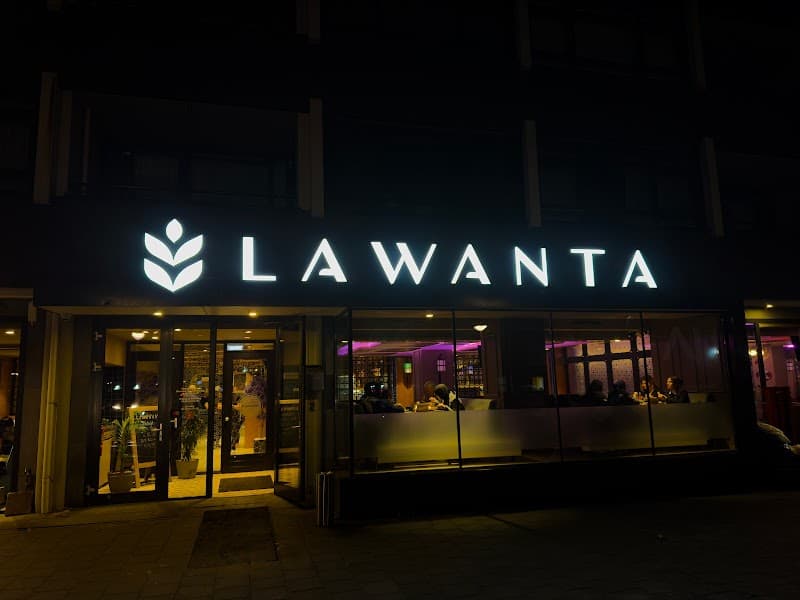
Rotterdam Jungle Vibes: A 3‑Day Urban Wild Escape
Day Trip · $$$
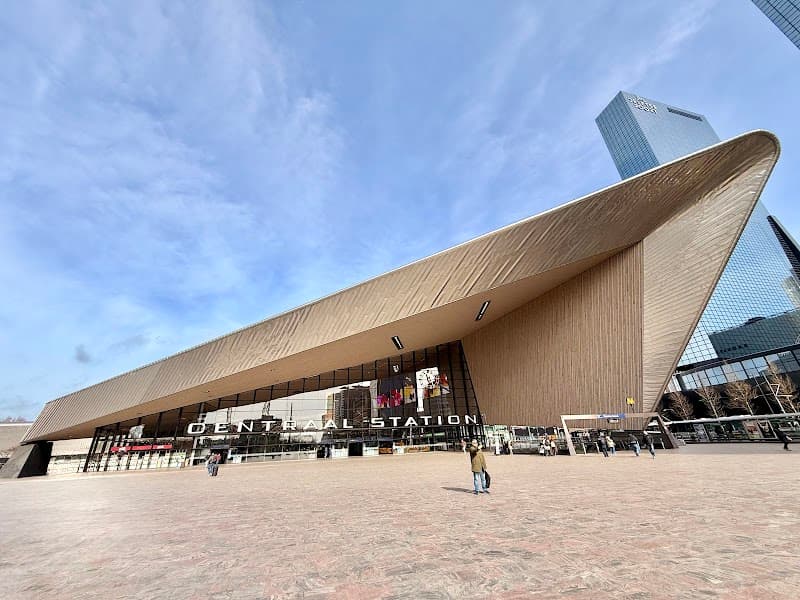
Rotterdam in Bloom: Romantic Cityscape, Green Calm, and Halal Bites
Week · $$$
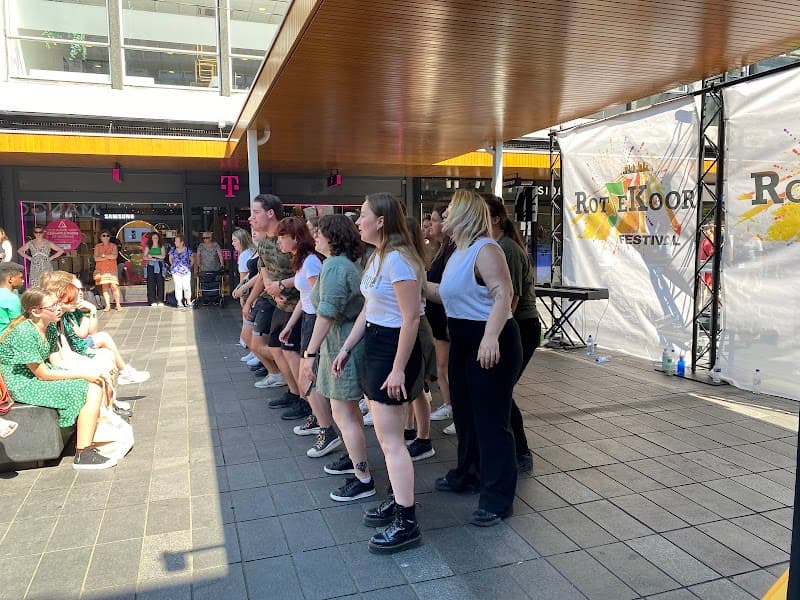
Rotterdam Jungle Romance: 3 Days of Urban Wild
Weekend · $$$
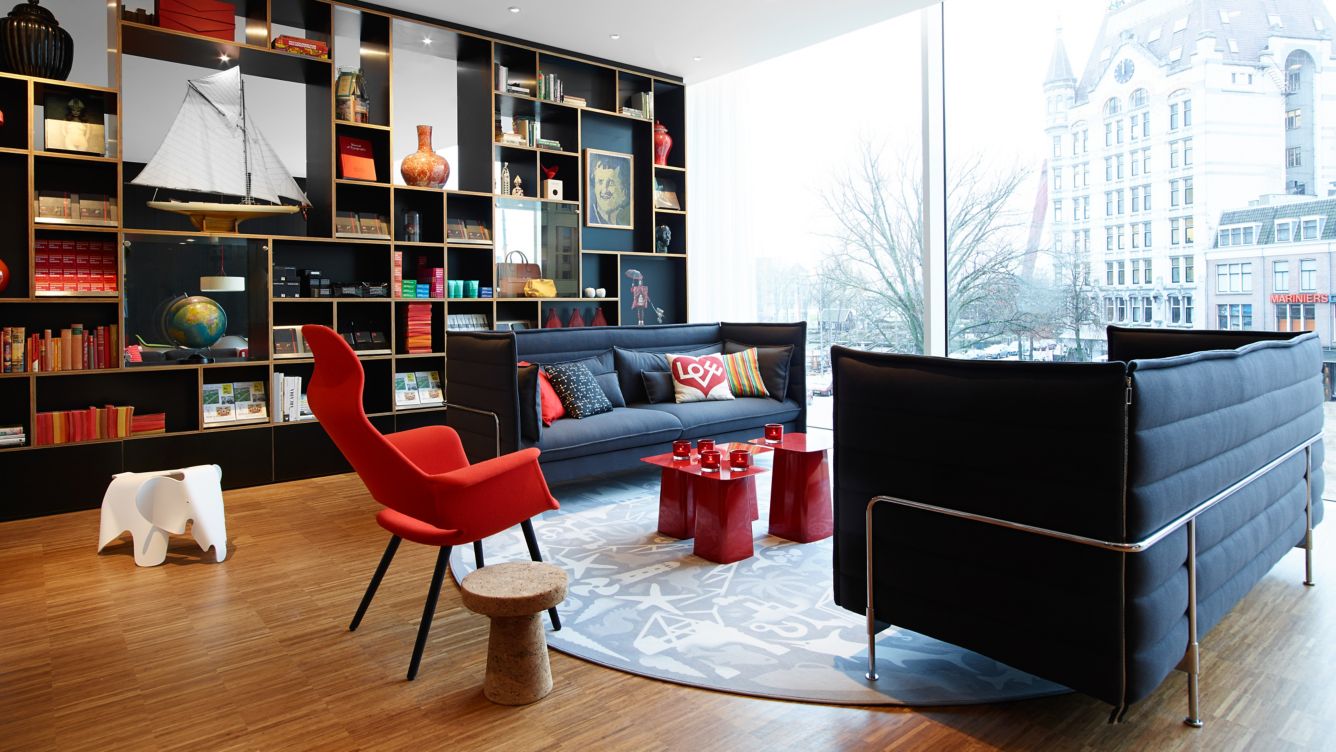
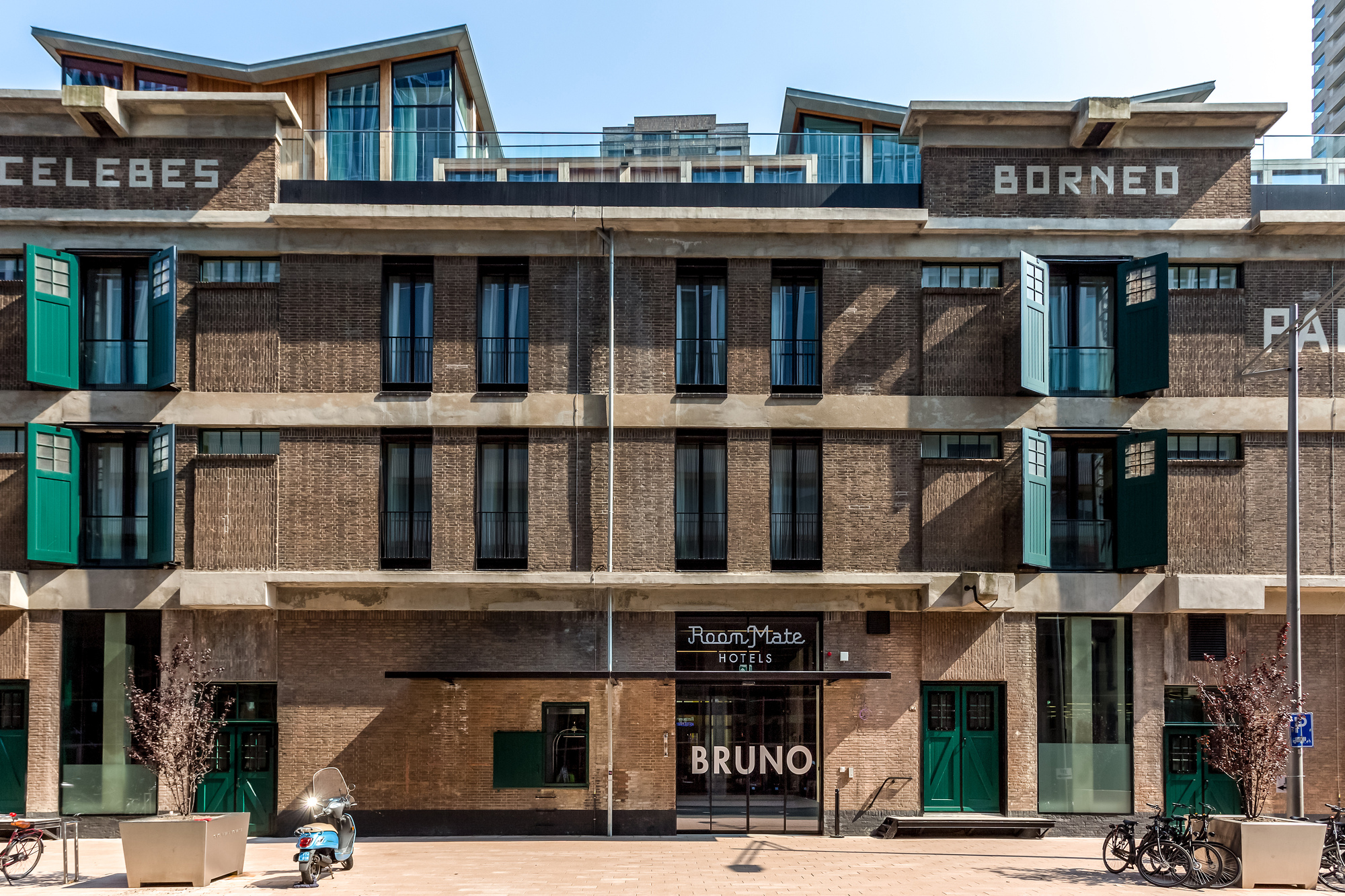
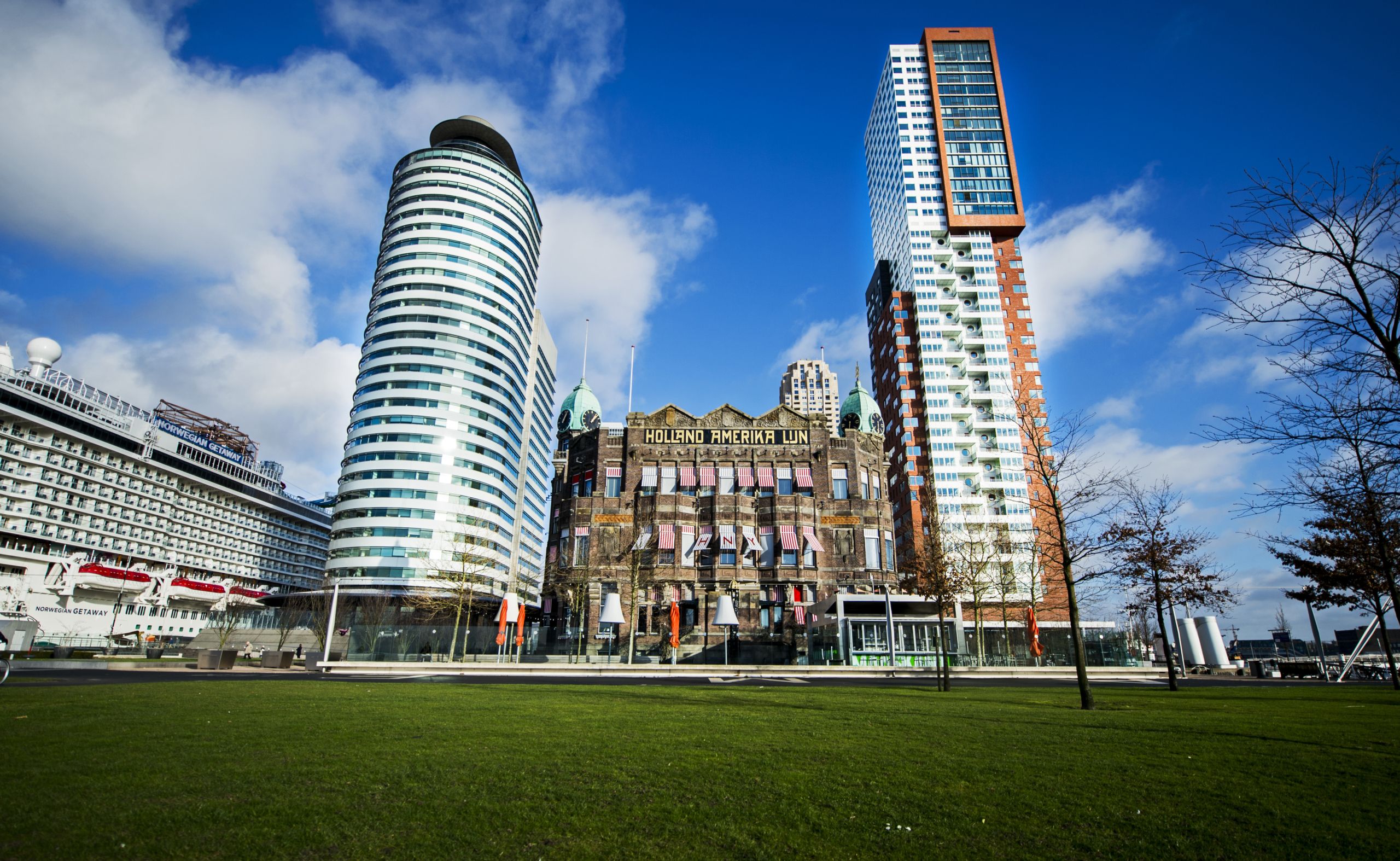
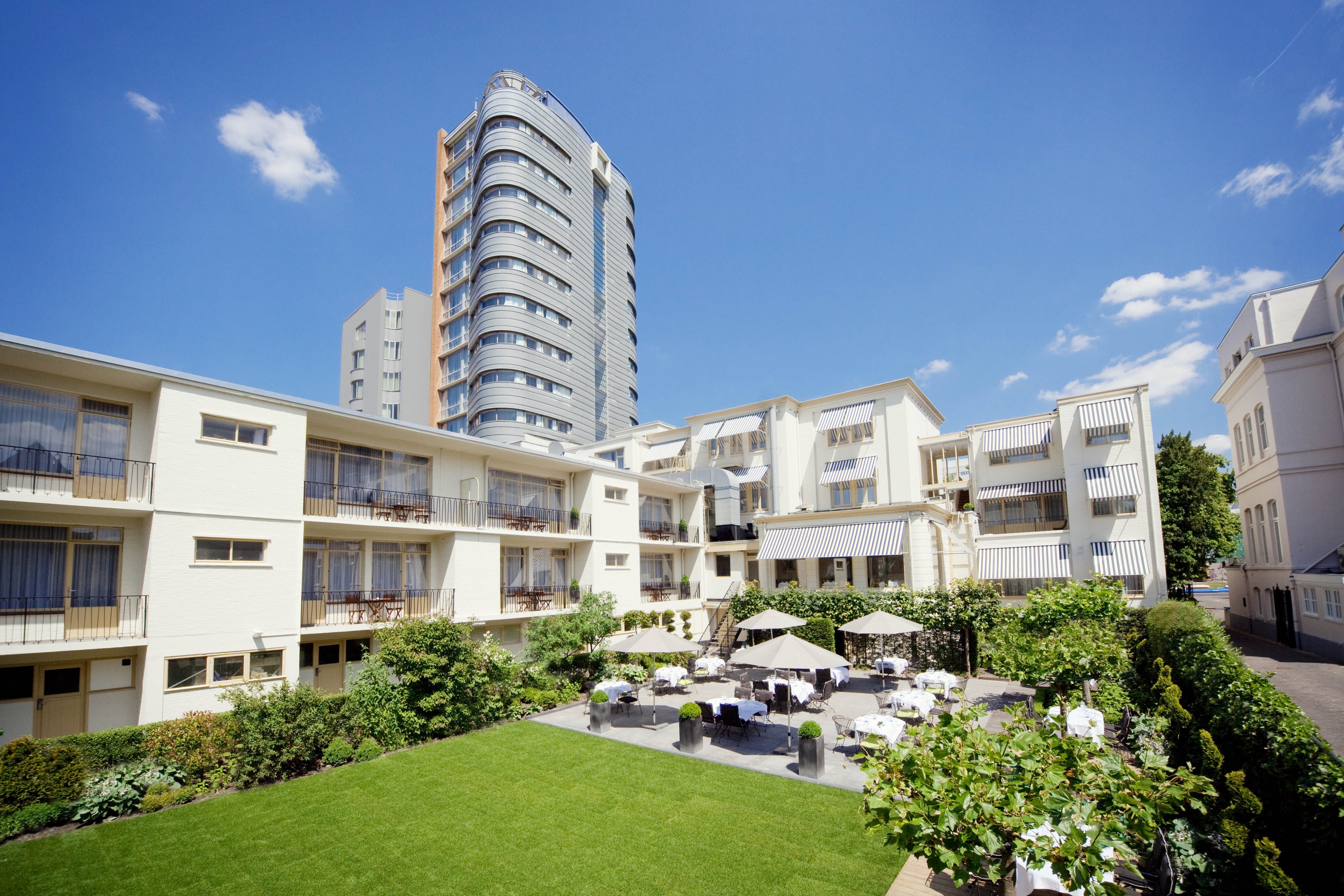
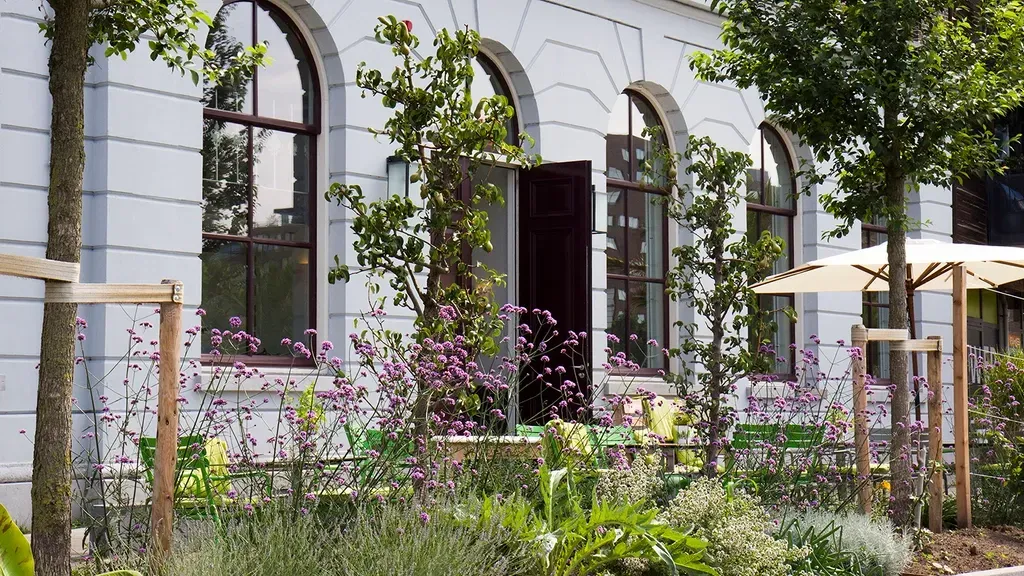
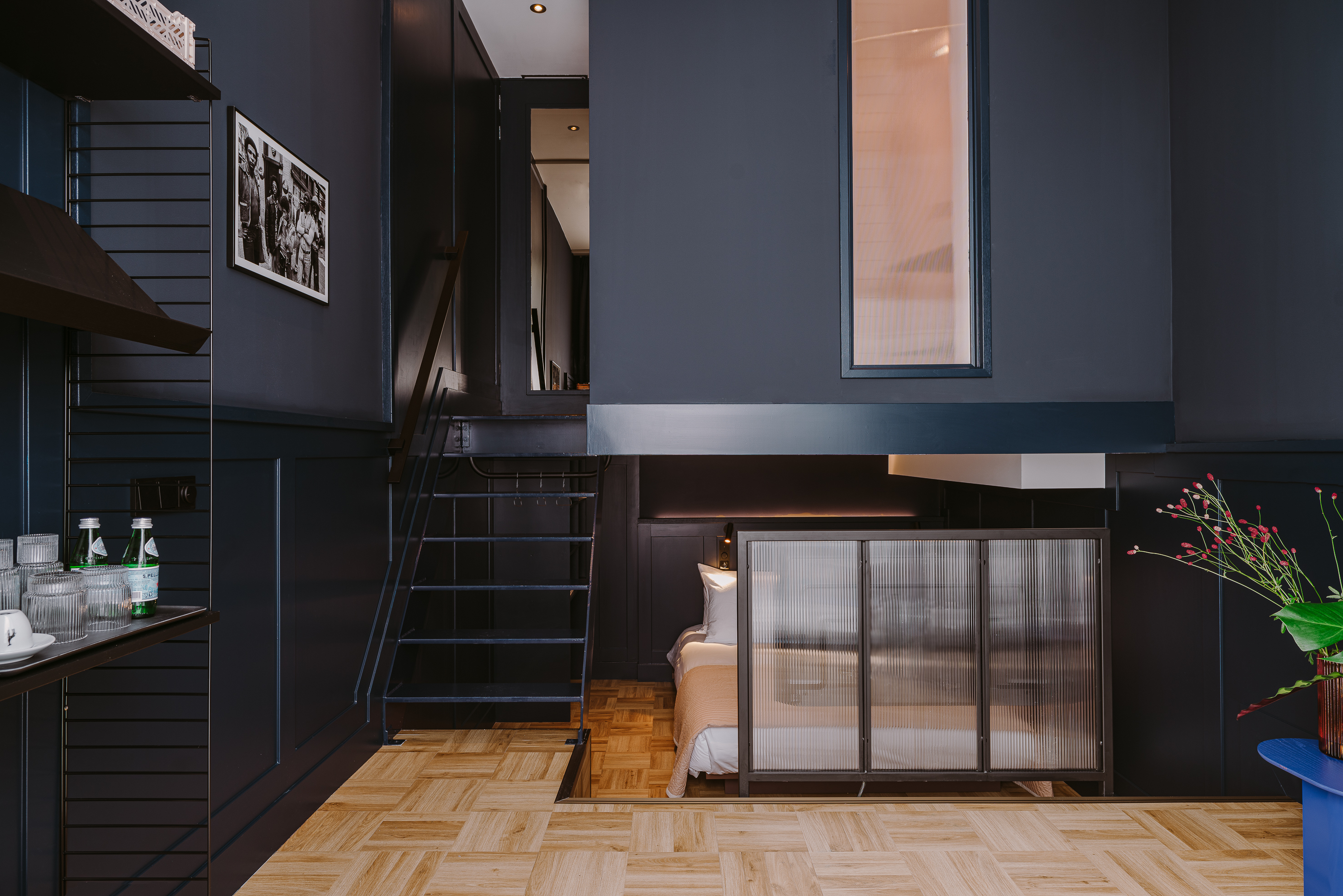
Where to Stay in Rotterdam
9 recommended properties

Things to Do in Rotterdam
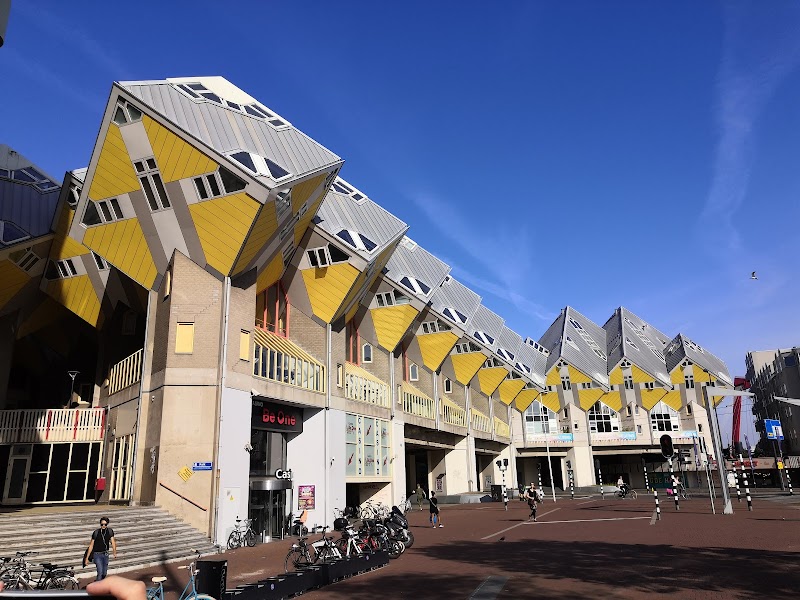
Cube Houses and Kijk-Kubus
Blaak / Old Harbor · 75 min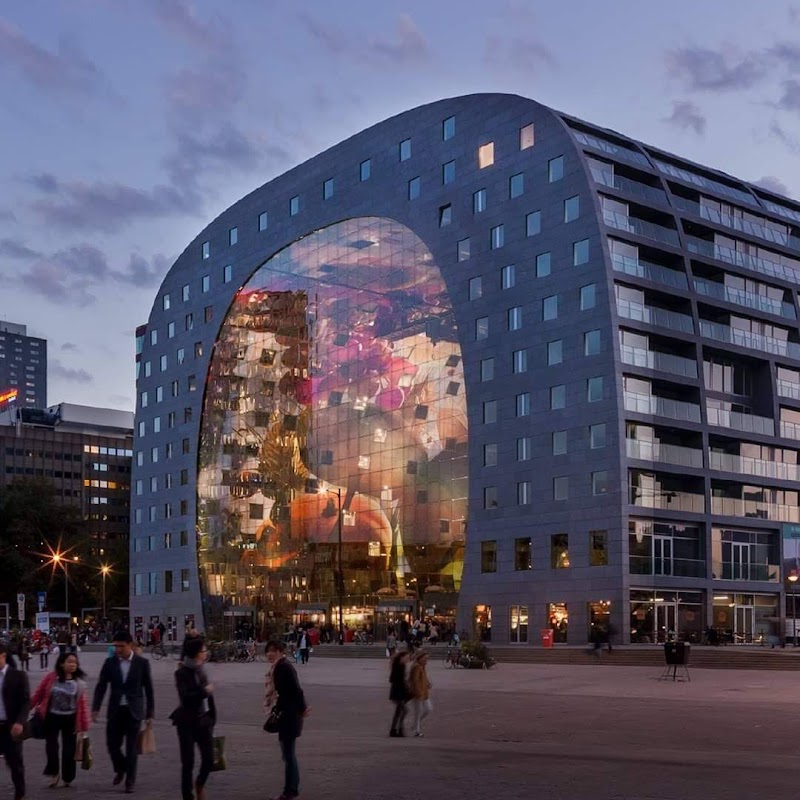
Markthal
Blaak / Old Harbor · 60 min
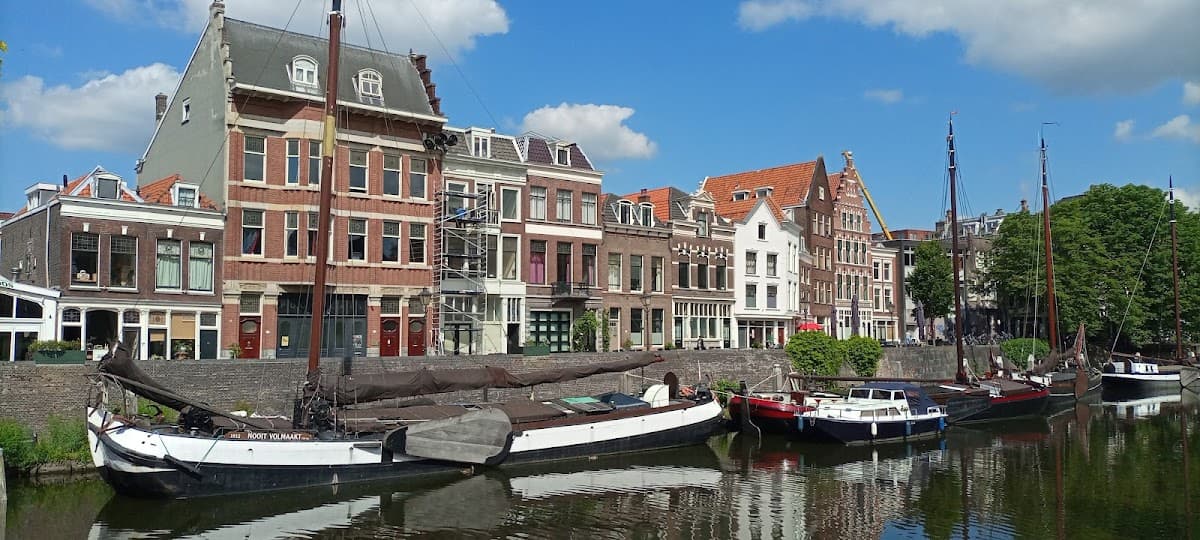
Old Harbor Walk
Blaak / Oude Haven · 60 minMoney-Saving Tips
- 1.Buy groceries at Albert Heijn XL near Blaak station – it's cheaper than tourist-area supermarkets and stays open until 10pm
- 2.Happy hour at most bars runs 5-7pm with €3-4 beers instead of the usual €6-7
- 3.The Rotterdam Welcome Card (€15 for 1 day) includes public transport and museum discounts – worth it if visiting 2+ attractions
- 4.Lunch menus at upscale restaurants cost 40-50% less than dinner – same food, smaller portions
- 5.Free walking tours meet daily at 2pm from the Markthal – tip-based and led by local guides
- 6.Rent a bike for the day (€12) instead of using public transport (€8.50 day pass) – you'll save money and see more
Travel Tips
- •Download the 9292 app for real-time public transport info – it works better than Google Maps for buses and trams
- •Most museums close on Mondays, but the Markthal and Cube Houses are open daily
- •Carry cash for small cafés and food stalls – many don't accept cards under €10
- •The Erasmus Bridge lights up in different colors at night – best photos from the Kop van Zuid side
- •Book restaurant tables for Friday/Saturday nights – Rotterdam's food scene is smaller than Amsterdam but just as popular
- •Pack layers year-round – the harbor wind makes it feel colder than the forecast suggests
- •Learn to pronounce 'Rotterdam' correctly: ROT-ter-dahm, not ROT-ter-dam