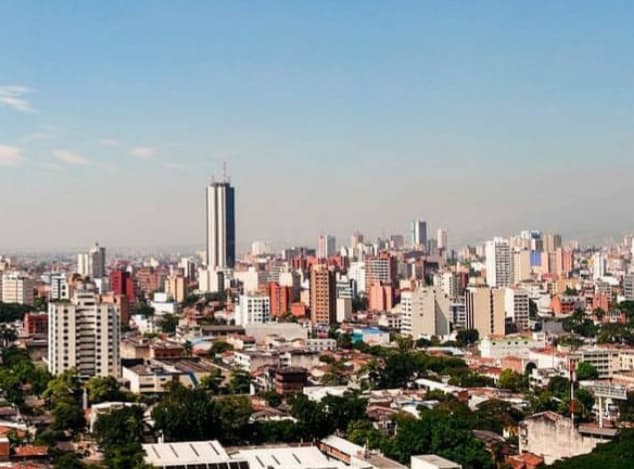
Cali
Colombia's salsa capital with infectious energy
Cali doesn't mess around when it comes to rhythm. This is Colombia's salsa capital, where the music never stops and the energy is absolutely infectious. But here's what most people don't know — beyond the legendary dance floors, Cali serves up some of Colombia's best street food, has neighborhoods that feel like art galleries, and sits perfectly positioned for incredible day trips to coffee farms and colonial towns. The locals call it "La Sucursal del Cielo" (Heaven's Branch Office), and after spending time here, you'll understand why. It's got that laid-back Caribbean vibe mixed with serious cultural depth, making it perfect for travelers who want authentic Colombia without the tourist crowds of Cartagena or Bogotá.
Best Months
JAN · FEB · JUN · JUL · AUG · DEC
~29°C · high crowds
Culture & Context
SALSA CAPITAL PULSES HERE
Cali is Colombia's third-largest city and the self-declared salsa capital of the world. That's not marketing copy. People here actually live their lives to the soundtrack of salsa.
It pulses from storefronts, taxis, apartment windows, and birthday parties. The city sits in the Cauca River valley at around 1,000 meters elevation, which means warm weather essentially year-round without being punishing. Afro-Colombian culture runs deep, shaping the food, music, and community identity in ways you won't find in Medellín or Bogotá.
Cali is one of the oldest cities in the Americas, founded in 1536, and you can feel that age in the colonial hillside barrio of San Antonio. But it's also a city still wrestling with infrastructure gaps, real crime concerns, and the lingering shadow of its narco-era past. Most visitors leave wanting to come back.
The caleños (people from Cali) are known for being warm, expressive, and fiercely proud of where they're from. And look, salsa isn't just a thing to watch here. Locals expect you to try it.
Local Customs
SALSA, THEN ALMUERZO, ALWAYS
Salsa is social currency here. You don't have to dance well, but you do have to try. Refusing to get up at a salsa club when someone invites you is considered a bit rude.
Just go for it.. Caleños use 'vos' instead of 'tú' for second-person informal. If someone addresses you as 'vos,' they're being friendly and local with you.
It's a regional thing.. Almuerzo (set lunch) is the main meal of the day. Most local restaurants offer a 3-course almuerzo del día for under $5 USD between noon and 2:30pm.
Eat when the locals eat.. Colombians in Cali dress well, even for casual outings. Showing up to a nice restaurant or bar in flip-flops and a tourist t-shirt will mark you immediately as someone who hasn't figured that out yet..
Always greet before asking for anything — at a shop, a restaurant, anywhere. Just 'Buenas tardes' or 'Buenos días' before launching into your question goes a very long way.. Ordering a taxi by calling your hotel or using an app (Uber, Cabify, InDriver) is the norm.
Getting in a random yellow cab hailed on the street carries real risk of scams or worse.. The political conversation is sensitive. Avoid asking caleños about the drug trade, cartel history, or making any Pablo Escobar jokes.
It's embarrassing and offensive in equal measure.. Tipping is appreciated but not mandatory. At restaurants, 10% is standard if service charge isn't already included.
Check the bill — a 'propina voluntaria' line often appears automatically.
Safety
WATCH YOUR PHONE CLOSELY
Cali requires more active safety awareness than most tourist destinations in South America. That's just the honest reality. The good news: the risks are largely predictable and manageable if you follow a few consistent rules.
Phone snatching is the most common issue for tourists. Locals have a phrase for this: 'dar papaya' (making yourself an easy target). Keep your phone in your pocket when walking. Don't check Google Maps on the street. Step into a shop or cafe to look at your phone if you need directions.
Use app-based taxis only. Uber, Cabify, and InDriver all operate in Cali. Do not hail a random yellow cab off the street — express kidnappings involving unofficial taxis are documented. Your hotel can also call a trusted company.
Scopolamine (a drug slipped into drinks) is a real risk in nightlife settings. Never accept food or drinks from strangers, including at clubs. Only drink from sealed bottles or drinks you've watched being poured.
Stick to the safer neighborhoods: San Antonio, Granada, El Peñón, and Ciudad Jardín. Avoid Siloe, Terrón Colorado, and Aguablanca entirely. If a local tells you not to go somewhere, believe them.
As of April 2026, there have been reported explosive attacks in the broader Valle del Cauca department (outside the city). The city of Cali itself is excluded from the US State Department's Level 4 'Do Not Travel' designation that covers surrounding areas, but the US State Dept still lists Colombia overall at Level 3 (Reconsider Travel). Check current government advisories from your home country before departing.
The emergency number in Colombia is 123. Tourist police can be reached at (1) 337-4413. Always have travel insurance that covers medical evacuation — private emergency transport costs can spike without it.
Getting Around
APP TAXIS & MIO BUS
Getting there: Cali is served by Alfonso Bonilla Aragón International Airport (CLO), about 15-20km from the city center. A taxi or Uber to downtown costs around 60,000 COP ($15) and takes roughly 50 minutes depending on traffic. The city has a reputation for brutal congestion, so build in extra time during rush hours.
Getting around: The MIO (Masivo Integrado de Occidente) is Cali's integrated public transit system, running since 2008. It uses a rechargeable smart card available at stations. Fares are under 3,500 COP (under $1 per ride) and it covers most neighborhoods. It can be crowded during peak hours, and the route system takes some getting used to. Good for daytime travel on main corridors.
Taxis: Official Cali taxis are yellow and numbered. Always book via an app (Uber, Cabify, InDriver) or have your hotel call one. Minimum fare is around 5,500 COP ($1.40), with a small surcharge on Sundays and evenings after 8pm. Most city trips run 12,000–30,000 COP ($3–8).
Bikes: Cali has a bike-sharing system for short urban trips. Works fine in flat central areas; less practical on the hillier streets around San Antonio.
Driving yourself: Traffic in Cali is genuinely terrible. The city also operates a Pico y Placa system (rotating vehicle restrictions by license plate number on weekdays during rush hours). Most expats and long-term visitors skip car ownership entirely.
Between cities: The bus terminal (Terminal de Transportes de Cali) is about 15 minutes by taxi from downtown. Long-distance buses run to Bogotá, Medellín, and the coast. Do not take night buses between cities. Flying is the recommended alternative for longer routes.
Useful Phrases
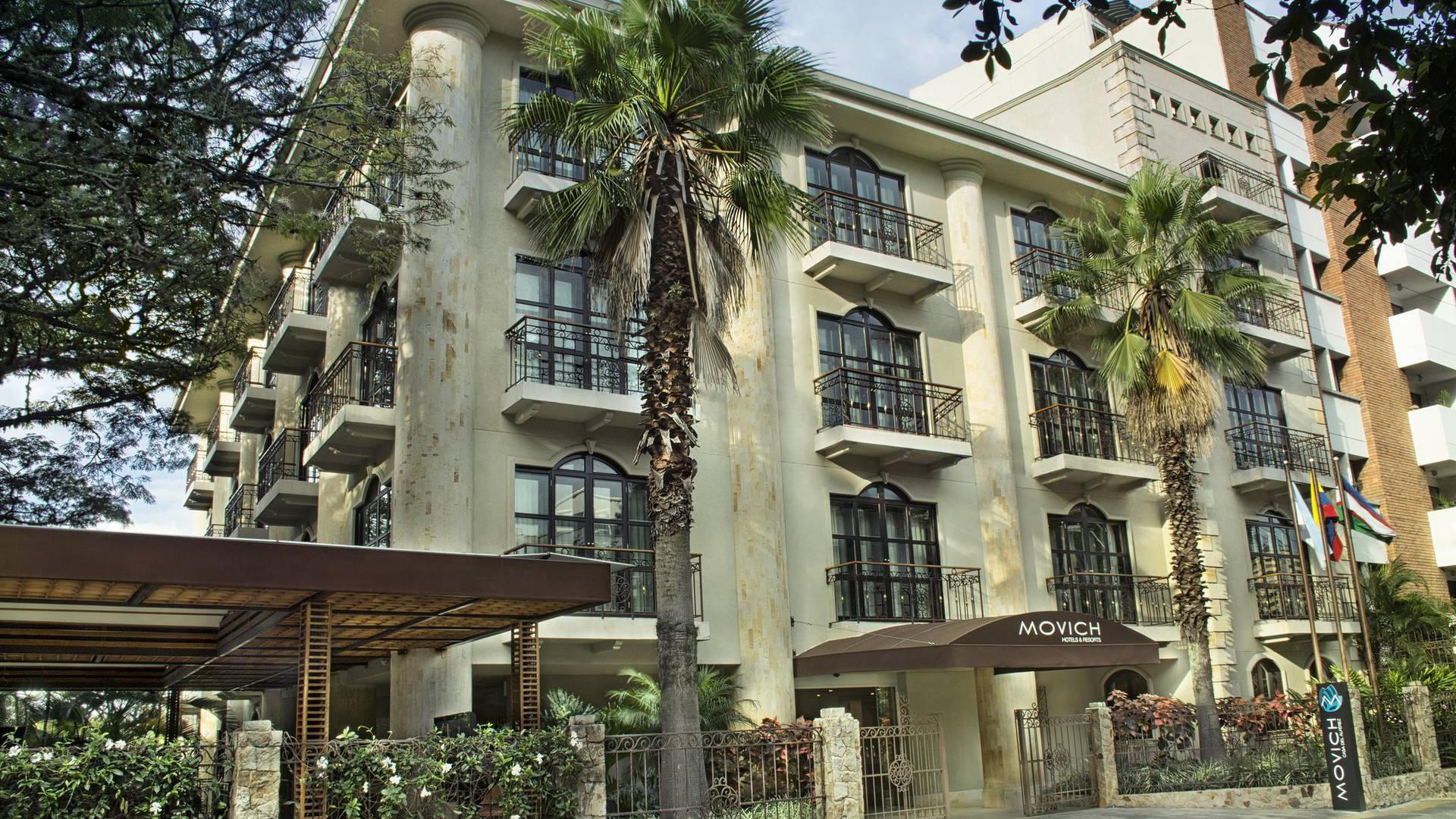
Where to Stay in Cali
1 recommended properties
Money-Saving Tips
- 1.Eat at La Galería market's food court — authentic meals for $3-5 versus $15+ at tourist restaurants
- 2.Take MIO buses instead of taxis for short trips — save $2-3 per ride across the city
- 3.Buy lulada from street vendors ($1.50) rather than restaurants where it costs $4+
- 4.Stay in Granada neighborhood to walk to most attractions instead of paying for transport
- 5.Visit during June-August for 20% lower hotel prices compared to December-February peak season
- 6.Negotiate taxi fares upfront — tourists often get quoted double the local rate
Travel Tips
- •Download Google Translate with camera feature — most menus and signs are Spanish-only
- •Bring cash — many local restaurants and markets don't accept cards
- •Pack light rain jacket even in dry season — afternoon showers can pop up unexpectedly
- •Learn basic salsa steps before arriving — locals love teaching visitors but appreciate effort
- •Start nightlife late (11 PM+) to match local schedules — arriving at 8 PM means empty clubs
- •Use Uber instead of street taxis at night for safety and fixed pricing
- •Try street food gradually — start with cooked items before raw fruits to adjust your stomach
- •Book accommodations early for December — Feria de Cali fills up the entire city