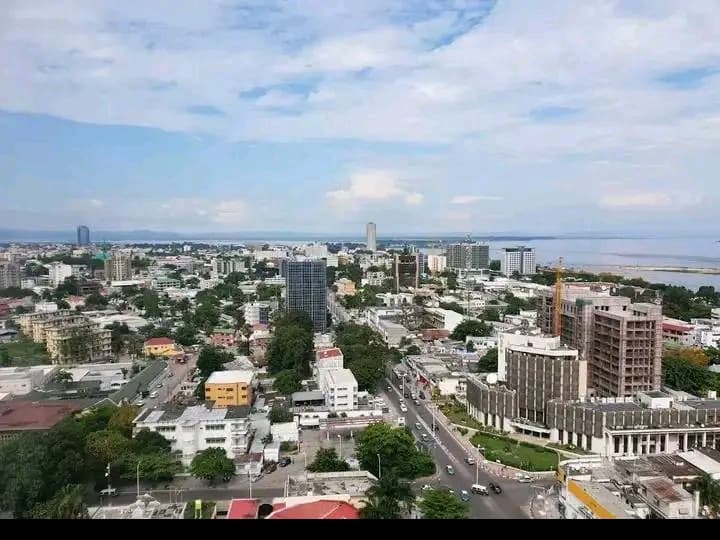
Brazzaville
Congo River Capital Rich in Music and Culture
Brazzaville sits on the Congo River like a city caught between two worlds. French colonial buildings share streets with modern art galleries, while soukous music spills from bars into the humid evening air. This isn't your typical African capital — it moves at its own rhythm, unhurried and unapologetic. The city faces Kinshasa across the river, creating one of the world's closest capital pairs, but Brazzaville keeps its own distinct personality. Street vendors sell grilled fish by the riverbank while artists work in studios tucked behind the main boulevards. It's a place where conversations happen over palm wine and time moves differently.
Best Months
MAY – SEP
~29°C · high crowds
Culture & Context
CONGO RIVER HEARTBEAT
Brazzaville sits on the north bank of the Congo River, staring straight across at Kinshasa. Two capital cities, separated by maybe 4 km of water. It's the closest two national capitals get to each other anywhere on earth.
And yet the vibe could not be more different. Brazzaville is the quiet one. The one that lets you think.
Founded in 1880 by Franco-Italian explorer Pierre Savorgnan de Brazza, it went on to become the capital of Free France during WWII when de Gaulle set up shop here. That history still marks the city. The Basilique Sainte-Anne, the colonial boulevards, the Art Deco remnants downtown.
French is the official language, but you'll hear Lingala and Kituba constantly. The Poto-Poto School of Painting, founded in 1951, produced internationally recognized artists and still functions today. Music is everywhere.
Congolese rumba and ndombolo pulse out of bars along Rue de la Paix until the grid shuts down around 2 AM. La SAPE (the Society of Ambianceurs and Elegant People) started here in Bacongo, where dressing in elaborate French-tailored suits is a genuine art form and social statement. The Congo River isn't just a backdrop.
It's the city's heartbeat, a working highway of pirogues, fishermen, and ferry crossings that have been happening since before the city had a name.
Local Customs
GREET FIRST, ASK SECOND
Greet before you ask for anything. Seriously, walking up to someone without a proper 'Mbote' or 'Bonjour' first is considered rude. The greeting matters more than the conversation that follows..
Use both hands when giving or receiving something from an elder. One hand is fine among peers, but two hands signals respect and goes a long way.. Bargaining is expected at Marché Total and most street markets.
Start around 40-50% of the asking price and work toward something both sides can live with. Keep it friendly. Aggressive haggling makes locals uncomfortable..
Photography is sensitive. Always ask before pointing a camera at people, and absolutely never photograph government buildings, the Presidential Palace, or military infrastructure. People have had cameras confiscated for less..
LGBTQ+ travelers should be discreet. Same-sex relations are criminalized in the Republic of Congo, and social attitudes are conservative. Urban Brazzaville offers more anonymity than rural areas, but this is not a destination where visibility is safe..
Dress modestly outside of hotels and expat spaces. This is a majority Christian city with traditional values, and shorts or revealing clothing draw unwanted attention, especially for women.. Power cuts happen regularly, sometimes mid-evening.
Always carry a portable charger and a flashlight. Don't assume your hotel has reliable backup generators.. Drinks or food from strangers should be politely declined.
Petty crime occasionally involves drugging tourists, particularly in bars frequented by foreigners.
Safety
DAYTIME SAFE, NIGHT CAUTIOUS
Brazzaville is considered relatively safe by Central African standards, but that's not an excuse for dropping your guard. The US State Department advises exercising increased caution due to crime. Most incidents involving foreigners are financially motivated: opportunistic theft, pickpocketing, mugging, and occasional burglaries. Violent crime involving weapons exists, particularly in the outlying northern and southern neighborhoods where armed gang activity has been reported. Stick to Centre-Ville, Poto-Poto, Bacongo, and Moungali during the day. After dark, stay in well-lit, busy areas and take taxis rather than walking. Ninety percent of residents and visitors report feeling safe during the day; that number drops at night.
For taxis: only use the official green-and-white taxis in Brazzaville. Negotiate the fare before you get in. Meters don't exist. A short in-city ride runs around 1,500 CFA (~$2.50). Motorcycle taxis (moto-taxis) are faster in traffic but skip them if you value your knees; road conditions are rough and accidents happen. The ferry to Kinshasa runs from the port on the Congo River, operating 8 AM to 4 PM daily (stops at noon on Sundays). It can close with minimal notice, and you need a separate DRC visa to cross.
Health-wise: yellow fever vaccination is legally required for entry. Malaria prophylaxis is strongly recommended. Don't swim in the Congo River or any unchlorinated freshwater. Schistosomiasis is present. Medical care in Brazzaville is limited; get comprehensive travel insurance that covers medical evacuation before you arrive. The Pool Department and areas within 50 km of the Central African Republic border carry significantly higher risk and should be avoided entirely.
Getting Around
SHARED TAXIS & FERRIES
Flights arrive at Maya-Maya Airport (BZV) in the Moungali district. Shared taxis (called "taxi collectif") are the cheapest way around the city at 300-500 CFA per ride if you don't mind waiting for the car to fill up. Private taxis run around 1,500 CFA for a short hop; negotiate before you get in because meters do not exist.
Only use official green-and-white taxis. Moto-taxis are fast and cheap but road conditions are bad and accidents are common. Wear a helmet if you take one.
The Congo River ferry to Kinshasa runs from the city port, 8 AM-4 PM daily. Budget around $20 for the crossing and a day of meals on the other side. Schedules are weather-dependent and can change without much notice, so always check the day before.
For day trips outside Brazzaville, a 4WD is non-negotiable. Most roads outside the city become impassable in the rainy season (September-December and February-May) when the red clay turns into something that eats shoes and tires. Do not drive at night.
Street lighting is sparse, and other drivers frequently use no headlights.
Useful Phrases
Money-Saving Tips
- 1.Bring US dollars or euros to exchange - CFA francs are hard to get outside Central Africa
- 2.ATMs work sporadically, so carry cash for most transactions
- 3.Negotiate taxi fares before getting in - meters don't exist
- 4.Street food costs 1,000-2,000 CFA francs, restaurant meals 4,000-8,000 CFA francs
- 5.Hotel prices double during festival season (June-August)
- 6.Tipping 10% is appreciated at restaurants but not expected
- 7.Buy phone credit in small denominations - network coverage varies by area
Travel Tips
- •Learn basic French phrases - English speakers are rare outside hotels
- •Pack lightweight, breathable clothes and a good rain jacket
- •Bring malaria prophylaxis and insect repellent
- •Download offline maps - internet connectivity can be unreliable
- •Respect photography restrictions near government buildings
- •Carry copies of your passport - police checkpoints are common
- •Book accommodations in advance during dry season (May-September)
- •Try palm wine at local bars but stick to bottled water for drinking