Belgrade
Balkan soul meets vibrant nightlife and resilient spirit
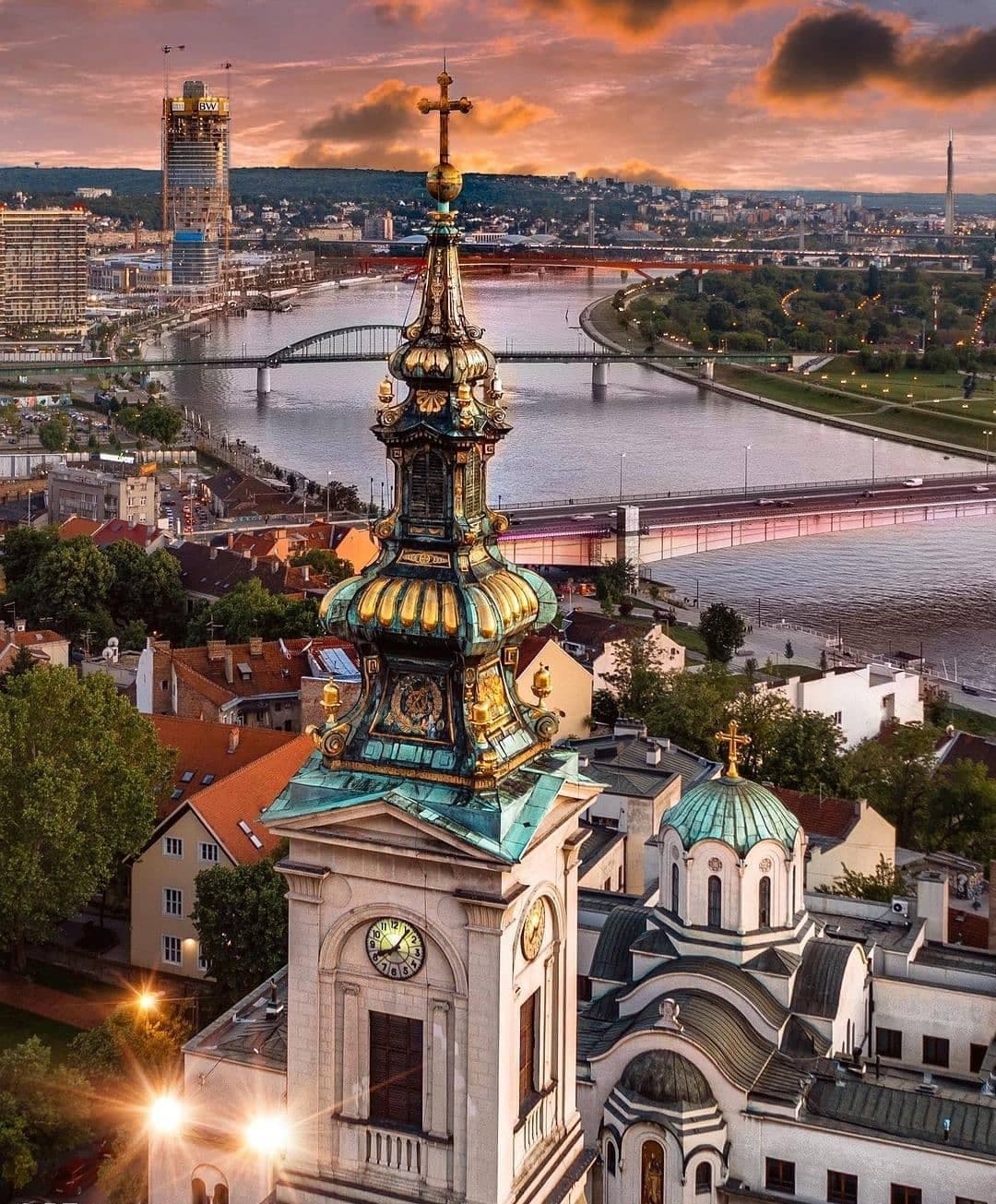
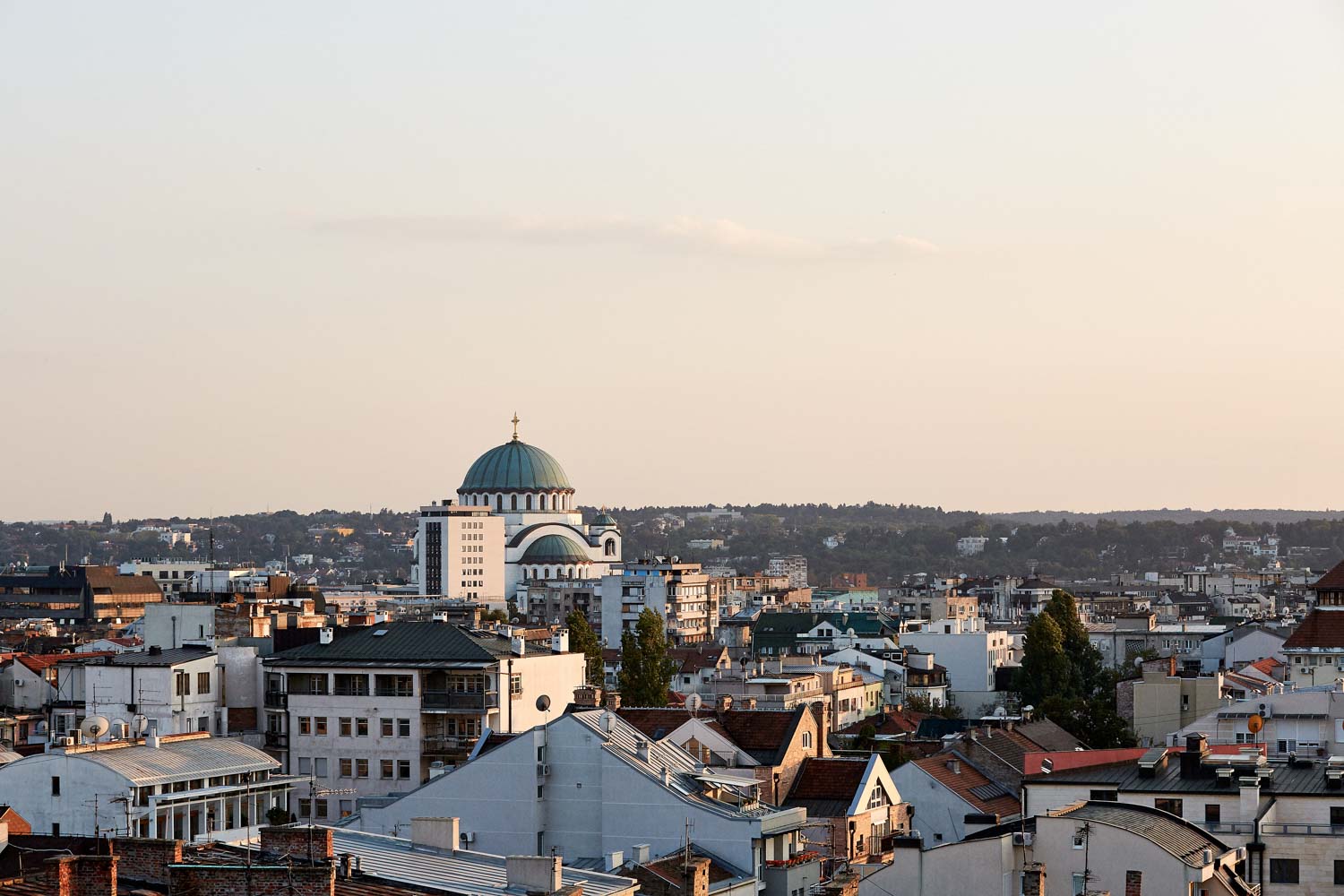
Belgrade hits different. This is a city that's been conquered, rebuilt, and partied through it all — and somehow that resilience shows up in everything from the graffiti-covered buildings to the way locals dance until sunrise on floating barges. The Serbian capital doesn't try to impress tourists with polished facades. Instead, it offers something rawer: authentic Balkan hospitality, world-class nightlife that puts Berlin to shame, and prices that'll make your wallet happy. You'll find Ottoman-era architecture next to brutalist concrete, traditional kafanas serving alongside trendy rooftop bars, and a cultural scene that's both deeply rooted and constantly evolving.
Best Months
APR · MAY · JUN · SEP · OCT
~21°C · moderate crowds
Culture & Context
RAZED AND REBUILT KAFANAS
Belgrade sits at the confluence of the Sava and Danube rivers and has been razed and rebuilt dozens of times throughout history — it's been under Ottoman, Austro-Hungarian, and Yugoslav rule, and the layers show in the architecture, the attitude, and the food. The city went through serious trauma in the 1990s with wars, sanctions, and NATO bombing in 1999. That last part still stings for some locals, particularly the older generation, so if you're American, just read the room before launching into geopolitics at the bar.
Younger Serbs are generally worldly, speak excellent English, and couldn't care less. The kafana culture — basically a Serbian pub crossed with a restaurant and a music hall — is central to social life here. Coffee drinking is a ritual, not a caffeine delivery mechanism.
Expect to sit for a while. The city also has a serious electronic music and nightlife reputation that draws people from across Europe, and the splavovi (floating river clubs) are genuinely unlike anything in Western Europe.
Local Customs
COFFEE RITUAL, NOT RUSH
Greeting with a firm handshake is standard. Eye contact is expected and considered respectful — don't look away mid-handshake.. Coffee is a social event, not a quick stop.
Ordering a coffee often means sitting for an hour or more. Don't rush it.. If invited to someone's home, remove your shoes at the door.
Bring a small gift — sweets, flowers, or a bottle of wine.. Wait for the host to start eating before you dig in. Sharing food is common, and it's polite to try everything offered..
Tip around 10% in restaurants if the service was good. It's appreciated but not mandatory in casual spots.. Cover arms and legs when visiting Orthodox churches.
Some women bring a scarf for their head.. Toasting with rakija (fruit brandy) is a ritual. Make eye contact, clink glasses, and say 'Živeli!
' — failing to make eye contact is considered bad manners.. Avoid discussing the 1999 NATO bombing casually, especially with older locals. It's not a taboo subject, but it carries real weight..
There's a lingering sensitivity around Kosovo. Don't assume everyone shares the same political view — just don't bring it up unsolicited.. The Serbian word for 'no' (Ne) is sometimes accompanied by a head nod that looks like 'yes' to outsiders.
Watch for context.
Safety
WATCH YOUR POCKETS
Belgrade is genuinely safe by European capital standards, scoring around 74/100 on the 2026 safety perception index. Violent crime targeting tourists is rare. That said, petty theft is the main headache.
Pickpockets work the trams, the market areas around Kalenić, and the fortress. Keep your wallet in a front pocket, not a backpack. At the airport, use only the official taxi voucher desk inside the baggage claim hall — it's a fixed price of $23–30 to the center.
Hailing a cab outside is how tourists get overcharged. In Belgrade, use the CarGo app or Pink Taxi for reliable, metered rides. For nightlife: some clubs in Belgrade have a rough reputation, and the US Embassy has actually barred its staff from certain venues including Plastic and Mr.
Stefan Braun. Worth knowing. There's a lingering anti-American sentiment among some older locals tied to NATO's 1999 bombing campaign — it's rarely confrontational, but be aware it exists.
Demonstrations and mass protests happen regularly in central Belgrade, sometimes with little notice. They're usually peaceful but can disrupt transport and escalate. Steer clear and monitor local news.
Tap water is safe to drink. Emergency numbers: Police 192, General emergency 112. Carry a photocopy of your passport — ID checks do happen.
Getting Around
FREE PUBLIC TRANSIT
Here's the headline: Belgrade is the largest city in Europe with completely free public transportation. Since January 1, 2025, all city buses, trams, trolleybuses, and BG Train suburban rail lines are free for everyone, locals and tourists alike. Just walk on.
No card, no ticket, no app needed. The network runs over 170 bus lines, 12 tram lines, and 8 trolleybus lines. Tram Line 2 (called 'krug dvojke' or 'the circle of line 2') loops around the downtown area and is a useful landmark for orientation.
The city center (Stari Grad) is very walkable — most key sites are within a 30-minute walk of each other. Google Maps works well for route planning. From the airport, take free city buses (72, 600, or 607) into the center rather than the paid A1 airport express.
If you need a taxi from the airport, go straight to the official voucher desk inside the terminal for fixed fares. For taxis around the city, use the CarGo app (Serbia's equivalent of Uber) to avoid overcharging. The rail network is slow and unreliable — trains are not recommended for getting around the city or for regional trips except the fast train to Novi Sad, which takes 36 minutes and costs under $7.
Night buses run on limited schedules after regular service stops.
Useful Phrases
Belgrade Itineraries
View all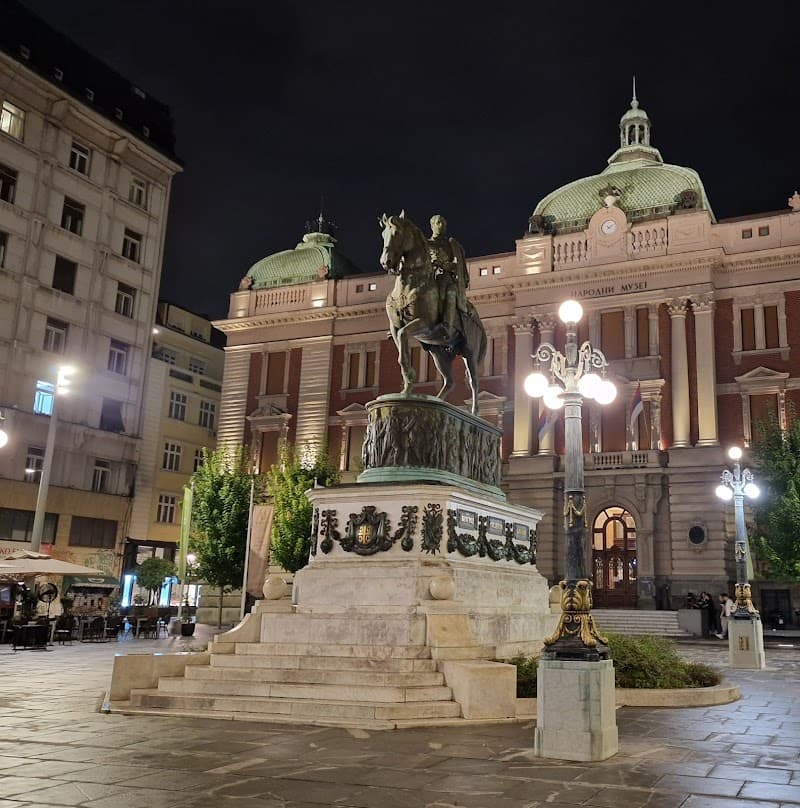
Belgrade Jungle Vibes: Fortress Views & Danube Breezes
Week · $$$

Wild Corners of Belgrade: A 3-Day Urban Jungle Escape
Weekend · $$$
Belgrade Jungle-Romance: Rivers, Forts, Food, and Green Escapes
Week · $$$
Wild Riverside Romance: A 3-Day Belgrade Escape
Weekend · $$$
Belgrade Family Adventure: Rivers, Fortresses, Parks, and Tastes
Week · $$$
Belgrade with Kids: Rivers, Fortresses & Green Escapes
Weekend · $$$
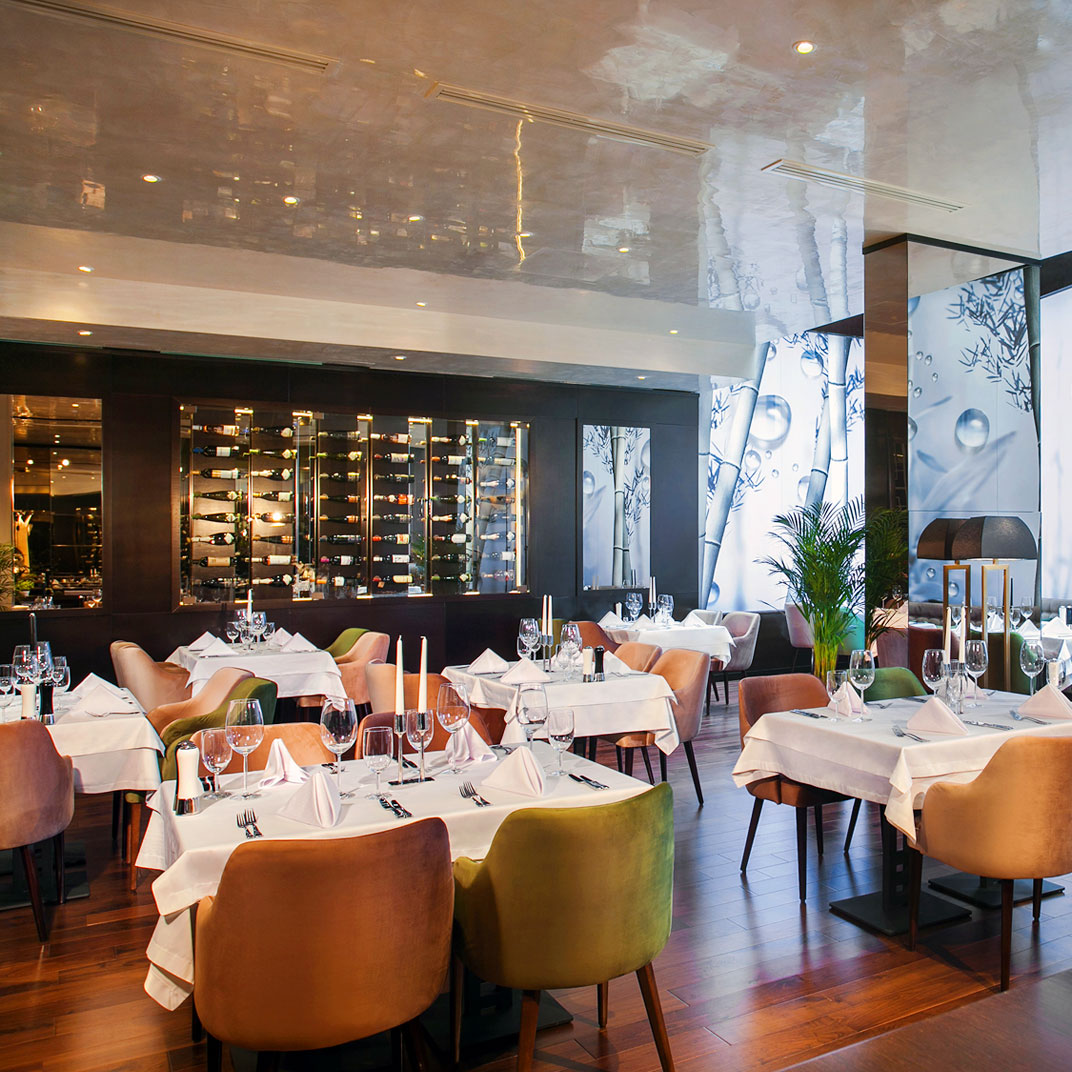
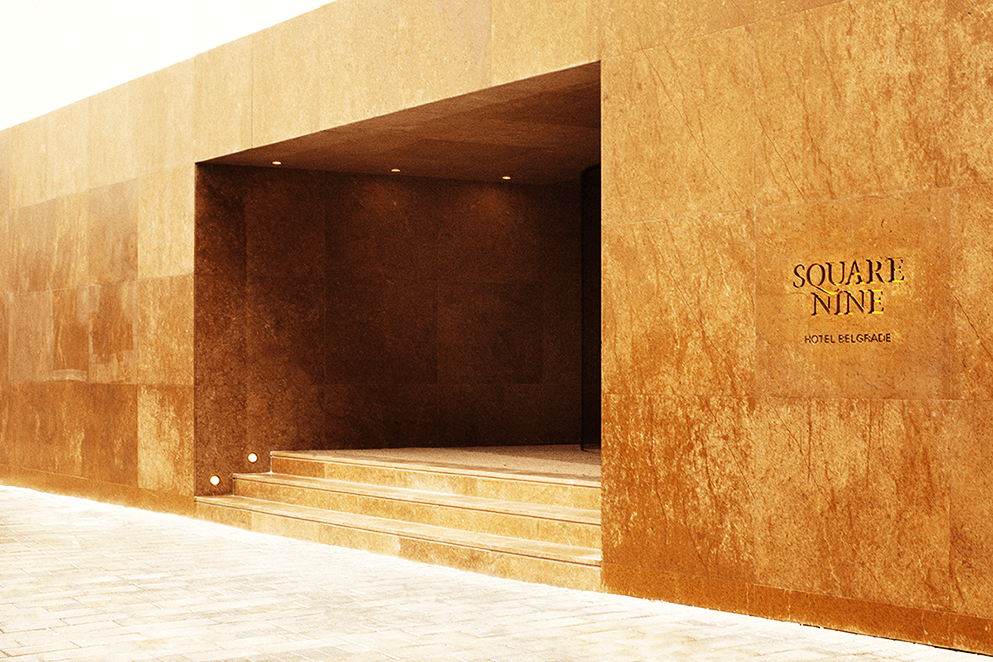
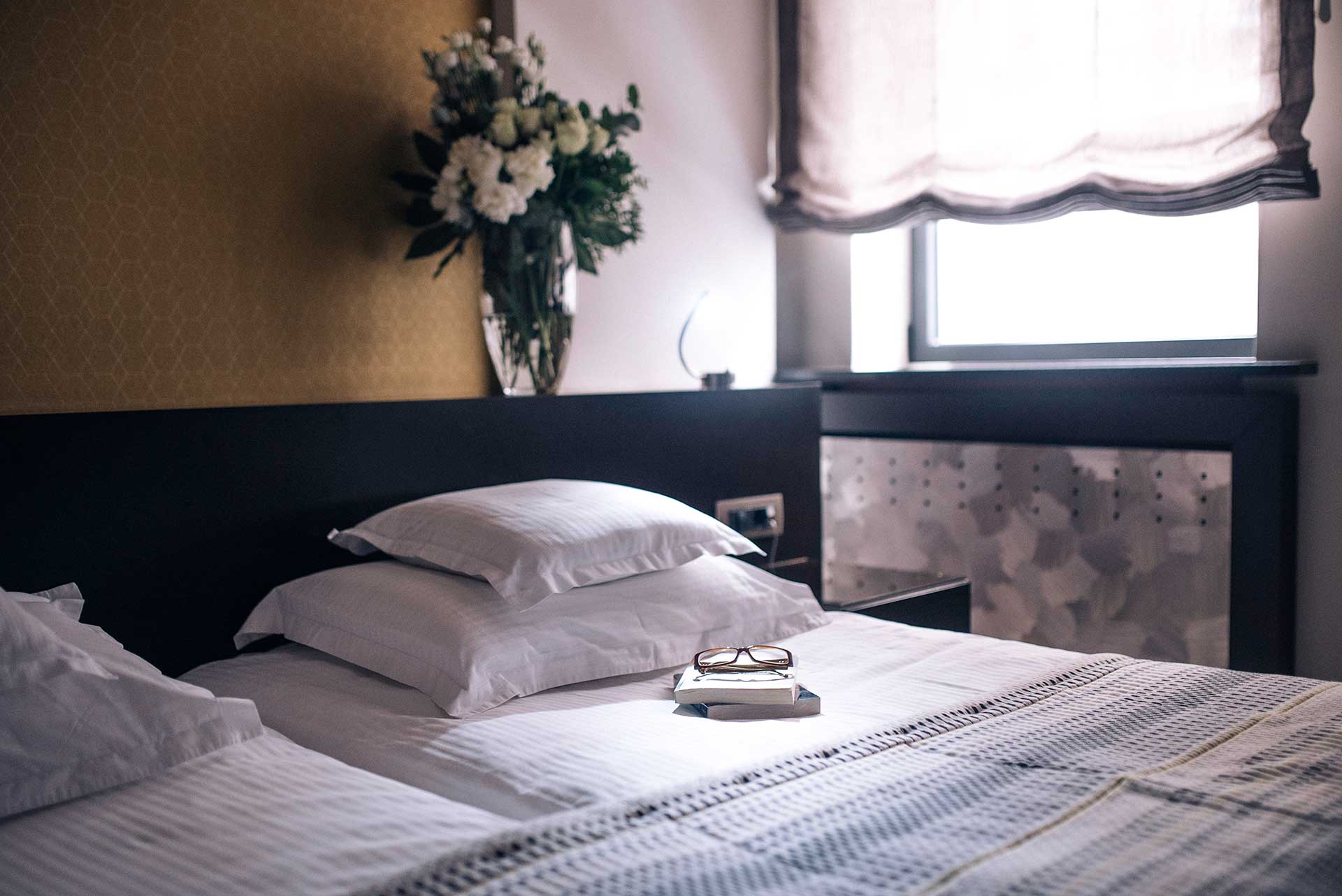
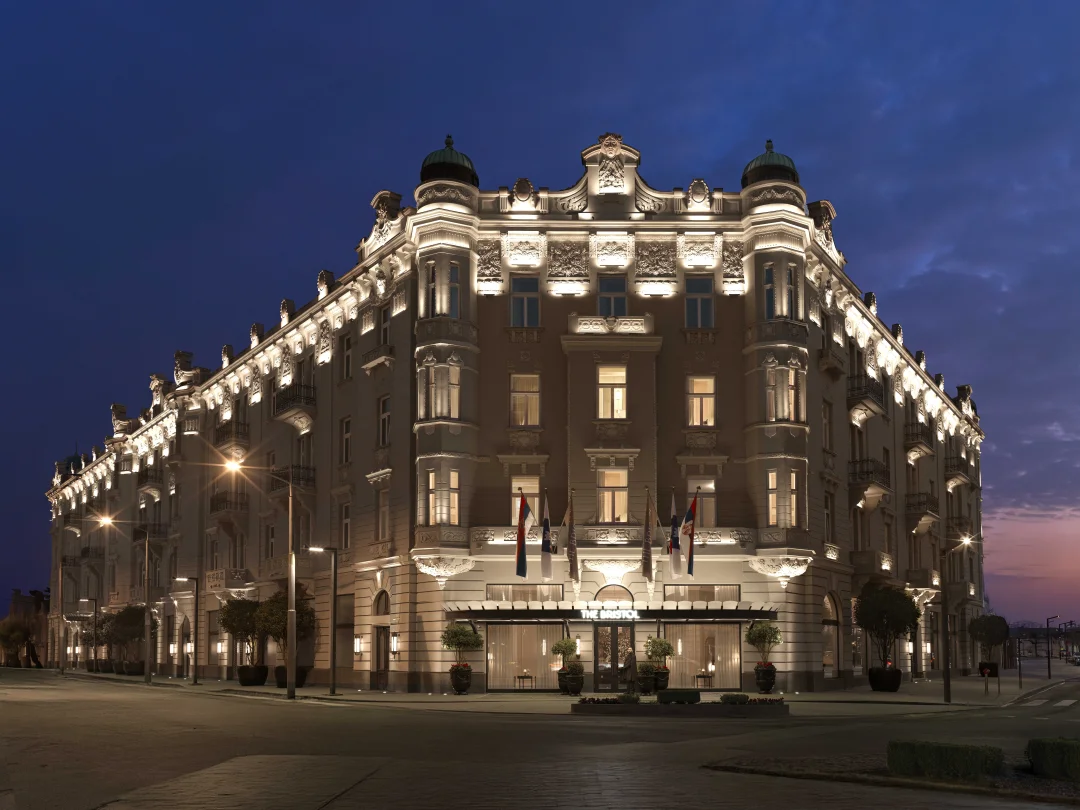
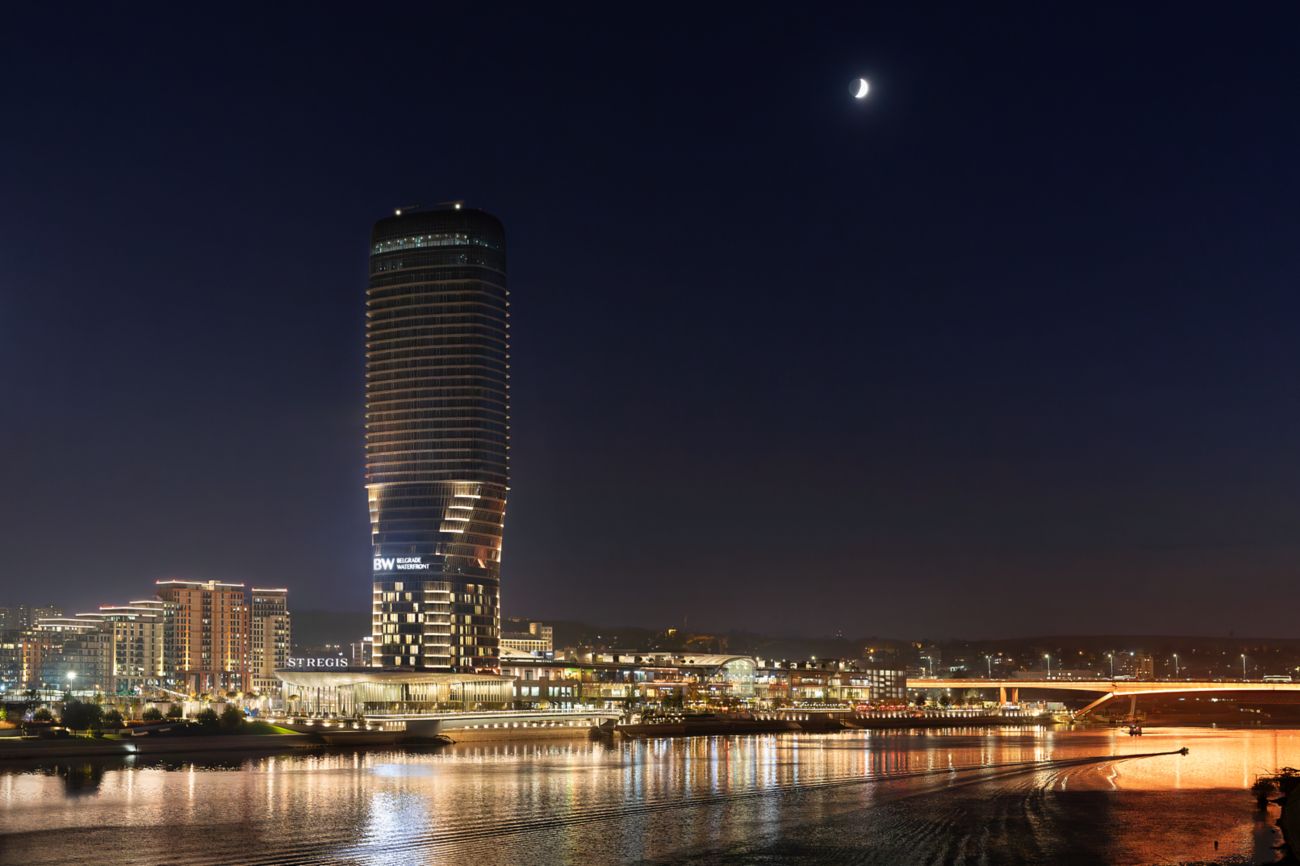
Where to Stay in Belgrade
9 recommended properties
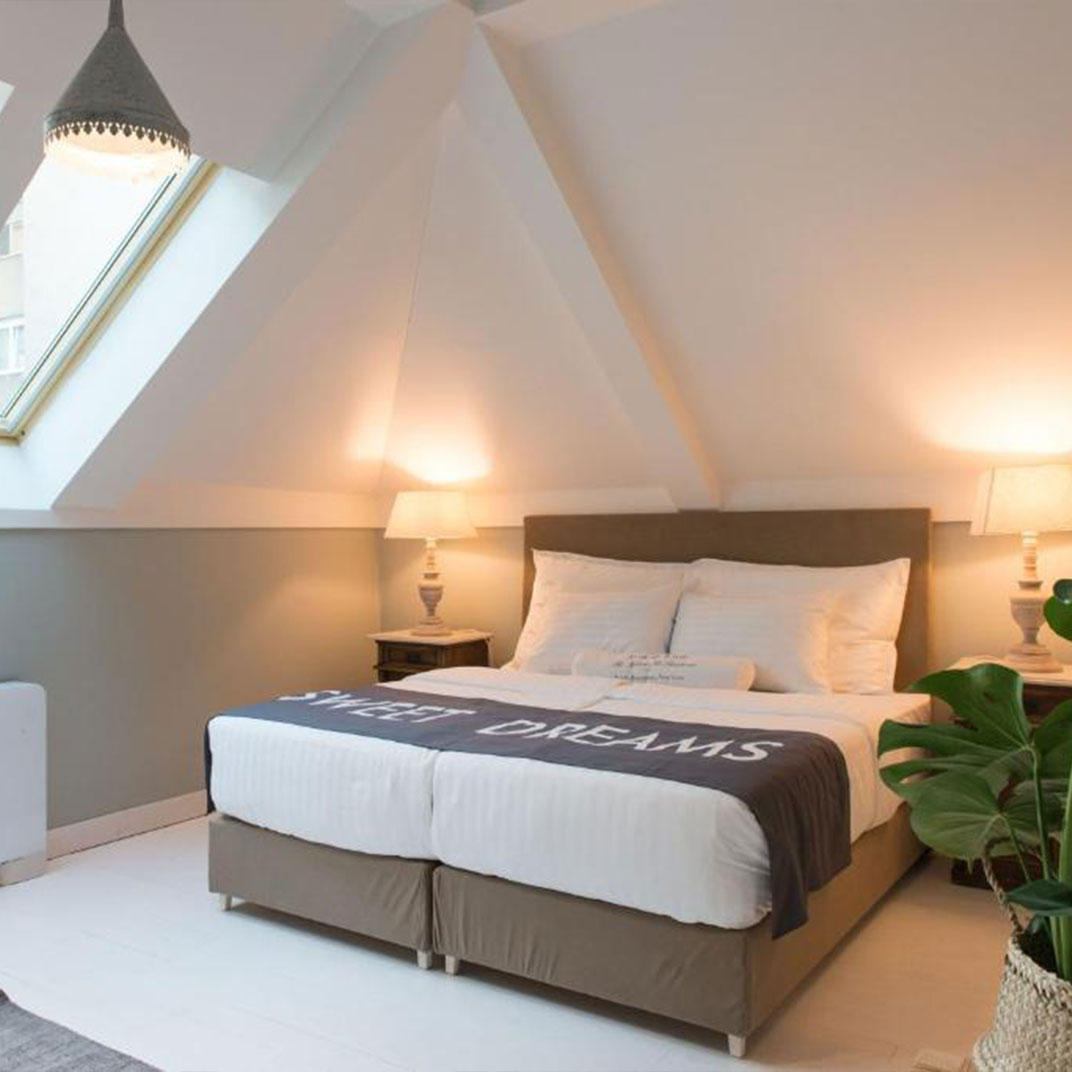
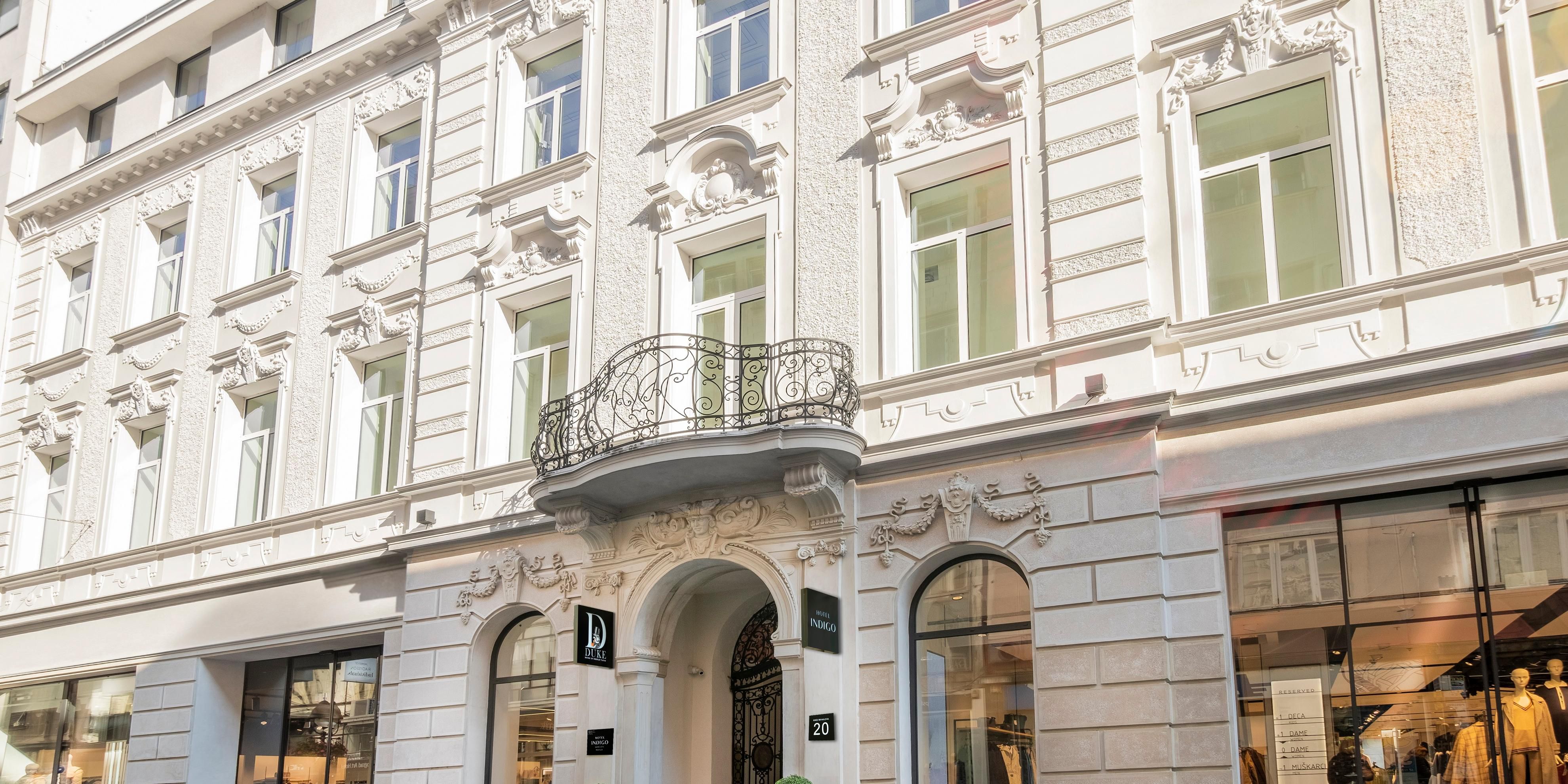
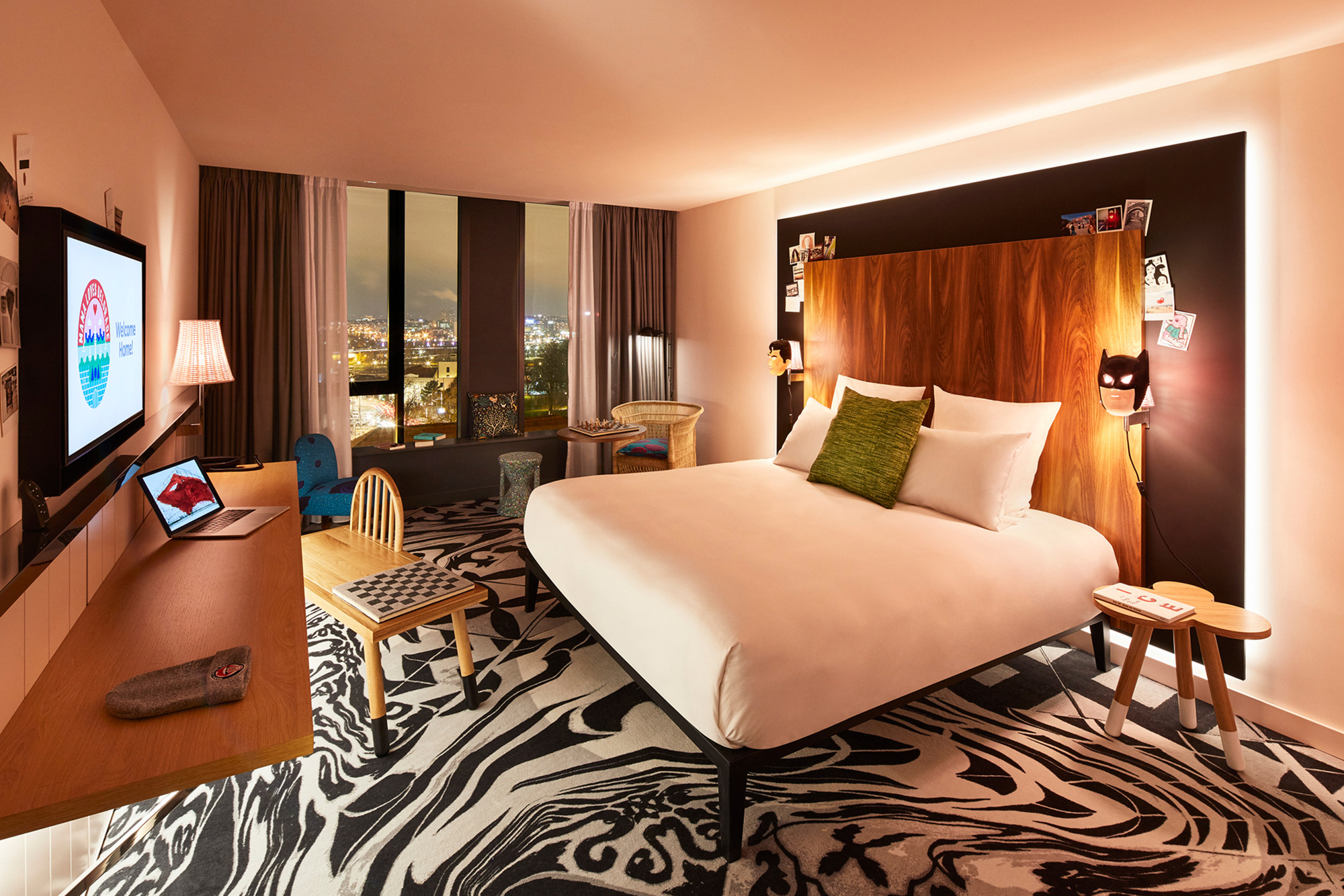
Things to Do in Belgrade
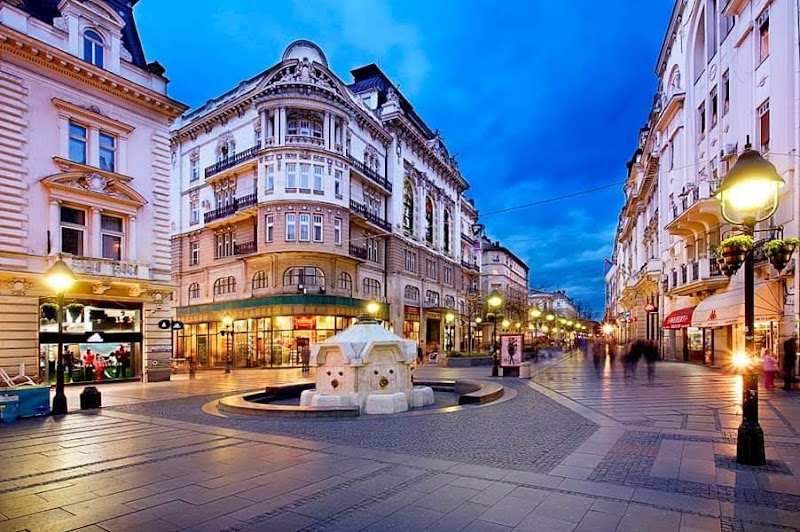
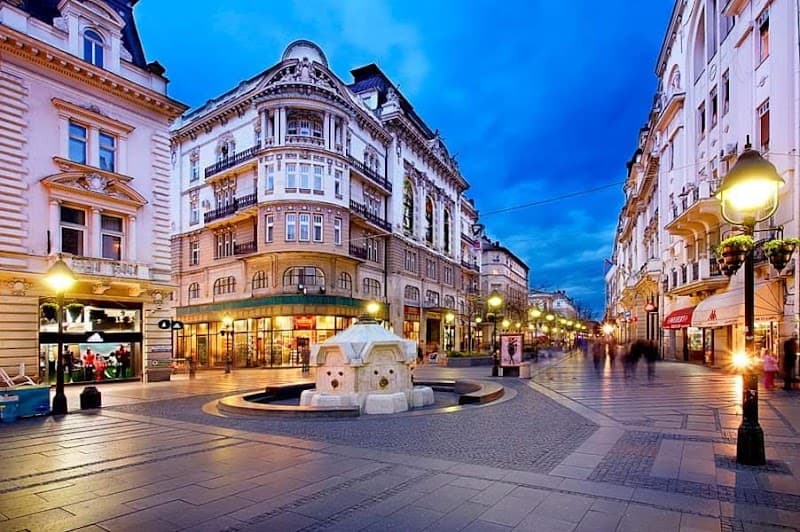
Republic Square and Knez Mihailova Promenade
Stari Grad · 90 min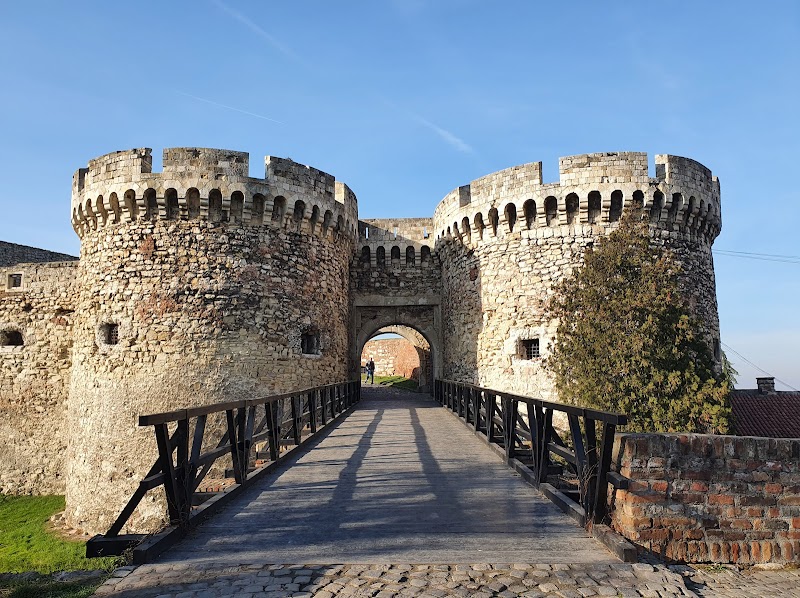
Belgrade Fortress and Kalemegdan Park
Kalemegdan / Stari Grad · 120 min
Dorćol Free Explore
Dorćol · 120 minMoney-Saving Tips
- 1.Eat lunch at kafanas instead of dinner — same food, half the price, and locals treat it like a social event
- 2.Buy rakija at supermarkets (Maxi, Idea) for 3-5 euros per bottle instead of paying bar prices
- 3.Many museums offer free entry on Sundays — check the Belgrade Museum Pass for deals
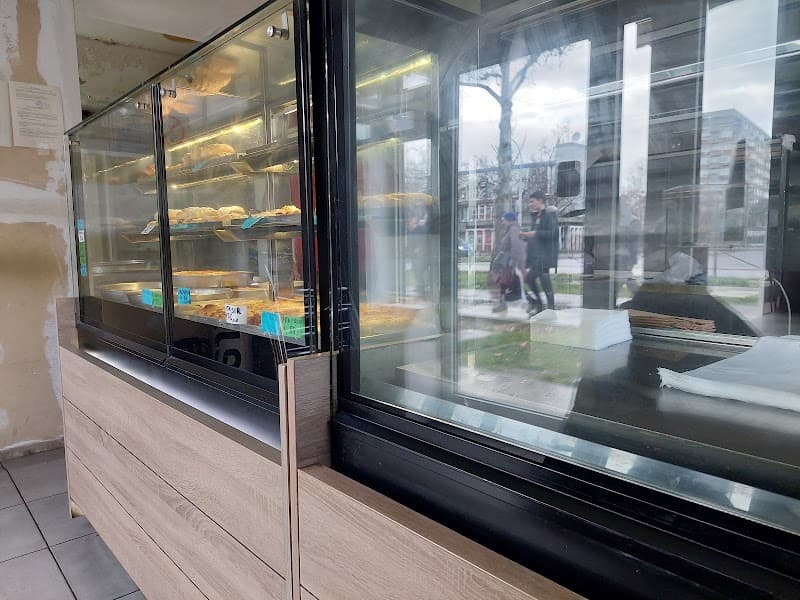
- 4.Street food from burek shops costs 1-2 euros and beats expensive tourist restaurants
- 5.Use public transport day passes (300 dinars) if you're covering lots of ground
- 6.Happy hour at floating clubs (usually 6-9pm) cuts entry fees in half
- 7.Shop at Zeleni Venac market for fresh produce — vendors give deals near closing time
- 8.Hostel bars often serve cheaper drinks than regular bars, and you'll meet other travelers
Travel Tips
- •Learn basic Serbian phrases — locals appreciate the effort and open up more
- •Always carry cash — many places don't accept cards, especially smaller kafanas and markets
- •Dress up for nightlife — Belgrade clubs have informal dress codes, and sneakers won't cut it
- •Download offline maps — WiFi can be spotty outside the center, and data roaming adds up
- •Respect the smoking culture — most bars and restaurants allow indoor smoking
- •Book floating club tables in advance during summer — showing up without reservations means long waits
- •Try to visit during a football match — the atmosphere is electric, even if you don't follow Red Star or Partizan
- •Don't rush — Belgrade rewards slow exploration and spontaneous conversations with locals