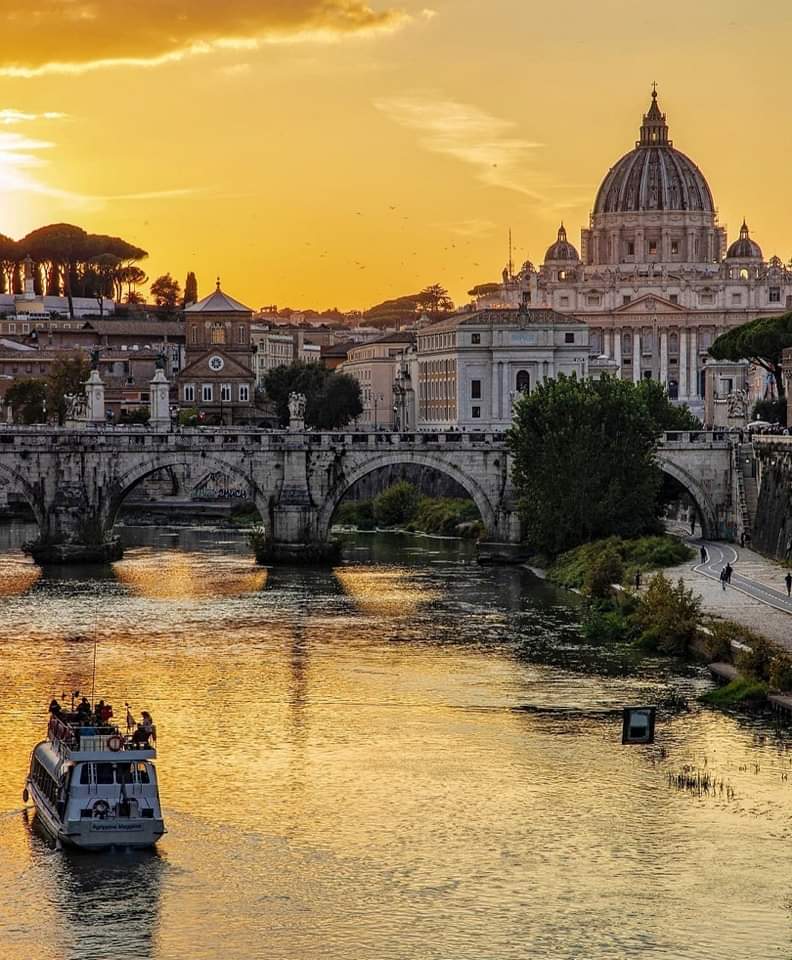
Rome
Eternal City where ancient history meets la dolce vita
Rome hits different than any other city. One minute you're standing where gladiators fought 2,000 years ago, the next you're arguing with locals about which carbonara is best in Testaccio. The Eternal City doesn't just preserve history—it lives alongside it.
Here's the thing: Rome rewards the curious traveler who looks beyond the obvious tourist trail. Sure, you'll see the Colosseum and Vatican. But the real magic happens when you stumble into a neighborhood osteria at 2pm, or catch sunset from the Aventine Hill keyhole, or watch Romans passionately debate politics over morning espresso.
The city moves at its own pace, and that's exactly the point. Romans have perfected the art of living well, and they're happy to show you how—if you're willing to slow down and pay attention.
Best Months
APR · MAY · JUN · SEP · OCT
~25°C · high crowds
Culture & Context
THREE MILLENNIA, ZERO REVERENCE
Rome doesn't ease you in gently. You step out of Termini station and there's a Baroque fountain on one corner and a ruin on the other, and nobody around you seems to find this remarkable. Three millennia of continuous habitation will do that to a city.
Romans have a particular relationship with their own grandeur. They live inside it, complain about the traffic, and park their scooters next to 2,000-year-old walls without blinking. The city operates on its own rhythms: lunch around 1:30 PM, dinner rarely before 8:30 PM, and the Sunday pranzo is essentially sacred.
Aperitivo kicks off around 7 PM and is less a happy hour, more a social institution. You buy a drink, you get access to a buffet spread. That's just how evenings begin here.
The Catholic Church's fingerprints are over everything, from the calendar of holidays to the dress code at every significant door. But Rome isn't solemn. It's loud, opinionated, occasionally chaotic, and almost always worth the trouble.
Local Customs
CAPPUCCINO BEFORE NOON ONLY
Never order a cappuccino after noon. Romans consider milk-based coffee drinks a morning-only thing — too heavy for the afternoon or after a meal. After lunch or dinner, you order an espresso, a caffè macchiato, or nothing.
You can technically order whatever you want as a tourist, but expect a raised eyebrow.. Stand at the bar to drink your coffee. Sitting at a table is fine but triggers a service charge that can push a €1.
20 espresso to €3 or more. Romans neck their shot standing up and leave. It's not rushed — it's just the ritual..
Dinner starts late. In Rome, most locals don't sit down until 8–9 PM. Restaurants that serve at 6 PM are catering to tourists.
Aperitivo starts around 7 PM — buy a cocktail (€6–12), get access to a buffet spread of olives, cheese, cured meats, sometimes pasta. It bridges the gap between afternoon and dinner without any fuss.. Tipping is not expected.
You can round up the bill or leave €1–2 at a casual spot if the service was genuinely good. A 15–20% tip signals you've never left North America. If a waiter demands a tip or it appears automatically added as a percentage, you're in a tourist trap..
Coperto (cover charge) is normal and legal. It's the flat fee (usually €1.50–3 at local spots, €3–5 in tourist zones) added to your bill just for sitting down.
It often covers bread. Don't fight it — but do check the menu for the listed amount before ordering.. Cover your knees and shoulders at any church.
This isn't a guidebook cliché — they will turn you away at the Vatican, Santa Maria Maggiore, and most other major basilicas. Carry a light scarf. The free lightweight coverings they hand out at the Vatican entrance are scratchy and depressing..
Don't touch produce at markets before the vendor selects it for you. Point at what you want and let them pick. It's the done thing, and ignoring it earns you a look that will make you feel terrible..
State-owned museums offer free entry on the first Sunday of each month. This includes the Colosseum. The catch: everyone knows this, so lines form at 8 AM.
Worth it if you arrive early, pointless if you show up at 11.. Do not sit on the Spanish Steps. There's a fine.
Rome has been gradually cracking down on tourist behaviour at monuments — the Trevi Fountain also has new crowd management measures being tested in 2026 for the lower steps, including a nominal reservation fee of around €2.
Safety
WATCH YOUR POCKETS RUTHLESSLY
Rome is physically safe for tourists. Muggings are rare and violent crime against visitors is genuinely uncommon. What the city does excel at, historically and currently, is pickpocketing. Rome recorded over 33,000 pickpocketing incidents in 2024, up significantly from pre-pandemic levels. The highest-risk zones are: the metro (especially Line A between Termini and Spagna), Termini station, the Colosseum, Trevi Fountain, Piazza Navona, the Spanish Steps, and the Vatican queue. Bus 64 running from Termini to the Vatican is widely nicknamed the "Pickpocket Express."
The tactics are professional and generational. Common approaches include the artificial crush at bus or metro doors, staged arguments designed to distract you while someone else works your bag, someone "spilling" something on you and helping to clean it up, and the bracelet scam near the Colosseum and Spanish Steps where someone ties a bracelet on your wrist and then demands €10–20 while physically blocking you from leaving. Firm "No grazie" and keep walking — don't engage and don't try to be polite about it.
Practical protection: carry bags across your body at the front in crowded areas, keep wallets in front pockets, never put a phone in a back pocket, and avoid backpacks that sit freely on your back in busy places. Italy's interior ministry has a dedicated metro police unit (Polmetro) patrolling Rome's platforms, which has helped.
After dark, stick to the lit, populated tourist areas. The Termini south side (Via Giolitti) can be rough late at night. Avoid isolated parks after midnight.
Restaurant scams are also worth knowing: some establishments near major monuments maintain different prices on Italian vs. English menus, spontaneously increase cover charges, or pour expensive house wine without asking. Check the posted menu before sitting down, and review your bill line by line before paying.
Emergency number for police, ambulance, or fire: 112 (English-speaking operators available). For non-emergency theft reports (needed for insurance claims), go to the Polizia di Stato tourist assistance offices near major sites.
Getting Around
WALK OR RIDE METRO
Rome's metro is useful but limited. Three lines (A, B, and C) exist, but Line C is mostly still under construction. The historic centre has no metro at all — archaeological ruins underground made it impossible to build. So for the Pantheon, Piazza Navona, Campo de' Fiori, and most of the city centre, you're walking or taking a bus. Line A covers the Vatican (Ottaviano stop) and the Spanish Steps (Spagna). Line B covers the Colosseum (Colosseo stop). The metro closes at 11:30 PM on weeknights and 1:30 AM on Fridays and Saturdays.
Buses fill the gaps everywhere the metro doesn't reach. Bus routes 64 and 40 are the main Vatican-bound lines, and both are heavily used by tourists. Bus 64 has a particular reputation for pickpockets — it runs from Termini directly to the Vatican and gets very crowded. The Tram 8 line connects Trastevere with Largo Argentina and is one of the easier ways to cross the centre.
Tickets: A single BIT ticket costs €1.50 and is valid for 100 minutes, including one metro entry and unlimited bus and tram transfers within that window. A 24-hour pass is €7, a 72-hour is €18, and a weekly CIS pass is €24. You can't buy tickets on the bus. Pick them up at any tabacchi (the shops with the green T sign), at metro station vending machines, or use contactless Tap & Go directly at metro turnstiles and bus validators. The Tap & Go system (any Visa, Mastercard, Apple Pay, or Google Pay) caps daily spending at €8.50, so after enough rides in one day, travel is effectively free until midnight. If you forget to validate a paper ticket, inspectors issue fines of €54.90 on the spot.
From Fiumicino (FCO): the Leonardo Express train runs to Termini and costs around €14. It's the fastest option and runs every 30 minutes. Taxis have a fixed fare of €55 into the city centre. From Ciampino (CIA): bus transfers link to the metro — multiple operators run this route for around €5–7.
Striking note: transport strikes are common, usually on Fridays, and are announced in advance. Check the ATAC website before booking anything on a Friday morning.
Useful Phrases
Explore Destinations



Explore the Region
Rome Itineraries
View all
Rome in One Day: Ancient Streets, Markets, and Quiet Corners
Weekend · $
Rome in a Day: Food, History & Neighborhood Rhythm
Weekend · $$
Rome in 3 Days: Classics, Cobblestones & Gelato
Weekend · $$
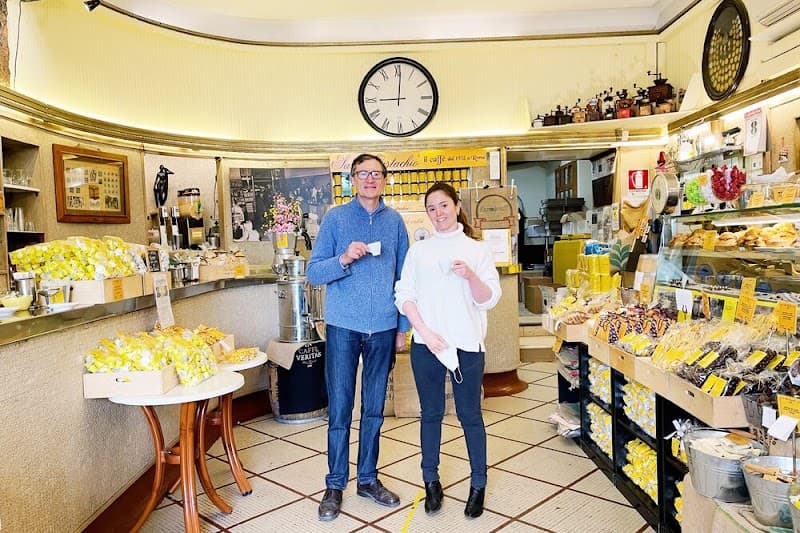
Romantic Rome in a Day: Historic Strolls & Sunset Views
Weekend · $$$
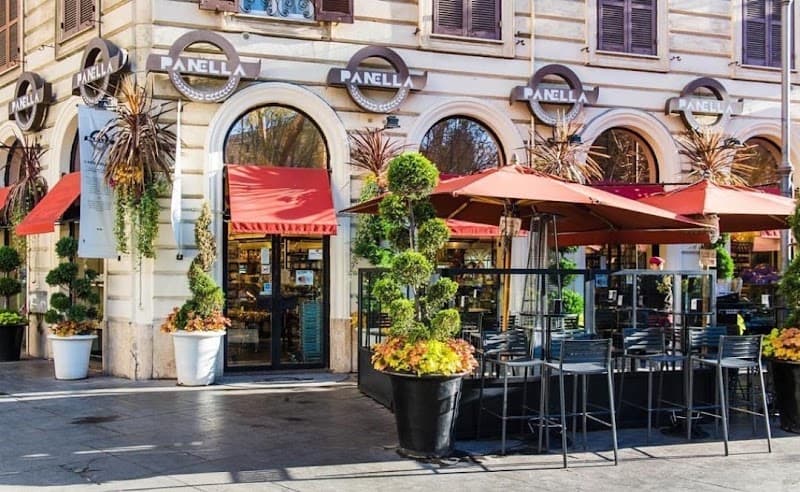
Three Perfect Days in Rome: Ruins, Art & Trattorias
Weekend · $$$
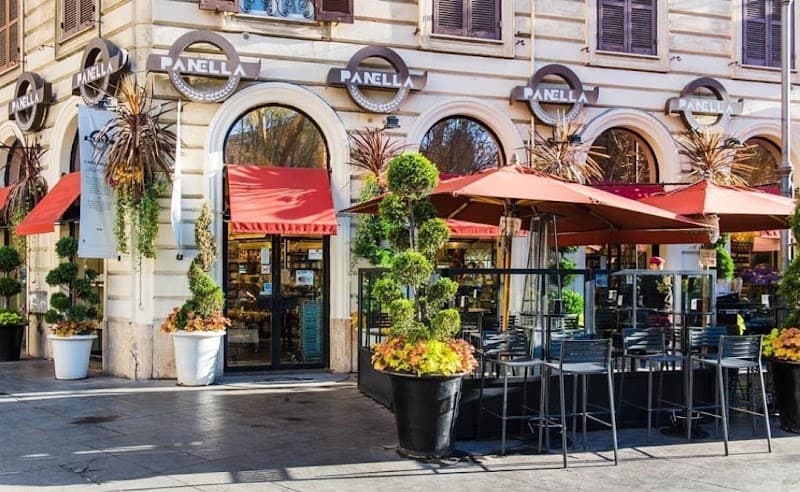
Four Intense Days in Elegant, Eternal Rome
Weekend · $$
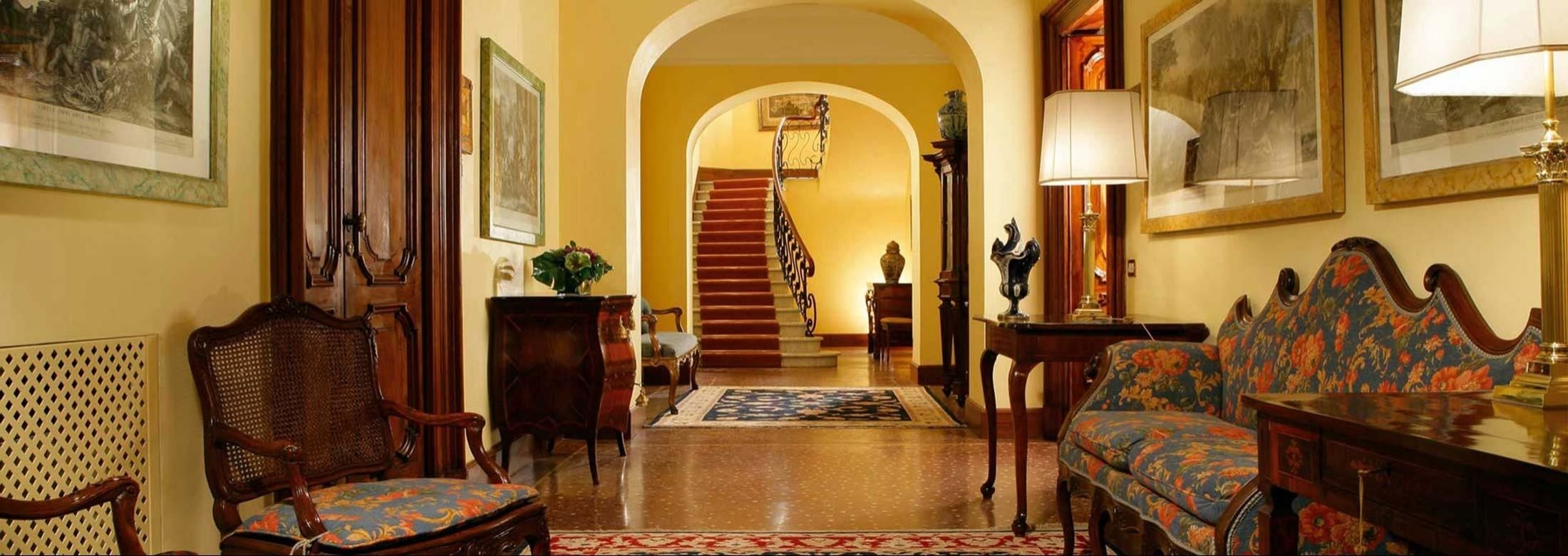
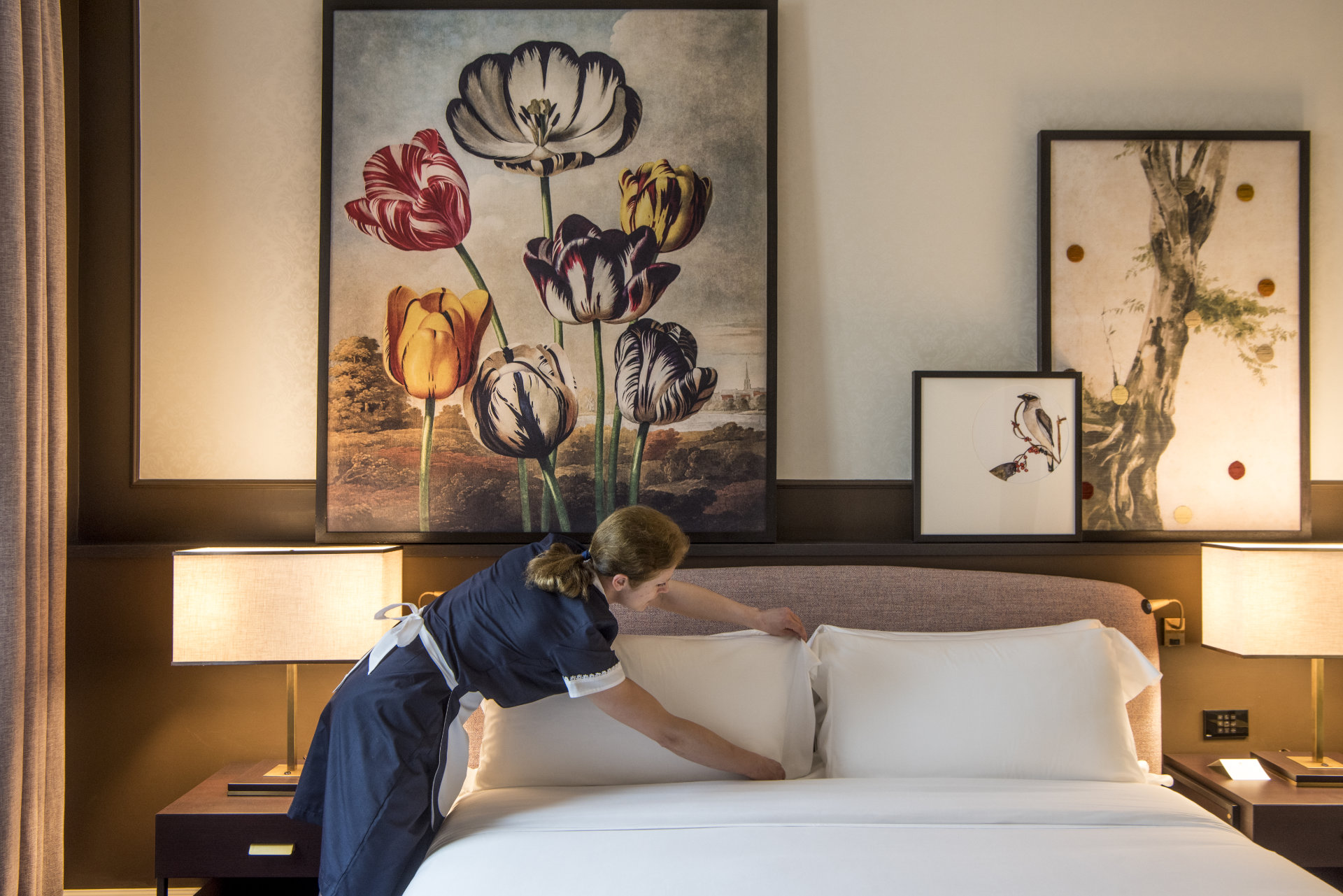
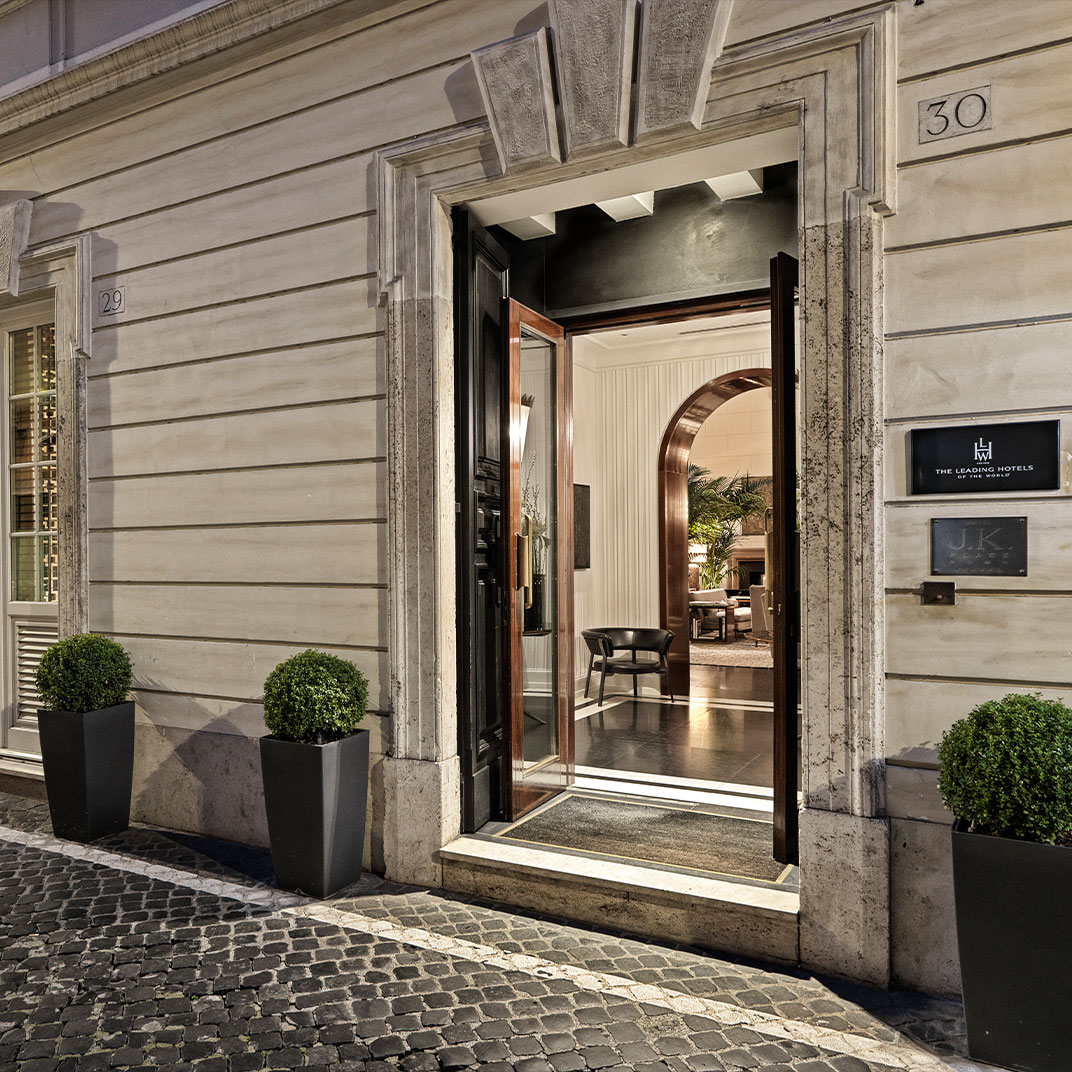
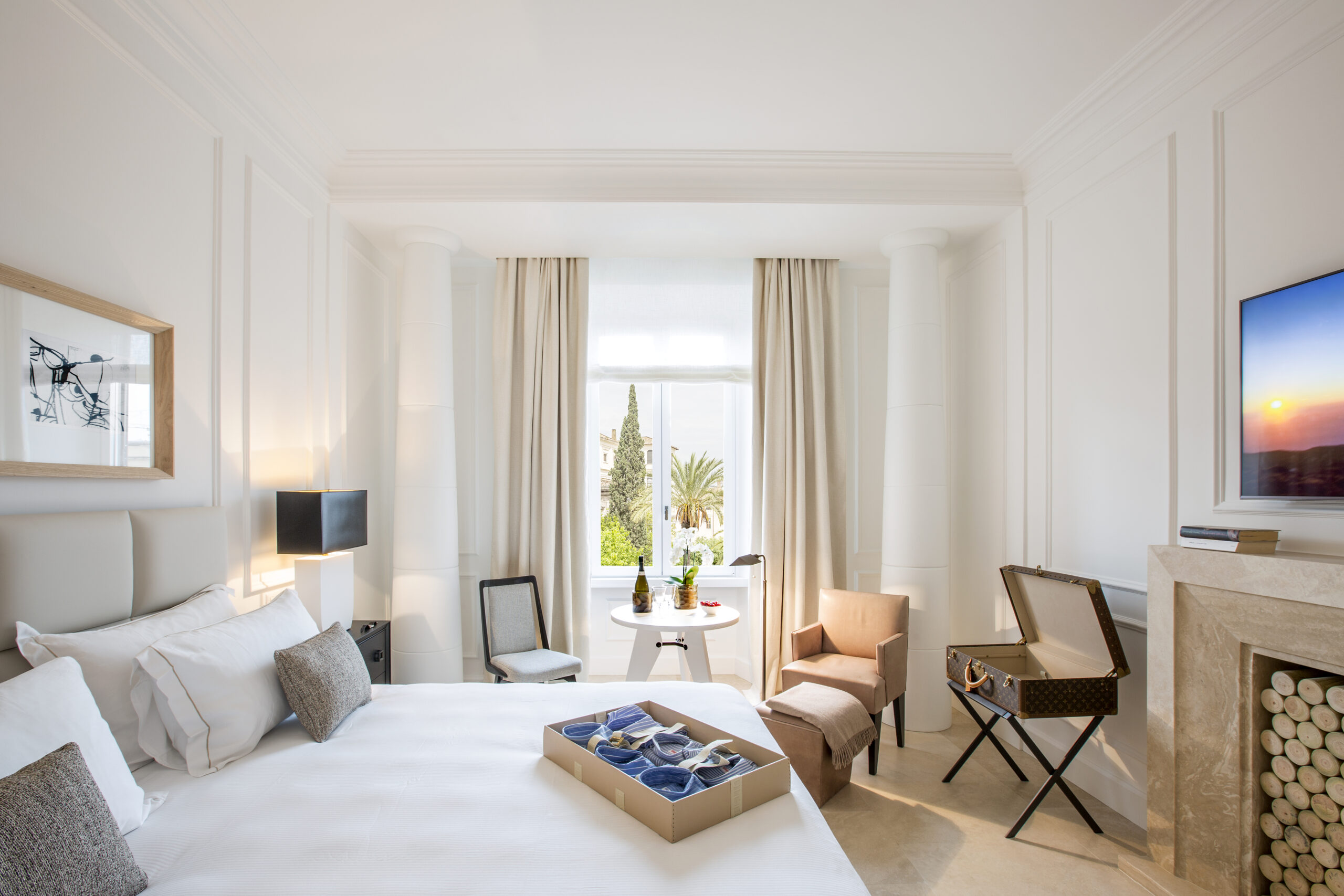
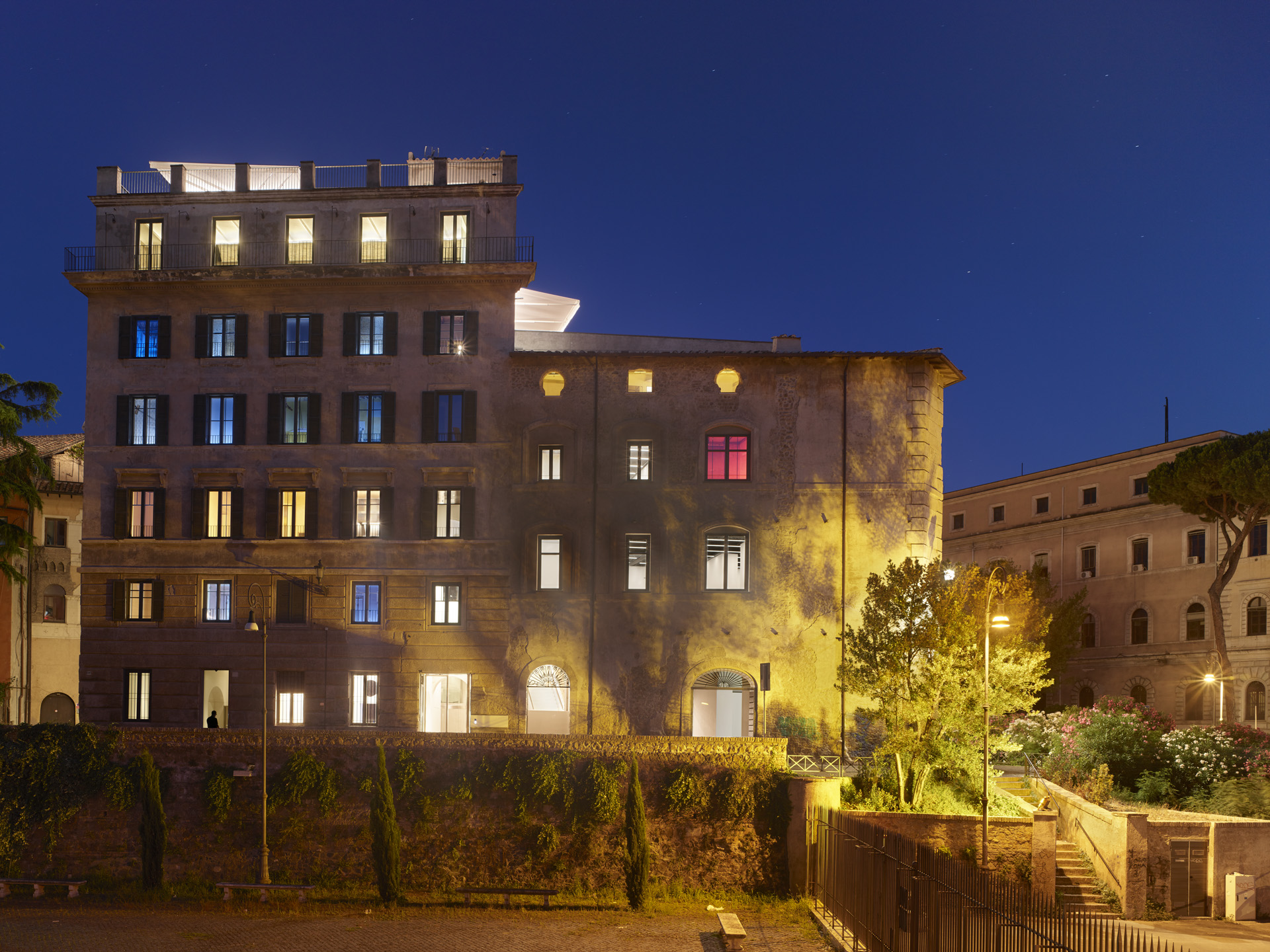
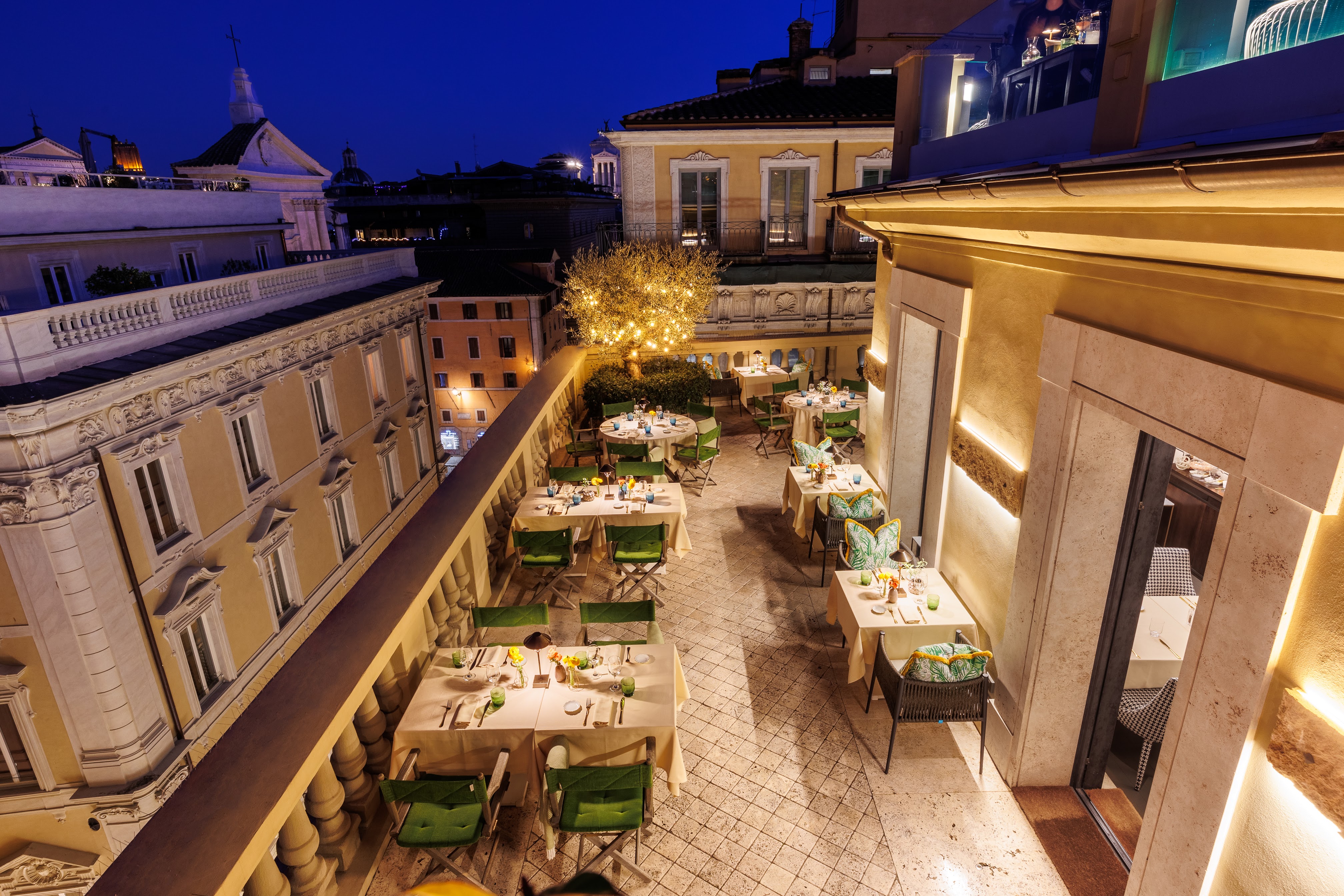
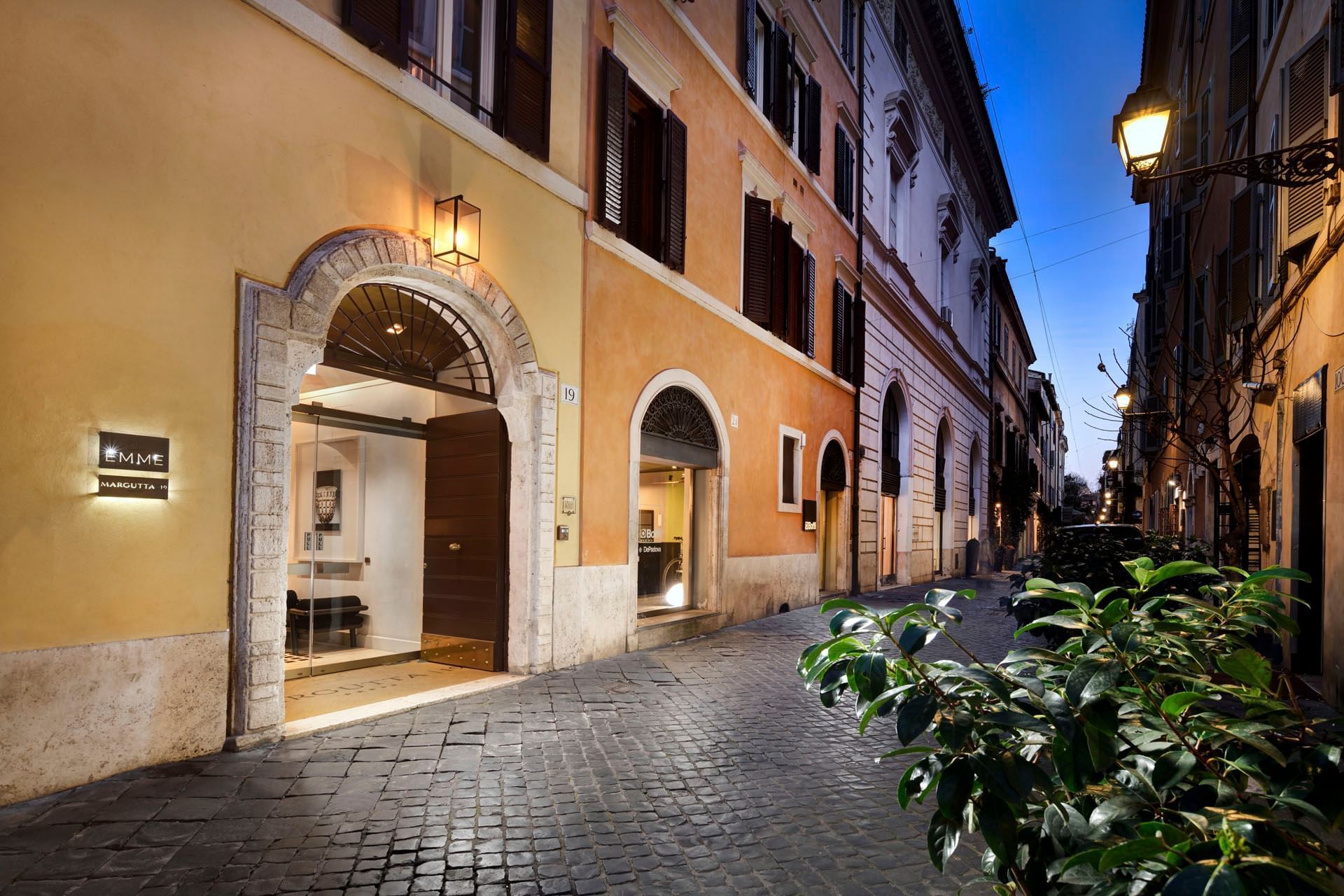
Where to Stay in Rome
9 recommended properties

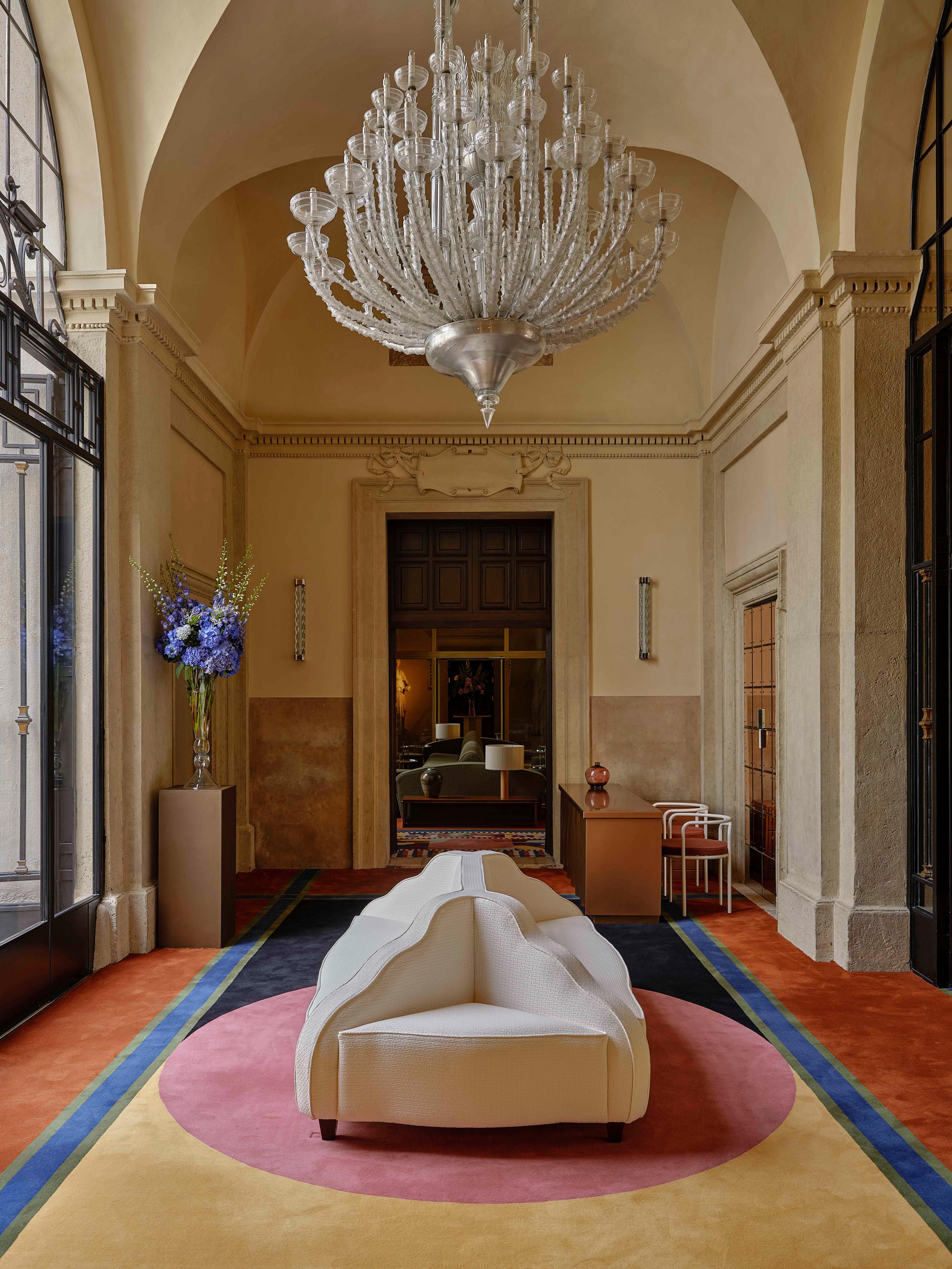
Things to Do in Rome
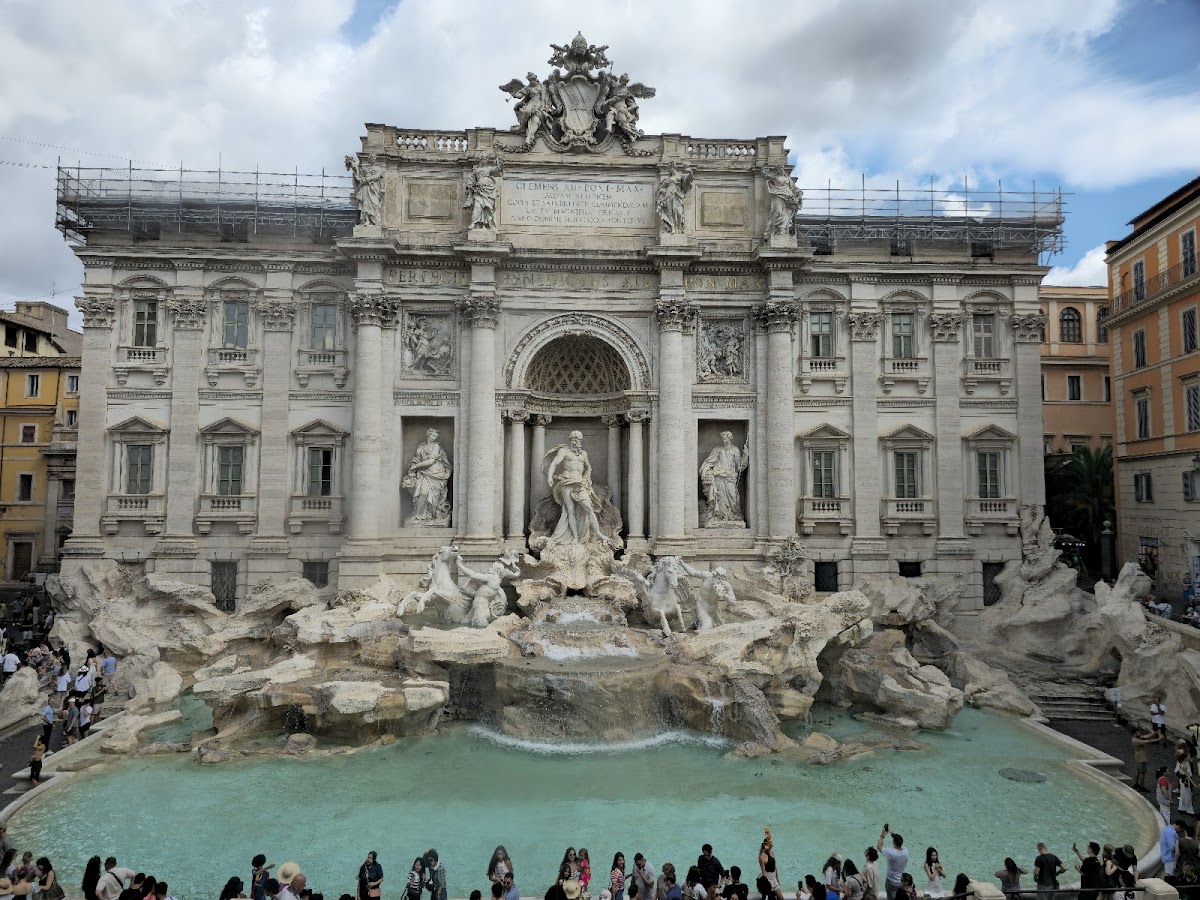
Trevi Fountain & Spanish Steps
Trevi · 90 min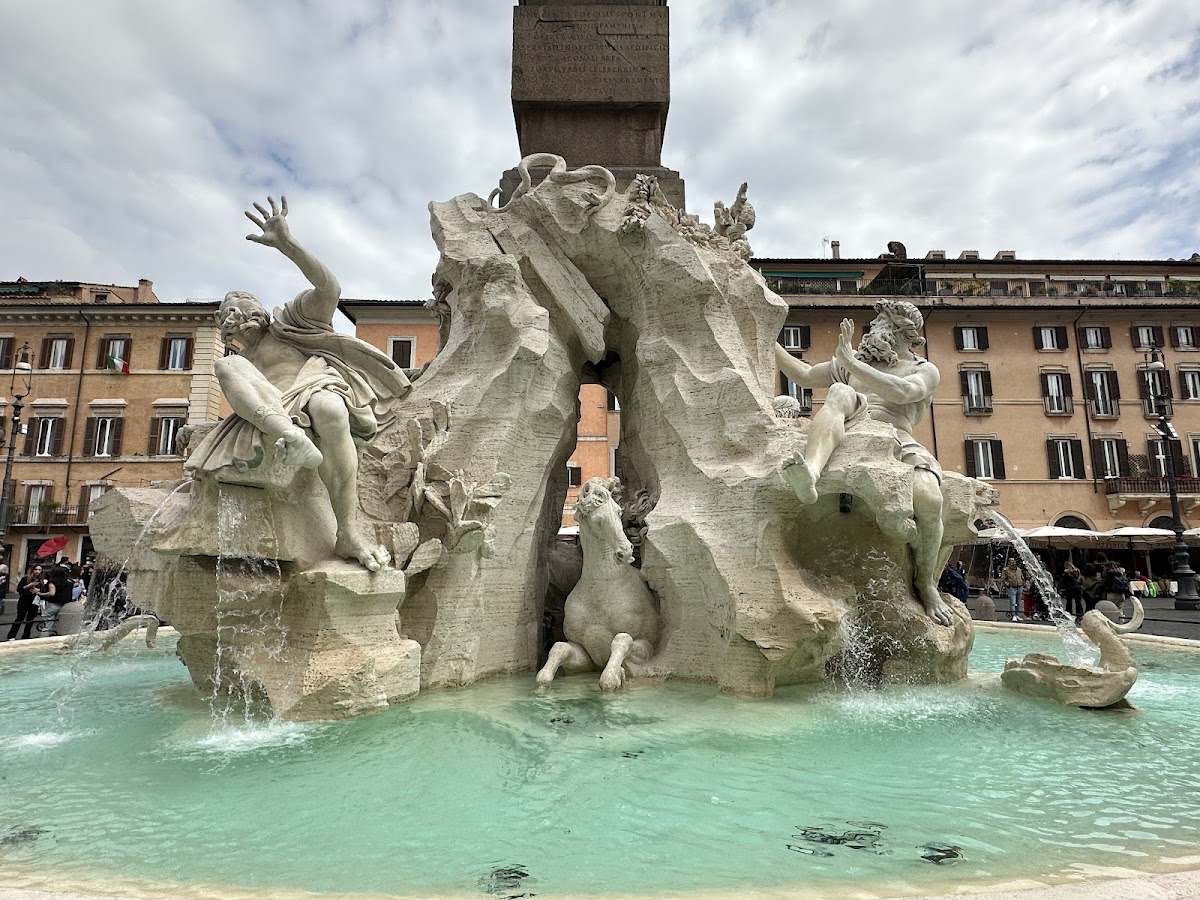
Piazza Navona & Pantheon
Centro Storico · 120 min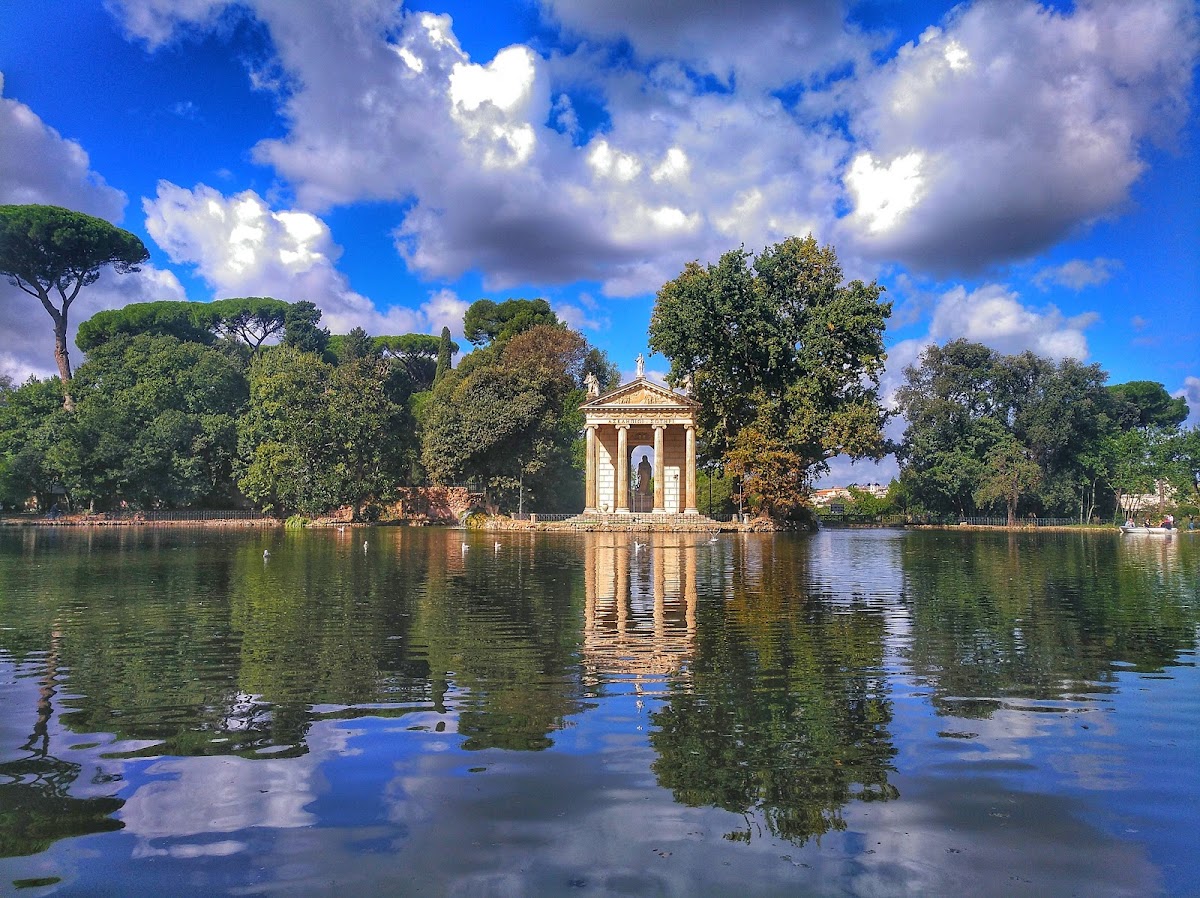
Villa Borghese Gardens
Villa Borghese · 120 minMoney-Saving Tips
- 1.Buy a 72-hour Roma Pass for €38.50—includes metro transport and skip-the-line access to Colosseum and one other major site
- 2.Eat lunch at Testaccio Market for €5-8 instead of €15-20 near tourist sites
- 3.Book Vatican Museums online in advance to avoid €4 booking fees charged by third-party sites
- 4.Happy hour aperitivo (6-8pm) offers free snacks with drinks—essentially dinner for the price of cocktails
- 5.Municipal water fountains throughout the city provide free, safe drinking water—bring a reusable bottle
- 6.Many churches house incredible art for free—San Luigi dei Francesi displays three Caravaggio masterpieces
- 7.Shop at Conad or Carrefour supermarkets instead of tourist-area convenience stores for 50% savings on basics
- 8.Take the Leonardo Express train from Fiumicino Airport for €14 instead of €48 taxi ride
Travel Tips
- •Dress modestly for Vatican and church visits—cover shoulders and knees or risk being turned away
- •Book restaurant reservations by phone in Italian if possible—many places don't use online systems
- •Carry small bills and coins—some vendors and small cafes don't accept cards for purchases under €10
- •Learn basic Italian food terms—menus rarely include English translations outside tourist areas
- •Visit major attractions early morning or late afternoon to avoid peak crowds and harsh lighting
- •Keep copies of important documents separate from originals—pickpockets target tourist areas
- •Download offline maps before exploring—cell service can be spotty in ancient underground areas
- •Respect local dining times—restaurants often close between 3-7pm and don't serve dinner before 7:30pm