
Marseille
France's gritty Mediterranean port with ancient charm
Look, Marseille isn't trying to impress anyone. This 2,600-year-old port city wears its rough edges like a badge of honor. Graffiti covers ancient walls in Le Panier. Fish vendors shout in Arabic and French at the Vieux-Port. And somehow, it all works together in a way that feels completely authentic. This is France without the polish — raw, multicultural, and utterly captivating. The bouillabaisse here puts every other version to shame, the calanques offer some of Europe's most dramatic coastline, and you'll pay half what you'd spend in Nice for twice the character.
Best Months
APR · MAY · JUN · SEP · OCT
~23°C · moderate crowds
Culture & Context
MEDITERRANEAN GRIT & PASSION
Marseille doesn't play nice with expectations. France's second-largest city and oldest urban settlement (Greeks dropped anchor here around 600 BC) has spent decades being either misunderstood or flat-out dismissed. Paris gets the postcards.
Marseille gets the truth. It's a port city shaped by waves of immigration — North African, Italian, Corsican, Armenian — and the result is a place that feels less French than it does Mediterranean in the broadest possible sense. The Olympique de Marseille football club functions more like a religion than a sports team.
The 66,000-seat Stade Orange Vélodrome shakes on match days. Wear sky blue if you want friends. Show up in a PSG shirt and see what happens.
Locals are loud, direct, and proud of it. They also exaggerate everything, a cultural trait so well-established it's practically an art form. The city runs on pastis, the anise-flavored spirit served 5:1 with cold water until it turns cloudy and golden.
Bouillabaisse gets all the tourist attention, but most Marseillais are more likely eating supions à l'ail (garlic squid) or moules gratinées at a neighborhood spot that doesn't have an English menu. That's not a downside. That's the point.
Local Customs
LOUD, DIRECT, PASTIS-FUELED
Always say 'Bonjour' (or 'Bonsoir' after dark) when entering any shop, café, or small business before asking for anything. Skipping the greeting is genuinely rude here — not a Parisian affectation, a real local expectation. You'll get warmer service every single time..
Pastis is served with a separate pitcher of cold water. You add it yourself, pouring until the liquid turns cloudy pale yellow. Don't ask the bartender to mix it for you.
Also: it's 45% alcohol. Alternate with water.. OM (Olympique de Marseille) is effectively a civic religion.
Match days change the entire mood of the city. If you want to make friends fast, show even the slightest interest in the team. Wearing PSG colors is genuinely inadvisable..
Tipping is not mandatory in France — service is included in the bill. But rounding up to the nearest euro, or leaving a euro or two for exceptional service, is genuinely appreciated and not expected.. Don't leave your phone flat on an outdoor café table.
Phone theft is one of the most common petty crimes, especially in Noailles and around the Vieux-Port. Keep it in a pocket or your bag.. The Marseillais speak loudly, gesture emphatically, and sometimes drop profanity into sentences the way others use punctuation.
Don't read aggression into it — it's just the register. Matching their energy (even a little) goes a long way.. Markets and smaller shops may close for lunch (typically noon to 2pm).
Don't fight it. Use the time to eat.. The mistral wind can arrive suddenly, especially in winter and spring.
It can blow 40mph for days. Pack a layer even if it's sunny when you leave the hotel.
Safety
WATCH YOUR VALUABLES
Marseille has a medium-risk safety profile. The reputation is worse than the reality for tourists, but it's not entirely unearned either. Most serious crime is concentrated in the northern housing estates — specifically the 13th, 14th, 15th, and 16th arrondissements — and involves drug trafficking between local gangs. As a visitor, you have essentially zero reason to go there. The areas tourists actually spend time in are well-policed and active during the day.
The real threats to watch: pickpocketing at the Vieux-Port, Gare Saint-Charles, and the metro (especially Line 1); phone theft in Noailles and crowded market areas; the wristband scam at the Old Port (someone loops a string on your wrist and demands payment — keep hands in pockets and say "Non, merci" while walking). Car break-ins are also common — if you rent a car, never leave a bag visible on the seats, even while driving.
After dark: Cours Julien stays active and fine until 2am. Stick to main pedestrian lanes. The area around Gare Saint-Charles upper plaza gets sketchy after midnight — use the lit lower taxi rank instead. La Canebière feels noticeably rougher at night. The upper part and station approaches are best avoided after 10pm. Use Uber or a licensed taxi for late-night returns rather than improvising a walk.
For emergencies: dial 112. Hospital Européen on avenue de Toulon has 24-hour emergency services. Green-cross pharmacies are common throughout every neighborhood.
Getting Around
METRO & BUS NETWORK
The RTM network covers the city with 2 metro lines (M1 blue, M2 red, 30 stations total), 3 tram lines (T1, T2, T3), and over 80 bus routes. One validated ticket at €1.70–1.80 gives you 60 minutes of transfers across metro, tram, and bus. If you change transport mode, validate again at boarding — the reader will show "unchanged balance" if you're still within the window.
For visitors doing multiple trips in a day: the 24h pass at €5.20 beats individual tickets after 3 rides. The 72h pass is €10.80 and the 7-day pass is €15.50. Group ticket for 4 people costs €4.90 for one hour. Contactless payment works on many buses and trams now, so you can tap your bank card directly.
Metro hours: roughly 5am to 9pm on weekdays, extended to around 12:30am on Fridays, Saturdays, and holiday eves. Night buses (Fluobus network) cover main districts after metro closes, running approximately hourly.
Airport (Marseille Provence, MRS): shuttle bus from Gare Saint-Charles every 15 minutes, 7 days a week, from 4:10am to 11:30pm. Takes 25–30 minutes. Costs €8.30 one way or €9.20 for a combo ticket including RTM access. Taxis from the airport cost roughly twice as much as the shuttle.
Bus #60 goes to Notre-Dame de la Garde for €1.70 — skip the commercial tourist train that charges considerably more for the same destination. Download the RTM app for real-time tracking. Children under 11 and seniors 65+ travel free on RTM since 2025.
Useful Phrases
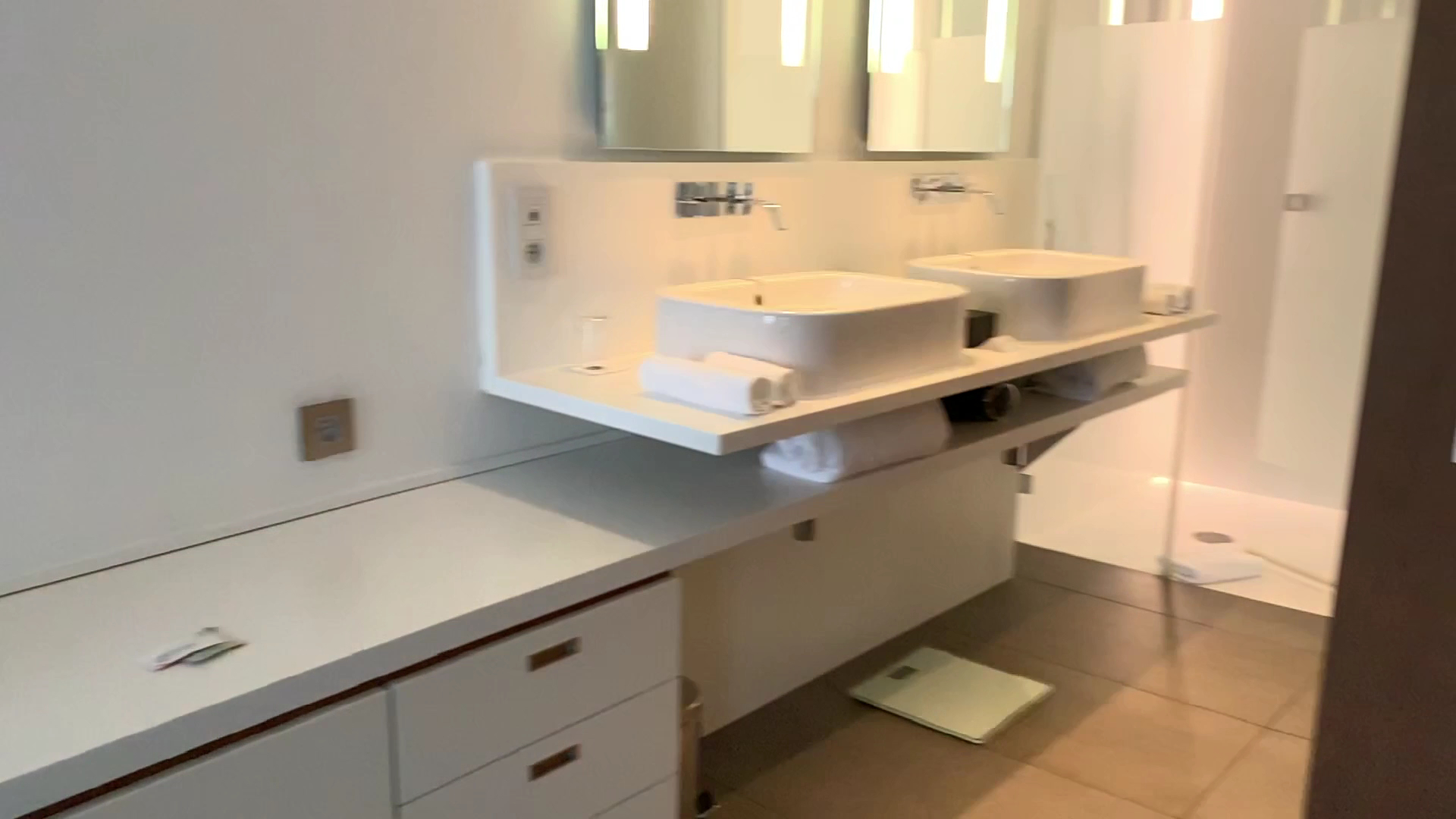
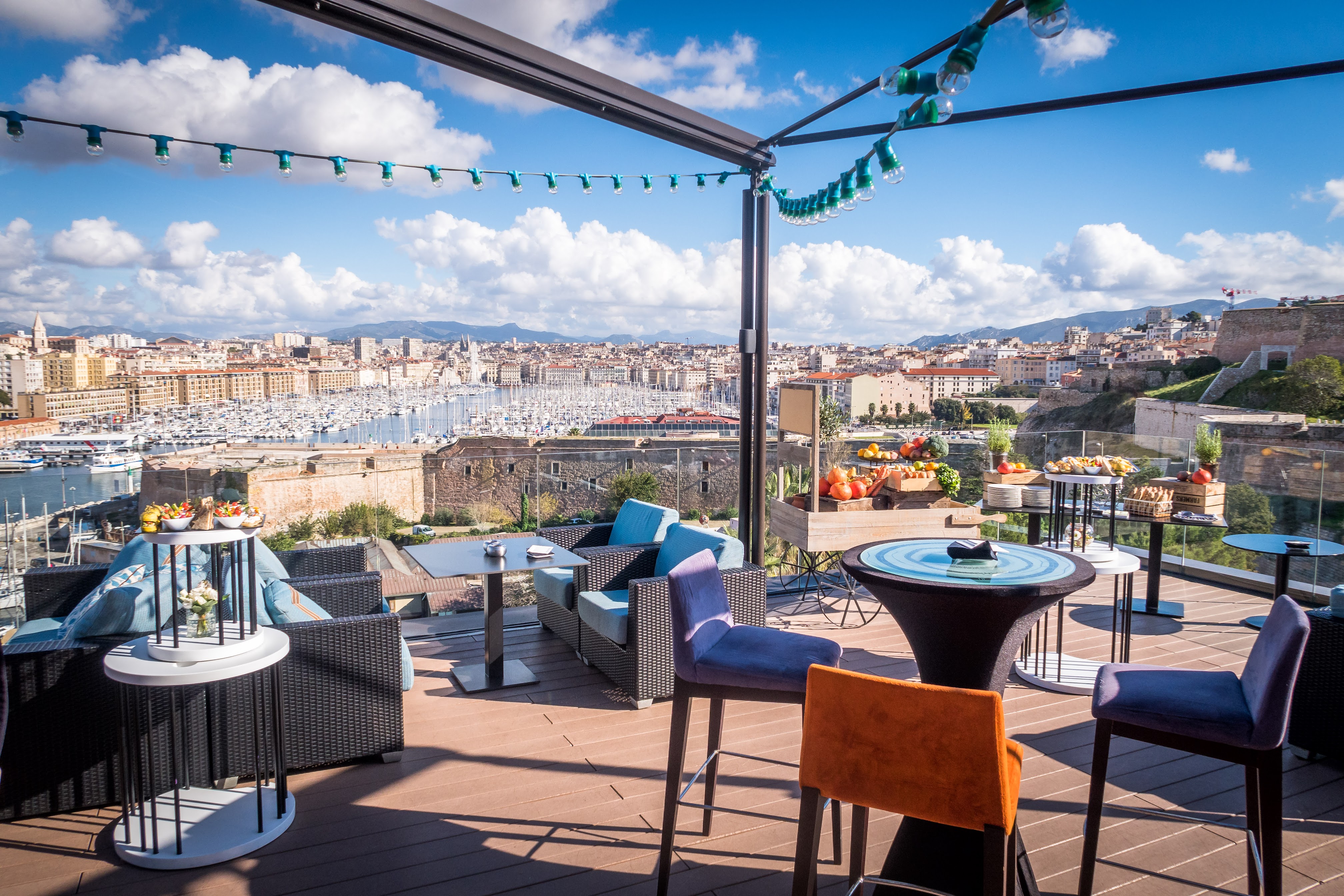
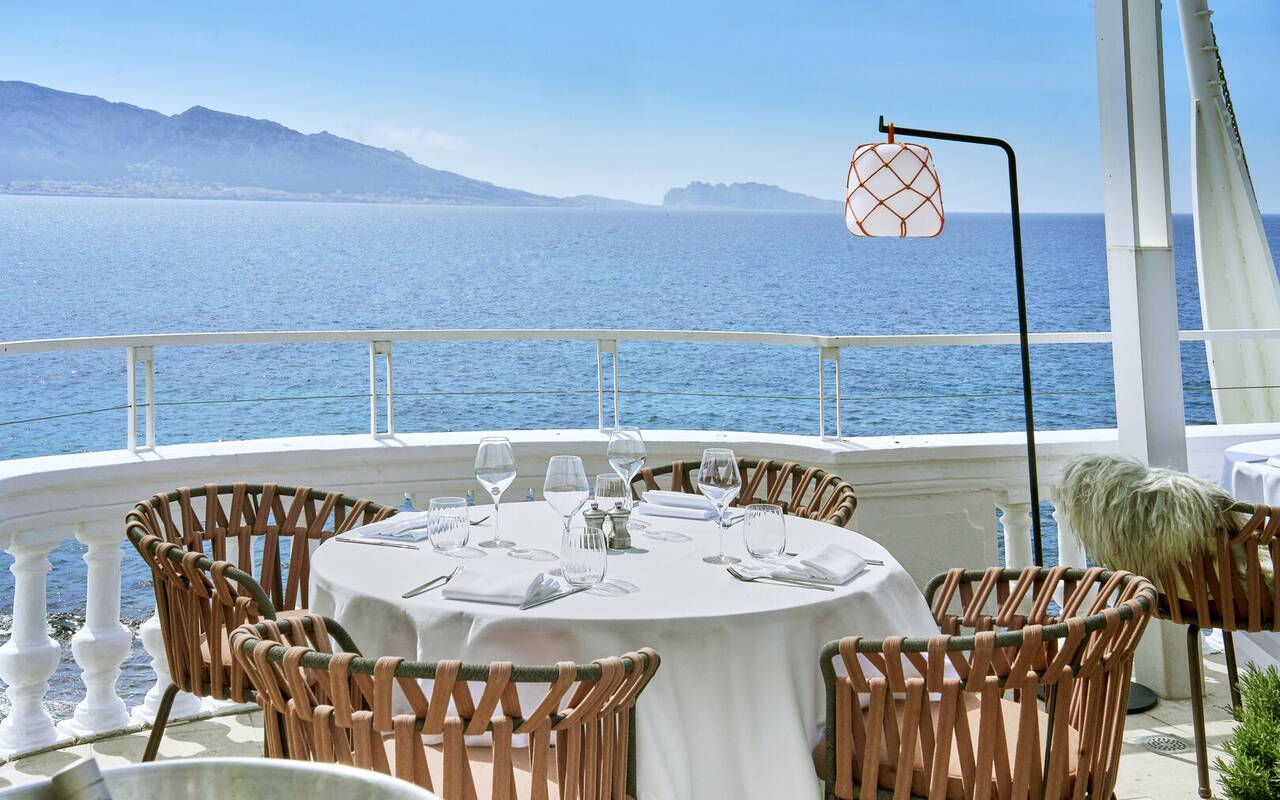
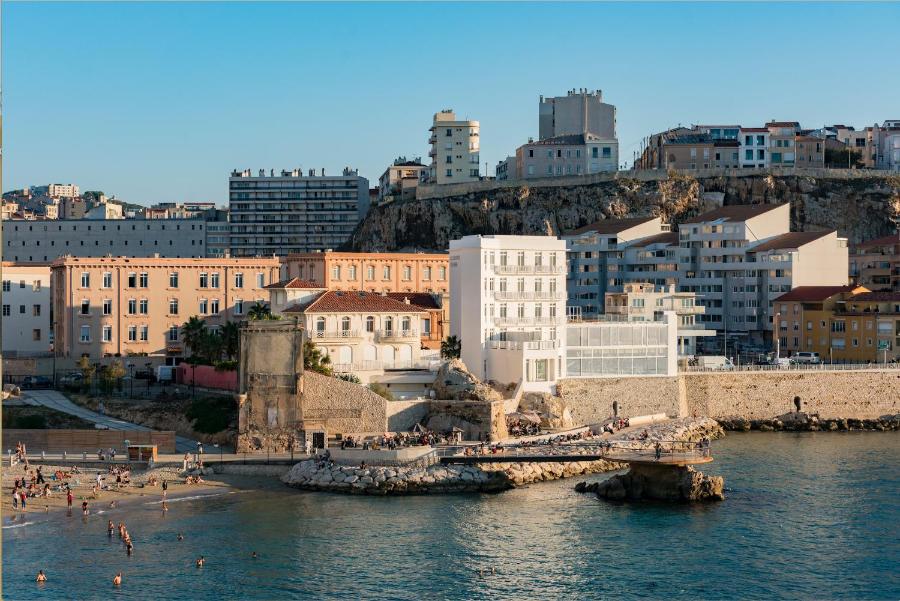
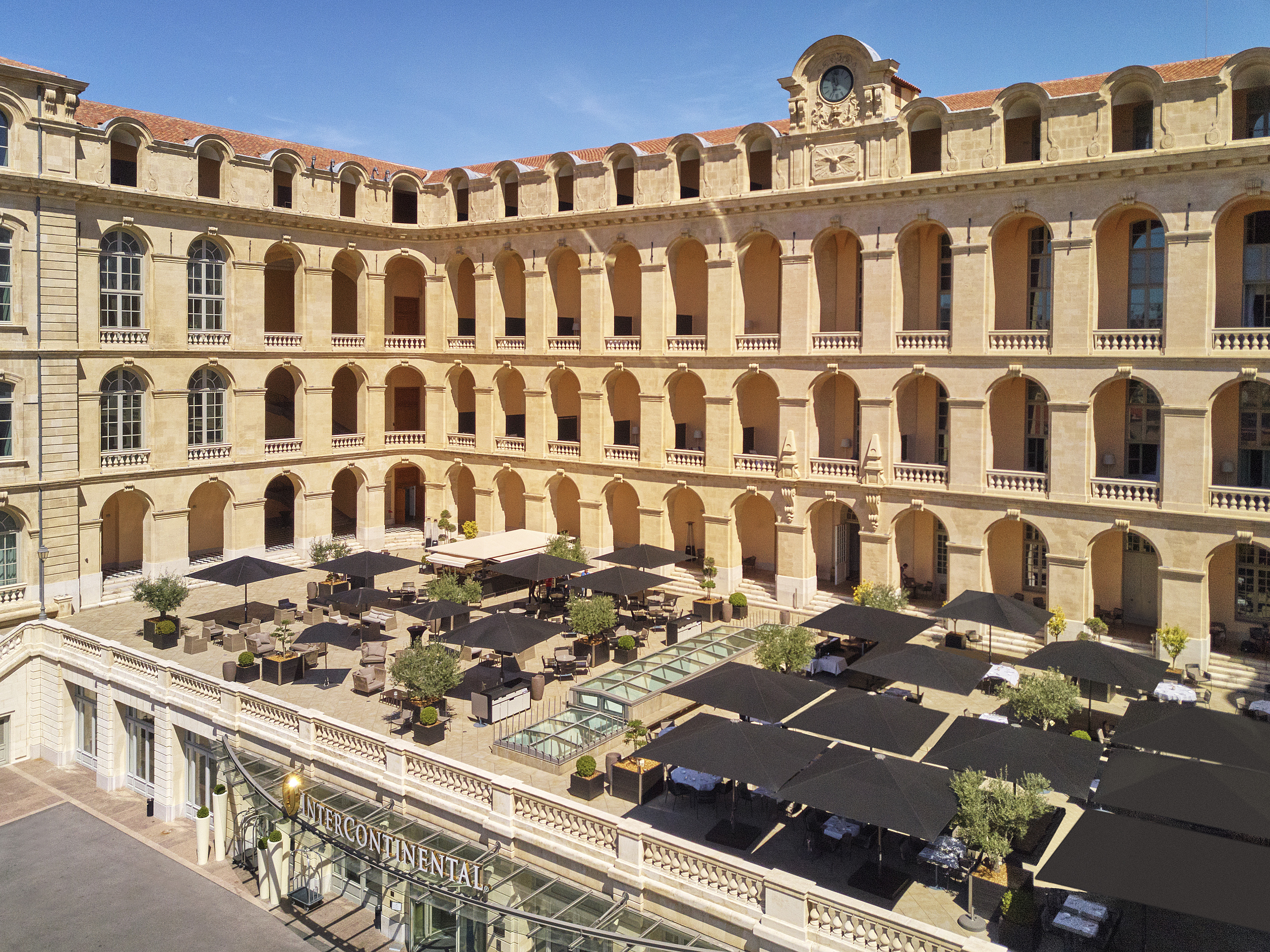
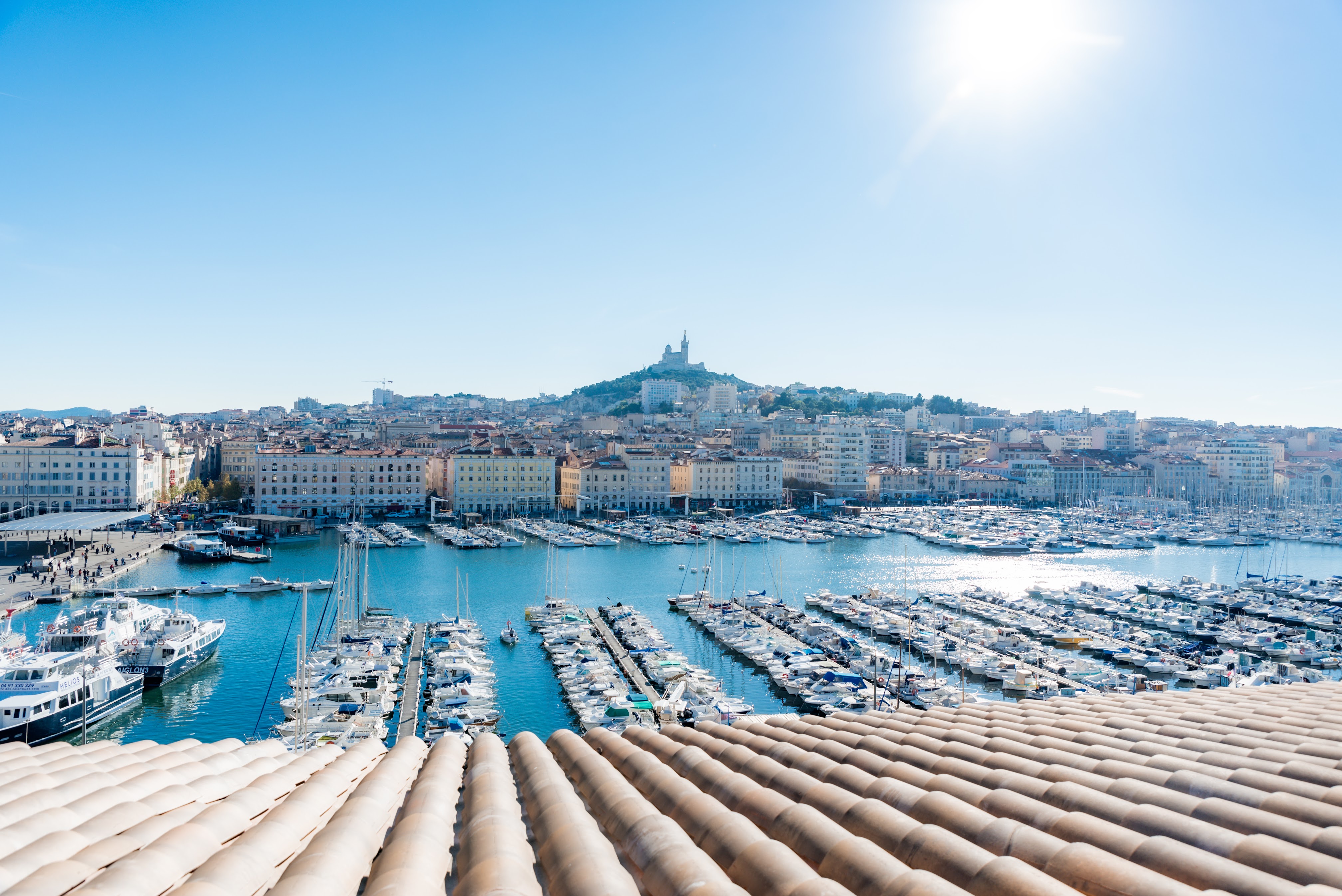
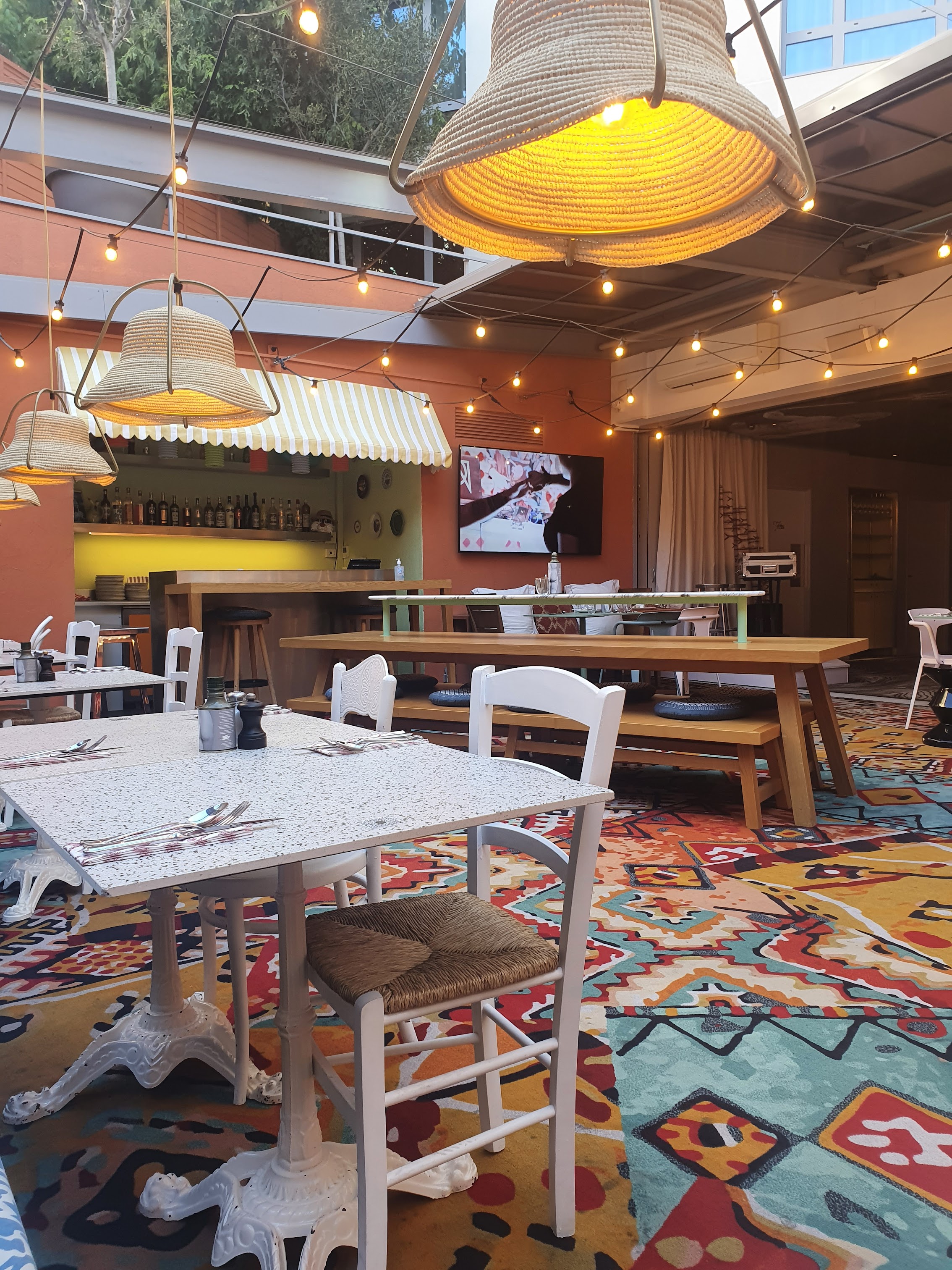
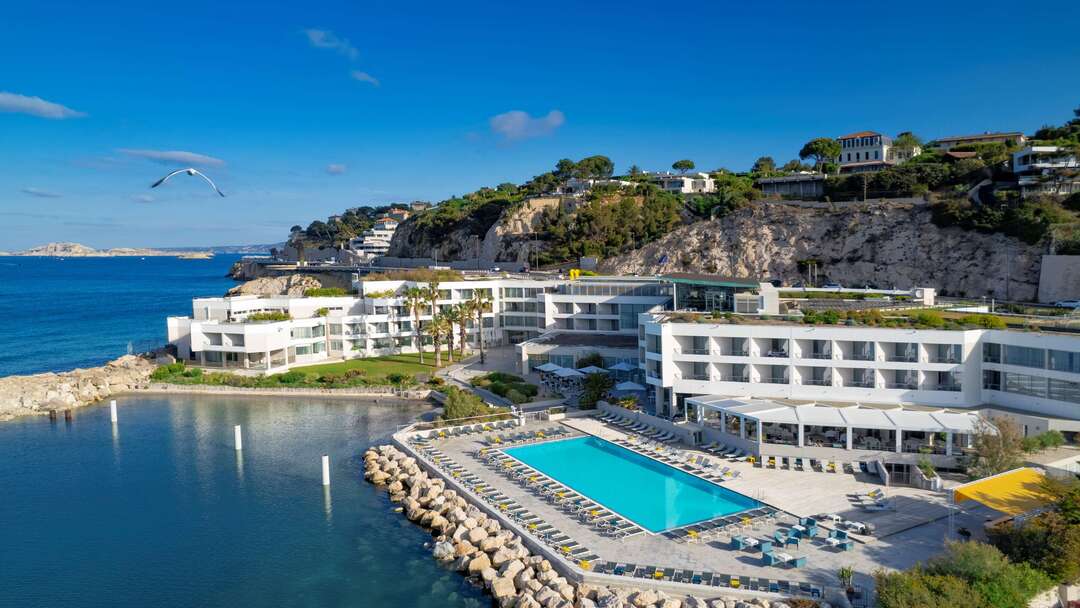
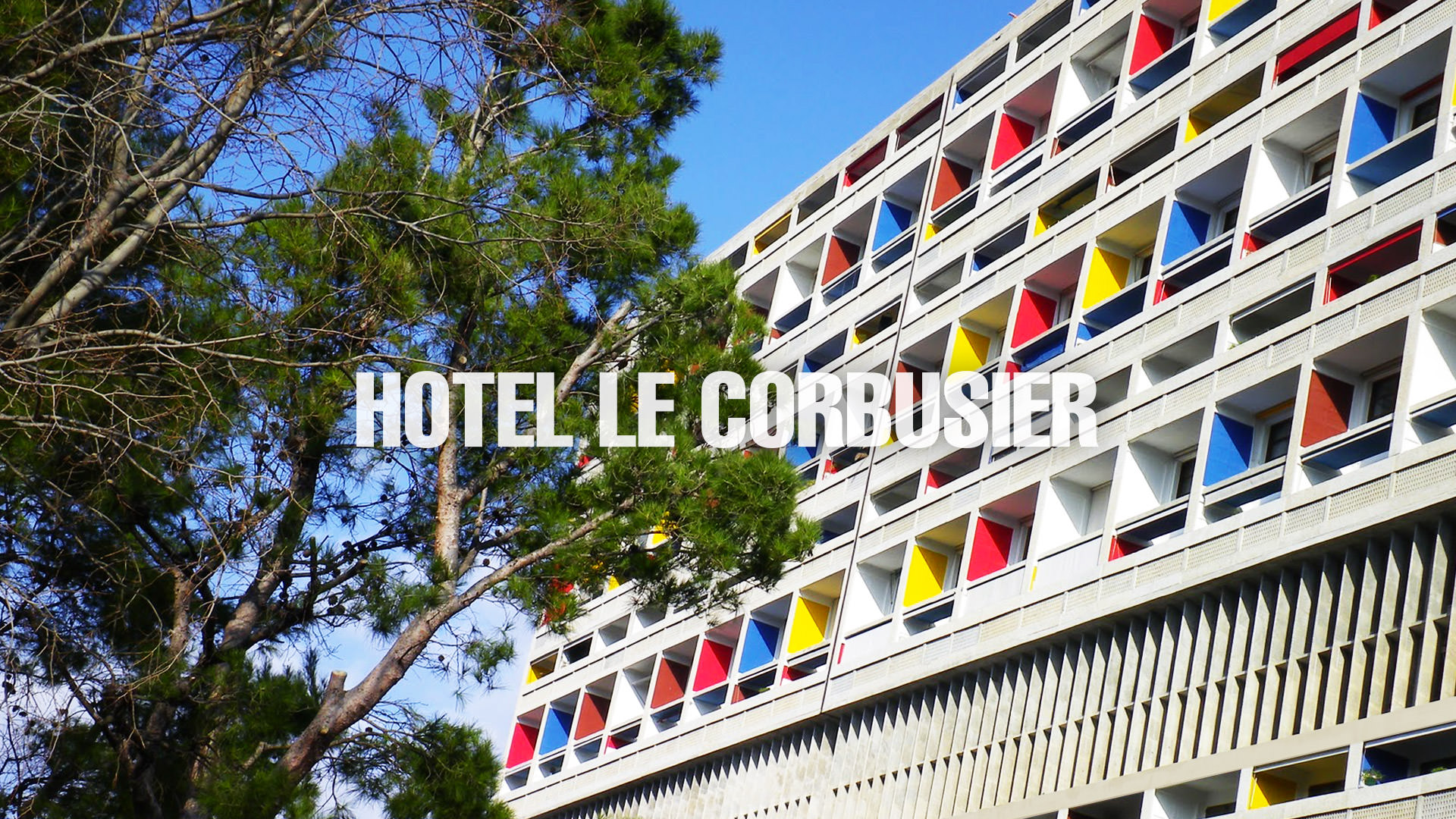
Where to Stay in Marseille
9 recommended properties
Money-Saving Tips
- 1.Buy groceries at Monoprix or Franprix instead of tourist shops — prices drop by 30-40%
- 2.Many museums offer free entry on the first Sunday of each month
- 3.The city bike system costs just €1 for 30 minutes — cheaper than any taxi
- 4.Fish market vendors slash prices after 11am when they want to clear inventory
- 5.Happy hour at harbor bars runs 5-7pm with €4-6 drinks instead of €8-12
- 6.Day passes for public transport (€5.20) pay for themselves after 3 rides
- 7.Beach access is free everywhere — skip the private beach clubs charging €20-30
- 8.Lunch menus at good restaurants cost €15-25, dinner menus €35-50 for the same food
- 9.Buy pastis at supermarkets for €8-12 per bottle instead of €4-6 per glass at bars
Travel Tips
- •Learn basic French greetings — Marseillais appreciate the effort more than Parisians
- •The mistral wind can turn a warm day freezing in minutes — always pack a light jacket
- •Avoid the main tourist restaurants around Vieux-Port — walk two blocks inland for better food and prices
- •Many shops close 12-2pm for lunch and all day Sunday — plan accordingly
- •The calanques require proper hiking shoes — flip-flops won't cut it on limestone trails
- •Pickpockets work the metro and crowded markets — keep valuables in front pockets
- •Book bouillabaisse restaurants in advance — the good ones limit portions and sell out
- •Public beaches have no lifeguards — swim at your own risk and watch for jellyfish
- •Tipping 5-10% is standard in restaurants, round up to nearest euro in cafés
- •Download the Citymapper app — it's more accurate than Google Maps for public transport