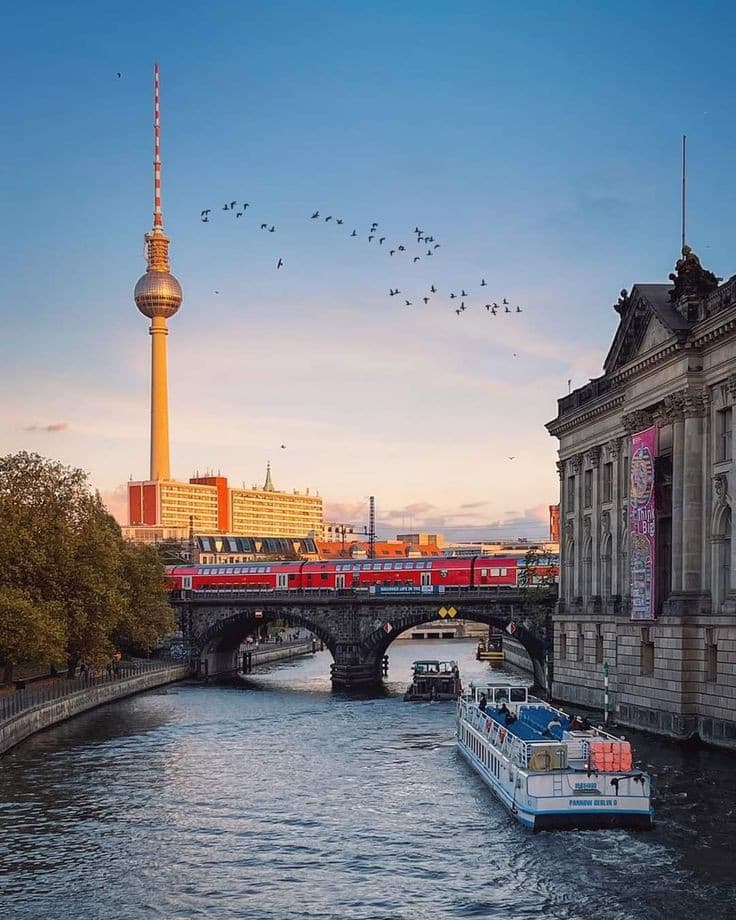
Berlin
Where history collides with cutting-edge creativity and culture
Berlin doesn't just wear its history on its sleeve — it grafts it onto glass towers and spray-paints it on concrete walls. This is a city where you'll find techno clubs in former power plants, world-class museums on an island, and some of Europe's best street art covering Cold War remnants. The German capital moves fast, stays up late, and never quite shakes off its rebellious edge. One minute you're standing where the Berlin Wall once divided a city, the next you're queuing for döner kebab at 3am after dancing in a basement that used to be an air-raid shelter.
Best Months
MAY – SEP
~22°C · high crowds
Culture & Context
RAW, DIVIDED, PROUDLY UNFINISHED
Berlin is not a polished, pretty capital in the way Vienna or Paris is. It's raw in places, unfinished in others, and genuinely proud of both. The city was divided by a wall for 28 years and still carries that split in its bones.
You can feel the difference between old East and old West in the architecture, the pace of life, and the attitude of entire neighborhoods. Prenzlauer Berg and Friedrichshain feel fundamentally different from Charlottenburg, and that's not an accident. Berliners have a reputation for being direct to the point of bluntness.
The Berliner Schnauze (literally "Berlin snout") is a real thing: dry, sardonic, with almost no small talk. Don't mistake that for hostility. It isn't.
The city has absorbed waves of immigration over decades, from Turkish communities in Kreuzberg dating back to the 1960s to a massive international creative class that arrived post-Wall. That mix shows in the food, the languages on the street, and a general tolerance for weirdness that's hard to find elsewhere. Sunday is genuinely quiet.
Shops close. The city slows down in a way that feels almost deliberate. And recycling is taken seriously.
Berliners sort glass, paper, and packaging, and they'll notice if you don't.
Local Customs
SORT YOUR RECYCLING SERIOUSLY
Sort your recycling. Glass, paper, and packaging go in separate bins. This is not optional in German social culture..
Pfand is the bottle deposit system. Empty bottles have a small deposit (usually €0.08–€0.
25). Return them at the supermarket machine for cash. Locals leave empties somewhere visible in parks for others to collect..
Bikes have absolute right of way on bike lanes. Walking into one earns you a sharp bell and a sharp comment. Watch where you step..
Drinking in parks, on the S-Bahn, and on the street is completely legal and normal. The Wegbier (road beer) is a genuine local institution.. Tipping is appreciated but not the American percentage ritual.
Round up, add a euro or two, or say 'stimmt so' (keep the change) when you hand over cash.. Shops close on Sunday. Do your grocery shopping on Saturday or you'll be surviving on Späti snacks..
Punctuality matters in social plans. If you arrange to meet someone, show up on time.. Germans, including Berliners, address strangers as 'Sie' (formal you).
Switch to 'du' only when invited.
Safety
VERY SAFE, WATCH PICKPOCKETS
Berlin is genuinely safe. Violent crime against tourists is rare enough to make local news when it happens. The real hazard is pickpocketing, concentrated around Alexanderplatz, Brandenburg Gate, Museum Island, and on busy S-Bahn and U-Bahn lines.
Keep your bag in front of you in crowded spots and don't leave your phone on café tables. One specific place to avoid after dark: Görlitzer Park in Kreuzberg. Perfectly fine during the day, but it functions as an open drug market after nightfall.
Kottbusser Tor gets rowdy late on weekends, but nothing most city travelers haven't navigated before. Mitte, Prenzlauer Berg, Charlottenburg, and Friedrichshain are all comfortable day and night. One practical note Berliners will enforce personally: do not walk in the bike lanes.
Cyclists have legal priority and will bell you, yell at you, or both, with no hesitation. Public transport runs 24 hours on weekends. On weeknights trains stop around 1–1:30am, then night buses take over on the same routes.
ATMs: use machines inside bank lobbies (Sparkasse, Deutsche Bank) rather than freestanding ones near tourist sites at night.
Getting Around
U-BAHN & TRAMS EVERYWHERE
Berlin's public transport is one of the best arguments for ditching your car entirely. The BVG runs everything: U-Bahn (subway), S-Bahn (commuter rail), trams, buses, and ferries. One ticket works across all of them.
Zone AB covers everything a tourist needs. A single AB ticket costs €4.00 and is valid for two hours with unlimited transfers.
The day pass (Tageskarte) runs €11.20 for AB zones. Staying a week or longer?
The Deutschlandticket at €63/month covers all local and regional transit across the entire country, not just Berlin. Worth every cent. Download the BVG app before you land.
Here's the thing most people get wrong: paper tickets must be stamped in the yellow machines on the platform before you board trains. There are no turnstiles. But plainclothes inspectors check regularly, and the fine is a flat €60 with zero sympathy.
Bus 100 and Bus 200 run from Alexanderplatz to the Zoo, passing the major landmarks for the price of a regular ticket. Free city tour, basically. For BER Airport, you need a Zone ABC ticket (€5.
00 single) since the airport sits outside Zone AB. Miss this and you're paying the fine.
Useful Phrases
Explore Neighborhoods




Explore the Region
Berlin Itineraries
View all
Berlin in 7 Days: History, Neighborhoods & Hidden Corners
Week · $$$
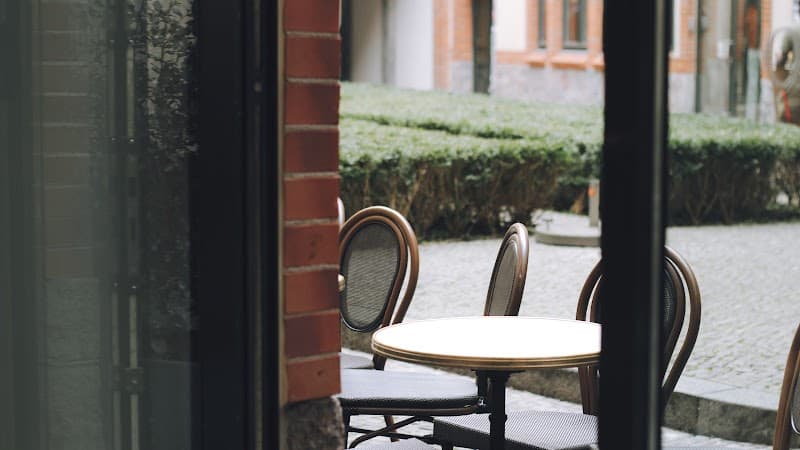
Bold Berlin: A Premium Adventure Weekend for Two
Weekend · $$$$
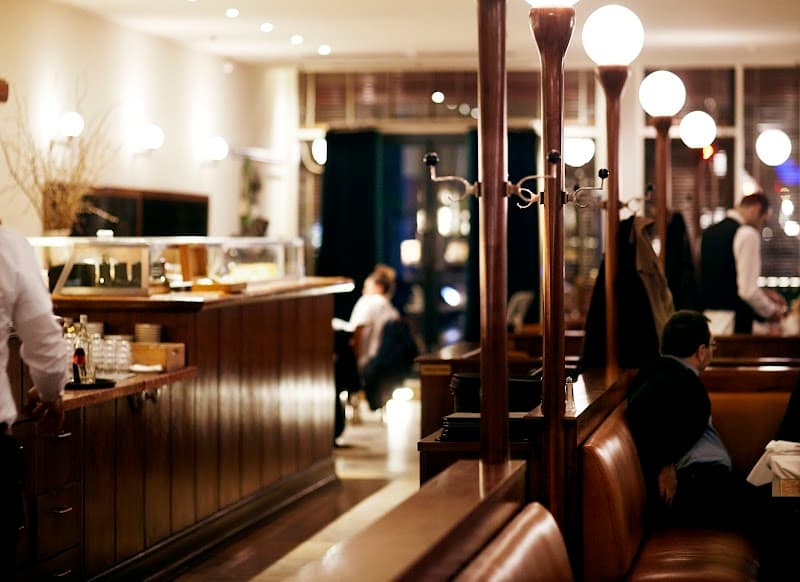
Berlin in Overdrive: 48 Hours of Grit, History & Nightlife
Weekend · $$
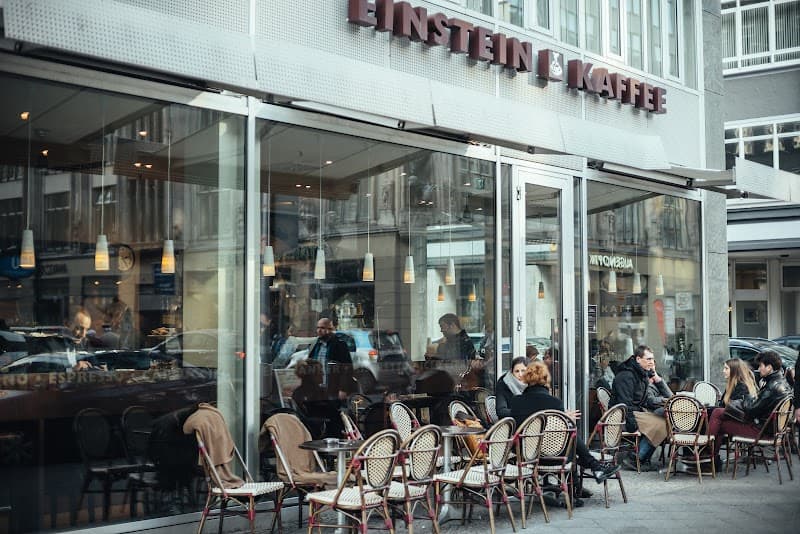
Berlin Weekend: History, Food, Art, and Late Nights
Weekend · $$

One Perfect Day in Berlin’s Historic Heart
Weekend · $$$

Berlin in a Day: History, Art & Evening Wine
Weekend · $$
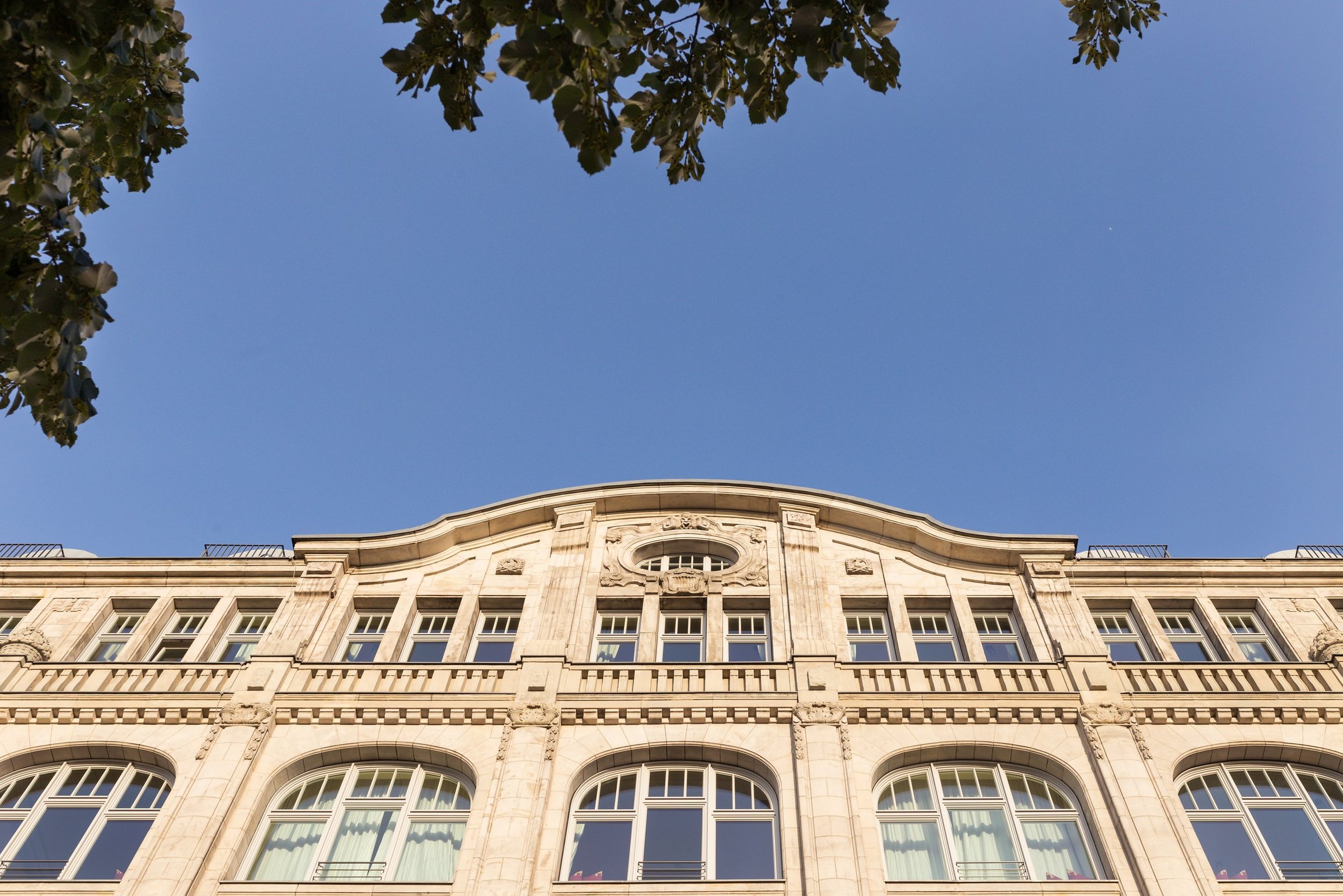
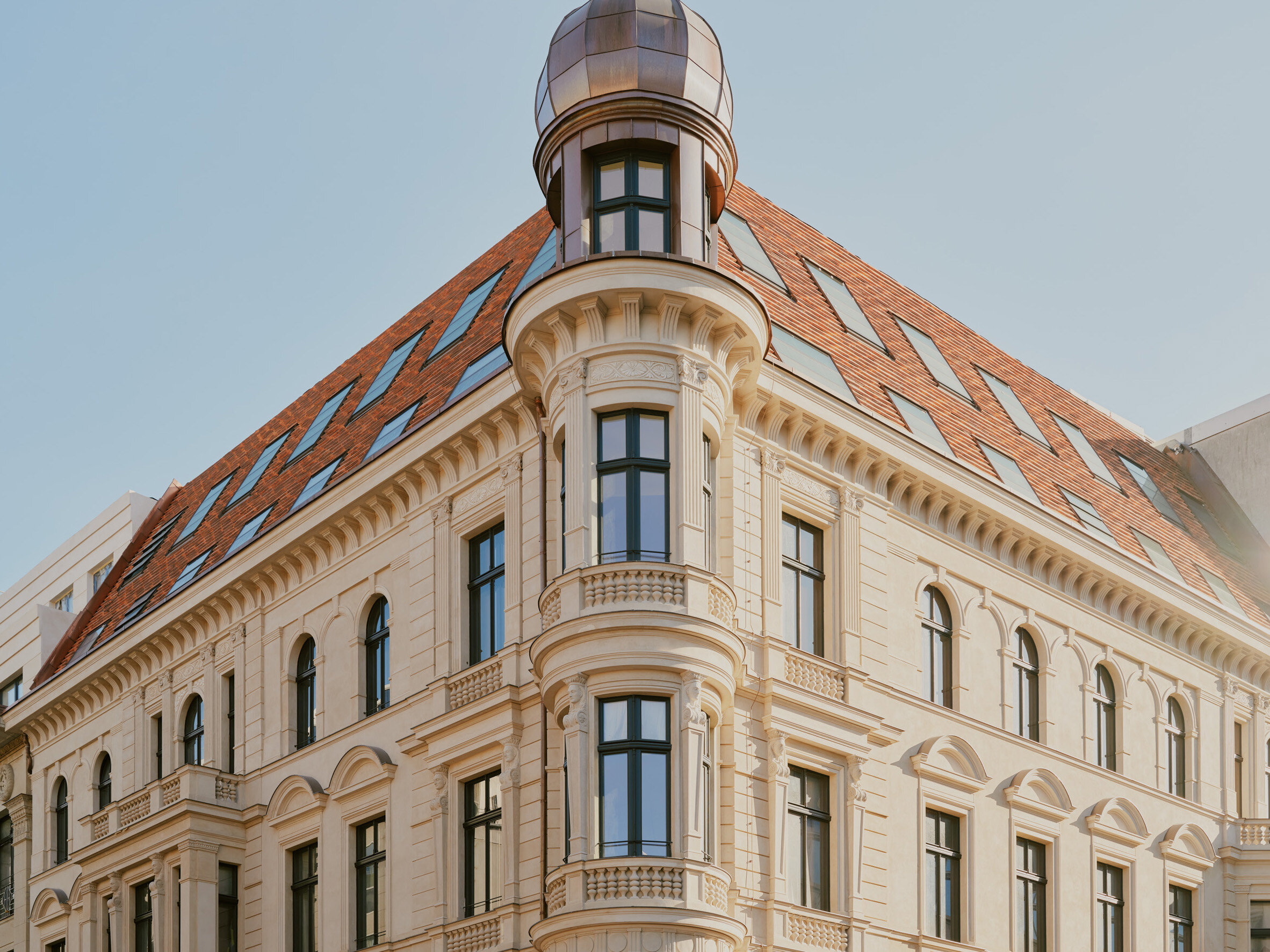
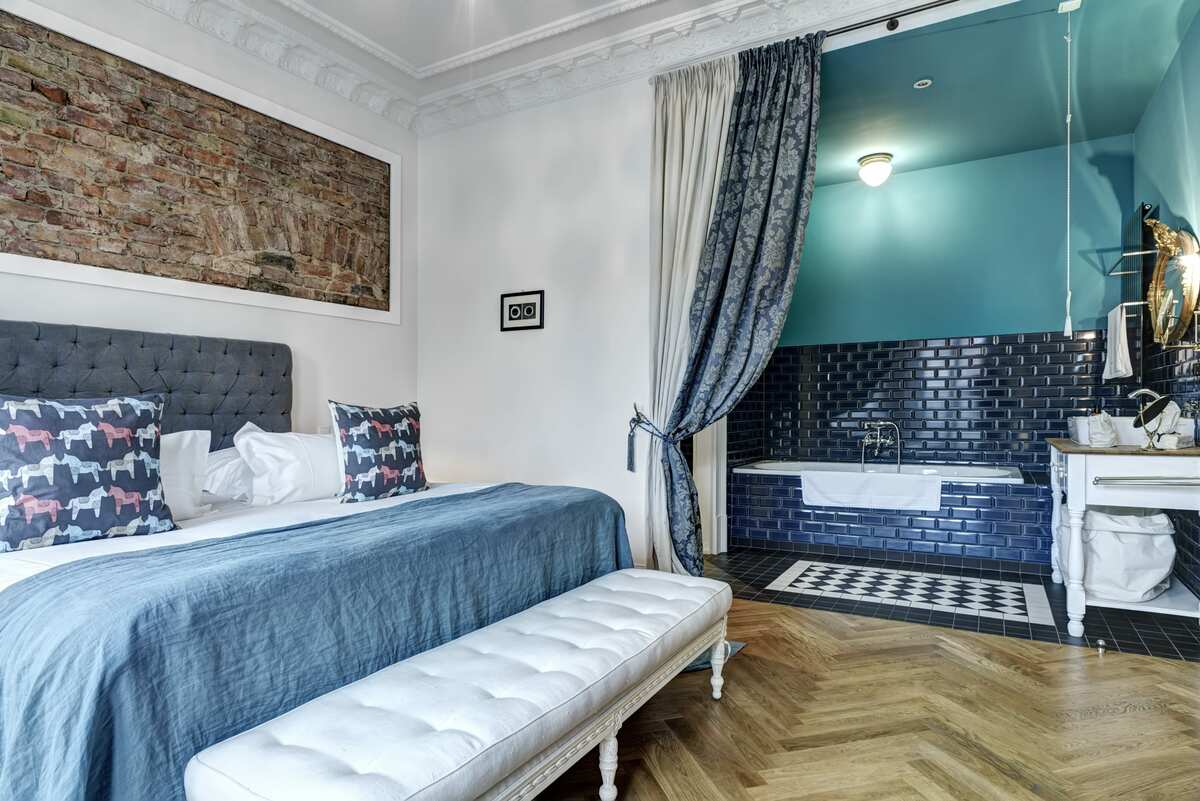
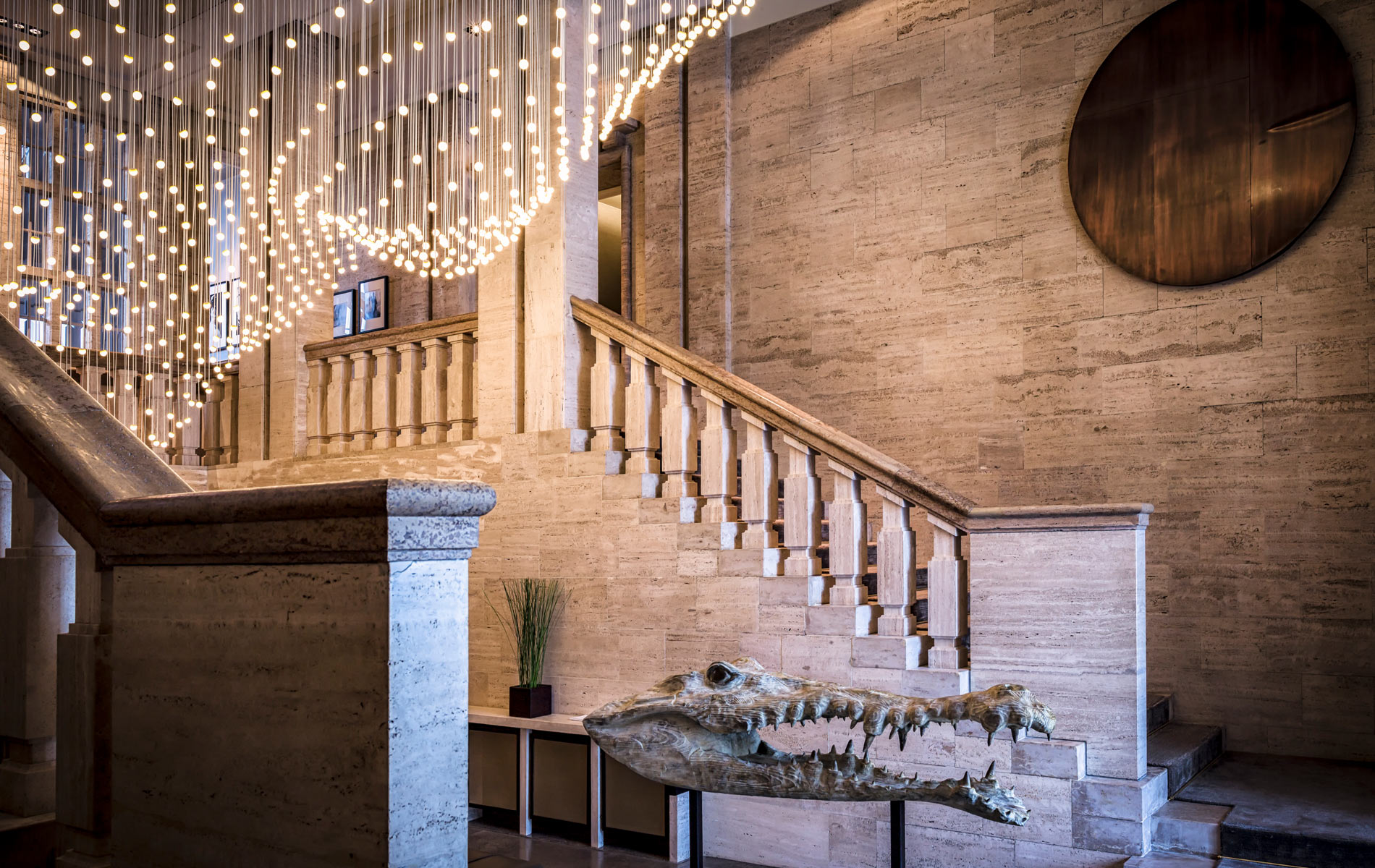
Where to Stay in Berlin
9 recommended properties
Things to Do in Berlin
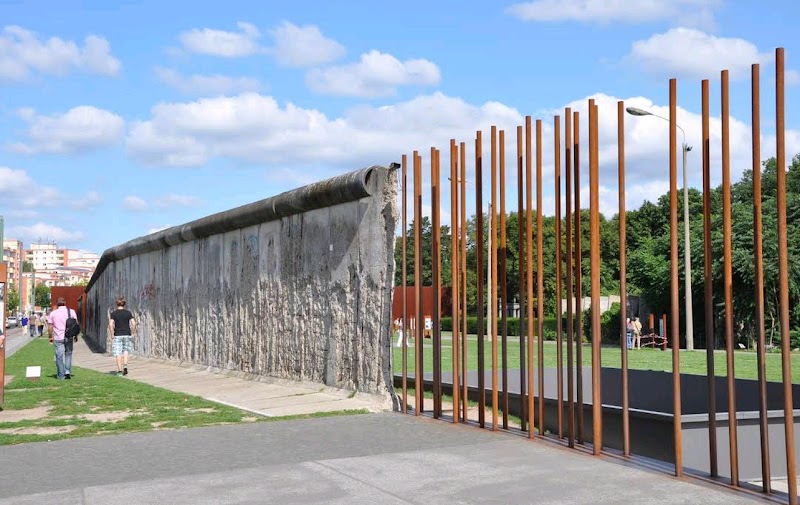
Berlin Wall Memorial (Gedenkstätte Berliner Mauer)
Mitte (Bernauer Straße) · 90 min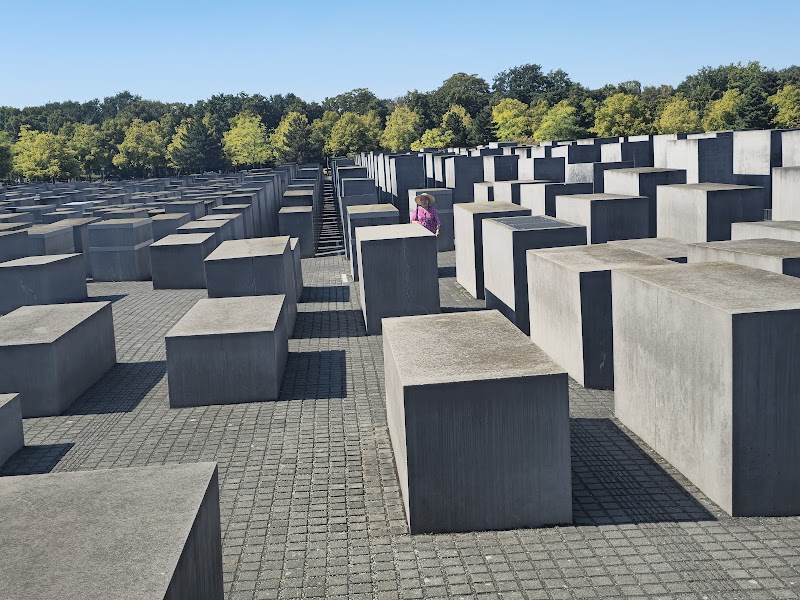
Brandenburg Gate & Memorial to the Murdered Jews of Europe
Mitte (Pariser Platz / Tiergarten edge) · 90 min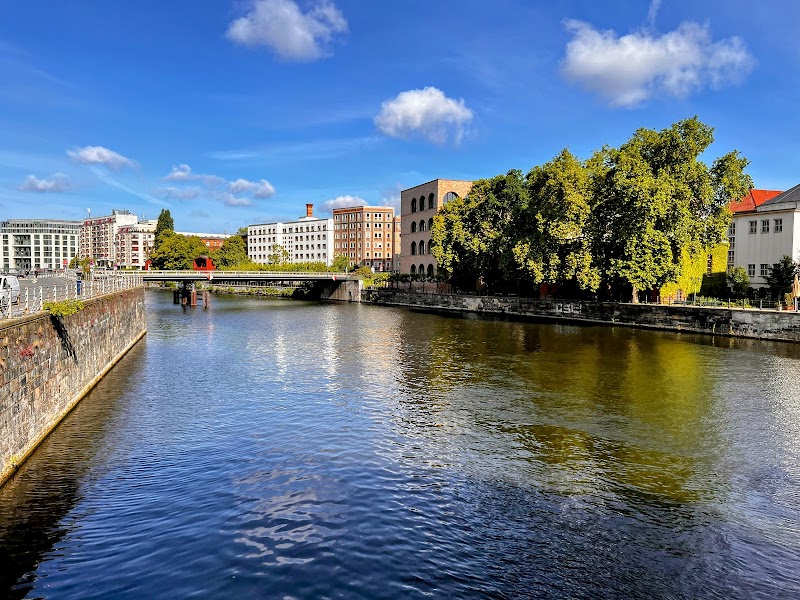
Evening Spree River Cruise
Mitte (near Friedrichstraße / Museum Island) · 90 minMoney-Saving Tips
- 1.Buy a Berlin WelcomeCard for public transport plus museum discounts — €23 for 48 hours
- 2.Many museums are free on the first Sunday of each month for residents, but tourists pay full price
- 3.Happy hours run 4-7pm at most bars — cocktails drop from €12 to €8
- 4.Supermarket beer costs €0.70 per bottle vs €4 in bars — stock up at Edeka or Rewe
- 5.Street food markets offer better value than restaurants — expect €6-8 for filling meals
- 6.Club entry gets cheaper after 4am when bouncers care less about the queue
- 7.Free walking tours run daily but guides expect €10-15 tips
- 8.Airbnb often costs less than hotels, especially in Friedrichshain and Neukölln
Travel Tips
- •Download the BVG app for real-time public transport — it works offline too
- •Carry cash — many restaurants and bars still don't accept cards
- •Learn basic German greetings — locals appreciate the effort, especially older residents
- •Dress down for clubs — fancy clothes scream tourist and hurt your chances at strict doors
- •Book restaurant tables ahead on weekends — Berlin's dining scene has exploded
- •Pack layers year-round — weather changes fast and buildings can be under-heated
- •Validate transport tickets or face €60 fines from plain-clothes inspectors
- •Sunday shopping is mostly impossible — stock up on Saturday
- •Tap water is safe and free at restaurants if you ask for 'Leitungswasser'
- •Keep your phone charged — many venues only accept mobile tickets