Lyon
France's gastronomic capital where history meets culinary excellence
Lyon doesn't try to compete with Paris for attention. It doesn't need to. France's third-largest city has been perfecting the art of living well for centuries, and it shows in every silk-draped window of Vieux Lyon and every perfectly plated dish in Bouchon Daniel et Denise. This is where French cuisine was born, where Renaissance merchants built secret passageways called traboules, and where the Rhône and Saône rivers meet to create one of Europe's most underrated food capitals. Lyon rewards the curious traveler who values substance over spectacle.
Best Months
APR · MAY · JUN · SEP · OCT
~20°C · moderate crowds
Culture & Context
SILK WORKERS & SILK PURSES
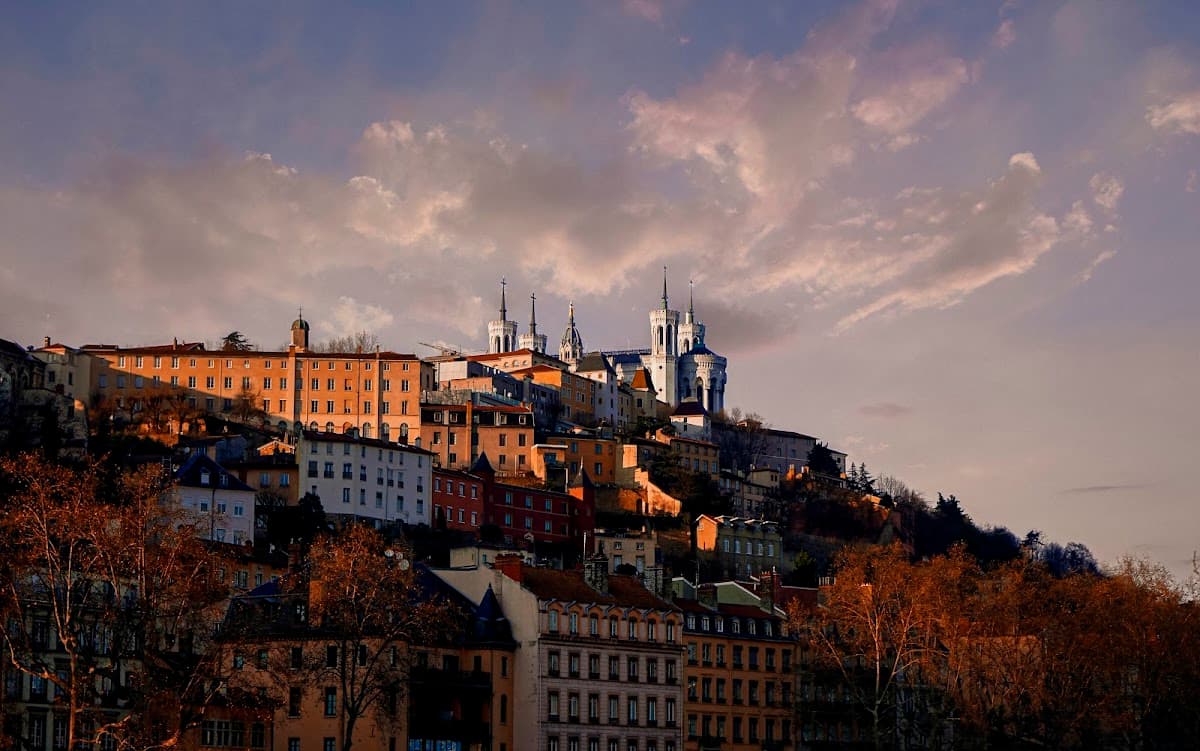
Lyon sits at the confluence of the Rhône and Saône rivers and takes its dual identity seriously. The two hills tell you everything: Fourvière to the west is the "colline qui prie" (the hill that prays), home to the basilica and Roman ruins. Croix-Rousse to the north is the "colline qui travaille" (the hill that works), where 30,000 Canut silk workers once ran their looms in apartments built with high ceilings specifically to fit the machinery.
That working-class pride never really left. The Lumière brothers shot some of cinema's earliest footage here in 1895, and Paul Bocuse, born just outside the city, essentially defined modern French cuisine from this place. Lyonnais are quietly fierce about their city.
They don't really need your approval. The bouchon tradition, nose-to-tail cooking served in no-frills rooms, is a point of genuine cultural identity. Menus lean heavily on pork, offal, quenelles (fluffy fish dumplings), and Saint-Marcellin cheese.
You will eat well. But go expecting simple, honest food, not spectacle.
Local Customs
SHARED TABLE, SHARED RESPECT
Bouchon etiquette: these are small, communal, no-frills rooms. You may share a table with strangers. Nobody finds this weird.
Don't rush, don't demand substitutions. Order the formule.. On December 8th, locals put lumignon candles on their windowsills at nightfall.
It's a centuries-old tradition connected to a vow to the Virgin Mary. Join in if your accommodation allows it.. The Croix-Rousse market on Boulevard de la Croix-Rousse runs daily except Monday, with peak action in the mornings.
Locals shop here properly, not as a tourist activity. Arrive by 9am for the best produce.. Traboules (the passageway shortcuts through buildings) are technically private property accessible by custom.
Close gates quietly behind you, don't shout, and don't join the groups doing organized tours if you want residents to keep letting people through.. Lyon café culture runs on espresso and quick standing visits. Sitting down at a terrace for a long coffee is fine, but don't expect table service in smaller bars without asking..
Tip: French law requires restaurants to provide free tap water (une carafe d'eau) if you ask. Don't feel pressured to order bottled water.. Don't try to drive in the old town.
The streets are medieval, parking is basically non-existent, and the tram network makes a car pointless inside the city.
Safety
PICKPOCKETS, NOT DANGER
Lyon is broadly safe for tourists. Most problems are petty theft, not violence. Vieux Lyon, Place Bellecour, and Part-Dieu station are the main pickpocket zones.
Keep your phone in a front pocket on the metro, especially on Line D which gets packed. The areas around Guillotière metro station and Squares Mazagran and Gabriel-Péri (7th) can feel uncomfortable, particularly at night; it's a localized pocket, not the whole neighborhood. Mermoz and the Etats-Unis area of the 8th arrondissement are best avoided after dark.
Around Part-Dieu and Perrache stations, watch for ticket touts selling fake or expired TCL tickets. Ignore them and use the machines or the app. Emergency numbers: 15 (ambulance), 17 (police), 18 (fire), 112 (general emergency).
If you ever feel unsafe on the street, look for shops displaying an 'Ici demandez Angela' sticker, part of a city-wide safe space network. France is currently at an elevated national security level, so visible security presence at major public events is normal and expected. For after-midnight transit, check the TCL 'Pleine Lune' night bus schedule before leaving a restaurant.
On big event nights (Fête des Lumières, Fête de la Musique), TCL sells special evening passes and extends service hours significantly.
Getting Around
TCL: METRO, TRAM, FUNICULAR
The TCL network runs metro, trams, buses, and two funiculars. A single ticket costs €2.10 and is valid for one hour with unlimited transfers across all modes.
A carnet of 10 tickets costs €19. If you're doing more than three rides in a day, the 24-hour pass at around €6.90 makes more sense.
The Lyon City Card (1, 2, 3, or 4 days) covers unlimited transit plus free entry to 26 museums; good value if you're hitting several paid attractions. Since September 2025, TCL merged with the Cars du Rhône network, so coverage now extends across the entire Rhône department. Metro lines run roughly 5am to midnight, later on weekends and during major events.
Line C (the orange rack-railway line) is the one that climbs up to Croix-Rousse. Line D is fully automated and covers Bellecour and Vieux Lyon. Paper tickets are gone.
Buy through the TCL app, station machines, or tap your contactless bank card. Validate every time you board a bus, tram, or funicular. No need to re-validate on metro if staying within the timed window.
Vélo'v bike-sharing has nearly 350 stations across the city with hybrid bikes. Good for flat rides along the Rhône and Saône riverbanks, less fun on the hills. The airport Rhônexpress tram to Part-Dieu takes about 30 minutes and requires a separate ticket, not included in standard TCL fares.
Buy online for a small discount. Don't bother renting a car inside the city. The traffic is genuinely bad and parking is designed to make you give up.
Useful Phrases
Lyon Itineraries
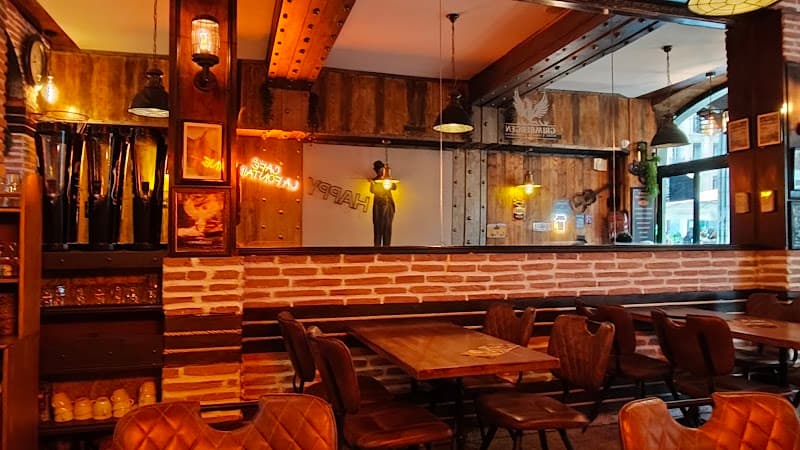
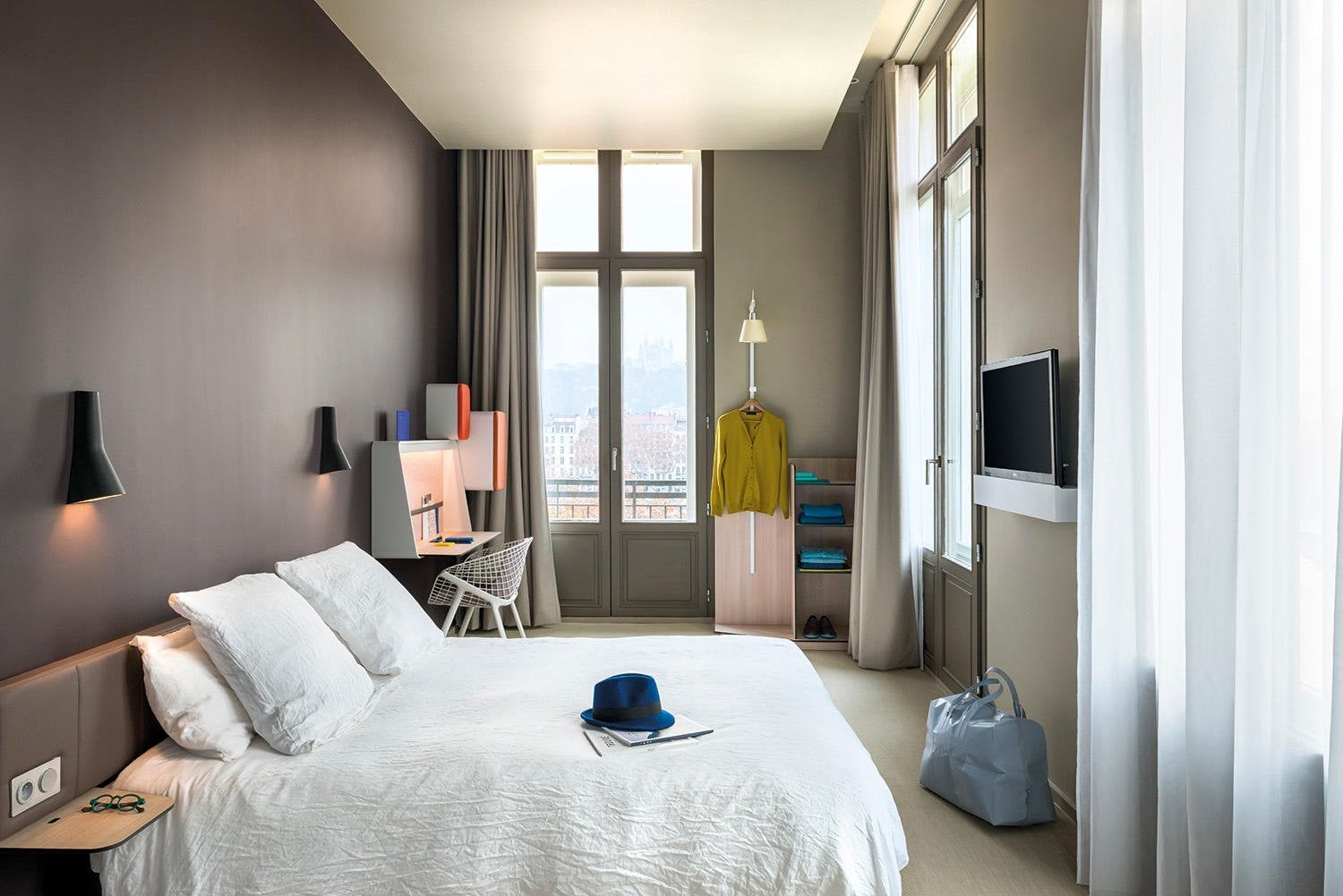
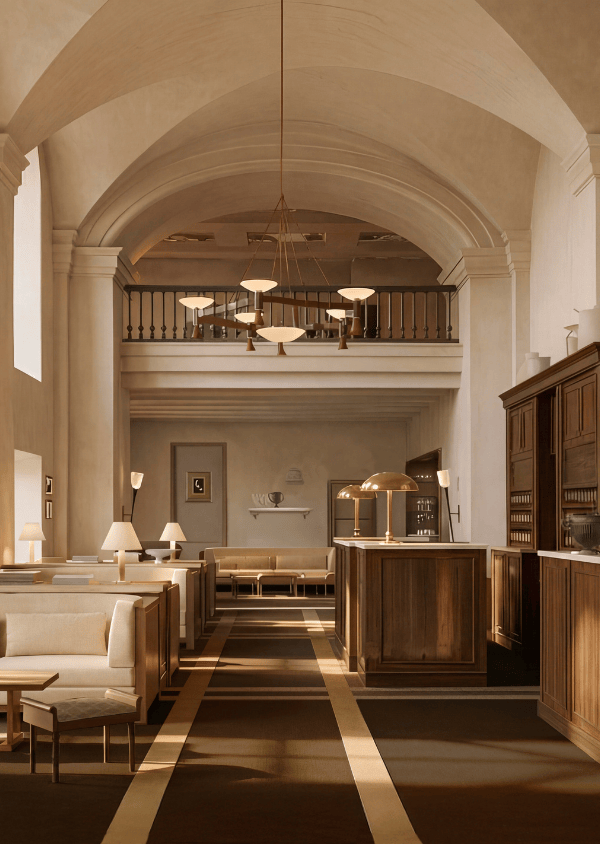
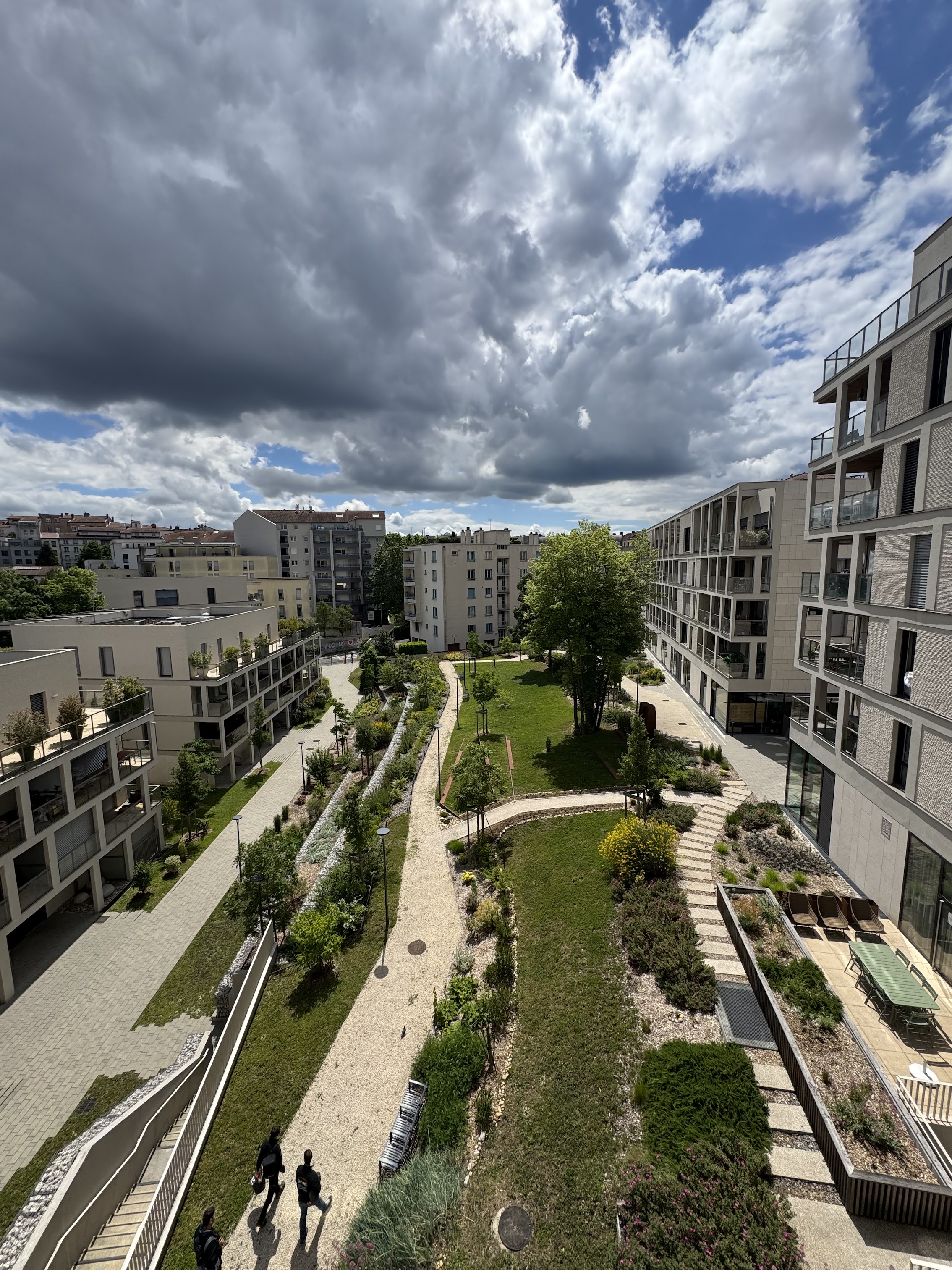
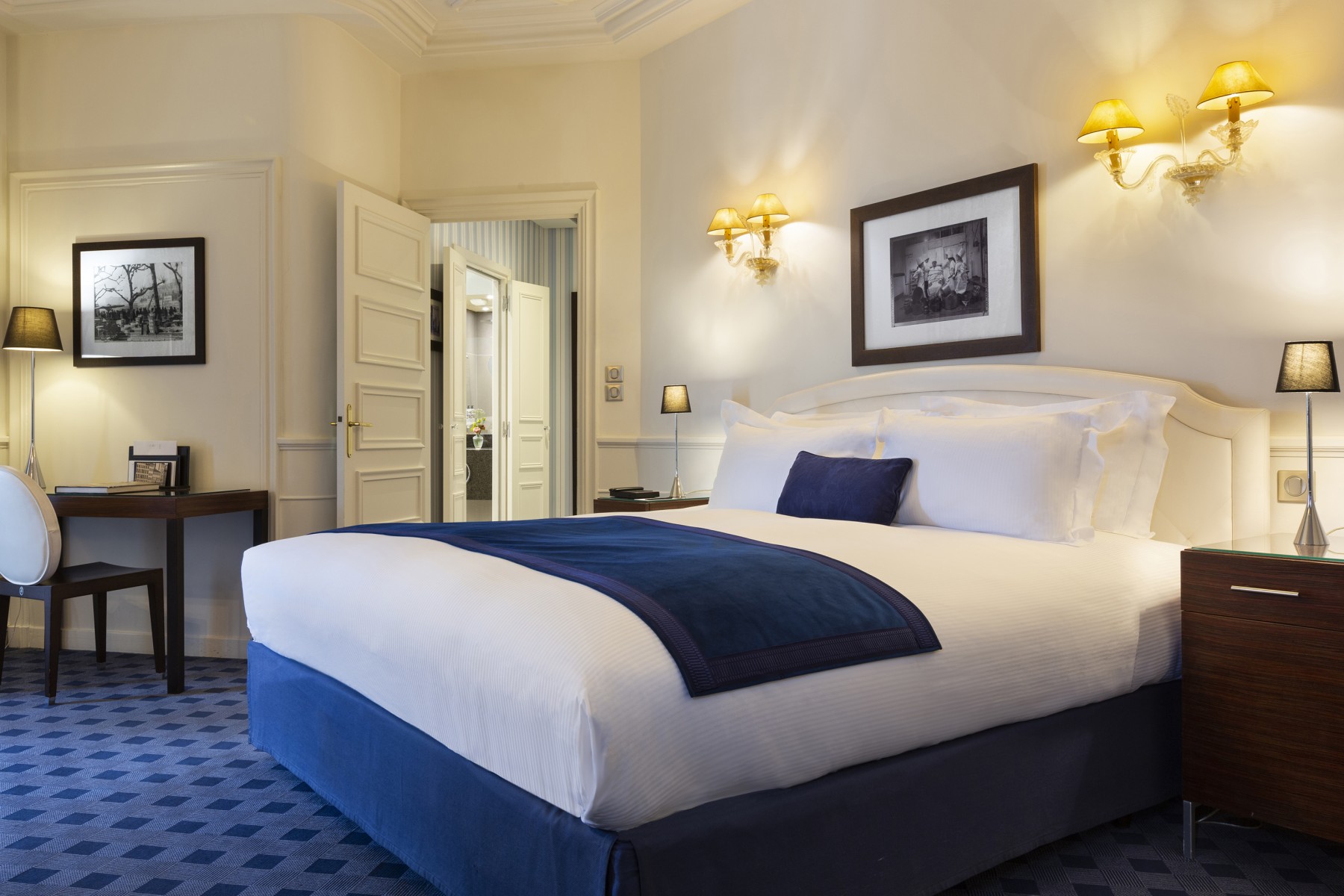
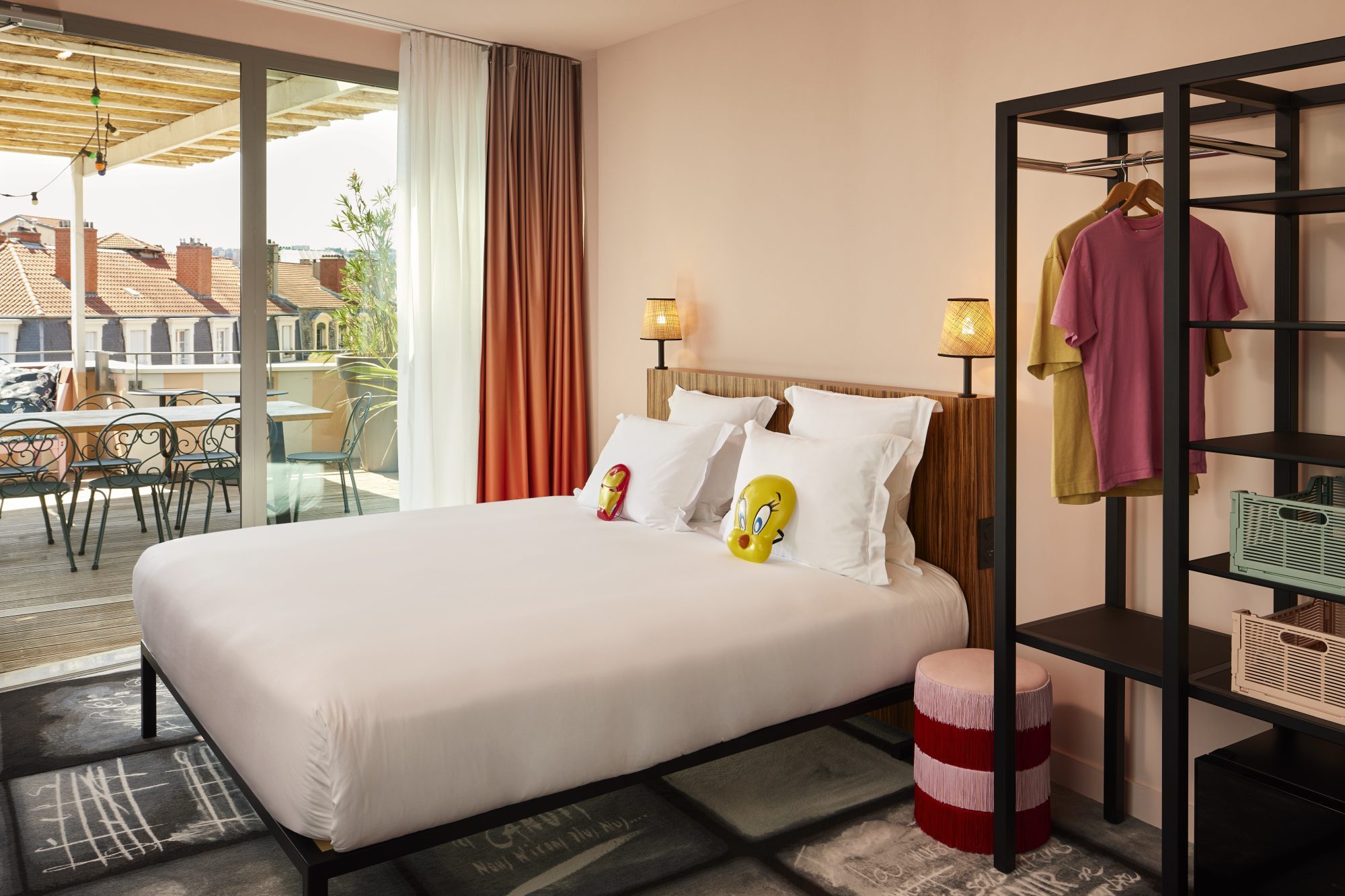
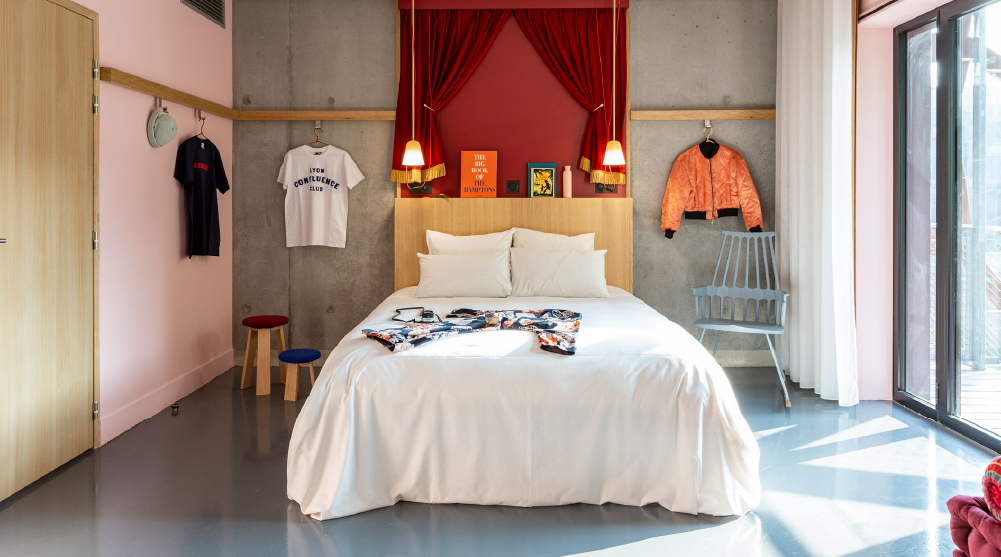
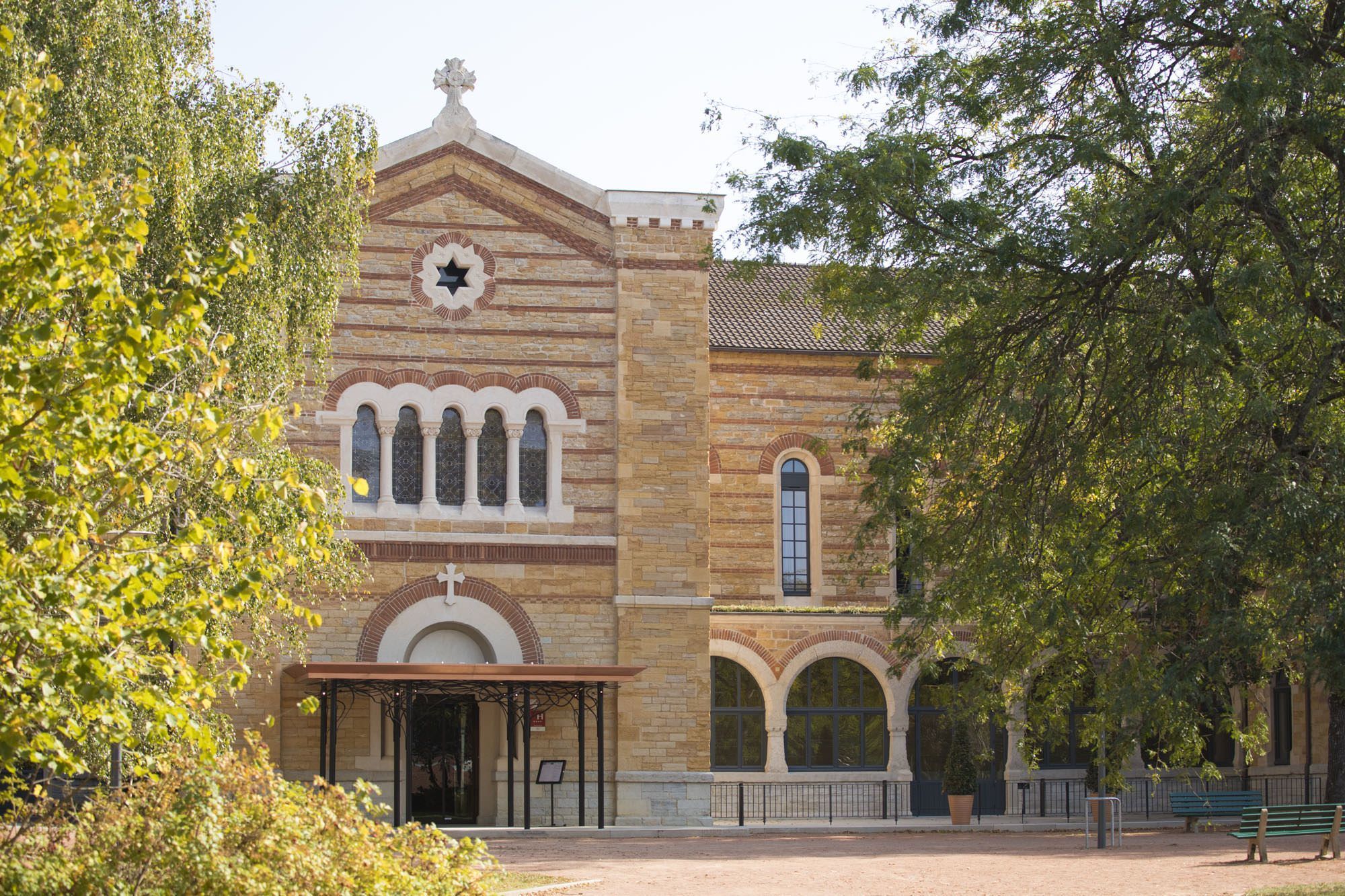
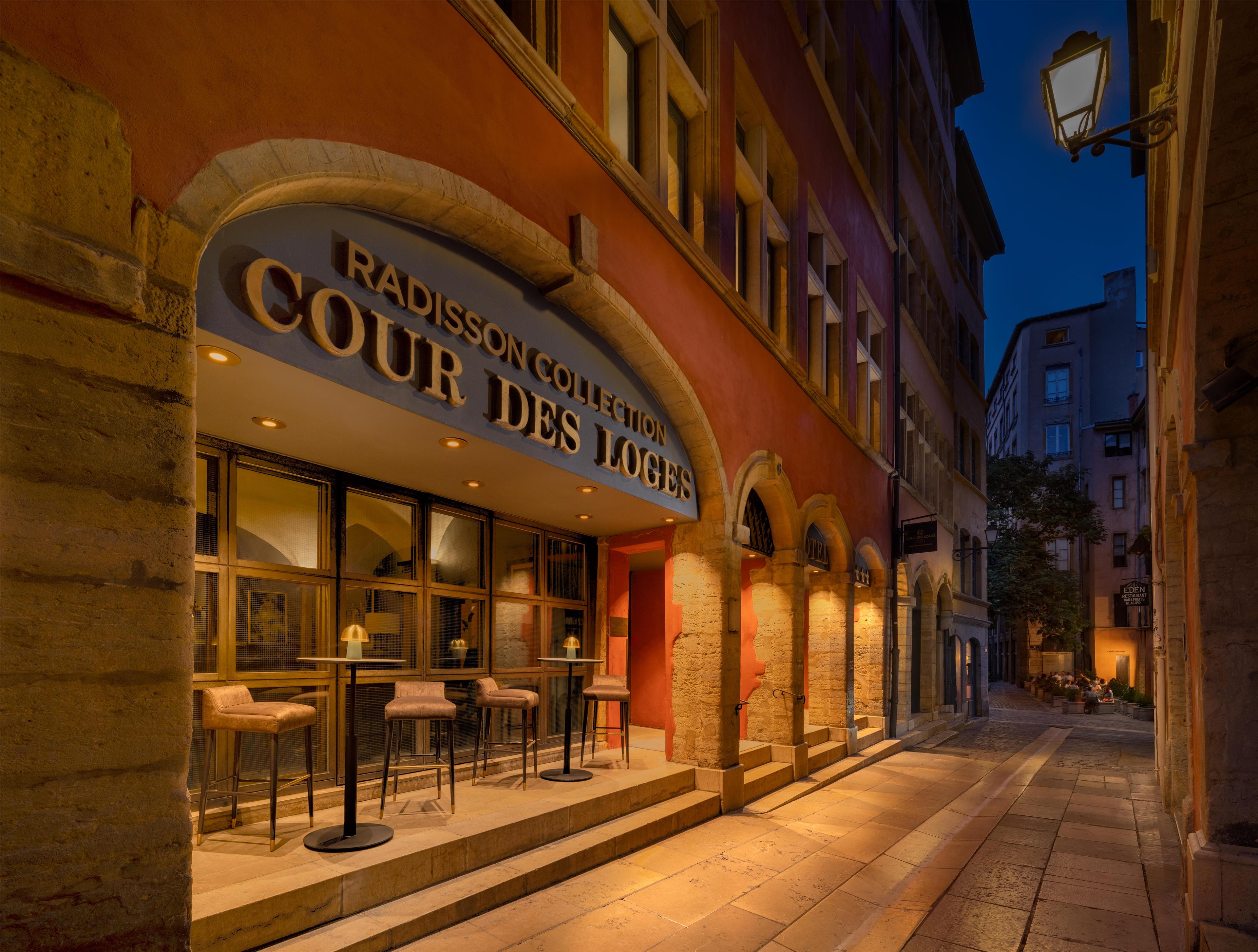
Where to Stay in Lyon
9 recommended properties
Things to Do in Lyon
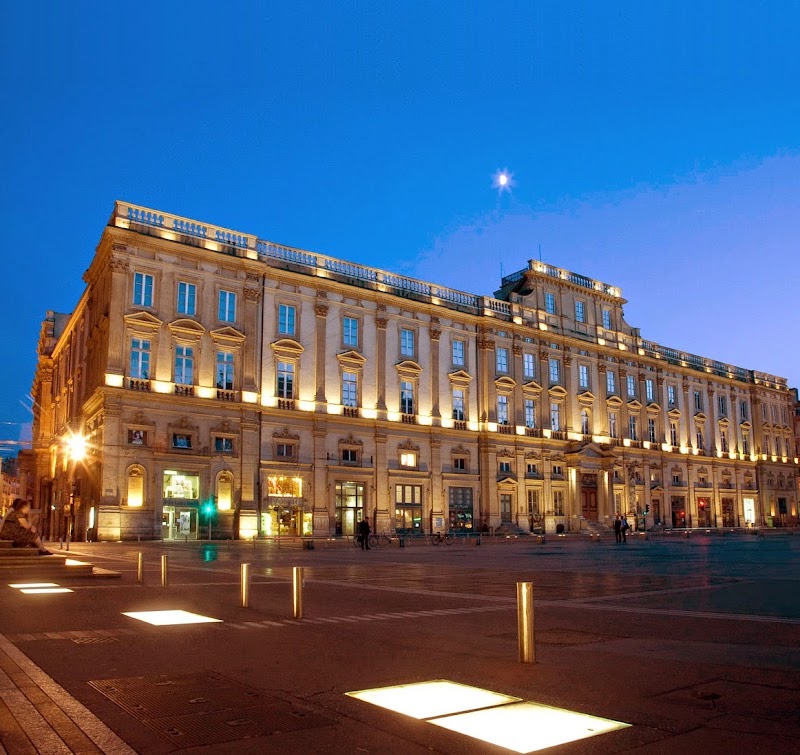
Musée des Beaux-Arts de Lyon
Presqu'île (1st arrondissement) · 120 min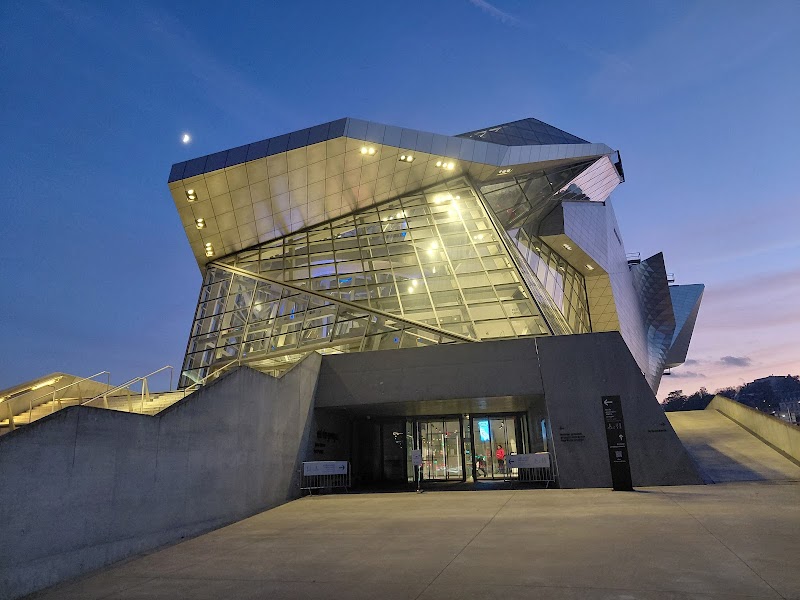
Musée des Confluences & Riverfront Promenade
Confluence (2nd arrondissement) · 150 minMoney-Saving Tips
- 1.Lyon City Card costs €27 for 2 days and includes public transport plus museum entries – worth it if you're hitting 3+ attractions
- 2.Lunch menus at bouchons run €18-25, while dinner easily hits €40+ for the same dishes
- 3.Les Halles food market lets you sample expensive ingredients without restaurant markups
- 4.Hotel prices drop 30-40% on weekends when business travelers leave
- 5.Many museums offer free entry on first Sunday mornings
- 6.Buy wine directly from Beaujolais producers – bottles cost half what restaurants charge
- 7.TCL day passes pay for themselves after 4 metro rides
- 8.Supermarket chains like Monoprix have prepared foods that rival restaurant quality for €8-12
Travel Tips
- •Download the Citymapper app – Lyon's public transport can be confusing for first-timers
- •Traboules (hidden passageways) in Vieux Lyon are free to explore, but respect residents' privacy
- •Book bouchon restaurants ahead – locals take their food seriously and tables fill fast
- •Wear comfortable walking shoes – Lyon's hills and cobblestones will test your feet
- •Many restaurants close between lunch and dinner (2-7pm) – plan accordingly
- •Learn basic French greetings – Lyon isn't as tourist-friendly as Paris
- •Bring a reusable water bottle – public fountains throughout the city center
- •Museum passes often include skip-the-line access, not just discounts