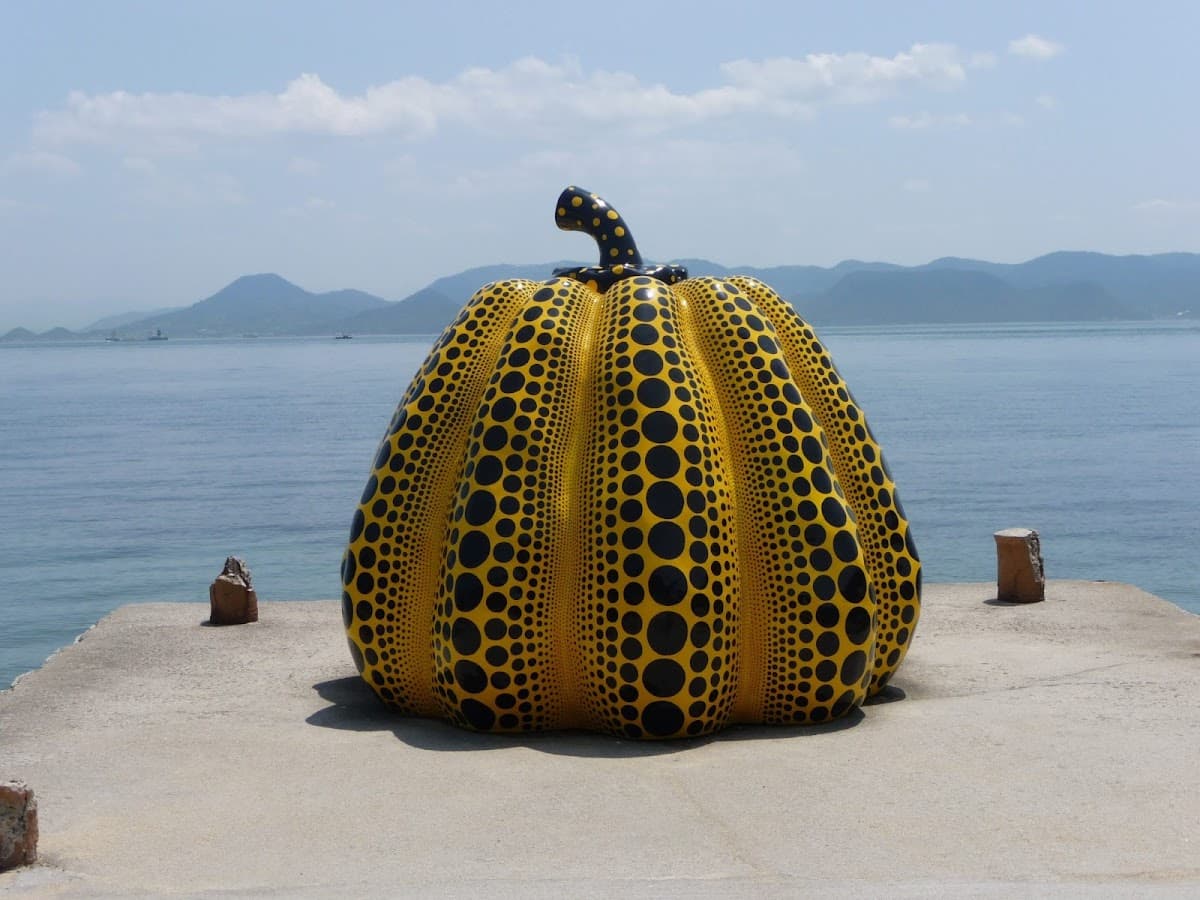
Naoshima
Japan's art island where contemporary creativity meets Seto Sea
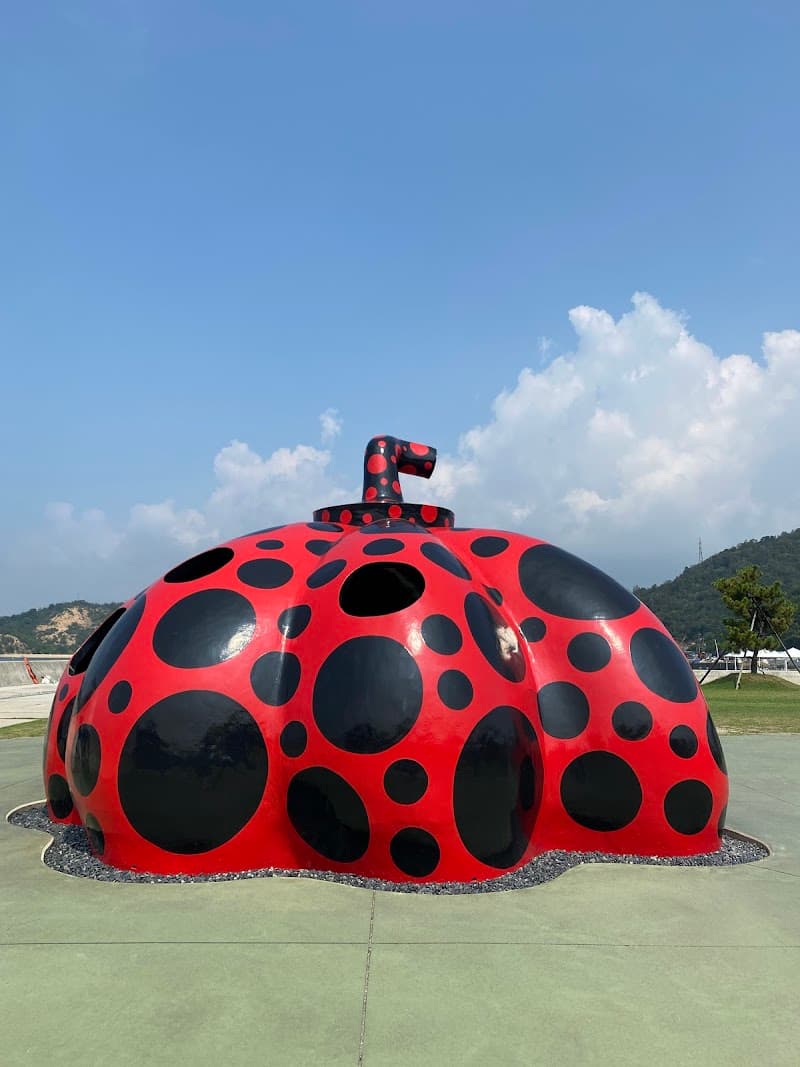
Naoshima isn't your typical Japanese island getaway. This small dot in the Seto Sea has transformed into one of the world's most compelling art destinations, where Tadao Ando's concrete architecture houses works by Monet and James Turrell. The island pulses with contemporary creativity while maintaining its fishing village charm. Yellow pumpkins dot the coastline, underground museums emerge from hillsides, and art installations blend seamlessly with traditional homes. It's a place where you'll spend your morning contemplating infinity rooms and your afternoon cycling past rice paddies. The ferry ride from Uno Port takes just 20 minutes, but you'll feel like you've entered another dimension entirely.
Best Months
MAR · APR · MAY · SEP · OCT · NOV
~22°C · moderate crowds
Culture & Context
ART ISLAND RESURRECTION
Naoshima's story is a genuine revival. Thirty years ago it was a quiet, economically declining fishing island in the Seto Inland Sea — one of 3,000. Then the Benesse Corporation and architect Tadao Ando started transforming it in 1992, turning abandoned houses and raw coastline into a world-class contemporary art destination.
Today it's home to the Chichu Art Museum (Monet, James Turrell, Walter De Maria, all underground), the Benesse House Museum, the Lee Ufan Museum, the Hiroshi Sugimoto Gallery, and the newly opened Naoshima New Museum of Art (May 2025 — Ando's tenth building on the island, featuring works by Takashi Murakami and Cai Guo-Qiang). The Art House Project in Honmura village converted abandoned homes into permanent installations — unassuming from the street, startling inside. The island also hosts the Setouchi Triennale every three years (last edition: 2025; next: 2028), which expands art across 12 islands in the Seto Inland Sea.
Local residents have mixed feelings about the art-tourism boom — the seasonal surges can be intense and the benefits uneven — so treat the village of Honmura with genuine respect. This is still a place where people live.
Local Customs
RESERVE AHEAD, NO PHOTOS
Book museums before you book your ferry — Chichu Art Museum, Minamidera, KINZA, and the Hiroshi Sugimoto Gallery all require advance online reservations in 2026. Spring (April–May) and autumn (October–November) tickets can sell out weeks ahead. Online tickets are also cheaper than walk-up prices..
Photography rules are strict and taken seriously. Outdoor sculptures like the Kusama pumpkins are fine to photograph. Inside virtually every museum and art house, cameras are forbidden.
No exceptions, and staff will stop you — don't try to sneak a shot.. Everything except Benesse House Museum closes on Mondays (or Tuesdays if Monday is a national holiday). Plan around this — many restaurants and cafes also take Mondays off in solidarity..
Before entering the I Love Yu bath (or any onsen), scrub your entire body thoroughly at the individual shower stations before entering the shared water. There are no English instruction signs here. This is non-negotiable etiquette..
Remove shoes when entering traditional art houses in Honmura and private establishments. Follow any signage carefully — the Art House Project spaces are intimate and often have specific rules about movement and behavior.. Carry cash.
Small shops, the Honmura ferry port ticket machine, and several cafes are cash-only. ATMs are limited on the island — get yen on the mainland before boarding.. Buses get genuinely crowded during peak season.
If you're not at the front of the queue when the bus arrives, you may wait an hour for the next one and miss your ferry. Keep the timetable handy and build in buffer time.. The last ferry from Miyanoura back to Uno Port departs around 20:25.
Miss it and you are spending the night on the island — budget or plan accordingly.
Safety
EXCEPTIONALLY SAFE
Naoshima scores approximately 95/100 on safety indices — one of the safest island destinations in Asia. Violent crime is essentially nonexistent. Japan holds a U.
S. State Department Level 1 travel advisory (exercise normal precautions) as of 2026. The main practical risks are environmental: typhoon season runs July through October and can cancel ferries with little warning.
If you're visiting in summer, check weather forecasts daily and have a contingency plan if you get stranded overnight. The island is hilly and sun exposure is significant — carry water and apply sunscreen, especially if cycling in summer. The island has only two taxis, so don't rely on them for emergency transport.
Medical facilities on the island are minimal; serious issues require a ferry back to the mainland. Solo and female travelers consistently report feeling completely comfortable. The art community creates an open, international atmosphere.
Getting Around
FERRY DEPENDENT, BIKE FRIENDLY
Getting to Naoshima requires a ferry — there's no bridge or airport. Two mainland ports connect to the island. From Okayama (most common route): take the JR Uno Line from Okayama Station to Uno Station (45–60 min, ¥590, JR Pass valid), then walk 5 minutes to Uno Port and take the ferry to Miyanoura Port (20 min, ¥300–370).
From Tokyo this takes about 4.5–5 hours total — an overnight stay is strongly recommended. From Osaka/Kyoto: Shinkansen to Okayama (45–50 min) then Uno Line + ferry — about 2.
5 hours total. From Takamatsu: standard ferry takes 50 min (¥680) or high-speed boat 25 min (¥1,590) — convenient if you're already in Shikoku. Ferries run approximately 12 times daily from Uno Port between 6:10 and 20:25.
Miss the last boat and you're staying the night. On the island: the town bus runs between Miyanoura, Honmura, and Tsutsujiso for ¥100 flat fare. The free Benesse shuttle connects the major museum area from Tsutsujiso every 30 minutes (15 min during busy periods).
Bicycles rent from ¥500/day standard or ¥1,500/day e-assist at Miyanoura Port — recommended for Honmura and the port area, but not allowed inside the Benesse museum zone. Buy ferry tickets at port kiosks on the day; no advance reservation needed for the ferry itself.
Useful Phrases
Naoshima Itineraries
View all
Seven Slow Days on Naoshima Art Island
Week · $$$
Naoshima Wild Shores & Art Island Escape
Weekend · $$$
Seven Slow Days of Art & Sea Breezes on Naoshima
Week · $$$
Naoshima Art Island Escape for Two
Weekend · $$$
Seven Serene Days on Japan’s Art Island Naoshima
Week · $$$
Naoshima Family Art Island Escape (3 Days)
Weekend · $$$
Things to Do in Naoshima
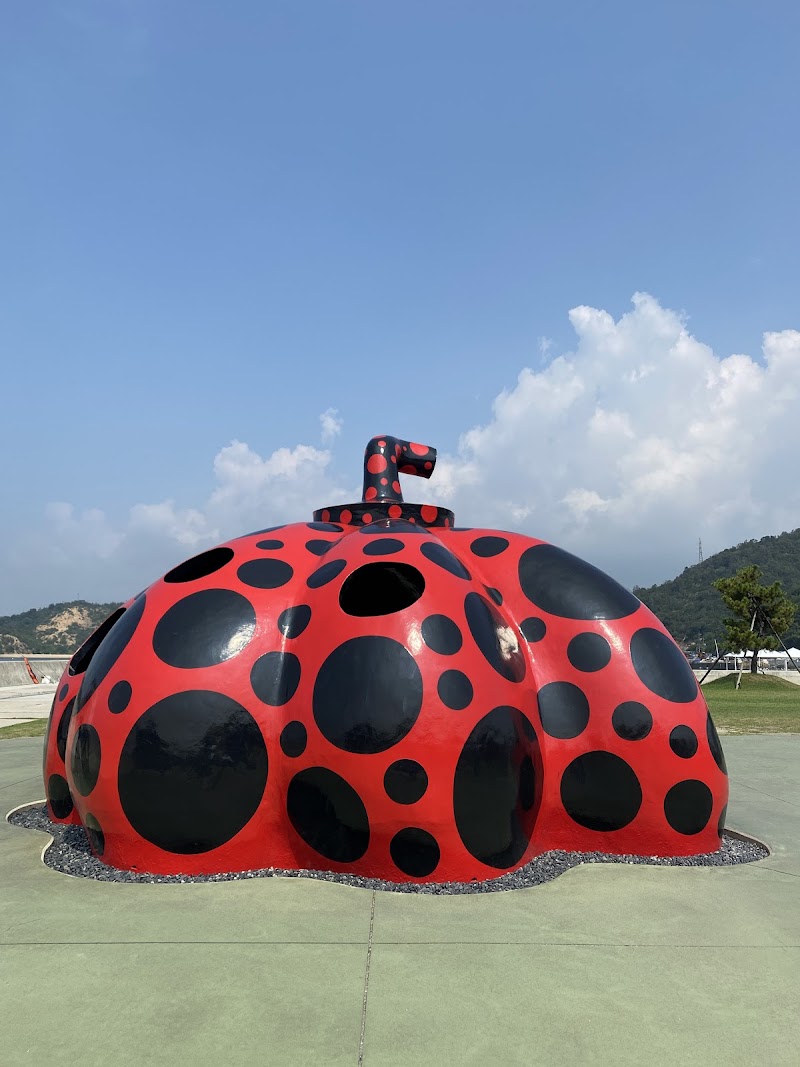
Miyanoura Port & Red Pumpkin (Akakabocha)
Miyanoura · 60 min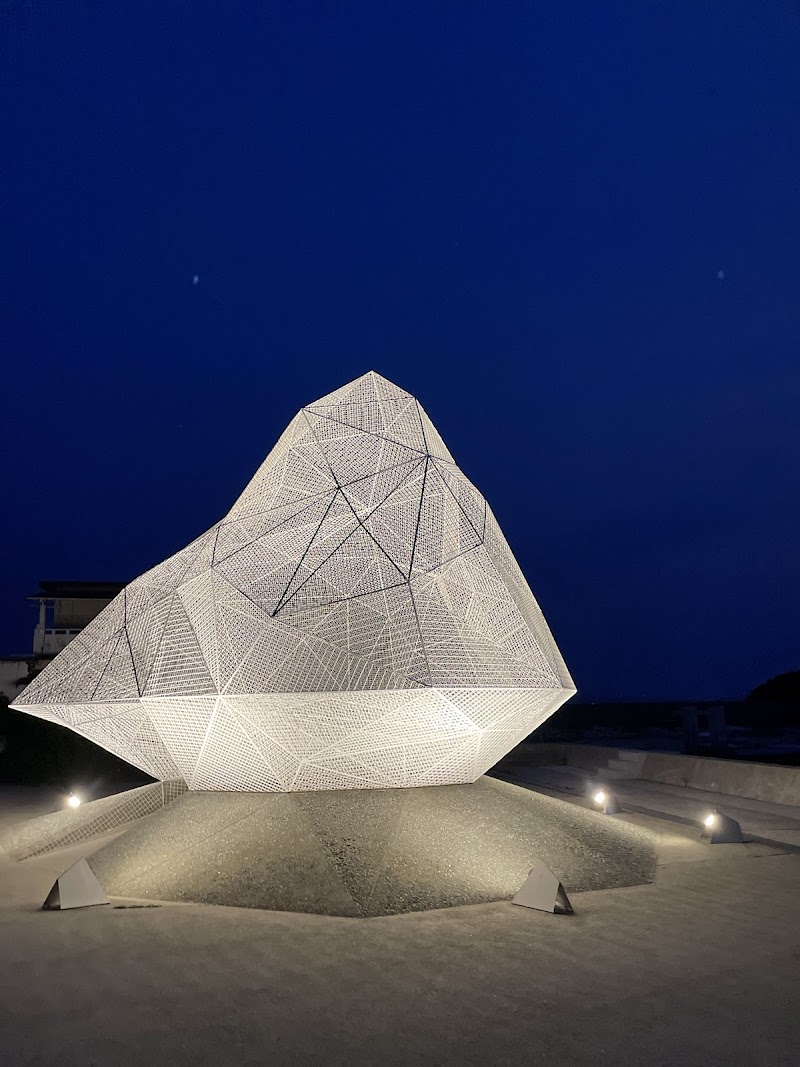
Naoshima Pavilion
Miyanoura · 30 min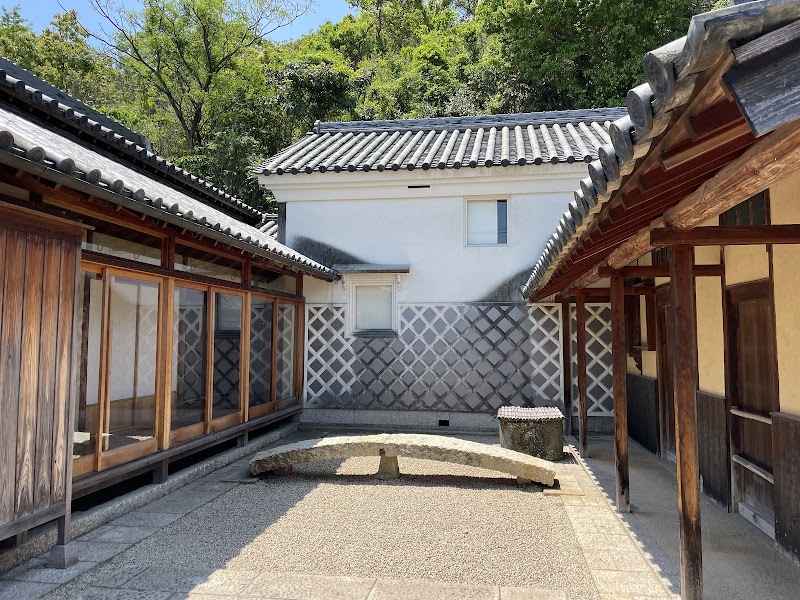
Art House Project (Multiple Houses)
Honmura · 150 minMoney-Saving Tips
- 1.Buy the Benesse Art Site pass for ¥2,100 – it covers three museums and saves ¥800 if you visit them all
- 2.Pack lunch from the mainland to avoid limited and pricey island dining options
- 3.Rent bikes for ¥300 per day instead of taking taxis between art sites
- 4.Visit during weekdays to avoid weekend accommodation surcharges of 20-30%
- 5.Book ferry tickets in advance online for a ¥50 discount per person
- 6.Stay at Tsumugi Inn instead of Benesse House to save ¥35,000 per night while still accessing all museums
Travel Tips
- •Download the Benesse Art Site app before arrival – it includes audio guides and maps that work offline
- •Bring a portable charger – you'll take hundreds of photos and many museums prohibit photography, making your phone battery drain faster
- •Check museum schedules before boarding the ferry – Tuesday closures can ruin poorly planned day trips
- •Wear comfortable walking shoes with good grip – some museum approaches involve steep, smooth concrete paths
- •Book the last ferry back to avoid getting stranded – taxi boats cost ¥15,000+ for emergency transport
- •Visit Chichu Art Museum first thing in the morning to experience James Turrell's light installations without crowds
- •Respect photography rules strictly – guards will ask you to delete photos taken in restricted areas