Paris
The eternal City of Light and timeless romance
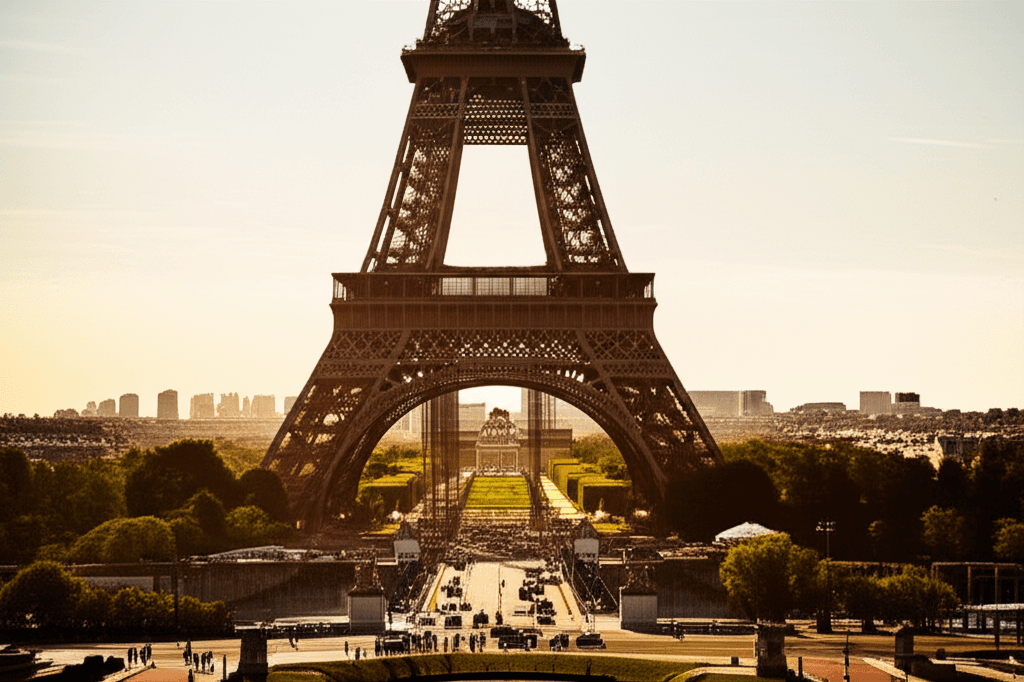
Paris doesn't need an introduction, but it deserves a proper one. This is the city that invented the café culture, gave us the croissant, and somehow makes even the graffiti look chic. Sure, it's touristy. Yes, the waiters can be surly. But walk down any random street in the 6th arrondissement at golden hour, and you'll understand why 30 million people visit every year. The Seine curves through the city like a silver ribbon, connecting monuments that have watched empires rise and fall. From the cobblestones of Montmartre to the glass pyramid of the Louvre, Paris layers centuries of history with an almost arrogant confidence in its own beauty.
Best Months
APR · MAY · JUN · SEP · OCT
~19°C · moderate crowds
Culture & Context
GREET BEFORE YOU ASK
Paris runs on a very specific social contract, and once you understand it, the city becomes dramatically more pleasant. The core rule: acknowledge people before you ask anything of them. Walk into a bakery without saying bonjour and you've already started the interaction badly.
It's not about being formal, it's about recognizing that the person behind the counter is a human being, not a vending machine. Parisians are not rude. But they do notice when you treat public space like it belongs exclusively to you.
Volume matters more than you'd expect. Speaking loudly on the metro, in restaurants, or in hotel lobbies marks you immediately as someone who didn't bother to adapt. A meal at a French brasserie is never rushed.
The server will not bring the bill until you ask for it — that's intentional. The table is yours. Don't fight the rhythm; lean into it.
Dining is genuinely one of the better parts of being in this city. The dress code is relaxed but considered. Parisians tend toward understated, put-together clothing rather than logos or athletic gear in non-sporting contexts.
This isn't snobbery; it's how the city reads people. And it affects service.
Local Customs
BONJOUR OR BUST
Always say 'Bonjour' when entering any shop, bakery, café, or business — even if you don't plan to buy anything. This is non-negotiable. Skipping it sets a negative tone before you've spoken a single other word..
Lower your volume in public. On the metro, in restaurants, and in hotel lobbies, Parisians speak at a level where only their conversation partner can hear them. Loud English-language conversations mark you immediately as someone who hasn't adapted..
Tipping is not required. Service charges are already included in the bill at almost all restaurants. Leaving a euro or two for genuinely good service is appreciated, but dumping all your loose change is considered odd.
Nothing is perfectly fine too.. Don't touch produce at outdoor markets. Let the vendor select items for you.
At most stalls, picking up fruit or vegetables yourself is considered rude. A polite 'Deux pommes, s'il vous plaît' does the job.. Many small shops and some cafés close between 12pm and 2pm for lunch.
Plan around it. Fighting this schedule produces only frustration.. Use 'vous' (formal 'you') with strangers, shopkeepers, and service staff — not 'tu' (informal).
Only switch to 'tu' if the other person explicitly invites it.. At restaurants, wait to be seated rather than choosing your own table. Even at casual terrace spots, make eye contact with staff first..
Sunday shopping is limited. Many smaller shops stay closed or keep reduced hours. Major department stores and tourist-area shops are exceptions, but don't assume everything will be open.
Safety
WATCH YOUR POCKETS
Paris is safe. Violent crime against tourists is genuinely rare. The real risk is pickpocketing, and it's concentrated in very specific places.
Know where those places are and you'll avoid most of it. The highest-density pickpocket zones are: the Eiffel Tower and its queues (especially the lift lines, which can stretch 30–90 minutes and leave you standing still); the RER B train between Charles de Gaulle airport and Gare du Nord; Metro Lines 1 and 6 (the main tourist lines); the Louvre entrance queues; and the steps up to Sacré-Cœur in Montmartre. The friendship bracelet scam on the Montmartre steps has operated for over 20 years.
A man ties a bracelet to your wrist before you can react, then demands payment. Don't shake hands with or extend your wrist to anyone who approaches you near those steps. The petition clipboard scam targets people near the Eiffel Tower, Tuileries, and the Louvre.
Someone approaches with a clipboard 'for a charity,' and while you read, an accomplice goes through your bag. Say a firm 'non' and keep walking. The gold ring scam works by someone 'finding' a ring near you and then pressuring you to pay a finder's fee while their partner searches your pockets.
Walk away without engaging. The 'fixed' taxi fare from CDG airport is €53 (Left Bank) or €60 (Right Bank). If a driver tries to charge more, refuse.
For Montmartre, the Marais, Saint-Germain-des-Prés, Bastille, and Canal Saint-Martin: all are safe after dark. Apply extra awareness around Gare du Nord late at night. Use a cross-body bag worn in front.
Never put your phone or wallet in a back pocket. Emergency: 17 for police, 15 for ambulance, 112 general emergency.
Getting Around
METRO & RAIL
The metro is the backbone of getting around Paris and it's genuinely good. 16 lines, frequent service, and it covers nearly everywhere you'll want to go. Line 1 (east-west through the center) hits the Louvre, Champs-Élysées, Arc de Triomphe, and Le Marais.
Line 4 runs north-south and connects Montmartre to the Left Bank. The metro runs roughly 5:30am to 1:15am Monday–Thursday and Sunday, extended to 2:15am Friday and Saturday. Paper tickets are gone.
Buy a Navigo Easy card (€2, reusable) at any station machine and load single rides (€2.55 each) or day passes. The machines have English menus and take contactless card payment.
American Express is not accepted. Better option: download the Bonjour RATP or Île-de-France Mobilités app, buy tickets on your phone, and tap your phone directly at the turnstile. No card needed.
For airport transport, the RER B from Charles de Gaulle runs directly into central Paris (Gare du Nord in 25 minutes, Châtelet in 28 minutes) for a flat €14. It runs every 10–15 minutes from 5am to 11:30pm. Note: CDG airport no longer sells Navigo physical cards at the station.
Buy your airport ticket at the machines and have the app ready for city travel. The Navigo weekly pass (€32.40, valid Monday to Sunday only) covers unlimited metro, RER, bus, and tram travel including airport access.
It's the best value for stays of 5 days or more, but the Monday-Sunday restriction is firm — it won't activate mid-week. Night buses (Noctilien, marked with N prefix on stop signs) run 34 routes after the metro closes. Standard fare applies.
Avoid driving in central Paris. The city actively discourages cars, roundabouts are aggressive, and parking is a genuine ordeal.
Useful Phrases
Explore Destinations

10th Arrondissement

11th Arrondissement (Bastille)

18th Arrondissement (Montmartre)

1st Arrondissement (Louvre)

3rd Arrondissement (Haut Marais)

4th Arrondissement (Le Marais)

5th Arrondissement (Latin Quarter)

6th Arrondissement (Saint-Germain)
7th Arrondissement

8th Arrondissement (Champs-Élysées)
9th Arrondissement (Opéra)

Bastille

Belleville

Champs-Élysées
Île de la Cité

Latin Quarter

Le Marais

Louvre
Montmartre
Saint-Germain-des-Prés
Explore the Region
Paris Itineraries
View all
Classic Paris, Comfortably Curated for Culture Lovers
Week · $$$
Seven Cozy Days in Adventurous Paris
Week · $$
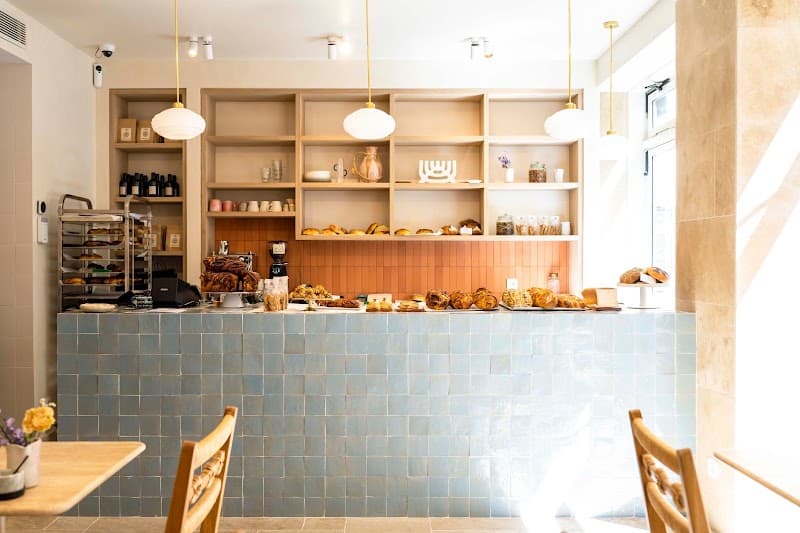
Five Flavors of Paris: A Gourmet Neighborhood Stroll
Weekend · $$$$
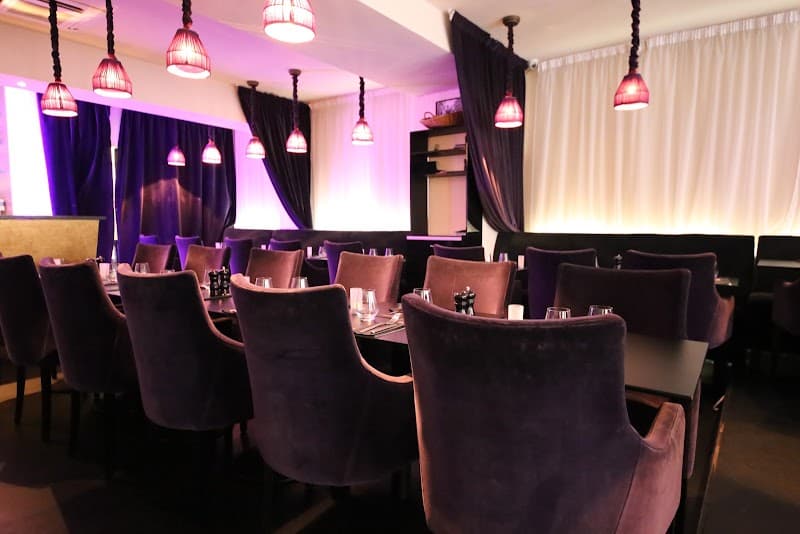
Modern Minimal Paris: Halal Luxury & Hidden Gems
Weekend · $$$$$
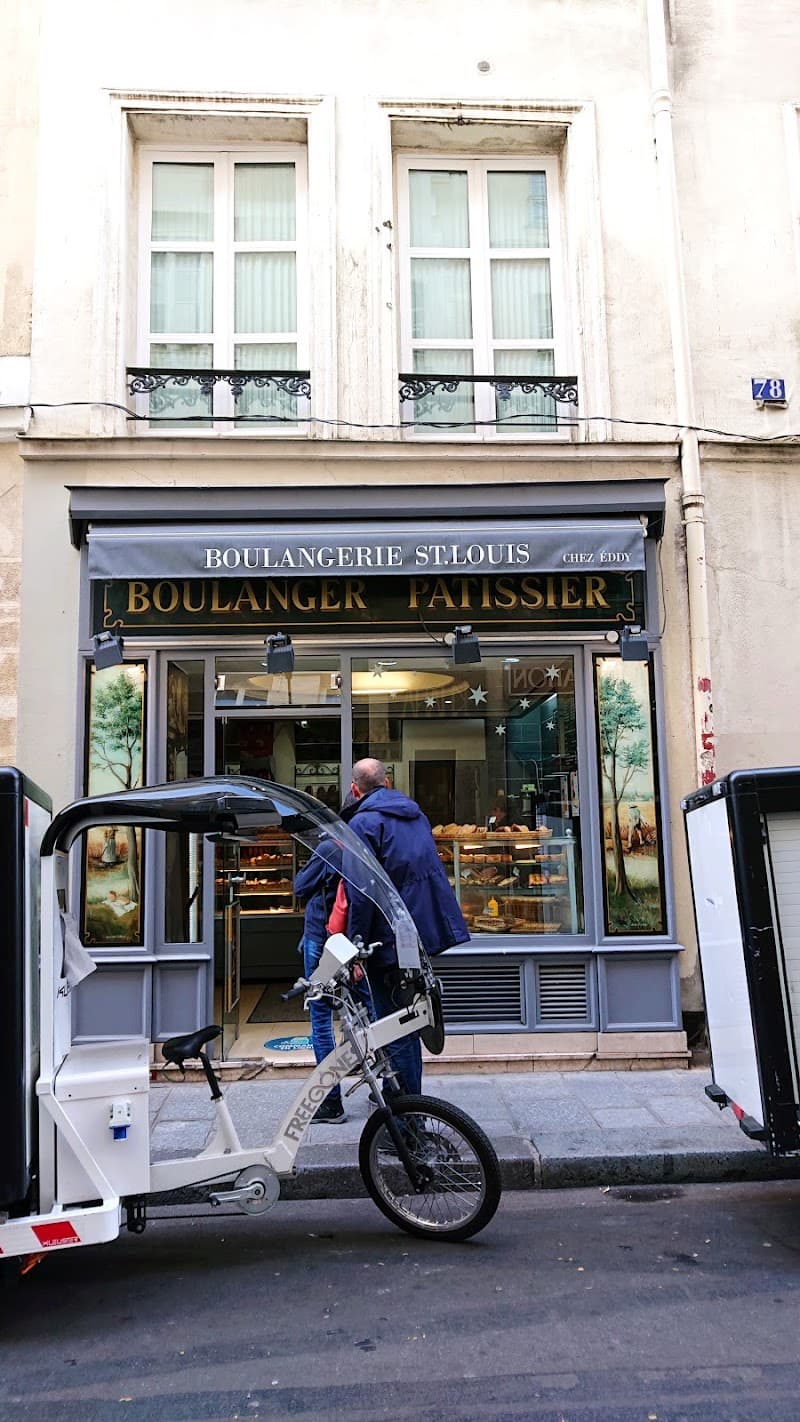
Three Easy Paris Days: Art, History, Food, and Style
Weekend · $$$
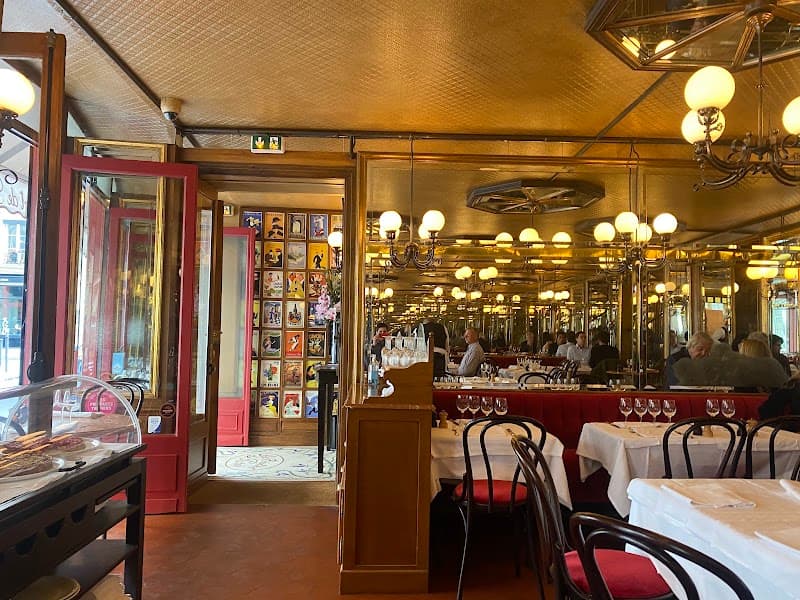
Paris Day 2: Marais to Louvre Culture, Food, and Classic Views
Weekend · $$$
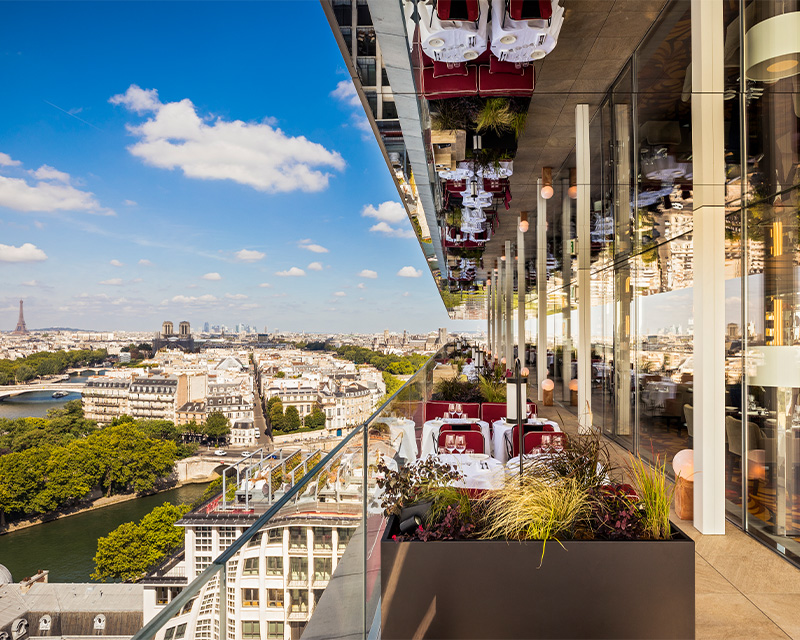
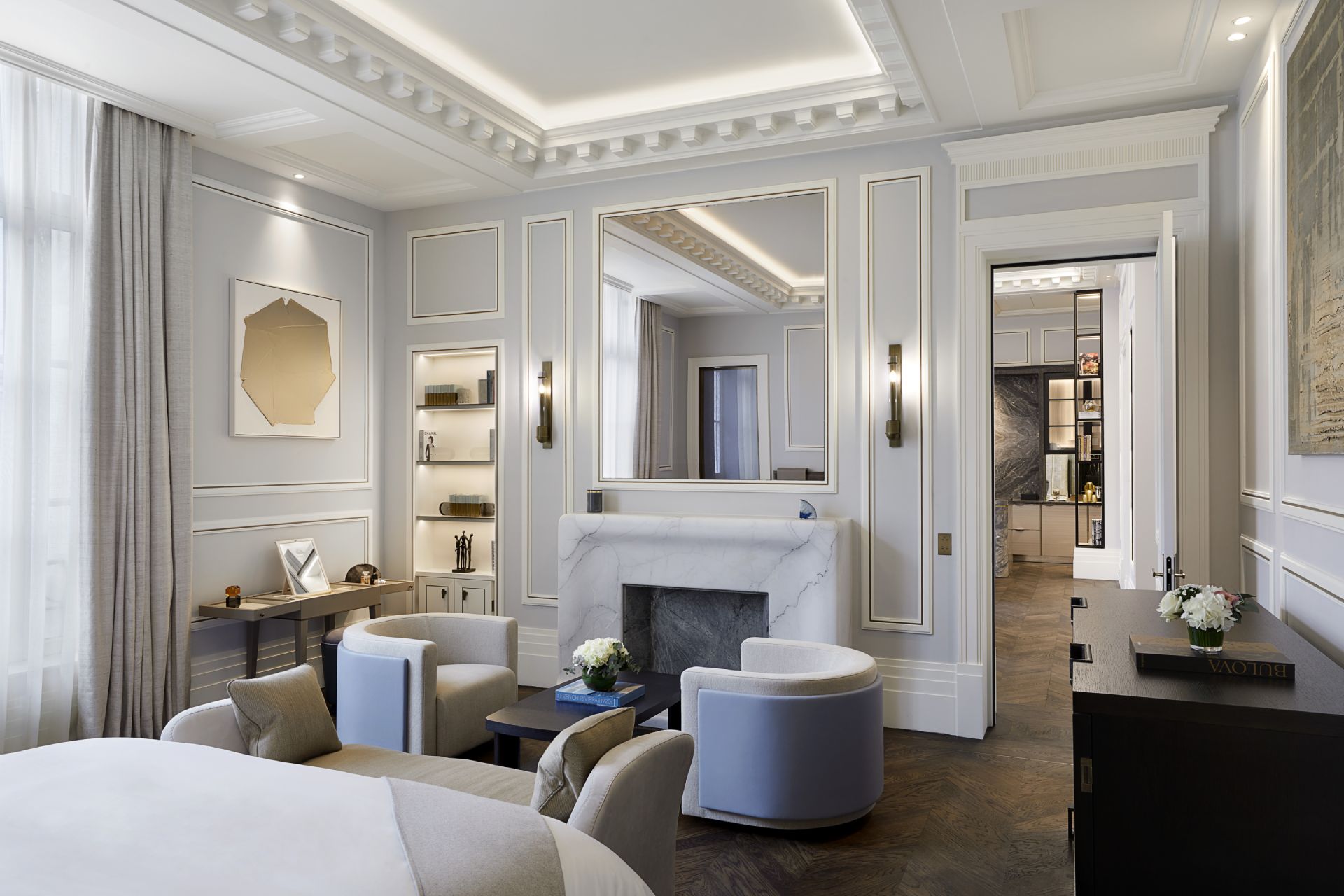
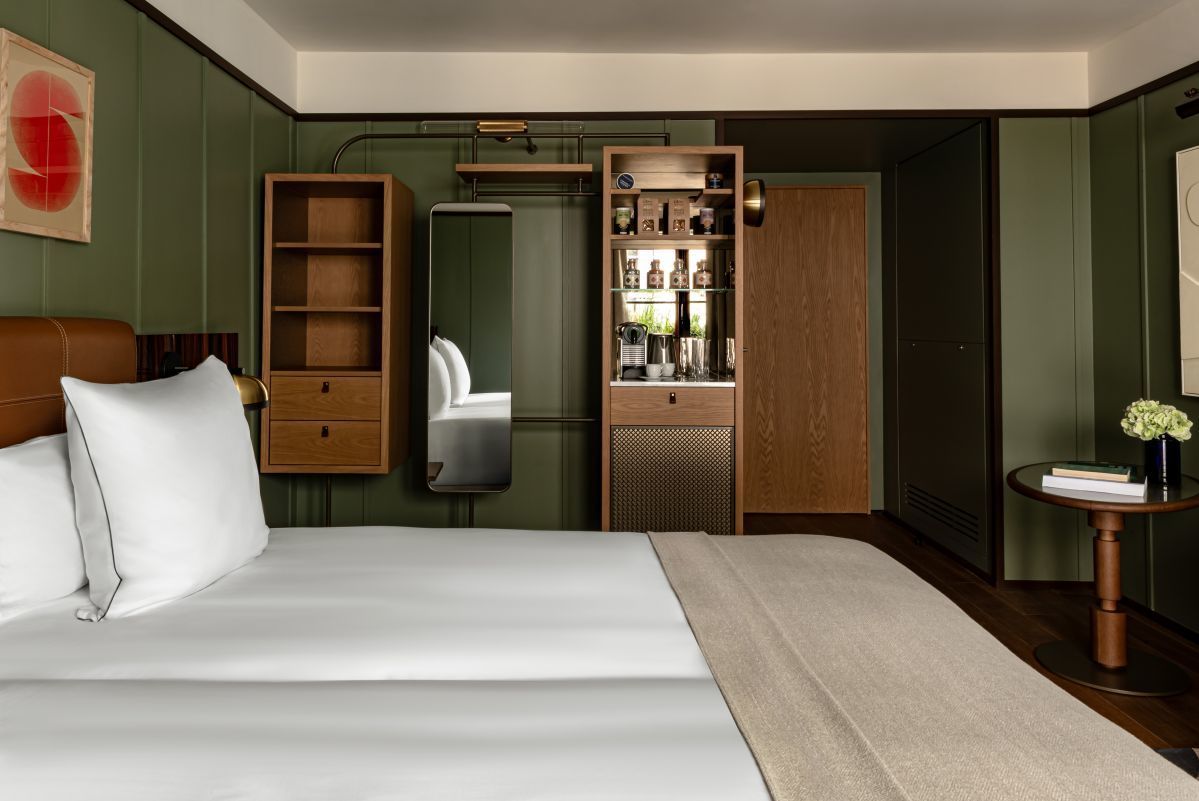
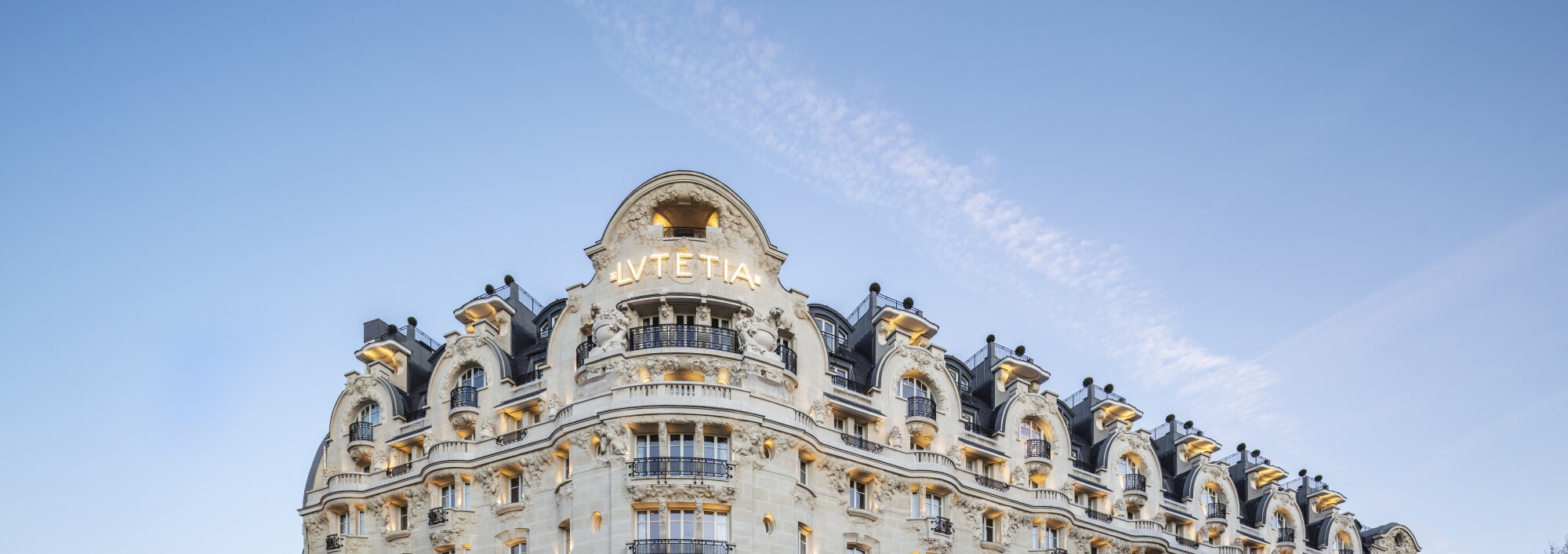
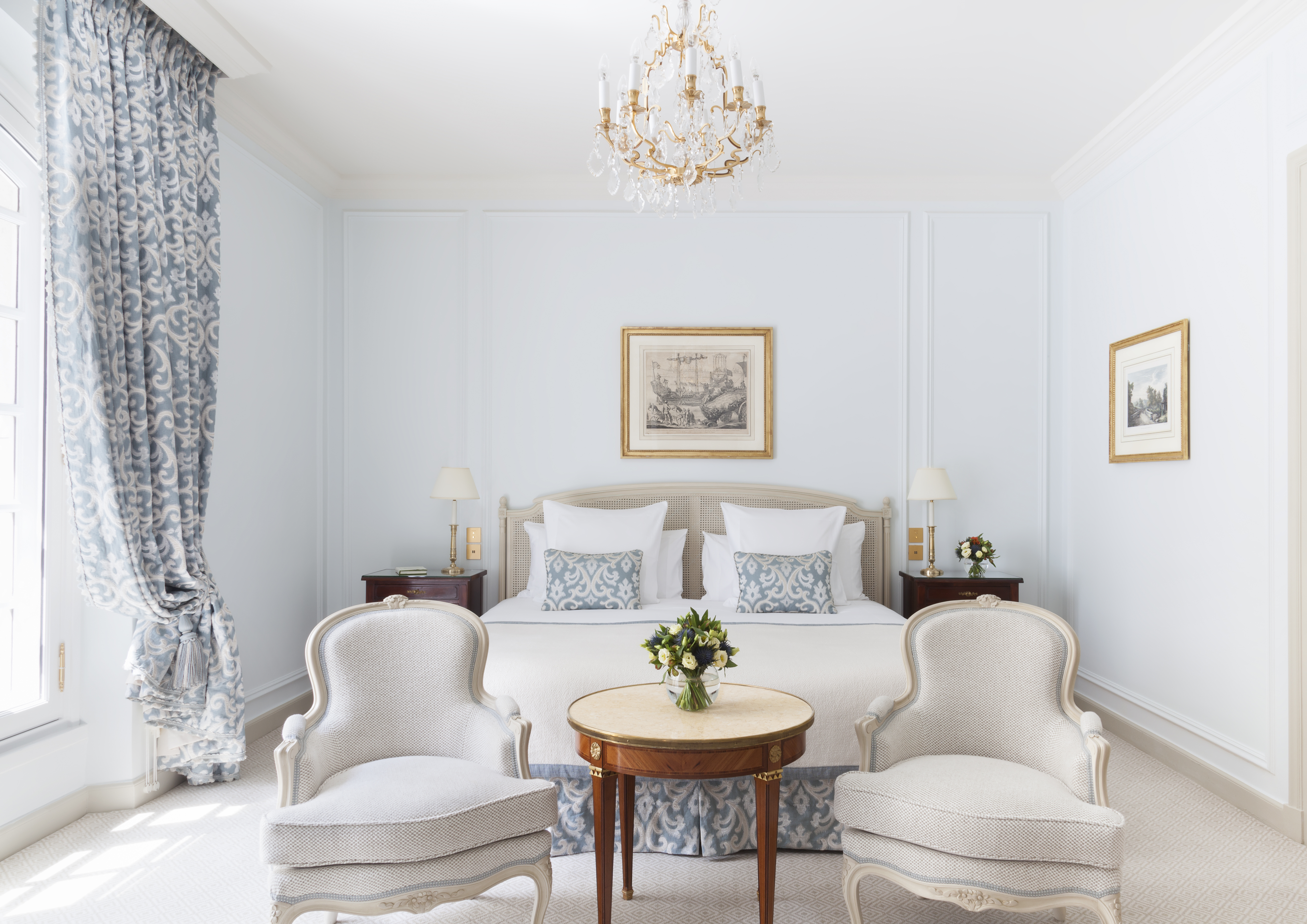
Where to Stay in Paris
9 recommended properties
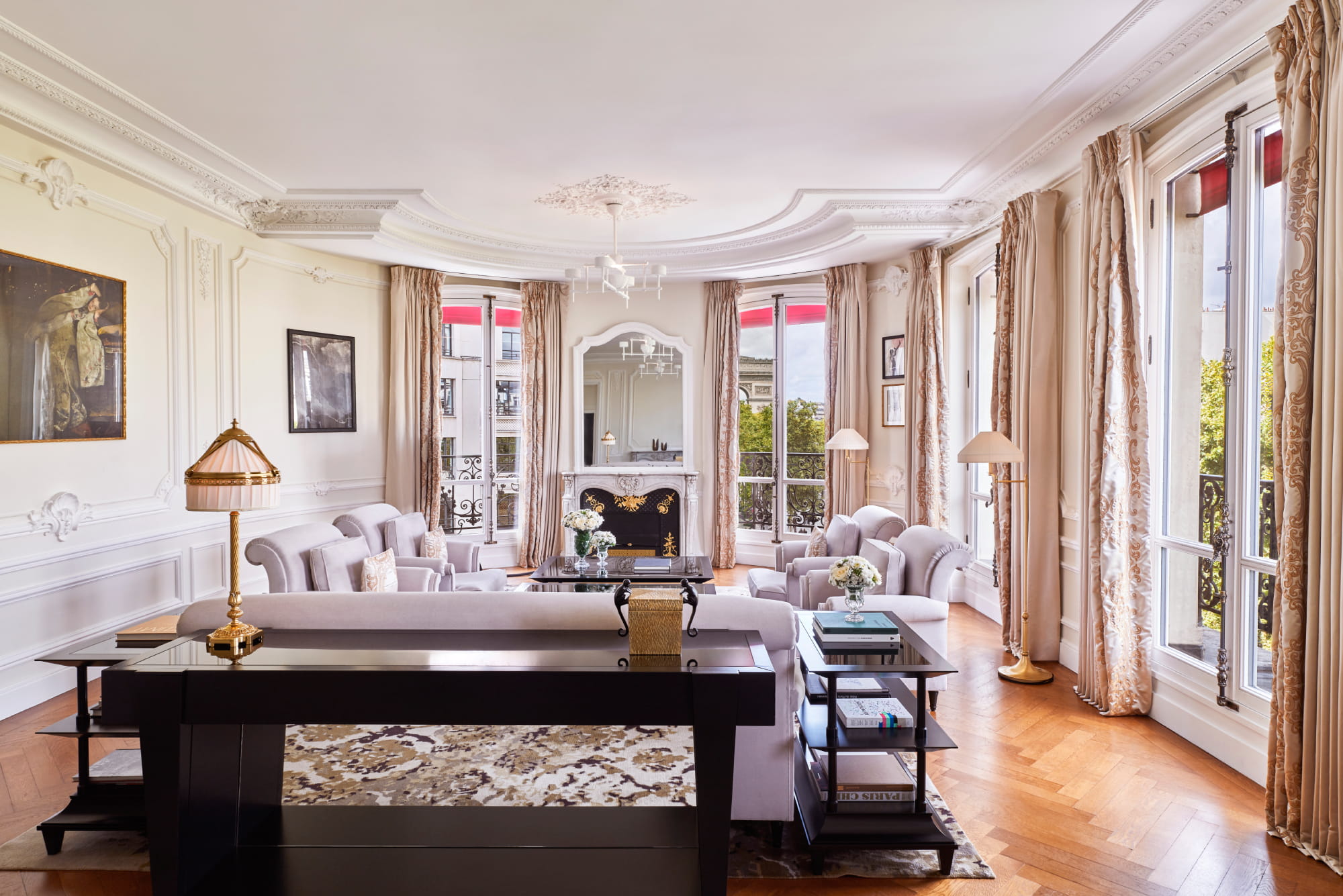
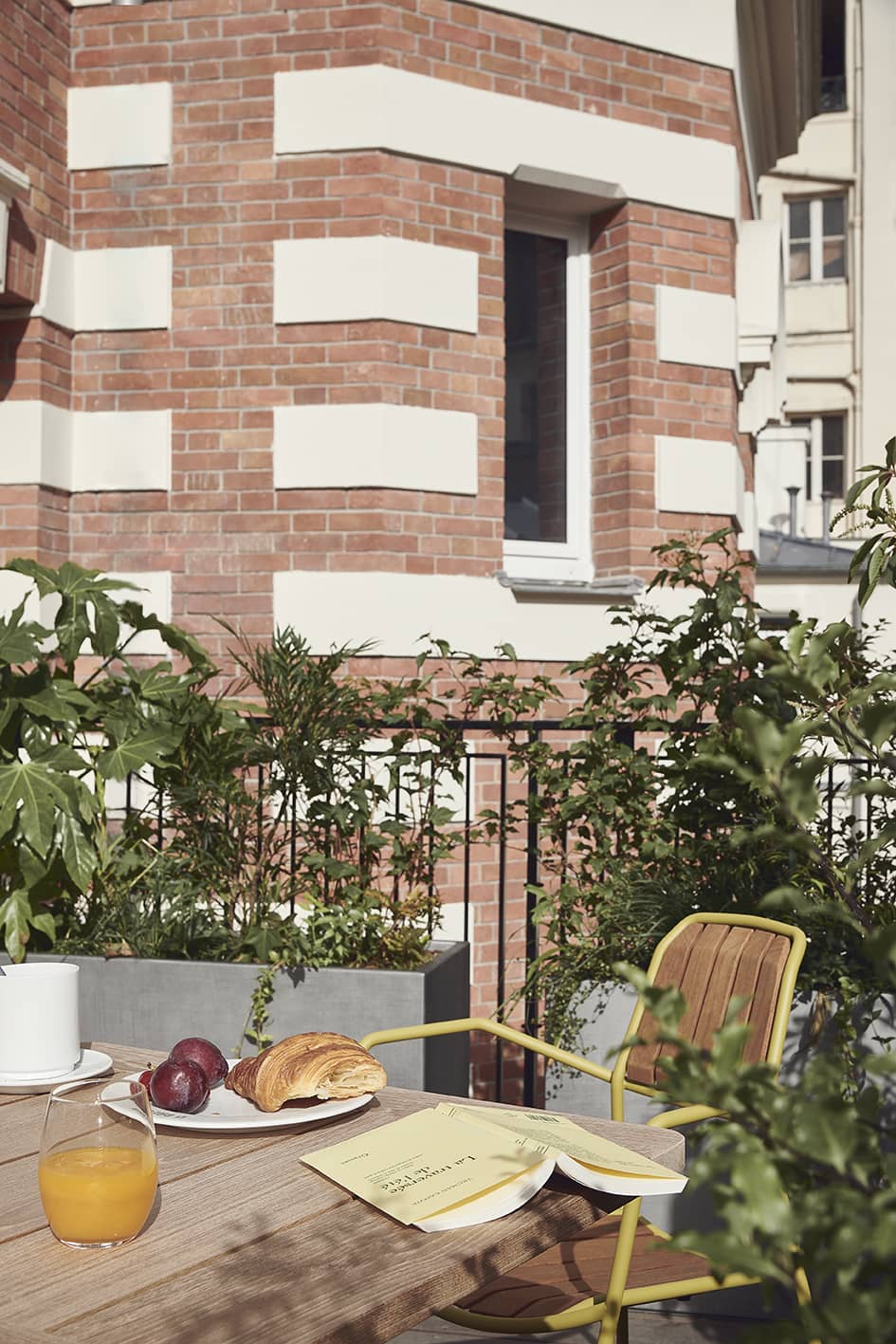
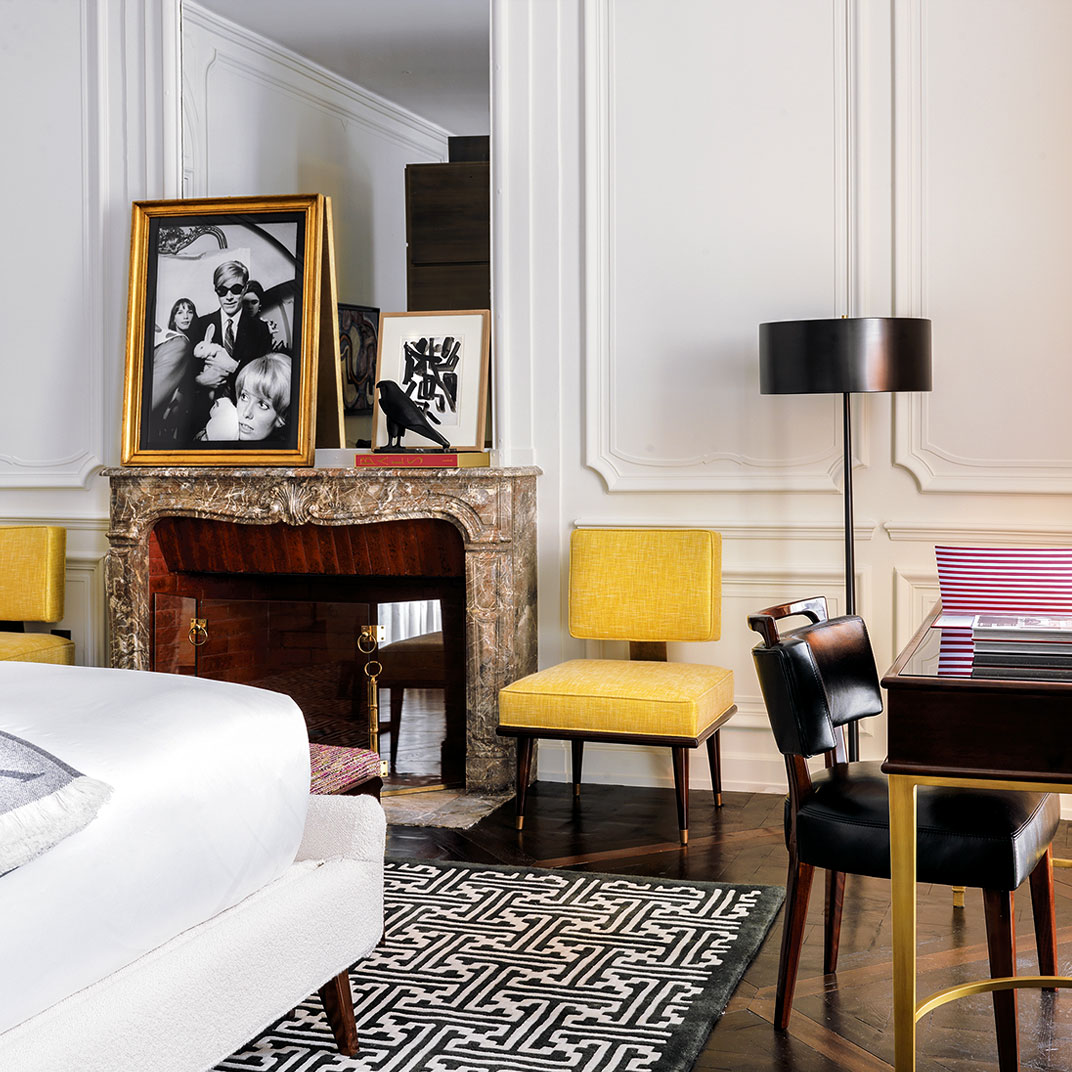
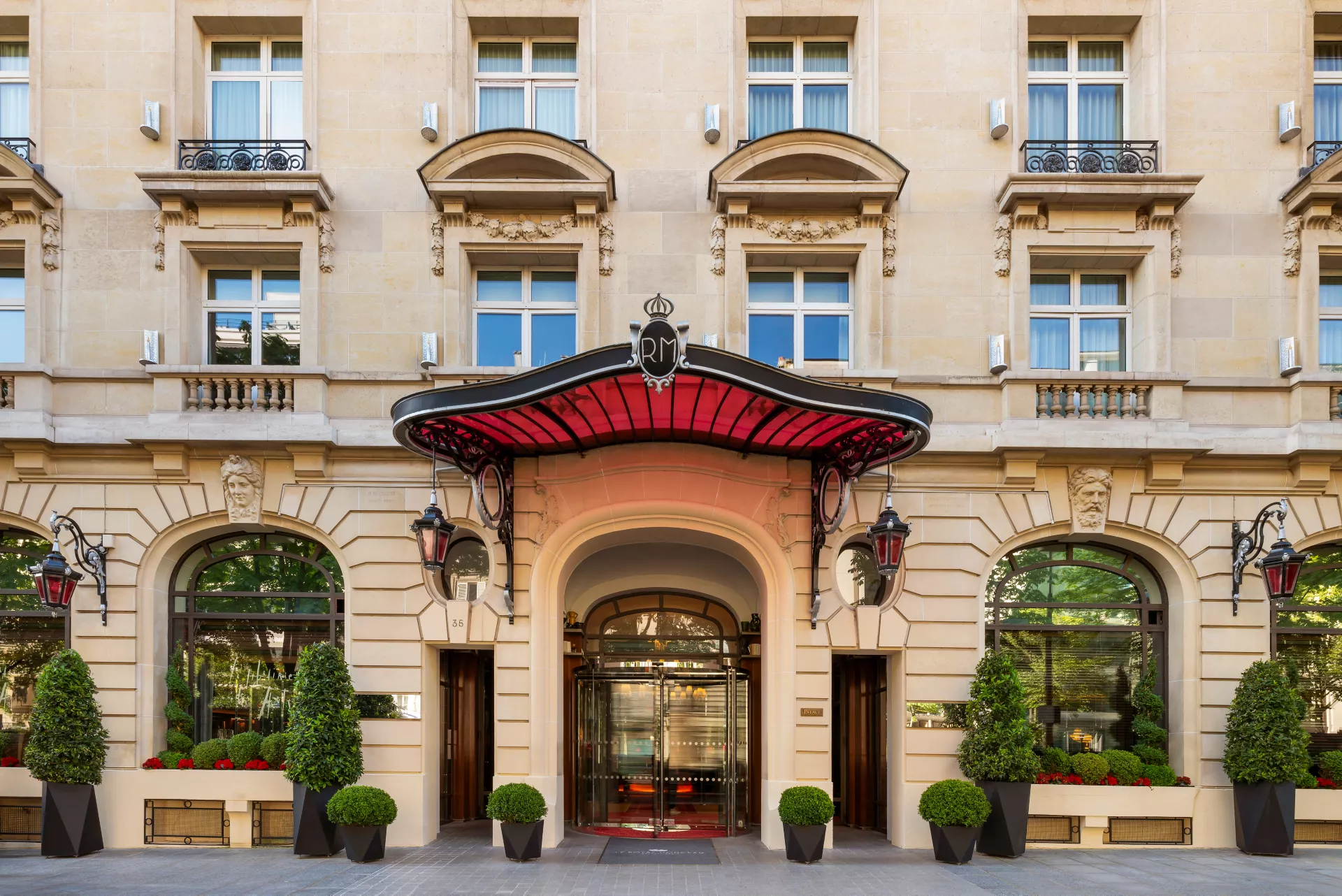
Things to Do in Paris
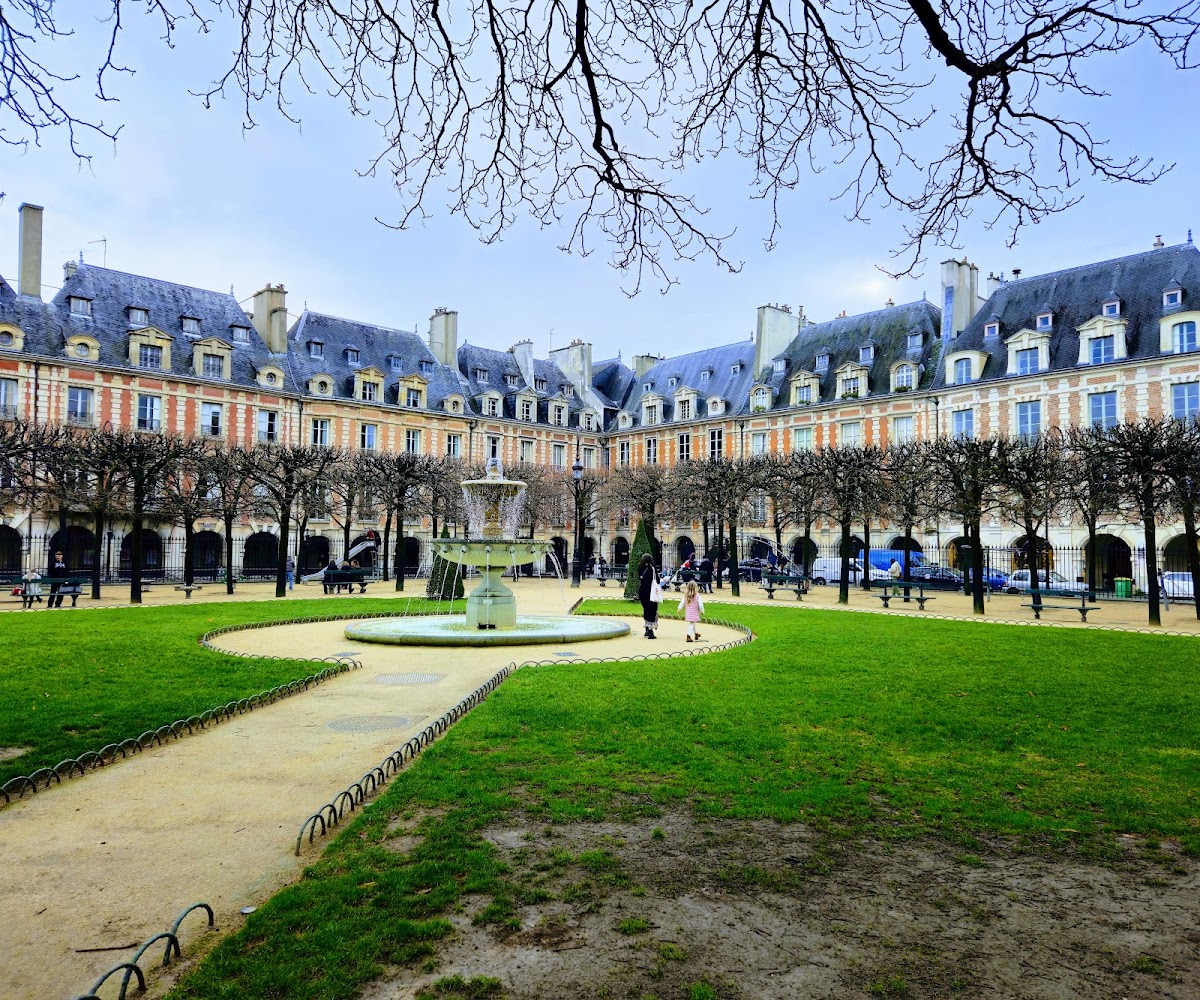
Place des Vosges
Le Marais · 60 min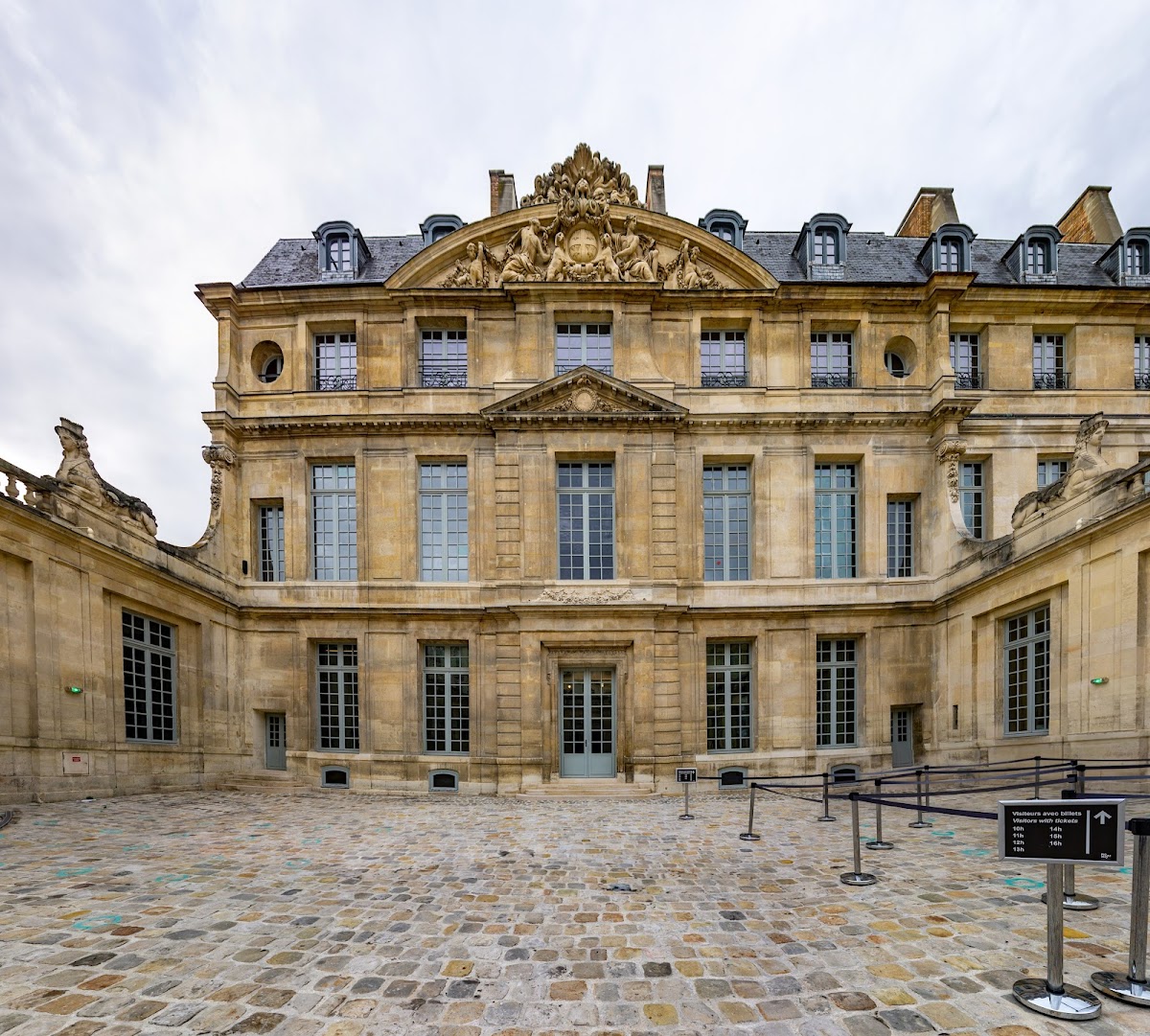
Picasso Museum
Le Marais · 90 min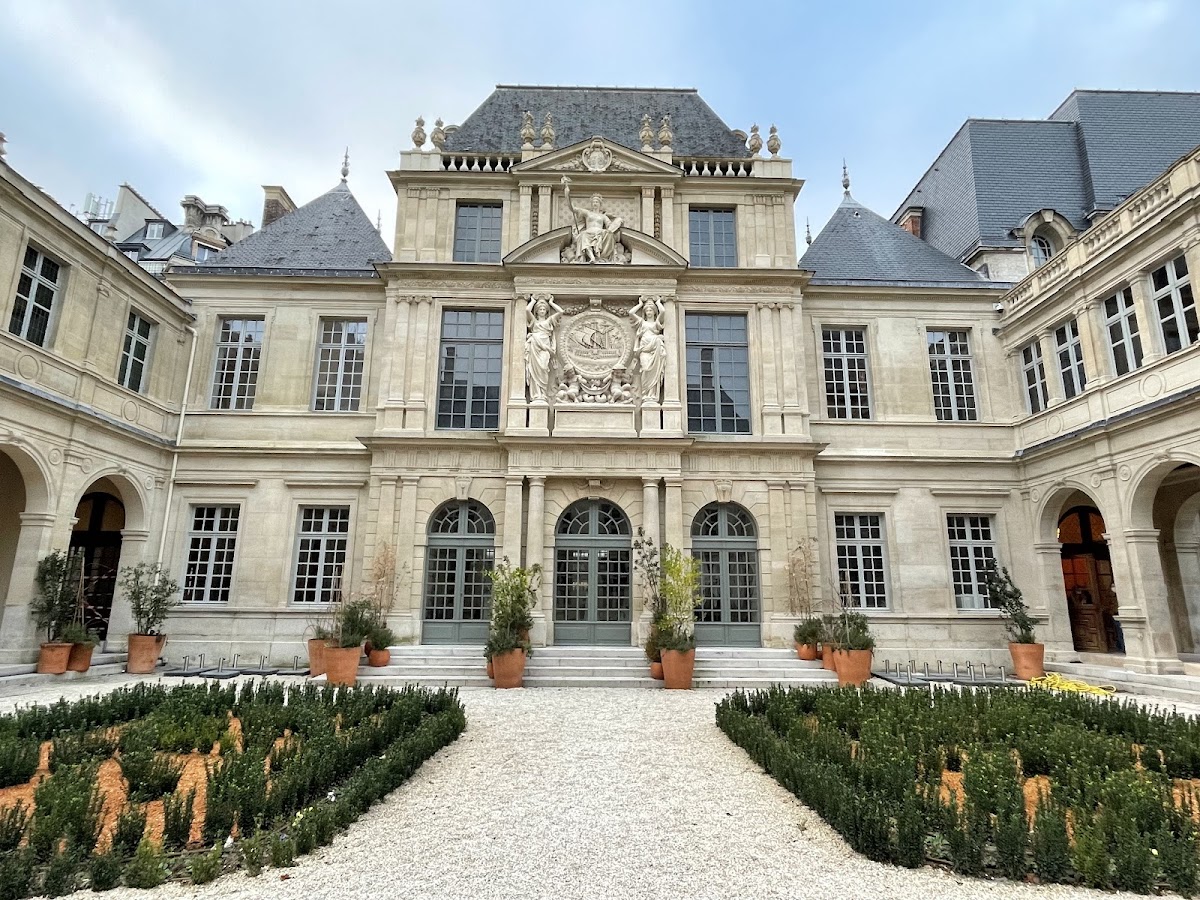
Carnavalet Museum
Le Marais · 90 minMoney-Saving Tips
- 1.Buy museum passes online to skip ticket lines at the Louvre and Musée d'Orsay - saves 2 hours and €5 per attraction
- 2.Eat lunch at department store cafeterias like Galeries Lafayette for quality food at half the price of tourist restaurants
- 3.Book dinner reservations through LaFourchette app for 20-50% discounts at participating restaurants
- 4.Shop at Monoprix instead of tourist souvenir shops - same French products at local prices
- 5.Take the metro to airports instead of taxis - RER B to Charles de Gaulle costs €11 vs €55 taxi fare
- 6.Visit museums on first Sunday mornings when many offer free admission to EU residents under 26
- 7.Pack snacks from grocery stores for day trips - a sandwich at Versailles costs €12 vs €3 from Franprix
Travel Tips
- •Learn basic French greetings - even attempting 'Bonjour' and 'Merci' changes how locals treat you
- •Carry a reusable water bottle - Paris has green Wallace fountains throughout the city with free filtered water
- •Keep your phone and bag zipped in front pockets on the metro - pickpockets work Lines 1, 6, and 9 heavily
- •Make dinner reservations 2-3 days ahead for popular bistros - many don't take same-day bookings
- •Dress slightly more formal than you would in other cities - Parisians notice and judge based on effort
- •Always greet shopkeepers when entering stores - it's considered rude to browse without saying hello first
- •Avoid eating near major tourist sites where menus have pictures and multiple languages - walk 2 blocks away for better food and prices