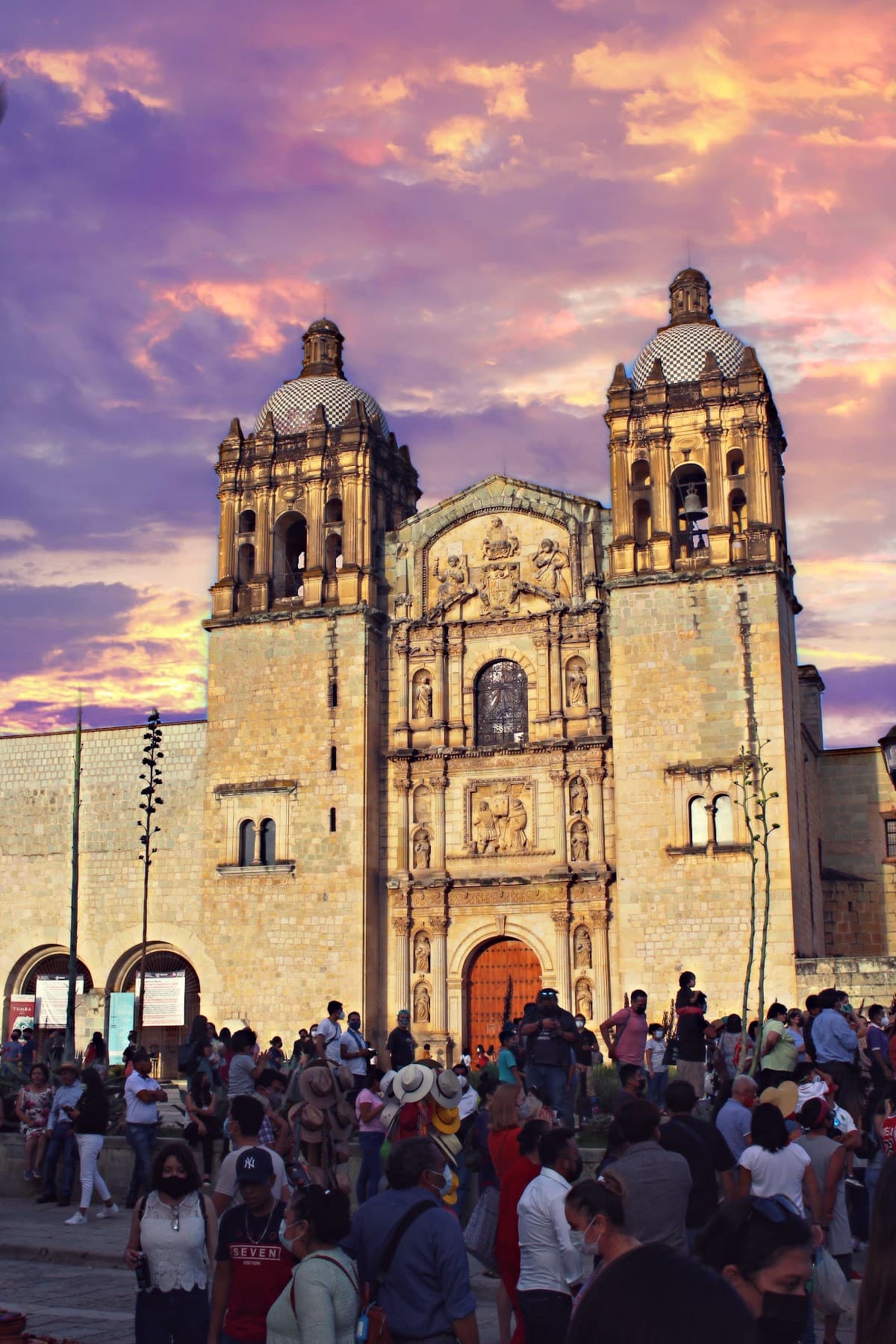
Oaxaca City
Colonial masterpiece serving Mexico's most celebrated regional cuisine
Oaxaca City hits different. This colonial masterpiece in southern Mexico serves up the country's most celebrated regional cuisine while maintaining an authentic edge that bigger tourist destinations have lost. The cobblestone streets of the Centro Histórico buzz with indigenous languages, the smell of mole simmers from family-run restaurants, and mezcal flows like water. But here's what makes Oaxaca special: it's still a working city where locals outnumber tourists, prices remain reasonable, and you can stumble into a neighborhood festival any night of the week. The food alone justifies the trip — think seven types of mole, grasshopper tacos that actually taste incredible, and mezcal tastings in candlelit bars. Add in world-class museums, vibrant markets, and day trips to ancient ruins, and you've got Mexico's most underrated cultural capital.
Best Months
JAN · FEB · MAR · APR · OCT · NOV · DEC
~29°C · peak crowds
Culture & Context
INDIGENOUS LANGUAGE ALIVE
Oaxaca is one of the few cities in Mexico where indigenous culture isn't a museum exhibit — it's just Tuesday. About a third of the state's population speaks one of 16 regional indigenous languages, and in the markets and plazas, you'll hear Zapotec or Mixtec woven naturally into conversations alongside Spanish. The Zapotec civilization built Monte Albán around 500 BCE and developed one of the earliest writing systems in the Americas.
That deep history isn't gone — it lives in the food, the festivals, the textiles, and the way people greet each other in village markets. Oaxaca is also the mezcal heartland of Mexico. The spirit here is typically 45–50% alcohol, made from dozens of agave varieties — Tepeztate, Tobalá, Arroqueño — and each one tells you something about the specific hillside and producer behind it.
Sip it slowly; ordering it like a shot will make you a marked person. The food culture is equally specific: seven distinct mole varieties, tlayudas (giant crispy tortillas with beans and toppings), quesillo (the stretchy local string cheese called queso Oaxaca), and chapulines (roasted grasshoppers seasoned with lime and chile — they actually taste good). Life moves at a deliberate pace here.
Restaurants are slow. People show up late. Political demonstrations regularly block streets around the historic center, and locals just route around them without much drama.
It is not unusual and rarely dangerous. The city sits at 1,550 meters elevation, which keeps temperatures mild year-round — mornings around 15°C, afternoons up to 28°C — but UV is intense and altitude can sneak up on you if you're chugging mezcal.
Local Customs
SIP MEZCAL SLOWLY
Life runs on a looser clock here. Restaurants, friends, buses — showing up 20–30 minutes late is normal. Don't let it stress you out; it's just the pace..
Use '¿mande?' instead of '¿qué?' if you didn't hear something.
'¿Qué?' is considered informal bordering on rude in Oaxaca. '¿Mande?
' is polite and instantly marks you as someone who actually knows something.. Ask before pointing a camera at anyone, especially in markets and villages. It's not just etiquette — many communities have religious or personal objections to being photographed without consent..
At intersections without traffic lights or stop signs (which is most of them), drivers follow 'uno por uno' etiquette — first to arrive has the right of way. Don't assume cars will stop for you as a pedestrian; watch traffic before crossing.. Political protests and blockades around the historic center are common and don't signal danger.
Locals just reroute. Follow suit — don't confront or photograph demonstrators aggressively.. Sip mezcal, don't shoot it.
Ordering a shot is a red flag to any good mezcalería. The spirit is 45–50% ABV and meant to be tasted slowly, like a conversation.. Museums tend to close either Monday or Tuesday depending on the institution.
The Museo de las Culturas and Casa Juárez are closed Mondays; Museo Rufino Tamayo and MACO are closed Tuesdays. Don't show up assuming they're open.. The Ethnobotanical Garden behind Santo Domingo is only accessible on guided tours — Monday through Saturday at 10am, 12pm, and 5pm.
The 11am English tour costs about 99 pesos. You cannot wander in independently.. Tipping is expected in restaurants (10–15%) and appreciated by market vendors who help you navigate.
Street food stalls don't expect tips but won't refuse them.
Safety
WATCH YOUR PHONE
Oaxaca City is genuinely one of the safer places in Mexico and sits at US State Department Level 2 (Exercise Increased Caution) — the same rating as France, Italy, and the UK, for context. The main tourist areas (Oaxaca City, Monte Albán, Puerto Escondido, Huatulco) have no travel restrictions for US government employees. That said, the Isthmus region — specifically Juchitán and Salina Cruz, a couple of hours south — saw bus-burning and blockades in February 2026 related to a show of force against the military.
That situation has largely stabilized, but check current conditions if you're headed to the Isthmus. The real day-to-day concern in Oaxaca City is street muggings. A surge that started around 2021 has eased somewhat, but incidents still happen, including in the late afternoon, not just at night.
Two rules that genuinely matter: don't use your phone conspicuously on the street, and take a taxi home at night rather than walking, even at 10pm, even in Centro. Petty theft in crowded markets (Central de Abastos especially) is real — keep your phone in a front pocket and don't pull out your camera without situational awareness. The Isthmus highway restriction applies to US government employees specifically, but it's worth noting regardless: Federal Highway 200 between Pinotepa and the Oaxaca-Guerrero border is flagged.
Political blockades in the historic center area are common, not dangerous, and usually resolve within hours. Dial 911 for all emergencies in Mexico. The US Consular Agency in Oaxaca is at Macedonio Alcalá 407, Office 20.
Getting Around
WALKABLE CENTRO
Xoxocotlán International Airport (OAX) is about 7–8 km south of Centro. The cheapest legitimate option from the airport is the authorized Transporte Terrestre colectivo for 134 pesos (~$7.77) — follow the signs inside the terminal.
A private taxi inside the terminal costs about 545 pesos ($32), which is a rip-off by local standards. Walk to the curb exit and you'll find black-and-red taxis that charge roughly half the terminal rate, around 200 pesos ($8-10). The ADO first-class bus station is on Chapultepec (Hwy 190), about a 15-minute walk or 60-peso taxi from Co404 and much of Centro.
ADO runs from Mexico City (about 6 hours), Puebla (about 4 hours), and various coastal towns. The new Autopista Barranca Larga–Ventanilla toll highway has dramatically changed the run to Puerto Escondido — down to about 2.5–3 hours versus the old 6-hour nightmare.
Worth it if you're heading to the coast. Within Oaxaca City, local buses run for about 8 pesos ($0.35) and the front of the bus will show the destination — ask the driver '¿A dónde va?
' if in doubt. Taxis charge 40–60 pesos ($2–3.50) for most local trips.
Centro is very walkable — a compact colonial grid where most things are within 15 minutes on foot. Uber is limited and unreliable in Oaxaca City. For day trips to Hierve el Agua or the valley villages, colectivos run from various market areas (cheaper and more local) or you can book a tour.
Car rentals run about 800 MXN/day with liability coverage included.
Useful Phrases
Oaxaca City Itineraries
View all
Wild Oaxaca: Ruins, Forests & Markets in 7 Days
Week · $$$
Jungle Wild Weekender in Oaxaca City
Weekend · $$$
Wild Green Romance in Oaxaca City
Weekend · $$$

Seven Wild Days in Oaxaca’s Green Heart
Week · $$$
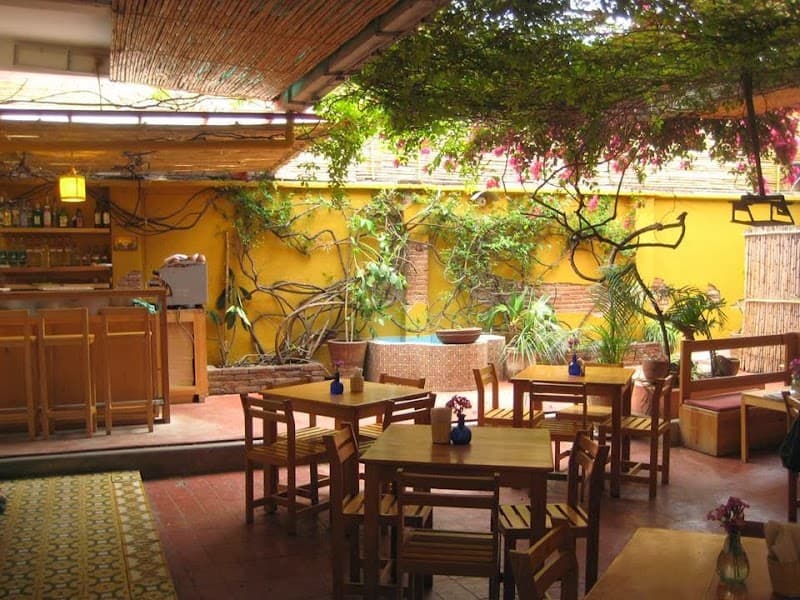
Oaxaca Jungle Wild: A Family-Friendly Long Weekend
Weekend · $$$
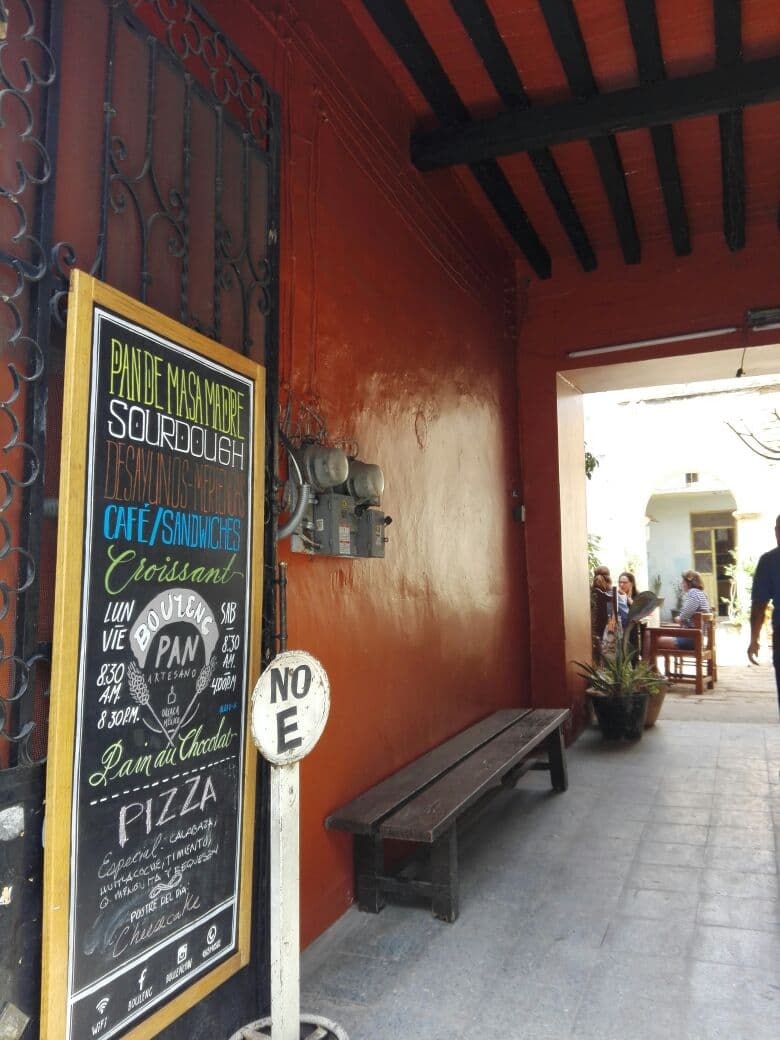
Seven Serene Days in Lush & Lively Oaxaca City
Week · $$$
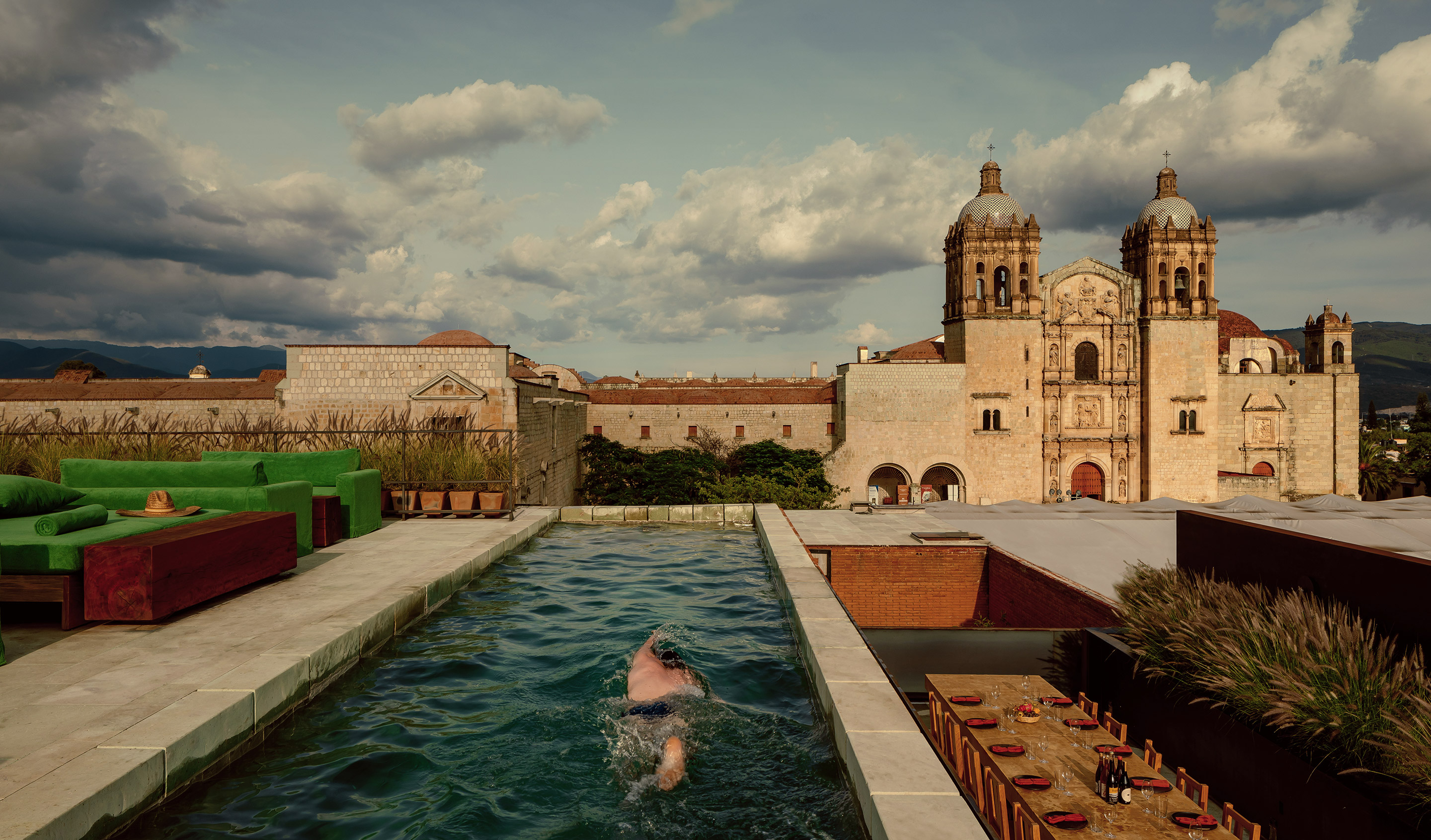
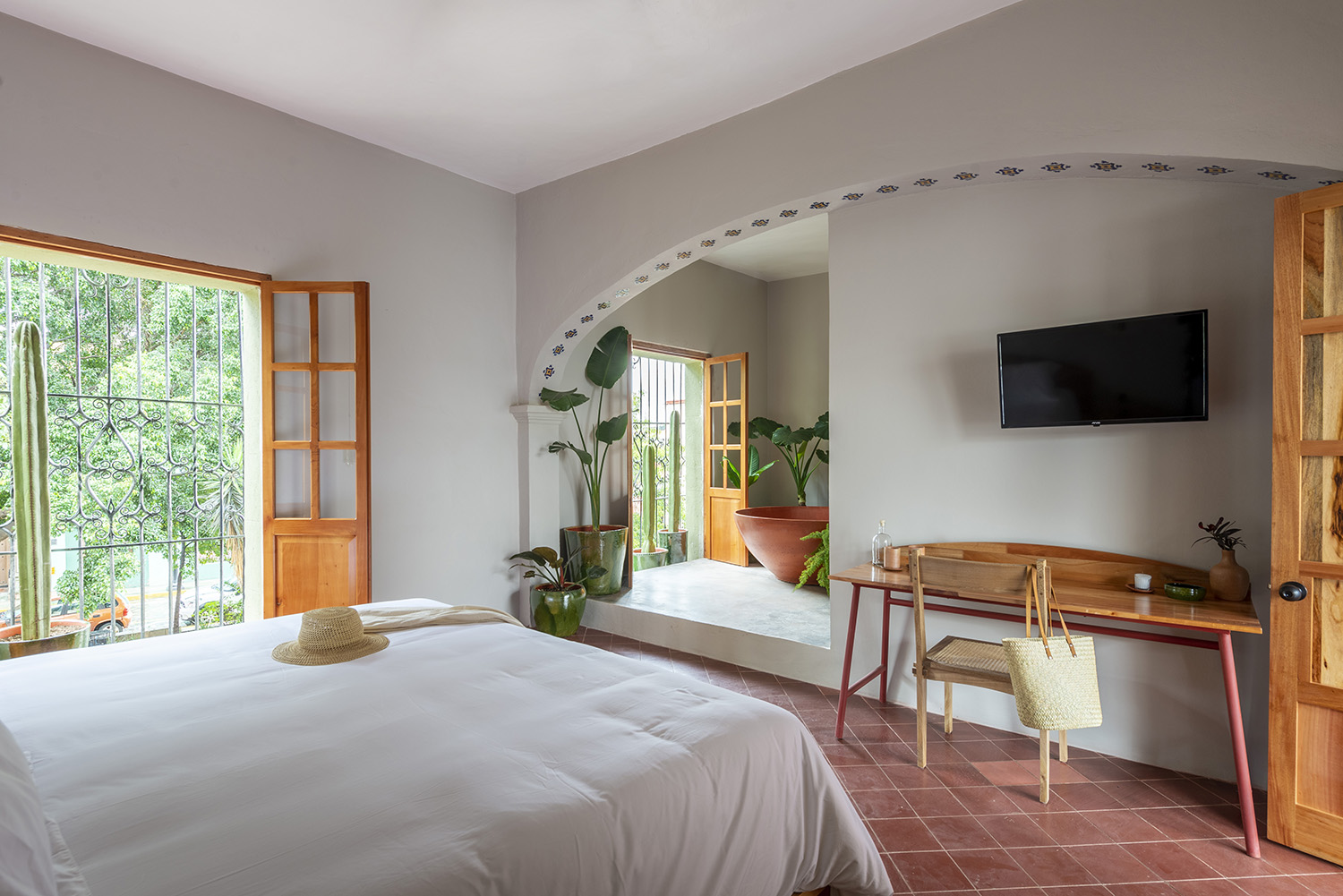
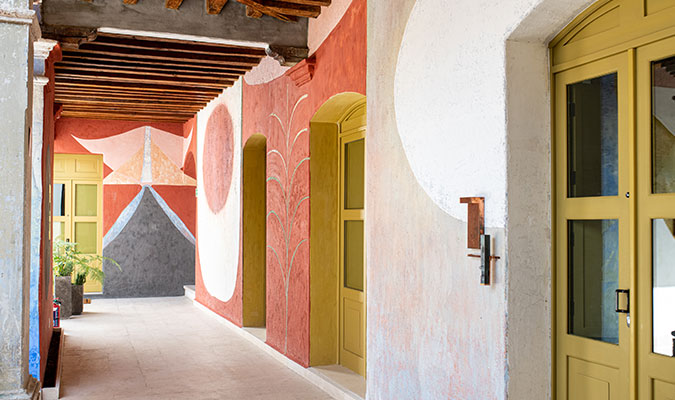
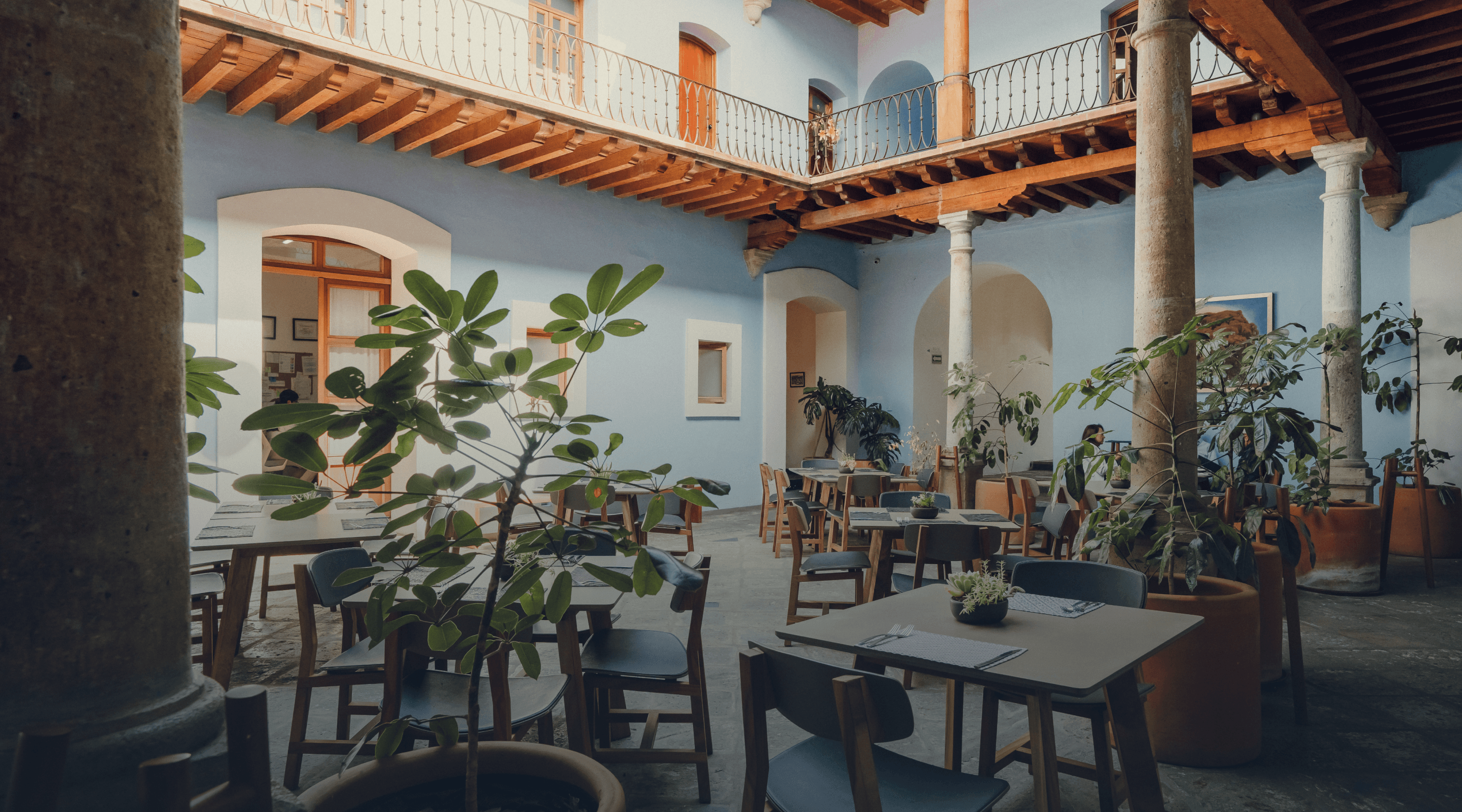
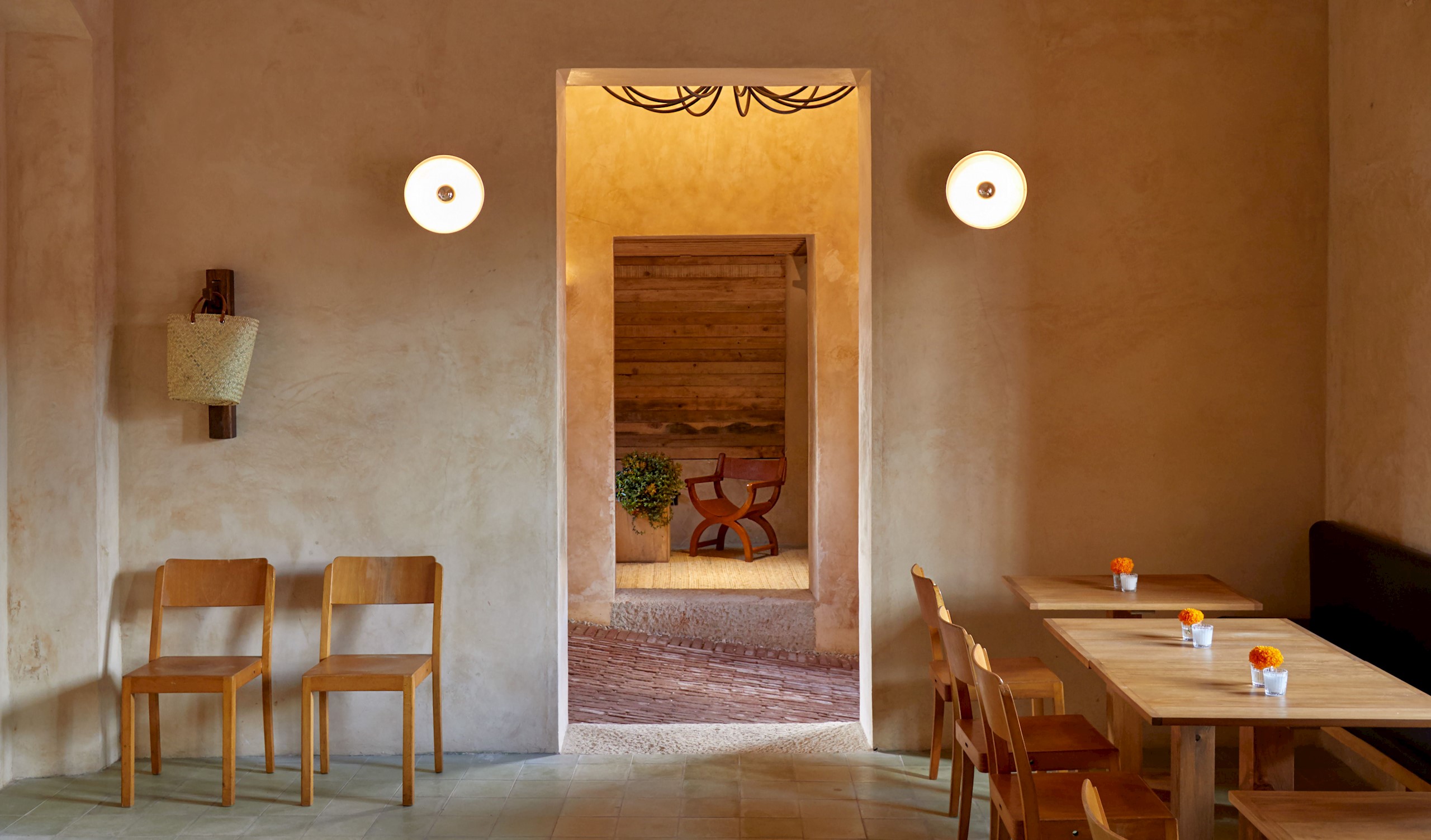
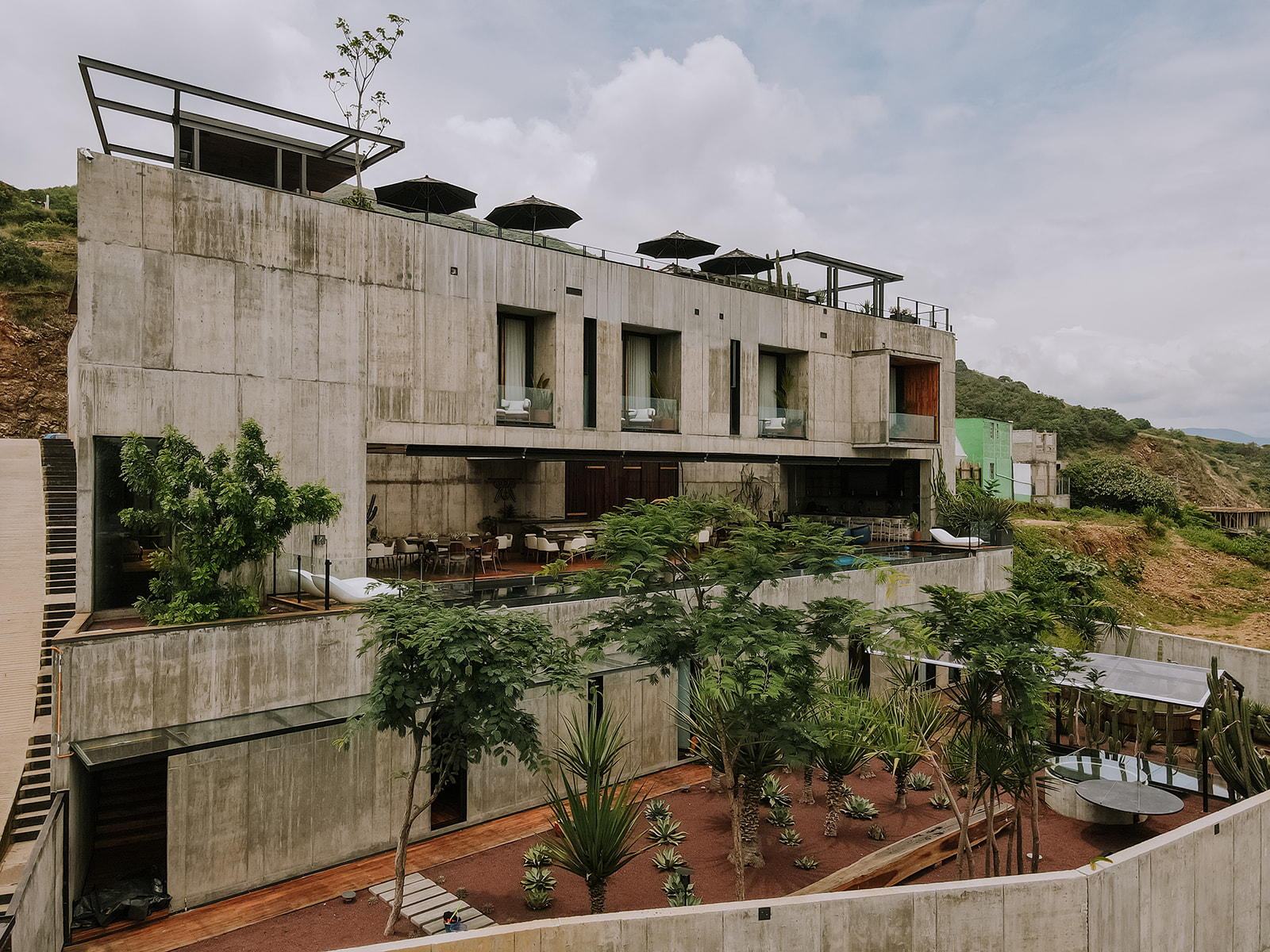
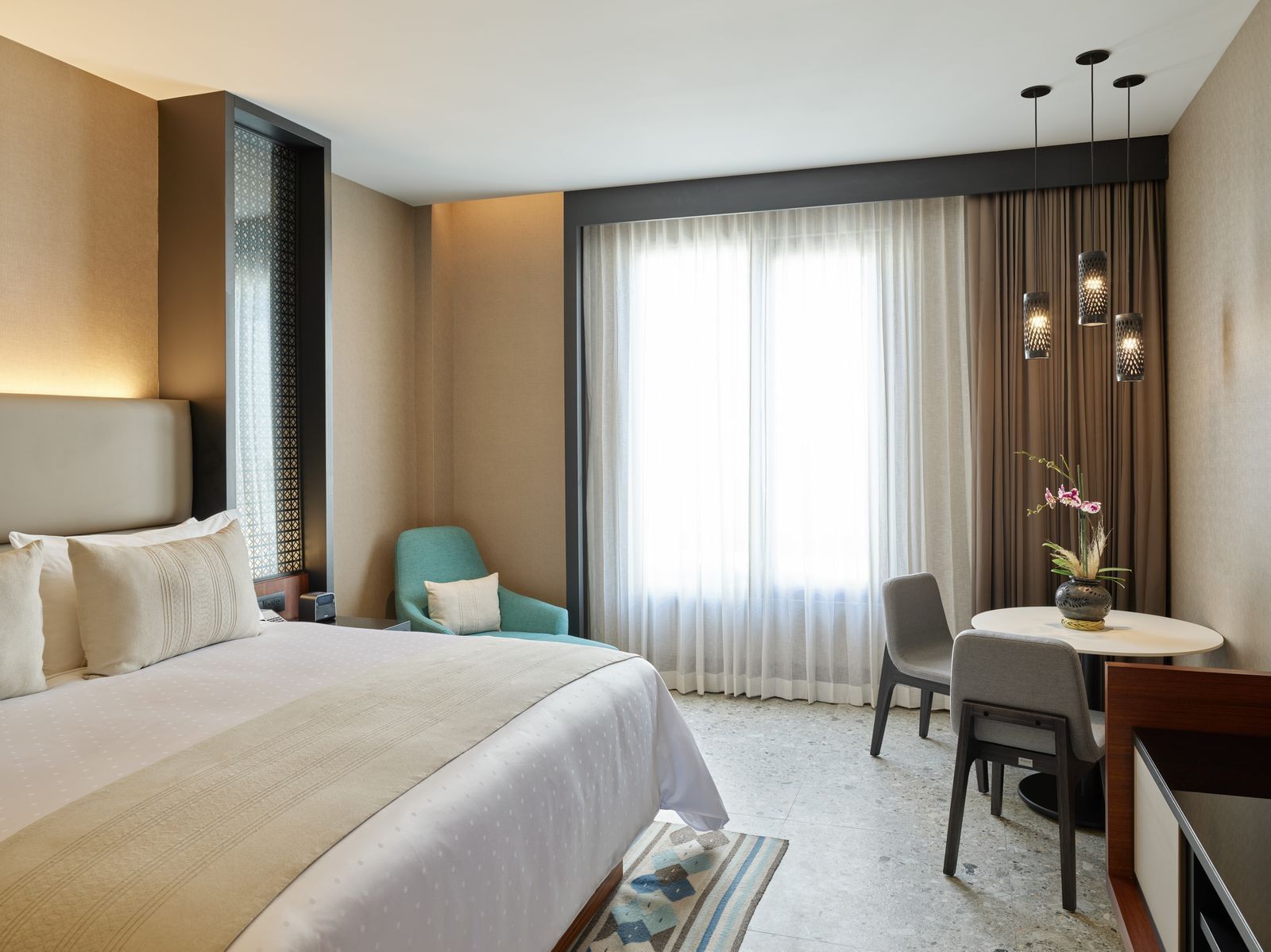
Where to Stay in Oaxaca City
9 recommended properties

Things to Do in Oaxaca City
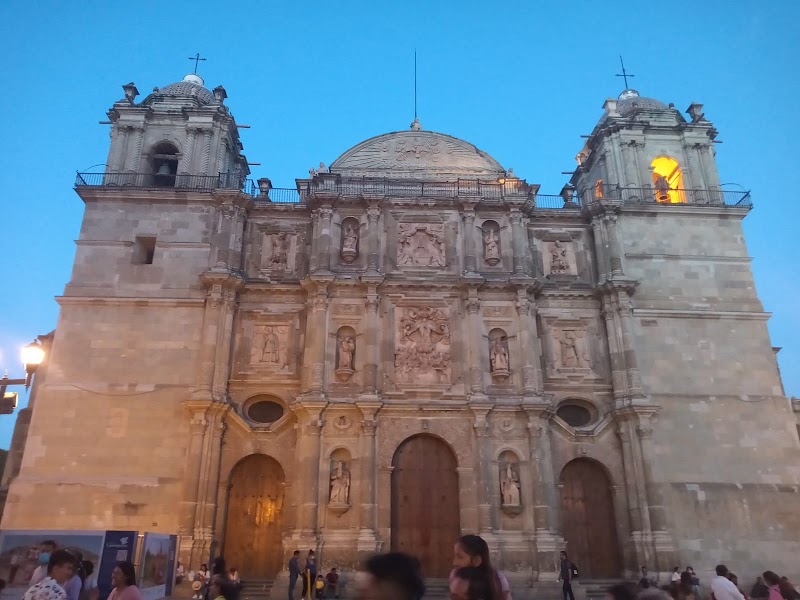
Zócalo & Alameda de León Stroll
Centro Histórico · 60 min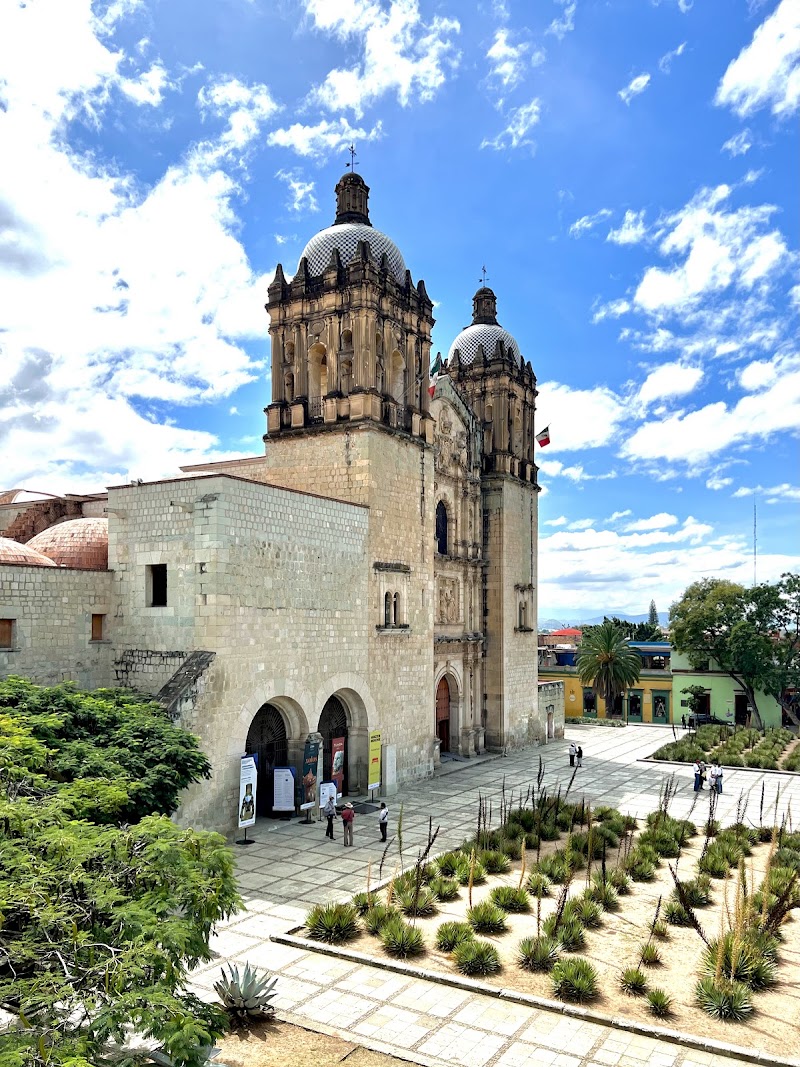
Templo de Santo Domingo de Guzmán & Botanical Garden Exterior
Centro Histórico (north side) · 90 min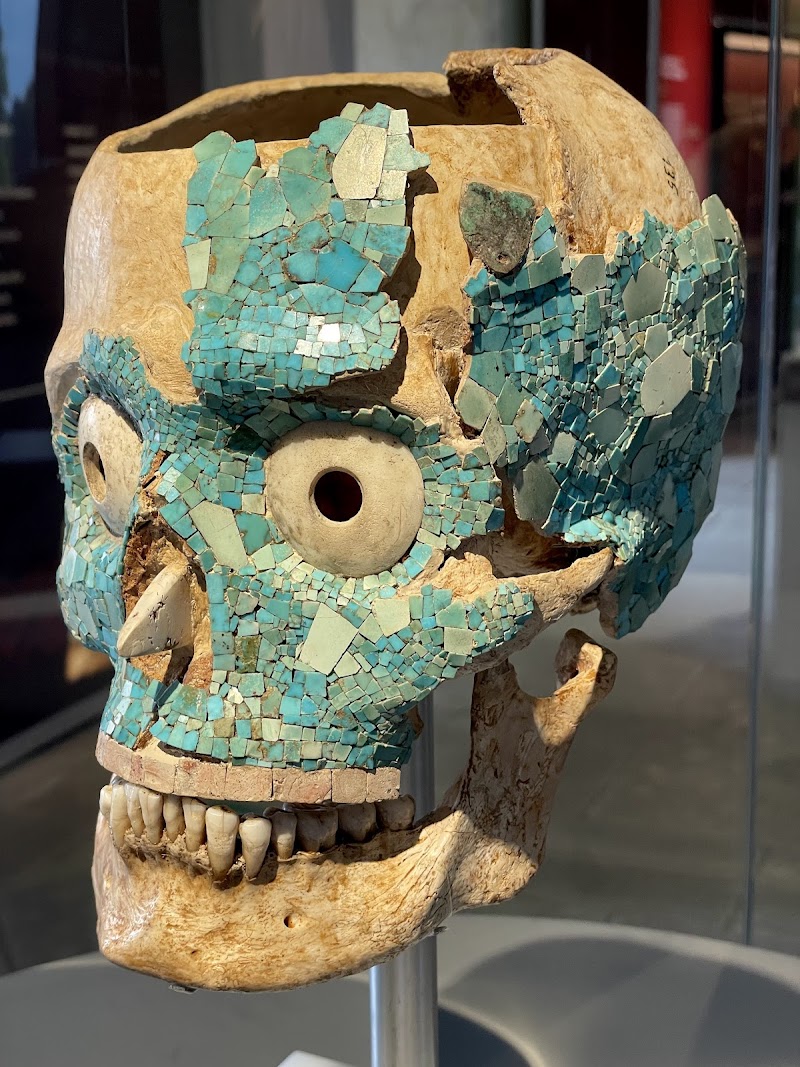
Museo de las Culturas de Oaxaca
Centro Histórico (Santo Domingo complex) · 120 minMoney-Saving Tips
- 1.Eat at markets instead of restaurants near the Zócalo — you'll pay 60-80 pesos for meals that cost 200+ pesos in tourist areas
- 2.Buy mezcal directly from producers in surrounding villages rather than fancy bars — bottles cost 300-500 pesos vs 150+ pesos per shot in the city
- 3.Use colectivos (8-12 pesos) instead of taxis for getting around — they run everywhere locals need to go
- 4.Shop at Mercado de Abastos for groceries and local products — prices are 30-50% lower than tourist markets
- 5.Stay in neighborhoods like Xochimilco instead of Centro Histórico — you'll save 40-60% on accommodation without sacrificing much convenience
Travel Tips
- •Learn basic Spanish phrases — English isn't widely spoken outside tourist restaurants and hotels
- •Bring comfortable walking shoes with good ankle support — cobblestone streets are beautiful but treacherous
- •Pack layers for temperature swings — days can hit 80°F while nights drop to 50°F, especially in winter
- •Carry small bills and coins — many vendors, taxis, and small restaurants don't make change for large notes
- •Try chapulines (grasshoppers) at markets before ordering them at restaurants — vendors usually offer free samples
- •Book accommodations early for Day of the Dead (November 1-2) — the city fills up and prices triple
- •Don't drink tap water, but ice in restaurants is usually fine — they use purified water for ice
- •Bargain at markets but not aggressively — most prices are already fair and vendors make slim margins