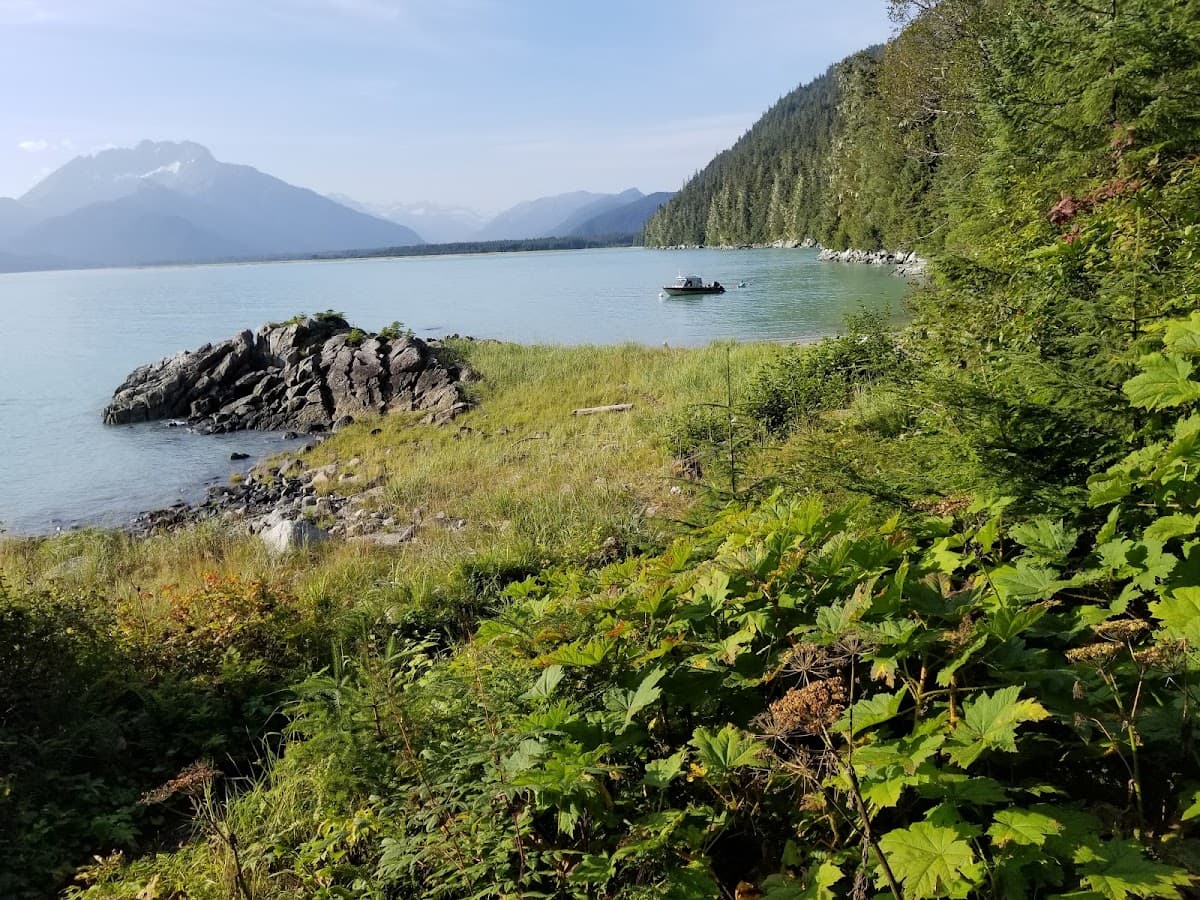
Juneau
Alaska's capital where glaciers meet temperate rainforest
Juneau sits at the edge of the world, where massive glaciers tumble into temperate rainforest and humpback whales breach just offshore. This is Alaska's capital city, but forget everything you think you know about state capitals. No roads connect Juneau to the outside world. You fly in or sail in, period. And that isolation has kept something special intact — a place where you can watch eagles soar over downtown streets and hear glaciers crack like thunder from your hotel room.
Best Months
MAY – SEP
~16°C · moderate crowds
Culture & Context
ISOLATED INDIGENOUS CAPITAL
Juneau is Alaska's capital city, but it runs nothing like what you'd picture as a capital. No highways connect it to the rest of the country. You arrive by plane or boat.
Period. That geographic isolation shapes everything here: the prices, the pace, the pride locals take in being cut off from the Lower 48. The Tlingit, Haida, and Tsimshian peoples have deep roots in Southeast Alaska, and their cultural presence isn't just ceremonial window dressing.
It's woven into the city's daily identity, from place names to institutions like Sealaska Heritage Institute. Juneau runs on three things: state government jobs, tourism (cruise ships bring over 1.3 million visitors a year), and fishing.
Locals tolerate the summer cruise crowds but don't love them. Come shoulder season if you want to feel the real city. And look, the weather here is genuinely relentless.
Juneau averages over 60 inches of rain a year. Locals don't discuss it. They just wear Gore-Tex everywhere.
Local Customs
CALL IT "OUTSIDE" & SNOW MACHINE
Locals refer to everything outside Alaska as 'Outside.' Not 'the Lower 48,' not 'the mainland.' Outside.
Use it correctly and people will like you immediately.. Don't call it a snowmobile. It's a snow machine.
This is non-negotiable in Alaska.. Cruise ship days (mostly May-September) turn downtown into a completely different place. Locals know which restaurants fill with tourists and which don't.
Eat where locals eat.. Bears are not a photo opportunity. Feeding them is illegal and approaching them is genuinely dangerous.
Bear spray is standard hiking kit, not paranoia.. Tides in Southeast Alaska can swing up to 20 feet. Check tide charts before beach walks or kayaking.
Getting stranded happens faster than you think.. First Friday events happen monthly in downtown Juneau: gallery openings, live music, local food vendors. Free, low-key, and genuinely local..
Berry season runs August through September. Locals pull over on roads to pick blueberries and other berries from trailside bushes. Joining in is perfectly normal..
The PFD (Permanent Fund Dividend) is Alaska's annual payment to residents from oil revenues. Every Alaskan gets one. It's a real thing locals plan around every fall.
Safety
WATCH THE WEATHER & BEARS
Juneau is genuinely safe for tourists by any standard measure. Violent crime is rare, particularly against visitors. The real risks here are environmental, not human.
Weather changes fast, even in summer. A clear morning can become a soaking rain by 2pm, and you'll be miserable if you didn't pack layers and waterproof gear. Tides swing up to 20 feet in Southeast Alaska.
Before any beach walk or kayak launch, check tide charts at the visitor center or online. Don't skip this. For hiking, the Tongass National Forest trails include steep rocky terrain, thick underbrush, and hidden ravines.
Multiple hiker fatalities have occurred in the backcountry here in recent years. Stick to marked trails unless you genuinely know what you're doing. Bears are present throughout the area.
Carry bear spray on any trail outside downtown and know how to use it. The one real human safety caveat: downtown bars during cruise season attract heavy drinking, and alcohol-fueled incidents do happen. Choose your bar wisely after dark.
Medical care is available at the local hospital and through SEARHC urgent care locations. In the wilderness, helicopter rescue can take hours.
Getting Around
PLANE OR BOAT ONLY
Here's the thing about getting to Juneau: Alaska Airlines is the only jet carrier flying in, with daily connections from Seattle and Anchorage. Alaska Seaplanes runs smaller prop flights to regional towns like Sitka, Hoonah, and Petersburg. The Alaska Marine Highway ferry connects Juneau to other Southeast Alaska communities and down to Washington State, and the scenic route through the fjords is worth doing at least once.
Within the city, Capital Transit buses run $2 per ride and cover downtown through Mendenhall Valley and Douglas Island. Note: as of April 2026, the Route 6 Airport Connector is suspended due to staffing issues. Use Routes 3 or 4 instead, then walk about 0.
4 miles to the terminal. Lyft operates here but hours vary. Taxis are your best bet for early ferry departures.
Downtown Juneau is walkable (about 10 city blocks), and about 43% of locals actually walk or bike to work. Glacier Highway extends 40 miles north of downtown, and that's essentially the full extent of the road system. You're not going on a road trip out of here.
Useful Phrases
Money-Saving Tips
- 1.Book accommodations early for summer visits — cruise ship passengers book up most downtown hotels
- 2.Pack layers and rain gear regardless of season — weather changes quickly
- 3.Many attractions offer combo tickets — the Mount Roberts Tramway plus museum saves about $10
- 4.Grocery stores are expensive due to shipping costs — consider packing snacks
- 5.Free activities include hiking trails around Mendenhall Glacier and exploring downtown historic district
- 6.Whale watching tours offer similar experiences at different price points — compare carefully
- 7.Airport rental car pickup avoids downtown traffic and parking fees
Travel Tips
- •Download offline maps — cell service can be spotty in remote areas
- •Bring binoculars for wildlife viewing — eagles and whales are common but distant
- •Check weather forecasts daily — outdoor activities depend heavily on conditions
- •Book glacier tours early in your trip in case weather forces cancellations
- •Dress in layers — temperatures can vary 20+ degrees between downtown and glacier areas
- •Learn basic bear safety if hiking — black bears are common throughout the area
- •Carry cash — some smaller businesses don't accept cards