
Nice
French Riviera elegance meets Mediterranean charm perfectly
Nice strikes that rare balance between French sophistication and Mediterranean ease. You'll find yourself sipping rosé on the Promenade des Anglais one moment, then wandering cobblestone streets in Vieux Nice the next. This isn't just another beach town—it's where Belle Époque grandeur meets modern French living, all wrapped up in that legendary Côte d'Azur light that's drawn artists here for centuries. The beaches are pebbly, not sandy, but that azure water more than makes up for it.
Best Months
APR · MAY · JUN · SEP · OCT
~23°C · high crowds
Culture & Context
ITALIAN SOUL, FRENCH HEART
Nice sits in a genuinely interesting cultural position. It only became part of France in 1860 — before that it was part of the Kingdom of Sardinia, and the Italian influence is visible everywhere, from the architecture in the Old Town to the food (socca is a Ligurian street food, pissaladière has direct parallels in Italian onion tarts). The Niçard dialect, a variant of Occitan, is still alive in street signs in Vieux Nice and on some local TV, though fluent speakers are a minority of older residents.
Locals often identify primarily as Niçoise rather than French. This is not Paris. The social temperature is warmer, the pace is slower, and people are considerably more forgiving of tourists who try to speak French — even badly.
The city is the fifth-largest in France with around 358,000 residents, but it does not feel large. It is compact, walkable at its core, and very livable. Nice is also the second most visited city in France after Paris, which means the tourist infrastructure is excellent but the Promenade in July genuinely tests your patience for crowds.
The city has historically been home to artists — Matisse spent much of his life here, and Chagall lived and worked in Cimiez. Both have dedicated museums worth visiting seriously, not just ticking off. The food culture is its own thing: lighter than inland French cuisine, heavy on vegetables, seafood, olive oil, and Mediterranean flavors.
A real salade niçoise has no cooked vegetables and no potatoes — get into an argument with someone who disagrees.
Local Customs
GREET BEFORE SPEAKING
Always greet with 'Bonjour Monsieur' or 'Bonjour Madame' before saying anything else when entering any shop, café, or catching a bus. Skipping it is considered flat-out rude and will affect the service you get.. Dress more like a local than a tourist.
Niçois dress formally by American standards. Baseball caps, flip-flops, and swimwear worn away from the beach immediately mark you as a tourist and can invite unwanted attention from pickpockets.. Gratuity is usually included in the bill (service compris), but rounding up or leaving an extra 5% for genuinely good service is appreciated.
For taxis, 5% is standard.. Faire la bise — light cheek kisses when greeting friends — is common among people who know each other. As a visitor, wait for the other person to initiate.
With strangers, a handshake and eye contact is the norm.. Private beach clubs along the Promenade des Anglais ban outside food and drink and charge upward of €20 for a sun lounger. Public beach sections sit between the private clubs for free — just less comfortable on those pebbles..
Restaurants in France typically don't rush you out. The table is yours for the evening. But asking for the check will not come until you explicitly request it ('L'addition, s'il vous plaît')..
Tap water is safe to drink everywhere in Nice and is actually quite good. Asking for 'une carafe d'eau' gets you free tap water at any restaurant — you don't have to pay for bottled if you don't want to.. Topless sunbathing is legal on Nice beaches but is increasingly uncommon among younger generations.
Legal does not mean unnoticed.
Safety
PICKPOCKETS, NOT VIOLENCE
Nice is generally safe, and violent crime against tourists is rare. The most common problem is pickpocketing — Old Town alleys, trams, and crowded markets on Cours Saleya are the main hotspots. Keep bags zipped and in front of you on public transport.
The Arianne neighborhood in the north is the one area locals genuinely warn against: no tourist reason to go there, and worth actively avoiding. The area around Nice-Ville train station (Avenue Thiers) can feel sketchy at night. As with any big city, staying on well-lit streets after dark is just good practice.
France maintains its Vigipirate security posture at an elevated level as of 2026, meaning you will see armed police and military at transport hubs and major tourist areas — this is preventative, not a sign of active threat. The EES biometric system went fully live at Nice Côte d'Azur Airport in April 2026, so non-EU travelers should budget extra time at border control for fingerprint and facial registration. Tap water is safe.
Street food is safe. And one practical note: rental cars left in parking lots near tourist spots are frequently targeted for smash-and-grab break-ins — leave nothing visible on the seats.
Getting Around
TRAM & WALK
Nice's public transport is run by Lignes d'Azur and covers trams plus over 140 bus routes. The tram network is the backbone — fast, frequent, and easy to navigate. Tram Line 1 cuts through the city center north to south.
Tram Line 2 is the one tourists actually care about: it runs directly from both airport terminals to the city center (Jean Médecin, Place Masséna) and then on to Port Lympia, taking about 25-30 minutes. Tram Line 3 connects to the Allianz Riviera stadium. Trams run from around 4:25am to 1:35am, every 3-8 minutes during the day.
A single ticket is €1.70 and works on both trams and buses, with free transfers within 74 minutes in the same direction. Get the 'La Carte' rechargeable card (€2 deposit, refundable) from machines at tram stops — they take bank cards, Apple Pay, or coins.
The airport vending machines only sell a round-trip paper ticket for €10, which is a rip-off compared to €1.70 on La Carte. A 7-day pass costs €20 and is great value if you are moving around a lot.
There's also a SudAzur pass (35€ for 3 days, 50€ for a week) available July through early November that covers all local buses including Monaco and even regional trains to Italy. For getting around Nice itself, walking plus tram will handle almost everything. Rent a car only if you plan on day trips into the hinterland — driving and parking in central Nice is genuinely painful.
Taxis start at around €5.50 and cost about €2.10 per km.
From the airport to the city center by taxi runs around €32-37 flat rate. TGV trains from Nice-Ville station connect to Paris in about 6 hours. TER regional trains reach Monaco, Cannes, Antibes, Menton, and Èze regularly throughout the day.
Useful Phrases
Nice Itineraries
View all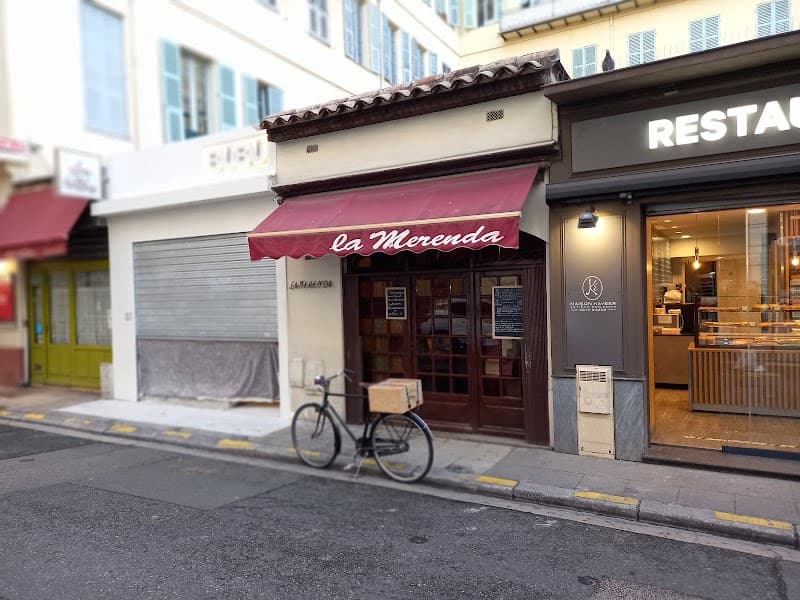
Seven Slow Days in Nice: Sea, Squares & Socca
Week · $$
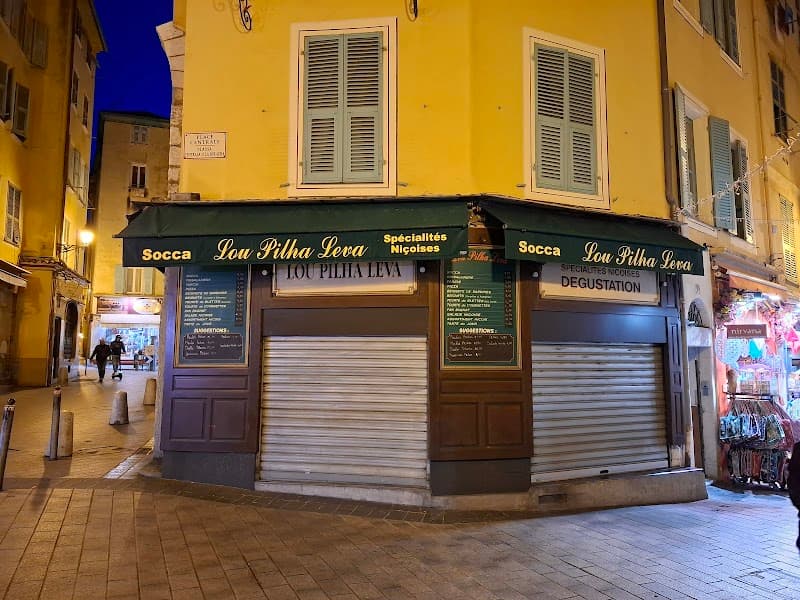
Nice Weekend: Sea Views, Socca, Wine, and Nightlife
Weekend · $$$
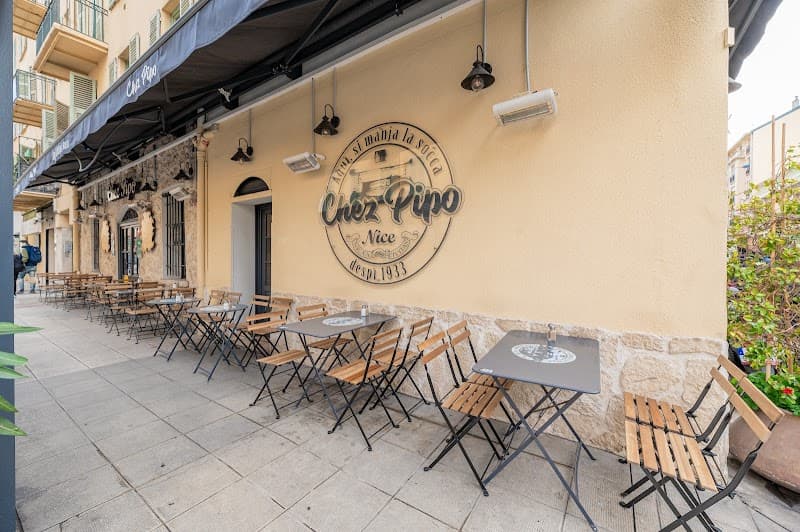
Shoestring Riviera: 3 Culture-Packed Days in Nice
Weekend · $
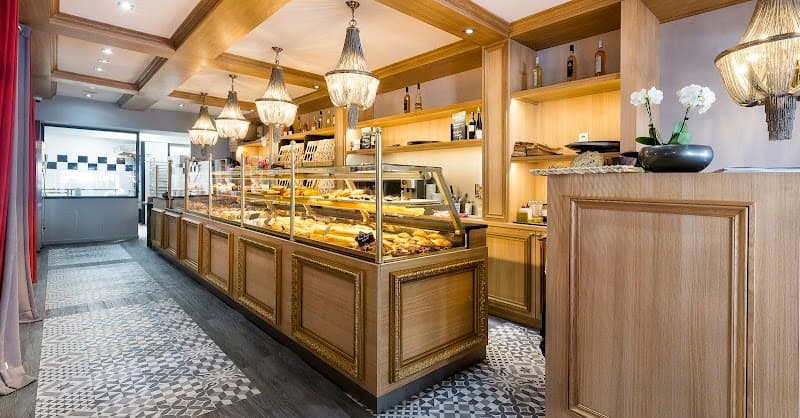
Budget Adventure Weekend in Nice for Two
Weekend · $
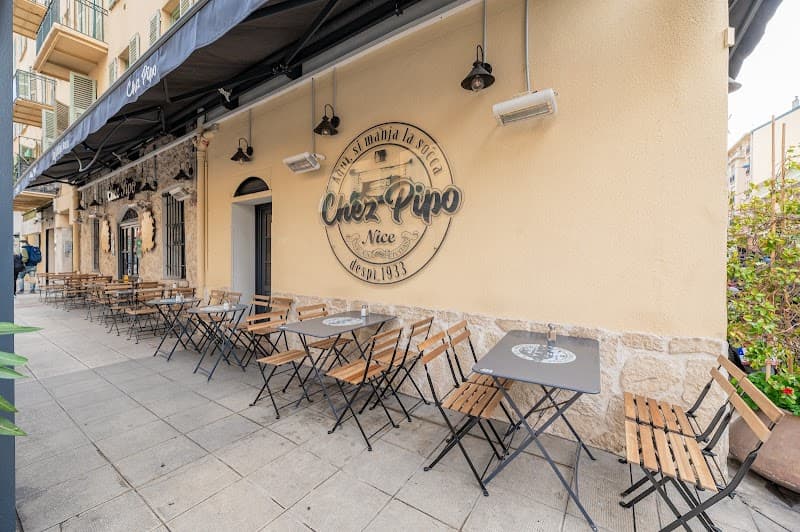
Nice on a Shoestring: Culture, Coast & Charm in a Day
Weekend · $
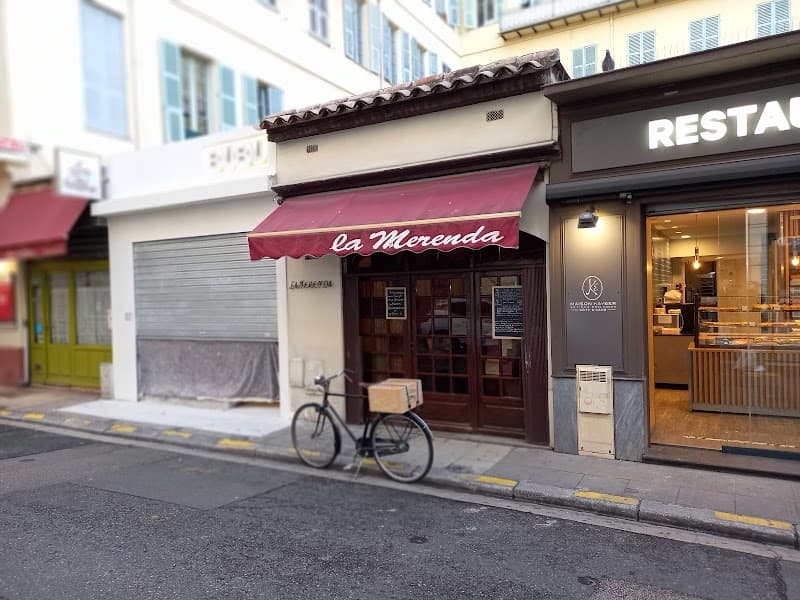
7 Slow, Sunny Days in Nice for Two
Week · $$$
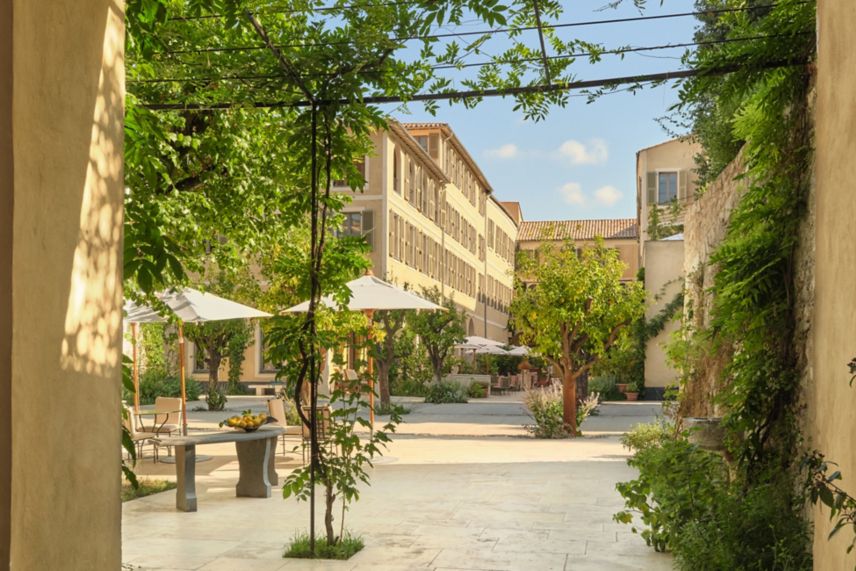
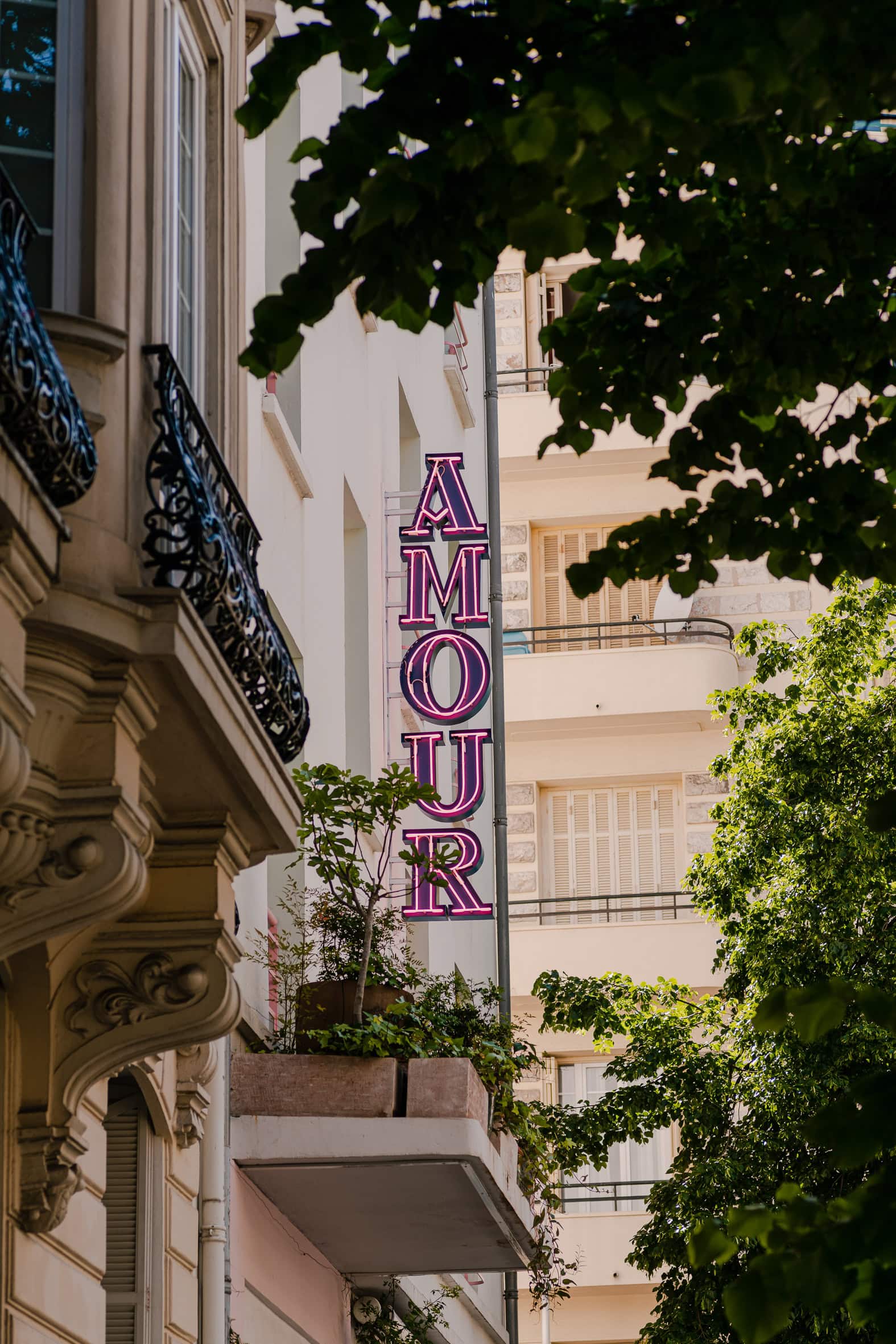
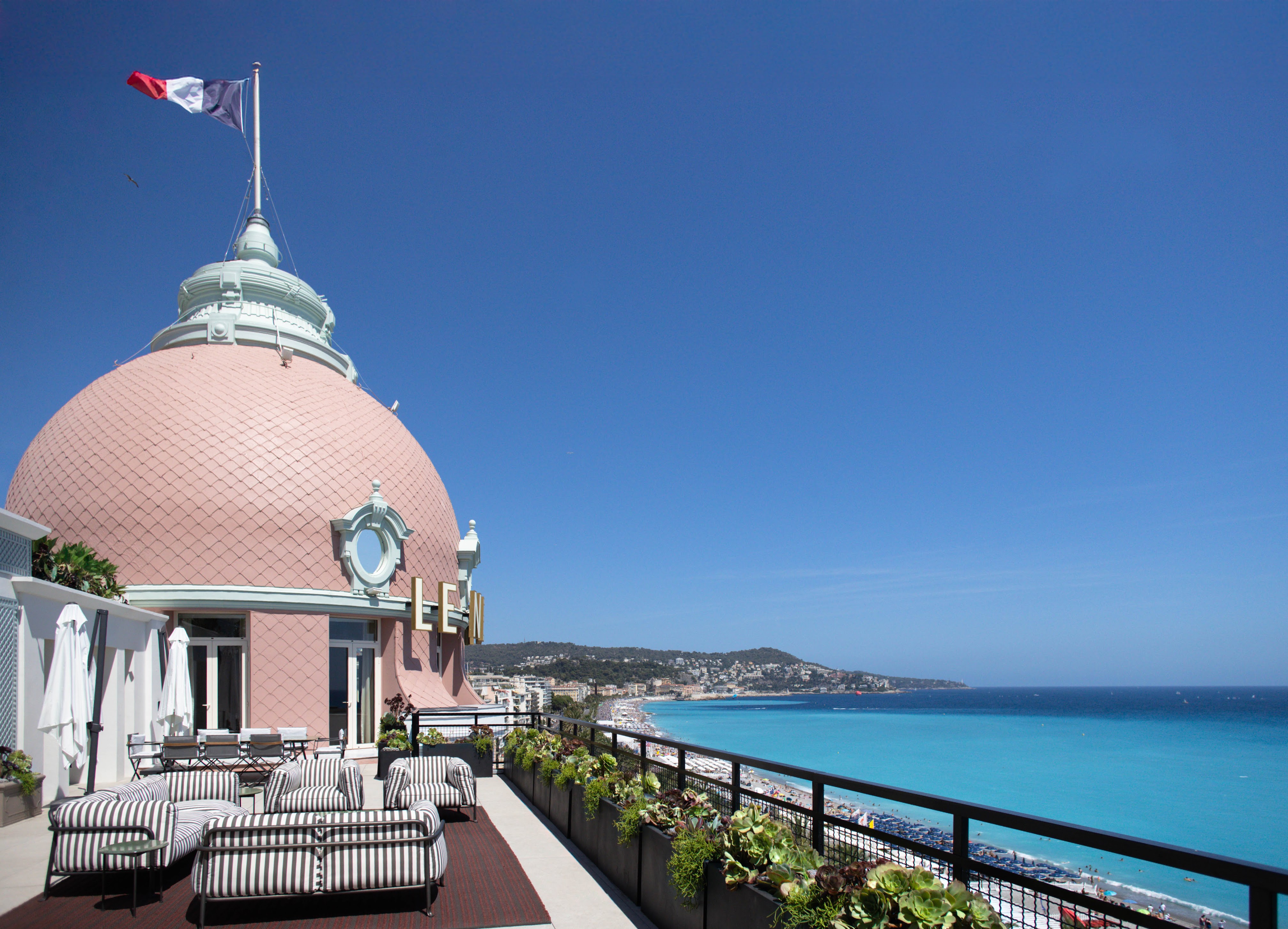
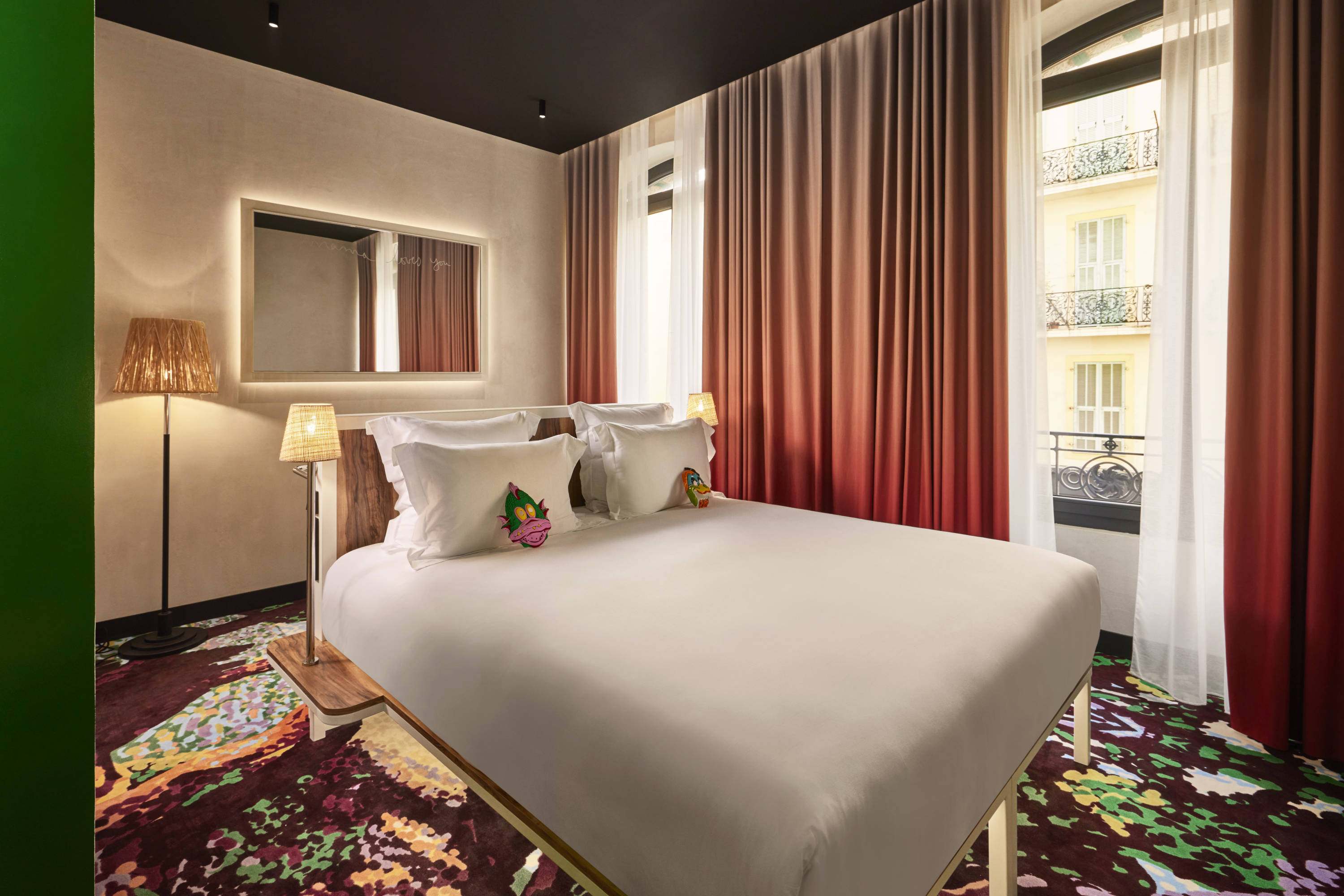
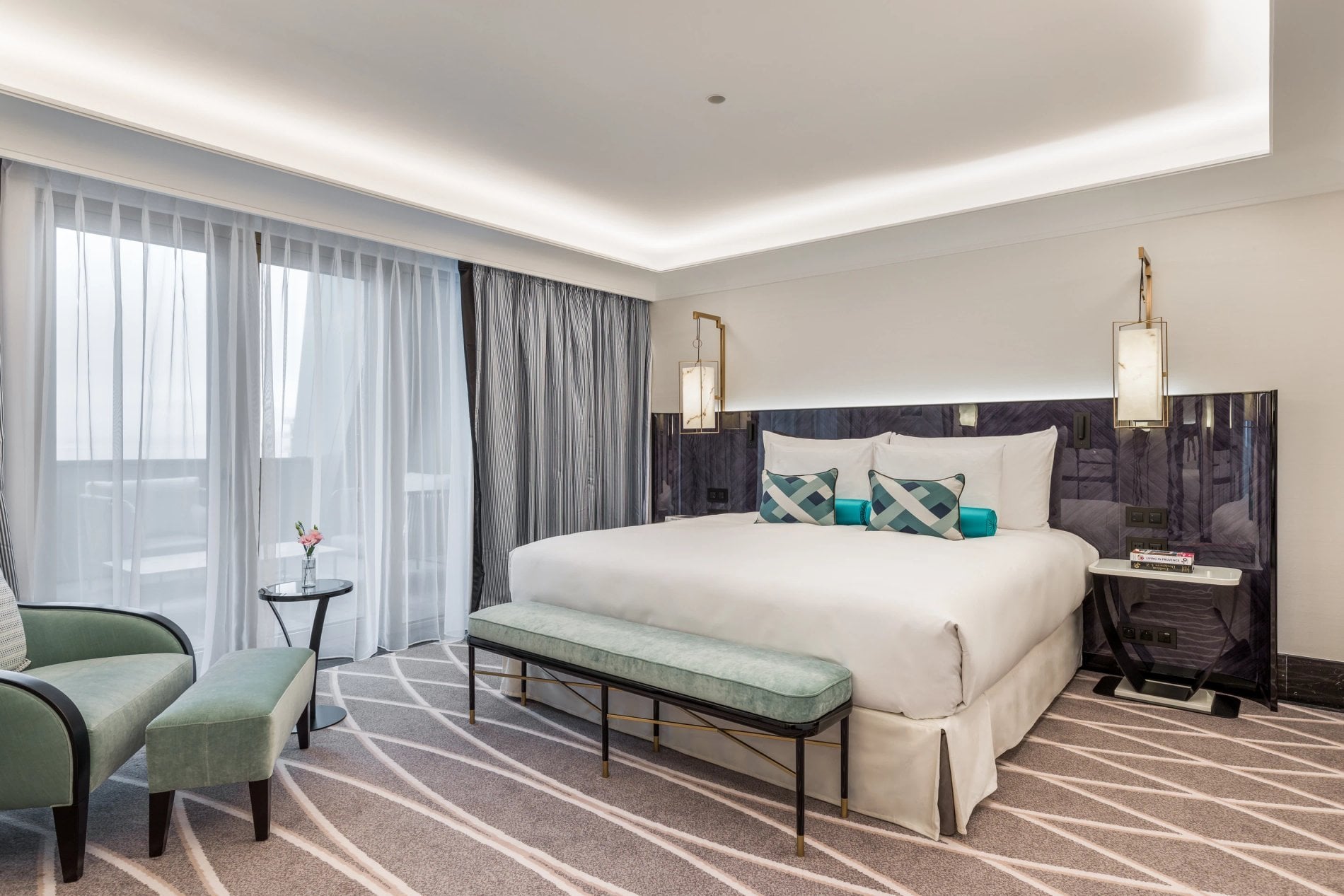
Where to Stay in Nice
9 recommended properties
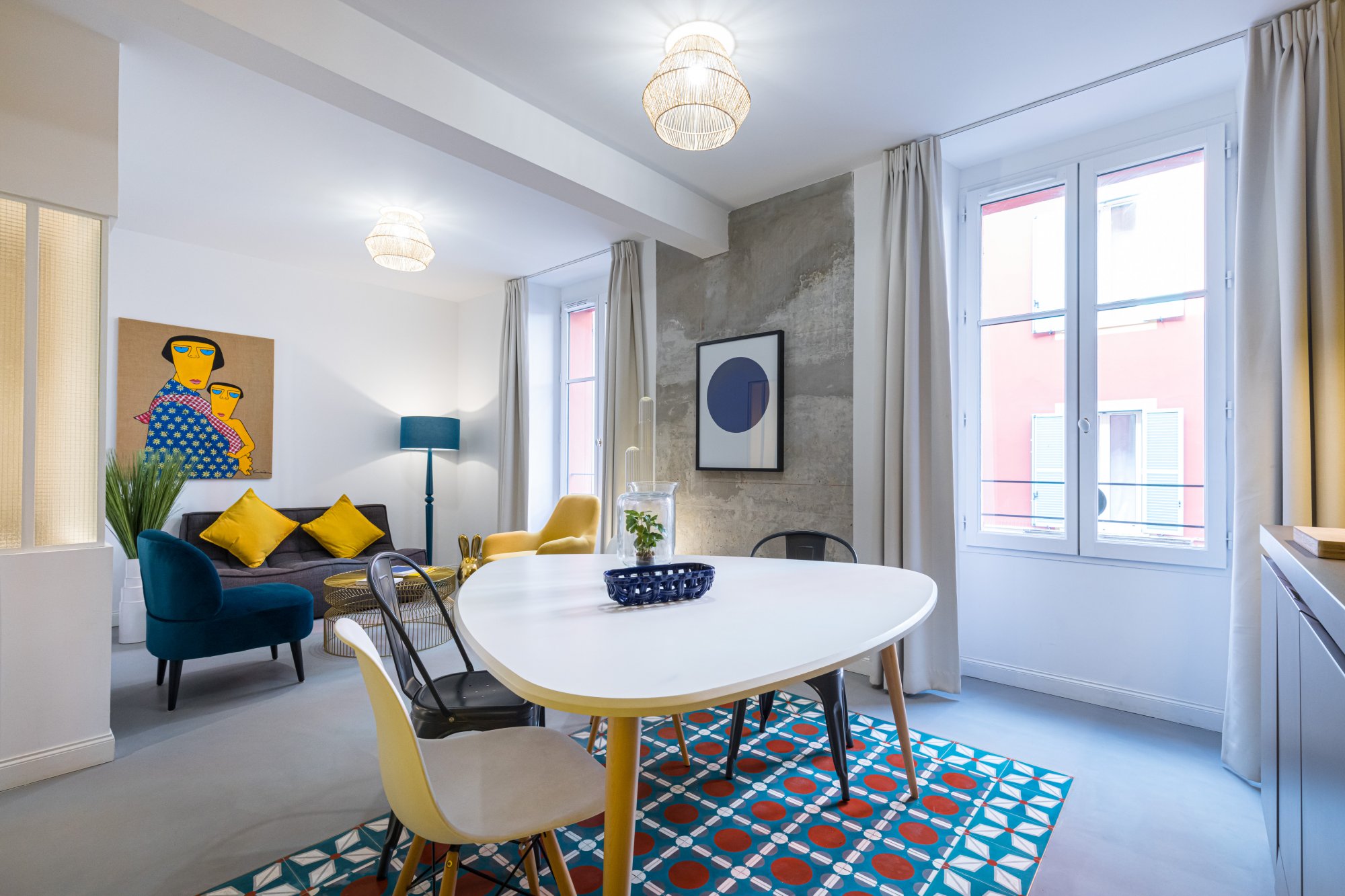
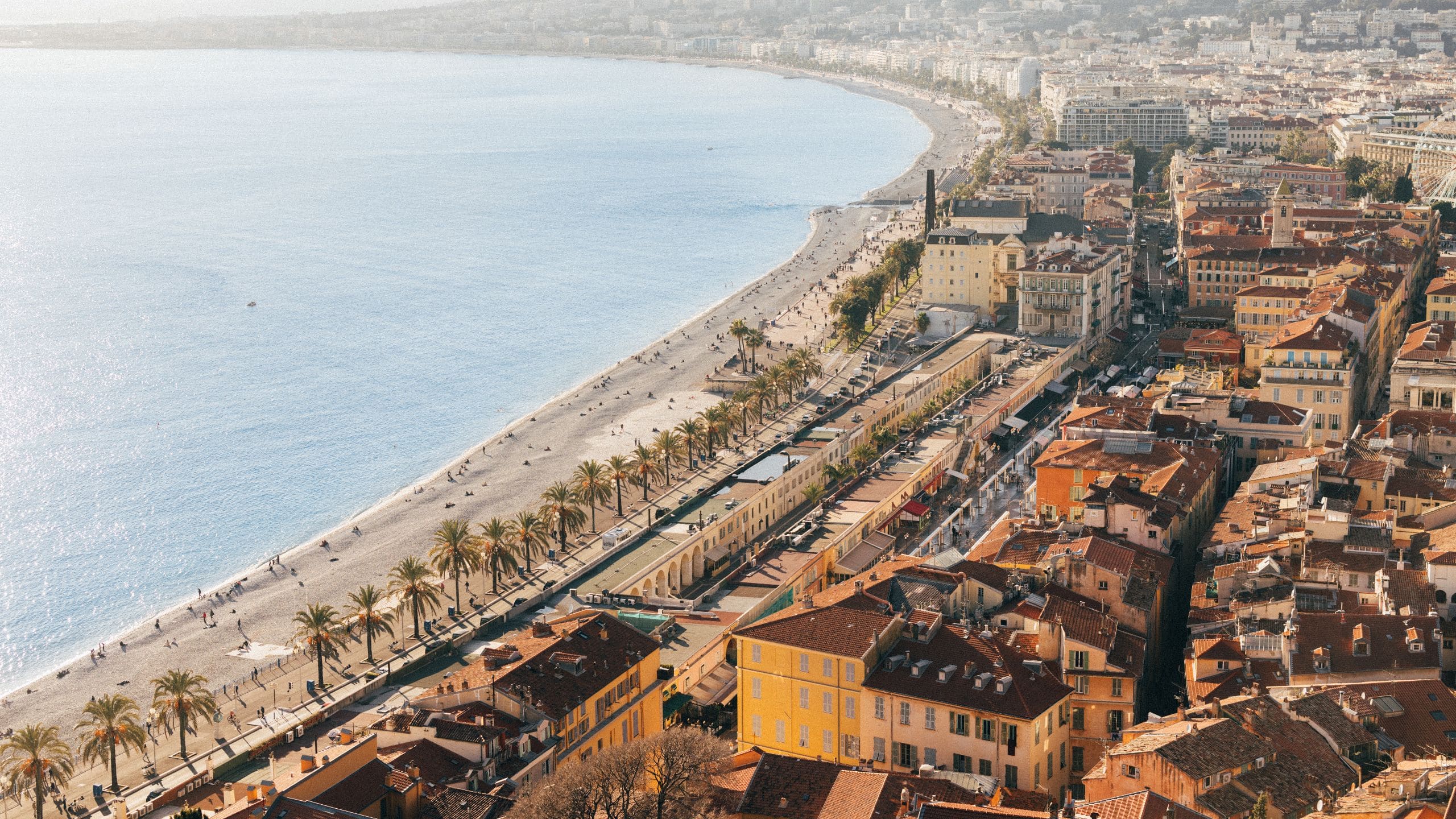
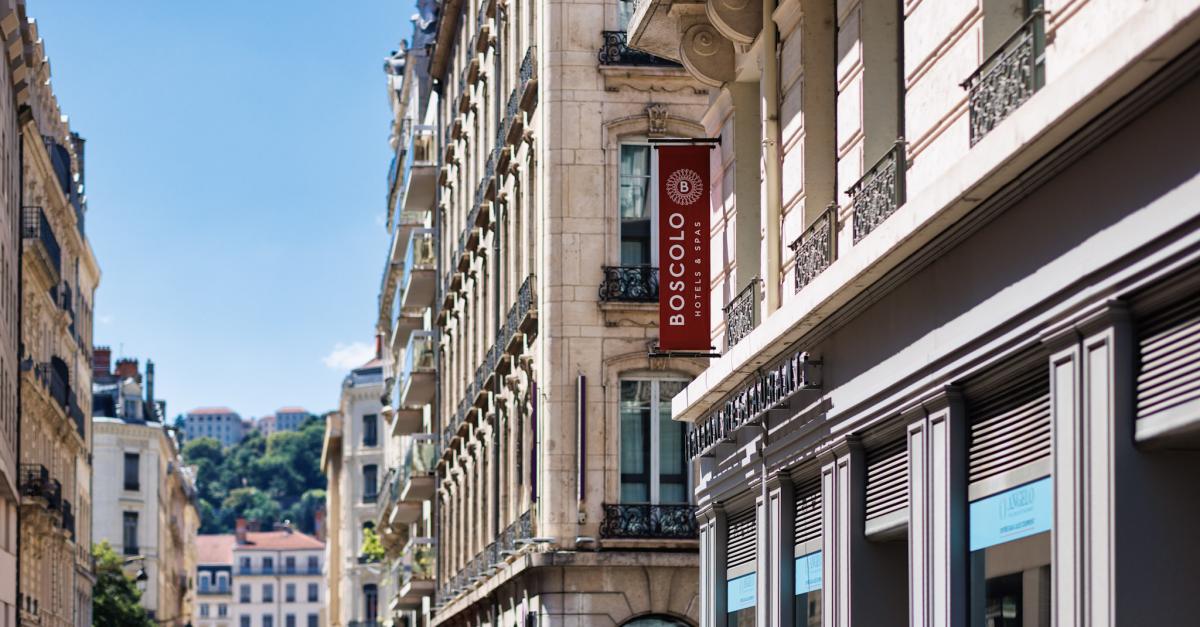
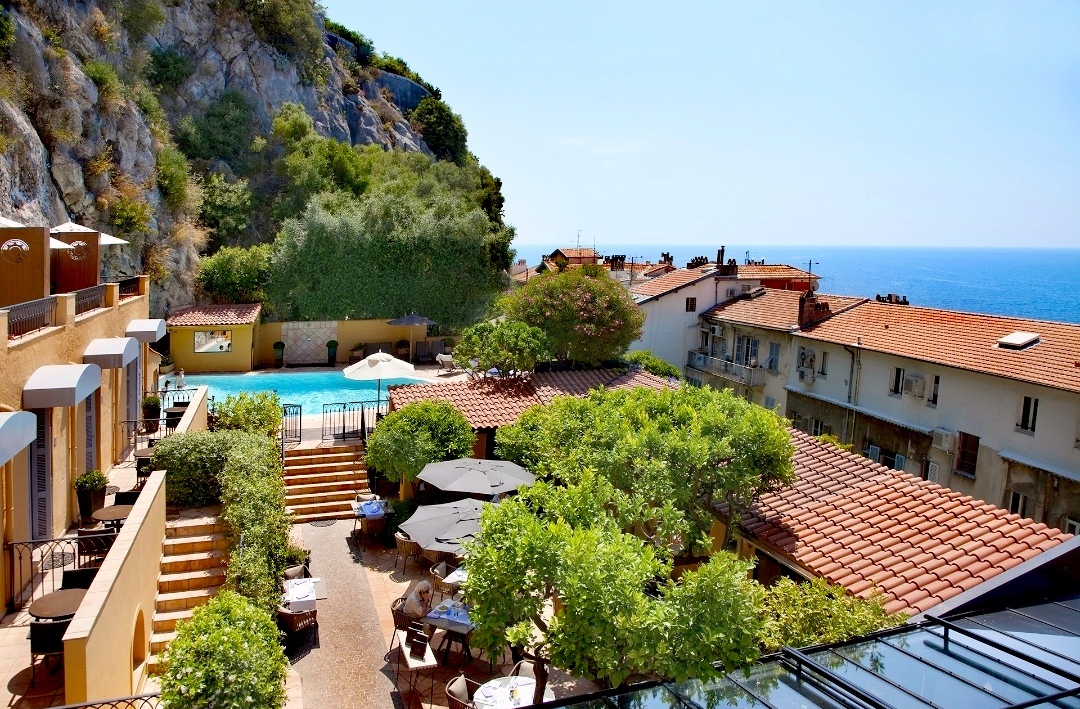
Things to Do in Nice
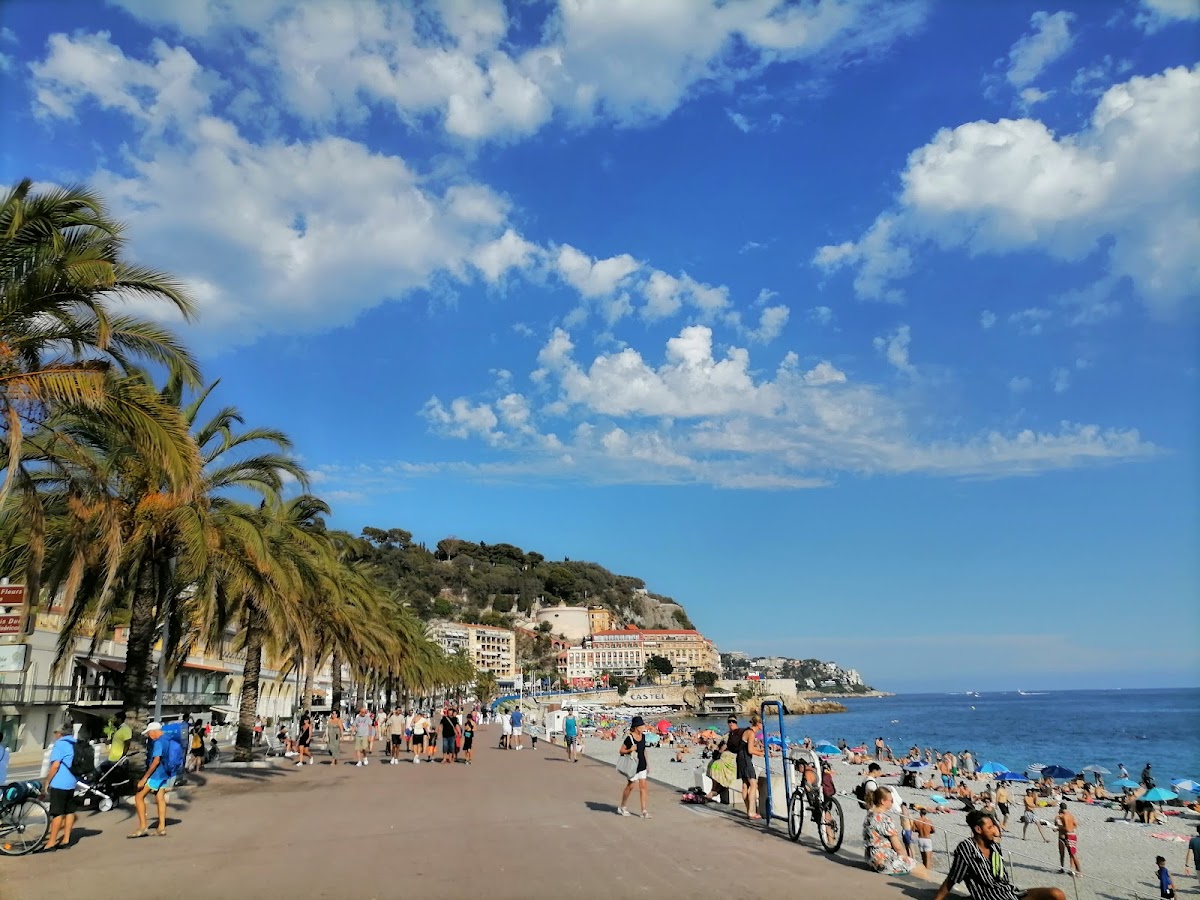
Promenade des Anglais Stroll
Promenade des Anglais · 60 min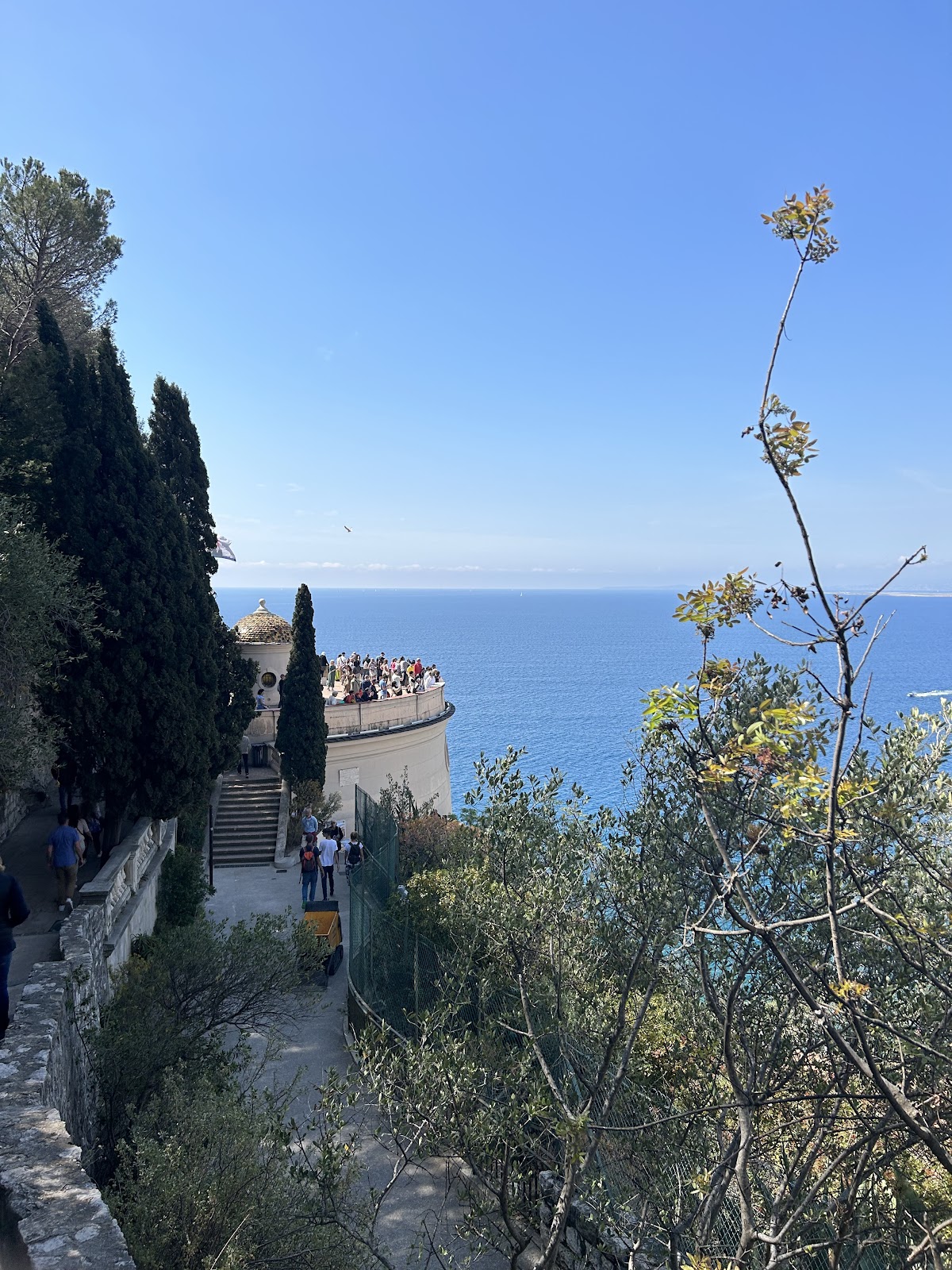
Castle Hill Viewpoint
Old Town · 90 min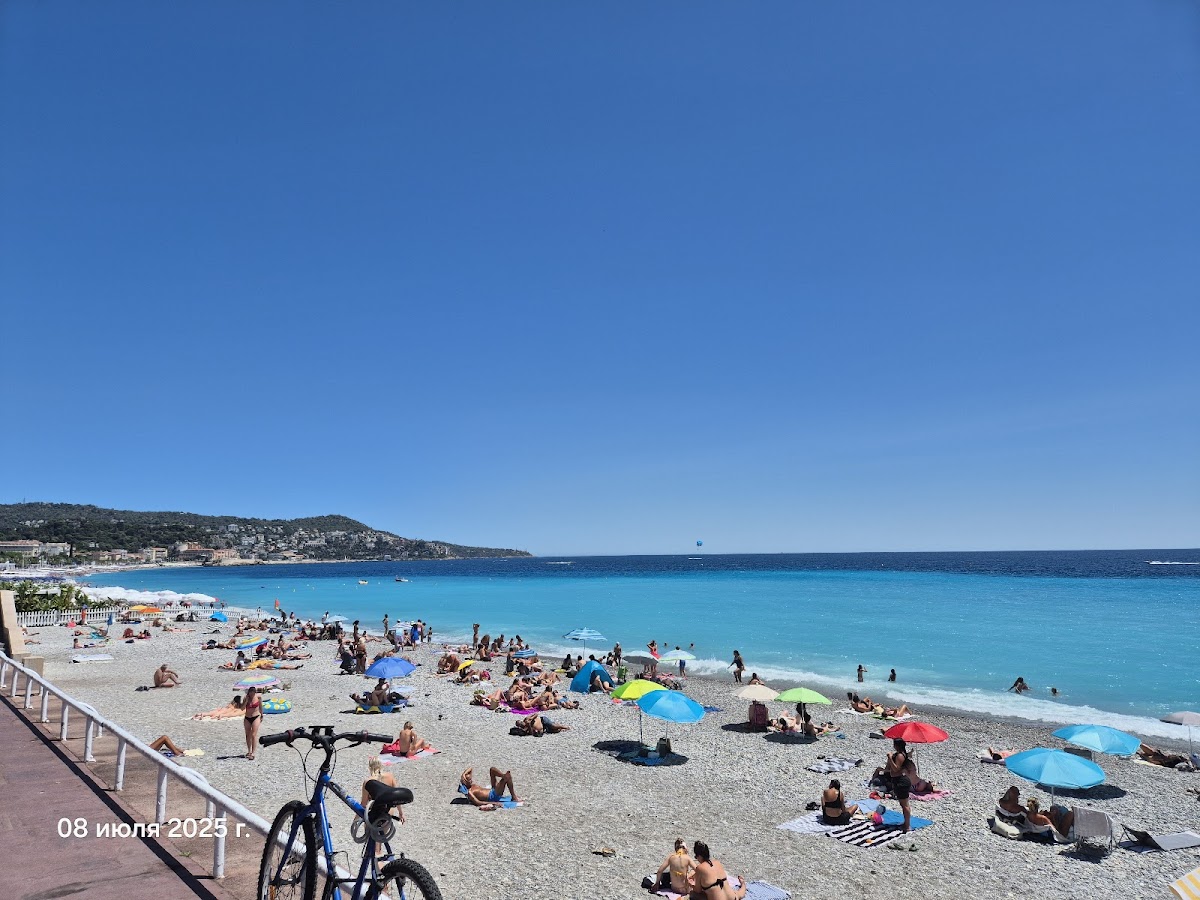
Plage Blue Beach
Old Port · 120 minMoney-Saving Tips
- 1.Buy groceries at Monoprix or Carrefour instead of tourist shops—prices drop by 30-40%
- 2.Beach clubs charge €20+ for a lounger, but public beaches between them are free
- 3.Lunch menus (menu du jour) cost half the price of dinner at the same restaurants
- 4.The Musée d'Art Moderne is free, while most others charge €10-15
- 5.Happy hour at bars typically runs 5-7 PM with drinks from €5 instead of €8-12
- 6.Take the train to Monaco instead of driving—parking there costs €20+ per day
Travel Tips
- •Pack layers—sea breezes can make 25°C feel chilly in the evening
- •Book restaurant reservations online the day before, especially in summer
- •The pebble beaches are tough on feet—bring water shoes or thick flip-flops
- •Learn basic French pleasantries—locals appreciate the effort and service improves
- •Download the Lignes d'Azur app for real-time bus and tram schedules
- •ATMs charge high fees—bring euros or use a no-fee travel card